Location: Home >> Detail
J Sustain Res. 2025;7(4):e250068. https://doi.org/10.20900/jsr20250068
 ,
Catarina Marques 3 ,
Hélia Gonçalves Pereira 2,3
,
Catarina Marques 3 ,
Hélia Gonçalves Pereira 2,3
1 Centre for Functional Ecology-Science for the People and the Planet, Departamento Ciências da Vida, Universidade de Coimbra, Calçada Martim de Freitas, Coimbra 3000-456, Portugal
2 Social Sciences and Technology School, Universidade Europeia, Estrada da Correia nº53, Lisbon 1500-210, Portugal
3 Business Research Unit (BRU-ISCTE), ISCTE-Instituto Universitário de Lisboa, Avenida das Forças Armadas, Lisboa 1649-026, Portugal
* Correspondence: Cristina Abreu
Innovation and the multiple dimensions of sustainability are essential for business competitiveness in general and for tourism in particular. Business models (BMs) describe how companies create, deliver, and capture value; however, no prior systematic review has examined the integration of BMs, innovation, and sustainability within the context of nature-based tourism (NBT). To address this gap, this study conducts a systematic literature review (SLR) of 77 conceptual and empirical articles published between 2002 and 2023. The findings reveal that the literature on NBT remains fragmented, with limited integration of sustainability and innovation into tourism BMs. This review clarifies the conceptual foundations of NBT, BMs, and sustainability, and proposes original definitions of Innovative Sustainable Business Models (ISBMs) and NBT. It further identifies key research gaps and outlines future research directions and managerial implications, including the potential of ISBMs to enhance competitiveness, resilience, and service quality in NBT companies.
Nature and natural resources have long served as foundational assets for tourism development. The significance of nature in tourism is both widespread and deeply embedded in many destinations. NBT is characterised by companies that directly or indirectly capitalise on natural assets [1]. Modern lifestyles increasingly compel businesses to recognise the value of nature, integrating natural assets through innovative management practices that can be pivotal for both corporate success and nature conservation [1–3]. However, despite the growing relevance of NBT, there is limited clarity on how companies operationalise natural assets within their supply chains, or how they incorporate, sustainability standards, and formal or informal BMs strctures [4]. Moreover, the relationship between business model (BM) structures, formal or informal and firms’ performance, long-term viability, and competitive advantage remains underexplored [5,6]. Scholars argue that developing appropriate BMs is vital for enhancing performance in NBT [5,7,8]. However, research on BMs remains largely disconnected from the tourism literature, with BM studies still rare in specialised tourism journals [9]. Indeed, BM research in tourism is relatively recent [9], with substantial gaps around sustainability and innovation [4]. Among relevant actions for future research, ref. [5] proposed a dedicated agenda linking BMs with corporate sustainability and sustainable innovation.
Innovating BMs requires reshaping them, a process strongly tied to knowledge and skills that are often lacking in small, family-run, or rural NBT firms [10]. While these businesses often specialise in tailor-made experiences, innovation holds the potential to drive radical change [11]. Nevertheless, there is an evident scarcity of research on the design and implementation of ISBMs in NBT [12], and innovation in NBT remains largely overlooked [8].
To strengthen the identification of the research gap, this study highlights that noting that only eight articles directly addressed BMs in NBT out of over 10,000 results, thereby substantiating the research gap. Consequently, advancing BM research in tourism is essential [9]. Such research can facilitate alternative management strategies and foster innovation [13], thereby supporting companies’ strategic goals [14].
Furthermore, the concept of BMs in NBT is used in a limited and often static way [8]. Ref. [12] identified the design and implementation of ISBMs for NBT as an emergent research frontier. The small number of theoretically oriented studies on NBT [1] may partly explain this research gap. While innovation should not be seen as a cure-all for tourism’s challenges, integrating innovation into NBT BMs has the potential to replace outdated practices and enhance competitiveness and long-term performance [4,15–18].
Following [19] and adapting their methodological guidance to the specific context of the current study, two research questions are addressed:
RQ1: To what extent does sustainability in NBT BMs contribute to long-term business success?
RQ2: How do NBT companies incorporate innovation and sustainability in their BMs to achieve competitive advantage?
These questions inform the study’s objectives. First, this research aims to review existing literature on BMs in tourism and NBT. Second, it seeks to identify, evaluate, and synthesise research on BMs specifically for NBT. Third, it provides a critical discussion of research themes and trends. Fourth, it aims to improve understanding of how NBT companies evolve their BMs to incorporate innovation and sustainability. Ultimately, the study stimulates the debate on ISBMs and their role in promoting long-term performance and competitiveness in the NBT sector.
In addition, this paper proposes clear definitions of NBT and ISBMs derived from the systematic analysis conducted by the authors and articulates an operational understanding of sustainability. By doing so, it contributes to the literature on BMs in NBT, offering insights into the evolution of innovation and sustainability, and suggesting priorities for future research.
Section 2 introduces the key concepts under investigation. Section 3 outlines the methodological approach. Section 4 presents the findings, while Section 5 provides a critical review of fundamental research themes. Section 6 offers discussion and conclusions. Section 7 identifies this review’s contributions. Finally, Section 8 discusses research implications, limitations, and directions for further study.
Systematic literature reviews (SLRs) have progressively gained recognition in both tourism and BM research for their ability to integrate dispersed knowledge, identify theoretical gaps, and guide future empirical investigation. Before 2002, however, the application of SLRs in these domains was still at an early stage. In tourism, early literature reviews were largely narrative and descriptive, focusing primarily on sustainability, destination development and tourism policy rather than on BMs or firms’ innovation e.g., [20–22]. Consequently, these studies contributed mainly to conceptual frameworks, such as Butler’s Tourism Area Life Cycle Model, or to the principles of sustainable tourism (ST). They did not systematically incorporate business perspectives or strategic management frameworks.
Before 2002, BM research was only beginning to gain theoretical recognition within the management and entrepreneurship literature. Foundational work, such as [23], established the conceptual basis for understanding value creation and capture, yet its application to tourism contexts remained limited. Most studies focused on operational and marketing aspects of tourism rather than on structural and strategic dimensions of BMs. The absence of SLRs addressing tourism firms and the interplay between sustainability, innovation, and BMs, particularly within NBT, resulted in a fragmented and conceptually underdeveloped body of knowledge.
The integration of sustainability into NBT evolved progressively, following the introduction of sustainability principles in the Brundtland Report (1987) [24], and the UN Conference on Environment and Development (1992) [25], which emphasised the interdependence of environmental, social, and economic dimensions. In tourism research, ref. [26] introduced the concept of the servicescape, highlighting the influence of the physical environment on user experiences and perceptions. Regarding NBT, early definitional efforts by [27,28] associated tourism with natural environments and outdoor experiences. Ref. [29] builds up in NBT by introducing ethical and conservation dimensions, framing NBT as responsible travel that benefits local communities and nature.
Within this evolving context, the present study aims to bridge the identified gap by employing an SLR approach to explore sustainability and innovation in NBT BMs. Through a rigorous selection, categorisation, and synthesis criteria, this research combines knowledge from tourism, sustainability, and business model innovation (BMI), thereby extending previous conceptual contributions towards a comprehensive and integrative understanding of how NBT firms incorporate sustainability and innovation to achieve resilience and competitive BMs aligned with the principles of sustainable development. To the best of our knowledge, no previous systematic review has combined these three dimensions, BMs, sustainability, and innovation, within the context of NBT, underscoring the novelty and relevance of this study.
Nature-Based TourismRef. [30] argues that ‘nature’ is a complex and abstract concept, requiring careful and nuanced use alongside related scientific ideas such as ‘biodiversity’, ‘ecosystem’, and ‘landscape’. From a servicescape perspective, nature performs multiple functions, shaping customer and employee experiences through environmental cues [26]. Economically, nature is often reduced to a service provider, with ecosystem functions monetised since the 1970s [31]. NBT integrates both perspectives: nature serves as the operational stage and product, supplied and consumed through tourism experiences [32].
NBT is conceptually complex, and definitions vary. For example, ref. [27] introduced ‘nature travel’ or ‘nature-oriented tourism’ to emphasise educational, recreational, and adventure components. Refs. [29,33] highlight that NBT overlaps with ecotourism, promoting environmental conservation and local well-being. Meanwhile, ref. [28] defines NBT simply as travel to natural destinations. Ref. [29] includes consumptive activities like hunting, further broadening the scope.
This conceptual diversity reveals a fundamental tension. On one hand, NBT is viewed as non-intrusive, conservation-focused tourism. On the other hand, it is seen as a dynamic sector exploiting natural resources for varied purposes. This ambiguity complicates efforts to establish NBT as a distinct economic sector, challenging impact measurement [1]. Nevertheless, NBT demonstrably supports conservation goals [33,34]. It typically occurs in relatively unmodified, undeveloped areas outside the visitor’s ordinary environment [29,35]. Scholars have expanded the concept to include tourist activities in these settings [1,36]. For example, ref. [1] defines NBT as “human activities occurring when visiting nature areas outside the person’s ordinary neighbourhood” [1] p. 181. Ref. [1] identifies sub-categories of NBT based on activity purpose and context, with [37] characterising it as ‘minimalist’.
This definitional diversity underscores the sector’s fragmentation and highlights the need for clear conceptual boundaries in future research. At the same time, it reinforces the consistent emphasis on conservation and environmental responsibility [1]. Beyond conservation, NBT is increasingly viewed as a vehicle for regional development and rural economic diversification [3], leveraging unique natural features and exclusive experiences [38]. Managing nature as an economic asset requires conserving ecosystem services [39], and market-based instruments can support both conservation and business competitiveness [40]. Despite its overlap with ST, NBT research often fails to fully integrate sustainability principles and ecosystem service management. This gap limits the sector’s ability to contribute meaningfully to broader sustainability goals [9]. High-quality natural settings are crucial for destination attractiveness [41]. Therefore, aligning tourism activities with sustainability principles is not only desirable but essential for differentiation and competitive advantage in NBT.
Sustainable TourismIntegrating sustainable development principles into tourism discourse was formalised through Agenda 21 for the Travel and Tourism Industry [22]. In 1993, the UN World Tourism Organization (UNWTO) defined ST as tourism that fosters economic growth while preserving the environment and cultural heritage, benefiting host communities and visitors alike. Ref. [42] further elaborated on ST as a proactive strategy to mitigate tensions arising from interactions between tourists, industry actors, communities, and the environment [43].
However, policymakers, institutions, and businesses interpret the concept of ST flexibly, often reflecting divergent ideological perspectives. These include anthropocentric-utilitarian views focused on economic utility, and bioethical or ecosystem-based perspectives prioritising environmental limits [21]. The absence of clear and universal indicators has historically hindered the operationalisation of “sustainability” [1], prompting calls for robust monitoring tools focused on environmental, social, and economic performance [44–46].
While ST discourse often prioritises environmental and economic aspects, community involvement remains inconsistent [22]. This gap has led to the development of participatory frameworks and sustainability indicators [47]. Scholars argue for conceptualising ST as a multi-dimensional and systemic approach [48–50], aligned with the broader sustainability agenda.
The evolution of ST over the past two decades has followed two major phases [51]: the first involved adopting the sustainability pillars (economic, environmental, and social), while the second focused on embedding ST within partnership networks, subsidiarity, and governance innovations [52,53].
More recently, a holistic vision of sustainability has emerged, advocating for long-term planning that balances economic returns, local well-being, environmental conservation, and tourist satisfaction [54,55]. This perspective is reflected in studies that call for reframing tourism education and research within the context of the UN Sustainable Development Goals (UN SDGs) and global sustainability frameworks [56,57], promoting critical thinking and academic responsibility [1].
Recent studies emphasise the potential of ST to empower local communities, enhance destination competitiveness, and drive innovation [13,55,58]. However, the sector still lacks systemic innovations capable of addressing persistent environmental challenges and public scepticism. As such, scholars call for Innovative Sustainable Business Models (BMIs), transparent communication strategies, and destination management practices that are genuinely aligned with sustainability values [59,60].
InnovationThe concept of innovation has deep economic roots, with foundational debates dating back to the early 20th century. In the context of tourism, innovation is increasingly viewed as a strategic necessity, driving competitiveness, growth, and business continuity [61]. Innovation enables firms to adopt alternative approaches, enhance performance, and respond to market complexity [6]. Nevertheless, tourism innovation remains underexplored, particularly concerning its long-term impacts on destinations and national economies [62].
Innovation is now a central concern for businesses, universities, and policy institutions [63]. Broadly, innovation is defined as the implementation of new or significantly improved products, services, or processes [64,65]. Three core elements, creativity, problem-solving, and novel thinking, are often present across definitions [47].
Despite its potential, innovation in tourism tends to be uneven and narrowly applied, particularly among small and medium-sized enterprises (SMEs) such as NBT operators [66,67]. A lack of technical knowledge, limited access to training, and low innovation literacy constrain many tourism entrepreneurs [10,68,69]. This underlines the role of universities and research centres in filling in the gaps and supporting tourism innovation [62,70,71].
Leadership also plays a crucial role. Transformational leadership has been shown to foster creativity and internal learning, with experienced managers positively influencing innovation outcomes [65,72]. Customers can also act as co-creators in innovation processes [73], challenging supply-driven paradigms. In international tourism, innovation encompasses the adoption and adaptation of new processes to enhance productivity, employment, and competitiveness [74].
Networking, trust, and collaboration are also vital in fostering innovation ecosystems within tourism destinations [75]. However, the lack of standardised innovation indicators limits empirical measurement and benchmarking, limiting the comparability and scalability of innovation efforts [1]. Within NBT, innovation remains an under-researched field [8], offering fertile ground for scholarly inquiry with practical implications.
Crucially, policy uncertainty negatively affects national innovation output, diminishing originality, reducing quality, and compromising long-term business performance [76]. Therefore, it is incumbent on business leaders to embed innovation into their strategic planning, aligning with company goals and broader sustainability imperatives. Innovation is no longer a discretionary option but a cross-sectoral imperative, particularly through developing BMIs that integrate sustainability and adaptability.
Business ModelsBMs serve as critical frameworks for understanding how organisations create, deliver, and capture value. Ref. [4] describes BMs as interdisciplinary tools that reflect the interaction between business, society, and nature. While the BM literature is extensive, it remains fragmented and lacks a unified definition [77–79]. Scholars conceptualise BMs in various ways: as tools integrating business elements [80,81], as strategic frameworks [82], or as activity systems facilitating value creation and competitive advantage [54,77]. Refs. [7,14] define a BM as a structure that delivers value to customers, entices payment, and translates this into profit.
BMs may be explicit or implicit and are shaped by each company’s characteristics, operating environment, and strategic objectives. They also differ in function, from explanatory to operational to strategic, and may serve as platforms for innovation, decision-making, or transformation [83,84].
Recent research has broadened the role of BMs beyond the technological realm, linking them to sustainability transitions [4]. Ref. [5] advocates for the integration of sustainability dimensions into BM frameworks, promoting ISBMs that embed environmental and social concerns. These efforts are aligned with the UN global sustainability agenda, which encourages holistic, systems-based business strategies.
Despite their growing prominence, BMs are inconsistently addressed in tourism research [9]. In the context of NBT, where firms rely heavily on natural capital and community interactions, BMI is particularly relevant. ISBMs offer a strategic pathway to align sustainability goals with competitiveness and profitability [85,86].
Additionally, scholars such as [7,87] emphasise the dynamic nature of BMs, how they evolve in response to environmental, social, and economic stimuli. Ref. [88] explores BMs through cognitive psychology lenses, highlighting the importance of analogical reasoning and conceptual combination. Others, like [73], view BMs as service ecosystems that embed both economic and social value.
In tourism, BMs must respond to consumer needs, generate knowledge, stimulate innovation, and influence sustainable behaviour [89]. The shift towards ISBMs reflects a move away from static frameworks and toward more adaptive, responsive models capable of, guiding long-term strategies in uncertain and resource-dependent sectors like NBT.
Ref. [90] defines BMI as “designed, novel, and non-trivial changes to the key elements of a company’s BM and the architecture linking these elements” (p. 216). ISBMs reflect these principles by aligning innovation with sustainability, stakeholder value, and organisational learning. Ref. [91] argues that innovation in BMs is no longer product-centric but is increasingly focused on systems thinking, stakeholder engagement, and long-term value creation.
NBT firms, operating at the nexus of natural resources and community engagement, are uniquely positioned to benefit from ISBM frameworks. Exploring how these businesses adapt their models to incorporate sustainability and innovation is essential to ensuring both ecological resilience and competitive success.
This study employed a SLR to explore the complexity of BMs in NBT, identify research gaps, and synthesise existing knowledge to inform future inquiry. As [92] notes, SLRs are well-suited for developing new understanding in fragmented fields by connecting past and current research and supporting robust, cumulative knowledge-building.
A systematic review was considered appropriate for this research because it offers: (a) explicit and transparent procedures; (b) a structured, replicable, step-by-step process for literature identification, collection, and analysis; (c) scientifically credible data that can be updated over time; (d) accessible and practical findings for both academic and practitioner audiences [19,93].
Following [93] four-step framework, this review involved: defining the review purpose, identifying relevant studies aligned with that purpose, appraising the selected studies, and analysing and synthesising findings to address the research questions.
Search StrategySearch terms were developed to capture the intersection of BMs, innovation, sustainability, and NBT. The initial database search targeted ProQuest, Taylor & Francis, Scopus, Web of Science, and Emerald, focusing on terms including:
‘innovation’,
‘NBT’,
‘innovation’ AND ‘NBT’,
‘ST’,
‘ST’ AND ‘NBT’,
‘BMs’,
‘SBM’,
‘innovation’ AND ‘BM’,
‘ST’ AND ‘BMs’,
‘SBM’ AND ‘innovation’,
‘SBM’ AND ‘NBT’ AND ‘innovation’.
The initial search revealed a limited number of studies directly addressing BMs in NBT specifically. As a result, the scope was broadened to include literature on BMs in tourism more generally, innovation, ST, and NBT.
Given that broad search strings (e.g. ‘ST’, ‘BM’, ‘innovation’) returned over 10,000 results in databases like Scopus and Web of Science, the initial screening was limited to the 300 most-cited articles in those searches. Articles were downloaded if they included at least two of the targeted search terms in their title, abstract, or keywords.
Screening and Selection ProcessDuplicates were removed before a two-stage screening process. First, titles, abstracts, and keywords were independently double-checked by two reviewers to minimise bias. Articles were also initially sorted chronologically to track the field’s evolution over time. In the second stage, full-text screening was conducted, again with double independent review, to assess suitability for inclusion. The selection process focused on the ability to perform high-quality data synthesis, avoiding drawing conclusions from studies of poor quality or irrelevance.
To ensure consistency and relevance, the inclusion criteria were applied:
Focus on BMs in NBT,
Focus on BMs in tourism,
Focus on SBM,
Focus on ISBM,
Focus on ISBM in tourism or NBT.
Given the limited number of NBT-specific studies, the scope of the review was broadened to include research on tourism BMs in general. To ensure relevance and maintain conceptual integrity, a comparative framework was applied to assess the transferability of insights from general tourism to NBT contexts. Studies were included only if they addressed sustainability and innovation dimensions and provided findings applicable to NBT settings. Table 1 presents the criteria used to evaluate relevance and comparability.
 Table 1. Comparative framework for inclusion of general tourism BMs studies.
This procedure yielded 62 articles. An additional 15 articles were identified through citation searches of the included studies, resulting in a final sample of 77 articles for analysis.
The final selection comprised studies addressing BMs, NBT, innovation, and ST across various types, including conceptual and empirical research, literature reviews, and studies employing qualitative, quantitative, or mixed methods. Only peer-reviewed journal articles published in English were included. Book chapters, conference papers, executive summaries, and opinion pieces were excluded. The search covered literature published between 2002 and 2023, with data collection conducted between October 2019 and January 2023.
Data Extraction and AnalysisConsistent with SLR best practices [19], the review summarised and coded included studies to extract information on publication year, methodological approach, research objectives, conceptual focus, and geographic scope. This quantitative mapping enabled the identification of trends, research gaps, and the evolution of BM conceptualisation in business, tourism, and specifically in NBT.
Quality assessment considered the suitability of study design for addressing research objectives, clarity of reporting, and methodological accuracy. Given the lack of standardised quality appraisal tools for SLRs in this field [19], a pragmatic approach was taken, involving iterative reviewer discussion to minimise bias.
The final synthesis offered both descriptive mapping and interpretive analysis, responding directly to the research questions:
RQ1. To what extent does sustainability in NBT BMs contribute to long-term business potential?
RQ2. How do NBT companies incorporate innovation and sustainability in their BMs to achieve competitive advantage?
Findings are summarised in Figure 1, which visualises the systematic review process adapted from [94].
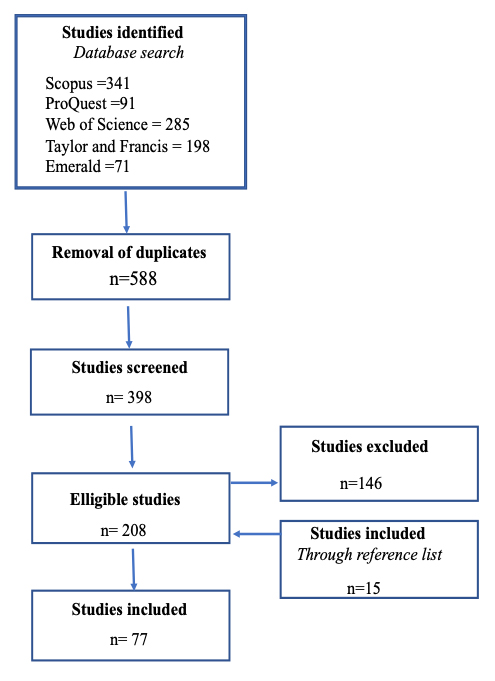 Figure 1. SLR summary process adapted from [94].
Supplementary Materials Annex I provides a chronological overview of the 77 selected articles, organised across three levels of analysis: Business, Tourism, and NBT. It details each article’s authorship, year of publication, country of origin, research topics, conceptual frameworks, methodological approaches, and key findings.
Within the “Level of Analysis” column, 59 articles examine BMs across various sectors, focusing on BM conceptualisation, their application, sustainability integration, innovation potential, and their role in enhancing business competitiveness and performance. A further 11 articles specifically address tourism-related BMs, and 8 articles focus directly on NBT, emphasising innovation in tourism-related BMs to foster competitive advantage, resilience, and ST practices.
The geographical distribution of the selected literature shows a concentration in European countries, with the United Kingdom leading (39 articles), followed by the Netherlands (21), the United States (10), Switzerland (4), Denmark (2), and Singapore (1). Notably, all NBT-focused articles examine rural tourism, incorporating activities and services grounded in natural settings. Furthermore, the review reveals that all articles related to tourism and NBT were published in Europe post-2008, while articles from the USA predominantly present conceptual discussions of BMs, often highlighting innovation and sustainability as strategic tools for enhancing competitiveness.
The geographical and thematic concentration suggests that NBT research is still emerging and largely Eurocentric, with limited empirical exploration in non-European contexts. Future studies should diversify geographic representation and include under-researched regions to enhance global relevance.
Methodological ApproachesThe methodological classification of the articles is summarised in Table 2, distinguishing between qualitative, quantitative, and mixed-methods studies. A clear predominance of qualitative approaches is evident, with 67 articles (87.0%) employing methods such as case studies, interviews, and literature reviews, often using multiple data sources. Only 3 articles (3.9%) applied quantitative methods, and 7 articles (9.1%) employed mixed-methods, combining surveys, interviews, and secondary data analysis.
This heavy reliance on qualitative approaches reflects the exploratory nature of the field and the conceptual complexity of BMs in tourism and NBT. It suggests that researchers are still in the process of defining frameworks and identifying key variables, rather than testing hypotheses through statistical generalisation.
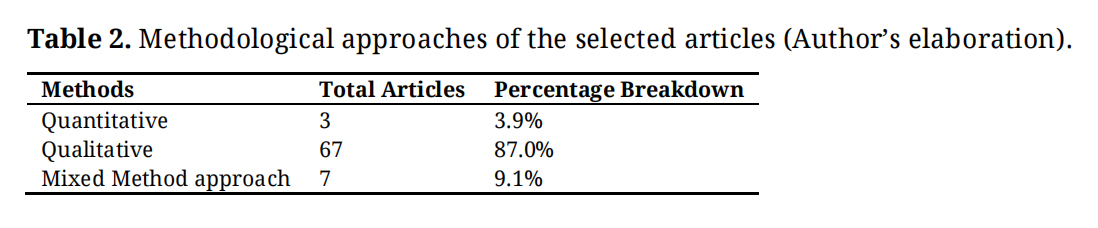 Table 2. Methodological approaches of the selected articles (Author’s elaboration).
The temporal analysis (see Figure 2) highlights the distribution of articles across the 21-year review period. Approximately 40% of the articles were published between 2008 and 2019, with a marked increase in publications between 2016 and 2019. This surge aligns with the growing academic interest in sustainable innovation, BMs, and NBT during this period.
The publication trend confirms the novelty of the research field, particularly the integration of BM, innovation, and sustainability in tourism. These findings align with those of [95], who observed a similar increase in scholarly output when searching for the keywords “SBM” and “ISBMS”.
The post-2016 growth may also reflect broader societal shifts, including the adoption of the UN SDGs, increased climate awareness, and the digital transformation of tourism services.
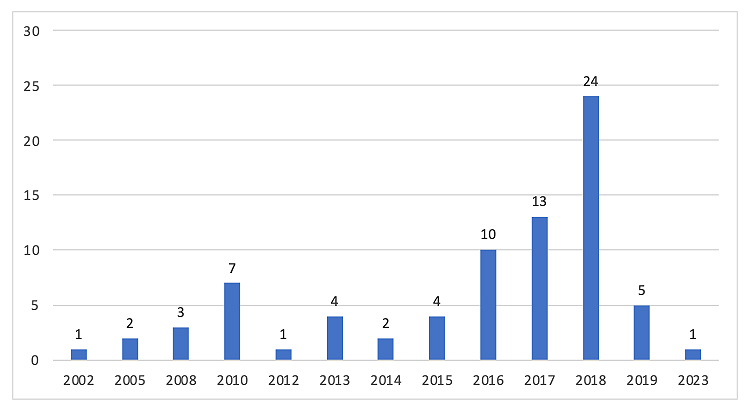 Figure 2. Number of articles published per year (Author’s elaboration).
The 77 selected articles were published across 2 scientific journals, although 10 journals accounted for the majority of publications. As illustrated in Figure 3, the Journal of Cleaner Production contributed the most (14 articles, 18.2%), followed by Long Range Planning (11 articles, 14.3%). Other notable contributors include the Scandinavian Journal of Hospitality and Tourism (4 articles), Tourism Management, and Sustainability (3 articles each). Five additional journals published two articles each, while the remaining journals published one article each.
Together, the Journal of Cleaner Production and Long Range Planning account for 32.5% of the reviewed literature, indicating a strong interest in journals that focus on sustainability and strategic innovation.
The emphasis in sustainability-focused journals reinforces the relevance of ISBMs as a research priority. However, the limited presence in tourism-specific journals suggests a gap in disciplinary integration that future research aim to bridge.
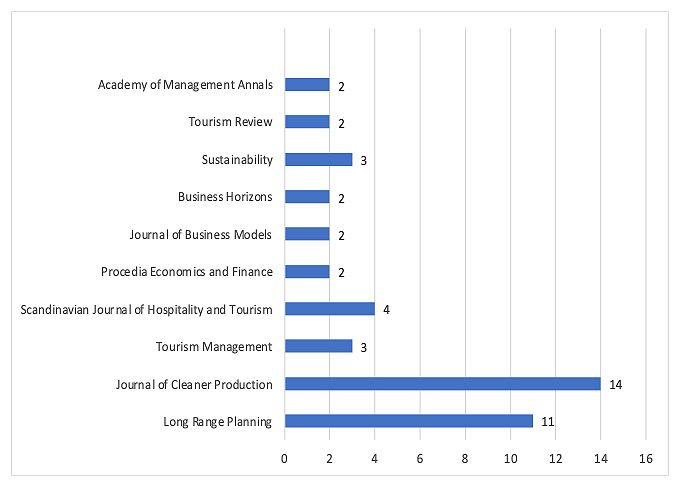 Figure 3. Journals with two or more published articles (Author’s elaboration).
The thematic analysis (see Figure 4) shows that BMI is the most frequently addressed theme, with 19 articles (24.8%), followed by general BM conceptualisations (17 articles, 22.1%), SBM (16 articles, 20.8%), Innovation (10 articles, 13%), ISBM (9 articles, 11.7%), and NBT (6 articles, 7.8%).
These findings indicate a scholarly emphasis on conceptual and strategic dimensions of innovation within BM research, with relatively fewer studies directly addressing NBT. The low representation of NBT-specific studies highlights the need for more targeted research in this area.
The thematic distribution also suggests that while innovation and sustainability are central to BM discourse, their application to tourism and NBT remains undeveloped. Future studies should operationalise these concepts within contexts and explore their practical implications.
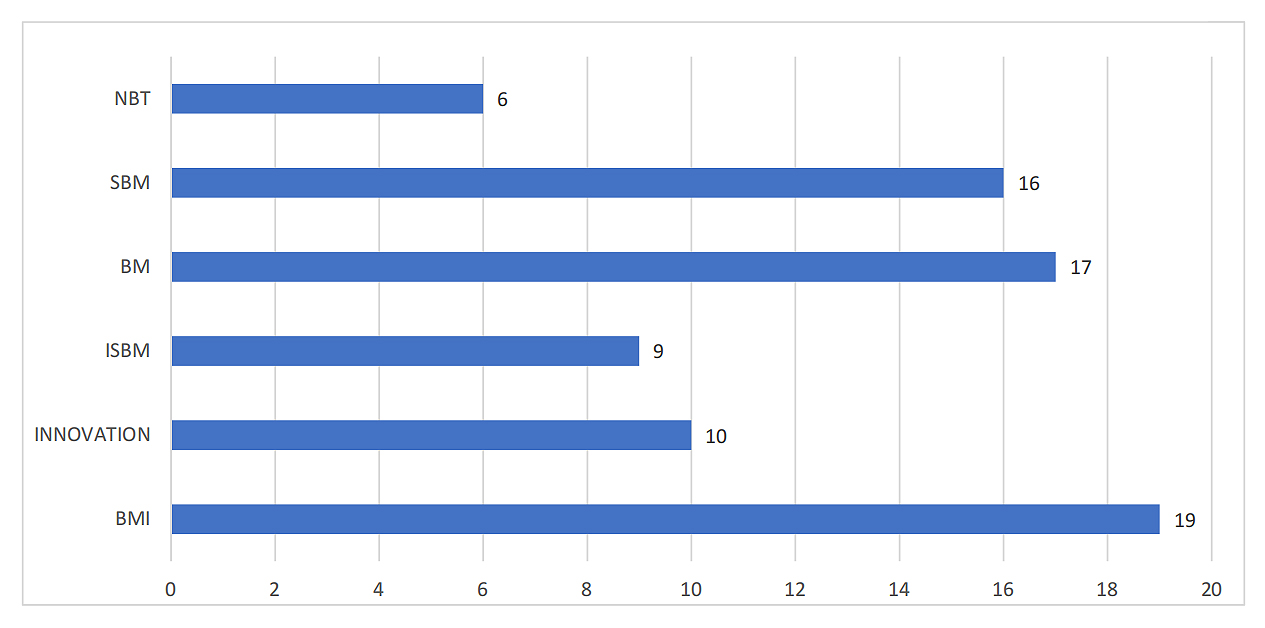 Figure 4. Number of articles per research theme (Author’s elaboration).
Figure 5 depicts the chronological development of each research theme. BM-related publications date back to 2002, while NBT, Innovation, and SBM began to emerge around 2008, likely influenced by growing concerns about climate change and the integration of digital technologies. BMI articles appeared from 2010, and SBM emerged in 2013, gaining prominence until 2023.
Although inspired by the 1992 Earth Summit, the concept of ST took several years to permeate academic discourse. This delay is reflected in the later appearance of SBM and innovation-related themes within tourism literature. Notably, BMI and SBM became the most researched themes around 2018, signalling a shift toward integrating sustainability and innovation into tourism strategy and BM.
Moreover, the thematic evolution reflects a growing recognition of the need for systemic change in tourism business practices. The rise of ISBM-related research post-2018 suggests increasing academic and industry interest in models that balance profitability with environmental and social responsibility.
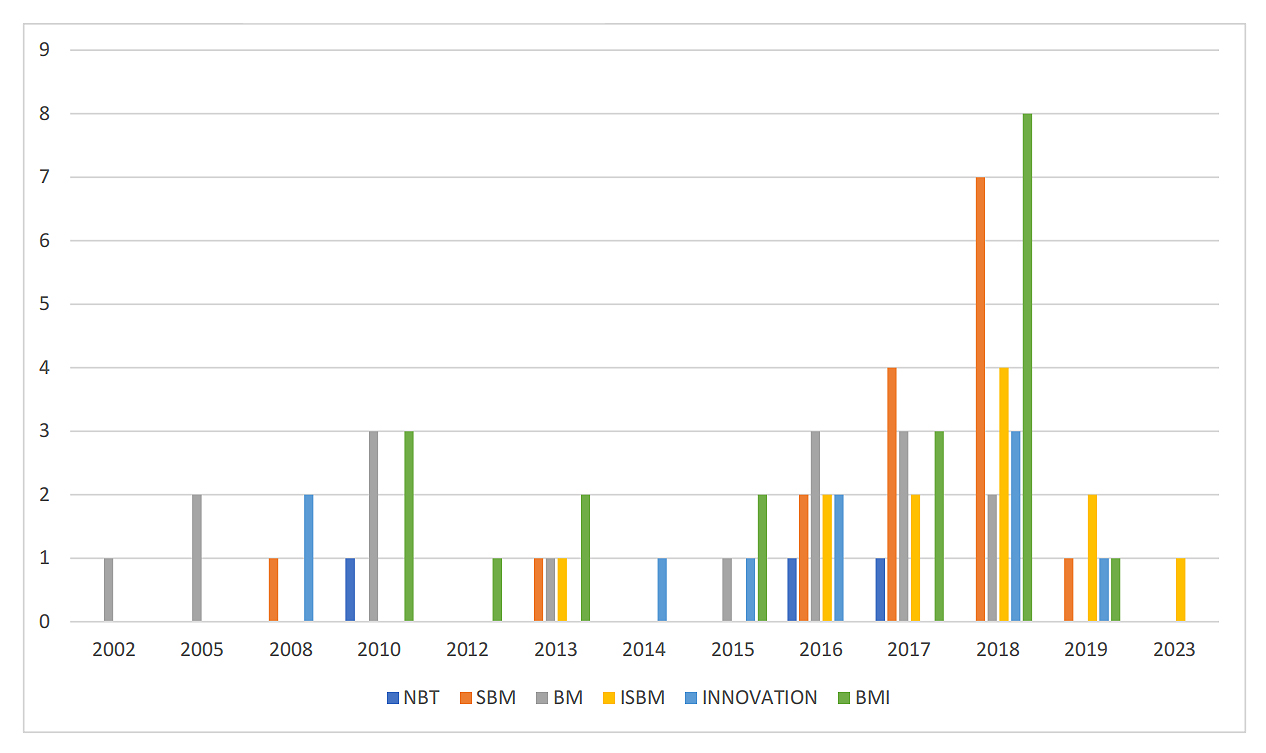 Figure 5. Thematic evolution of research topics by year (Author’s elaboration).
This section examines how sustainability and innovation in NBT BMs can strengthen firms in two key ways:
Enhancing NBT’s resilience and long-term business sustainability.
Enabling competitive advantage through innovation and sustainability.
Sustainability in NBT BMs: Resilience and Long-Term BusinessThe concept of sustainable development has long been subject to multiple interpretations, including anthropocentric/utilitarian versus ecosystem/bioethical perspectives, reflecting tensions between economic growth imperatives and environmental stewardship [21]. As Agenda 21 for the Travel and Tourism sector extended sustainable development principles to tourism [22], the concept of ST gained prominence after the 1992 Rio Summit, with growing recognition of tourism’s challenges over the last decade [96].
Tourism businesses have responded with sustainable and innovative offerings, aiming to improve environmental, social, and economic commitments [97]. Sustainability also requires that companies adopt a stakeholder perspective, considering employees, customers, local communities, suppliers, and partners [97]. While complying with legislation is essential, sustainability ultimately requires a broader strategic vision that extends beyond legal obligations.
Integrating sustainability into an NBT BM, therefore, requires a deliberate commitment to innovation, adapting existing models to deliver sustainable value [86]. Such SBMs must embed a sustainable value proposition, innovation, and competitive advantage [15,89,98]. They also aim to simplify business elements and their interrelations [16,17] by aligning with established concepts, such as corporate sustainability or sustainable innovation [89].
However, integrating sustainable BMs in NBT settings introduces profit uncertainties, requiring the buy-in of customers, suppliers, and management [99]. Furthermore, the sustainable value of NBT firms must align with customers’ evolving sustainability expectations [35]. While BMIs hold promise, many fail in practice, and the reasons remain only partly understood [100].
SBMs are inherently dynamic [101], designed to address environmental, social, and economic challenges [102]. For NBT firms, integrating these triple-bottom-line dimensions is essential [4,103], ensuring ecological robustness and economic viability [18].
Despite their conceptual strength, there is currently no standardised design for SBMs, nor are there widely accepted implementation guidelines available, which limit their practical application in NBT contexts [18], and implementation guidelines [104]. The literature on SBMs and circular BMs is primarily conceptual [105,106], although mixed-methods research has begun to advance empirical understanding [107].
Importantly, there remains a clear gap in practical studies that examine how SBMs function with real-world NBT settings. Nonetheless, the literature suggests that coupling NBT ISBMs with circular economy principles can reduce risk, minimise resource use [108], enhance competitive advantage, and enable a shift from efficiency to resilience [109]. Table 3 summarises the literature discussing sustainability in Business Models, enhancing NBT’s resilience and long-term business sustainability
 Table 3. Literature discussing sustainability in BMs (Author’s elaboration).
Based on this analysis, sustainability in NBT ISBMs demonstrably contributes to resilience and long-term business viability [18,81,89,112]. Moreover, adopting a sustainability lens helps reduce conceptual fragmentation in the literature and encourages more focused, innovative research directions [81,113].
Innovation in NBT BMs: Competitive AdvantageDespite its recognised importance, research on tourism innovation and its impacts on destinations and national economies remains limited [11,53]. Innovation involves creativity, problem-solving, and new ways of thinking [47], as well as cooperation and networking [67]. It spans adaptive advantages, technology adoption, information sharing, partnerships, customer engagement, quality improvement, sustainable innovation, and effective communication [114].
Innovation delivers a sustainable competitive advantage, improved performance, and differentiation [11,115], while also supporting long-term business sustainability [116,117], as demonstrated in hospitality and tourism firms [61]. For NBT specifically, innovation and entrepreneurship enhance competitive positioning and business performance, while being significantly influenced by public policy [118,119].
Although BM research remains relatively underexplored in tourism [9], BMs and innovation are now seen as essential tools for both firms and researchers [120]. A competitive BM offers a logical framework for value creation and capture [7,121], while BMI integrates technology, service ecosystems, entrepreneurship, and collaboration [122].
Financial performance is often seen as an indicator of BM quality and the degree of innovation embedded [123]. Yet, while BMI can drive competitive advantage, it is also subject to imitation [14]. Even so, BMI is widely recognised as a critical requirement for market entry and competitiveness [15,87] and is increasingly seen as essential in destination marketing and planning [70].
Drawing from this discussion, NBT BMs should prioritise the adaptation of existing frameworks to incorporate novelty, analogical reasoning, and conceptual combination [10,88]. This requires internal organisational change [68] and a willingness to adopt necessary strategic transformations [11]. BMI contributes positively to NBT management and competitive advantage [68], supporting the creation of unique experiences [124].
Another critical benefit of NBT IBMs is their capacity for continuous adaptation in response to changing market and environmental conditions [12,84]. These transformations support corporate sustainability strategies, long-term resilience, and alignment with market demand for sustainable products [110].
Moreover, given that many NBT firms are small or medium-sized, family-owned enterprises, IBMs help reduce business risk and promote sustainable strategic development [85]. In this context, ISBMs enable cooperative sustainability and sustainable innovation [89], while also delivering sustainable value and reliability [81].
Advancing BM research in tourism and on ISBMs in NBT [9,12] requires moving beyond purely economic or financial metrics. Future studies must address environmental, sociocultural, and corporate sustainability dimensions [120,125]. NBT companies with strong sustainability commitments are best positioned to benefit most from ISBMs, building ecological robustness and long-term economic viability [18]. Table 4 summarises the literature discussing innovation and sustainability to achieve competitive advantage in NBT BMs.
 Table 4. Literature discussing innovation and sustainability in BMs (Author’s elaboration).
Sustainability and innovation in NBT BMs are mutually reinforcing dimensions that underpin resilience, competitiveness, and long-term viability. Sustainability provides the strategic orientation and purpose, embedding environmental and social responsibility beyond mere compliance, while innovation acts as the operational catalyst that transforms these principles into tangible outcomes. Aligning sustainability with circular economy principles enhances resource efficiency, mitigates risks, and fosters adaptability, whereas innovation, through creativity, collaboration, technology adoption, and BM transformation, drives differentiation and performance. Together, these elements enable NBT firms, often small and community-based, to remain responsive to dynamic market and environmental conditions. In essence, sustainability defines the ‘why’ and long-term vision, while innovation delivers the ‘how’, operationalising that vision into competitive and adaptive advantages. Positioning sustainability-driven innovation as a core strategic pathway is therefore essential for achieving enduring success in NBT BMs.
This study has presented a SLR of 77 articles published between 2002 and 2023, synthesising current knowledge on sustainability and innovation in NBT BMs. This comprehensive review offers both conceptual clarity and future research directions. In doing so, it clarifies the meaning of key concepts—sustainability, NBT, and BMs—while also identifying several important research gaps.
The review highlights the pressing need for robust, targeted research on tourism BMs, particularly NBT [9]. It shows that innovation, sustainability, and ISBMs are critical for understanding NBT supply [1]. While the literature on BMI in tourism is sparse, there is broad recognition that introducing innovation into tourism BMs is vital [12,89,131]. This innovation is crucial for advancing sustainability goals and enhancing firm performance [131].
Concurrently, this review finds that many NBT companies show low levels of commitment to sustainability [9]. While there is evidence that more firms become sustainably engaged as they adopt IBMs [131], persistent challenges remain. These include limited management literacy, poor entrepreneurial training, insufficiently qualified labour, and weak uptake of new technologies [4].
Furthermore, the literature suggests that there is no universally accepted design for an SBM [18], and existing BMs often lack explicit sustainability dimensions [4]. However, recent studies suggest that digital innovation, stakeholder engagement, and systems thinking can serve as effective tools to support the development of new ISBMs in NBT [129].
To address the research questions (RQ1 and RQ2), the following discussion examines how sustainability and innovation interact within NBT BMs to enhance resilience, competitive advantage and long-term viability. in relation to RQ1, sustainability within BMs is widely recognised as a strategic driver that supports decision-making [8,109], fosters stakeholder commitment, and promotes organisational dynamism [81,99,100]. Introducing sustainability into BMs enhances firms’ resilience, adaptability and long-term viability [7,8,89,108,109].
In parallel, addressing RQ2, innovation within BMs is recognised as a key enabler of creative problem-solving, cooperation [7], new ways of thinking, improved performance, and sustained competitive advantage [15–17,80,87,132]. Evidence strongly indicates the interdependence between sustainability and innovation in NBT BMs [24,58,85,86,88], with both dimensions jointly supporting firms’ competitive advantage [14,68,87,89,98,108,109], organisational resilience [109], and long-term success. Therefore, the results enabled us to identify the fundamental drivers of an ISBM NBT, as illustrated in Figure 6.
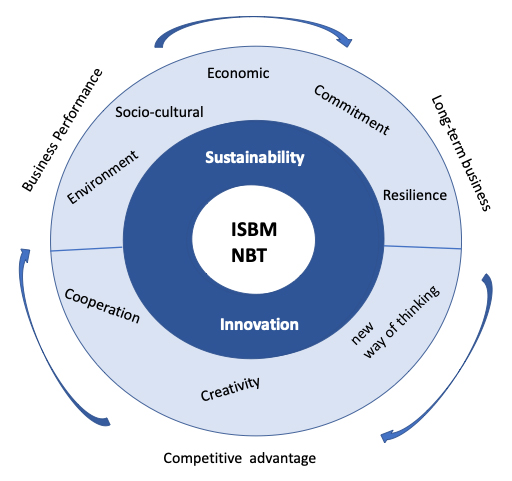 Figure 6. Driving factors of ISBMs for NBT (Author’s elaboration).
This study has analysed only the drivers of NBT ISBMs. Design and implementation aspects remain unexplored and represent promising avenues for future research. The findings illustrate the way and direction in which NBT BMs should evolve. They underscore current gaps in the literature and outline specific paths for further development. In particular, the review confirms limited research on tourism innovation [62], the lack of an appropriate SBM design [18,104,107], and a scarcity of studies on business sustainability and BMs for NBT [8,109,111].
Emerging trends, such as the development of SBMs and the adoption of circular economy models, are significant for improving NBT firms’ resilience and performance [7,89,108,125]. This study also demonstrates that the ISBM framework for NBT represents the interconnection between innovation [86] and sustainability [8,104,109].
ISBMs for NBT should integrate the identified drivers to reduce risk, foster creativity, minimise resource use, improve performance, and promote cooperation, competitiveness, and resilience [7,8,89,108,109,112].
The study proposes that NBT BM research should evolve from existing models to new, emerging configurations such as ISBMs, recognising that innovation in BM implies a holistic transformation, one that integrates socio-cultural and environmental sustainability dimensions and positions ISBMs as a new research field [100,104].
Based on the review, the study proposes the following definitions:
Definition of ISBM:
“A representation of the elements, and the interrelations between the set of elements, that an organisation uses to capture, create, and deliver value, explicitly incorporating innovation, the conservation of nature and natural resources, providing sustainable economic growth, and benefits to society.”
Definition of NBT:
“A responsible form of tourism, with an overnight stay, in protected or unprotected areas, aimed at enjoying biodiversity, landscapes, recreation, silence, culture, gastronomy, and slow living, supported by local production, contributing to fair employment, heritage and nature conservation, population settlement, and promoting the circular economy.”
Final Remarks on Sustainability and InnovationTourism undeniably impacts environmental, economic, and socio-cultural dimensions of sustainability [133]. The adoption of the ST concept in 1997, coupled with the 2015 approval of the UN SDGs and the 2030 Agenda, has heightened awareness of the relevance of sustainability in tourism.
The study proposes defining sustainability not as a simple balance among environmental, economic, and socio-cultural dimensions, since these are qualitatively different, but as a philosophy in which the socio-cultural dimension supports the economy, and both are underpinned by the environment. This approach is consistent with [56,134] as represented in Figure 7.
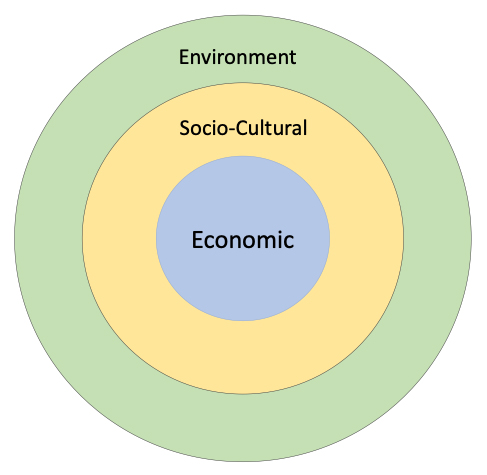 Figure 7. Sustainability approach (Author’s elaboration).
This review identifies multiple research gaps that offer rich directions for future inquiry. There is fragmented knowledge on NBT innovation, business constraints, and economic impacts [1], as well as limited research output on tourism and NBT [9,109]. The integration of all sustainability dimensions in NBT products remains insufficient [1,32], and significant knowledge deficits persist among NBT suppliers regarding commercialisation, conservation, and sustainable resource management [1–3]. Few studies address sustainability aspects in NBT [9], and there is no agreed-upon design for an SBM that integrates all sustainability dimensions [4,18]. Moreover, primary and quantitative research on NBT BMs is scarce [111], and the concept of BM itself often lacks clarity, with sustainability and innovation concerns treated too statically [8]. Finally, further exploration is needed to determine how SBMs in NBT can explicitly contribute to sustainability [8].
This analysis, and the gaps it reveals, confirm the critical importance of advancing research on BMs, sustainability, and innovation in NBT. UNWTO recommendations also emphasise the need for sustainable and resilient tourism development, calling for the integration of sustainability and innovation across the tourism sector [96].
Ultimately, introducing ISBMs in NBT companies offers a promising pathway to improve performance, resilience, and broader social outcomes [15,100]. Future research should prioritise consistent, empirical investigations of tourism BMs, drawing on primary and quantitative data rather than merely proposing new BM concepts [111].
From a theoretical perspective, this study presents an integrated discussion and provides a conceptual framework for understanding BMs within the context of NBT. By systematically reviewing the literature, the research identifies critical managerial implications and reveals new insights into the role of ISBMs in enhancing the competitiveness, resilience, and quality improvement of NBT companies.
This study contributes to the NBT literature by clarifying how sustainability and innovation in BMs can strengthen firms’ performance. Specifically, it highlights their roles in reducing risk, minimising resource use, improving business performance, and ensuring long-term viability, thereby addressing a critical gap in existing research on ST and underlines the need for dynamic, adaptive ISBMs tailored to NBT.
Additionally, this study responds to recent challenges facing ST by emphasising the importance of strengthening sustainable NBT business practices through the adoption of ISBMs. It proposes working definitions of NBT and ISBMS, as well as an updated understanding of sustainability itself. These definitions provide clarity for future research and practice, supporting a more consistent and shared conceptual foundation for this evolving field.
While this SLR offers valuable insights into sustainability and innovation in NBT BMs, one key limitation must be acknowledged: the review relies on secondary sources, selected academic articles, and may not capture all relevant studies, given the vast number of journals and publications available on the topic.
Beyond this limitation, the findings confirm that the adoption of ISBMs in tourism, particularly among NBT companies, remains limited and underexplored. This highlights a clear need for in-depth, empirical research that addresses this gap, enhances theoretical understanding, and provides practical guidance for designing and implementing BMIs in the tourism sector. Therefore, it is suggested that future research should prioritise the following in order to advance both theoretical understanding and practical application: (a) Primary data collection (e.g., interviews, surveys, case studies) to understand current practices, hurdles and opportunities for ISBM adoption in NBT. (b) Quantitative analyses to validate the role of sustainability and innovation dimensions in ISBMs and to measure their impacts on business performance, resilience, and sustainability outcomes; and (c) Design-oriented research that develops, tests, and refines practical frameworks or implementation guidelines for ISBMs in tourism and NBT settings. Such future research will be essential to bridge the gap between conceptual discussions and real-world applications, ensuring that ISBMs can support sustainable, competitive, and resilient NBT businesses that can meet the evolving demands of tourists, communities, and ecosystems.
The following supplementary materials are available online, Annex I.
No data were generated from the study.
Conceptualisation, CA; methodology, CA, CM, HGP; validation, CA, CM, HGP; formal analysis, AC, CM, HGP; investigation, CA; resources, CA; writing—original draft preparation, CA; writing—review and editing, CM, HGP; visualization, CA; supervision, CM, HGP; project administration, CA. All authors have read and agreed to the published version of the manuscript.
The authors declare that they have no known competing financial interests or personal relationships that could have appeared to influence the work reported in this paper.
This publication received funding support provided by Universidade Europeia.
The authors would like to thank Universidade Europeia for its cooperation and the financial support that made this publication possible.
1.
2.
3.
4.
5.
6.
7.
8.
9.
10.
11.
12.
13.
14.
15.
16.
17.
18.
19.
20.
21.
22.
23.
24.
25.
26.
27.
28.
29.
30.
31.
32.
33.
34.
35.
36.
37.
38.
39.
40.
41.
42.
43.
44.
45.
46.
47.
48.
49.
50.
51.
52.
53.
54.
55.
56.
57.
58.
59.
60.
61.
62.
63.
64.
65.
66.
67.
68.
69.
70.
71.
72.
73.
74.
75.
76.
77.
78.
79.
80.
81.
82.
83.
84.
85.
86.
87.
88.
89.
90.
91.
92.
93.
94.
95.
96.
97.
98.
99.
100.
101.
102.
103.
104.
105.
106.
107.
108.
109.
110.
111.
112.
113.
114.
115.
116.
117.
118.
119.
120.
121.
122.
123.
124.
125.
126.
127.
128.
129.
130.
131.
132.
133.
134.
Abreu C, Marques C, Pereira HG. Understanding sustainability and innovation in nature-based tourism business models: A systematic literature review. J Sustain Res. 2025;7(4):e250068. https://doi.org/10.20900/jsr20250068.

Copyright © Hapres Co., Ltd. Privacy Policy | Terms and Conditions


