Location: Home >> Detail
J Sustain Res. 2026;8(3):e260076. https://doi.org/10.20900/jsr20260076
 ,
Wenyu Zhou 3 ,
Irene M. Herremans 4,*
,
Wenyu Zhou 3 ,
Irene M. Herremans 4,*
1
2
3
4
*
This research aimed to assess whether an online learning module developed by the authors would assist post-secondary students in understanding the evolving landscape of business towards more sustainable practices. Prominent organizations and institutions, including the United Nations, UNESCO, accreditation bodies, professional organizations, and business schools, have acknowledged the importance of integrating sustainability into curricula, yet transformative learning resources remain scarce for this purpose. To address this gap, we designed an online learning module on rethinking the role of business in fostering sustainability. In line with open social innovation and co-creation, the resource was initially vetted by sustainability business professionals and academics with feedback for improvement. Then, a random sample of 44 graduate and undergraduate students across disciplines completed a pre-survey, engaged with the module segment, and then completed a post-survey and also provided suggestions for improvements. Results revealed statistically significant differences (p < 0.01) between pre- and post-intervention responses, with students demonstrating heightened awareness of businesses’ responsibilities to balance economic goals with environmental and social imperatives. These findings confirm the module’s efficacy in advancing sustainability literacy and underscore the value of targeted educational interventions in preparing students for the demands of modern business practices.
Attitudes about the state of today’s business models, based on conventional competitive capitalism, are diverse. Some feel they need re-imagining; others feel they are entirely broken; yet others feel no change is needed [1]. Nonetheless, businesses are transitioning to more sustainable models. In 2020, McKinsey conducted a global survey and found that 83% of executives and investment professionals believe sustainability (environmental and social) practices coupled with governance programs will generate shareholder value [2]. Emerging terms such as “stakeholder capitalism,” “sustainable capitalism,” “inclusive capitalism,” “creative capitalism,” and “conscious capitalism,” are becoming more prominent as potential alternatives to conventional shareholder-primacy business models, further confirming that change is necessary and occurring. These alternative business models ascribed to sustainable corporations in the triple bottom line concept, highlight business strategies and actions that recognize the necessity to balance the economic (profit), social (people), and environmental (planet) dimensions to achieve sustainable outcomes [3].
Supporting the change to more sustainable business models in line with the triple bottom line, the Business Roundtable, comprising the CEOs of the largest corporations in the United States, has stated that business should be about purpose, not just profits. The organization has openly stated that all stakeholders, not just shareholders, should benefit from a corporation’s operations. Similarly in Canada, the Canadian Centre for the Purpose of Business reports that the responsibilities of businesses extend to all stakeholders, not just the shareholder, but the change does face some challenges [4].
To support change in business operations, Dyllick (2015) [5] suggested that business schools need fundamental change if their graduates are to aid businesses in finding solutions for the crises that our world faces. Management education should be aligned with the global commitment to a more sustainable world. Unfortunately, business schools are not keeping pace with the change occurring in business practices. This was confirmed by Hoffman (2025) [6], who suggested that business schools are not teaching content that prepares graduates for careers in a changing business context, one in which sustainability and good governance are successfully integrated into economic profits.
Business respondents to the McKinsey (2020) [2] survey confirm that one of the challenges of fully exploiting opportunities in sustainability is that they do not have qualified employees to properly analyze sustainability and governance data. This expertise should come from our post-secondary institutions. Therefore, students and faculty must develop the needed competencies by engaging with businesses to address the challenges that society faces, such as climate change, income inequality, and other stakeholders’ needs. This change is best advanced through open social innovation. Although open social innovation has multiple definitions, as it applies to addressing sustainability challenges, the concept moves beyond open innovation (innovation within organizational boundaries) and social innovation (novel solutions to societal problems) and refers to multiple organizations collaborating to align their operations with society’s expectations [7], with post-secondary institutions playing their part in providing the needed knowledge base for change.
To undertake open social innovation for sustainability in business operations, it is essential that we analyze the economic system on which current business models are built to distinguish innovations that have led to our current system and evaluate the societal and environmental expectations that are inspiring the need for change. Based on the principles of Adam Smith in 1776, classical, competitive capitalism has been the foundation of many of the economic systems of the world for over 250 years. However, as our world changes and we face significant global sustainability challenges, a more collaborative approach to business practice is worth trying [8,9]. This shift makes it incumbent on post-secondary institutions to engage in open social innovation and broaden engagement by educating students to re-examine the purpose of the corporation.
Hoffman (2021) [10] laid out broad themes related to sustainability that post-secondary education should integrate in the curricula, specifically for business schools. Related to these themes, Hoffman (2021) [10] advised that business schools must recognize the role they have played in creating the societal problems that we now face. Therefore, they must also recognize their responsibility to educate students that the role of business is to solve societal problems and improve quality of life, not solely to maximize profits for its shareholders to the detriment of others.
To initiate change, Sidiropoulos (2014) [11] warned that students do not necessarily all have the same level of knowledge or attitudes regarding sustainability. Therefore, education must ensure that all students “have an opportunity to develop an appreciation of [values], a disposition towards [attitudes] and capabilities [skills] to make choices that contribute to sustainability (social and environmental good) instead of further detracting from it” [11] (p. 474). Educators must identify the level of understanding of sustainability and develop students’ literacy accordingly and involve them in redefining sustainable business practices. With this in mind, the question investigated in this research is the following: What are university students’ knowledge and attitudes regarding the change toward more collaborative, sustainable business operations before and after reviewing a module segment on re-thinking the role of business? In the process of investigating an answer to this research question, several narrower objectives were addressed:
●
●
●
To investigate the answers to the research question and its related objectives, the authors prepared a learning module titled Re-thinking the Role of Business. The module comprises four segments; however, only the first segment on the evolution from classical, competitive capitalism to contemporary, collaborative capitalism is discussed in this research. After university faculty and industry professionals provided feedback on the module, student reviewers were asked to respond to questions on a pre-survey, instructed to review the module, and then to respond to similar questions (and a few additional questions about improvements) on a post-survey. The research team iteratively incorporated their feedback into the module, completing the co-creation aspect of the research.
The analysis of the responses showed that considerable transformative learning occurred regarding the need for the evolution of current business models. Changes in opinions and attitudes from the pre-survey to the post-survey were statistically significant regarding the responsibility of business to play a role in finding solutions to environmental and social problems. Therefore, it is incumbent on our post-secondary institutions to bring awareness to the need for evolved business models as an alternative to classical, competitive capitalism.
Our research contributes to the literatures of sustainability, open social innovation, and transformative learning. It identifies a gap in the literature that has rarely been addressed. It links the sustainability education literature to some of the weaknesses in our current economic system. Identifying the core problems and how successful organizations have addressed them through open social innovation will help post-secondary institutions move forward in developing content on more sustainable business models. Furthermore, the research confirms that online learning can increase knowledge and transform thinking about businesses’ responsibilities to find solutions for environmental and social problems, which can then be discussed more thoroughly in a classroom setting.
To fully understand our current business models as they relate to sustainability, it is essential to understand the foundation on which they are built. Adam Smith is commonly referred to as the “father of capitalism” because he wrote extensively on the principles of an economic system. However, at the time of his writings, the system was not known as capitalism. Adam Smith’s book, An Inquiry into the Nature and Causes of the Wealth of Nations [12], shortened to Wealth of Nations, highlighted several main ideas for conducting business which include the following:
●
●
●
●
The strong emphasis in current business models on self-interest in the Wealth of Nations has left Smith’s earlier book, Theory of Moral Sentiments [13], by the sidelines. Smith initially suggested that self-interest needed to be tempered with moral sentiments. He believed that an economic system should be based on self-interest but also that individuals needed to have empathy for others, carrying out actions as if they would be approved by an impartial spectator. In other words, business actions would be acceptable to, and approved by, society, in line with the principles of a collaborative, sustainable business model that ensures stakeholders have a voice in the development of a business strategy consistent with the triple bottom line of economic, social, and environmental considerations. These dimensions are sometimes referred to as profit or prosperity, people, and planet. Finally, Smith noted that economic systems needed to be built on virtues such as prudence, justice, and beneficence (good works for others), also indicative of a more collaborative approach to solving sustainability challenges.
Attitudes about the state of capitalism and its related business models today are diverse. Some feel it needs re-imagining; others feel it is entirely broken; yet others feel no change is needed [1]. It is interesting that even those who seemingly have more to lose in a changed system recognize that change must occur. For example, Warren Buffett, who has benefited enormously from the current economic system, admits that it has faults: “The natural function of a more specialized market economy is to divert more and more of the rewards to the top. That is something I don’t think we’ve fully addressed in this country” [14]. While Buffett recognizes that the capitalist system needs some fixes, others want to throw it out and start over again. Michael Moore, and American film director, producer, screenwriter, and author indicates that “Capitalism is an evil, and you cannot regulate evil. You have to eliminate it and replace it with something that is good for all people and that something is democracy” [15]. Yet, there are others who feel change is not necessary. Although a well-known economist’s point of view is controversial today, Friedman (1970, 2007) [16,17] stated that the only responsibility of business is to increase its profits for its shareholders. Businesses hold no responsibility for the environmental or social dimensions of sustainability or to their stakeholders. The truth about capitalism likely lies somewhere in between the extreme opinions.
As an open social innovation, capitalism has brought many benefits: innovation, research and technology, continued improvements in standards of living, and increasing business efficiency. However, its impacts have included cyclical failures in the market, injustices like human trafficking and child labour, the uneven distribution of wealth, and extensive damage to the environment.
Considering the distributed innovation process of capitalism as an open social innovation, independent actors such as members of the World Business Council for Sustainable Development (WBCSD), comprising 230 global businesses, are working together toward a more sustainable business model. Its mission is that “over 9 billion people can thrive within the planet’s boundaries by 2050” [18]. Peter Bakker has held the role of president and CEO of the WBCSD since 2012, and in a speech at the Prince’s Accounting for Sustainability Forum, Bakker commented on our conventional capitalism model: “What is required is a revolution of capitalism, not with the aim to overthrow it, but to improve it in a way that balances the economic, the natural, and the social dimensions as that is the only way to achieve future-proofing of our economies” [5] (p. 17).
Another compelling reason for change is that population growth is putting more demands on ecosystem resources. Compared to today, in 1776, there were far fewer people on the planet and no concern about environmental degradation or climate change. With approximately 800 million people on the planet in 1776 compared to over 8 billion in 2023, the demand for resources from our eco-system has changed enormously. In addition, the business context has changed from small businesses competing in and serving the needs of local markets, referred to as free enterprise, to large multi-national corporations with a primary objective of serving just one stakeholder, the shareholders, with the highest return on their investment as possible [19]. The lack of evolution in our business structure to conform to the evolution of its operating context is one of the causes of the vast inequality in the distribution of wealth and the lack of responsibility for the environmental externalities that have created damage to our planet. Additionally, the speed of technological change in our world has left insufficient time for our planet to regenerate and heal itself [20].
Some recent polls provide insight into opinions of individuals living under the current capitalistic system. Even though there are still varying opinions, there is growing dissatisfaction with the concept that only shareholders, rather than stakeholders, should benefit from the value created by business. A recent poll by Just Capital [21], an open social innovation actor that seeks to shift business practices to better serve society and the environment, showed that the vast majority of respondents felt that the present form of capitalism does not ensure the greatest good for society, does not produce the type of society appropriate for the next generation, and does not work for the average person. In other words, it is not sustainable or address the triple-bottom line. However, the majority did feel that our capitalistic system can evolve to address current societal needs, the needs of the next generation, and the needs of the average person. Furthermore, in a survey by Edelman (2020) [22] 56% felt that capitalism does more harm than good because it is unjust (not fair to everyone). Respondents also lacked confidence in the economic system with a small minority (26%) indicating that there is no hope for the system. Finally, 48% felt that capitalism is failing them.
There is sufficient evidence that the system needs change. And change is occurring. The Business Roundtable with its members comprised of the CEOs of the largest corporations in the United States, has stated that business should be more than profits. It should be about purpose and should serve society rather than its own self-interest [23]. The Business Council of Canada has moved in a similar direction with topics on their website, such as climate change and clean growth, diversity and inclusion, Indigenous relations, and health and well-being [24].
Furthermore, the Association to Advance Collegiate Schools of Business (AACSB), a world-recognized global standard-setter for business schools, have embraced sustainability education [25]. AACSB is an accrediting organization for business schools and has introduced Standard 9: Engagement and Societal Impact to motivate business schools to integrate societal impact into their curricula and related activities [26].
Answering the call to prepare post-secondary graduates to take positions in businesses and the professions with a better understanding of sustainability, professional accounting organizations have included sustainability and governance topics in their competency maps, and certified financial analysts have developed standards for sustainability and governance disclosures [27,28].
Regarding post-secondary institutions’ responsibilities for changing the system, Dyllick (2015) [5], in his review of post-secondary education for a more sustainable world, identified changes necessary for business graduates to acquire the skills necessary in today’s organizations. This research focuses only on those more directly related to sustainability (for a comprehensive listing, see [5]). Business schools need to provide an interdisciplinary perspective to their students rather than a narrow functional and disciplinary focus [5]. He further underscores the need for emphasis on critical and reflective thinking as well as the importance of values and ethics with a stakeholder, rather than a shareholder, approach.
Annan-Diab and Molinari (2017) [29] argued that interdisciplinary education, such as the United Nations Principles for Responsible Management Education (PRME), is critical for addressing sustainability challenges, a perspective reflected in our study’s emphasis on engaging students across disciplines to re-think business responsibilities. Established in 2007, many business schools have signed onto PRME [30]. The PRME initiative intends to create learning opportunities for responsible management education, research, and leadership worldwide. Modeled after the well-known United Nations principles of the Global Compact for business, PRME endeavors to motivate education and learning to instill sustainability principles (economic, environmental, and social) in a new generation of business leaders. Post-secondary institutions must take responsibility for developing students’ competencies to successfully address the complex challenges we currently face. Furthermore, Kolb et al. (2017) [31] extended the responsibilities of post-secondary institutions, especially business schools, not only to students but to businesses and society as well by incorporating economic, social, and environmental themes that create value for society [32].
Recently revamped in 2023, PRME is based on seven principles. A brief summary is provided after each principle. 1) Purpose: develop capabilities to generate sustainable value; 2) Values: instill the need for global social responsibility; 3) Teach: integrate responsible management concepts and practices; 4) Research: inspire responsible management and educational practice; 5) Partner: engage with all organizations to advance responsible and accountable management; 6) Practice: adopt responsible and accountable management principles in governance and operations; 7) Share: share successes and failures to enable collective learning, common values, and purposes. In our study, the PRME principle of Purpose—developing capabilities for sustainable value creation—was reflected in students’ heightened awareness of business responsibilities through the post-survey. For example, post-intervention (after viewing the module), students emphasized collaboration between businesses and stakeholders, aligning with PRME’s Partner principle. Furthermore, the Partner principle was echoed in students’ calls for greater collaboration between businesses and societal stakeholders.
Open Social Innovation, Transformative Learning, and Sustainable Business ModelsIn this section we discuss how open social innovation, as it applies to post-secondary institutions, and transformative learning complement each other to support students in their understanding of sustainable business models. Regarding open social innovation, post-secondary institutions can be viewed as a potential change agent, working with its stakeholders to meet the needs of businesses to co-create capabilities to confront social needs [33,34]. Even though the module segment created in this research does not allow for implementation of the entire open social innovation process, it takes the first step by providing knowledge resources to spur creative and transformative thinking (idea generation in open social innovation) about how business models need to change to address sustainability challenges. Furthermore, it helps post-secondary institutions to fulfill their obligation to provide the competencies needed to develop sustainable societies [35]. In addition, in line with open social innovation, the authors relied on sources of knowledge outside the post-secondary institution to ensure that content of the knowledge resource (the module segment) is consistent with practices. And finally, the content of the module features role models using examples of businesses that are also practicing open social innovation in their sustainability journeys. Budumuru and Paruchuru (2025) [36] confirm that there is a need to investigate business models experiencing success in integrating sustainability in their strategies.
Transformative learning complements open social innovation as it requires reflection on our current business models to question whether they are consistent in today’s context of scarce resources, environmental impacts, and an ever-increasing population compared to when the foundations of our business economy were determined in the 18th century. Therefore, it motivates change similar to open social innovation by questioning current practices and searching for better approaches.
Much of the theory of transformative learning, especially regarding adult education, is built on the works of Mezirow (1997) [37]. As explained by Calleja (2014) [38], Mezirow’s work was influenced by others, such as Freire (2007) [39], Habermas (1971, 1984, 1987) [40–42], and Kuhn (1962) [43]. Mezirow (1997) [37] refers to “frames of reference” which are “structures of assumptions through which we understand our experiences” (p. 5). In the context of sustainability education, this transformative learning framework means prompting students to reconsider deeply held opinions about the capitalist economic system and to foster a mindset more aligned with sustainable business practices. However, students (and others) often tend to dismiss concepts that do not fall within their frame of reference. Mezirow (1997) [37] explained further that a frame of reference consists of “habits of mind” that become a “point of view” (p. 5). Habits of mind are broad, abstract, orienting, habitual ways of thinking, feeling, and acting influenced by assumptions. When learners are given “disorienting dilemmas,” or information that allows them to critically “evaluate and reflect” on these assumptions, transformative learning can take place [44]. Transformative learning also requires “action engagement” by considering new paths of actions or roles [44].
We conducted our study under the theory of transformative learning as it applies to sustainability. Rodríguez Aboytes & Barth (2020) [44] adapted the following definition of transformative learning in a systematic literature review covering 1999 through 2019. “Transformative learning can … be defined as learning that transforms problematic frames of reference—sets of fixed assumptions and expectations (habits of mind, meaning perspectives, mindsets)—to make them more inclusive, discriminating, open, reflective, and emotionally able to change” (p. 994). The authors found that, although an emerging field, transformative learning has a role to play in moving our learning towards sustainability [44]. In addition, some recent studies confirm this view. Olalla and Merino (2019) [45] highlighted that while business education increasingly incorporates ethics and corporate responsibility themes, transformative approaches enabling students to critically reflect on systemic issues remain underdeveloped. Their analysis of Spanish undergraduate programs revealed a predominance of knowledge-based competencies over those fostering critical self-reflection and societal transformation, underscoring the necessity for pedagogical innovations that bridge this gap developed through open social innovation. Although transformation generally is defined as a radical or dramatic change, we undertook the research under the assumption that even a small change in opinions and knowledge about responsible business management is a step in the right direction.
Hermes and Rimanoczy (2018) [46] suggested that just knowing is insufficient to change behaviors. Rather students need to develop a sustainability mindset through systemic, innovative thinking and dimensions of being. With these characteristics in mind, our module integrates examples of interconnectedness and long-term perspectives. In addition, it provides examples of business creativity and innovation in solving environmental and social problems. Finally, it includes exercises requiring critical thinking, reflection, and self-awareness.
The point of view that has formed in the minds of many students, especially business students in North America, is that classical, competitive capitalism provides a solid foundation for prosperity for everyone. The invisible hand of capitalism, free from government interference, will determine fair prices for goods and services through competition. As individuals work for their own self-interest, everyone will share in the benefits of the market systems. However, current statistics show that not everyone has benefited from the extreme self-interest. Externalities created by the production and commercialization of products and services have left monumental environmental problems, including plastic contamination, climate change, poor air quality, contaminated land and water, deforestation, and unrestored lands, such as mines, chemical dumps, and oil wells. Collaboration is necessary to address these challenges.
Regarding social issues, a small number of people in the world control most of the wealth, resulting in a loss of the middle class and creating social injustices, such as modern-day slavery, high CEO-to-average worker pay ratios, a lack of diversity, equity, and inclusion, and extreme poverty in many countries of the world. Furthermore, social-environmental concerns arise due to market failures. For example, minerals, many of which are needed in the energy transition to renewable energies, are mined in areas of conflict where revenues from the production of the minerals may be supporting the conflict. As the context in which we live has changed, the capitalistic system has not adapted to fit within the changed context.
Thus, our research presents materials to enable students’ learning about re-thinking the role of business to take a more sustainable approach to business operations. It accomplishes this by presenting balanced, yet disorienting dilemmas, providing an opportunity for critical evaluation and reflection, and how this might change students’ point of views in the future. Our research presents the analysis of the findings from the pre- and post-surveys that students completed after viewing the module segment materials developed for this purpose. This research reports on the degree of effectiveness in developing capabilities and students’ readiness to work in evolved business models that more readily fit the context of a sustainable world, focusing on the triple bottom line of the economic, social, and environmental dimensions.
In line with the objective of PRME, the authors created a module with four separate but interrelated segments on the topic of Re-thinking the Role of Business to be used at post-secondary levels. The segments were developed utilizing sustainability (triple bottom line), open social innovation, and transformative learning as theoretical frameworks that underpin the aggregation of the literature, videos, and reflective questions included in the module segment.
As it is impossible to address all the PRME principles in one research study, we narrow our focus to Numbers 2 (Values) and 3 (Teach). We are investigating students’ current opinions toward our economic system and whether they change after viewing an online learning module on the topic of Re-thinking the Role of Business. We also determine if we could increase students’ knowledge of responsible management concepts and practices with the use of online learning modules. Through the research that we conducted on the module, we address PRME Objectives Numbers 4 (Research) and 7 (Share). We hope the positive findings regarding the learning module will inspire others to integrate responsible and accountable materials in their teaching. And finally, we share not only the results of the research but the modules themselves for others who want to use the content to motivate education for sustainability.
After developing the concept of re-thinking the role of business, we integrated it into our module through Powerpoints and scripts. The scripts were used later for adding the audio to the module. The content was assembled with the appropriate subject matter, such as facts, videos, quotations, examples, reflective questions, and summaries. In line with open social innovation and co-creation, for pre-testing we provided these resources to several professionals holding sustainability positions in various industries, consulting firms, and professional organizations and asked for feedback. We also had academics who taught sustainability courses provide feedback. We then incorporated their suggestions to improve the contents of the module. This informal group of reviewers consisted of those who would want to hire students with sustainability competencies and academics who would be using the module as a resource in their courses. Therefore, they were well informed about the topic of sustainability and its application to business operations. Their responses were positive about the module, confirming the importance of the content in post-secondary courses. Our research process is illustrated in Figure 1.
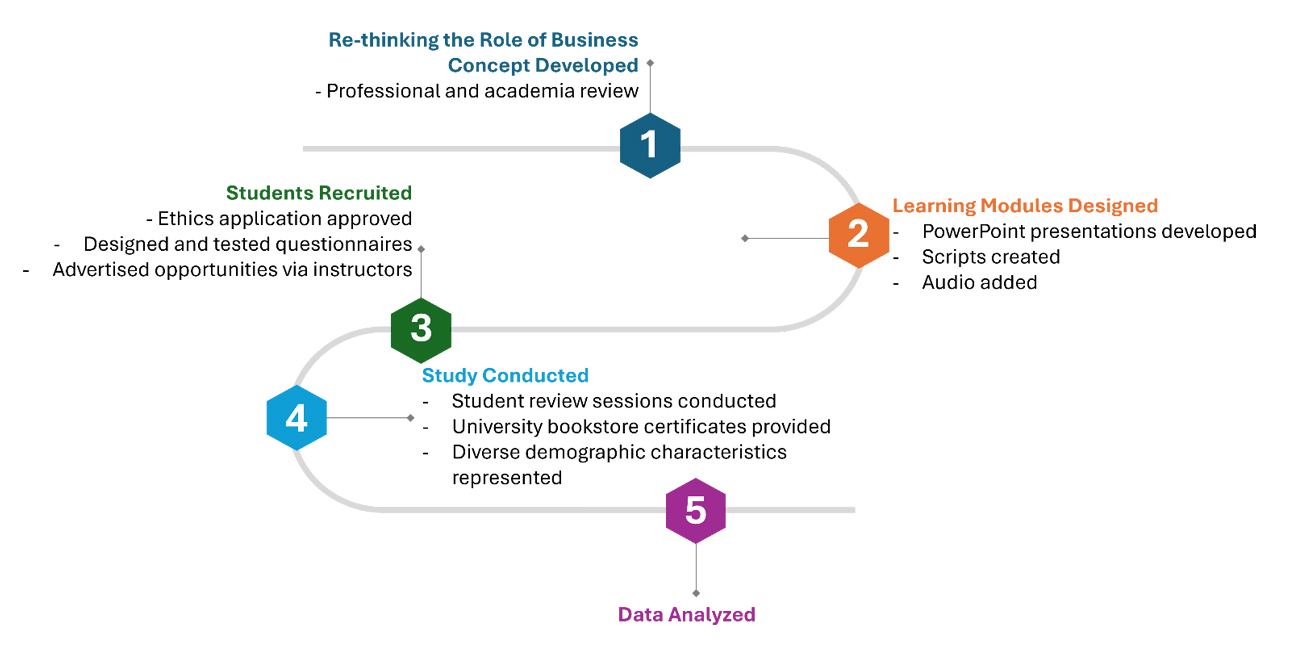 Figure 1. The Research Process.
Although the primary target audience consisted of business students, diverse disciplines were included in the research study through invitations distributed by instructors affiliated with courses or programs in sustainability. However, they did not necessarily target students taking sustainability courses. We compared results between business students and students in other disciplines, as sustainability is the responsibility of all functional areas in a business. However, because the content was designed for use in a business school, we ensured that approximately half of our sample of reviewers were business majors.
The authors prepared the pre-survey based on the content in the module segment, especially the objectives of the segment and opinions of the responsibility of businesses for environmental and social, as well as economic outcomes. As the intent of the review of the module segment was to compare pre- and post-surveys to determine if the segment was successful in helping students to fulfill the objectives and broaden their opinions about the responsibilities of business regarding social and environmental issues, the questions on the post-survey were the same as the pre-survey, except for some additional questions as to how the module segment could be improved. Both surveys were pre-tested before use. In line with open social innovation, students were given an opportunity to suggest additional materials to be included in the segments or other areas for improvement. All suggestions were reviewed and, to the extent possible, integrated within the module segment.
After providing informed consent through the first page of the survey, the student reviewers completed a pre-survey, engaged with the interactive module, and then completed a post-survey to allow us to effectively measure changes in knowledge and attitudes. All responses were anonymous. Recent studies, such as Janssens et al. (2024) [47], emphasized the importance of robust measurement tools to capture shifts in student perspectives during transformative learning interventions, validating our use of pre- and post-surveys to assess knowledge and attitudinal changes. Because we wanted the student reviewers to take the task of reviewing the module segment and answering the surveys seriously, those completing both the pre- and post-surveys were provided a university bookstore certificate to use for their next purchase of books and supplies. The research was approved by the University of Calgary’s Conjoint Faculties Research Ethics Board (REB 20-1416). The initial certificate was approved on December 7, 2020; however, because several segments were prepared, the certificate was renewed several times until October 30, 2024.
Due to space limitations, this research discusses only the results of the first module segment. Taking the students on a journey from classical, competitive capitalism to contemporary, collaborative capitalism, the first segment of the module comprised three parts: (1) the roots of classical competitive capitalism; (2) favorable and unfavorable impacts that classical capitalism has created; and (3) how classical capitalism is evolving to address current challenges.
The specific objectives of the segment were to enable students to achieve the following:
●
●
●
●
In line with our research objectives, the surveys were designed to measure the level of knowledge students had about the changing role of business operations toward a more sustainable business model (aligned with the triple-bottom line) and the level of responsibility businesses have toward social and environmental goals.
The pre-survey consisted of the following topics:
●
●
●
●
●
●
●
To determine if an online learning module about sustainable business models could increase students’ knowledge and change attitudes about the role that business plays in supporting economic as well as environmental and social goals, the post-survey contained similar questions as the pre-survey but also added the following two additional topics.
●
●
The number of responses for the pre-survey sample was 44 and the post-survey was 37. Paired-sample t-tests and frequencies were used to analyze the degree to which the student reviewers were able to fulfill the objectives based on the changes in responses between the pre- and post-surveys. The paired-sample t-test was appropriate because it compares two related measurements taken from the same participants at two different points in time, allowing us to assess whether students’ responses changed significantly following the learning intervention. Only respondents with matched pre- and post-survey observations were included in the paired-sample t-test analyses.
Regressions were used to analyze the degree to which responses were different between genders, students having completed sustainability-related courses and those who had not, business majors and students in other disciplines, and year of study at the university. Because there were several variables (independent variables) to compare at the same time to determine the effect on a dependent variable (level of knowledge or opinions), regression was the statistical technique chosen for the demographic analysis. The demographic statistics are shown in Table 1.
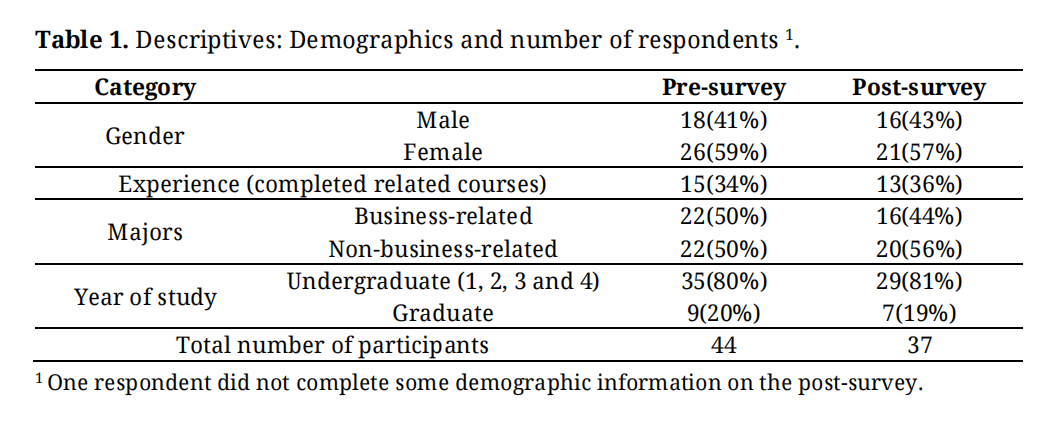 Table 1. Descriptives: Demographics and number of respondents 1.
Student reviewers were asked to indicate on a 5-point Likert scale the extent to which they could honestly accomplish the four objectives and three sub-objectives of the segment on both the pre- and post-survey. The choices were the following: strongly agree, somewhat agree, somewhat disagree, strongly disagree, unsure. We coded strongly agree as 4, while unsure was coded as 0. However, unsure responses were analyzed separately and not included in the determination of the mean or significance. The competencies tested through the objectives are stated in full in Table 2.
Regarding our first research objective, the level of knowledge of students about changing business operations toward a more sustainable business model, the results of the analysis, using t-tests to compare the mean values of the responses on the pre- and post-surveys, show significant differences in the students’ ability to fulfill the objectives. The analysis of six of the objectives resulted in an increase in knowledge resulting in a very strong significance level (p < 0.01); one of the objectives resulted in an increase in knowledge resulting in a strong significance level (p < 0.05). The percentage of unsure answers dropped from the range of 2% to 18% rounded (depending on the specific objective) on the pre-survey to 0 unsure answers on the post-survey except for two of the objectives, which ranged from 2%–4.5% (1 or 2 respondents). If all the objectives are considered as one variable, the percentage of unsure answers decreased from 7.47% on the pre-survey to 0.97% on the post-survey.
Table 3 compares the pre- and post-survey responses on the ability to achieve the objectives considering the demographic variables of gender, major, experience, and year of study at the university. Except for those students who had taken previous courses related to sustainability, all demographic variables show significant differences. Males appear to have started with a higher base of understanding than females but also ended with a perceived greater depth of knowledge. However, the t-statistic was higher for the females. In conclusion, both males and females show a significant difference in ability to achieve the objectives after reviewing the module segment. The same trend is observed with the business majors vs. the non-business majors and those students who had taken related courses previously. Only those who had taken related courses did not show a significant difference in ability to achieve the objectives.
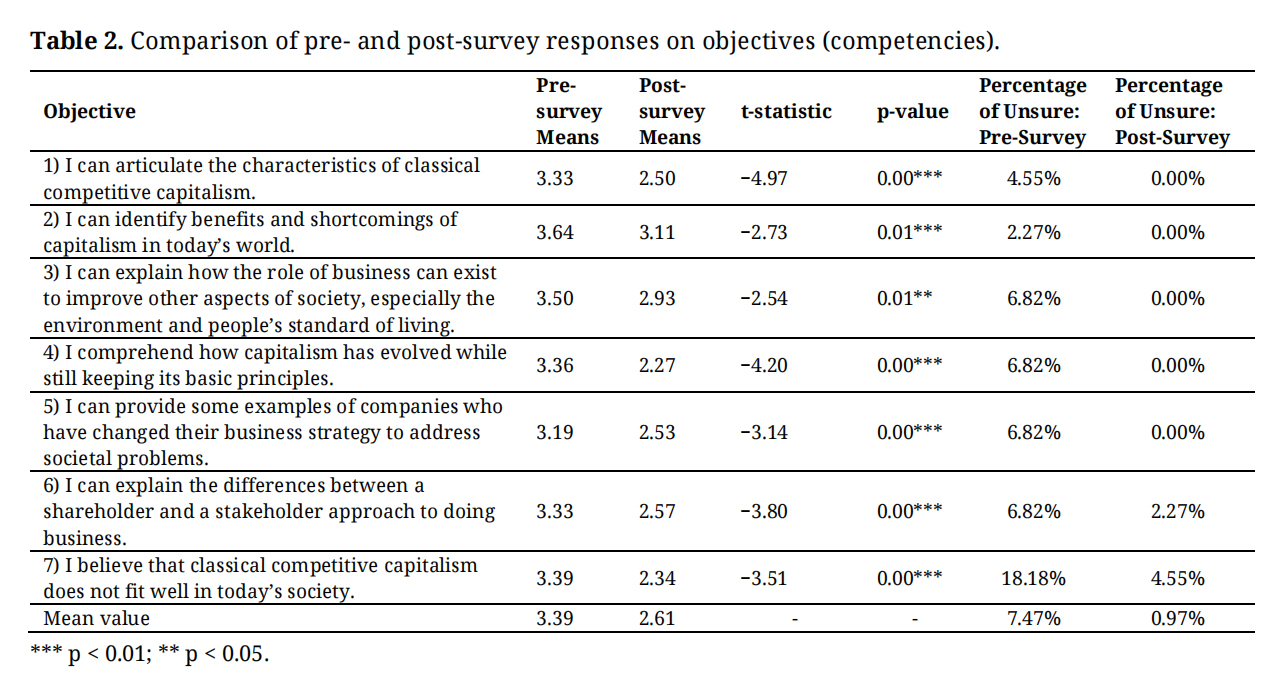 Table 2.
Comparison of pre- and post-survey responses on objectives (competencies).
Table 2.
Comparison of pre- and post-survey responses on objectives (competencies).
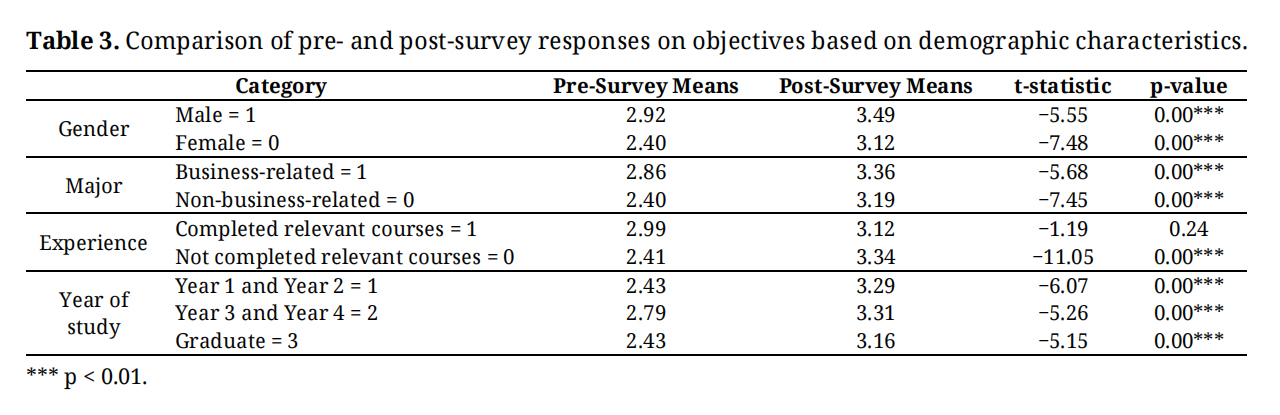 Table 3. Comparison of pre- and post-survey responses on objectives based on demographic characteristics.
Opinions and attitudes about the role of business in society are more difficult to change. However, our next set of questions determined if students’ opinions would change if they acquired additional information about re-thinking the role of business. This part of the survey relates to our second research objective about businesses’ responsibility for addressing environmental and social goals. Using a 5-point Likert scale, the students were asked to what extent they thought certain topics were relevant to the role of business (meaning that businesses should work towards fulfilling these goals). A similar scale was used for this part of the survey as for the objectives/competencies, except that “agree or disagree” was changed to “relevant or irrelevant.” Students were asked to provide their genuine opinions. The responsibilities were not classified on the survey, but the researchers agreed which of the goals fell under the economic, environmental, and social categories. The results of the means of each responsibility and the percentage of unsure responses are shown in Table 4.
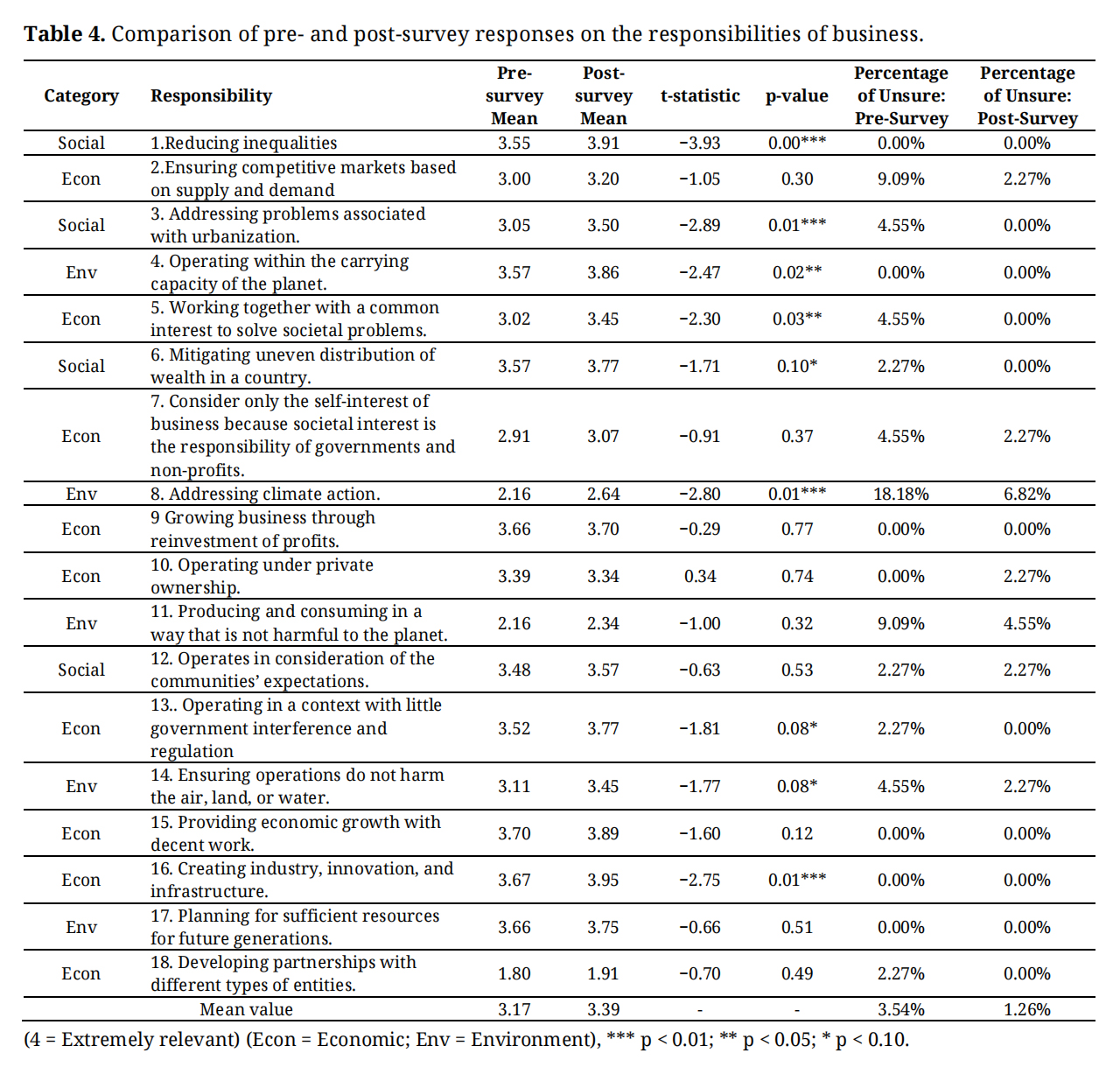 Table 4. Comparison of pre- and post-survey responses on the responsibilities of business.
As we examine the specific responsibilities, pre- and post-survey results strongly support retaining most of the economic principles in business models, such as ensuring competitive markets, growing through reinvestment, and operating under private ownership. However, two economic responsibilities showed a significant difference in relevancy (p ≤ 0.05). Student responses indicated that working together to solve societal problems and creating industry, innovation, and infrastructure are significantly more relevant for businesses in the post-survey. Even though most of the environmental responsibilities were rated as relevant on the pre-survey, a couple of responsibilities became more relevant on the post-survey at a significant difference (p ≤ 0.05), such as operating within the carrying capacity of the planet and addressing climate action. Similar results were found with the social responsibilities. Most of the social responsibilities were perceived as somewhat to extremely relevant on the pre-survey; however, a couple showed a significantly more relevancy on the post-survey (p ≤ 0.05), such as reducing inequities and addressing problems with urbanization. These results confirm that the respondents feel that the business model needs adjustments. When all items in each category of economic, environmental, and social are considered together, the economic category shows highly significant change (p < 0.01), and both the environmental and social categories show statistically significant change (p < 0.05). See Table 5.
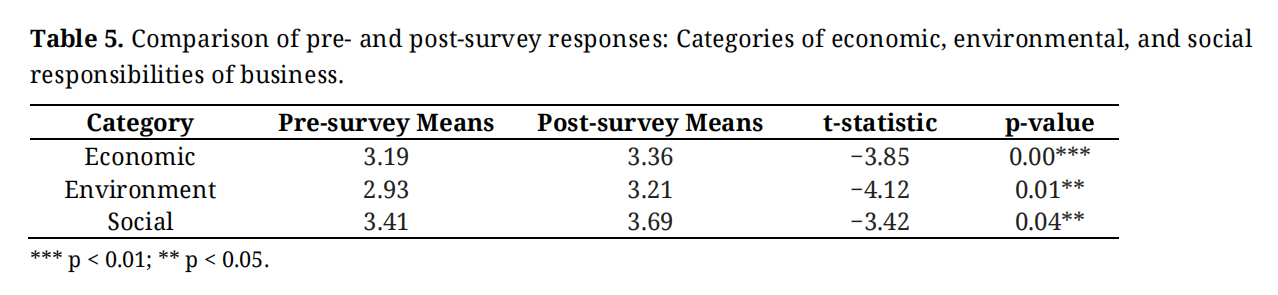 Table 5. Comparison of pre- and post-survey responses: Categories of economic, environmental, and social responsibilities of business.
When demographic variables are considered, all categories (gender, business vs. other major, experience or no experience with previously taken courses, and year of study) rated the responsibilities with stronger relevance. However, the greatest statistically significant changes occurred among females, the non-business majors, and those who had not taken any previously related courses. The stronger relevancy occurred for all categories of economic, environmental, and social. In addition, Year 1 and 2 student respondents recorded the greatest change in relevancy for the environmental category while Year 3 and 4 student respondents recorded the greatest change in relevancy for the economic and social categories (See Tables 6–8).
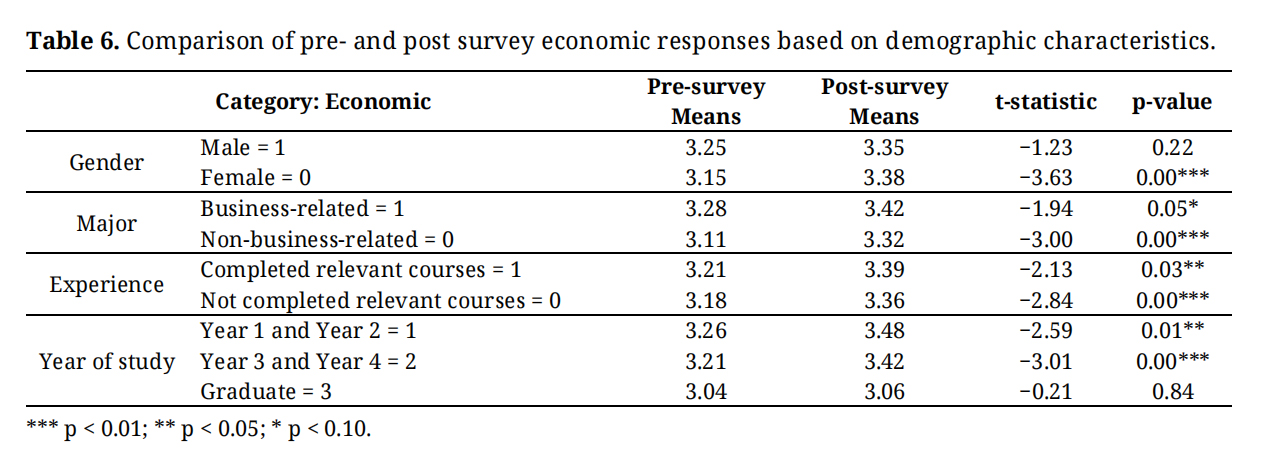 Table 6. Comparison of pre- and post survey economic responses based on demographic characteristics.
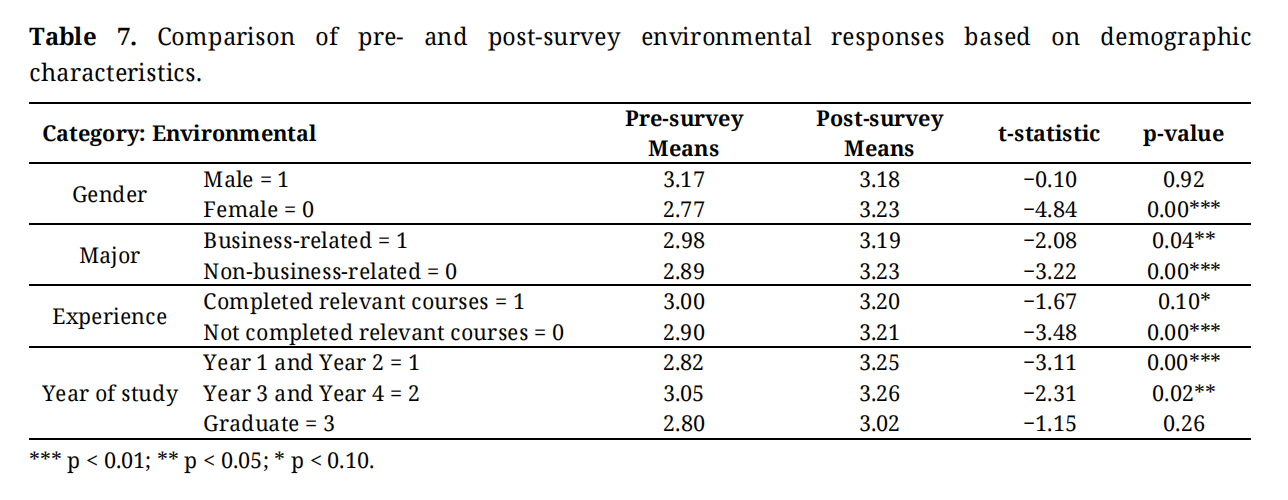 Table 7. Comparison of pre- and post-survey environmental responses based on demographic characteristics.
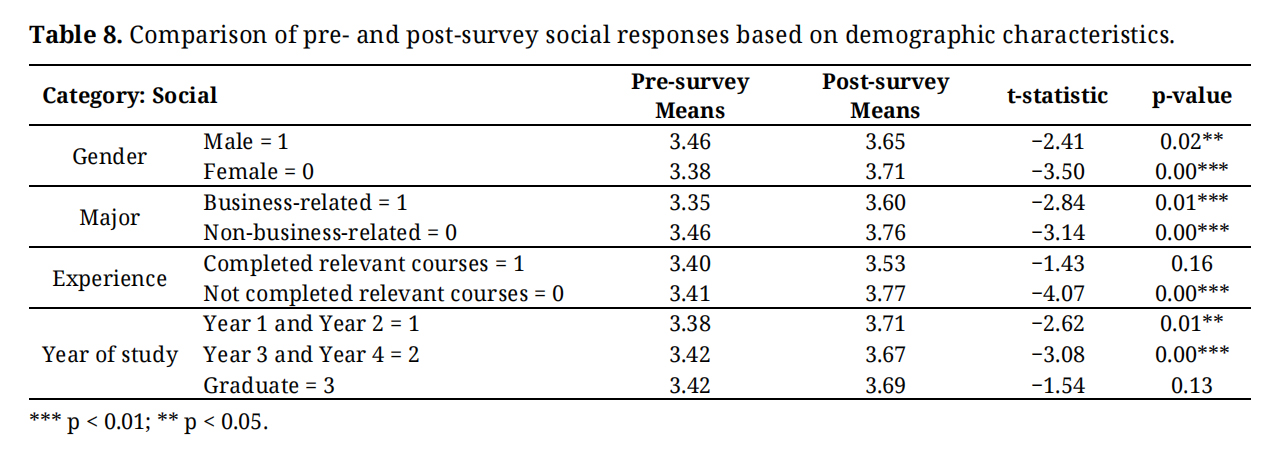 Table 8. Comparison of pre- and post-survey social responses based on demographic characteristics.
Only in the post-survey were respondents asked to complete the following question: In your opinion, current practices of conducting business 1) require a complete overhaul; 2) require significant adjustments; 3) require some adjustments, or 4) are perfect. Table 9 shows the percentage of respondents who chose each option. Only 8% (rounded) felt that the business model requires a complete overhaul. The overwhelming majority of respondents, or 70%, felt that our business practices require significant adjustments; 14% felt some adjustments were needed, and only 3% (one respondent) felt the system was perfect.
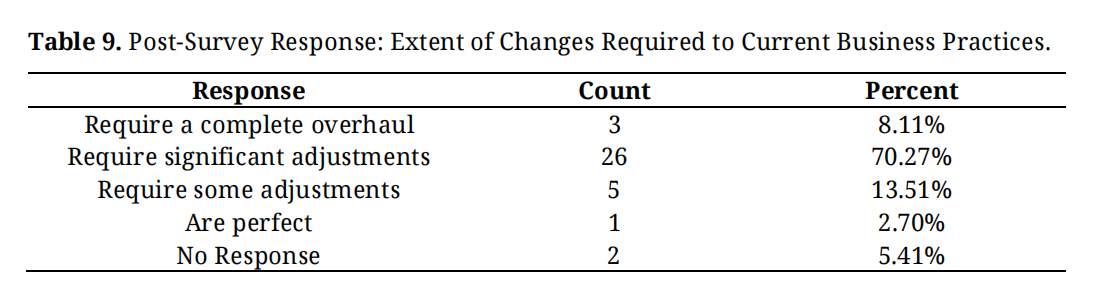 Table 9. Post-Survey Response: Extent of Changes Required to Current Business Practices.
Next, the respondents were asked to provide three things that left an impression on them from the segment, which related to our third research objective of assessing the effectiveness of an online learning module in transformative learning. The question was intentionally open-ended and did not suggest either negative or positive impressions or distinguish between the segment’s content or characteristics. The responses were content analyzed into categories indicating the primary focus of the comment: economic, environmental, or social in nature. We also investigated whether the students were left with an impression that there were solutions to moving forward with adjustments to our economic model.
The most mentioned topic in the economic category was the evolution of capitalism over the years. Specific topics mentioned by the reviewers in this category included a video on economic thought and how it changed over the years, starting with the writings of Adam Smith in The Wealth of Nations and The Theory of Moral Sentiments, to contemporary, collaborative capitalism, which integrates social and environmental dimensions within business strategies and operations. The video showcased well-known economic thinkers over the years. Furthermore, specific comments identified both the pros and cons of capitalism and the characteristics of alternative capitalisms. In addition, they mentioned the enormous size and power of corporations compared to the Gross Domestic Product of certain countries. In this category, a few respondents’ comments delved into the philosophical and theoretical underpinnings of economic systems and the role of business, focusing on concepts like human nature and economic frameworks, expressing a deep engagement with the material, as well as reflective and critical thinking. One respondent mentioned that the module presented a balanced approach of providing solutions to the problems we face as a society. This respondent was left with the impression that the segment “did not criticize the past but focused on how to move forward in the future.”
Reflective pedagogies, such as contemplative exercises, foster critical engagement with sustainability concepts [48]. This principle is mirrored in our module’s integration of videos and reflective prompts to challenge students’ assumptions about our current business models.
Regarding the environmental category, general comments included the impacts of capitalism on the environment. The most identified concept in the segment was the Tragedy of the Commons, which highlights what happens to shared resources when self-interest is taken to the extreme. One respondent commented:
“While this concept [Tragedy of the Commons] feels intuitive, it was really beneficial to see this simplified and see the real impacts of driving for individual gain, thereby causing harm to everyone at some point.”
Comments identified the environmental impact that two specific industries are having on the planet: the plastics industry and the fast fashion industry, as these two industries were provided as examples in the segment.
Under the social category, the most mentioned topic was the inequality of wealth distribution. One respondent commented that:
“Profits have not been increasing societal wealth for everyone.”
Another respondent was left with the impression that philanthropy can be strategic:
“I think sometimes the image is conveyed that businesses need to be philanthropic only for the sake of their public image, so it was interesting to see the other effects and that it was part of running a just business.”
Respondents also mentioned a few examples of sustainable solutions that impressed them. The most mentioned solution was a video featuring a Kenyan woman entrepreneur who was turning plastic into bricks. In line with open social innovation, one respondent commented:
“This video inspires innovation in that it shows that a business can both be aimed at a beneficial cause while still being profitable.”
The general impression left with the respondents is that businesses need to incorporate sustainability in their operating models. One respondent mentioned the necessity for more cooperation. Respondents commented about the importance of people for capital growth:
“Working together to achieve a goal rather than viewing it as competition [is necessary].”
“[I gained an] understanding that people drive capital growth, not capital.”
Finally, the impression was that societal problems, such as poverty and greenhouse gas emissions reduction, could be solved through capitalism, but the business model needs adjustments to do so.
Regarding the ability of the segment to engage the student reviewers, several comments were made about the educational characteristics of the segment. The interspersing of videos, content, quotes, comparisons, and reflective questions made the content easy to grasp. One respondent commented:
“The switch of types of content, a video every few slides, helped keep my mind focused.”
Respondents also mentioned the quotations used in the segment. One recognized that the quotes used were long but “were still very relevant and intriguing.” Another felt the quotes were “impactful.” The choice of videos in the segment was the most mentioned educational characteristic. Several respondents also mentioned the reflective questions that allowed them time to think about the material presented. Others commented on the relevance and balance (positive and negative presentation of certain topics). Citations were frequently provided in the module not only to give credit to sources used but also to provide credibility to the module content.
The findings of the current research study has provided evidence that post-secondary institutions can have a role to play in open social innovation by providing educational resources to generate ideas about how business models can change to provide more sustainable outcomes, aligning with the triple bottom line dimensions of economic, social, and environmental, also known as profits or prosperity, people, and planet [3]. The module segment implemented open social innovation as it applies to post-secondary institutions using two approaches [33,34]. The first approach was in the development of the module segment. The final version was co-created with actors beyond the organizational boundaries of the university. Business professionals with careers in sustainability were invited to provide feedback to improve the educational resource. Student reviewers were also considered co-creators of the module and were invited to provide suggestions for improvement. The second approach was to use examples of successful business role models that practiced open social innovation to change their business operations to provide more sustainable performance. In addition, in line with the concept of open social innovation, the module segment suggests a more collaborative approach to capitalism. A collaborative approach fits better with the context in which businesses currently operate, one in which we have scarce resources, environmental degradation, income inequality, and a greater population of people than when the foundations for capitalism were developed. This approach is better aligned with Smith’s Theory of Moral Sentiments [13], which suggests that self-interest should be tempered with moral sentiments, such as prudence, justice, and beneficence.
The review of the module segment and the results of the statistical analysis found that student reviewers had little initial knowledge of the change occurring in business models. This finding confirms that post-secondary institutions have inadequately provided the competencies and skills needed by businesses to address current societal challenges regarding negative social and environmental impacts [2,6].
By providing appropriate content for student reviewers to reflect on the current business models and alternative models that have successfully integrated sustainability in their business operations [36], the module segment was successful in transforming learning [37]. After reviewing the module, student reviewers were more likely to see themselves as future agents of change that work in and with businesses to find solutions to the social and environmental challenges we face.
In summary, post-secondary institutions need to be change agents who prepare students for career positions that require an understanding of how businesses can successfully integrate sustainability outcomes in their strategies and actions, while still providing good financial returns.
Our research set out to investigate the following research question: What are post-secondary students’ knowledge and attitudes regarding the change toward more collaborative, sustainable business operations before and after reviewing a module segment on re-thinking the role of business? Several narrower objectives, which are discussed in greater detail in Section Introduction, were also addressed.
Regarding the first objective about the knowledge of students concerning more sustainable business models, based on the statistics showing significant changes in learning and opinions about the responsibilities of business in solving societal problems, we can confidently conclude that university students, regardless of level or discipline, showed a low level of knowledge prior to viewing the module and a significant increase in knowledge on all of the objectives of the module. The open-ended questions confirmed that students were receptive to learning about the changes in business models. Regarding the second objective pertaining to the level of responsibility of businesses to take on environmental and social goals in addition to economic goals, students showed significant change in their opinions related to the economic, social, and environmental responsibilities of businesses. However, students were still strong believers in the original principles of Adam Smith in Wealth of Nations, except that a change in the degree of self-interest and more collaboration among diverse entities are needed consistent with the concept of open social innovation. Our findings also align with broader critiques of business education, highlighting that the systemic integration of transformative learning is essential for addressing sustainability challenges [45].
The content analysis of the comments regarding the impressions with which the students were left confirms and supports the statistical analysis. The content analysis offers additional support for using an online learning module to support transformative learning. Through unaided recall, the two topics most frequently mentioned by the reviewers that needed to be addressed by businesses were the unequal distribution of wealth and the Tragedy of the Commons, in which everyone uses resources in their own self-interest, disregarding community needs.
To ensure the module was engaging to students, a set of questions addressed the impressions of the variety of integrated learning activities, such as facts, videos, examples, quotations, reflective questions, and knowledge-testing exercises regarding the changing role of business. The authors attempted to ensure that the module provided a balanced view of the pros and cons of a business model based on classical, competitive capitalism and how it can be improved. As mentioned earlier, the module consisted of quotations from renowned businesspeople, recognizable by the students, videos of actual practices of successful businesses integrating sustainability goals in their strategies, and reflective questions that were respectful of diverse opinions. The reviewers’ comments on the modules’ features were very positive. One reviewer commented that the balance in the module was one of the strongest features. The module did not criticize but provided solutions for addressing current sustainability challenges. Aligning with Mezirow’s transformative learning theory, the module’s ‘disorienting dilemmas’ (e.g., wealth inequality examples) prompted critical reflection, particularly among non-business students who showed stronger shifts in advocating for stakeholder-centric models.
Our research contributes to the body of knowledge regarding sustainability education in business schools specifically, but also in other disciplines. Even though much of the research on sustainability education in business schools is based on rigorous, logical argument, our work provides empirical evidence of the lack of knowledge of current practices of businesses to transform their organizations to address environmental and social goals as well as economic goals. Therefore, our module segment provides role models of organizations practicing open social innovation to implement changes in strategies and actions toward sustainable outcomes. It also provides evidence that an online learning module, if prepared with a variety of learning activities and a balanced perspective, can successfully provide a source for transformative learning about the responsibilities of business to support sustainability goals.
Furthermore, the cons of an economic system are often addressed in general management or economic journals and are not frequently addressed in sustainability journals. Our research highlights the connection between the limitations of a classical, competitive capitalistic system and the necessity to address environmental and social goals. Through the learning module, this research gets to the heart of the problem.
Even though our research suggests that post-secondary institutions need to take a stronger role in sustainability education, our research does have its limitations. Data were gathered at only one post-secondary institution and may not be generalizable to other institutions. Although a change in mean level of knowledge did occur among those who had taken prior related courses, the change was non-significant compared to those who had not taken prior related courses. Therefore, the extent of the change is somewhat limited to novice learners. However, only approximately one-third of all respondents had taken prior related courses. This provides evidence that the module segment is helpful in improving the learning of the rest of the sample.
This study was conducted as a case study at one university with a relatively small sample size. Therefore, it would benefit from additional research at other post-secondary institutions to confirm our results. To facilitate replication, the authors will make the modules and pre- and post-surveys available to interested researchers and educators. Additionally, the research captures immediate shifts in knowledge levels and changes in opinions. It would be beneficial to determine if the instructional materials result in sustained sustainable practices during the rest of the students’ post-secondary education and after graduation. As the module segment is primarily designed to increase awareness and encourage reflection on the topic of sustainability, combining it with an experiential learning opportunity at some point in students’ post-secondary education career may further strengthen their ability to apply sustainability principles in practice.
Future research would also address some of the alternative capitalism business models that are prominent in the literature, such as “sustainable capitalism,” “inclusive capitalism,” “conscious capitalism,” “stakeholder capitalism,” and “creative capitalism.” Post-secondary students should be knowledgeable as to how these alternative capitalisms attempt to address sustainability goals while still preserving the primary characteristics of our classical, competitive business model. In addition, because the role of business is changing, the role of corporate reporting will need to change as well. Future research could address the changes that are occurring in corporate reporting due to changes toward more sustainable business models.
The dataset from the study is not available because the ethics approval does not allow use outside the University of Calgary. However, the learning modules are available by contacting the corresponding author.
IMH and AC: Substantial contributions to the conception and design of the work; drafting the work for important intellectual content; final approval of the version to be published; acquisition of funding. WZ: Analysis and interpretation of data for the research; drafting and revising the manuscript for important intellectual content; final approval of the version to be published.
The authors declare that they have no conflicts of interest.
We wish to acknowledge funding from the CPA Education Foundation of Alberta, Canada (Project #10038248) and the Taylor Institute for Teaching and Learning at the University of Calgary (Project #10043978) for support of this research.
1.
2.
3.
4.
5.
6.
7.
8.
9.
10.
11.
12.
13.
14.
15.
16.
17.
18.
19.
20.
21.
22.
23.
24.
25.
26.
27.
28.
29.
30.
31.
32.
33.
34.
35.
36.
37.
38.
39.
40.
41.
42.
43.
44.
45.
46.
47.
48.
Chineme A, Zhou W, Herremans I. An Investigation of University Students’ Learning and Perceptions of Re-thinking the Role of Business: Pre- and Post-intervention. J Sustain Res. 2026;8(3):e260076. https://doi.org/10.20900/jsr20260076.

Copyright © Hapres Co., Ltd. Privacy Policy | Terms and Conditions


