Location: Home >> Detail
J Sustain Res. 2025;7(4):e250070. https://doi.org/10.20900/jsr20250070
 ,
Nana Tian 2,* ,
Jianbang Gan 3
,
Nana Tian 2,* ,
Jianbang Gan 3
1 Research Institute of Agriculture and Life Sciences, Seoul National University, Seoul 08826, Republic of Korea
2 Arkansas Forest Resources Center, College of Forestry, Agriculture & Natural Resources, University of Arkansas at Monticello, Monticello, AR 71656, USA
3 Department of Ecology and Conservation Biology, Texas A&M University, College Station, TX 77843, USA
* Correspondence: Nana Tian
Feral swine (Sus scrofa) are posing a great ecological and economic threat by destructing crops, properties, and native ecosystems in the West Gulf Region (WGR) of the United States. As an invasive and mobile species, controlling feral swine shares the common challenges of public good management. Because most of the land in the region is privately owned, involving landowners in feral swine management is key to sustaining ecosystem services and protecting investments in natural resources and related industries. This study aims to quantify landowners’ willingness to pay (WTP) for feral swine management and to explore the possible influencing factors for their WTP. A structured mail survey was conducted among landowners in Arkansas (AR), Louisiana (LA), and East Texas (ETX). A contingent valuation (CV) method with a payment card (PC) was used to estimate WTP, and a two-part hurdle model was employed to account for censoring in responses and to examine the influencing factors. The results revealed considerable variations in average WTP across states, ranging from US$17.37/ha in AR, US$12.85/ha in LA, to US$36.37 /ha in ETX. The landowners’ WTP was positively related to their education level, experience with damage, involvement in local communities, environmental concerns, proactive attitudes, support for stricter policies, and perceived responsibility for feral swine management. The findings can provide guidelines for polices and program development that can incentivize private landowners to participate in feral swine management at the state and regional levels.
Feral swine (Sus scrofa) have become one of the most disastrous invasive species in the United States, resulting in substantial economic and ecological impairments. Because they can spread and reproduce rapidly, feral swine have brought about widespread damage in the WGR, where Texas, AR, and LA are situated [1,2]. Feral swine can destruct crop and farm infrastructure [3], degrade forage and water resources [4], and destroy seedlings and young trees while exacerbating soil erosion [2,5–7], ultimately reducing land value and ecosystem health [8,9]. Nationwide, the total economic impact of feral swine-related damage is estimated to exceed US$1.5 billion annually [10]. The southern United States experienced the most excessive losses because feral swine are the most populated in these states [11–13]. For example, feral swine are widespread throughout this region, with an estimated population of 2.4 million in Texas, 700,000 in LA, and 200,000 in AR, respectively [11–13].
Yet control programs have been deferred by the high costs related to effective eradication and the diffuse nature of the problem, a classic public good dilemma where individual efforts often fall short without coordinated action [14]. Because one landowner’s efforts can be undermined if neighbors do nothing, purely voluntary, individual efforts are inadequate and ineffective from a broader landscape perspective. Policies such as government-funded feral swine removal teams, bounty subsidies, or equipment cost-sharing can leverage landowner willingness by lowering their out-of-pocket burden. In the WGR, recent survey studies have reported a strong desire among landowners for more government-led feral swine control programs, indicating that landowners are willing to contribute, but not to shoulder the full cost alone [14,15]. Thus, understanding private landowners’ WTP for feral swine control/management programs becomes necessary.
There are ample studies on WTP for conservation efforts, including invasive species management and environmental protection. These studies have also revealed how WTP is influenced by direct economic impact on stakeholders and a variety of demographic and other factors. Demographic characteristics of landowners are the most typical factors affecting WTP, including income, education, age, and gender. Landowners or residents with a higher household income generally have both the means and the incentive to invest more in invasive species management [16,17]. A CV study in Florida found that a higher household income significantly increased the amount that respondents were willing to pay for a forest pest prevention program [18]. Similarly, education may foster an openness to new management practices and greater trust in science-based programs [19,20]. Ofori and Rouleau [21] found that more education and income increased WTP for an invasive seaweed management program of coastal ecosystems in Ghana. The influence of age on WTP, on the other hand, is inconsistent. For instance, elder respondents were more supportive of aquatic invasive species management in Minnesota because of their accumulated experience with the species’ negative impact [17], whereas elder farmers were less inclined to eradicate water hyacinth, an invasive species to a freshwater lake ecosystem in Ethiopia, due to less awareness of its risk [22]. Contradictory results are also reported on the effect of gender on WTP. For example, males were reported to be more willing to pay for the control of sour prickly pear, an invasive plant in South Africa [23], while females were more interested in paying for measures lowering the risks resulting from the invasion of Asian tiger mosquitoes to the Australian mainland [24].
Besides demographics, landowners with a longer land tenure are reported to be more willing to pay for conservation programs such as forest certification and conservation easement [25–27]. Perceptions, attitudes, and values of landowners can also influence their WTP for conservation programs including feral swine control programs. Landowners are more willing to invest if they believe that the measures will reduce swine populations and mitigate damage [18,28]. Likewise, landowners’ environmental values and objectives for their land matter. Landowners who prioritize conservation or stewardship often see the secondary or joint benefits of swine control, such as better wildlife habitat and forest regeneration. This recognition can lead them to contribute more to the control and management effort [29]. Further, in a community where neighbors have interacted more actively, landowners tend to see less risk in free riding and are more willing to invest in conservation [14,30].
Moreover, program design features, such as the preferred methods of control and the framing of individual responsibility, can critically shape landowners’ attitudes toward investing in conservation efforts, such as invasive species control and environmental protection programs. For instance, landowners are more receptive to mechanical removal methods compared to chemical controls for glossy buckthorn, an invasive shrub in eastern white pine forests in the United States [29]. A strong sense of personal accountability drives support for feral swine programs that directly involve private landowners in Alabama [31]. These attitudinal aspects reveal that landowners’ WTP depends not only on their financial structure but also on their environmental values, direct experience with damage, and confidence in the program’s effectiveness. While previous research on invasive species provides a useful background, there is still a knowledge gap concerning what drives landowners’ WTP for managing feral swine specifically. To date, only one study has directly estimated it using a CV method, which found that Alabama forest owners were willing to pay approximately US$24.7–$37.1/ha/year for feral swine eradication [32]. To develop successful feral swine control programs, there is a compelling need to understand possible hurdles, especially economic hurdles like WTP, that prevent landowners’ participation.
Finally, WTP may be related to the feral swine-induced damage that landowners have experienced. The damage is often associated with land use type that represents the geographic distribution of major crops, livestock, and forest products, as well as natural ecosystems [1,2]. Thus, we also attempt to map the elicited WTP values in relation to land use at the county level by utilizing the National Land Cover Database (NLCD) [33] and the National Boundary Dataset (NBD) [34] from the U.S. Geological Survey (USGS). This also allows us to analyze potential variations in WTP across geographic areas.
Building on these insights, this study has three objectives. First, we quantify the monetary value that private landowners are willing to contribute to feral swine control programs. Second, we examine how swine-related damages and the corresponding WTP change across different land uses, including cropland, pasture, and forestland. Finally, we use a two-part hurdle model to investigate how WTP is influenced by demographics (e.g., age, gender, income, education), land and ownership characteristics (e.g., land size, tenure, type), landowners’ perspectives (e.g., feral swine’s environmental influence, perceived program effectiveness), experiences (e.g., familiarity, personal experience with the damage) and attitudes (e.g., trust toward neighbors, activeness in community involvement).
The effective management of feral swine requires coordinated efforts among private landowners in the region, which brings about a major concern regarding the success of feral swine control [2,14]. The benefits of swine population control are non-excludable. In other words, all landowners in an area benefit regardless of their individual contributions. This represents a classic collective action dilemma: rational actors might withhold effort and rely on others, causing a socially suboptimal outcome of continued environmental and economic degradation [35]. The success of voluntary, community-based solutions to such dilemmas depends on social capital. This type of capital includes trust, norms, and networks that promote cooperation and reduce the costs of coordination [36,37]. If strong social capital does not exist, landowners may prefer a centralized, state-led program to enforce participation. Information on WTP can inform such programs.
The Theory of Planned Behavior (TPB) provides a complementary framework for understanding the psychological drivers of an individual landowner’s decision-making process [38]. A landowner’s stated WTP is conceptualized as a behavioral intention, a measure of their readiness to contribute financially to a management program [39]. The TPB posits that intention for the behavior is determined by three core psychological constructs: (1) the individual’s attitude toward the behavior (the individual’s positive or negative evaluation of paying for control), (2) subjective norms (the perceived social pressure from neighbors and the community to contribute), and (3) perceived behavioral control (the perceived ease or difficulty of conducting the behavior) [38]. Together, these three constructs are associated with behavioral intention, which is the most immediate predictor of actual behavior. In this study, TPB provides a conceptual basis to examine how landowners’ attitudes, subjective norms, and perceived control collectively relate to their intention of WTP for feral swine management and control.
The study area was within the WGR, specifically all parishes in LA, all counties in AR, and 38 counties in ETX (Figures 1 and 2). The region has a humid subtropical climate and consists of a mix of agricultural, forest, and pasture lands, most of which are privately owned. For example, about 821,000 non-industrial family forestland owners collectively manage 13 million ha of forests across the three states [1]. We included ETX instead of the entire state of Texas because its adjacency to AR and LA leads to a similar pattern of vegetation, land use, and climate. This choice is expected to create a consistent study area for analyzing feral swine population dynamics, damage, and control. As the growing feral swine population results in substantial ecological and economic challenges, the WGR has witnessed an urgent need for evaluating landowner experiences, assessing swine impacts, and developing effective management strategies.
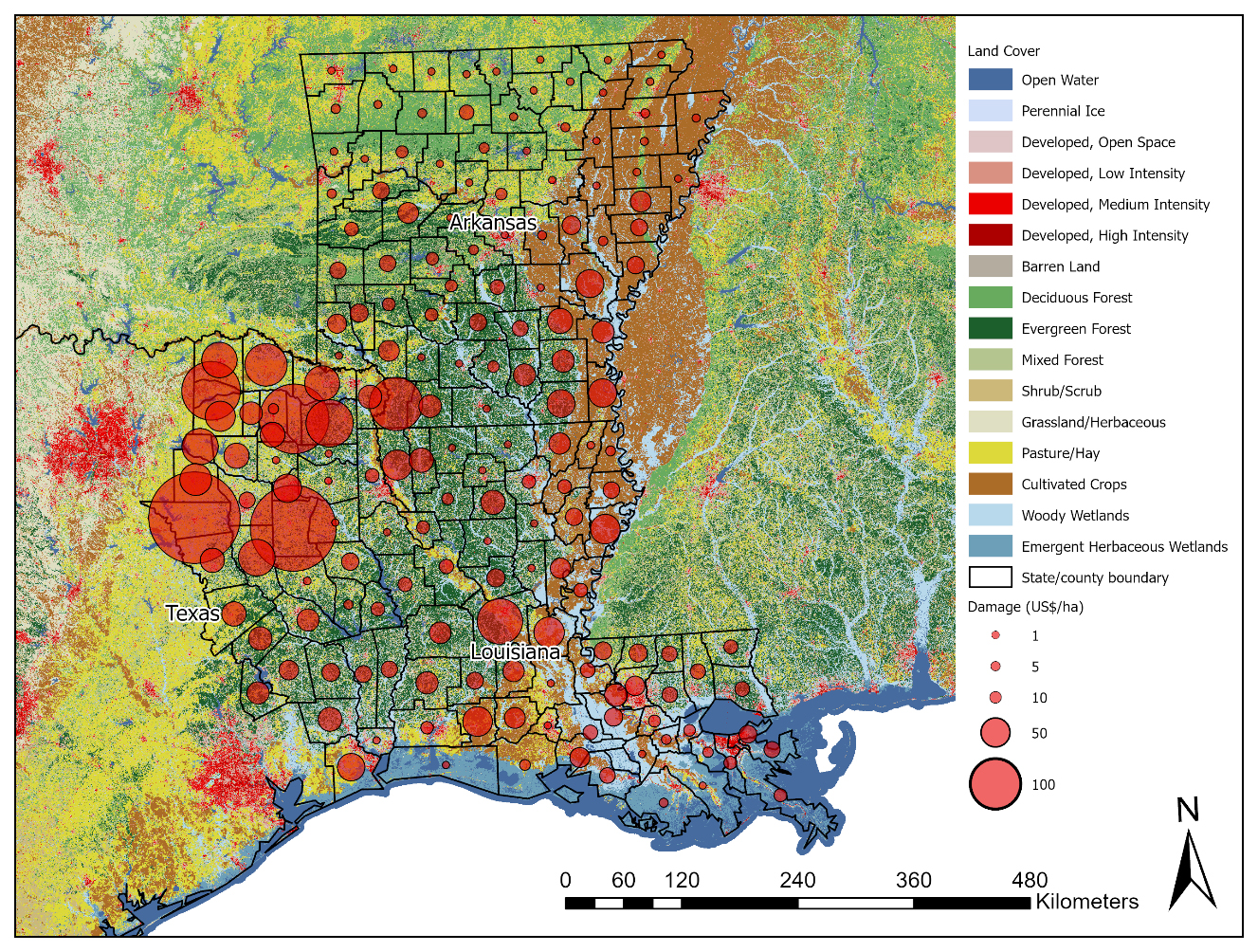 Figure 1. County-level variation in average feral swine damage (US$/ha) across counties in AR, LA, and ETX.
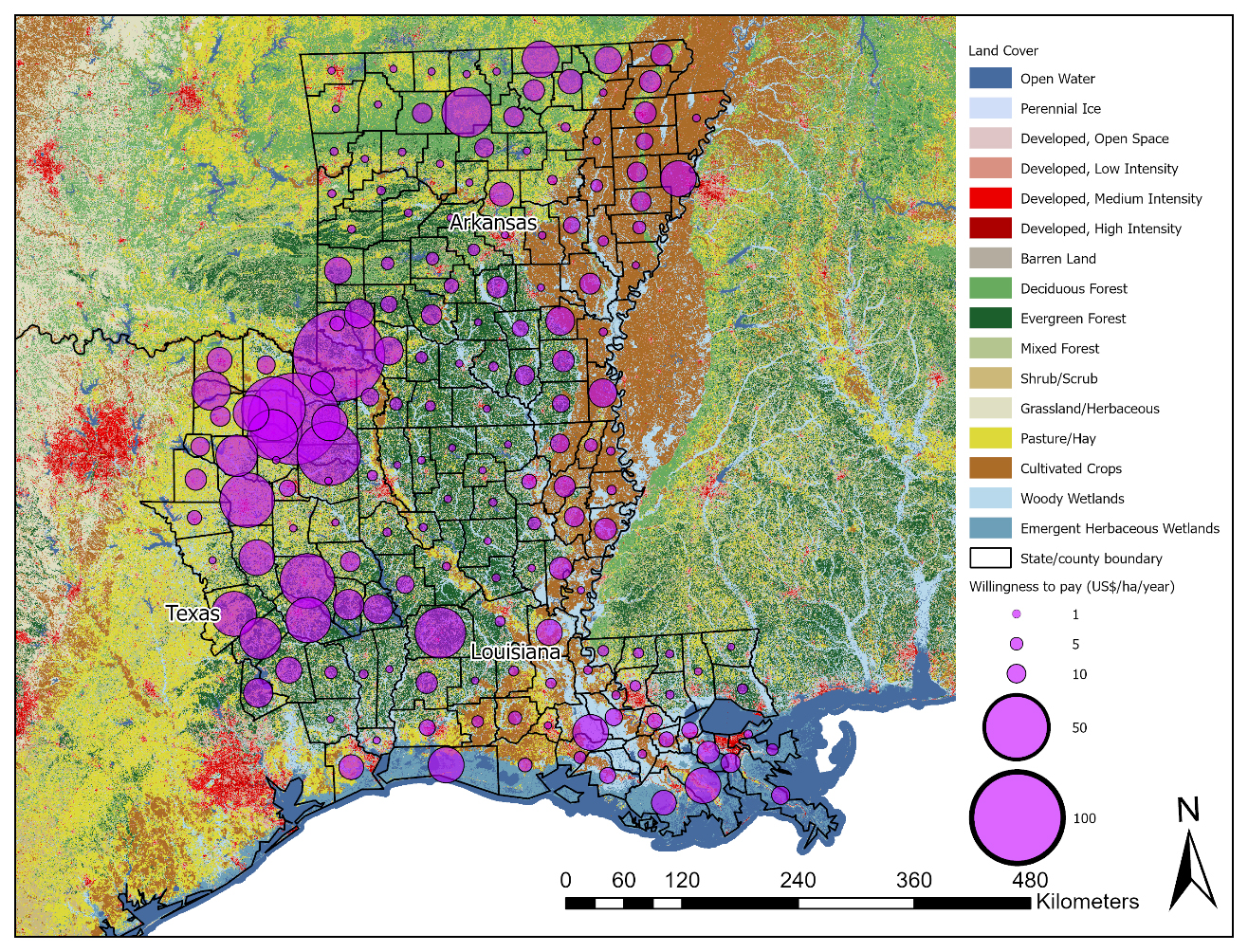 Figure 2. County-level variation in landowners’ WTP for a state-sponsored feral swine control program (US$/ha/year) in AR, LA, and ETX.
We used a mail survey to assess the experiences and WTP of private landowners. The survey instrument was tailored using the Dillman Tailored Design Method [40]. We developed the survey instrument based on a comprehensive literature review of landowner perspectives on feral swine and adapted specific questions concerning feral swine activities and damages to the WGR situation [41]. The questionnaires were pretested by Extension and professional personnel, and the survey was approved by the Institutional Review Board of the University of Arkansas at Monticello (IRB# FNRf-01). We randomly selected survey participants who owned at least 12.1 ha (30 acres) in the WGR from the populations of the targeted landowners in AR, LA, and ETX. Their names and mailing addresses were sourced from Dynata Inc. (Shelton, CT, USA). We mailed out to each participant a package of a cover letter assuring confidentiality and voluntary participation, a 10-page questionnaire, and a prepaid return envelope. Two weeks following the initial mailing, a reminder postcard was sent to all selected landowners.
A total of 4500 survey questionnaires were sent out, with 2000 to AR, 1500 to LA, and 1000 to ETX. We chose the sample size of 4500 surveys with consideration of expected response rates, based on a previous study on landowners’ WTP for the feral swine eradication program in Alabama [32]. We distributed the surveys across states in proportion to the number of counties/parishes included in the survey. Excluding the ineligible surveys (285 in AR, 175 in LA, and 86 in ETX), we received 361 usable responses from AR, 319 from LA, and 226 from ETX, respectively. This resulted in state-specific response rates of 21.05% for AR, 24.08% for LA, and 24.73% for ETX, yielding an overall adjusted response rate of 22.60%. These rates were consistent with mail-based surveys estimating landowners’ WTP for forest management, ecosystem restoration, or feral swine control programs [25,32,42].
We developed a survey questionnaire consisting of 38 questions in five sections. The first section was composed of questions on the landowner's experience with feral swine. These questions were about their property (location, acreage, acquisition year, land type) and their familiarity with feral swine, such as frequency of sightings and perceived population trends. The second section covered the types, effectiveness, and costs of control efforts over the past five years, such as shooting and trapping. The third section asked about the level of concern about feral swine populating around neighboring properties. The final two sections inquired about landowners’ perspectives on management strategies and collected key sociodemographic data, including age, gender, education, and household income.
A PC was implemented to elicit the amount that private landowners would be willing to pay for a feral swine control and eradication program for the next five years. Specifically, respondents were asked: “Suppose that a state program will be created to help control and eradicate feral swine from a state in the coming five years, how much would you be willing to pay over the next five years to implement this program (in US$/acre/year)?” The PC presented six bid amounts—US$0, US$1, US$5, US$10, US$20, and more than US$20—from which respondents could choose the amount that best represented their maximum WTP. These bid amounts were based on previously estimated WTPs of about US$35/ha/year (US$14/acre/year) [32]. The PC format was selected because it can mitigate the starting point bias, non‐response, and protest bids relative to other formats, such as dichotomous choice and open-ended questions [43]. By using the PC method, the elicited WTP values reflected respondents’ true valuation with greater confidence [32,43,44]. While landowners’ WTP was surveyed in US$/acre/year, all results were reported in US$/ha/year.
Following the standard practice in CV studies, respondents reporting a zero WTP were asked to explain their zero valuation via a follow-up question. They were provided with a list of options to indicate their reasoning: (a) I do not think it is worth paying to control feral swine; (b) I do not think the eradication program would succeed; (c) I believe that hunters, NOT landowners, should pay for the eradication; (d) I think we should leave feral swine alone; (e) I would rather pay a private company to control swine on my property; (f) I would rather control feral swine by myself; and (g) I would rather control feral swine by cooperating with my neighbors. In our analysis, respondents who selected options (a), (b), (c), or (d) were classified as protest zero bidders, indicating that their zero WTP did not reflect a true lack of valuation for the program, but rather an objection to the payment vehicle or some other aspect of the proposed control and eradication strategy. We excluded the protest zero bidders (382 cases) from analysis.
Econometric ModellingWe employed econometric analysis to examine the determinants of landowners’ WTP for a feral swine management and control program. Following the theoretical framework on collective action and planned behavior [35–39] and previous studies in a similar field [45–47], we specified WTP as a function of several key factors. Also, we utilized previously compiled datasets on landowners’ attitudes and perceptions toward feral swine control [1,15]. In our framework, WTP was modelled as a function of landowner demographics (age, gender, education, and income), land and ownership characteristics (acreage, tenure, and land type), experience with feral swine (frequency of sightings and perceived damage), activities to control feral swine, and attitudes toward feral swine control in neighboring lands.
Various methods have been proposed to relate WTP to explanatory covariates, with ordinary least squares (OLS) being a commonly used technique [44,46]. Regression analysis using OLS for such data is likely to lead to biased and inconsistent parameter estimates [48,49]. A two-part hurdle model was used to explore landowners’ WTP. This approach is appropriate for CV data that contains many zero bids, because it models the decision process in two stages. The first stage addresses whether to take part in a feral swine control program. The second stage involves how much to contribute, conditional on deciding to participate. This separation allows for the possibility of different factors influencing each decision.
The first part of the model utilizes Probit regression to analyze the binary choice of whether a landowner is willing to pay a non-zero amount. The model is based on a latent variable, Di*, which represents the underlying propensity of landowner i to pay:
where Xi is a vector of explanatory variables, β is a vector of parameters, and ϵi is the error term following a standard normal distribution. While Di* is unobserved, the actual decision to pay (Di) is observed as 1 if Di* > 0 (i.e., WTP > 0) and 0 otherwise. The probability of a landowner being willing to pay is thus given by P(Di = 1∣Xi) = Φ(Xi β), where Φ is the standard normal cumulative distribution function.
The second part of the model examines the amount landowners are willing to pay, conditional on their participation (Di = 1). For this, we used a truncated regression model on the subset of data with positive WTP values. The natural logarithm of WTP was used as the dependent variable to normalize its distribution. The model is specified as:
where the equation is estimated only for landowners with WTPi > 0. In this model, Zi is the vector of explanatory variables, γ is the vector of parameters, and μi is the normally distributed error term.
A series of tests was run to validate the final model. The Variance Inflation Factor (VIF) was calculated for all predictors. The goodness-of-fit for the first-stage model was assessed using a Likelihood Ratio test, count R-squared, and Nagelkerke’s Pseudo R-squared. The goodness-of-fit for the second-stage model was estimated using Nagelkerke’s Pseudo R-squared. A residual analysis, including the inspection of Normal Q-Q plots, was done to verify that key statistical assumptions were met. As a robustness check, the model was re-estimated after removing statistical outliers to confirm that our findings were stable and not driven by extreme observations.
The covariates incorporated in our econometric model were organized into five categories to capture the multifaceted determinants of landowners’ WTP. First, landowner demographics were measured by age, gender, education, and household income (Table 1). Second, land and ownership characteristics were captured through variables such as total acreage, tenure, and land use type (Table 1). Third, we incorporated measures of landowner experience with feral swine, including familiarity, frequency of sightings, extent of swine presence, perceived population trends, damage and control costs, management efforts, and confidence in control ability (Table 2). Fourth, we utilized measures related to landowner trust and social attitudes, including trust in different actors (e.g., neighbors, officials), perceptions of neighboring feral swine issues, community connectedness, and support for various feral swine control policies (Table 3). Finally, landowner perceptions toward feral swine control were assessed using a Likert scale that gauged their concerns, support for various control measures, and perceived effectiveness of these measures (Table 1).
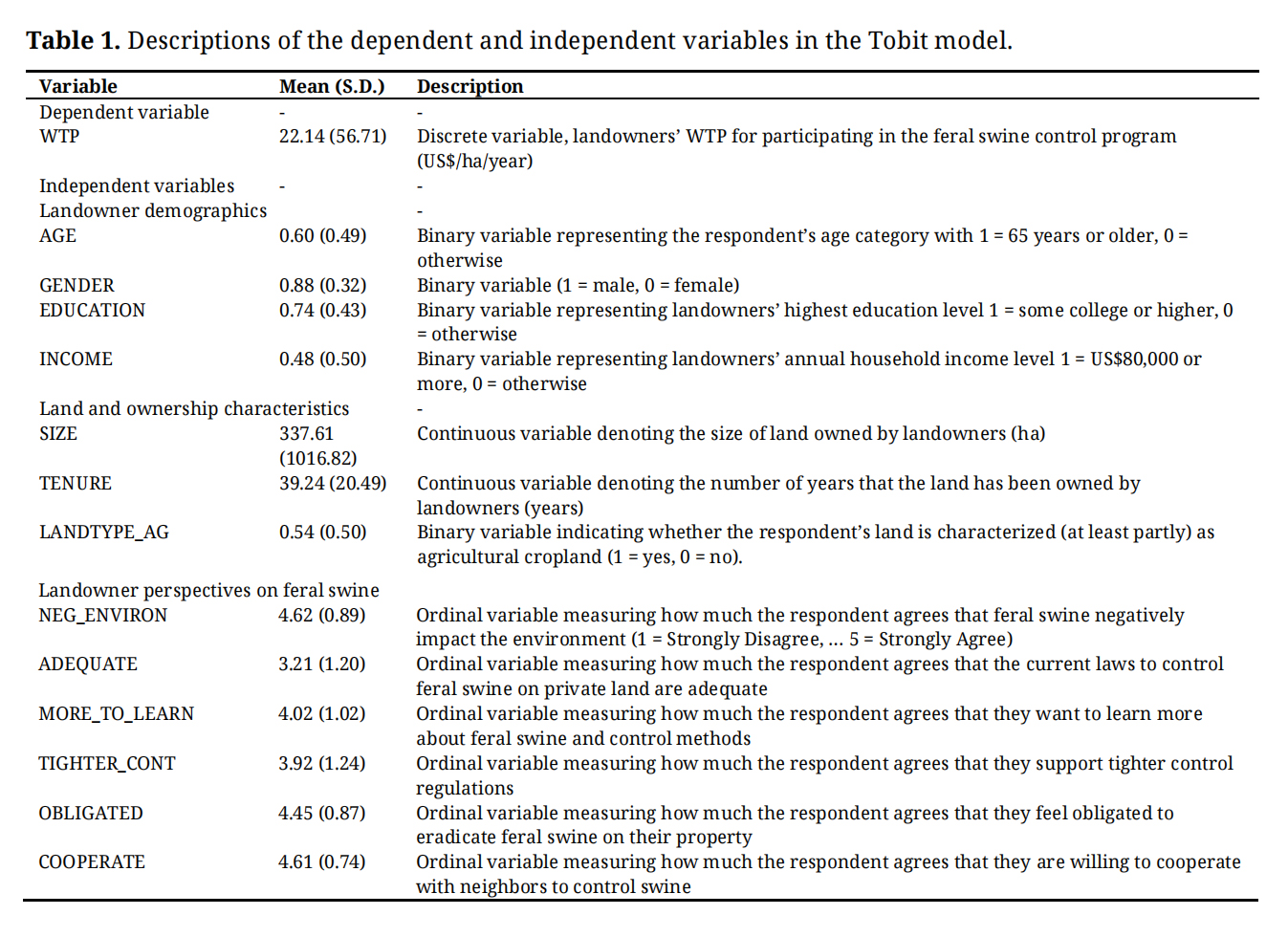 Table 1. Descriptions of the dependent and independent variables in the Tobit model.
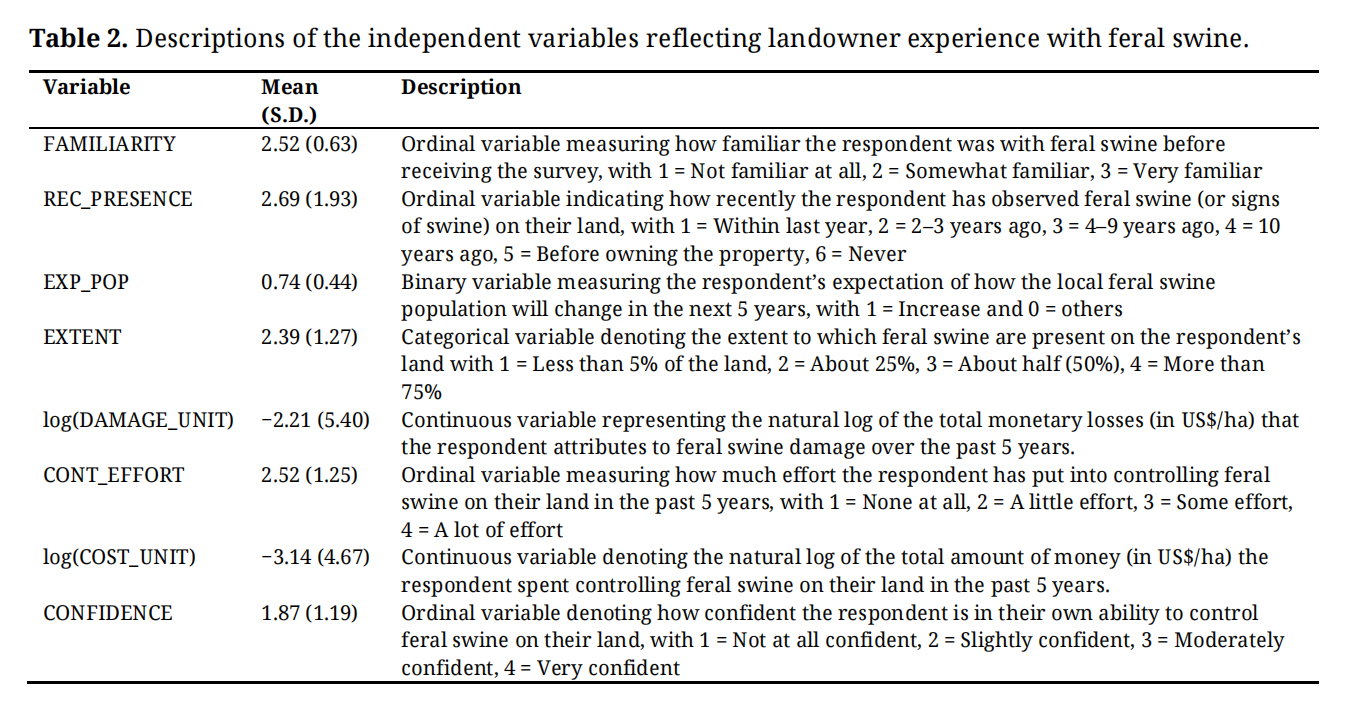 Table 2. Descriptions of the independent variables reflecting landowner experience with feral swine.
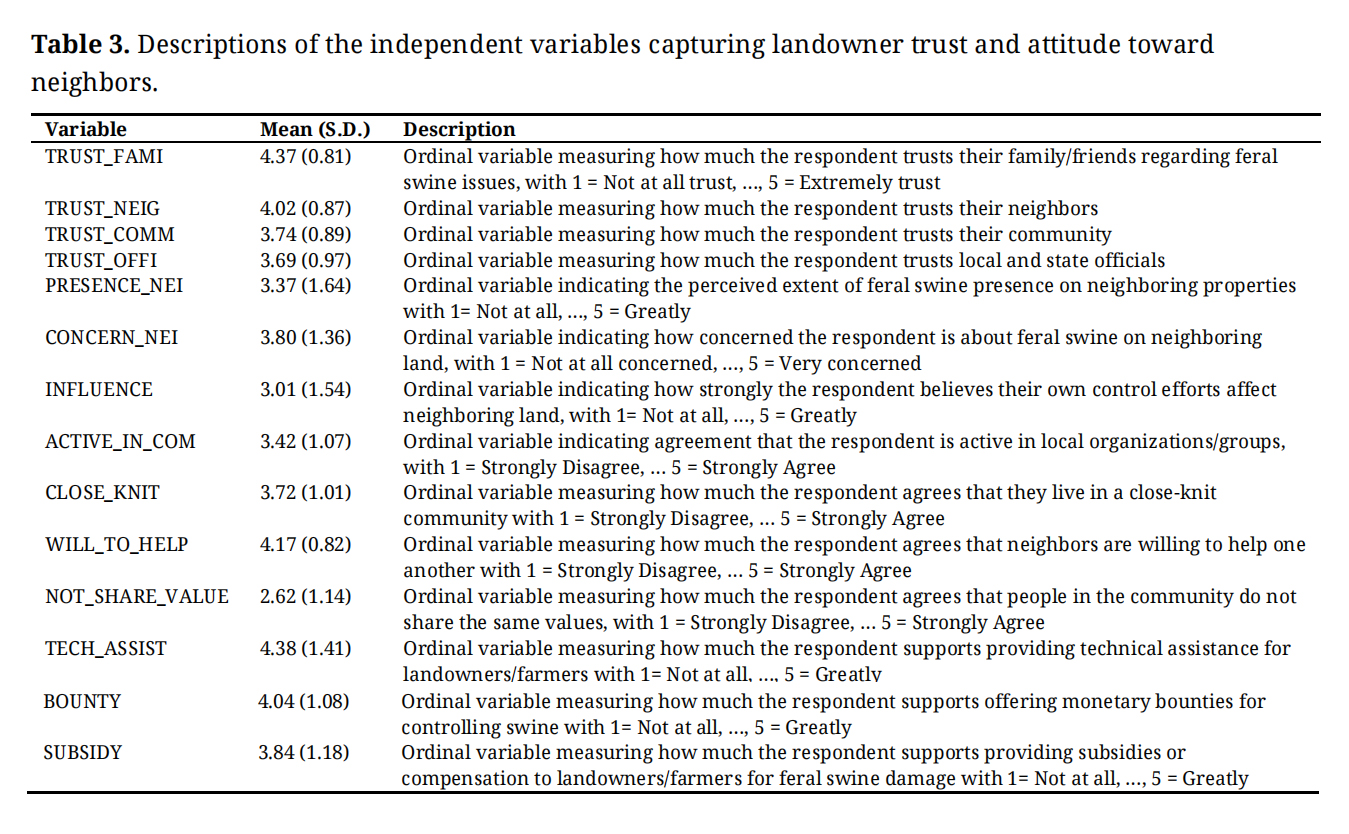 Table 3. Descriptions of the independent variables capturing landowner trust and attitude toward neighbors.
The sample was divided into two subgroups based on whether respondents expressed a positive willingness-to-pay (WTP > 0, n = 296) or a zero WTP (n = 228) for the feral swine control program (Table 4). The age distributions were similar across both subgroups, with the vast majority of respondents aged 55 or older, approximately 83% in the positive WTP subgroup and 89% among those with zero WTP. Although both subgroups were predominantly male, the proportion of male respondents was slightly higher among those with positive WTP (90.5% vs. 85.1%). A greater share of the positive WTP subgroup held advanced degrees (17.9% compared to 11.8%), while fewer respondents in this subgroup had a less than high school education or only a high school/GED credential. In addition, a higher percentage of positive WTP respondents reported annual incomes exceeding US$100,000 (41.2% versus 31.1%), whereas the zero WTP subgroup had a larger proportion of respondents earning between US$20,000 and US$49,999.
In terms of ownership characteristics, the two respondent subgroups were quite similar. The average land size was comparable (331.3 ha for the positive WTP group and 345.8 ha for the zero WTP group), and so was the mean tenure (approximately 39 years for both). The distribution of land types was also largely consistent, with roughly 37% of respondents in both subgroups owning agricultural cropland. However, a slightly higher percentage of zero WTP respondents managed pastureland (22.4% vs. 18.9%), while the positive WTP subgroup had a modestly higher representation of land classified as “more than one type” (32.4% vs. 27.2%).
To better understand the reasons behind zero WTP, respondents who indicated a zero bid were asked to explain their reasoning (Table 5). Multiple responses were allowed. The most common reason was a preference to control feral swine by cooperating with neighbors (41.6%), followed by preferring to control them independently (37.9%), and believing that the eradication program would not succeed (33.6%). Fewer respondents selected objections to paying, such as “I do not think it is worth paying to control feral swine” (13.6%) or “I believe the hunters, NOT landowners, should pay for the eradication” (11.7%).
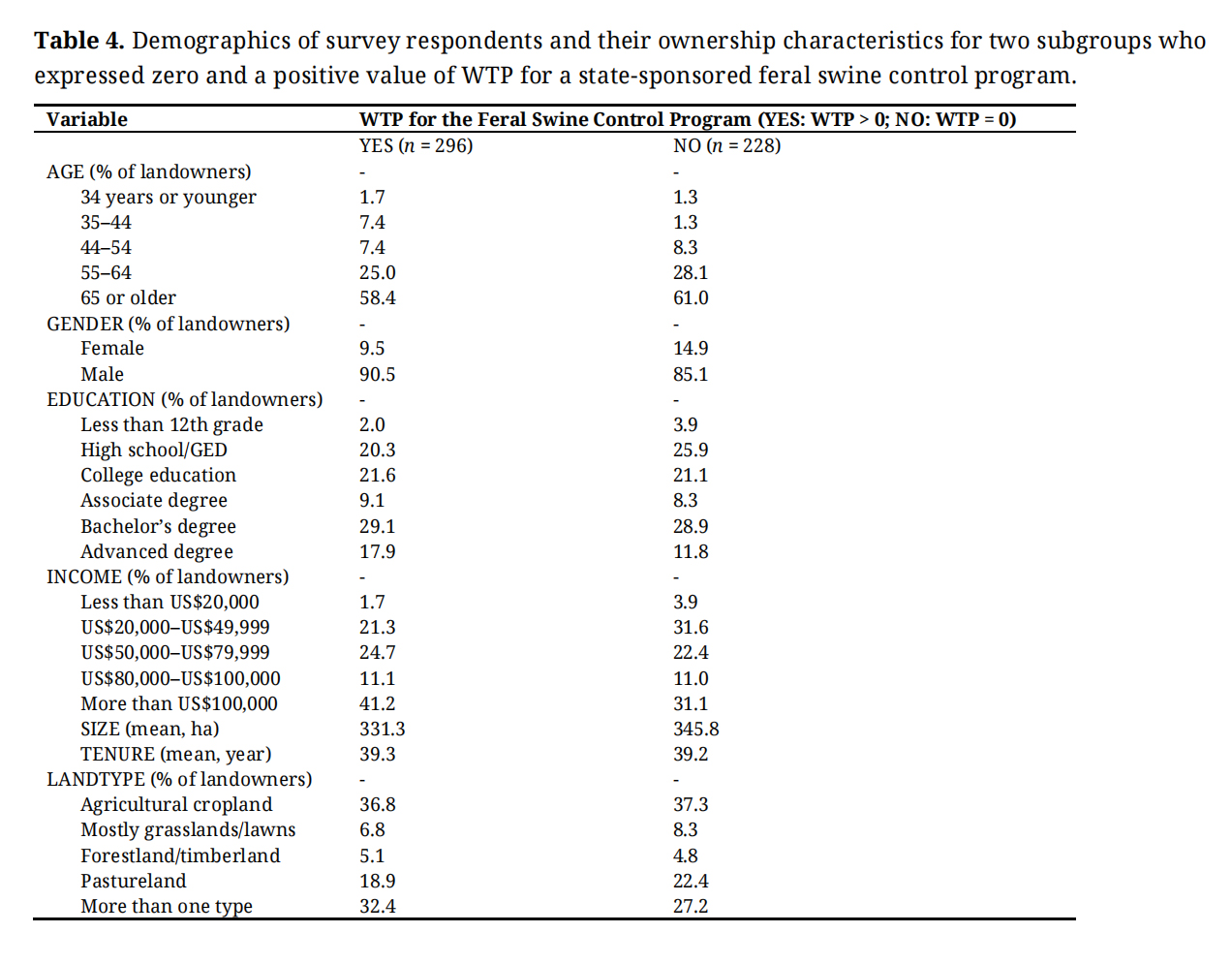 Table 4. Demographics of survey respondents and their ownership characteristics for two subgroups who expressed zero and a positive value of WTP for a state-sponsored feral swine control program.
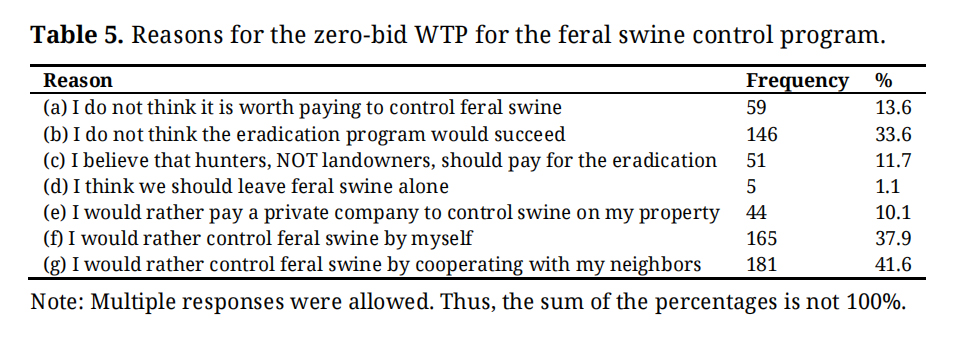 Table 5. Reasons for the zero-bid WTP for the feral swine control program.
Figures 1 and 2 illustrate the county-level spatial distributions of feral swine damage (US$/ha) and WTP (US$/ha/year) across AR, LA, and ETX. To assess the influence of land use on these metrics, we incorporated land use data corresponding to the survey year [50]. In Figure 1, many ETX counties showed the largest circles, reflecting higher damage, especially in areas with cultivated crops or mixed land uses. Damage in southwestern AR was moderate to high in some counties. The LA parishes exhibited extreme variation; some regions, particularly central and southern, suffered substantial losses. A further disaggregation of damage by state and land type was reported by Tian et al. [2]. LA also led with the highest per-ha losses for multiple land uses at US$100.05/ha, followed by AR at US$54.54/ha and ETX at US$60.54/ha; the differences between LA and the other two states were statistically significant. However, we noted that this spatial distribution of damage does not necessarily translate into proportionate WTP as shown in Figure 2. Some ETX counties with the greatest damage also reported above‐average WTP, yet LA parishes experiencing moderate to high damage often displayed comparatively lower WTP. Table 6 reinforces this point, revealing that although ETX landowners had the highest overall WTP (US$36.3/ha/year), it remained well below the observed damage in agricultural cropland (US$61.5/ha/year). In LA, moderate to high damage levels corresponded to lower WTP (US$12.8/ha/year) across most land types (US$10.1–16.6/ha/year). AR, with moderate WTP (US$17.3/ha/year), stood out for its higher WTP for forestland/timberland owners (US$28.4/ha/year) and the owners of mixed land types (US$29.7/ha/year) compared to the actual damage reported by these landowner groups.
 Table 6. Estimated WTP for state-sponsored feral swine control programs (US$/ha/year) by land use category across AR, LA, and ETX.
The two-part hurdle model demonstrated a statistically significant and robust fit to the data. For the first-stage Probit model predicting participation, the Likelihood Ratio test was highly significant (χ2 = 96.02, p < 0.001), and the model correctly classified 73.2% of cases. Nagelkerke’s Pseudo R-squared of 0.317 indicated a reasonable model fit. The truncated regression model for the second stage, predicting the WTP amount, also showed a strong fit with a Nagelkerke's Pseudo R-squared of 0.467. Additionally, all VIFs were below 5, confirming that multicollinearity was not a concern [51,52]. These diagnostic measures support the model’s reliability in identifying the factors influencing landowners’ WTP.
The results of the two-part hurdle model can be found in Tables 7 and 8. The first part of the model (Probit) identifies factors influencing a landowner’s decision of whether to participate in a feral swine control program. The second part (Truncated regression) analyzes factors influencing how much they are willing to pay when they are determined to join the program.
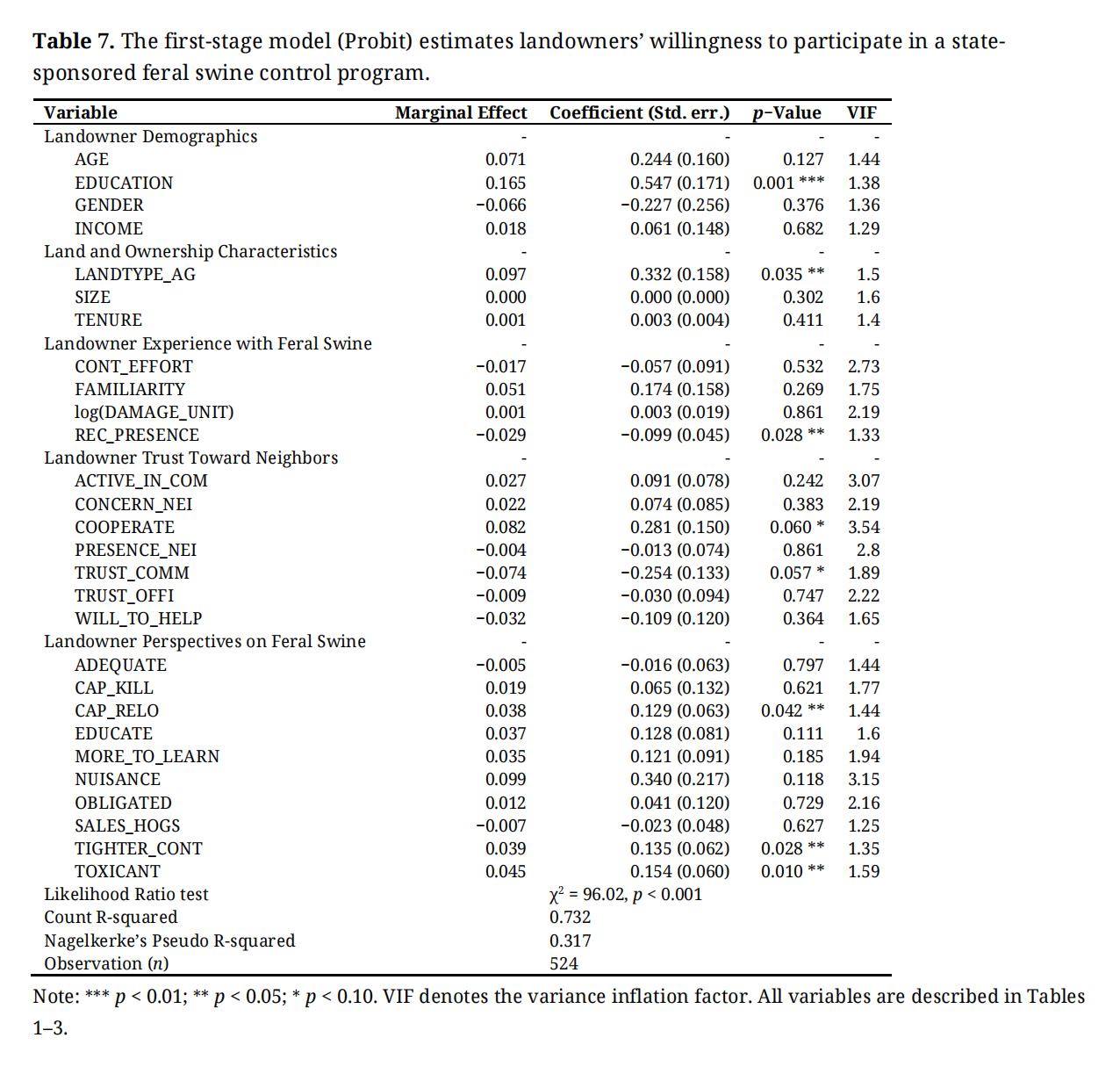 Table 7. The first-stage model (Probit) estimates landowners’ willingness to participate in a state-sponsored feral swine control program.
 Table 8. The second-stage model (Truncated regression) estimates of landowners’ willingness to participate in a state-sponsored feral swine control program.
Several factors significantly influenced a landowner’s initial decision to participate in the control program.
(1) Demographics and Land Characteristics: Concerning the demographic variables, landowners with a higher education level (EDUCATION) were more likely to participate in the program. Among land characteristics, owning agricultural cropland (LANDTYPE_AG) was the only significant factor, positively associated with the willingness to participate.
(2) Experience and trust with neighbors: For landowner experience, how recently swine were present on the property (REC_PRESENCE) was the only significant factor, negatively associated with landowners’ willingness to participate. Among the variables of landowner trust toward neighbors, lower trust in the community (TRUST_COMM) and a preference to cooperate with neighbors (COOPERATE) were significantly related to their WTP.
(3) Attitudes toward swine: Regarding landowner perspectives on feral swine control, several variables were related to their willingness to participate. Support for tighter control regulations (TIGHTER_CONT), support for capture and relocation (CAP_RELO), and support for using toxicants (TOXICANT) were significantly related to landowners’ likelihood of participation.
Analysis of Influencing Factors for WTP AmountOnce a landowner decided to participate, a different set of factors influenced the monetary amount they were willing to contribute.
(1) Demographics and Land Characteristics: In the second stage of the model, the variable of education remained a positive and significant association with the WTP amount. Furthermore, the variables of gender (GENDER) and income (INCOME) became significant predictors of the amount paid: male landowners indicated a higher WTP, whereas income exhibited a negative association, suggesting that a higher income reported a lower WTP. LANDTYPE_AG also remained negative and significant, indicating cropland owners report smaller WTP amounts compared to respondents owing other types of land (forestland/timberland, pastureland, or a combination of different land uses).
(2) Experience and trust with neighbors: The negative effect of recent swine presence (REC_PRESENCE) remained significant. Additionally, CONT_EFFORT and log_DAMAGE_UNIT were found to have a significant and positive association with WTP, suggesting that respondents with greater control efforts and higher per-hectare damage reported a higher WTP. On the contrary, the variables of FAMILIARITY and COOPERATE were negatively related to WTP, indicating that respondents with higher familiarity with feral swine and who are willing to cooperate with others had a lower WTP. By contrast, perceived swine presence on neighboring properties (PRESENCE_NEI), concern about neighboring swine presence (CONCERN_NEI), and being active in the community (ACTIVE_IN_COM) were each positively associated with WTP. Trust with officials (TRUST_OFFI) and the perception that neighbors are willing to help (WILL_TO_HELP) showed significant negative associations with WTP.
(3) Attitudes toward swine: Variables of support for tighter control regulations (TIGHTER_CONT) and for capture-and-relocate strategies (CAP_RELO) remained positive and statistically significant with WTP. In addition, variables of MORE_TO_LEARN, OBLIGATED, and SALES_HOGS were found to be significantly and positively related to WTP, suggesting that respondents who are willing to learn more about swine control, feel a personal obligation to control swine, and support the sales of swine reported a higher WTP. By contrast, the belief that current laws are adequate (ADEQUATE), perceiving swine primarily as a nuisance (NUISANCE), and a preference for capture-and-kill strategies (CAP_KILL) were negatively associated with WTP.
In the WGR, feral swine have caused significant ecological and economic challenges. To assess private landowners’ WTP for control programs, we conducted a detailed mail survey using a PC approach and analyzed the data with Tobit regression. We found state-level variation in average WTP. In addition, we found that landowners’ WTP was positively related to education, experienced damage, involvement in the local community, environmental concerns, and proactive attitudes, whereas it was negatively correlated with self-confidence in managing feral swine and belief about the adequacy of current policy.
About half (43.5%, n = 228) of the landowners in the WGR were unwilling to participate in feral swine control programs. Over 30% of the respondents reported uncertainty about program effectiveness as the reason for non-participation (see (b), (f), and (g) in Table 5). This suggests that landowners are unconvinced that a given control program will substantially reduce swine populations, which may result in low participation. Pessimism born of past failed attempts appears to contribute to this inaction—a trend also observed in Alabama, where about half of the surveyed stakeholders cited ineffective state or federal removal efforts as a reason for believing that feral swine populations were increasing [31].
On average, the estimated WTP was US$17.4 per hectare per year in AR, US$12.8 in LA, and US$36.4 in ETX, respectively (Table 6). The regression results showed a positive and significant coefficient for education. This indicates that a landowner’s WTP increased with their level of education, confirming the previous finding that higher education levels were associated with increased support for environmental conservation programs [19,20,53]. More educated landowners may have greater awareness of ecological issues, be more open to new management practices, and exhibit greater trust in science-based programs. No significant variables under the land and ownership characteristics were found.
Regarding the variable of experienced damage, a positive and significant association with WTP was found, indicating that landowners who experienced higher economic damage from feral swine had a higher WTP for control measures. This echoes the findings reported in studies on insurance protection. For example, farmers who had been affected by floods revealed a higher WTP for flood insurance than those who had not [28]. Similarly, previous timber loss experienced significantly increased the insurance premiums that landowners were willing to pay for mitigating future timber loss from natural disturbances [54]. In both cases, direct exposure to economic losses increases the valuation of risk reduction measures. In areas where more landowners view feral swine as a serious threat to their properties, crops, and forests, landowners would be more willing to make investments in control efforts. This pattern was evident for ETX, where high damages were reported with high WTP (Figures 1 and 2).
An interesting finding from AR was that WTP was higher for timberland/forestland owners than for farmers with agricultural cropland, despite less damage reported by the former (Table 6). This implies that non-economic factors, like attitudes or perceptions, could be a stronger driver of WTP than direct damage. This was also true for agricultural landowners in LA. Another possibility is that forestland owners in AR and LA might have a more preventive mindset, which would explain their higher WTP even with less direct damage from feral swine. Similar evidence was reported by Fern et al. [32]—landowners who had not yet suffered from feral swine damage were willing to pay more for a hypothetical eradication program than those who had an actual case of damage. Also, forest plantation owners with no feral swine infestations in Alabama were willing to pay about US$35/ha/year (US$14/acre/year) for eradication than those with current swine infestations. This counterintuitive result may reflect a preventive mindset—those without swine damage are eager to invest in measures to keep the pests out before they become a problem. In contrast, landowners already battling feral swine might be more fatigued or feel that eradication is unattainable, thereby reducing their WTP for additional costs. It could also indicate that some landowners experiencing feral swine damage expect external assistance (e.g., government help) and are, therefore, less inclined to pay personally. Nonetheless, overall in the WGR, higher perceived damage and risk correlate with higher WTP, as evidenced by our survey and previous studies, where landowners reporting a greater economic loss were most in favor of stricter control measures [1]. However, these results suggest that more region-specific analyses may be needed.
Our regression analysis results revealed that the WTP of landowners was impacted by their social context, experience, and perspectives on the feral swine problem. Specifically, a negative association between landowners’ level of trust with the community (TRUST_COMM) and their willingness to participate in a state-led control program. A possible explanation was that landowners with lower community trust may perceive state-led efforts as more reliable or effective than locally coordinated initiatives. Furthermore, a belief that neighbors are willing to help (WILL_TO_HELP) was associated with a lower WTP amount. This finding suggests that when landowners perceive strong neighborly help or a high likelihood of voluntary assistance, they may feel less personal responsibility to contribute financially, assuming that cooperative efforts will occur regardless of their individual payment. In addition, the findings indicated that concerns of feral swine presence on neighboring properties (CONCERN_NEI and PRESENCE_NEI) were associated with the landowners’ WTP for the swine control program. This suggests that heightened awareness of nearby infestations increases perceived personal risk, thereby motivating stronger financial support for state-led control programs.
Regarding landowners’ attitudes toward feral swine control statements, we found that those who supported non-lethal cap and relocation (CAP_RELO) and the use of toxicants (TOXICANT) were more likely to participate in a control program. Those results indicated that positive attitudes toward non-lethal or lethal control strategies are linked with a stronger behavioral intention to engage in management and control efforts. This finding highlights the association between attitudes toward swine control statements with the behavioral intention of management, which is consistent with the attitude–intention relationship proposed by the TPB.
Those who believe that existing laws for controlling feral swine are adequate (ADEQUATE) were less likely to participate in a control program and had lower WTP. On the contrary, those who support tighter regulation (TIGHTER_CONT) for swine control were more inclined to adopt a control program with higher WTP. These contrast results suggest that there is a significant relationship between landowners’ perceptions of regulatory sufficiency and their behavioral intentions; specifically, landowners who view current policies as insufficient are more motivated to engage in and financially support additional control programs. These findings align with the TPB, as stronger normative and attitudinal beliefs about the need for regulation appear to enhance participation intentions.
In addition, we found that landowners who treat feral swine control as a personal obligation and those who expressed a willingness to learn more about swine control were more likely to participate in management programs with higher WTP. This result highlights the importance of subjective norms related to intention, suggesting that a stronger sense of responsibility and interest in gaining knowledge enhances participation intentions and financial commitment to a control program. In contrast, we did not observe a significant association between PBC (measured as landowners’ confidence in their own ability to control feral swine) and intention. This result may be due to the single-item measure of PBC; therefore, future research employing a multi-item scale or more nuanced measures of PBC is needed.
In terms of landowners’ experience and whether they have put management efforts into feral swine, we found that those who reported higher swine damage per hectare (log(DAMAGE_UNIT)) and have taken efforts (CONT_EFFORT) were more likely to adopt a control program, and were associated with higher WTP. These results are consistent with previous studies on risk perception [28,54], suggesting that individuals who have experienced greater economic losses or have already devoted effort to control activities are more motivated to participate in a control program financially. For the variable of familiarity, those who reported high levels of familiarity (FAMILIARITY) with feral swine indicated a lower likelihood of participating in a control program, which may reflect landowners’ fatigue or skepticism toward the effectiveness of eradication programs.
Regarding landowner demographics, a positive association between education (EDUCATION) and WTP was observed, which indicated that landowners with a higher education level are more likely to support feral swine control programs. Male landowners were reported to contribute higher WTP amounts for swine control, consistent with a previous study [23], which reported that male respondents tended to express greater WTP than their counterparts. Surprisingly, landowners with higher income levels were inclined to pay less, which contradicts the conventional expectation of a positive income–WTP relationship. This unexpected result may reflect that higher-income landowners tend to independently afford or implement more effective, privately managed control measures and reduce their reliance on publicly coordinated or government-led control programs.
This study shed new light on private landowners’ WTP for feral swine control programs in the WGR by employing a structured mail survey and a two-part hurdle econometric model. The average WTP varied across states (US$12.85–36.38/ha/year) and land uses. Private landowners’ WTP for a control program is also associated with factors such as damage experienced, trust with neighbors, attitudes toward control statements, subjective norms, and demographics. Specifically, we found that landowners who experienced greater economic damage from feral swine, had higher levels of education, were male, had previously taken control actions, or viewed feral swine management as a personal responsibility, were more likely to participate in a swine control program with higher WTP amounts. These results reveal regional commonalities as well as differences and could be useful for policymakers and practitioners in designing and deploying incentive-based mechanisms to motivate private landowners to participate in feral swine control in the region.
Nevertheless, this study has several limitations. First, due to the geographic scope of the study, the findings may not apply to other areas with different socio-economic and ecological conditions. Second, our results may be limited by potential non-response biases and the CV method itself. The payment-card approach, for example, has inherent constraints that may not capture the full spectrum of landowners’ WTP. Meanwhile, PBC was measured using a single-item indicator, which may not fully capture the nuances. Third, the cross-sectional nature of the data limits our ability to infer causality or examine changes in landowner behavior over time. Future research could consider incorporating panel data, expanding the geographic scope, and designing survey items that allow for a more robust assessment of WTP. Finally, although the spatial mapping of landowner-reported swine damage and WTP patterns provides contextual and descriptive visualization of the geographic association and variation, future research could apply spatial econometric approaches (e.g., spatial error or geographically weighted regression models) to further examine such patterns.
The datasets generated and used in this study are not publicly available because they contain information that could compromise the privacy/consent of research participants. Special requests should be directed to the corresponding author.
Conceptualization, NT and JC; methodology, JC; software, JC; validation, NT, JC and JG; formal analysis, JC; investigation, NT; resources, NT; data curation, NT; writing—original draft preparation, JC; writing—review and editing, NT and JG; visualization, JC; supervision, NT; project administration, NT; funding acquisition, NT. All authors have read and agreed to the published version of the manuscript.
The authors declare that there is no conflicts of interest.
This research was funded in part by the Arkansas Center for Forest Business at the University of Arkansas at Monticello and the Arkansas Forest Resources Center, the University of Arkansas System Division of Agriculture. The funders had no influence on the research design, data collection and analysis, and conclusion.
We are thankful to the respondents for their time and effort in completing the survey.
1.
2.
3.
4.
5.
6.
7.
8.
9.
10.
11.
12.
13.
14.
15.
16.
17.
18.
19.
20.
21.
22.
23.
24.
25.
26.
27.
28.
29.
30.
31.
32.
33.
34.
35.
36.
37.
38.
39.
40.
41.
42.
43.
44.
45.
46.
47.
48.
49.
50.
51.
52.
53.
54.
Choi J, Tian N, Gan J. Private landowners’ willingness to pay for managing feral swine in the west gulf region. J Sustain Res. 2025;7(4):e250070. https://doi.org/10.20900/jsr20250070.

Copyright © Hapres Co., Ltd. Privacy Policy | Terms and Conditions


