Location: Home >> Detail
J Sustain Res. 2025;7(4):e250075. https://doi.org/10.20900/jsr20250075
 ,
Maria Boile 1,2
,
Maria Boile 1,2
1 Department of Maritime Studies, University of Piraeus, Piraeus 18533, Greece
2 Center for Research and Technology Hellas, Marousi 15125, Greece
* Correspondence: Konstantia Karagkouni
This paper explores the role of port electrification in supporting the maritime sector’s green transition, focusing on energy efficiency and sustainability. Using the PESTLE framework, it analyses political, economic, social, technological, legal, and environmental factors that shape the implementation of electrification measures across port operations. Drawing on insights from an extensive literature review, the research identifies key drivers and barriers to the deployment of technologies such as Shore-Side Electricity Onshore Power Supply (SSE-OPS), electric cargo-handling equipment, charging hubs for trucks, and retrofitting actions. The analysis reveals that while regulations and long-term benefits encourage action, challenges remain—particularly high investment costs, regulatory uncertainty, and technological limitations. Economic and technological factors appear most influential across measures. To support decision-making, this paper synthesizes the evidence into prioritization guidance that indicates which electrification measures are most promising for ports under current regulatory, financial, and technological conditions.
| ESPO | European Seaports Organisation |
| EMSA | European Maritime Safety Agency |
| ETD | Energy Taxation Directive |
| DNV | Det Norske Veritas |
| SSE-OPS | Shore-Side Electricity Onshore Power Supply |
| RTGs | Rubber-Tired Gantry cranes |
| AFIR | Alternative Fuels Infrastructure Regulation |
| TEN-T | Trans-European Transport Network |
| PESTLE | Political Economic Social Technological Legal Economic |
| LNG | liquefied natural gas |
| STS | Ship-to-Shore |
| RES | Renewable Energy Sources |
| BSC | Balanced Scorecard |
Ports have evolved from traditional trade and logistics hubs into strategic actors in global sustainability, increasingly tasked with contributing to climate mitigation and energy transition goals. Regardless of their size, ports are adopting green measures to reduce emissions, enhance efficiency, and align with net-zero ambitions [1]. Electrification has emerged as a central pillar, facilitating both operational improvements and environmental performance. It supports the shift from fossil fuels to clean energy through the adoption of SSE-OPS, electrified cranes, support vessels, and port vehicles, in line with tightening regulatory standards and technological advancements [2–5]. Port electrification also extends to hybrid or electric propulsion systems for port fleets, and the development of charging hubs for visiting electric trucks and vehicles. These efforts are increasingly supported by renewable-powered microgrids, reinforcing the port's role in energy transition infrastructure. Ports are becoming enablers of industrial symbiosis, integrating renewable energy systems such as wind farms, solar arrays, and hydrogen electrolysers [6]. At the same time, they contribute to grid stability and local energy resilience. Yet, the deployment of electrification technologies is hindered by several challenges, including high upfront investment costs, infrastructure constraints, and technological immaturity in some applications [7]. Despite these barriers, the environmental and economic potential is substantial. Studies have shown that shore-side electricity can reduce global port emissions by almost 10%, with more dramatic localised impacts—57% in Kaohsiung Port (Taiwan) and 2% in the UK [8,9]. Cruise ship electrification has led to emission reductions of 29.3% on average, with regional peaks of 99.5% in Norway, 84.9% in France, and 85.3% in Brazil [10]. For port equipment, RTG cranes achieved 67% emission reductions, while hybrid straddle carriers demonstrated 27.1% improved fuel efficiency and over 66% lower carbon emissions [11]. These findings illustrate the strong environmental benefits already being realised in early implementations.
The policy landscape in Europe further accelerates this transition. Legislative instruments such as the Alternative Fuels Infrastructure Regulation (AFIR) (Regulation (EU) 2023/1804 of the European Parliament and of the Council of 13 September 2023 on the deployment of alternative fuels infrastructure, and repealing Directive 2014/94/EU) and the FuelEU Maritime Regulation (Regulation (EU) 2023/1805 of the European Parliament and of the Council of 13 September 2023 on the use of renewable and low-carbon fuels in maritime transport, and amending Directive 2009/16/EC) establish binding targets for deploying SSE systems and alternative fuel infrastructure in ports, with complementary funding mechanisms like the Connecting Europe Facility (CEF) offering financial support [1,12]. These measures are aligned with the European Green Deal, targeting a 55% reduction in emissions by 2030 and net-zero by 2050 [13]. Accordingly, electrification is no longer a future ambition but a current requirement, embedded within environmental and legal obligations for European ports. Numerous ports have already adopted diverse electrification technologies, yielding initial outcomes that provide important insights and practical knowledge. These preliminary implementations reveal notable successes, such as substantial emission reductions and enhanced energy efficiency, alongside persistent challenges, including significant initial investment requirements, technical complexities, and stakeholder resistance. Evaluating these early experiences facilitates the identification of key adoption drivers and clarifies barriers that may impede broader implementation.
This paper presents a comprehensive overview of electrification initiatives across critical operational sectors of ports—waterside operations, terminal activities, and hinterland connectivity—applying the PESTLE analytical framework. Through systematic evaluation of accumulated knowledge and exemplary practices, the research identifies principal barriers and drivers influencing electrification initiatives. The findings offer targeted guidance to stakeholders, assisting ports in strategically navigating implementation challenges, achieving sustainability goals, meeting regulatory obligations, and attaining enhanced operational performance. The research translates the analysis into decision-support guidance for electrification options, indicating which measures ports are best positioned to implement in light of current regulatory, financial, and technological contexts. Is designed as a qulitative study, with its methodological innovation lying in applying the PESTLE framework in a novel, domain-specific way, namely to the emerging field of port electrification. PESTLE has not previously been used as an integrated analytical tool to map the multi-layered drivers, constraints and adoption dynamics of this transition. The aim of our contribution is therefore not quantitative modeling but a structured synthesis that clarifies mechanisms, interdependencies, and context conditions. The structure of the paper is as follows: Section 2 outlines the methodological approach and justifies the use of PESTLE. Section 3 presents the thematic review of barriers and drivers across the six PESTLE dimensions. Section 4 synthesises the findings of PESTLE analysis into relevant Tables. The final section discusses implications for policy and practice, providing relevant knowledge to support the effective, scalable deployment of electrification in ports.
Although port electrification is widely acknowledged as a mature and effective technological pathway, its broader implementation remains subject to diverse influencing factors. This research identifies and evaluates these drivers and barriers using the PESTLE framework, which provides a structured analysis across six domains: political, economic, social, technological, legal, and environmental. The resulting insights aim to inform a wide array of stakeholders—including policymakers, port authorities, operators, and equipment manufacturers—by offering a practical understanding of both enabling conditions and implementation constraints. In order to gain a deeper understanding of these, this work focuses on the following research questions:
i)What are the key drivers and barriers influencing the adoption of electrification and SSE-OPS in ports?
ii)Which electrification measures emerge as the most promising for ports when assessed under current political, economic, and technological conditions?
To address these questions, the paper applies a systematic data collection strategy that integrates stakeholder perspectives with an extensive literature review. This combined approach enables a comprehensive analysis of factors shaping the deployment of electrification measures, including port equipment and SSE-OPS. The methodology seeks to reflect not only the technical and regulatory aspects but also the strategic positioning of electrification as an ongoing and expanding practice. Particular emphasis is placed on extracting lessons learned from existing implementations to support future decision-making and technology planning in ports.
As illustrated in Figure 1, the analytical process starts with the gathering of evidence from two main sources: secondary data from port stakeholders and a structured literature review. These feed into the PESTLE analysis, which highlights the various contextual forces shaping electrification efforts. The final step involves synthesising the findings to extract strategic assessment criteria that can guide practical implementation.
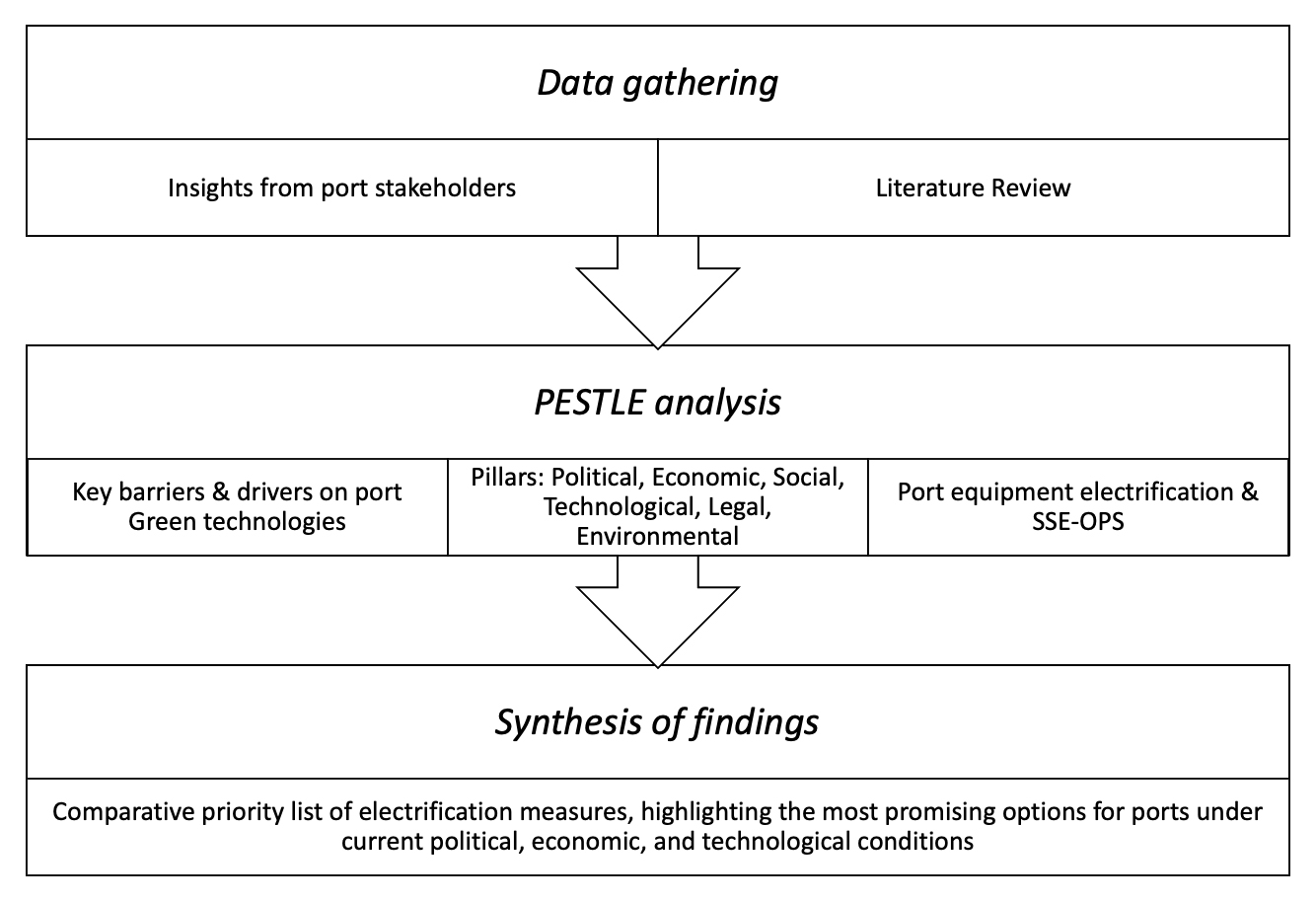 Figure 1. Consolidated outcomes of the port electrification analysis.
The literature review draws on over 60 peer-reviewed academic articles, 25 technical reports from technology providers and NGOs, and 12 EU legislative texts (Figure 2). Among these, the EU-commissioned “Greening of EU Ports” study [6], plays a central role. It offers valuable data through a mix of interviews with 12 port stakeholders, seven in-depth interviews with legal experts, a survey of 96 port representatives, and a desk review of 380 good practice cases. This extensive evidence base provides insights into real-world implementation challenges, legal ambiguities, and institutional dynamics relevant to electrification.
Overall, this methodology enables a multidimensional assessment of port electrification—evaluating both its systemic potential and the practical barriers that continue to shape its real-world application.
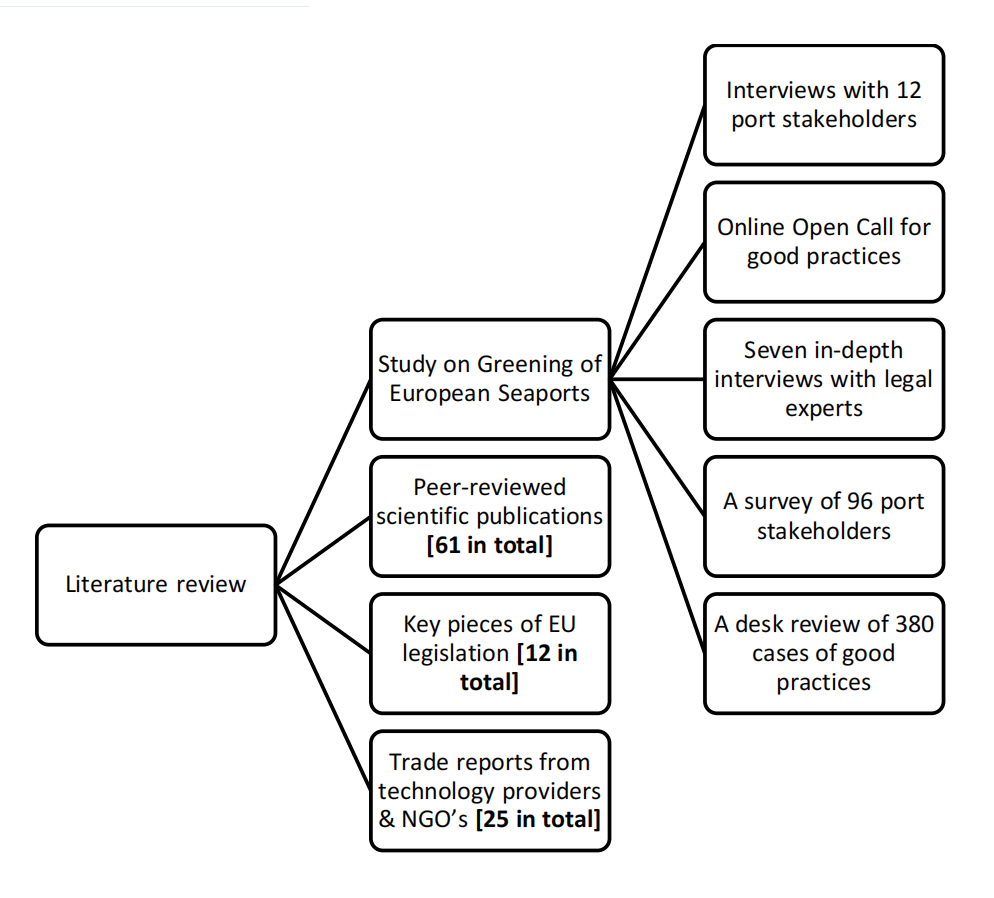 Figure 2. Type of literature reviewed for the article.
The decarbonisation of ports is increasingly driven by targeted green interventions, with electrification playing a central role. These interventions are tailored to the three main sectors of port activity: waterside, intra-terminal, and landside [14]. This section outlines the main electrification-related solutions adopted within each area to reduce emissions, improve efficiency, and align with global sustainability goals.
Seaside Operations—Key InterventionsSeaside operations focus on mitigating emissions from vessels at berth and during port-related maneuvers. (i) SSE-OPS enables ships to switch off auxiliary engines by connecting to onshore power, significantly reducing CO2, NOx, SOx, and particulate emissions, especially when powered by renewables [15,16]. (ii) The electrification of cranes using hydrogen, biofuels, or electricity enhances sustainability in cargo handling, integrating smart energy systems and automation for improved efficiency [17–19]. (iii) Simultaneously, the shift toward low-carbon marine fuels like ammonia, hydrogen, and biofuels complements decarbonisation efforts [16,20,21]. (iv) Greening port fleets, such as tugs and support vessels, includes adopting LNG, battery-electric, hybrid diesel-electric, and dual-fuel systems, enabling efficiency improvements and emissions reductions [22].
Terminal Operations—Key InterventionsTerminal operations target electrification of equipment like cranes, forklifts, and yard tractors, which reduce GHG emissions, air and noise pollution, and improve local working conditions. Technological advancements, such as (i) high-capacity batteries and fast-charging systems, support seamless operations [23–25]. (ii) Renewable-powered microgrids, combining solar, wind, and storage, ensure grid independence and enable energy resilience [15,19,26,27]. (iii) Energy recovery systems embedded in hybrid cranes improve energy efficiency such as STS cranes capturing kinetic energy to reduce fuel use by 60% while active front-end systems in RTGs maximise regeneration [6]. Similarly, automated electric vehicles and AI-enhanced digital tools streamline terminal logistics, reduce fossil dependency, and optimise layout and maintenance [28].
Hinterland Connection Activities—Key InterventionsHinterland connectivity focuses on freight movements between ports and inland logistics hubs. Key interventions include: (i) The deployment of electric and hydrogen-powered heavy trucks reduces emissions in short-haul logistics and complies with tightening EU emissions standards [29]. (ii) The emergence of low-carbon logistics corridors enhances sustainability along entire supply chains [30], with supporting infrastructure including charging and hydrogen refuelling stations critical for wide adoption [31]. (iii) Digital freight platforms further optimise routing and scheduling, cutting emissions and increasing operational efficiency [32].
Electrification has become a transformative element for port operations, redefining equipment, fleets, and supporting systems. Combined with electricity from RES, this shift supports the transition away from fossil fuels, reduces the carbon footprint, and aligns ports with regulatory and policy trends [33]. The widespread adoption of SSE-OPS stands out as a key intervention, allowing ships to connect to the grid at berth, eliminating auxiliary engine use. It is mandated under the EU’s AFIR and FuelEU Maritime Regulation for TEN-T core ports by 2030 [34]. Financial mechanisms, including the CEF programme, have accelerated its deployment [35].
As electrification technologies become more embedded in global port practices, literature and port case studies consistently confirm their role in driving sustainability and operational innovation [7,36,37]. The measures discussed, summarised in Figure 3, capture the primary categories of electrification actions that are both technologically relevant and policy-driven. These domains reflect a convergence of academic, regulatory, and industry focus, highlighting where real-world implementation is occurring and where future interventions can be most impactful.
 Figure 3. Analysis categories for electrification of port equipment and SSE-OPS (Source: own elaboration).
The electrification of Ground Support Vehicles (GSV), including cargo-handling equipment, stackers, and forklifts, and the port-owned vessels has been widely studied as a critical component of electrification in ports [38,39]. Numerous studies have highlighted the shift from conventional to electric propulsion as a critical step toward reducing emissions and enhancing efficiency [8–10]. In parallel, electric-powered cranes such as RTGs, stacking cranes, and ship-to-shore gantry cranes have been thoroughly examined due to their capacity to lower fuel use and maintenance costs while supporting broader environmental goals [36,40]. Retrofitting the equipment has also received considerable attention [41], offering a cost-effective alternative to full replacement. However, this approach presents technical challenges related to integration with existing systems [42]. The installation of charging hubs for external electric trucks reflects growing interest in greening hinterland connectivity, with studies focusing on cost-effectiveness, design, and operational reliability [43,44]. Electrification of auxiliary port vessels, including support craft and tugs, is another emerging research focus. Transitions to hybrid-electric, fully electric, or alternative fuels offer substantial benefits in reducing emissions and noise [45].
Lastly, investments in SSE-OPS, whether powered by RES or traditional grids, have been extensively analysed. While grid-based systems offer scalability, RES-integrated shore power is consistently identified as the most environmentally beneficial solution due to its potential for near-zero emissions [41].
Areas of PESTLE FrameworkThe PESTLE framework is widely recognised as an effective tool for strategic decision-making in complex systems with external influences, such as ports [46]. It enables stakeholders to systematically identify, prioritise, and address factors affecting electrification while aligning with long-term sustainability objectives. This paper adopts PESTLE due to its capacity to capture the multifaceted external challenges and opportunities facing port electrification and its alignment with contemporary academic and industry practice. In dynamic contexts marked by regulatory evolution, financial constraints, and technological change, PESTLE offers actionable insights for strategic planning and policy formulation. Its relevance is underscored by recent applications in port-related research. For example, Praharsi et al. (2021) integrated PESTLE with the Balanced Scorecard and smart port principles to address port inefficiencies, environmental challenges, and technological lags [47]. Tsvetkova et al. (2024) used PESTLE within a technology roadmap to identify key drivers of cleaner propulsion adoption. Similarly, Christodoulou and Cullinane (2019) applied a SWOT/PESTLE framework to examine the deployment of energy management systems in North-European ports [48,49].
Figure 4 presents the distribution of references supporting the identification of barriers and drivers across PESTLE pillars. The economic dimension dominates (22 references), highlighting investment concerns, funding, and cost-benefit evaluations. Technological factors follow (19 references), reflecting infrastructure readiness and innovation. Social elements (16 references) focus on workforce skills, public perception, and stakeholder support. Legal and environmental pillars (13 each) reflect regulatory pressures and sustainability mandates, while political factors (12 references) relate to governance and public policy. Overall, this distribution underscores the multidimensional nature of port electrification and the value of PESTLE in structuring such analyses.
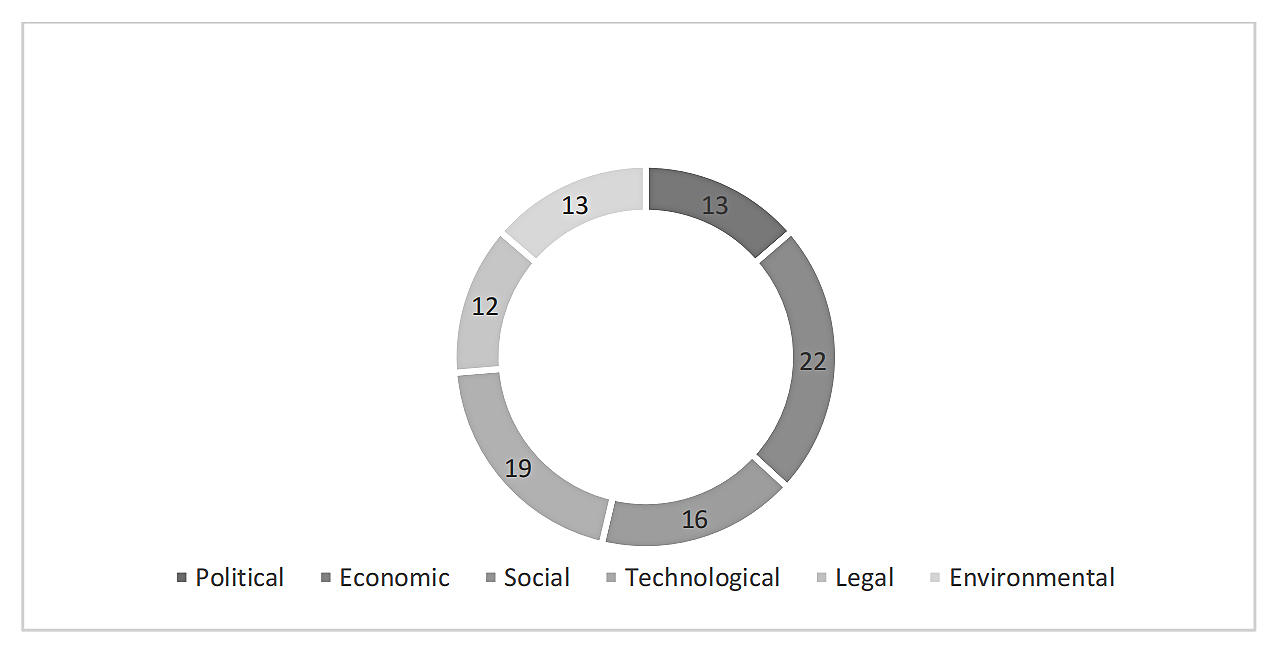 Figure 4. Number of references contributed barriers/drivers of port electrification to each PESTLE pillar.
Political factors play a critical role in shaping port electrification, acting both as enablers and constraints. On the supportive side, governments offer subsidies, grants, and tax incentives to offset the high upfront costs of adopting electrified technologies such as GSVs, electric cranes, and support vessels [5]. Within the EU, funding has significantly advanced renewable energy projects, particularly shore power facilities, reducing ports’ dependence on conventional fuels. The Energy Taxation Directive (ETD) (Directive 2003/96/EC of 27 October 2003 restructuring the Community framework for the taxation of energy products and electricity.) permits Member States to exempt electricity supplied to berthed vessels from taxation, promoting the uptake of SSE-OPS systems as a cleaner alternative to onboard diesel generators [50].
Major regulatory instruments, such as the AFIR, require SSE installation in TEN-T core ports by 2030, further accelerating electrification. Similarly, the introduction of more rigorous emissions standards for heavy-duty vehicles has provided an additional incentive for the development of charging hubs for electric trucks (Regulation (EU) 2019/1242 of the European Parliament and of the Council of 20 June 2019 setting CO2 emission performance standards for new heavy-duty vehicles and amending Regulations (EC) No 595/2009 and (EU) 2018/956 of the European Parliament and of the Council and Council Directive 96/53/EC). Political support also encourages collaboration across ports, governments, and industries, helping standardise solutions and expand implementation. Broader political commitments like the EU Green Deal bolster long-term investments in electrification technologies [51].
Nevertheless, a number of political obstacles remain. Resistance from established organisations and shipping companies reluctant to embrace disruptive changes and ambiguities in regulatory frameworks, such as unclear responsibilities for infrastructure ownership and operational costs, impedes progress [52,53]. Bureaucratic complexity poses another barrier; large-scale projects like shore power facilities often require approvals from multiple authorities, leading to extended timelines [43]. Variations in national regulations also complicate implementation, requiring adaptation to diverse standards [54]. Despite these obstacles, aligning political will with economic and technical strategies remains essential to accelerate the transition toward sustainable port operations.
Economic Determinants of Port ElectrificationThe electrification of ports offers transformative benefits in terms of operational efficiency, sustainability, and long-term economic output. A key enabler of this transition is the mobilisation of public and private financing mechanisms, including partnerships between public authorities and OEMs, which help offset high upfront costs [6,55,56]. Strategic collaboration between terminal operators and OEMs enhances technical compatibility and cost efficiency [57].
Electric cargo-handling equipment has a lower total cost of operation (TCO) than diesel alternatives, reducing operating expenses [58]. Ports that support electric truck infrastructure can also offer incentives like reduced parking fees, boosting operational appeal EU funding mechanisms such as CEF support SSE-OPS implementation, enhancing financial viability [6]. Electrification reduces exposure to fossil fuel price volatility and ensures greater long-term cost certainty [33,41,56,59]. Ports adopting RES-based shore power or electrified equipment can enhance energy resilience and mitigate price fluctuations [60]. In parallel, electrification initiatives contribute to productivity gains and job creation, particularly where new infrastructure is deployed [61]. Retrofitting existing machinery, although technically challenging, is more cost-effective and requires less retraining and infrastructure overhaul [25].
Despite these benefits, economic barriers remain significant. High initial capital investment for equipment acquisition, retrofitting, charging infrastructure, and SSE-OPS facilities is a major hurdle, especially for smaller ports with limited financing [62–65]. Electric cranes, for instance, are significantly more expensive than diesel-powered alternatives. ROI uncertainty due to evolving technologies, energy price fluctuations, and unclear usage levels make ports cautious about committing to large-scale investment [6]. Operational electricity costs, particularly for grid-based SSE, can further increase anticipated savings fluctuations [51,55,66]. The port of Kiel mitigated these risks through tax exemptions and stock market electricity purchases, achieving cost parity with traditional bunkering. However, these required significant upfront investment. Electrifying port trucking fleets is also constrained by limited fast-charging infrastructure, range concerns, and high vehicle costs [6,24].
Social Determinants of Port ElectrificationThe social dimension significantly influences the adoption of port electrification initiatives, acting as both a driver and a barrier. Public demand for cleaner, more sustainable operations plays a crucial role in shaping port decisions. Electrification measures such as electric cranes, SSE-OPS, and GSVs, enhance air quality and reduce diesel emissions, contributing to public health and improving the working environment for port personnel [67]. These improvements support stronger community relations and enhance the social licence to operate, particularly when noise and pollution are mitigated through technologies like shore-side electricity [67,68]. Moreover, environmentally conscious clients and consumers increasingly expect sustainable practices, strengthening the reputation of electrified ports as modern, responsible logistics hubs. Workforce development is another key social benefit. Training programmes accompanying electrification projects support the upskilling of workers to operate and maintain advanced systems, reinforcing internal capacity and local employment [69]. These investments improve safety and reduce reliance on external technical expertise. In some ports, such as Piraeus, the social impact of emissions is quantifiable. Health-related external costs have been estimated at €25 million annually, with 61% attributable to particulate matter alone [70].
Despite these benefits, social resistance remains a barrier. Established stakeholders, particularly large shipping companies and port operators, may be hesitant to overhaul existing systems due to cost and operational complexities [71,72]. Adapting vessels and infrastructure to accommodate SSE-OPS requires alignment with evolving technical standards, presenting both logistical and financial challenges. Ports are responding with incentives such as differentiated port dues to encourage adoption, while also fostering collaboration with shipping companies to ensure technical compatibility and scheduling alignment [6,73].
Ultimately, while social drivers such as improved health, local employment, and public support offer a compelling case for electrification, challenges like resistance to change and skill shortages require proactive management. Addressing these barriers will require sustained stakeholder engagement, communication strategies, and workforce training to ensure a smooth and inclusive transition to electrified port operations.
Technological Determinants of Port ElectrificationThe technological dimension plays a vital role in both facilitating and constraining port electrification. Key enablers include recent advancements in energy storage, charging technologies, and automation. Developments such as ultra-fast chargers, battery swapping stations, and wireless systems minimise downtime and enhance the efficiency of GSVs and electric cranes [74]. Retrofitting has become more feasible due to improvements in hybrid systems and battery technologies, enabling the continued use of aging equipment with reduced emissions [25,75]. For port vessels, the deployment of advanced batteries and hybrid propulsion systems, combining electric and diesel or LNG engines, enables flexible and efficient operations [35]. Fully electric systems are increasingly used for low-demand tasks, while hybrid setups suit tugs and dredgers. Similarly, electric cranes improve productivity and reduce fuel dependency, making them scalable for ports of all sizes [57,40].
Integrating renewables into shore power facilities such as solar and wind, enables near-zero-emission systems and strengthens port sustainability [43,66,76]. Smart grid technologies and energy management systems are also essential for balancing demand at electric truck charging hubs [74].
Nonetheless, key technological barriers persist. A major challenge is the lack of standardisation across equipment types and manufacturers, complicating interoperability [75,77,78]. For instance, the existence of disparate battery sizes, charging systems, and power requirements for GSVs and cranes represents a significant obstacle. A significant impediment to the adoption of electric GSVs pertains to the complexity inherent in battery management, as improper charging patterns have been observed to result in a substantial reduction in battery lifespan. To address this, targeted training programmes for the workforce must be developed to ensure proper maintenance and handling of batteries, which are among the most expensive components of the machinery [23]. The high complexity of integrating renewable energy sources into shore power facilities further compounds this issue, requiring advanced grid management systems, hybrid configurations, and robust energy storage solutions to maintain a reliable and consistent power supply. Another significant challenge pertained to grid capacity during periods of peak demand. For instance, the Port of Kiel invested €1.5 million in a high-voltage substation to ensure capacity, while Hamburg tested mobile energy barges as an alternative [6,15]. Electrifying external truck fleets also demands heavy-duty charging infrastructure, which can strain grids [73]. Overall, battery weight affects equipment performance and energy consumption. In conclusion, while technology presents critical opportunities for decarbonisation, overcoming the above constraints requires coordinated investment, international standards, and stakeholder collaboration to ensure scalability and operational success.
Legal Determinants of Port ElectrificationThe legal dimension significantly shapes the implementation of port electrification, presenting both enabling and constraining factors. A primary driver is the EU’s regulatory focus on emissions reduction, as outlined in key policy documents [79–81]. Port operations are subject to emissions regulations such as Directive (EU) 2016/802 (Directive (EU) 2016/802 of the European Parliament and of the Council of 11 May 2016 relating to a reduction in the sulphur content of certain liquid fuels), on sulphur content in marine fuels, which promotes cleaner alternatives, and Directive (EU) 2016/2284 (Directive (EU) 2016/2284 of the European Parliament and of the Council of 14 December 2016 on the reduction of national emissions of certain atmospheric pollutants, amending Directive 2003/35/EC and repealing Directive 2001/81/EC), requiring national emission reductions through air pollution control programs. These frameworks compel Member States to develop national inventories and propose port-related sustainability initiatives. Emission regulations also apply to port fleets. Regulation (EU) 2019/1242 (Regulation (EU) 2019/1242 of the European Parliament and of the Council of 20 June 2019 setting CO2 emission performance standards for new heavy-duty vehicles and amending Regulations (EC) No 595/2009 and (EU) 2018/956 of the European Parliament and of the Council and Council Directive 96/53/EC), sets emission standards for heavy-duty vehicles and applies to port authorities operating such equipment. More recently, Regulation (EU) 2023/1805 on renewable fuels and Regulation (EU) 2023/1804 mandating the use of SSE-OPS by ships from 2030 have created further legal imperatives for electrification. These frameworks not only obligate ports to cut their emissions, and therefore, electrify cranes and support electric truck infrastructure, but also provide legal support through health and safety compliance. Adjustments in national legislation, such as exempting ports from being classified as energy companies when supplying electricity, improve the business case for shore power and enable renewable integration. Provisions such as tax exemptions (e.g., through the proposed revision of the ETD) aim to reduce the cost gap between OPS electricity and bunker fuels [50,78].
However, legal uncertainties remain a major barrier. Ambiguity around ownership and operational responsibility for infrastructure, particularly grid connections, can stall deployment [41]. Complex permitting procedures further delay major investments like charging hubs or retrofits [43]. In Germany, SSE-OPS deployment was hindered by regulations that classified operators as energy companies, imposing disproportionate burdens. Legal reforms aligned SSE-OPS with EV charging infrastructure, eliminating licensing barriers and accelerating implementation [6]. Additionally, integrating RES into SSE-OPS faces legal grey areas, particularly concerning grid balancing and operational continuity. For electric cranes and charging hubs, contract renegotiations with logistics operators or utilities may also be necessary [29,30]. Overall, addressing legal gaps and harmonising national rules are essential to enable the full deployment of electrification technologies in ports.
Environmental Determinants of Port ElectrificationA core environmental driver of port electrification is the significant reduction in harmful emissions (GHGs, SO2, NOx, and particulate matter) achieved through the adoption of electric-powered cranes, GSVs, and shore power systems [76,82,83]. These measures improve air quality and benefit public health in surrounding communities [84,85]. Shore power facilities, in particular, also reduce noise pollution by enabling vessels to switch off auxiliary engines at berth [85,86]. Energy recovery systems and reduced fossil fuel dependency further enhance sustainability [29,30].
Nonetheless, environmental challenges remain. The production and disposal of batteries used in electrified equipment and vessels involve resource-intensive processes with environmental implications. Managing battery waste sustainably is still a complex issue. Moreover, integrating RES into shore power systems faces variability in generation, complicating supply consistency [43]. Retrofitting actions and the installation of charging hubs may disrupt ecosystems due to land use demands during construction. In summary, while electrification delivers substantial environmental gains, its success depends on addressing impacts associated with battery lifecycle and renewable integration [78].
Following data collection, a comprehensive PESTLE analysis was conducted to identify the political, economic, social, technological, legal, and environmental drivers and barriers to port electrification. This structured framework enabled a holistic understanding of the external factors influencing sustainable port operations and the adoption of green technologies.
Political Drivers and BarriersPolitical factors both enable and constrain port electrification as highlighted in Table 1. A major barrier is shipowners’ reluctance to adopt Onshore Power Supply (OPS), often due to retrofitting costs and operational concerns. Ports also face uncertainty from fluctuating energy policies and tariffs, while political instability, inconsistent funding schemes, and unclear enforcement further deter investment. Risks tied to immature technologies, such as reliability and workforce retraining, add to stakeholder hesitation.
On the other hand, several drivers support progress. Subsidies and tax incentives lower initial costs for electrified vehicles and equipment. Tax exemptions under the ETD improve the economic case for OPS. Emission regulations encourage the development of charging infrastructure, and legislative reforms allowing ports to sell electricity without utility classification strengthen business models. Regional cooperation also facilitates standardisation and reduces implementation risks, creating a more supportive policy environment for electrification.
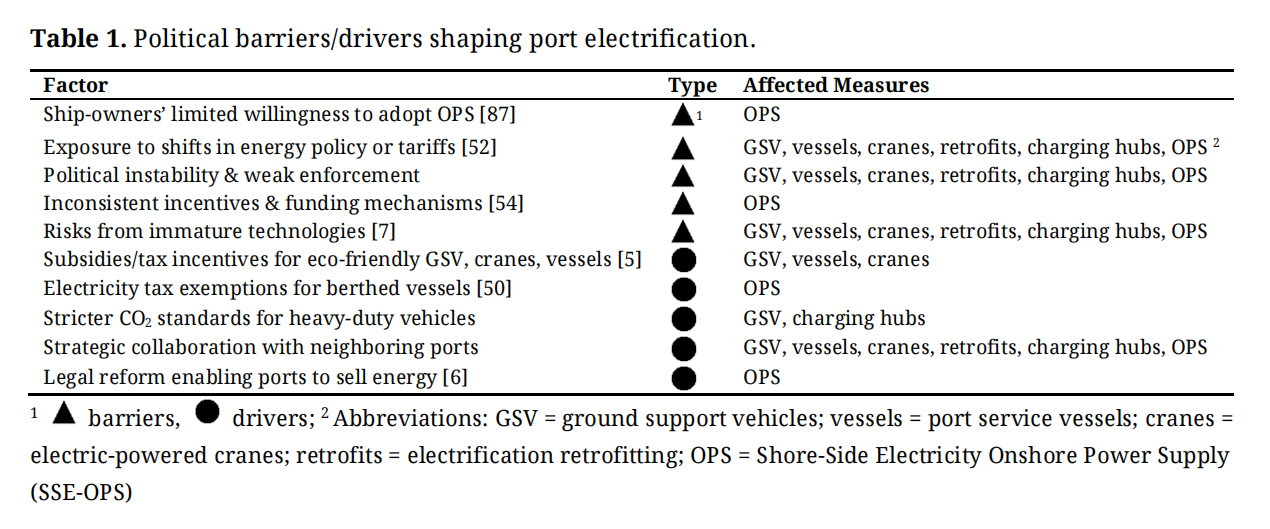 Table 1. Political barriers/drivers shaping port electrification.
High upfront costs for electrified equipment, grid upgrades, and supporting infrastructure especially in space-constrained urban ports remain major economic barriers to port electrification (Table 2). These investments often come with uncertain returns, while reliance on grid electricity raises concerns over long-term operating costs and price volatility. Additional expenses include energy storage and limited flexibility compared to conventional fuels.
Nonetheless, several incentives enhance feasibility. EU funding and OEM partnerships can ease initial capital burdens. Over time, battery-electric cargo-handling equipment proves more cost-effective than diesel alternatives, with reduced maintenance and energy costs. Operational benefits, such as exemptions from parking fees and unrestricted truck park access, further support adoption. Ports that invest early may also avoid future emissions-related penalties, benefiting from regulatory alignment. In this context, electrification is not only an environmental commitment but also a strategic economic decision for ports seeking resilience, cost predictability, and long-term competitiveness.
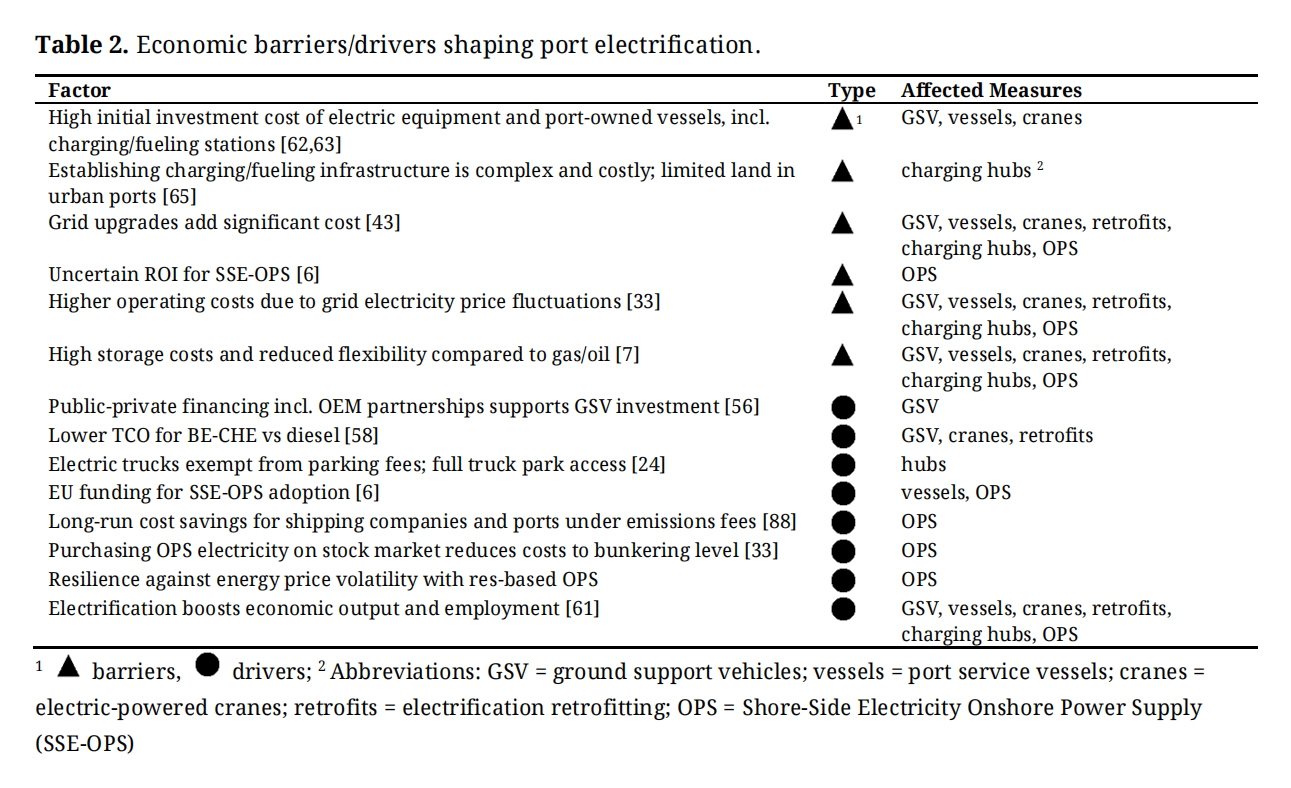 Table 2. Economic barriers/drivers shaping port electrification.
Social factors play a pivotal role in the adoption of port electrification, shaping stakeholder attitudes, workforce readiness, and public acceptance, as seen in Table 3. A key barrier is the reluctance of stakeholders to adopt new systems due to concerns about operational disruptions and unfamiliar procedures. This is often compounded by limited awareness of the environmental, health, and operational benefits of electrification. Skill shortages in managing electrified systems further hinder progress, especially in operating electric trucks, which also require coordination with new stakeholders such as utility and permitting agencies.
Despite these challenges, strong societal support for emission reduction drives momentum for electrification. Healthier air quality, reduced noise, and better working conditions foster community and workforce support. The transition also enables workforce upskilling and increased operational resilience. Partnerships can facilitate smoother retrofitting, while electric truck charging during rest periods boosts logistics efficiency. Addressing concerns and promoting training is key to overcoming social barriers and ensuring sustainable implementation.
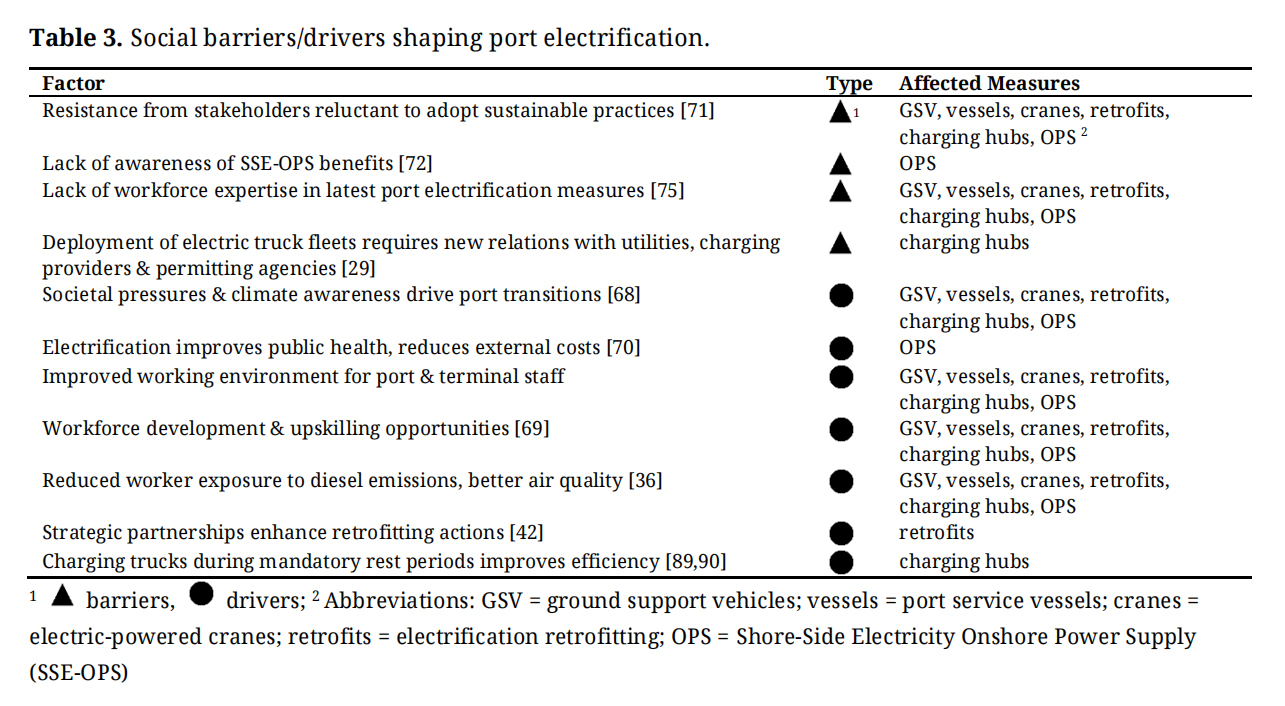 Table 3. Social barriers/drivers shaping port electrification.
A key technological barrier to large-scale electrification in ports involves deploying GSVs and equipment operating on fixed tracks, highlighted in Table 4. Battery-powered machinery increases demand on local grids, risking power outages if grid capacity is insufficient. A lack of standardisation in battery sizes and charging systems among manufacturers leads to compatibility issues, complicating maintenance and procurement. Additionally, the increased weight of batteries raises energy consumption and challenges performance, while improper charging shortens battery life, requiring skilled personnel for optimal use. SSE-OPS systems demand advanced energy management, storage solutions, and hybrid designs to ensure stable supply. Compatibility challenges with ship systems and integration with renewable energy further complicate implementation. Retrofitting existing terminals is more complex than equipping new ones, especially in space-constrained ports.
Despite these hurdles, advancements such as ultra-fast charging, battery swapping, and wireless systems reduce downtime. Standardised technologies and smart energy management enable efficient charging and reduce retraining needs. Electric cranes and battery-electric GSVs offer quieter, cleaner operation. Fast-charging systems and scalable electric RTGs support wider adoption. SSE-OPS benefits from standard connections, and future-proofing through technical standards enhances investment viability, supporting smoother transitions to electrified port operations.
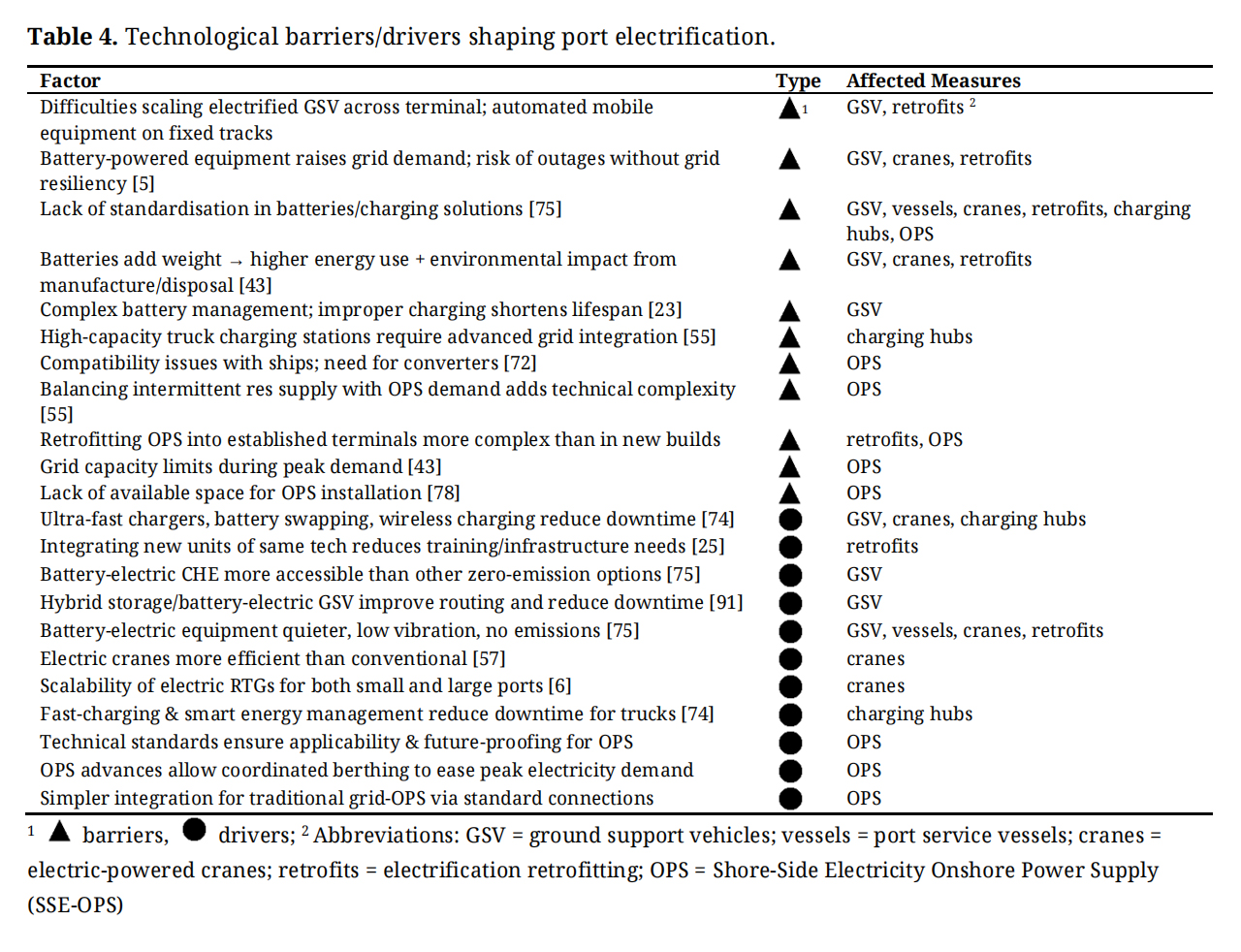 Table 4. Technological barriers/drivers shaping port electrification.
Several legal barriers hinder port electrification, presented in Table 5. These include delays from renegotiating concession contracts, unclear responsibilities for OPS infrastructure, and complex approval procedures involving multiple authorities. Regulatory gaps around grid integration, renewable energy, and power standards further discourage investment. Nonetheless, legal frameworks like the AFIR and FuelEU Maritime Regulations mandate OPS deployment, while tax exemptions and stricter emissions rules incentivise compliance and support the long-term viability of electrification efforts.
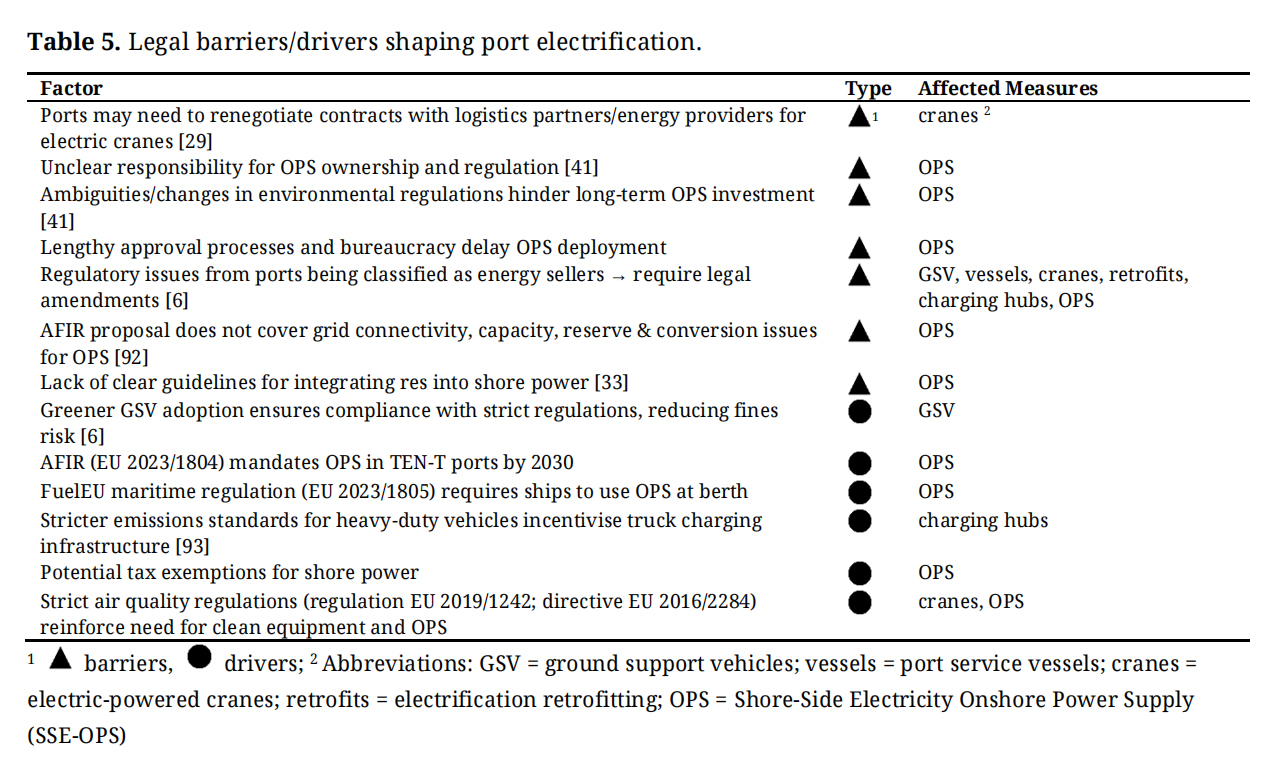 Table 5. Legal barriers/drivers shaping port electrification.
A key environmental challenge in port electrification is the limited impact of SSE-OPS when supplied by fossil-fuel-based grids. Additionally, battery production and disposal raise sustainability concerns, including resource-intensive manufacturing and risks from hazardous waste. Despite these issues, electrification delivers substantial environmental benefits. GSVs, electric cranes, trucks, and SSE-OPS systems significantly reduce emissions of CO2, NOx, SOx, particulate matter, noise, and dust in and around ports. These improvements enhance public health and air quality. Electric cranes, especially rubber-tyred gantry cranes with active front-end systems, improve energy efficiency while eliminating on-site emissions. Similarly, electric trucks and charging hubs lower hinterland transport emissions. The environmental benefits are greatest when ports use electricity from renewable energy sources. Overall, these measures contribute to climate targets, improve sustainability, and support the transformation of ports into cleaner, low-emission logistics hubs as indicated in Table 6.
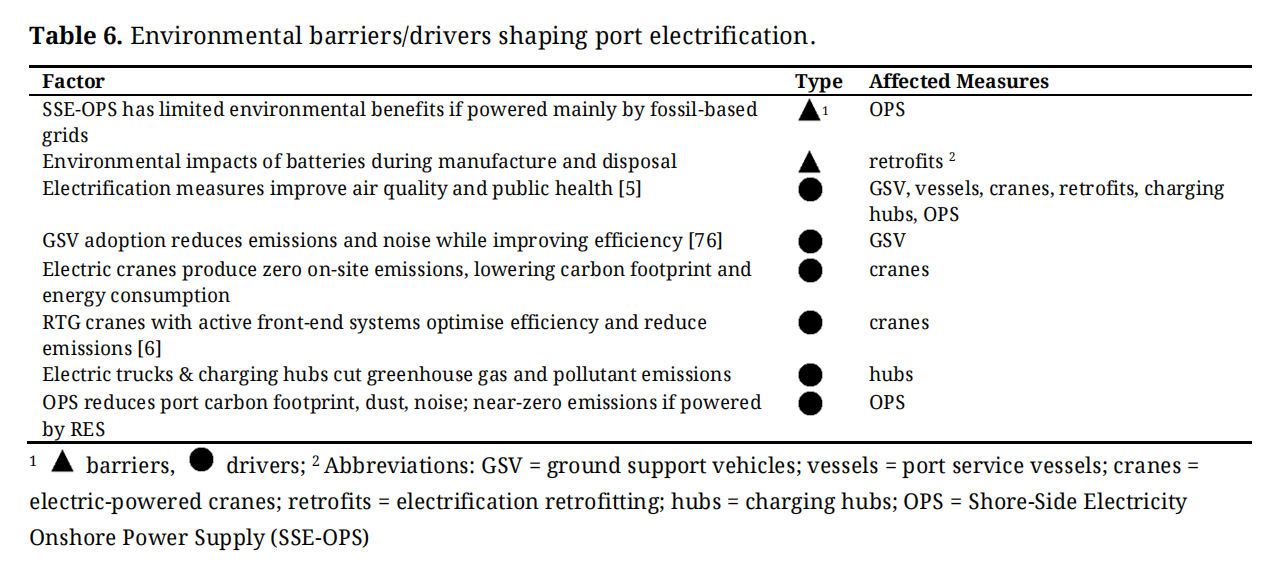 Table 6. Environmental barriers/drivers shaping port electrification.
The following case studies are drawn from the European Commission’s Study Greening of European Sea Ports (2021–2024) and illustrates how a port operationalises SSE-OPS under real constraints.
The Port of Kiel provides a concrete and implementation-focused illustration of SSE-OPS in an urban, Ro-Pax/Ro-Ro/cruise context. The port allocated €17 million to the installation of shore-power infrastructure across four piers, thereby enabling the simultaneous connection of up to seven vessels. Two distinct system types are employed to address the varied requirements of vessels: a 16 MVA, 50/60 Hz unit supplying four berths at 6.6/11 kV for cruise and ferry operations, and a 50 Hz unit (up to 5 MVA) catering to two Ro-Ro berths at the same voltages. Electricity is supplied via the city grid, with reported electricity generation from renewable sources amounting to approximately 60%. The port applies a cost-reflective tariff, charging users the spot-market purchase price plus a small operational surcharge of 2–4 cents per Wh. By providing power essentially at cost, the port has fostered excellent collaboration with the shipping companies. Funding for the €17 million programme was covered 80% by national, regional and EU schemes, with the port contributing the remaining 20%. The port reports that ongoing operating costs are recovered through general port fees. Cooperation with shipping lines is organised via an annual letter of intent indicating expected usage, and each vessel call is notified in advance to the energy provider. The key challenges and responses include the regulatory aspect involved the amendment of German legislation to exempt shore-power operators from full energy-supplier licensing, thereby enabling ports to engage in power sales. Also, the capacity challenge was addressed through the establishment of a high-voltage connection and the construction of a substation (with an approximate cost of €1.5 million) to manage peak demand. The business case was addressed through the provision of tax relief on Shore Power and wholesale purchasing though substantial capital expenditure (CAPEX) remained necessitated public co-funding. In conclusion, Kiel demonstrates that a harmonised regulatory framework, grid readiness, and cost-reflective tariffs can facilitate the viability of operations on a large scale.
In the Port of Valencia, MSC Terminal VLC (MSCTV) and Konecranes advanced a program that began with Spain’s first busbar retrofit of RTG cranes and expanded to a dual track: procurement of new busbar Konecranes RTGs and conversion of the existing fleet to fully electric operation via busbar retrofit. The initiative targets sustainability and operational performance simultaneously, with expected gains in efficiency, productivity, and reliability alongside reductions in carbon emissions and noise. Implementation is underpinned by a service agreement: dedicated Konecranes technicians work within the terminal’s maintenance function to provide regular servicing and ensure equipment longevity. As such, the project exemplifies structured stakeholder engagement between a terminal operator and an OEM to validate and scale a promising retrofitting solution for high-density container storage, while integrating new units of the same technology to lock in standardisation and simplify lifecycle support.
The analysis indicates that the electrification transition is driven by a combination of factors, including strong political and legal mandates, decreasing equipment costs, advancements in charging and grid technologies, and increasing societal and environmental pressures. However, high upfront investment requirements, technological immaturity in standardisation and grid integration, volatile energy costs, and regulatory ambiguities remain significant barriers to the progress of this transition. The transition process has also the potential to reveal an ambition and capacity discrepancy. Policy targets can sometimes exceed the practical capabilities of ports, particularly those with limited financial or technical resources, where factors such as connection time delays, internal expertise shortages, and budgetary constraints hinder implementation. It is crucial to recognise this discrepancy, as effective pathways necessitate customised sequencing, adequate financing, and institutional support to align policy aspirations with local capacities.
The evidence suggests a two-speed transition, with electric-powered cranes and GSVs emerging as near-term “quick solutions”. Reductions in equipment costs, the presence of mature supplier ecosystems, and predictable operational cycles have the effect of lowering the total cost of ownership and the level of risk. By contrast, SSE-OPS, while central to near-zero emissions and increasingly mandated, remain conditional on upgrades to the distribution network, available connection capacity, and bankable revenue structures, with the result that widespread deployment is shifted to a medium to long-term horizon. This pattern of adoption corresponds with studies showing that assets with stable load profiles and limited site dependencies are adopted earlier, whereas those coupled with the grid, depend on system-level readiness and the depth of financial resources. The political and legal factors that facilitate commitment also establish a hierarchical structure for measures based on their feasibility. In scenarios where technology readiness and operational competence are high (e.g., GSV, cranes), regulatory clarity more readily translates into procurement. In cases where integration risks are externalised (e.g., SSE-OPS depends on network capacity, tariff design, and vessel-call regularity), capital formation is more gradual and more sensitive to utilisation and energy-price volatility.
The review adopts a multifaceted approach to analyse the concept of “electrification”, distinguishing between various measures according to their respective adoption mechanisms and constraints, enabling the explanation of observed sequencing patterns. Also, the review reframes SSE-OPS primarily as a challenge for the grid and finance, rather than a technology-readiness gap. This has implications for the targeting of policy support.
The following section considers the priorities for policy and port practice:
●
●
●
●
●
This multidimensional evidence contributes to the existing literature by expanding beyond single-factor analyses and offering a structured prioritisation of measures. In doing so, it provides practical insights for policymakers and port authorities to balance short-term feasibility with long-term strategic considerations. Τhe next step is to incorporate these mechanisms in a system-dynamics model, run scenarios on grid readiness, energy prices, and call regularity, and assess how policy instruments (subsidies, tariff design, utilisation guarantees) shift the timing and scale of electrification.
The present paper makes three distinct contributions to the field. Firstly, it demonstrates that PESTLE analysis, when combined with systematic evidence synthesis, can serve not only to identify external factors but also to translate them into a set of prioritized electrification measures in a port. A review of the literature and two European cases reveals that progress follows a pattern of two distinct speeds. Measures embedded in mature operations and supplier ecosystems (e.g. electrification of equipment) are implemented first, whereas SSE-OPS scales only when regulation permits power sales, grid capacity is bankable, and pricing is predictable. The analysis reframes SSE-OPS as a challenge primarily for the grid and finance, rather than a technology readiness gap. It distinguishes between binding conditions (connection lead times, capacity allocation, tariff design, utilisation risk) and enabling conditions (regulatory clarity, operational familiarity), providing a practical logic for matching actions to local constraints. In practice, ports can pursue near-term gains by electrifying equipment where duty cycles are stable and by embedding SSE-OPS within financed, grid programmes that include capacity reservation and cost-reflective tariffs. Regulators can accelerate delivery by aligning mandates with funded network upgrades and clear legal arrangements for electricity provision. In practical terms, ports can immediately achieve operational and environmental benefits through the integration of electric cranes and GSVs into financing and time-bound grid plans. These plans address aspects such as connection capacity, predictable pricing, and utilisation risk.
It is recommended that future research build on this comparative framework in two complementary directions. Firstly, the use of dynamic modelling and scenario-based analysis should be considered in order to stress-test investment pathways, explore systemic interactions between measures, and anticipate the resilience of strategies under varying political and economic conditions. Secondly, a dedicated systematic review using the PRISMA protocol will form the basis of a follow-up study. This will extend the existing findings by providing a quantitative justification for the identified drivers and barriers, and by translating qualitative evidence into numerical indicators.
All data generated from the study are available in the manuscript.
Conceptualization, KK and MB; methodology, KK and MB; formal analysis, KK and MB; investigation, KK; data curation, KK; writing—original draft preparation, KK; writing—review and editing, KK and MB; visualization, KK; supervision, MB; All authors have read and agreed to the published version of the manuscript.
The authors declare no conflicts of interest.
The research has been benefited from support provided through the project NISOS, implemented under the Action ‘Flagship Actions in Interdisciplinary Scientific Areas with special interest in linking with the productive sector’ (ID 16618, OPS Code T AEDR-0537029). The project is funded by the Greece 2.0 National Recovery and Resilience Plan, supported by the European Union—NextGenerationEU.
1.
2.
3.
4.
5.
6.
7.
8.
9.
10.
11.
12.
13.
14.
15.
16.
17.
18.
19.
20.
21.
22.
23.
24.
25.
26.
27.
28.
29.
30.
31.
32.
33.
34.
35.
36.
37.
38.
39.
40.
41.
42.
43.
44.
45.
46.
47.
48.
49.
50.
51.
52.
53.
54.
55.
56.
57.
58.
59.
60.
61.
62.
63.
64.
65.
66.
67.
68.
69.
70.
71.
72.
73.
74.
75.
76.
77.
78.
79.
80.
81.
82.
83.
84.
85.
86.
87.
88.
89.
90.
91.
92.
93.
Karagkouni K, Boile M. Electrification in ports: Barriers, drivers and evaluation through PESTLE analysis. J Sustain Res. 2025;7(4):e250075. https://doi.org/10.20900/jsr20250075.

Copyright © Hapres Co., Ltd. Privacy Policy | Terms and Conditions


