Location: Home >> Detail
J Sustain Res. 2025;7(4):e250079. https://doi.org/10.20900/jsr20250079
 ,
Camille Thibert 2
,
Camille Thibert 2
1 Centre for Consumer Society Research, University of Helsinki, Snellmaninkatu 10, Helsinki 00180, Finland
2 Faculty of Social Sciences, University of Helsinki, Snellmaninkatu 10, Helsinki 00180, Finland
* Correspondence: Mikko Rask
Contemporary sustainability challenges cannot be resolved solely through technological solutions. As democracy itself faces crises of legitimacy and capacity, the social sciences hold underused potential to renew the societal foundations of sustainable governance. Nevertheless, social-science-based spinout companies remain rare, revealing a persistent institutional blind spot at the intersection of research, business, and democracy. This study offers a transdisciplinary case analysis of an SSH-based spinout emerging from a Nordic university, situated within a landscape in which only a small fraction of invention disclosures and spinouts originate in SSH fields. Drawing on the amplification typology from sustainability transitions research and the Quintuple Helix framework, the analysis examines how internal structuring, external collaboration, and systemic reframing interact within an innovation ecosystem shaped by academic, governmental, and market logics. The findings identify recurrent institutional tensions that we conceptualise as spinout dissonance, which arise when normative, public-good-oriented ambitions confront institutional arrangements calibrated to technological and market-centred innovation pathways. Addressing these frictions requires rethinking ecosystem readiness through three interrelated shifts: reframing the legitimacy of SSH-based entrepreneurship, supporting hybrid academic–entrepreneurial roles, and designing purpose-fit instruments for early-stage, learning-oriented social-science innovation. The paper contributes to sustainable governance scholarship by demonstrating how reflexive, value-driven ventures can connect democratic renewal with sustainability transitions through institutional learning across the research–innovation interface. It further shows that strengthening the translational capacity of innovation ecosystems is essential for enabling SSH contributions to democratic and sustainability challenges amid global democratic erosion.
“Democracy,” John Dewey famously remarked, “must begin at home.” Dewey envisioned the home broadly, extending beyond private dwellings to encompass neighbourhoods and communities—spaces of openness, critique, and dialogue [1]. However, scaling this democratic ideal outward into businesses, academia, and broader governance systems remains a complex and seldom straightforward journey. For the social sciences, this scaling challenge is particularly acute. Traditionally oriented toward critique and the public good rather than commercial entrepreneurship, social-science innovations encounter significant barriers when moving toward application or market-based forms of sustainability. This challenge is illustrated by our case study of a social-science-based spinout emerging from a Nordic university—an unusual but instructive example of how research-driven entrepreneurship can engage with democratic innovation in practice.
The case provides an empirical lens for revisiting the Quintuple Helix framework, which emphasises the dynamic interactions among academia, industry, government, civil society, and the natural environment in fostering sustainable innovation [2–4]. Applied to social sciences and humanities (SSH) fields, the model reveals both promise and difficulty: whereas the Helix model has successfully inspired collaboration across technological domains, SSH innovation faces structural asymmetries, funding gaps, and persistent epistemic tensions between market-oriented paradigms and the social sciences’ more critical and reflexive traditions of inquiry [5,6].
The rarity of SSH spinouts signals a systemic imbalance. At the University of Helsinki (UH)—the institutional environment from which our case venture emerged—SSH faculties contribute only a small fraction of invention disclosures and spinouts, despite the university being one of Finland’s most active commercialisation environments (see Section 3.4). While sustainability transitions are widely understood to require social and institutional innovation alongside technological change, the infrastructures supporting such innovation remain primarily geared toward technological solutions. This misalignment is consequential: recent analyses by the V-Dem Institute [7] and Freedom House [8] indicate democratic erosion is accelerating worldwide. Declining trust in institutions, polarisation, and the rise of digital authoritarianism undermine the legitimacy of governance and, consequently, the sustainability of democratic systems. Democracy’s crisis, in this sense, is also a sustainability crisis, one that threatens societies’ capacity for collective learning and adaptive governance [9,10]. This challenge is also reflected in global environmental governance, where diverse non-state actors have become increasingly central to shaping policy agendas and participatory processes [11]. Such developments reinforce the broader need for social-scientific approaches that can support inclusive, multi-actor governance in complex sustainability contexts. Recent empirical work further indicates that sustainability transitions increasingly hinge on social and governance capacities, with sustainable business practices shaping not only corporate innovation trajectories but also observable environmental outcomes at global scales [12,13].
Strengthening the intersection of research, democracy, and innovation infrastructures, therefore, emerges as an urgent task. Our study contributes to this field by examining how a value-driven spinout navigates these intertwined domains while attempting to scale democratic innovation across institutional boundaries.
To frame this analysis, we draw on the amplification typology proposed by Lam et al. [14] in sustainability-transitions research. Amplification describes scaling processes that are not merely quantitative but qualitatively transformative: reshaping internal practices (“within”), extending effects externally (“out”), and influencing systemic norms and governance structures (“beyond”).
Empirically, the study investigates the early trajectory of an SSH-based spinout engaged in developing tools for democratic evaluation and participatory governance. The venture’s evolution exposes the tensions and learning processes that arise when academic ideals meet public-sector demand and market conditions—a dynamic we conceptualise as spinout dissonance. Spinout dissonance denotes the structural tension between the normative ambitions of research-based ventures and the instrumental logics of the innovation systems in which they operate. Analysing these tensions offers insight into how institutional environments can simultaneously constrain and enable the scaling of democratic innovation.
The paper addresses three research questions:
●
●
●
Through these questions, the study bridges sustainability-governance and democratic-innovation research. By analysing how a reflexive, research-based venture mediates between diverse institutional logics, we contribute to understanding how democratic renewal can intersect with sustainable innovation ecosystems. The discussion situates our findings within broader debates on innovation infrastructures, interdisciplinary co-creation, and ecosystem readiness—key concerns of the Sustainable Governance Systems section of this journal.
The remainder of the article outlines the analytical framework (Section 2), case context (Section 3), methodology (Section 4), findings (Section 5), and implications for ecosystem readiness (Section 6), before concluding in Section 7.
Understanding how democratic innovations evolve from academic research into actionable, real-world initiatives requires clarifying the analytical lenses that guide our analysis. Although this paper draws on a single case, its ambition is explanatory rather than descriptive: to show how ideas rooted in the social sciences can scale into new organisational forms and influence institutional ecosystems. We combine two complementary perspectives from sustainability-transitions and innovations-studies scholarship: the amplification framework [14], which explains how innovations scale internally, externally, and systemically, and the Quintuple Helix model [2], which maps the institutional environments shaping interactions among academia, industry, government, civil society, and the natural environment.
Amplification conceptualises scaling as a qualitative process in which initiatives deepen internal capacities (“amplifying within”), extend to new contexts (“amplifying out”), and influence broader norms or institutional structures (“amplifying beyond”). The Helix model situates these processes within a multi-actor governance system, revealing who participates, how they interact, and under what conditions innovation is enabled or constrained.
To operationalise this combined lens, we use a double-entry structure (Table 1) that aligns the five helices with the three amplification modes. This structure supports our case analysis by enabling a nuanced understanding of democratic innovation as a situated and negotiated scaling process.
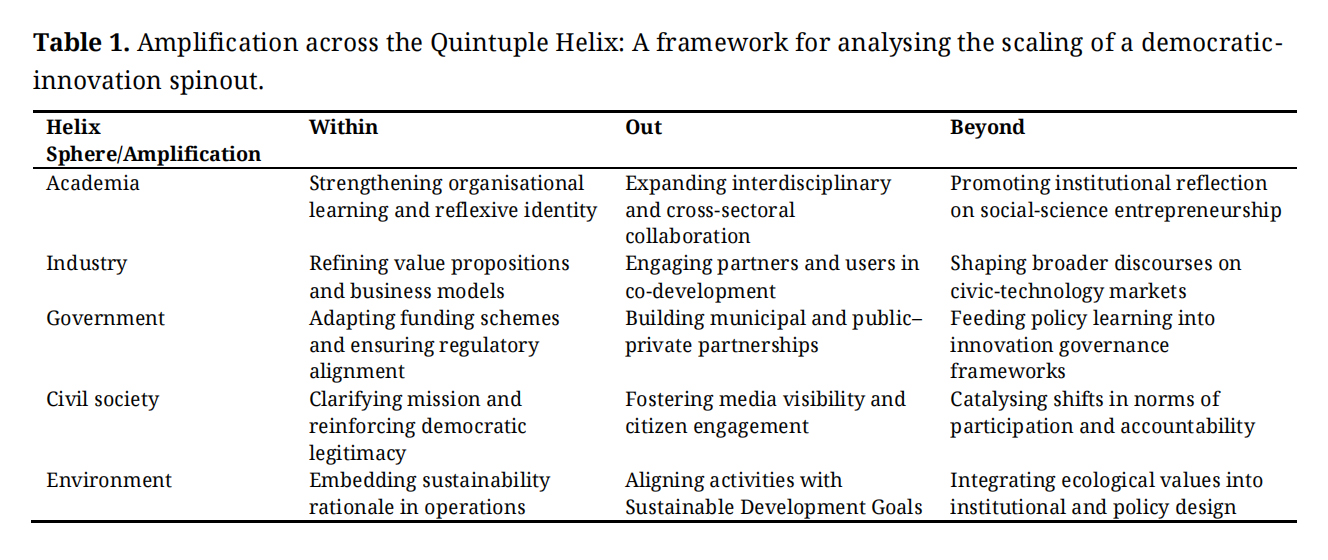 Table 1. Amplification across the Quintuple Helix: A framework for analysing the scaling of a democratic-innovation spinout.
Originating in sustainability-transitions research, the amplification framework [14] focuses on how sustainable innovations spread and evolve across multiple levels of influence. It reframes scaling as a multidimensional, often qualitative process that strengthens impact through internal refinement, contextual adaptation, and systemic influence—rather than simple market expansion. This approach links organisational learning to broader cultural and structural change, highlighting how innovations mature through iterative adjustments rather than through growth metrics alone.
Lam et al. [14] distinguish three overlapping processes:
●
●
●
For SSH-based ventures such as ours, the typology clarifies how scaling unfolds through institutional navigation rather than linear expansion.
Helix Dynamics and Institutional LogicsWhile amplification explains the direction of scaling, it does not capture the systemic structures within which these dynamics unfold. The Quintuple Helix model [2] addresses this by integrating five institutional domains into a single governance framework. Each helix embodies a distinct institutional logic: academia (knowledge creation), industry (market efficiency), government (public regulation), civil society (collective values), and the environment (ecological integrity).
This framework allows us to analyse how the case venture’s activities intersect with—and are shaped by—these logics. Positioned at the crossroads of academic origin, municipal collaboration, and service provision to public and private actors, the venture must reconcile divergent expectations through hybrid practices and reflexive negotiation. The framework thus highlights zones of interaction—“spaces of co-evolution”—where these logics converge, clash, or co-adapt shaping the possibilities and constraints of SSH-based innovation.
Integrating Amplification and Helix ModelsCombining amplification and helix dynamics yields a composite framework for analysing early-stage scaling as both a process and a system (Figure 1). Amplification traces how initiatives evolve within, out, and beyond their organisational boundaries, while the Helix model situates these trajectories within an ecosystem shaped by multiple institutional logics.
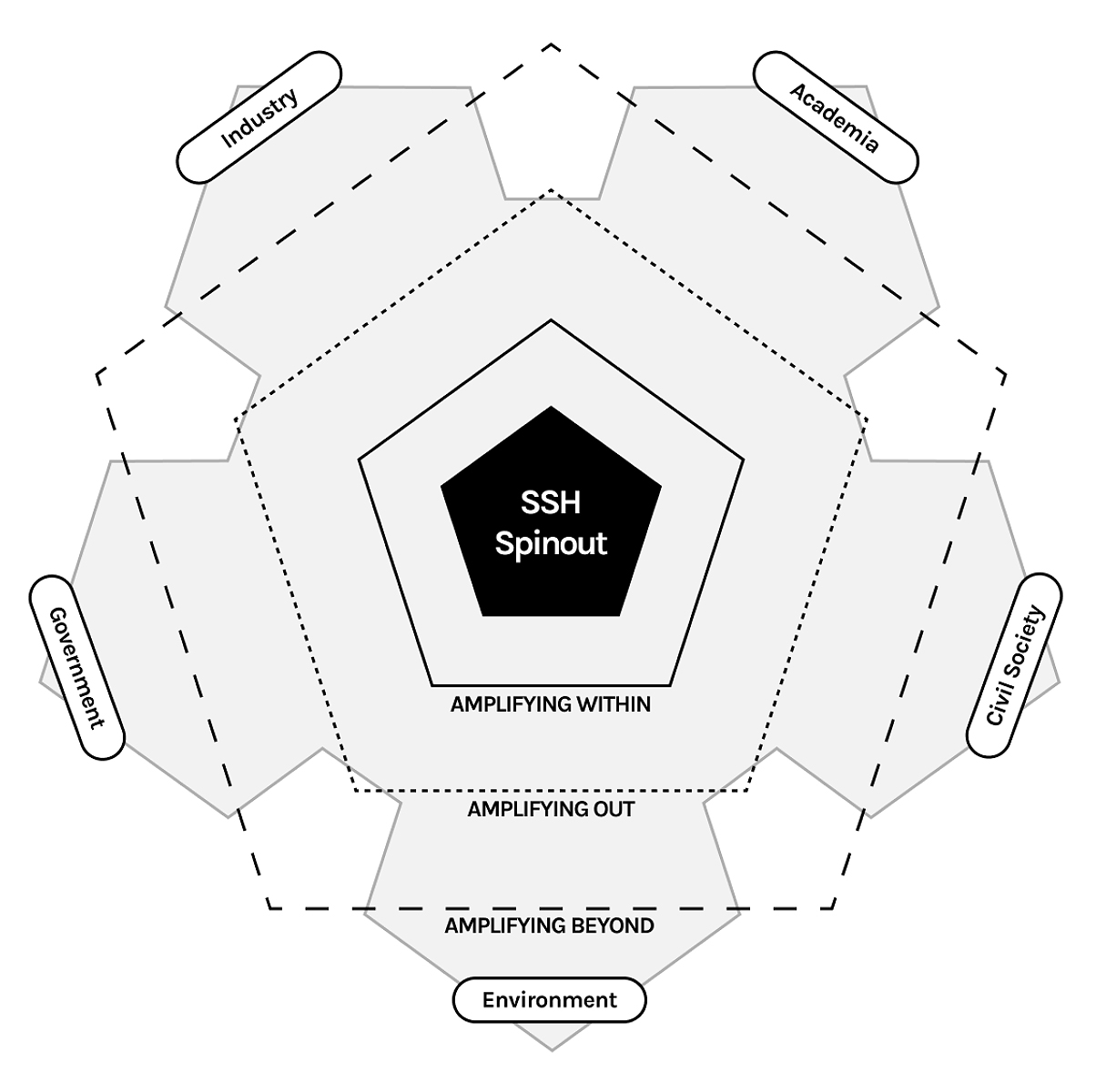 Figure 1. Conceptual framework of amplification across the Quintuple Helix.
This dual framing highlights the adaptive work required when a venture builds internal capacity while engaging diverse societal domains. It also clarifies the structural tensions we describe as spinout dissonance: the misalignment between normative ambitions and innovation infrastructures optimised for proprietary or technology-centred pathways. In the case of SSH-based ventures, this dissonance is particularly pronounced at the interface between academic knowledge production and market-oriented innovation systems, where non-proprietary, interpretive forms of value encounter infrastructures optimised for scalable, commodified outputs. Seen together, the two lenses show how reflexive entrepreneurship can generate institutional learning within sustainability-governance ecosystems. Table 1 specifies how these intersections manifest across helix domains, identifying where amplification processes encounter helix-specific expectations, and where spinout dissonance and ecosystem learning are most likely to emerge.
To guide the empirical analysis, we articulate three propositions distilled from the literature on social innovation, knowledge mobilisation, and entrepreneurial ecosystems. These propositions are not hypotheses in a testing sense, but conceptual expectations that frame how an SSH-based spinout interacts with amplification and helix dynamics. We anticipate that:
●
●
●
These propositions provide an analytical through-line for the empirical sections and are revisited in the Discussion section.
This section situates the empirical case that grounds the analysis: an SSH-based spinout originating from UH. It traces the venture’s progression from long-term academic research on participation and evaluation to its establishment as an independent organisation. The description clarifies how research-driven entrepreneurship can contribute to sustainable governance and democratic innovation.
Origins in ResearchThe case’s intellectual roots lie in over two decades of interdisciplinary research on participation and evaluation, conducted within governance and democratic-innovation studies since the late 1990s. This work has focused on how citizen engagement can be systematically assessed and improved. A key milestone was the EU-funded PE2020 project (2014–2017), which mapped approximately 300 indicators for evaluating participatory practices in science and policymaking [15]. This initiative established an empirical foundation for developing context-sensitive assessment tools for democratic innovations.
A further advance occurred during the Strategic Research Council–funded BIBU project (2017–2022), which developed and tested the first version of the Co-Creation Radar (CC-Radar) to evaluate participatory budgeting in Helsinki. The CC-Radar provided a structured framework for assessing participatory dynamics and attracted the attention of municipalities seeking evidence-based evaluation tools.
Across these projects, the research team increasingly confronted the tension between theoretical refinement and practical application. Growing concerns about democratic legitimacy and the spread of civic-tech platforms underscored the need for transferable, analytically robust instruments for democratic evaluation. This dual recognition—of theoretical opportunity and societal urgency—prompted exploration of a more durable organisational form.
Transition to an Entrepreneurial FormIn 2024, the research trajectory culminated in the creation of a social-science-based spinout, supported by a Business Finland Research-to-Business grant (2023–2024) that funded preparatory work on commercialisation and service prototyping. The initiative represented a rare translation of social-science research into entrepreneurial form within Finland’s university system.
The founding team included researchers, AI specialists, and practitioners committed to democratic innovation. Their goal was to transform social-scientific knowledge into actionable tools for public and private organisations. With few precedents for social-science spinouts, the team navigated questions of openness, ownership, and legitimacy largely foreign to their disciplinary experience. Support from UH’s commercialisation service, Helsinki Innovation Services (HIS), proved crucial in managing intellectual property, funding applications, and early-stage strategy
Early Development and Organisational Learning: The First YearDuring its first year of operation, the venture progressed from tool development and pilot design to testing service concepts across diverse governance contexts. This period was characterised by iterative organisational learning and growing interaction with innovation ecosystems, aimed at refining both methodological tools and value propositions.
Key activities included:
●
●
●
●
The pilots in Japan provided cross-cultural proof-of-concept testing within a distinct institutional setting. Japanese legislation requires foreign organisations to operate through domestic partners in public-sector transactions, leading the team to collaborate with a Japanese civic-tech company. This arrangement offered valuable insight into how procurement structures shape international scaling and how local adaptation becomes integral to democratic-innovation practice. Japanese municipalities used the evaluation tools primarily to support internal coordination and learning in participatory governance, rather than for external accountability. These interactions generated the venture’s first modest commercial transactions while also demonstrating how local administrative cultures mediate the adoption of participatory-evaluation frameworks.
Across both Finland and Japan, questions of legitimacy emerged as central to early development. In Japan, the venture’s academic provenance and association with UH lent credibility and trust; in Finland, by contrast, market legitimacy relied more on prior references and demonstrated results. This contrast underscored how legitimacy is relational and context-specific, contingent on expectations within different governance systems.
These experiences prompted ongoing reflection on strategic orientation. Rather than positioning itself solely as a service provider, the organisation began to function as an intermediary of knowledge translation—linking academic research, public governance, and civic technology. At the same time, internal discussions exposed tensions between research-driven and market-oriented logics, a manifestation of spinout dissonance. Addressing these tensions led to adjustments in leadership composition and commercial strategy, signalling an evolving balance between normative commitments and entrepreneurial pragmatism. This marked a transition from market entry toward ecosystem-building roles, aligned with the broader aim of enhancing institutional readiness for democratic innovation.
Operating Environment and the Rarity of SSH SpinoutsThe case venture operates within Finland’s publicly funded innovation ecosystem, supported by instruments such as Business Finland’s Research-to-Business (R2B) programme and HIS. These structures provided essential early-stage resources—funding, legal guidance, and incubation—but the field of social-science entrepreneurship remained largely untested. While Finland’s innovation system is internationally recognised for its strong Triple-Helix coordination, its support mechanisms are predominantly designed for proprietary, technology-based innovation. By contrast, the case venture’s approach is grounded in non-proprietary SSH innovation—solutions whose value derives not from patentable artefacts but from analytical, relational, and institutional knowledge requiring interpretation, adaptation, and collaboration. This distinction shapes how the spinout is evaluated, supported, and understood within the existing ecosystem.
These systemic dynamics are reflected in UH’s commercialisation pipeline. According to HIS reports, the university created 31 spinout companies between 2015 and 2025 in which it holds an equity stake, typically investing €10,000–50,000 at an early stage [17]. Of these, only six originate from the SSH, with the case venture representing the first and only spinout to emerge from the Faculty of Social Sciences during this period (Figure 2). The broader innovation pipeline shows a similar imbalance: between 2013 and 2025, the university recorded 1225 invention disclosures, of which only 5.1% (63) came from SSH faculties [17]. The case venture accounted for 13 of these disclosures. Because non-proprietary social-science innovations rarely meet patentability criteria, the standard invention-disclosure–patent pipeline systematically limits their visibility and support within university commercialisation processes.
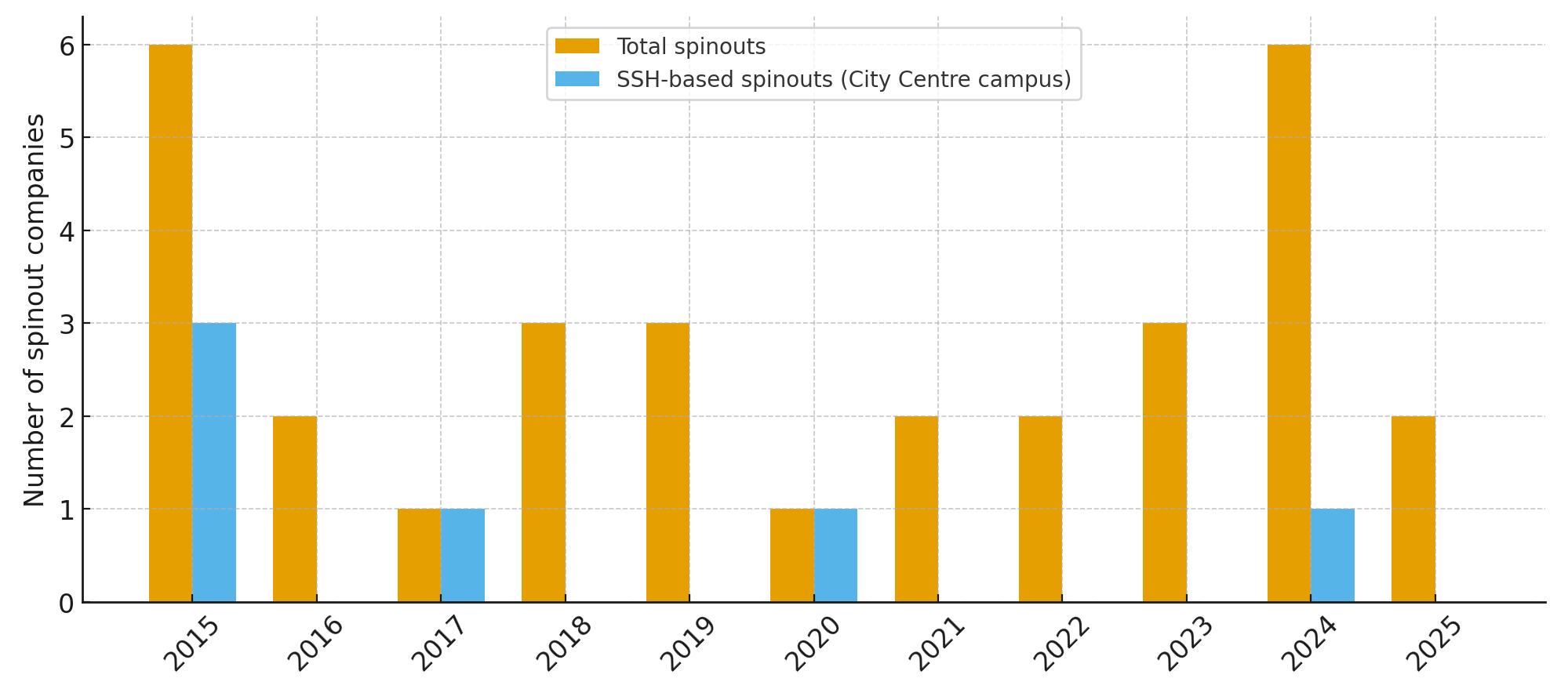 Figure 2. University of Helsinki spinout companies per year, and SSH-based spinouts, 2015–2025.
These patterns situate the case venture within a landscape in which SSH-driven entrepreneurship accounts for only a small fraction of overall commercialisation activity. Although a harmonised national dataset on university spinouts is not currently available, public annual reports suggest that only Aalto University and Lappeenranta–Lahti University of Technology consistently generate more spinouts than UH [18]. The relative scarcity of SSH-based ventures is therefore unlikely to be a local anomaly; instead, recent studies from Austria [19] and Denmark [20] indicate that SSH spinouts remain nascent and structurally underrepresented across European innovation ecosystems. This comparative evidence reinforces our interpretation of the case venture as a critical instance through which to examine the institutional frictions—and learning opportunities—that arise when non-proprietary social-science innovations engage with infrastructures optimised for proprietary technological solutions.
These contextual patterns form the empirical backdrop for the analysis that follows. They also substantiate the theoretical expectation outlined in Proposition 1: that spinout dissonance emerges not only from organisational choices but from systemic conditions that shape how different forms of knowledge are recognised, valued, and supported within innovation ecosystems.
The study follows a three-step qualitative design that integrates reflexive, interview-based, and documentary data. First, the spinout's development was examined through ongoing practitioner reflection, which captured internal learning and decision-making processes. Second, semi-structured interviews with key actors in the university’s commercialisation ecosystem provided external viewpoints and triangulated the insider perspective. Third, internal documents and public materials were reviewed to contextualise and corroborate the empirical insights. These materials were analysed using a theory-driven coding framework based on the amplification modes and the Quintuple Helix model, enabling a structured examination of how the spinout developed within its institutional environment.
Reflexive Case Study ApproachThe study employs a reflexive case study design, grounded in the dual role of the first author as both co-founder of the case organisation and academic researcher. This positioning enables sustained engagement with the phenomenon under investigation, providing access to internal decision processes, strategic deliberations, and evolving institutional contexts [21]. Methodologically, the study draws on Schön’s [22] concept of reflection-in-action, in which practitioners generate knowledge through continuous engagement with complex, real-world situations.
Rather than treating the organisation solely as an object of study, the approach follows Schön’s idea of a reflective conversation with practice, where understanding develops through the interplay of doing, observing, and theorising. The stance legitimises insider-generated data when triangulated and systematically documented, consistent with practice-led methodologies [23]. Because the development of the spinout itself constitutes a site of innovation and institutional negotiation, the reflexive methodology supports the paper’s dual ambition: to advance theoretical understanding of spinout dissonance and to derive insights into the institutional scaling of SSH-based ventures.
Ethical approval was obtained through UH’s ethical review system, which follows the Finnish National Board on Research Integrity guidelines. Participation was voluntary, and informed consent was secured from all interviewees.
Data Collection and AnalysisThe analysis integrates qualitative interviews with documentary and reflexive materials. Four semi-structured interviews were conducted to provide external perspectives and triangulate the insider view. Interviewees included three members of the founding team—one with prior experience at the Finnish Innovation Fund (Sitra), two university researchers—as well as the deputy chief investment officer of UH Venture Investments (HYR). While this group does not represent all five helices, it reflects perspectives across academia, government, and industry, relevant to the study’s focus on early-stage institutional positioning.
Each interview lasted approximately one hour and followed a guide derived from the theoretical framework. Interviews were conducted via Microsoft Teams, transcribed using the AvidNote platform, and anonymised in accordance with GDPR protocols. Thematic coding was conducted in two iterative cycles. First, a coding scheme was constructed by intersecting the five helix domains (academia, industry, government, civil society, and environment) with the three amplification dimensions (within, out, and beyond), generating fifteen theory-driven categories. Second, coded excerpts were synthesised into thematic clusters aligned with the study’s research questions.
During the synthesis phase, digital text-assistance tools were used selectively to support the organisation and summarisation of coded material. These tools served solely as aids for data management rather than for interpretation, with all analytical judgments made by the researchers. Their use followed emerging recommendations for transparent and ethical application of AI-assisted software in qualitative research [24].
Beyond interview data, the analysis draws on a substantial corpus of reflexive and documentary materials, including internal strategy drafts (the “living strategy”), interim and final reports from the Business Finland R2B project, public speeches, pitch talks, a Hanken School of Economics student analysis of market potential, published opinion pieces, and academic presentations [25]. These documents were not formally coded but were systematically reviewed to corroborate and contextualise the interview-based findings.
Together, the integration of practitioner reflection, external interviews, and institutional documentation provides a multi-perspectival dataset that supports a nuanced analysis of how an SSH-based spinout develops within a sustainability-oriented innovation ecosystem.
The analysis is organised in three parts. Section 5.1 examines how the case venture’s early development unfolded through internal, external, and systemic forms of scaling. Section 5.2 explores the institutional tensions that emerged as the venture navigated academic, commercial, and governmental logics. Section 5.3 then integrates these findings, showing how scaling democratic innovation from the social sciences requires ongoing negotiation between normative and market-oriented expectations.
Amplification Patterns in Early DevelopmentThe case illustrates how an SSH-based spinout’s early development involved multiple, interacting forms of scaling. Analysed through the three amplification dimensions proposed by Lam et al. [14]—amplifying within, amplifying out, and amplifying beyond—these processes shaped both the organisation’s internal consolidation and its positioning within emerging policy and innovation networks.
Amplifying within was most visible during the 21-month Business Finland-funded R2B period, which bridged academic research and commercial experimentation. During this phase, the CC-Radar [26] evolved from an academic concept into a suite of applied evaluation tools. The team generated more than a dozen service concepts, which were later refined into five core offerings. This consolidation exemplifies Lam et al.’s [14] notion of internal amplification—also described as stabilising—as it strengthened organisational learning, strategic focus, and workflow routines. Developing the PRA, a digital readiness-assessment tool for municipalities preparing participatory-governance initiatives, further stabilised internal processes by directly addressing needs identified in collaboration with Kirkkonummi. At the same time, establishing digital collaboration infrastructures (Slack, GitHub, Office 365) formalised workflows and clarified roles, reinforcing an organisational identity distinct from the university.
Amplifying out unfolded through public engagement and international collaboration. The venture initially built on partnerships with Finnish cities of Helsinki, Tampere, and Lahti, applying the CC-Radar framework to local participatory evaluations. International expansion began in early 2024 with a research and innovation visit to South Korea. The visit generated contacts and an MoU with the Gyeonggi Research Institute, though no projects emerged due to the offering’s still-developing state. The experience clarified how readiness and timing condition outward scaling: tools and networks alone cannot substitute for a transferable service.
Later in 2024, circumstances changed markedly in Japan, where the PRA tool had matured into a digitalised and distinctive service. Collaboration with the civic-technology company Liquitous and four municipalities enabled proof-of-concept pilots conducted through a Japanese partner entity, as required by local procurement law. These pilots produced the first modest transactions and revealed how procurement regimes, administrative traditions, and political cultures mediate the uptake of participatory-evaluation frameworks. Japanese municipalities tended to treat evaluation less as external accountability and more as an instrument for internal coordination and learning. This turning point demonstrated that contextual readiness—of both the product and the institutional environment—conditions the feasibility of international scaling.
Participation in Slush 2024, one of Europe’s most significant startup events, was another pivotal moment that linked external engagement and internal consolidation. Preparing for the event required the team to develop coherent visual and narrative materials, including a new website, multilingual pitch decks, and translated service descriptions in Finnish, English, Swedish, Japanese, and Korean. These preparations refined the venture’s message, helping translate research concepts into concise value propositions. Presenting the idea repeatedly strengthened collective confidence and commercial fluency. While the event produced contacts and visibility, its deeper value lay in how outward engagement fed back into internal amplification: external performance crystallised organisational identity and reinforced internal conviction in the venture’s mission.
Amplifying beyond, the most systemic form of scaling emerged through the venture’s normative stance on how democratic governance should be evaluated. Rather than adopting conventional indicator systems or KPI-driven audits, the team advanced a third-generation evaluation approach that contextualises evaluative criteria instead of standardising them. This perspective treats evaluation as a dialogical, adaptive process in which indicators are co-produced to reflect local governance conditions and shared understandings of democratic quality. Measurement thus becomes a means of institutional learning and collective reflection rather than a mechanism of control. A concrete expression of this philosophy is soft competition: a non-hierarchical benchmarking model that encourages municipalities to learn from one another through guided self-evaluation and peer dialogue. The PRA tool operationalises this idea by combining structured self-assessment with comparative insight that promotes democratic learning rather than ranking or sanctioning.
While the trajectory remains unfinished, the first year of development already revealed how amplification dynamics are fluid and mutually reinforcing rather than linear or sequential. Internal consolidation emerged from external exposure, as outreach activities—from pilot collaborations to events like Slush—fed into a more explicit strategic focus and stronger operational routines. Likewise, external scaling depended on internal readiness and the evolving maturity of the tools developed in parallel. The case thus illustrates an ongoing process of negotiation, learning, and adaptation across multiple institutional environments. Understanding these dynamics as interdependent rather than hierarchical helps to explain how SSH-based ventures can persist in the uncertain terrain of early-stage entrepreneurship while gradually articulating their role within broader systems of sustainable governance.
Navigating Institutional TensionsThe development of the spinout unfolded across a landscape structured by competing institutional logics. Efforts to scale were not only technical or strategic but also involved negotiating different expectations about what constitutes legitimate academic, commercial, and public-sector activity. Seen through the Quintuple Helix lens, these tensions exemplify spinout dissonance, the pattern introduced earlier. Drawing on interviews, internal documents, and reflexive observations, three relational domains of tension are outlined below. For analytical clarity, these domains are discussed as three interrelated forms of spinout dissonance, each associated with a distinct institutional logic foregrounded in Sections 5.2.1–5.2.3.
Academic–Entrepreneurial Role Dissonance: Legitimacy, Ownership, and Hybrid PositionsAt the academic interface, these challenges can be understood as an academic–entrepreneurial role dissonance, arising from the simultaneous expectation to uphold scholarly norms of reflexivity, openness, and collegial governance while engaging in entrepreneurial practices that require strategic simplification, ownership allocation, and decisional authority.
The venture’s origins in more than two decades of participatory-evaluation research provided epistemic legitimacy but also generated friction once entrepreneurial translation began. Negotiations over intellectual-property rights and ownership proved especially sensitive. The HIS recommended allocating a larger equity share to the incoming CEO to improve investment appeal—an approach that academic founders perceived as undervaluing research capital and moral ownership.
Infrastructural ambiguity further complicated the transition. Uncertainty about access to office space, legal frameworks, and workload allocation delayed basic decisions and revealed how few precedents exist for commercialisation within social sciences. While the founders’ continued academic publishing helped maintain legitimacy, the broader institutional environment lacked mechanisms to support hybrid scholar-entrepreneur roles. This gap exemplifies how universities, despite rhetorical commitment to entrepreneurship, remain structurally oriented toward traditional knowledge dissemination rather than market engagement.
Epistemic–Commercial Dissonance: Translating SSH Knowledge into Market ValueAt the market interface, these challenges take the form of an epistemic–commercial dissonance, arising from a misalignment between SSH knowledge practices oriented toward interpretation, contextual sensitivity, and public value, and commercial innovation logics that prioritise standardisation, scalability, and quantifiable returns. Rather than reflecting poor market fit alone, this dissonance points to a deeper tension in how value is defined, communicated, and assessed across epistemic and commercial domains.
Translating normative evaluation tools into a commercial language required continuous reframing. Advisors and investors emphasised scalability, subscription models, and measurable impact, often at odds with deliberative and context-sensitive evaluation practices. This pressure led to the development of the PRA, a more productised service designed to communicate value in more precise market terms. However, cities were hesitant to adopt software-as-a-service (SaaS) solutions for participatory governance, revealing a gap between the venture’s normative aspirations and the market’s absorptive capacity.
Throughout, the founders sought to balance epistemic integrity with practical viability. The dual-track strategy—developing scalable tools while retaining a co-creation capability—emerged as a pragmatic response to commercial logics that reward simplicity over reflexivity. The value proposition also remained complex: cities and funders appreciated the mission but struggled to assess its return on investment. As one advisor remarked, “The impact story is great, but what is the scale and revenue model?” The team’s commitment to epistemic integrity, including its resistance to reductive key-performance indicators, sometimes complicated communication with investors but strengthened credibility among public-sector clients.
International experience sharpened the venture’s understanding of its scaling dynamics. The early 2024 outreach to Korea showed that the offering was still too conceptual to gain rapid traction. By contrast, the later Japan collaborations showed how a more digitally mature offering, combined with regulatory clarity, can create openings for specialised democratic-evaluation services. Exposure to these contrasting contexts refined the team’s understanding of what constitutes commercial readiness and how legitimacy can stem equally from academic credibility and adaptive market behaviour.
Procurement–Legitimacy Dissonance: Democratic Innovation and Public-Sector LogicsAt the public-sector interface, these challenges manifest as a procurement–legitimacy dissonance, arising from a misalignment between democratic-innovation practices that rely on iteration, contextual interpretation, and learning, and public-administrative systems oriented toward predefined deliverables, formal accountability, and risk minimisation. This dissonance does not reflect a lack of normative alignment but rather incompatible temporal, procedural, and evaluative regimes governing how legitimacy is established and resources are allocated.
Public-sector institutions offered both opportunities and constraints for the venture’s early development. Finnish municipalities formed the primary target audience, yet their procurement procedures and budgeting cycles were rarely compatible with exploratory or iterative innovation. Legal frameworks limited the purchase of non-standardised services, while annual funding windows compressed timelines and discouraged experimentation. These routines reflected a more profound policy logic that prioritises accountability and predictability over flexibility—an environment that rewards established suppliers but marginalises new, research-driven entrants.
Interestingly, the pressure to “package” or standardise services did not arise from municipal demand but from the need to adapt to these procedural constraints. Cities were not asking for simplification; rather, they struggled to adopt services that were not yet well-tested or established, even if they were interested in innovative solutions to emerging problems. As one founder observed, “They did not ask us to simplify; they just did not have the bandwidth to build something more advanced.” This structural misfit illustrates a characteristic expression of spinout dissonance: value-aligned actors recognise each other’s goals but operate under incompatible temporal and procedural regimes.
The collaboration with Kirkkonummi, where the PRA framework was co-developed, demonstrated one practical way to bridge these gaps. By aligning the evaluation process with existing administrative rhythms while retaining participatory depth, the team learned to calibrate ambition to institutional capacity—an adaptive compromise between rigour and pragmatism. Similar learning occurred in Japan, though under different governance conditions. There, the legal requirement for foreign firms to contract through domestic partners initially appeared restrictive but ultimately enhanced legitimacy by situating the work within trusted civic-tech networks. Japanese municipalities’ use of evaluation as an internal learning tool rather than a compliance mechanism offered a contrasting illustration of how government logics can become enabling when they align with organisational learning goals.
Innovation-policy instruments also shaped the venture’s path. Business Finland’s programmes—first the R2B grant and later the Tempo scheme—provided critical scaffolding during the pre-commercial and early internationalisation phases. Likewise, the HYR convertible loan investment provided risk capital during a period of institutional uncertainty. Nevertheless, a structural asymmetry persisted: funding frameworks for SSH-based ventures remain strong at the research–commercialisation interface but taper off at the point of market entry, precisely when early revenues depend on slow-moving public clients. This discontinuity exemplifies how well-intentioned innovation ecosystems can reproduce friction for ventures that straddle academic and public-sector boundaries.
In sum, across academic, commercial and public-sector interfaces, institutional logics played a dual role—acting as both enablers and bottlenecks. They provided legitimacy and initial resources but also reinforced procedural rigidity and fragmented temporalities. For ventures emerging from the social sciences, navigating these conditions requires not just strategic agility but continuous negotiation of institutional tempos and value regimes. This constellation of tensions provides the basis of the synthesis that follows, where amplification dynamics and distinct forms of spinout dissonance are examined as mutually shaping dimensions of social-science entrepreneurship.
Synthesis of Amplification Patterns and Spinout DissonancesThe case demonstrates that early-stage amplification is not a linear process of scaling up but a reflexive negotiation of systemic frictions distributed across institutional domains. Each attempt to grow—whether by strengthening internal routines, expanding partnerships, or articulating normative commitments—responded to and reconfigured the institutional environments in which the venture operated. Figure 3 provides an integrative view of how the three forms of spinout dissonance identified above are configured across helix interfaces, while Table 2 summarises these patterns by linking dominant amplification types to their corresponding tensions and ecosystem insights across the five helices of the Quintuple Helix framework.
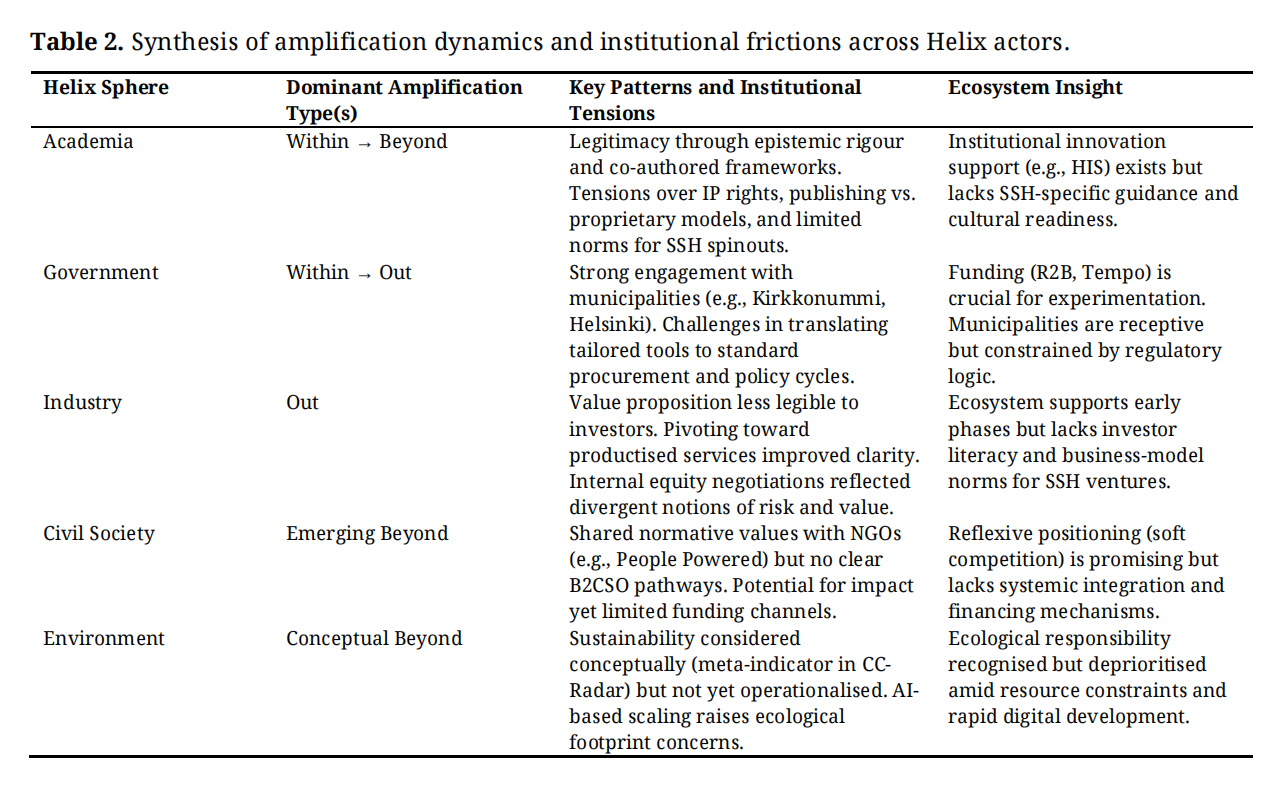 Table 2. Synthesis of amplification dynamics and institutional frictions across Helix actors.
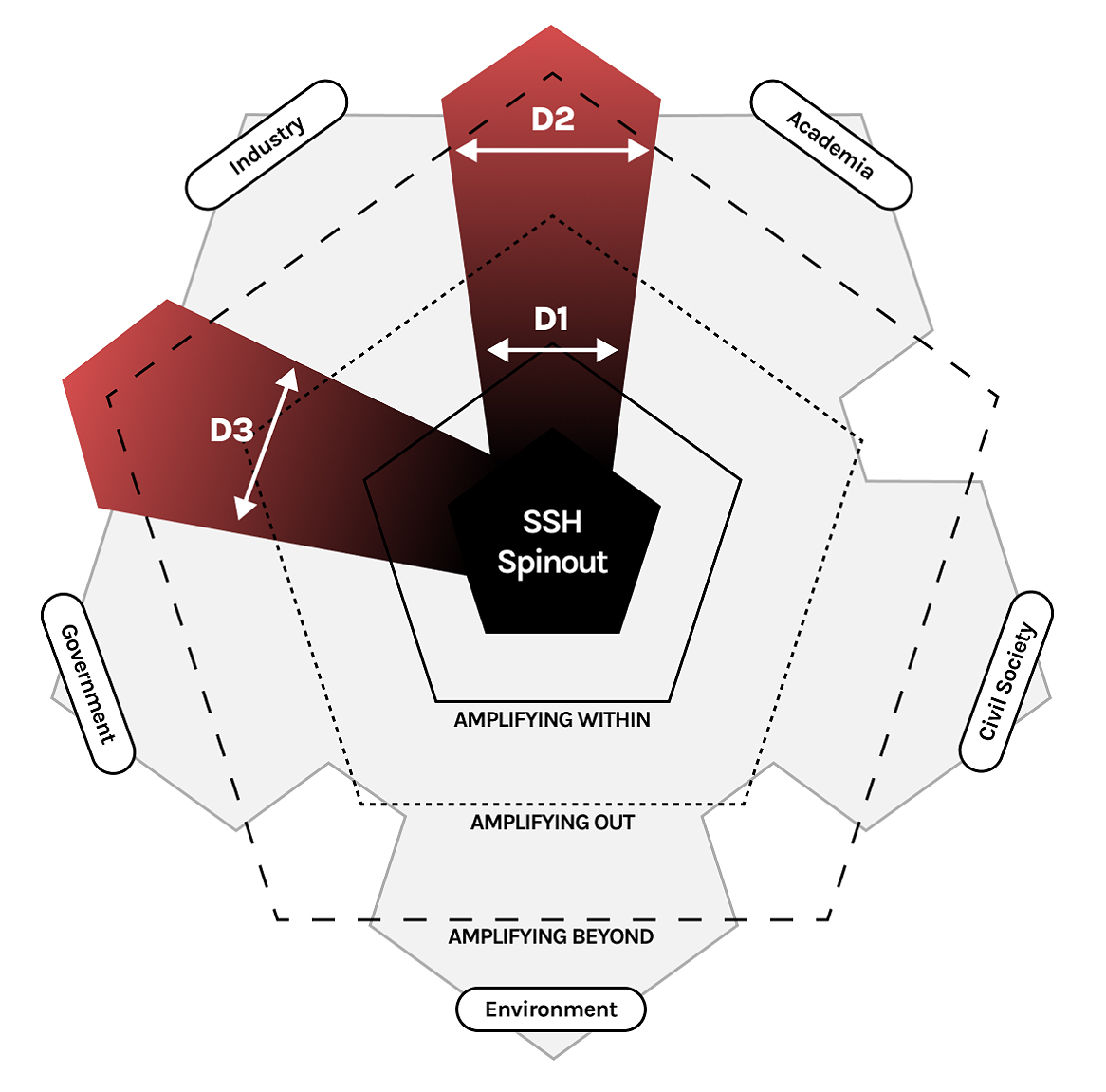 Figure 3. Interface dissonances in scaling an SSH-based spinout across the Quintuple Helix: D1 academic–entrepreneurial role dissonance, D2 epistemic–commercial dissonance, and D3 procurement–legitimacy dissonance.
Academic legitimacy provided epistemic authority and conceptual depth, yet it also slowed decision-making and generated uncertainty about intellectual property and ownership. Public-sector actors expressed strong normative alignment with the mission of democratic innovation but remained embedded in procurement and budgeting systems that favoured predictability over experimentation. Meanwhile, commercial interlocutors valued clarity and scalability but were often unfamiliar with the market potential of social-science-based services. Together, these factors produced a condition of spinout dissonance, an expected pattern in which institutional frictions become catalysts for adjustment and learning.
Such frictions catalysed adaptive responses. Internally, the team prioritised productising the PRA tool to improve communication and operational focus while retaining reflexive values. Externally, international engagements—first in Korea, later in Japan—provided comparative insights into how readiness, timing, and institutional culture shape the transferability of democratic-evaluation tools. These experiences reinforce the understanding that scaling is iterative, situational, and relational: organisational capacity develops through engagement rather than preceding it.
The synthesis in Table 2 shows how amplification and institutional negotiation are intertwined. Efforts to expand outward simultaneously generated new forms of internal professionalisation and systemic reflection, while institutional constraints—whether in academia, government, or industry—triggered new adaptive practices. Rather than a sequence of discrete stages, scaling appeared as an evolving choreography in which different logics converged, conflicted, and occasionally coalesced into hybrid solutions.
In this sense, the venture’s early trajectory offers a microcosm of broader sustainability-governance challenges: how to integrate normative, scientific, and commercial reasoning without reducing any of them to the others. The lessons emerging from this case point toward a need for innovation ecosystems that recognise reflexive entrepreneurship as a legitimate pathway for SSH contributions to societal transformation. The following section expands on these implications for policy and research.
This study set out to examine how democratic innovation emerging from the social sciences can scale beyond academic contexts and what limits such scaling within existing innovation ecosystems. The empirical analysis shows that early-stage growth in SSH-based spinouts is not primarily constrained by lack of demand or societal relevance, but by recurrent misalignments between normative ambitions and institutional logics. We conceptualise these misalignments as spinout dissonance: a patterned condition in which academic, commercial, and public-sector expectations collide as ventures attempt to amplify their practices within, across, and beyond organisational boundaries.
Building on the synthesis in Section 5, this discussion reframes the findings as evidence of three interrelated forms of spinout dissonance—academic–entrepreneurial role dissonance, epistemic–commercial dissonance, and procurement–legitimacy dissonance—which together shape the readiness of innovation ecosystems to support SSH-based entrepreneurship. Rather than treating these tensions as obstacles to be eliminated, we argue that they constitute critical sites of institutional learning that condition how democratic innovation can be sustained and scaled.
The following discussion revisits our findings to address Research Questions 1 and 2, focusing on how amplification dynamics intersect with institutional tensions. It then turns to Research Question 3, exploring how innovation ecosystems might evolve to accommodate social-science-based entrepreneurship. Throughout, we argue that the tensions identified in our case—what we term spinout dissonance—reveal both the structural limits and the transformative potential of current innovation infrastructures, underscoring the need for greater ecosystem readiness.
Revisiting the Case (RQ1): Scaling Dynamics and Emerging TensionsAddressing Research Question 1, we find that early-stage amplification processes shaped both the internal development and external positioning of the spinout through iterative translation rather than linear expansion, combining internal structuring (amplifying within), cross-contextual adaptation (amplifying out), and normative reframing (amplifying beyond). This pattern supports our first proposition, which anticipated that SSH-based scaling unfolds through qualitative transformation rather than market-driven growth. It aligns with the sustainability transitions literature, which emphasises that social and governance capacities increasingly underpin wider sustainability change [12,13].
These modes were guided less by revenue logics than by the search for relational legitimacy—aligning with partners, funders, and institutions that shared a commitment to democratic governance and participatory learning. This legitimacy orientation also reflects wider governance trends in which diverse non-state actors now play growing roles in shaping policy agendas and institutional adaptation [11], reinforcing the need for interpretive and participatory expertise of the kind the spinout sought to develop.
At the same time, the venture’s scaling revealed persistent frictions between institutional logics. Academic norms of openness and deliberation contrast with commercial expectations for intellectual property control, rapid output, and continuous visibility through prototypes, pitches, and policy briefs. Managing this duality required constant translation—both linguistic and conceptual. These tensions exemplify the academic–entrepreneurial role dissonance discussed in Section 5, in which scholarly reflexivity must be reconciled with entrepreneurial decisiveness. Large language model–based tools supported this translation work by assisting in the adaptation and communication of academic materials for non-academic audiences, helping the team balance accessibility with normative commitments under entrepreneurial time pressures.
Public-sector collaboration added another dimension of learning. Municipal partners provided crucial testbeds for participatory evaluation tools, yet rigid procurement cycles and limited capacity for experimentation often slowed implementation. These constraints underscore how democratic-innovation ventures depend simultaneously on institutional access and symbolic legitimacy. This pattern reflects the procurement–legitimacy dissonance identified earlier, where value-aligned public actors operate within procedural regimes that constrain experimental uptake. International recognition—such as the OECD’s [27] endorsement of the CC-Radar framework—helped consolidate credibility and facilitated new partnerships abroad.
Investor engagement exposed yet another tension. The venture’s mission-driven orientation sat uneasily with conventional expectations of scalability and monetisation. Balancing epistemic integrity with market readability required a dual strategy: maintaining conceptual richness in research collaborations while simplifying content for broader uptake. This tension exemplifies epistemic–commercial dissonance, as value-driven SSH knowledge encounters market logics oriented toward scale and monetisation. Rather than signalling failure, this dissonance acted as a catalyst for organisational learning and strategic clarification. Consistent with our second proposition, dissonance also compelled the venture to stabilise routines and deepen its organisational learning.
In sum, scaling from the social sciences appears less as market expansion and more as iterative translation across institutional worlds. The case supports all three propositions: that tensions emerge from infrastructural misalignment, that external engagement drives internal amplification, and that scaling depends on the translational capacities available in the broader ecosystem. The capacity to endure and learn from dissonance—to work through rather than around institutional misfit—emerges as a defining feature of early-stage SSH entrepreneurship and a key indicator of ecosystem readiness.
Interpreting Spinout Dissonance (RQ2): What Institutional Tensions Teach UsAddressing Research Question 2, we observe that the institutional tensions identified in the case—between academic, public-sector, and commercial logics—are not merely obstacles but productive frictions that reveal how innovation ecosystems currently recognise, translate, and constrain social-science-based entrepreneurship. Rather than being incidental, these tensions reflect deeper structural features of the ecosystem. In this section, we interpret these tensions across three domains—legitimacy, roles, and instruments—to show what spinout dissonance reveals about the systemic conditions shaping SSH innovation. These interpretations clarify how spinout dissonance informs ecosystem-level implications and recommendations (Section 6.3), while recognising the contextual and non-linear nature of institutional change.
Reframing the Legitimacy of SSH-Based InnovationA significant source of spinout dissonance lies in the persistent undervaluation of SSH-driven innovation. Unlike science-, technology-, engineering-, and mathematics-based ventures that centre on technological disruption, SSH initiatives often pursue institutional transformation—reshaping governance, policy cultures, and democratic practices. These contributions are more challenging to quantify but vital for building resilient and just societies. This pattern aligns with broader evidence from SSH entrepreneurship research, which shows that such ventures consistently struggle for institutional recognition within innovation systems calibrated to STEM-centric logics [19,20].
As Gibbons et al. [28] argued in their concept of Mode 2 knowledge production, and as Benneworth and Jongbloed [5] later emphasised, innovation must encompass the creation of socially robust knowledge and institutional change, not just artefacts or technical solutions. The ongoing EU-funded SHAPE-ID project (https://www.shapeid.eu/, accessed on 20 Dec 2025) has similarly shown that adequate support for SSH innovation requires tailored evaluation criteria, funding logics, and recognition structures that account for its interdisciplinary and socially embedded nature.
The case analysed here exemplifies this form of epistemic innovation. Rather than pursuing market disruption, the spinout’s tools—such as third-generation indicators and the principle of soft competition—reframe how democratic quality is assessed and enhanced within municipalities. These participatory, co-created approaches integrate normative values with practical application. However, the need to repeatedly explain, justify, and contextualise these contributions indicates that SSH innovations enter an ecosystem in which prevailing evaluative criteria do not fully capture their value-creation form.
Encouraging signs of such recognition are emerging. The HIS played a pivotal role in facilitating 13 invention disclosures, a process that reoriented the founders’ professional identity from academic researchers to researcher-innovators. This culminated in the 2025 Innovation Gala, where the spinout received the UH Spinout Award—an institutional milestone signalling a broader cultural shift toward legitimising SSH-based entrepreneurship (https://www.helsinki.fi/en/helsinki-innovation-services/news-archive/researchers-awarded-innovation-gala-2025, accessed on 20 Dec 2025). These dynamics reveal not only growing acceptance but also the degree of interpretive work required for SSH innovations to be recognised. For innovation ecosystems, this suggests that legitimacy for SSH-based ventures is not achieved through technical validation alone, but through evaluative frameworks capable of recognising institutional, relational, and normative forms of value.
Bridging Role Conflicts in Academic EntrepreneurshipAnother manifestation of spinout dissonance concerns unresolved role conflicts between academic and entrepreneurial identities. While universities increasingly promote innovation and societal impact, their career systems continue to reward traditional research outputs and disciplinary conformity [6]. The result is a double bind: scholars are encouraged to commercialise knowledge yet rarely supported—or rewarded—for doing so.
Our case exemplifies this paradox. Although university leadership publicly endorsed the spinout as a strategic success, many colleagues viewed entrepreneurship as incompatible with academic integrity. This tension exposes persistent epistemic hierarchies that privilege theory over application and reproduce uncertainty about hybrid roles.
The processes the team undertook—articulating value propositions, translating research concepts for municipal partners, and navigating IP considerations—illuminate how academic entrepreneurship in the SSH fields requires forms of identity negotiation that extend beyond conventional commercialisation practices. This tension, therefore, acts as an indicator of the cultural and institutional adaptations still needed within academic systems. At an ecosystem level, persistent role dissonance signals the need for institutional arrangements that legitimate hybrid academic–entrepreneurial identities rather than treating them as exceptional or transitional.
Designing Purpose-Fit Innovation InstrumentsA third tension concerns how existing innovation instruments encode assumptions about what innovation is and how it should progress. Many accelerators and funding schemes remain calibrated to the needs of STEM-based ventures, where value is expected to emerge through proprietary technologies, rapid scaling, and clear product pipelines. SSH ventures, by contrast, generate value through iterative co-creation, contextual adaptation, and relational knowledge transformation across public-sector and civil-society domains. As Benneworth and Jongbloed [5] note, SSH innovation depends on infrastructures that enable long-term collaboration and relational knowledge transfer rather than time-bound product pipelines.
The R2B and Tempo grants that supported the spinout’s early development illustrate both the importance and the limits of existing instruments. They enabled initial tool development and piloting, yet their relatively short horizons and narrow evaluation criteria created pressure to align market formation timelines with the temporalities of institutional and governance innovation. In this sense, the case reveals how expectations embedded in current support schemes can themselves become a source of spinout dissonance.
International collaborations further clarify this misalignment. The partnership in Japan—with participatory-governance tools adapted for cities such as Kashiwa-no-ha and Hino—demonstrated that SSH innovation scales through contextual translation rather than replication. Making sense of such trajectories requires viewing learning, adaptation, and relationship-building as integral components of innovation, even when they do not immediately lead to conventional growth indicators.
Taken together, these observations suggest that existing innovation instruments implicitly privilege technological and product-focused pathways. The friction experienced by the spinout therefore points to a broader structural constraint: the institutional architectures designed to support innovation only partially recognise the relational, learning-oriented, and temporally extended forms of value creation characteristic of SSH-based ventures. From an ecosystem-readiness perspective, this points to the need for innovation instruments that are more reflexive, capable of recognising learning-oriented, relational, and context-dependent trajectories alongside conventional growth models.
Toward Ecosystem Readiness (RQ3): Lessons and Strategic DirectionsAddressing Research Question 3, we suggest that spinout dissonance should be understood not as a pathology but as a learning mechanism for innovation ecosystems. Rather than signalling failure, dissonance exposes structural blind spots and invites reflexive adaptation in how ecosystems recognise, resource, and sustain socially embedded innovation.
Moving from dissonance to readiness requires more than incremental reform. It calls for a collective learning shift that (1) affirms the epistemic legitimacy of SSH-based innovation, (2) enables fluid movement between academic and entrepreneurial roles, and (3) reconfigures support instruments to accommodate plural pathways of scaling. This transformation concerns not the quantity of spinouts but the quality of intermediation: how knowledge, democracy, and sustainability become intertwined through cross-sectoral experimentation.
Building on these insights, we outline five ecosystem-level directions that illustrate how conditions for SSH-based entrepreneurship could be strengthened:
Introduce Purpose-Fit Funding Instruments for SSH InnovationSSH ventures often scale through relational, iterative processes rather than rapid product development. Funding schemes, therefore, need longer time horizons, flexible milestones, and evaluation criteria that recognise institutional and governance innovation. Extending instruments such as R2B to support non-proprietary outputs, co-creation processes, and public-sector learning would help bridge this gap.
Create Dedicated Support Structures for SSH Entrepreneurship within UniversitiesSSH founders require advisory capacity tailored to methods, ethics, relational work, and public-sector collaboration. Units specialising in SSH commercialisation—including guidance for non-patentable IP, data governance, and impact pathways—would reduce the translational burden currently borne by individual teams.
Reform Academic Career Incentives to Recognise SSH Innovation WorkHybrid academic–entrepreneurial roles remain institutionally ambiguous. Updating promotion criteria to value co-created outputs, policy engagement, and tool development would legitimise the work of researcher-innovators and enable more fluid movement across institutional boundaries.
Develop Innovation-Friendly Public-Sector Procurement ModelsMunicipalities and public agencies are central scaling environments for democratic innovation, yet existing procurement frameworks rarely accommodate early-stage SSH ventures. Mechanisms such as small-scale experimentation contracts, multi-year learning partnerships, and innovation-oriented tendering processes would enable more sustained collaboration.
Strengthen Internationalisation Pathways for Contextual Translation rather than ReplicationSSH innovations often scale by adapting to new institutional and cultural contexts. Dedicated support for translation work—such as the adjustments undertaken in the Japan collaborations—highlights how cross-national learning can amplify democratic innovation beyond local ecosystems.
Together, these priorities point toward a broader systemic shift. Ecosystem readiness implies moving beyond technological models of innovation to embrace the epistemic and institutional diversity required for democratic governance and sustainability. Recognising social-science entrepreneurship as a central, not peripheral, driver of this transformation will be crucial for building innovation systems capable of responding to contemporary governance challenges. Achieving this shift depends on embedding the pluralism of SSH innovation into durable support structures, enabling ecosystems to transform spinout dissonance from an exception into a systemic capacity for collective learning.
This paper examined the formation and early development of a social-science-based spinout as a lens for understanding how value-driven academic ventures navigate innovation ecosystems. Through the combined perspectives of amplification dynamics and helix interactions, we showed how such ventures scale internally, externally, and systemically, reshaping institutional norms and evaluative practices along the way.
Addressing our research questions, the analysis revealed that early-stage scaling proceeds through iterative rather than linear processes (RQ1) and that institutional tensions between academic, public-sector, and commercial logics generate spinout dissonance—a productive friction that exposes systemic gaps while fostering organisational learning (RQ2). More specifically, the case highlights how academic–entrepreneurial role dissonance, epistemic–commercial dissonance, and procurement–legitimacy dissonance recur across scaling efforts. Extending this insight, we identified key pathways toward ecosystem readiness (RQ3): strengthening the epistemic legitimacy of SSH innovation, supporting hybrid academic–entrepreneurial roles, and ensuring that innovation instruments recognise plural, reflexive modes of scaling.
The case does not provide a model for replication but a vantage point for reflection. It demonstrates how research-based ventures can challenge prevailing assumptions about innovation by foregrounding democratic participation, reflexivity, and sustainability as legitimate outcomes. Seen through this lens, spinout dissonance is not a temporary obstacle to be resolved but an enduring feature of SSH-based entrepreneurship that signals where ecosystems must learn and adapt. Recognising and responding to spinout dissonance thus becomes an essential step toward building innovation ecosystems that sustain democratic values and strengthen the social foundations of sustainability.
Limitations and Future ResearchAs a single-case study based on reflexive and context-dependent data, the findings are not generalisable in a statistical sense. The analysis is also constrained by the absence of comprehensive national datasets on SSH entrepreneurship and by the interpretive nature of the authors’ dual roles as scholars and practitioners. Future research should compare SSH spinouts across institutional and national settings to assess whether similar amplification dynamics and tensions recur; examine how translational practices, including digital tools such as AI-assisted sensemaking, reshape academic entrepreneurship; and explore how public-sector procurement and innovation policies can better support context-sensitive pathways of scaling.
The study followed the ethical principles of research involving human participants as outlined by the Finnish National Board on Research Integrity (TENK, 2019) and the University of Helsinki’s ethical guidelines. According to these criteria, formal ethical review was not required, as the research did not involve interventions or vulnerable populations. Informed consent was obtained from all participants before participation.
The data supporting this study comprises anonymised interview transcripts and internal project documents. Due to confidentiality constraints, full transcripts are not publicly available but can be shared by the corresponding author upon reasonable request in accordance with ethical and data-protection guidelines.
MR conceived the research design, developed the theoretical framework, and led the overall analysis and writing. CT conducted and analysed the interviews, contributed to the methodology, carried out the background study on SSH spinouts, and created all figures included in the manuscript. Both authors contributed to manuscript revision and approved the final version.
One of the authors is a co-founder of the company that served as the empirical case for this study. This role did not influence the design, analysis, or interpretation of the research. The authors declare no other financial or personal interests that could have affected the work reported in this paper.
This work was supported by funding from Business Finland (7368/31/2022).
The authors gratefully acknowledge the contributions of the research and innovation team that supported the development of the case examined in this study. We thank Helsinki Innovation Services Ltd. (HIS) for their assistance in commercialisation preparation, as well as colleagues in the Faculty of Social Sciences for fostering an environment open to experimentation in social-science entrepreneurship. We also extend our gratitude to the interview participants and municipal partners whose reflections informed the empirical analysis.
1.
2.
3.
4.
5.
6.
7.
8.
9.
10.
11.
12.
13.
14.
15.
16.
17.
18.
19.
20.
21.
22.
23.
24.
25.
26.
27.
28.
Rask M, Thibert C. From spinout dissonance to ecosystem readiness: Scaling democratic innovation through social science entrepreneurship. J Sustain Res. 2025;7(4):e250079. https://doi.org/10.20900/jsr20250079.

Copyright © Hapres Co., Ltd. Privacy Policy | Terms and Conditions


