Location: Home >> Detail
J Sustain Res. 2026;8(1):e260001. https://doi.org/10.20900/jsr20260001
 ,
Karen K. Fujii 2
,
Karen K. Fujii 2
1 Business Research Unit (BRU), ISCTE University Institute of Lisbon (ISCTE-IUL), Lisboa 1649-026, Portugal
2 Faculty of Higher Education, Niels Brock Copenhagen Business College, Copenhagen K 1167, Denmark
* Correspondence: Bruno F. Abrantes
Using a critical case from the Global North (i.e., a Danish private-equity firm, committed to the utmost environmental protection activities) one emulated a stress test upon a highly homogenous sample-group from the Global South to comprehend if in a seven-hour timespan one would be able to influence a behavioral framework. Through the fashioning of a 7-hour length virtual seminar, the participants on the event were challenged in their cultural DNA with a content on Environmental and Sustainable Development and a rhetoric of Environmental Activism, covering carbon-rescuing, natural habitat’s reconstruction and paths to zero carbon footprints. Our starting point was the general focus research question (GFRQ): Will one be able to influence an environmental frame, rooted in deep cultural assumptions?
Confronting two diametrically opposing national cultures (Denmark and Nepal) and agencies (i.e., the speaker’s activism versus the participant’s passive listening), one aimed to comprehend the resilience of the latter, Nepalese (NP) individual to outer influences from dissimilar national and corporate cultures. Then one measured the impact of the event on individual’s opinions, centered on the environmental pillar of the sustainable development goals (SDGs): SDG6; SDG7; SDG11; SDG13; SDG14 and SDG15.
The socio-ecological system (SES) of the focal country revealed a close-fit to a logic of dual paradigm (openness and resistance) found at the microsphere of environmental frames, with openness being neat-tied to manmade dimensions. The results from the enquiry were validated against three (3) streams of supplementary data: the 6-D model of Geert Hofstede (GH), plus the 7-D model of Fon Trompenaars (FT); and the six SDG indexes, aforementioned, and finally confirmed using the index of nature connectedness (IoNC) with results revealing unequivocally a wider perceptive framework, with an accentuated criticism on own’s nation environmental frame, and particularly on four dimensions that are more susceptible to determine urban-living public policy and investment; and on the other hand, highly resilient on other two dimensions related to nature and wild life.
This investigation focuses on a topic sparsely found in Strategy theory, i.e., environmental sustainability frames, whereas others bridge the domains of Organizational Frames and Cross-Cultural Management with the purpose of testing the robustness of human participants’ cultural DNA, withstanding a critical scenario (i.e., a real-life environmental frame).
The starting point of this investigation is the assumption that national culture (more than the organizational one or any other form) shapes, at the individual-level, one’s thinking and decisions. The rationale dominating prior literature on national culture has embedded the insurmountable idea that the cultural background configures the personal heritage from the contexts one is born-in and socialized-in; and subsequently, such inheritance shapes one’s cognition and behaviors. Consequently, one assumes, likewise, that environment-related issues are no exception (i.e., environmental awareness and environment protection), are molded alike by such deterministic factors. To test this dyad of assumptions, one devised a unique empirical procedure to challenge them. We invited an environmental-protection activist company (see case-description in Section), adherent to the Science-Based Targets initiative (SBTi), to communicate onsite to postgraduate students an accentuated skeptical view of global environmental challenges. Although, one gathered, purposely, a highly homogenous student-group of internationals students, within the same age class, region and country to attend such presentation (check sample profile in Section 3), and so, to emulate a solid cultural background, to test, subsequently, whether the words from the company’s representative had the power to rock the uniform(ity) of their cultural premises.
The general aim of this study is to comprehend to what extent their common cultural denominator has influenced the student’s feelings and opinions about environmental issues. For so, immediately after the company’s presentation, which was integrated into a student’s event (i.e., a case competition group-project on sustainability), a subset of students participating in this investigation were asked to take an individual questionnaire and answer a set of 12 questions about global and local or home-country environment, with a set of questions being linked directly with the six (6) components of environmental sustainability of SDG framework: SDG6 (clean water), SDG7 (clean energy); SDG11 (green urban living); SDG13 (environment protection activism); SDG14 (marine life); and SDG15 (life in land).
As a correlational study, following an exploratory purpose, the research team being mindful of their limitations to control other various (exogeneous, extraneous and confounding) variables, one set a clear research question (RQ): Is a culture a magnet for fusion or split? With this RQ we aspire to understand the degree of influence exerted by the cultural mindset upon environmental issues, when exposed to external stimuli, such as the company’s presentation aforementioned, or others alike (e.g., media news, promotional ads or a sustainability report).
Based on previous literature and on the assumptions set for this study, our null hypothesis (H0), respondents possess an identical vision of sustainability paradigms, markedly influenced by their national culture, is here is shaken by an alternative RQ and hypothesis (Ha): The cultural background is not deterministic of one’s thoughts and actions.
Despite the dominant paradigm conveyed for decades by theorists on national and organizational culture, climate and behavior, asserting that one’s cultural foundations cannot be easily rocked (basic assumptions; espoused norms; and, artifacts), we hypothesized, that it may actually do. We argue that the individual may indeed be influenced thoroughly by other external environment factors to one’s culture, as new elements one is exposed to, possibly exerting a significant influence on the person. We believe, furthermore, but did not test it in this study, that those extraneous factors are various and may range from the environment’s architecture, dynamics or technology, possibly having the power to alter previous cultural patterns and individual convictions.
The study proceeds with a revision of literature highlighting the state-of-the-art on two knowledge fields, Organizational Design Strategic Management, touching upon, respectively, the sub-fields of cross-cultural management and organizational frames. Then, with a description of the research design, methodological choices, including sampling and analysis of the data outputs, and a final discussion which also includes managerial implications and the limitations of the study.
Organizational culture, whether or not environmentally led, and Leadership are fundamentally intertwined [1]. Culture being inexorably a phenomenon at interplay, with various organizational sub-systems, is argued to hold the role of fulfillment the purpose and utility of the firm’s mission. Thus, it is asserted by scholars as Tellis, Prabhu and Sethi [2] that the pertinency of developing cultural intelligence (CQ) is exploring its effectiveness (particularly in leading global teams) or ensuring a leading edge of innovation; moreover, advocating an accentuated effect to be noticed particularly in collectivist and hierarchical cultures.
Then, what’s culture? Some scholars have associated the term culture with a collective mindset determining the common behavior of a group of people and sharing identical expectations for others to act in an identical manner [3]. Hence, a culture is characterized, regardless of the size of the group, by patterns of shared fundamental assumptions that the group-members accommodate into own living, in which, through new and renewed affiliations one is bounded to, by learning initially its social rules, then adapting to them, and in parallel, experiencing the process of integration into the circles’ dynamics and routinization of the norms and habits [4,5].
Hence, national culture is ubiquitous and indelibly rooted in a triad of elements (artifacts, values and assumptions), and embedded in a myriad of traits, such as, the language, religion, social customs, cuisine, or other visible and invisible cultural-building factors, shaping one’s shared values, norms, and traditions [1].
Considering culture in the organizational sphere, each one possesses a unique “cultural DNA” with a distinctive code encompassing one’s identity [6]. Such a knotty cultural equation is though entrenched in a myriad of variables alike found at the firm-level—beliefs, values, and attitudes—underpinning the general habits, norms, and conduct of the cultural system. This DNA drumbeat is mediated by acceptance of socialized-in patterns and a subsequent adherence to its practice. However, scholars in Cultural Psychology argue that geographical distance is a proxy for regional similarities, as analogous combinations of these cultural traits aforementioned yield regionally distinct cultural contexts [7–9]. For instance, interdependence and holistic thinking are found prevalent in East Asian cultures, while independence and analytical thinking are prevalent in North American and Western European cultures.
Within an international business (IB) context, the endogenization of these cultural codes for the alignment of a corporate identity to the local foreign market (cultural relativism) is a strive identical to any other organization [10]. It is a macro learning process of the culture of honor related to the social psychology of cultural tendencies [7]. Notwithstanding the differences of such a DNA drumbeat, and the acceptance of their differences as being equal to the host-market of a multinational enterprise (MNE) is furthermore challenged by a dyad of paramount exogenous phenomena occurring in the outside far-end world, of relevance to any organizational stakeholder, whether one is a business traveler, a relocated employee (aka expat) or even a subsidiary director.
Firstly, there is evidence, over the years, of a forming cultural fusion, with the consolidation of global businesses, global trade and product-brand’s worldwide dissemination (i.e., an outer layer of a global culture) [6]. This creates a subtle homogenization of both marketplaces and social habits. Such invisible but gradual spiraling up of a global culture inevitably puts pressure on MBE’s incumbents to equip the organization with a further layer of culture capital to cope with unique challenges in multiple domains (such as, people or operations management, or marketing), deriving from national versus global culture issues, interculturality and management of cross-cultural needs.
Secondly, a global culture is considered nonetheless an illusion of familiarity encompassed by surface similarities across multiple national cultures, sugar-coating a much darker reality, i.e., the hazard, unease and/or hardship to comprehend a foreign environment. National and organizational cultures are interdependent, with the first exerting a parental relationship upon the latter. Identity shapes the person, and people the organizations! The “know-about” a foreign national culture entails a solid understanding of its intricacies and its spillovers on organizational culture, that only arises from a prolonged and deeper exposure to the alien environment [6]. Such realization leads typically to bitter ends, as one manages to grasp the paradigmatic traits of society’s deep psychological and cultural instincts, as unique and distinctive traits from others, accentuating local differences upon global commonalities (cultural split) rather invisible to both temporary and inattentive observers [11]. Moreover, the gaining of cultural knowledge is not per se a synonym of CQ, as the definition of the latter entails, not solely the possession of knowledge nor the simple use of that knowledge, but also the ability to use empathy and other emotional competences within business-context relations [12].
To deal with aforementioned, employees working in global businesses do not solely need to sink in and learn how to navigate the differences and hurdles of the social fabric, but also, conceive individual and collective plans for survival and thriving alongside national barriers (as exemplified in the studies below) often rolled out to the organizational sphere [13].
A study of 107 CEOs from MNCs on organizational design and structure found that a culture supporting creativity is linked to strategic flexibility [14]. However, not all organizational cultures positively influence their employees. An investigation involving U.S.-based MNCs operating in Romania revealed that employees felt alienated and adrift, sometimes feeling unsafe and out of place in their own countries [15]. Participants in the study felt caught between two cultures (cultural trap) and identified as ambivalent about their self-defined culture. They reported living in their native country but not fully accepting that identity [16]. Others struggled with their cultural identity, experiencing admiration for the MNCs’ values alongside nostalgia for their current lifestyles. Some even felt that “brainwashing”, such as robots or not realizing what was happening to them, described their organizational management well [15].
Another study found that MNEs that primarily hired employees based on skills and expertise rather than values and cultural awareness, found positive effects upon the competitiveness of the work environment, but at the price of building a more hostile workplace environment. Participants believed there was an increasing number of positions requiring bilingual applicants, which they saw as a disadvantage for their own culture. Some participants opposed global interconnectedness and multiculturalism, feeling alienated because they believed immigration was changing their culture [17]. Expatriates of their home countries, or expats, can contaminate the organization’s culture, bringing in their views that differ from the MNC’s international location in another host country [18].
In short, CQ entails the ability to adapt effectively to culturally complex situations [19]. Notwithstanding, CQ is one of the aspects MNEs struggle the most with, ranging from the understanding of these conceptual nuances (of knowledge versus intelligence) to its measurement or even a consistent application overtime. According to Stairs [11]. the challenge of cultural fit(ting) is furthermore, an emotional ability beyond the empathizing, it is a commitment to establish an ecotechnological equilibrium. Such balance is a matured co-accepted realization, between the outsider/expat and native person, leapfrogging the embedded expectations (for a given interaction) carried by each one’s system of values and beliefs; thus, this cultural equilibrium is an optimistic two-way road of mutual dependence and shared adaptability with the counterpart.
Indeed, born-into cultural might elicit a myriad of triggering responses, that separate or unite people, companies and nations. Such influence is accentuated by the organizational culture to accentuate the prior elicited cultural drivers and posit a positive or negative impact upon the process, the parts and outcome of a cross-cultural experience [18]. Furthermore, it is unequivocal the interrelation of born-in and socialized into culture, and the correlation of one’s organizational culture and leadership [1]. Such interwoven might be wrapped into a functional or dysfunctional nature, depending on their alignment, and subsequently, might exert a direct or indirect influence, positive or negative, in the successful implementation of a business model. No exception to the fulfillment of the social and environmental goals of an organization. This sub-topic is discussed furthermore in Section Culture and Sustainability: Organizational Environment Frames.
From Cultural Sustainability to Environment SustainabilityMNEs, more than any other firm, are challenged by external environmental cultural, administrative, geographical and environmental (CAGE) distance factors, hence, strong human capital is likely “the” most essential tool yielding Barneyan firm-specific advantages (FSA) over rivals [20–22]. These FSAs are though mediated by organizational values and corporate citizenship’s behavior bound to ethical, social and environment responsible action and their scrutiny often materialized into a liability of foreignness or outsidership [23].
With regard to sustainable management, the accomplishment of SDGs is no exception. Culture exerts a great deal of influence upon the prior, like other strategic, operational or program goals. Herein, scholars as Chesworth, London and Gajendran (2010), Parolini and Parolini (2012) or Park, Russel & Lee (2007) [24]. found though a straight connection between the cultural tenure and the degree of its effects (cultural maturity). The latter ones, correlated maturity with sustainability, argued on the sturdiness of the cultural background, which builds on a resilient culture, they have denominated as cultural sustainability [24]. Hence, cultural sustainability yields a Kanter’s dyadic effect upon the corporate’s vision of its society and physical environment [25]. Firstly, it acts like a preparatory integrative culture for the acceptance of changes in environment-related practice. Secondly, it established a baseline for a cultural spring, holding cultural sustainability as a start-point and key-driver of change, molding the employees’ awareness and subsequent conduct, towards more environmental sustainability practices, within the vigilance of the incumbents at the firm, representing the goodness of the corporate citizenship.
Setting though organizational strategy and marketing theory aside, the understanding of a country's culture offers numerous benefits for both the organization and individuals. Despite the ability to modify an entire national culture not being at the reach of an organization, however, developing and regularly refining, an organizational culture offers a feasible gateway for adapting to the prior, national culture [26].
Indeed, adaptation is part of human essence! Humans are not born with a culture, instead, they learn it [27]. Said that, for MNEs the challenge of reducing cross-cultural barriers comes at the expense of an investment in cultural capital, build CQ, to better understand the patterns, the ethnocentric views or the cultural bias; and so, in addition, recognize behaviors that diminish or marginalize other cultures. Likewise, developing a culture of environmental respect is something achievable, including for MNEs though with an extra tier of cross-cultural challenges. It is a quest for changing habits, reconfiguring activities, redesigning new processes or entire new systems [28]. Organizations might well learn to become a more environmentally sustainable entity and embed it practice in the culture norms. Recalling the G. Hofstede’s definition, culture is a unique mental programming of the mind within a countrywide context. The conception of it as a “programming” tool is underpinning for envisioning such phenomenon (culture) as one to be learned, within a specific group or category and that one may capitalize from, likewise at the organizational sphere [27].
For scholars, such as Sadiki [29], Meyer [30] or Hofstede [27] cultural hurdles or misfit, such as the environmental practice’s misfit, derive not solely from the explicit code of conduct and language but also from the intricate aspects difficult to grasp, which are the implicit rules, hidden, unspoken or nonverbal rules, or even body language easily misunderstood. The latter is especially crucial for MNCs, where understanding cultural leadership preferences—such as those between egalitarian and hierarchical systems in different countries—is essential [27,30]. Yet, cross-cultural competences, and herein, emotional competences to deal with them, can be improved through training and coaching employees to understand the preponderance of culture awareness [31]. In addition, organizations have the ability (not solely learn and upskill its manpower) but also build a learning culture, collaborative in essence and centered on environmental [32].
Nonetheless, what’s the cultural learn-abouts of environment sustainability? Or how do companies build an environmental frame, nourished from/into its culture?
In the last decades, environmental sustainability has garnered a steep interest from both academics and across industries [33]. Several entrepreneurs and enterprises began to embrace the so-called sustainable economy, bringing about a new philosophy with new logics of doing business, and inherently exploring the meanders of SBM; thus, shifting their resources’ usage, processes or redesigning models with fundamentally different new architectures, in response to the sense of urgency felt for years with the worsening conditions on the physical environment worldwide, plus the increased public policies on environment protection, and inherently the window of opportunities open by both of them [34]. Herein, regardless of the ability of a firm accommodates change in one’s culture, the new EU legislation on sustainability (directive 2022/2464), i.e., the Corporate Sustainability Reporting Directive (CSRD), effective from the 5th of January 2023, is a great example of policy-making organizations to action, forcing them to move away from the inertia and pushing one forward to pursue an adaptive response [35].
Whether these sustainable practices are held on a voluntary basis or not, as companies might willingly engage on research and development (R&D) activities (typically motivated by a desire to contribute with solutions to societal problems or seize new opportunities), or simply abide by the enforced regulation to undergo strategic changes, the big challenge here is to make these new sustainable practices written in stone, by influencing employees to embrace novelty as a universal law, as part of culture of accepting kinesis as a cultural paradigm, as “the way we do things around here”. Such challenge implies an effort of instilling daily and routinized habits towards more sustainable business-development practices, and such conception calls out for scaffolding, the fashioning of organizational frames [36].
In the domain of sustainability, organizational frames may adopt several paths and dimensions, for instance, circumscribed to environmental frames. Herein, the research of scholars such as Dzhengiz & Hockerts [37] has been crucial, dedicating their time to exploring sustainability frames, using a static frame lens, discussed below.
Organizational frames should be said, first and foremost, that share a commonality with the others, i.e., their embeddedness into a set of shared assumptions, and so are engrained in culture. Said that, any system/process-shift into a new SBM is embedded into behaviors, so not detached from a culture shift [38]. An organizational frame is a frame of reference that gives meaning to everyday activities. This provides a perspective (context) for conceiving a new paradigm (theory), which is used to guide the organizational stakeholders in their decision-making processes upon specific content. Therefore, Frame Theory is associated with the field of Strategic Management, since it encompasses the conception of a future options, equating alternatives and accounting for one’s vision, goals and structure, in which culture is a part of. Nonetheless, organizational frames are also referred to as a tool for dealing with tensions and conflict [39,40].
In management research, frame theory, based on the original idea of Ervin Goffman’s frame analysis is commonly used to explain decision-making, while at the industry is often used in an unconscious manner and mostly within complex and volatile decision-making environments [41–43]. Their application varies from a micro-level (cognitive frames), meso-level (strategic frames) to the macro-level (institutional frames) [38,44]. Moreover, framing it implies that the researcher adopts either a static or a dynamic lens. Static frames are backward-looking models, providing a snapshot of a situation, revisiting previous framing processes and often dealing with paradoxical tensions. The dynamic frame lens is a forward-looking approach aiming to foresee changes and emphasizing shifts in positions.
Immersing into clear examples of environmental frames, undoubtedly, one finds that climate crisis has been a major threat worldwide threat, for instance, into the oceans and sea life, for instance, pressuring entire coral reef ecosystems (such as the Great Barrier Reef), causing coral bleaching, ocean acidification, reef declines, deteriorating of quality of the water, or plankton and biodiversity loss. Such causation is documented since the early 1980s in the Pacific and Indian Oceans [45,46] and later 1980s in the Atlantic Ocean [47,48]. Worsening climate conditions have resulted furthermore in excess heat and other phenomena, as major storms or wildfires, which El Niño-Southern Oscillation (ENSO) in Central and Eastern tropical Pacific Ocean is a clear example of.
A static lens upon a sustainable frame entail pursuing a specific subset of descriptive frameworks which will provide a roadmap for decision and action. It seeks answers mostly to the past. Below are presented three examples of these two dissonant approaches applicable to sustainability (statis versus dynamic frames).
Under the lens of the static frame, one might well model the explicit damage recorded in the Pacific islands due to climate change, for instance, as to the breadth of affected local farming businesses, the social implications for the victims or the financial subsistence scourge for these communities. Alternatively, under the dynamic lens might one look at the same context, e.g., the Tuvalu, Kiribati, or the Marshall Islands, in the Pacific, but focus on the foresight of upcoming issues, such as, displacement, forced migration, outer land acquisition, livelihood loss, food shortage or health issues.
Surrounding the wildfires in 2025 at the Southwestern Europe in France, Portugal and Spain, one might well build an identical outlook of the reality. A static frame may model causality, correlation or other type of inference, it delves into the analysis of climate conditions for the formation of the n-days in a heatwave, assessing the forest’s burned area, or mapping out the extent of devastation and subsequent impact in local roadway or railway’s infrastructure. Likewise, through an opposing lens, the dynamic frame may foresight and establish scenarios leading to alternative plans of psychological support, local businesses’ funding, replantation and (re)forestry, vigilance, surveillance and evacuation planning, regional cooperation and resource-sharing, and so forth.
At firm level, these natural cataclysms described above caused by a global climate crisis, have led to an acceleration of the green transition in most companies of the western world, and subsequently, to societal shifts, cumulatively, tech-pushed and market-pulled found in various advents, as follows: the disruption of solar energy and the power of utilities; the electricity 2.0 (and the participatory energy model); the electric vehicles disruption; the uprising of both generative and agentic artificial intelligence (AI); and, the use of big-data/fication [49].
Likewise, if one does remind oneself of the COVID-19 pandemic, a zoonic spillover of entire societies kickstarted by an animal-human disease chain (re)transmission, companies were caught on a black swan crisis which demanded the design of dynamic frames for an immediate and short-time adaptation, disrupting entire supply chains from sourcing and operations into distribution networks, summoning their incumbents to rethink entire R&D plans, redesign business models and not least begin to conceive whole new risks-control frames, from anticipation to mitigation [4,5].
Public or private entities often adhere to familiar organizational frames, applying them to emerging innovations and future technologies [41]. E. Goffman envisioned them as a simple idea: a frame was the compiled material presented to an audience, that had the power to influence how people process information, and subsequently govern their choices, decisions and actions [43]. Indisputably, frames are data (content) wrapped in a paper (context) and served on a silver plant in various communication forms, as speeches, memos, news, reports, plans, or software, having the ability to shape at firm-level one’s envisioned future options, scenario analysis, competitive strategies’ direction, investment and allocation decisions, or determine program and project pipelines. Several framing techniques are also the firm’s disposal for building conceptually a new framework, regardless of its typology discussed along this Section. Fairhurst and Sarr have highlighted the use of artifacts (as objects with an intrinsic symbolic value) or traditions (shared cultural mores, as rituals and ceremonies) that imbue significance to the mundane, or language (corporate slogans, jargon, buzzwords or catchphrases) to make the content and context more memorable and relatable [50]. This scholar also referred to other framing techniques, as stories, metaphors, or contrast(ing) description of objects of analysis. One would also add other unavoidable ones: observation, experimentation, questioning, mind mapping, or data analytics and intelligence-building.
Nepal (NP), the national culture here under observation in this study is a Southern Asian country, challenged by a seven-hour test contrasting it with a European culture’s DNA. The focal country (NP) with a population of 31 million inhabitants, ranked 38th among the world’s poorest countries in world by 2025 [51]; and herein we add some context data, preliminary to cultural data delivered in the methodology’s Section. According to the United Nations Development Programme (UNDP), Nepal is considered highly vulnerable to climate change and natural disasters (2025). This country is furthermore working to improve its water supply and sanitation (WASH) system, aiming to provide safe and sustainable water and sanitation for the entire country by 2030 [52,53]. Due to disparities faced by marginalized groups and people with disabilities, the International Water Management Institute (IWMI) and its community partners have been implementing a cost-effective and sustainable approach. This includes a holistic method that is socially and locally adaptable, ensuring the rights, dignity, and needs of all individuals are met [54].
Hence, the outline of Nepal’s environmental frame is a nation working towards a sustainable energy future, utilizing clean energy sources such as hydropower, reducing greenhouse gas (GHG) emissions, and harnessing solar power [55,56]. With over 60% of the population using solid fuels, such as kerosene, for cooking, government, national, and international communities have been working towards promoting clean and renewable energy [57]. Yet, the country struggles with freshwater degradation, and so it has been supporting habitat restoration through aquaculture development and farmer education [58]. Although long-term, sustainable aquaculture still requires improvements, though with noteworthy progresses on a satisfactory upward curve [59].
In addition, studies conducted on this country, focused on urban areas, have pinpointed the use of green roofs, with numerous environmental benefits [60]. Yet, recommendations have been made towards the transition to solar power, foreseen to yield a positive impact on off-farm activities [61]; and the pursuit of the ideal of a green urban living environment, namely the broad adoption of green-roof technology, to create a sustainable living space, which natural disasters such as earthquakes are though a major threat to the disruption of green urban living [60,62,63].
Noteworthy are similarly the progresses with biodiversity by protecting areas of conservation and various species [64], deforestation [65], and on-farm conservation, such as agro-biodiversity or household genebank [66]. These gene-banks, which comprise seed storage facilities, were established by the National Agricultural Genetic Resources Center (NAGRC) and have encouraged farmers to adopt sustainable conservation practices. Moreover, environmental protection activism has been recognized in protected areas (PAs) such as national forest parks, wildlife reserves, hunting reserves, and other conservation zones, which are expected to support community livelihoods and well-being.
In the next Section, one will delve into the empirical work, within the environmental-protection activism frame of the case-firm to defy the known data about natural culture of this focal country (NP). One will test, how the environment frame of an European company (pursuing an unique SBM), resonates on a fairly homogeneous group of human participants from NP voluntarily participating in the study, as one aims to comprehend how a specific born-in cultural background, with marked traits and bias and with a clearly defined idiosyncratic profile may perceive such model of business sustainability and sustainability’s corporate activism.
Prosocial and Pro-Environmental Behaviors (PEB)The original Norm Activation model of S. H. Schwarz in the 1960s was intended to provide a foundation for the further investigation of prosocial behaviors, including PEBs [67,68]. Such a model of intervention behavior, originally denominated as a theory of altruism, pointed to stances or behaviors not driven by self-interest. The theory contends a direct relation between awareness and responsibility. The higher the intensity of the consequences, the higher the acceptance of responsibility. Thus, Schwarz advocates three antecedents of prosocial behavior, furthermore explanatory of PEB, are: (i) awareness of consequences; (ii) ascription of responsibility; and (iii) personal norms.
Hence, personal norms determining (partially) one’s individual behavior are influenced by national culture, particularly by one trait of the cultural system (i.e., values) [68]. Values are hence the guiding principles of life, including the ones related to the environment, i.e., environmental values (EV) [69]. Herein, norm-formation/acquisition is involuntarily built individually upon informal education mechanisms (norm-transmission) through social-interaction events [7]. Said that, values are culturally acquired through social interaction in one’s own communities and through affiliation to group organizations.
Schwarz’s seminal scale of values is comprised of two dimensions: motivation beyond self-interests and approach to change. The motivation ranges across a continuum of paradigms of self-enhancement and self-transcendence, while change ranges from openness to conservative approaches.
A variation to Schwarz’s norm activation theory focused is Stern et al’s Value-Beliefs-Norms theory [68,70]. The original theory emphasizes altruistic values while those from the 1990s contend that prosocial behavior is stimulated by a broader set of activating norms of helping, not solely one (altruism) but multiple norms, encompassing a post-materialism scenario.
The post-materialism values within the theory of values-beliefs-norms have been further explored in the cross-cultural environmental research of Oreg and Katz-Gerro’s study [71] across 27 countries, which found country-level postmaterialist values to predict environmental attitudes and behavioral intentions (BI), such as consumption and recycling, mobility, and other aspects of environmental citizenship.
However, this set of subjective values at the individual-level is though constrained, and so diminished, by organizational and country-level effects of governance, economic diversification, energy policy, and sustainable development strategies beyond one’s span of control [72].
At these upper tiers of environmental commitment, the Environmental Kuznets Curve (EKC) has been for over two decades the dominant approach in the measurement of pollution in Environmental Economics, both for industrial and non-industrial GHG emissions, in turn modeling aggregate pollution emissions and ambient concentrations [73]. The EKC hypothesizes an objective standard, instead of subjective cultural values, that correlates directly with economic growth and environmental degradation on carbon dioxide, sulfur dioxide, and GHGs [72,74]. Such correlation is further instrumentalized in the design of this study by choosing two countries in our test with antagonistic very high and very low economic growth and development.
Noteworthy is also that non-growth drivers of environmental conservation are perceived as a large gap-category for further research [73]. Our study falls into this category, as one is pursuing the critical avenue of acculturation in environmental issues. Nonetheless, David I. Stern emphasizes other avenues have proven highly relevant. For instance, the research angle leading to the BVAR modelling of economic activity and environmental sustainability [72] comparing Middle East and Northen Africa (MENA) countries (Egypt, Oman, and Morocco), or the study of [75] using cluster analysis centered on the correlational study of Konstantinidou et al.’s citizenship investment and household environmental strategy, or [76] on environmental attitudes upon anthropogenic factors, in turn, exploring indirectly one side of the two-dimensional model of ecological values (2-MEV) [69]; or even the Skordoulis, et al.’ study [77] of assessing environmental attitudes between Greece (a high-context culture) and Netherlands (a low-context culture), using a New Environmental Paradigm (NEP) scale to understand environmental engagement. In the latter study, these scholars obtained interesting findings at individual-level, with economic security and environmental engagement being strongly correlated irrespective of the cultural background, hence, their investigation challenged furthermore cross-cultural environmental behavior (EB) research, environmental economics research (namely the EKC hypothesis), and subsequently, Richardson’s [78] exploratory investigation conducted upon 61 countries focused on nature connectedness which posits a negative function between economic growth and environmental awareness.
One conducted a study on environmental sustainability to comprehend whether the cultural background (or the joint set of assumptions, norms and symbols commonly shared by fellow citizens), constituting one’s own cultural bias, may be overshadowed by other exogenous factors.
The survey design was applied in a controlled environment, borrowing attributes of a quasi-experiment test design, to the fashioning of a critical-case disclosed to a highly homogeneous sample of postgraduate students from the same age group, region and country to a critical case (see Section Case Description) of a corporate citizen’s activist entity focused carbon rescuing, reversion of carbon footprints and creation of corporate culture of neutral to negative GHG emissions into our planet.
A case-firm’s presentation to the target group aforementioned, as the exogenous confounding variable here instrumentalized (keeping the remaining variables constant), to comprehend its power to alter ideas coming from a common cultural background.
In addition, right after the company’s talk, students were requested to take a questionnaire covering global and local environmental issues addressed in the SDG index, challenging the null hypothesis, to comprehend whether the “noise” introduced by an extraneous factor (i.e., the company’s presentation) whether it the power to alter cultural foundations. One reminds the reader that cross-cultural neoclassic and contemporary theory asserts a universal supremacy of culture upon the individual self-control, being a determinant of one’s cognition, decisions and behavior.
The study furthermore combines primary data from questionnaires with secondary data on cultural scores and SDG indexes. The two tiers of data were cross analyzed for external validity purposes. In addition to a data-to-data triangulation exercise, a data-to-theory data-theory triangulation exercise reinforces the prior, to interpret whether this study confirms or rejects the formulated hypothesis, and then, results are summarized at the discussion Section.
In the next sub-sections, we proceed with a description of the case, sampling and the data collection endeavors; and subsequently plotting the results of primary data outputs intertwined with secondary one. The ethical issues regarding the design of the data collection instrument and the interaction with human participants are outlined in data collection.
Case DescriptionWith the purpose of testing the openness/resistance continuum to new opinions (robustness) of someone with the national culture, and the likelihood of its modification (fusion or split), one orchestrated the following case.
The research team invited a group of young adults from Asia to attend a one-day seminar on sustainable production promoted by a coffee producer/distributor established and headquartered in Denmark, with the mediation of a pool of faculty-members from Niels Brock Copenhagen Business College (NBCBC).
This seven-hour seminar aimed to expose two colliding national cultures, of guest-speakers versus listeners in the audience, one side from the western world’s (Denmark) company representatives and another from the eastern world’s (Nepal) attendants to this seminar, whose backgrounds, diametrically distinct in cultural traits, are furthermore accentuated by political and economic asymmetries and finally by great disparities in wealth and quality of living. Hence, this case research followed a critical-case format purposively established in this manner to test in a highly homogenous sample group (see Section Research Design and Sample) whether the cultural DNA of the focal target-population might be actually modified in a time span of seven (7) hours length, i.e., the duration of the seminar, hence testing the permeability to the merging of values and norms.
The elected company holds moreover a marked vision and values upon corporate citizenship with regard to environmental sustainability. It is an end-to-end agroforestry company, headquartered in Denmark (EU), part of the regenerative bioeconomy and adherent to the Science-Based Target initiative (SBTi). It produces coffee and cacao in Indonesia, Laos and Vietnam, transforms it in Kenia, and distributes it to final consumers mostly around Europe and North America. This environmental sustainability frame, aforementioned, is wrapped up in a SBM asserted to reduce raw material use to one third and to generate a negative carbon footprint to the planet.
Their globally dispersed supply chain aims to balance the power of Global North and Global South and introduce more equity in distribution of the power, and the value appropriated in this industry, from producers to distributors, from first and third world.
In addition, the focal company, supporting the United Nations (UN) Global Compact—Forward Faster Program, it advocates furthermore a systemic “360 approach” for sustainability comprised of, among others, pre-paid income (20 to 40%) to producers and 1.9 times improved income above national average to local producers. Administering over 820 hectares (Ha) of land, it created over 220 local jobs mostly supporting farmers, as they collaborate with over 500 farmers. The company invested significantly in the creation of natural habitats and reforestation to restore the biosphere, and so, this company stands out as a unique advocate against intensive monocultures and use of pesticides, while focused on a mission of carbon sequestration, biodiversity conservation, groundwater recharging, soil preservation and nutrient retention. Moreover, it is supporting the transference of value of the industry, so far sparsely retained by the Global South, as almost whole the agents participating in the value chain are located in the Global North. For instance, their roastery factory’s operations were purposively transferred, totally, from Denmark to Kenia, country which currently centralizes the global operations and first stage of warehousing and distribution of coffee and cacao bean sacks.
Besides, the company is a SBTi approved scope 1, 2, 3 and FLAG with a verified net negative carbon footprint baseline. Hence, the company is markedly critical of degraded monoculture and harming cross-industry practices of global supply chains. In this sense, it introduced a broad range of environment countermeasures in Asia against harmful environment practices, such as: (i) the replanting of an average of 150–420 per hectare with over 20 tree species and 10 fruit species, giving back to nature non-harvested areas; (ii) introducing satellite monitoring across multiple climates; and (iii) AI-driven bioacoustics for bird recognition.
The participants in the seminar received a general brief with the agenda for the day and were exposed to the company’s environmental leadership policies and the meanders of their environmental-led business model, namely the operationalization of their environmental value proposition (EVP) anchored in carbon-rescuing under the aegis of: (i) negative carbon footprint; (ii) the balancing of value-appropriation between global north and south; and, (iii) restoration of natural habitats together with the uplifting of the social conditions of local farmers and industries.
Research Design and SampleTo ensure higher validity of the test, one used a critical case and a highly homogeneous sample. The attendants to the seminar were chosen to match the following profiling criteria: (i) one nationality only; (ii) one age group only; and (iii) one common local of residency and occupation, as described below (vide Table 1).
 Table 1. Target-population’s profile.
The target population above was selected based on its profile to establish a sample for this study. From the total number of invitations distributed within this profile, 28 attended (N = 28) and so this N corresponds to an equal number of respondents who have attended the event and successfully filled up an internet-mediated valid questionnaire.
Primary data deriving from the questionnaire’s answers was combined with secondary data from national culture’s data from each country and from their respective scores on the SDG index, as indicated at the introduction Section. Moreover, a couple of data triangulation exercises focused on the correlation of:
a.
b.
This dual exercise of triangulation intended for external validity’s confirmatory power, it was intended to comparatively measure, firstly, the proximity/distance of the specific beliefs on environmental sustainability against the overall cultural DNAs; and then, the results of proximity/distance of environmental sustainability (SDG indexes) against a cognitive stimulus (seminar) measured by the questionnaire’s answers, and the likelihood of observing shifting in perceptions.
One set a clear RQ (Is a culture a magnet for fusion or split?) and the following hypothesis based on the crunching of the results of secondary data (see Section DATA ANALYSIS): H0—cultural split: respondents possess an immutable vision of sustainability paradigms; and, Ha—cultural fusion: the cultural background is not deterministic of one’s environmental sustainability beliefs, susceptibly to be altered in a 7-hour timespan.
One has analyzed a dyad of secondary data sources. Firstly, we have explored the cultural frames of the case-firm’s country, Denmark (DK) against the respondents’ country of Nepal (NP), by crunching the metrics of their cultural scores to achieve a solid foundation of behavioral assumptions/beliefs of both nations.
In addition, we have explored the environmental frames of both nations looking at the SDG index (of the United Nations’s Sustainable Development Solutions Network—SDSN), to establish a baseline of environment-related assumptions, since cultural data lack specific metrics focused on physical environments.
Hence, for the purpose of cultural framing, one instrumentalized the Culture Explore tool of Trompenaars, Hampden-Turner (THT) Consulting firm, based on F. Trompenaars original 7 dimensions (7D) model; and moreover, compared it against the Culture Factor’s country comparison tool, based on G. Hofstede 6 dimensions (6D) model on national culture, having obtained the following (vide Table 2 and 3) [13,27,79]:
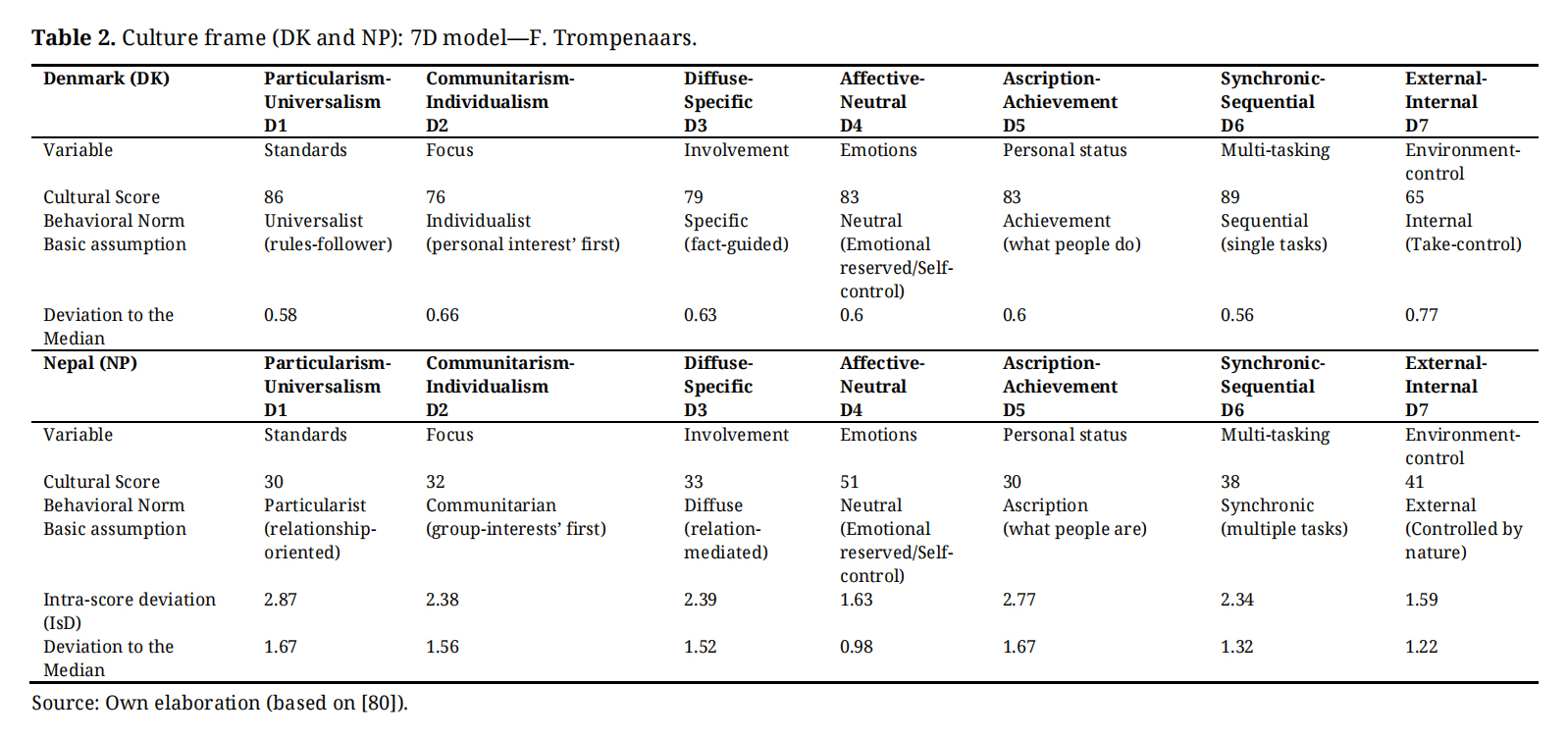 Table 2. Culture frame (DK and NP): 7D model—F. Trompenaars.
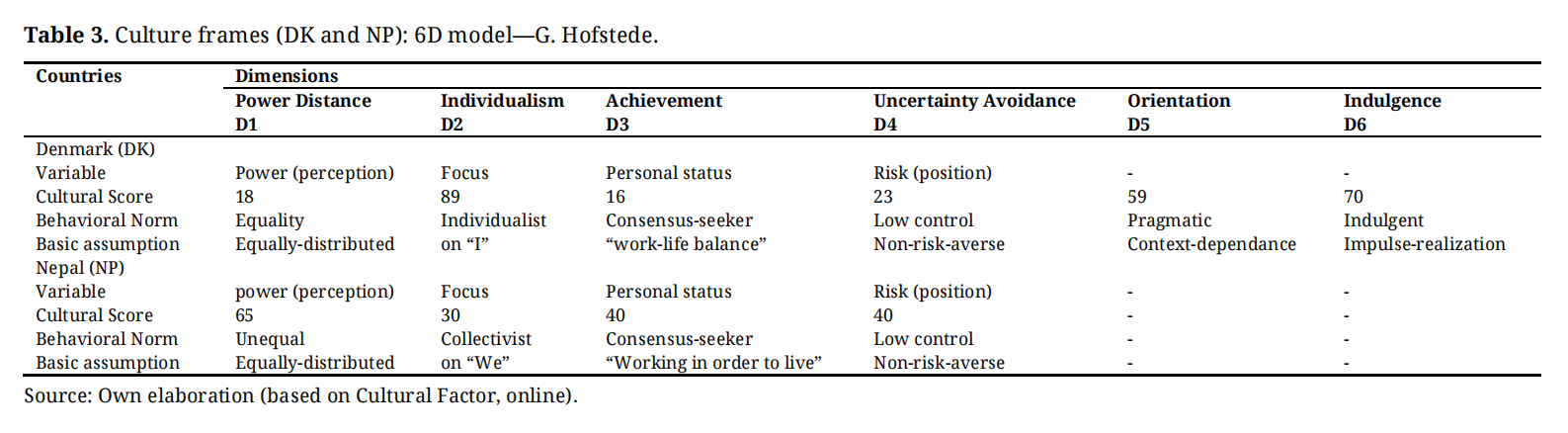 Table 3. Culture frames (DK and NP): 6D model—G. Hofstede.
From the data wrapper of these figures, one was able to build four (4) models (vide Table 4), two (2) for Denmark (DK) and two (2) for Nepal as illustrated below, comprised of a representation of two models of the 6D cultural scores of GH and two of FT, as follows:
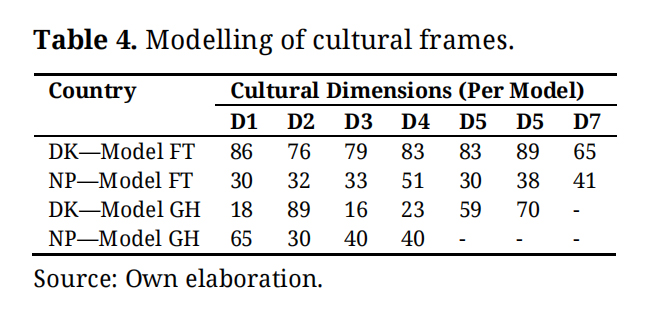 Table 4. Modelling of cultural frames.
It is clear that the two countries are profiled with accentuated antagonistic positions across the dimensions. Only a couple of dimensions in the 6D model counter this trend: the uncertainty avoidance index (UAI) and the achievement index (AI), which hold some resemblances in the cultural frame:
UAI (DK) = 23; UAI (NP) = 40; AI (DK) = 16; AI (NP) = 40
Apart from these metrics (UAI and AI) the results revealed a high cultural distinctiveness between DK and NP. For that purpose, one crossed the results between countries, together with the comparable dimensions between models (7D: FT: D1~D7; and, 6D: GH: D1~D6) testing them by using the initials of the main authors (“FT” and “GH”) for simplification of the visuals (vide Figure 1).
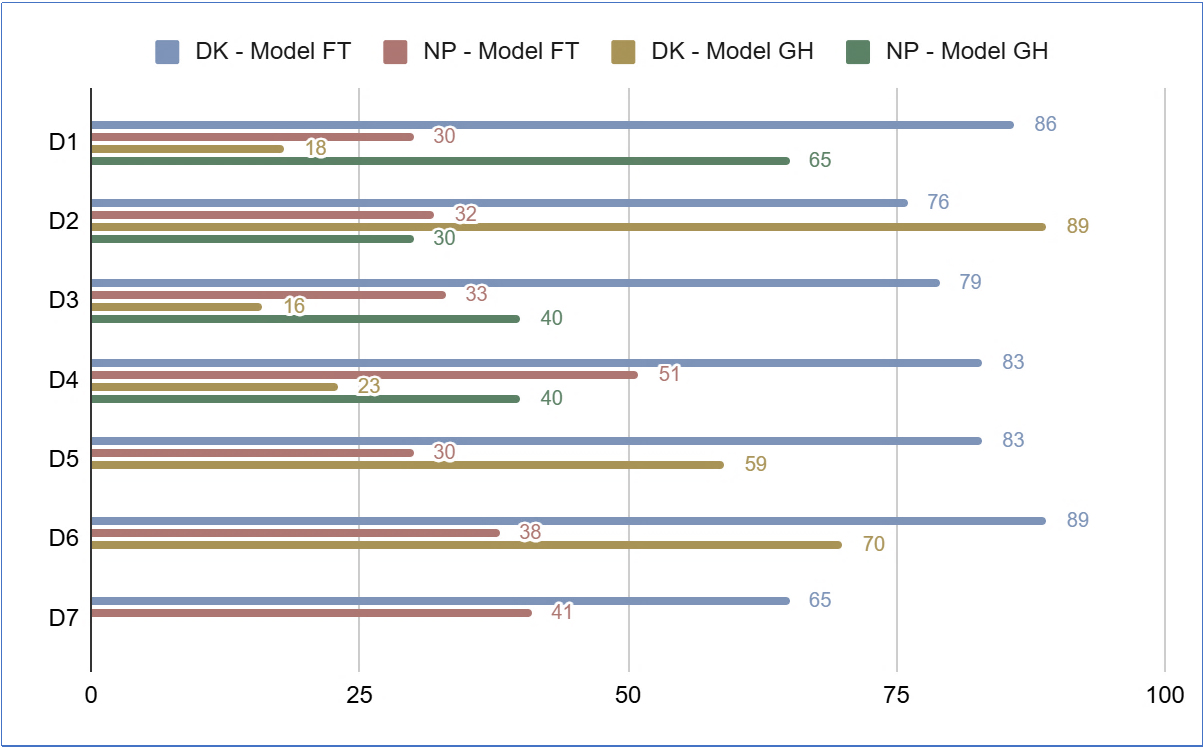 Figure 1. Scores and modelling of cultural frames. Source: Own elaboration.
Such divergence in figures is particularly valid to intra-score deviations (IsD) across models for two comparable units (D5~D3; D7~D4). Herein, the IsD function describes how both cultures differ between each other, and the benchmarks posit divergent positions per dimension, swinging from above or below the median to the opposed country.
Furthermore, it is found a more accentuated cultural frame in NP with higher proximity to the poles (0 or 100), hence with more pronounced positions (assumptions and norms), given by the deviation results to a central tendency measure, i.e., the median (Med), since NP holds both: (i) a higher averaged variation; and (ii) higher number of aggregate deviations to the median across all dimensions.
AVG(DK) ∆ Med = 0.63, versus AVG(DK) ∆ Med = 1.42
As aforementioned, the different parametrization of the models led to few but identifiable data divergence points and subsequent assertions justifiable of the prior. These data differences are though not abnormalities, as they are sustained by logical premises, with actually a similar reasoning (vide Table 5).
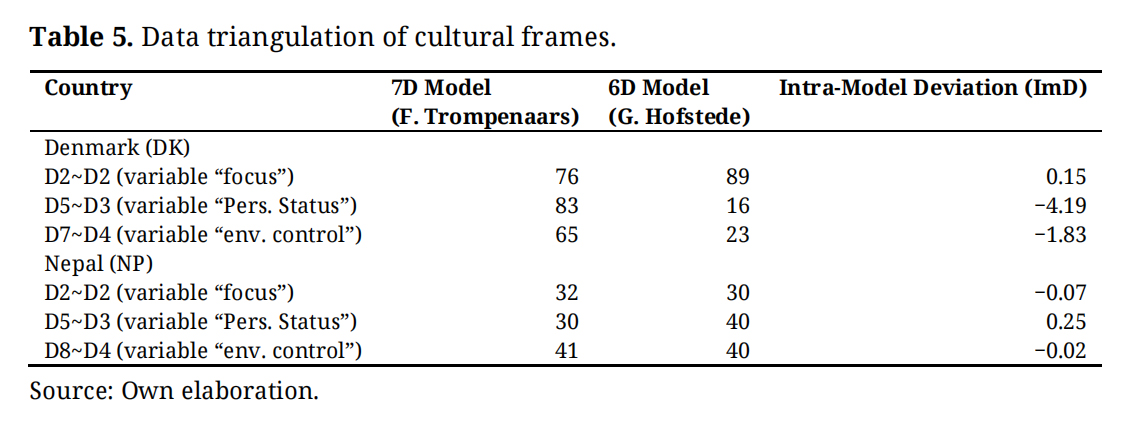 Table 5. Data triangulation of cultural frames.
Hence, cross-analyzing these model-specific benchmarks, one triangulated the intra-model cultural frames’ scores. In the table above, it is shown firstly a triangulation of 3 dimensions of the 7D model which are directly comparable with 3 other dimensions of the 6D model, as they are centered on equivalent variables of analyzability: focus (Foc); personal status (PSt); and environment-control (EnC). The results of such intra-model deviation (ImD) denote, markedly, a higher degree of consistency in NP figures than in DK ones. Besides, the variations found in DK to PSt (D5~D3) and EnC (D7~D4) unveil seminal differences of parametrization swiftly explored in this paragraph. The variable PSt at the 7D model classifies Danes as “achievers” while the 6D as “consensus” seekers ([80], Cultural Factor, online), holding their results diametrically different results. The explanation for such discrepancy in data resides on the parametrization of the 7D as to the focus on specific tasks, information and work (“what to do”), versus a 6D model with parametrization centered on societal structure and dynamics and quality of life which achievement represents, equality (societal structure), solidarity (in social dynamics) and quality of life the notion of “work-life balance”. Hence, it is also arguable that the perception of consensus in 6D is consistent with the perception of achievement in the 7D model, as the perception of a successful realization (achievement) of a structure of society and quality of life.
Using a second layer of data-to-data triangulation, one analyzed the relation of culture scores against environmental scores, hence, establishing a link between cultural and environmental framing’s data on the 2 tested countries (DK and NP). The reason for such a complementary triangulation is due to the sparse explanatory power of the countries’ beliefs and actions upon the physical environment in the 6D and 7D models. Hence, one borrowed six extra dimensions focused on environmental issues of the SDG index that refer to environmental-related behaviors.
These environmental scores were published on the SDSN countries’ report of 2024 and entail a measurement of perceptions along these dimensions: SDG6 (clean water), SDG7 (clean energy); SDG11 (green urban living); SDG13 (environment protection activism); SDG14 (marine life); and SDG15 (life in land). Then, one counter-observed the several environmental scores, per each target (t) of these SDG-dimensions, between DK and NP, and subsequently, against the cultural scores. Hence, one crunched the SDG index scores upon 29 environment related targets (SDG6.1 to SDG6.5; SDG7.1 to SDG7.4; SDG11.1 to SDG11.6; SDG13.1 to SDG13.3; SDG14.1 to SDG14.6 and, SDG15.5). Below is presented the summary of the environmental frame’s scores between countries (vide Figure 2). The aggregate of results is though available at the Appendix Table A1.
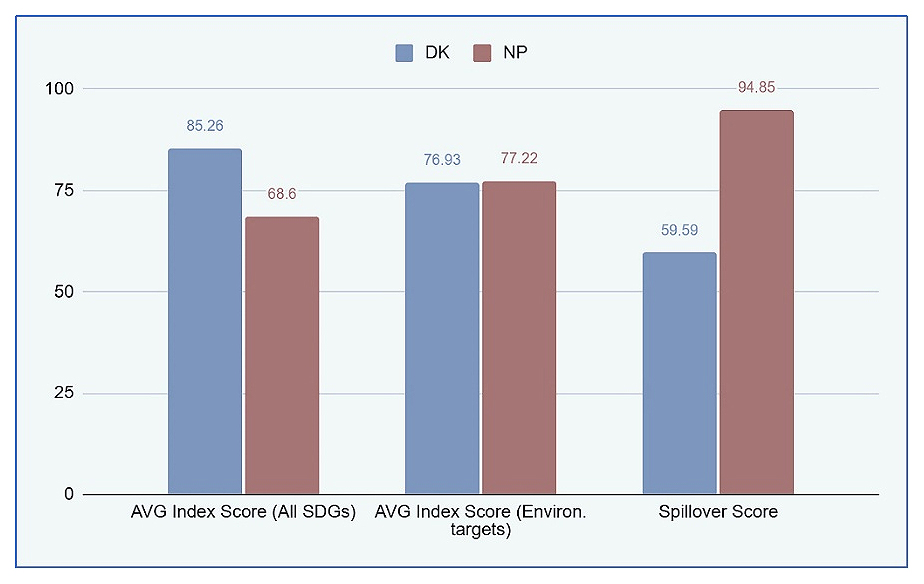 Figure 2. Sum of environmental frames’ scores (DK & NP). Source: Own elaboration.
As presumed, the results of the cultural framing did not reflect the degree of environmental awareness of both countries. In order to have a clearer (and comparative) picture, we have isolated the country’s scores of the SDG index on these 29 targets of the E-pillar and again plotted country against country.
Surprisingly, we were able to identify patterns of higher proximity with regard to behavior intentions on environmental issues. Actually, the two environmental frames reveal staggering similarities, even with large cultural differences. Hence, one found then an explicit approximation to a cultural fusion, at multi-nation level, concerning worldwide environment issues related to the outer layer of global culture, exposing nearer values on cultural sustainability, hidden at the cultural frame scores.
Nonetheless, the foundational data obtained from overall average SDG index scores are confirmatory of the immense cultural differences between the 2 nations, with the inner validation of the spillover score, denoting that NP has significantly more positive effects upon other nations, with DK’s shortcomings patent in a lower 0.5959 score.
Survey DataPrimary data obtained from the application of a closed-end questionnaire was designed, to exam the sample group, containing 12 questions covering the six (6) dimensions of the E-pillars of the SDGs: SDG6 (clean water), SDG7 (clean energy); SDG11 (green urban living); SDG13 (environment protection activism); SDG14 (marine life); and SDG15 (life in land). Each of the SDGs had a question about the sample’s own country and about their perception of the western world on these SGDs (including herein, DK). The correspondence of investigative questions (IQ) and the SDGs and the respective results is presented in the Table 6 below:
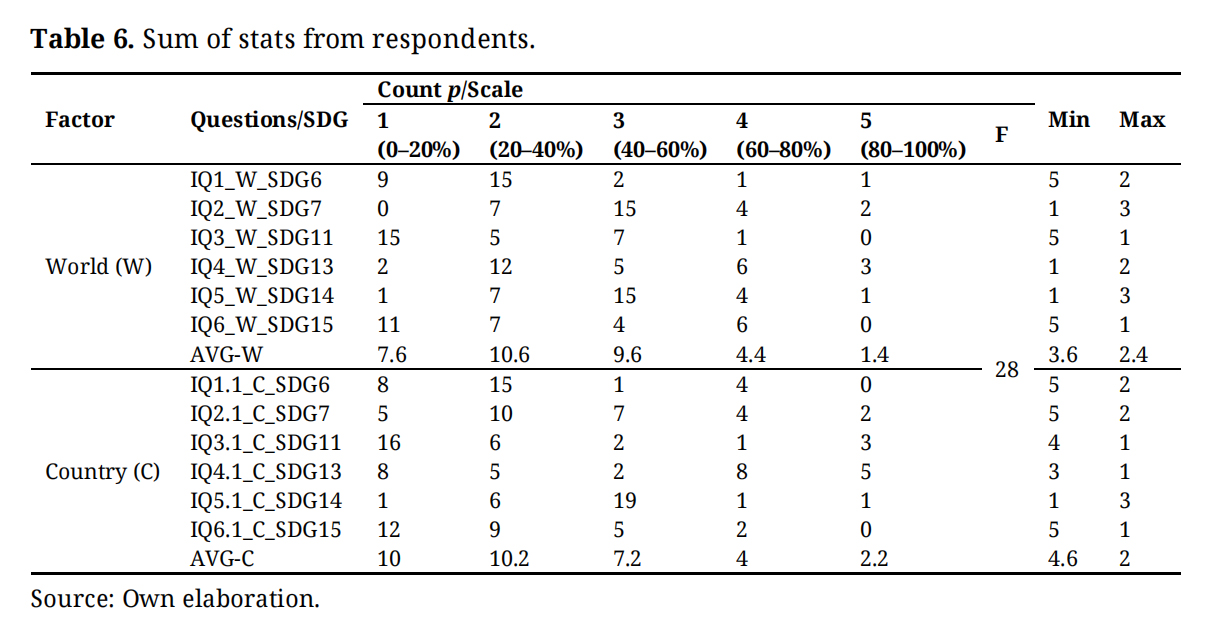 Table 6. Sum of stats from respondents.
In the table above, the code “IQ1_W_SDG6” stands for the IQ number one, about the First World’s view in the Global North, as per SDG6, while the code IQ1.1_C_SDG6 stands for a variation of the same question one (numbered then 1.1) but then question is slightly altered in formulation to enquire about the respondent’s own country (NP). An identical procedure follows the remaining questions. A Likert scale of five (5) points followed a transitivity principle of lowest (1) to highest (5) using a unit of measurement of agreement, with the following results (Table 7):
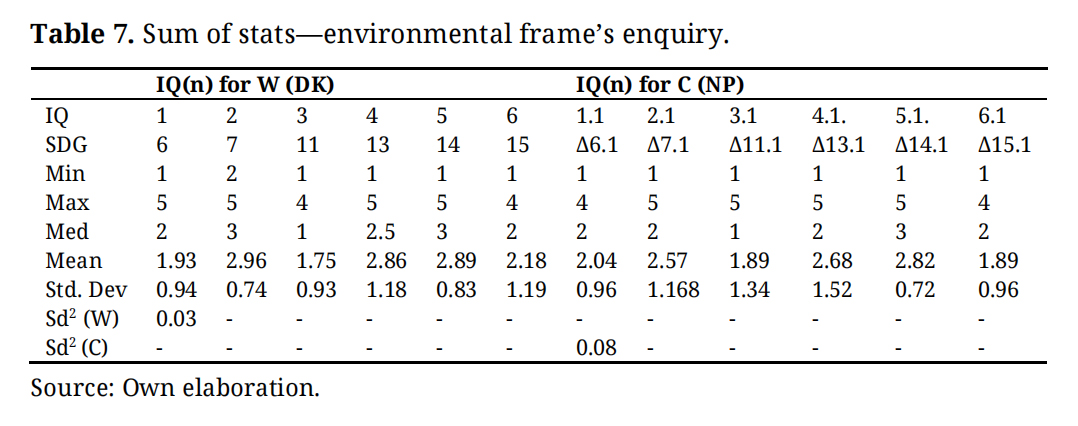 Table 7. Sum of stats—environmental frame’s enquiry.
The correspondence of IQ per factor (SDG) entailed a cross-check of foundational data (secondary) and questionnaire data (primary) as exposed in Table 6—Sum of stats from respondents. Then, the stats summarized in Table 7 revealed a higher standard deviation (Sd) of the results in the questionnaire to the focal country (NP) in four out of six (0.67) of the SDG-dimensions (SDG6; SDG7; SDG11; SDG13), with no measurement of heteroskedasticity concerning error, with the first being represented below by C, as the focal country (NP) versus a W, i.e., the (First) World results, as follows.
Sd(SDG6): IQ1.1_Csd_SDG6 > IQ1sd_W_SDG6;
Sd(SDG7): IQ2.1_Csd_SDG7 > IQ2_W_SDGG7;
Sd(SDG11): IQ3.1_Csd_SD11 > IQ3_W_SDG11;
Sd(SDG13): IQ4.1_Csd_SD13 > IQ3_W_SDG13.
Results revealed two levels of variance in environmental views across nations. Such variance is consistent with previous comparative studies across nations [67]. Yet, unlike the latter study, here identified a single nation (NP) with a dominant variance in specific categories. The four dimensions with a higher rate of deviations in answers from Nepal’s side (IQ-SDGn.1), compared with the answers on surrounding world (IQ-SDGn) referred to the following: SDG6 (clean water); SDG7 (clean energy); SDG11 (green urban living); and SDG13 (environment protection activism). These are the ones with greater human intervention in society, concerning the fashioning of public policies and investment.
The lower variance in the results of SDG14 (marine life) and SDG 15 (inland life) being the dimensions with lower human intervention, demonstrates the rationale behind the respondent’s answers and a high degree of consistency to the dimensions with high variance. For instance, the answers associated to SDG14 (marine life) revealed that the critical case one used in the stress test had a lower influence on the respondent’s opinions, whom assumed a more rigid environmental view upon nature’s mutations; hence a stance of resistance encompassing environment conservation and environment protection, aligned with the biocentric dimension of Pauw and Petegem’s (2011) 2-MEV [69]. One assumes this way a high degree of connection between environmental and cultural issues. Thus, one decided to collect further data and cross-check the questionnaire against Ricardson’s results [78] IoNC (Appendix Table A2). One found the national score of 1.386 (and a top position in the world ranking) in this index confirmatory of the deep connection of environmental views to ecological values, explanatory of (the difficult-to-alter) role of culture in individual DNA. Unsurprisingly, the country is landlocked, and the access to water resources often recondite to humans, entails inland rivers, glaciers, lakes, or springs. Hence, SDG14 and SDG15 are domains of less permeability to outer influences.
One got particularly interested in the results of the 6D model, in two dimensions, i.e., power distance index (PDI) and the UAI, and especially, to their cross-scores against the SDGs. The latter UAI dimension score (NP = 40) indicates a society with a low control, as behavioral norm, but also with a low risk-aversion profile. Likewise, the PDI score (NP = 65) uncovers a higher distance. On the other hand, the results in four SDGs in relation to the prior, revealed hence further hindrances to alter human decisions on public policies (e.g., in SDG6, making disruptive changes in infrastructures concerning the drinkable water quality, sanitation or wastewater reuse). Thus, the justifiable openness of the respondents, likely to derive from the negative perception of these infrastructures. This aspect constitutes in fact a research gap in current environmental sustainability literature, i.e., the lack of studies about and the need for scholars to pursue an avenue of investigation correlating environment-uplifting infrastructural investments and the ability of external agents to influence national citizens.
The foundational and questionnaire data in Sections “Foundation Data” and “Survey Data” exposed two national cultures with antagonistic blueprints but approximated in their environmental views. Inexorably, the results of this study are contrarian to the underpinnings of Bains [6] that global culture corresponds to a superficial set of common values illusory of the existence of a shared identity. Conversely, we argue that these meta-national’s shared values on environmental sustainability demonstrate the existence of a global environmental culture. Our assertion is supported by various cross-country comparative studies. For instance, the study of Boeve-de Pauw and Van Petegem on EV and EB in Belgium, Guatemala and Vietnam [81], or the investigation of Cordano, et al. [67] on PEB in the USA and Chile. Our contrarian stance to G. Bains [6] opens the door for further studies across cultural contexts on global environmental culture, exploring EVs’ conflictuality, and/or focusing on EB along a continuum of approximation/segregation. Despite PEB is based on the triadic cross-cultural theoretical system (i.e., attitudes, values and norms), the correlation of this (cultural) system with environmental variables, such as, environmental education (EE), environmental views (EV), ecological values (EV), BI or EB are far from being exhaustively explored in major knowledge fields as Environment Psychology, Sociology or Behavioral Economics’ literature.
Yet, focusing solely on the focal country (NP) and the GFRQ to gauge whether short-term influences may rather induce shifts or not in environmental views (and shake prior cultural values influencing environmental-relation behavior), this seven-hour stress test revealed a positive effect upon the respondent’s views. The test uncovered a striking reality, that even a highly homogeneous sample-group with atypical features of short-size and profile-concentration, purposively constituted for exploratory purposes, may, though, yield results of higher variance.
Under the umbrella of Frame Theory, one built a static environmental frame of the respondent’s views on environmental issues. Hence, our investigation uncovered the existence of a unique SES in the focal country (Nepal) blending norm-activation with a value-based approach, described in Section “Cultural Identity and Sustainability”. Hence, the uniqueness of this SES lies in the cumulative adherence to both dimensions of the 2-MEV [69]. Nepal’s SES is comprised of a dual paradigm of prosocial behaviors (including PEBs), i.e., openness and resistance. The two colliding dimensions of the 2-MEV co-exist in such SES by combining on one dimension (environmental attitude) the acceptance of utilization (U) of natural resources, confronted by another dimension (environmental beliefs) anchored on a sentiment of conservation intertwined with protectionism, in profound contrast with the first dimension. Here, a value-based approach (2nd dimension) is in confront with norm activation (1st dimension).
Firstly, Openness, being a pro-environmental view and behavior documented in Schwarz’s scale of values, fits the anthropocentric dimension of utilization (U) of natural resources of the 2-MEV. The results of the questionnaire data’s scores entail a high variance of opinions concerning the u-function or the utilization of natural resources already under exploration. This anthropocentric dimension is characterized by high openness and is associated in concrete with four of the SDG dimensions, being closely linked to manmade work, and is consubstantiated in inverse results of satisfaction extracted from the questionnaire and SDG index. Hence, the higher variance of results in the anthropocentric dimension (SDGs6 to 11) also uncovered a behavior-values’ gap, as the possibly explanatory rationale for the garnering of dissensus or disagreement.
Secondly, in clear contrast with the controversial openness of the first dimension one finds a more consensual paradigm of resistance fitting a second biocentric dimension of the 2-MEV framework, pillared on environmental conservation (C) and protection (P). Symmetrical to openness, resistance is associated with SDGs14 and 15 and scored high in the questionnaire. It uncovered a necessity of environmental protection, shielding human intervention from the u-function to safeguard nature’s conservation.
In sum, Nepalese people denoted a rather openness towards environmental decision-making issues of regulation linked with investments on public infrastructure (e.g., sanitation) or local/regional public policies (e.g., green urban living) but a great level of resistance to the ab(use) of far-distant natural ecosystems. Hence, the regulation of the u-function in the anthropocentric view of their SES is aligned with Schwarz’s notion of altruism [68] in his theory of intervention behaviors (or Norm Activation Model); and Kleespies and Dierkes’ [82] assertion that direction of socio-ecological progress, ought to be within a triad of variables (urbanization, wealth and development). Such u-function is supported by other scholars, for instance, theoretically explained by [83] cognitive hierarchy model of human behavior or empirically by Richardson’s IoNC [78,84].
Hence, to confirm the inverse proportionality of high environmental protection (aka resistance) and lower economic growth also advocated by Eckersley (2000) [85] one cross-observed furthermore the results of the IoNC against the World Bank Open Data for one macroeconomic indicator (i.e., GDP per capita)—see Appendices Table A2 and Figure A1. The correlation of the index scores of nature connectedness with GDP, confirmed a negative function, with the focal country (Nepal) appearing precisely at the top of such ranking (1st place out of 61 countries) but almost at the bottom of the used economic indicator, uncovering a clear unbalance of environment protection and economic growth in their SES.
These results may open up a horizon and further research avenues towards the study and measurement of openness and resistance within the scope of Environmental Studies. These topics are not new to National Culture and Cross-cultural Management, as they have been explored for decades by researchers as E. M. Kanter since the middle of the 20th century and her disciples, but the novelty here is the lack of previous studies connecting these two phenomena with Sustainability. Therefore, this constitutes a clear research gap for scholars to pursue an iteration of this investigation, with an identical or variation in methods, or even to pursue topics of close proximity to this one related to the biophilia hypothesis exploring nature-based values and the adaptive human function to the prior to which these results can be borrowed as a foundation for other studies.
Moreover, new projects exploring the metrics of openness/closeness, mapping out their stages and fashioning new frameworks for the measurement of both in a continuum of these paradigms, it would definitely be a singular avenue and unique contribution to academics and industry practitioners. In this regard, is noteworthy that one may also borrow and work on existing measurements, such as Stephen Kellert 10 dimensions [86,87] or typology of values (aesthetic, dominionistic, ecologistic-scientific, humanistic, moralistic, naturalistic, negativistic, spiritual, symbolic, and utilitarian), concerning the multi-faceted relationships of human-beings and their influence on SES, or the 5-tier classification of human behavior according to Fulton, et al. (1996) [83] or Richardson’s [78] 18 subjective country-level cultural values’ indicators.
Another stream of further research intertwining cultural and environmental frames, is the unexplored focus of the intersection of biases and biophilia on SES, immersing into the subfield of biocultural biases, and subsequently delving into the risks of stereotyping, ethnocentrism, implicit bias or prejudice.
Being cautious about the research design, one targeted a unique profile of human participants for this study, a very specific subset of individuals from the same country or origin, residing in the same host-country and with an identical academic/professional and demographic characteristics. Hence, this study uses a highly homogeneous target group profile to test whether the exposure to short-term content or narrative would influence one’s basic assumptions or beliefs about one’s country and the surrounding world. Such test proved successful under the critical case and testing conditions presented in this manuscript. Nonetheless, one may not infer these results to the whole population and the metrics in use (e.g., the 6D; 7D, SDGs or the IoNC) were confirmatory tools of external validation of results, which require further studies extending to a representative sample to infer larger cultural outputs per different SES. Herein, another research avenue of great interest is the focus on sub-groups with consideration for a myriad of relevant criteria: gender, race, religion, inter-generational differences and social trends.
At the discussion Section, one suggested a few avenues for exploring cultural frames in Environmental studies. One pinpointed a few research gaps, namely the intersection of SES with economic systems; furthermore, one recommended the bridging of cultural and EV and the design of new units of measurement of environmental-related behaviors, and also, the pursuit of biocultural biases. Concerning the latter (biocultural biases), the sparse literature mapping biophilia’s values might constitute an obstacle for one’s investigation but also an opportunity to consolidate this subfield in Environmental Studies and furthermore explore intra and cross-field opportunities for new scholarly contributions for the opening of new academic horizons, reshaping and industry practices and inspiring new public policies.
All the data generated from the study are available in the manuscript, both in the main part and in the subsidiary one (Appendixes).
One may assert, that in line with the Contributor Roles Taxonomy (CRediT), the authors shared the conceptualization, methodological design and development, the field work and investigation, data curation, project administration, use of software, validation and writing, both original drafts and reviewing and editing it.
The authors declare that they have no conflicts of interest.
The authors received no funding for conducting this research project, or for its authorship, and/or publication of this manuscript.
The authors express their sincere gratitude to the representatives of the Danish firm Slow, AS for donating their outstanding expertise in environmentally sustainable business model’s development, to an audience of international students at Niels Brock Copenhagen Business College (NBCBC). Also to the Head of Circularity and Sustainability at NBCBC (Prof. Charlie Mpengula) for his instrumental work organizing a seminar series which provided the context and furthermore the locus for the choice of a target population and the collection of data.
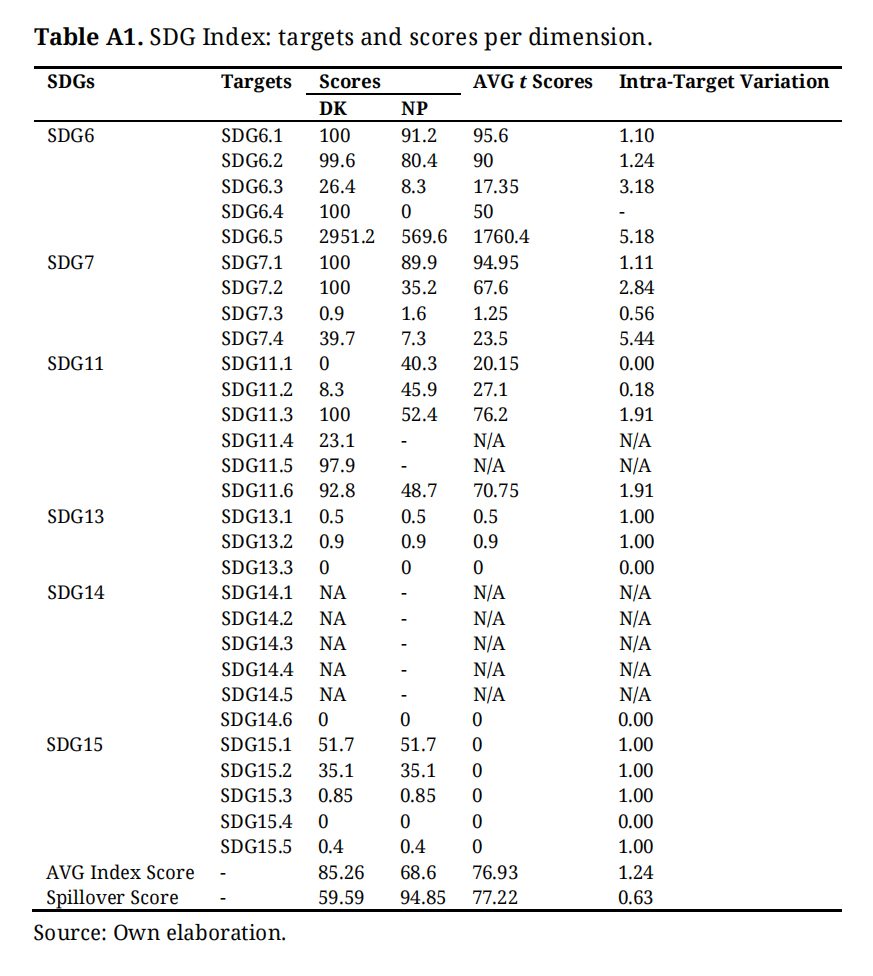 Table A1. SDG Index: targets and scores per dimension.
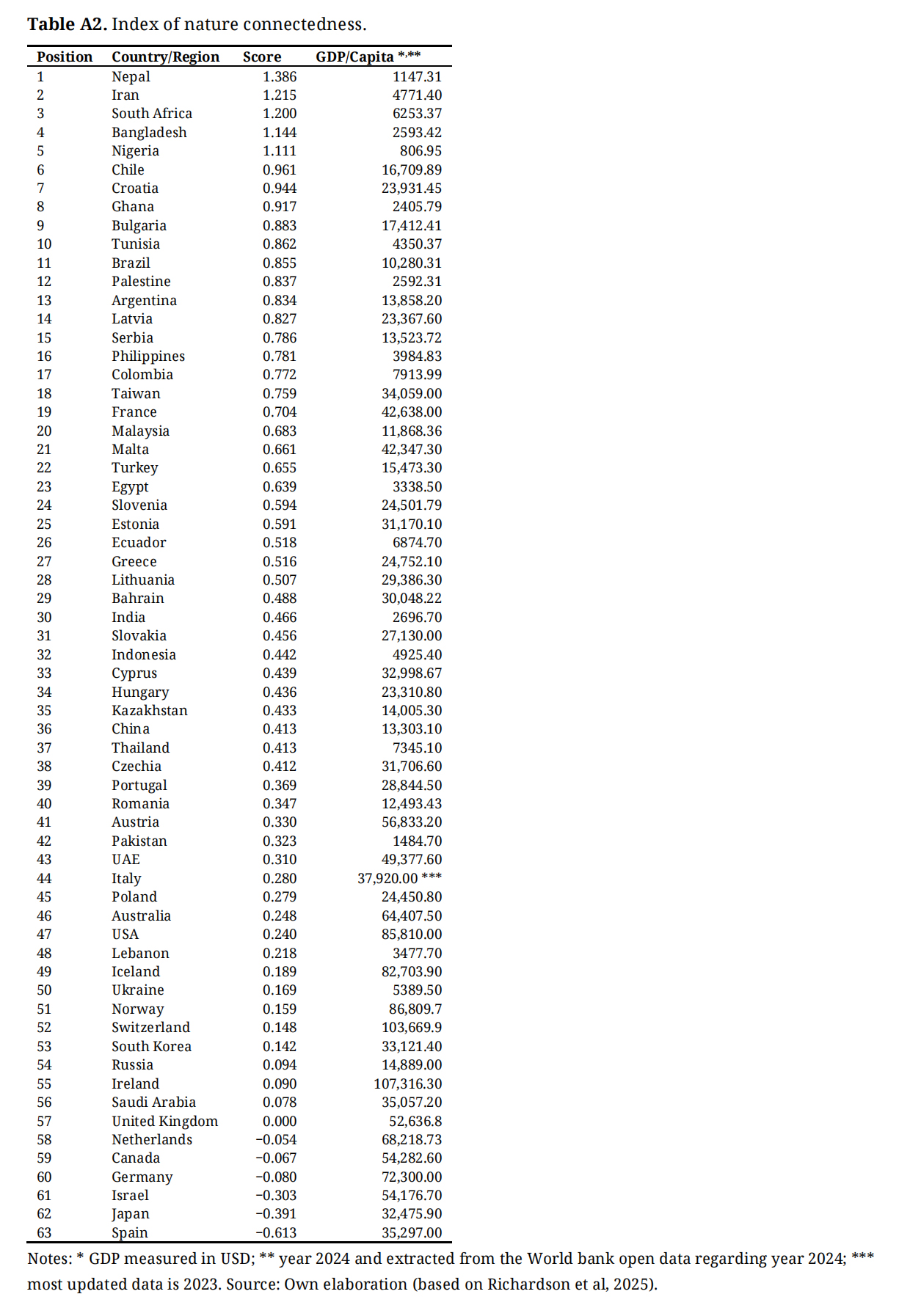 Table A2. Index of nature connectedness.
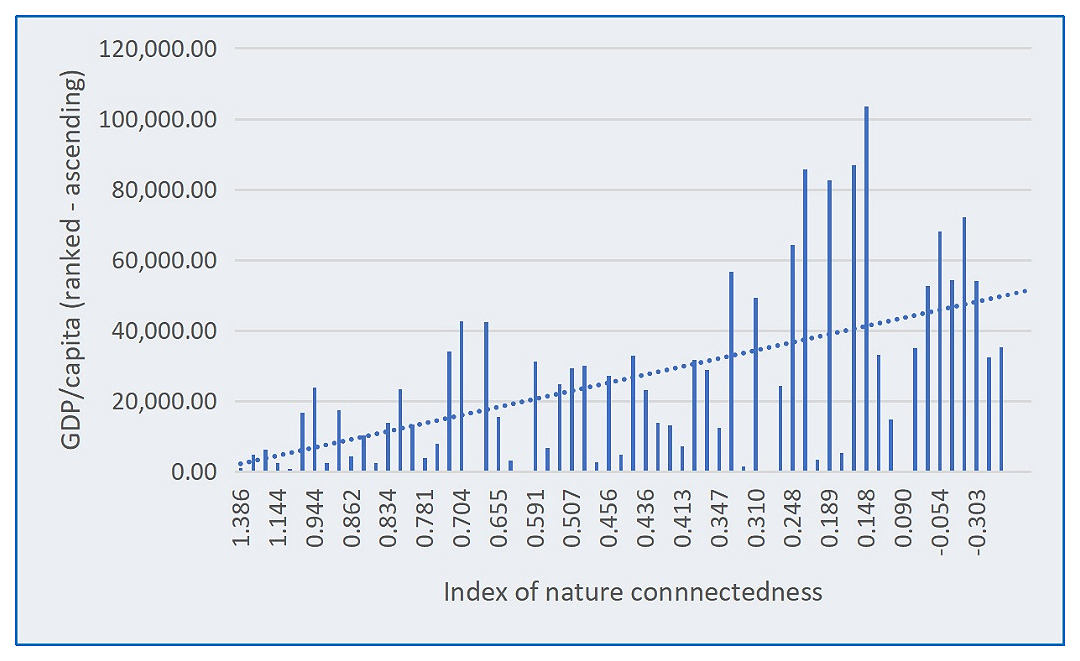 Figure A1. Correlation of index of nature connectedness and GDP/capita. Source: Own elaboration.
1.
2.
3.
4.
5.
6.
7.
8.
9.
10.
11.
12.
13.
14.
15.
16.
17.
18.
19.
20.
21.
22.
23.
24.
25.
26.
27.
28.
29.
30.
31.
32.
33.
34.
35.
36.
37.
38.
39.
40.
41.
42.
43.
44.
45.
46.
47.
48.
49.
50.
51.
52.
53.
54.
55.
56.
57.
58.
59.
60.
61.
62.
63.
64.
65.
66.
67.
68.
69.
70.
71.
72.
73.
74.
75.
76.
77.
78.
79.
80.
81.
82.
83.
84.
85.
86.
87.
Abrantes BF, Fujii KK. Environmental frames: Exploring culture in socio-ecological systems (SES). J Sustain Res. 2026;8(1):e260001. https://doi.org/10.20900/jsr20260001.

Copyright © Hapres Co., Ltd. Privacy Policy | Terms and Conditions


