Location: Home >> Detail
J Sustain Res. 2026;8(1):e260021. https://doi.org/10.20900/jsr20260021
 ,
Khaoula Faiz ,
Chaymae Ghaffouli ,
Bouchra Louasté *
,
Khaoula Faiz ,
Chaymae Ghaffouli ,
Bouchra Louasté *
Laboratory of Biotechnology, Environment, Agri-food and Health, Department of Biology, Faculty of Sciences, Sidi Mohammed Ben Abdellah University, Fez 30060, Morocco
* Correspondence: Bouchra Louasté
Olive oil production is a key agro-food sector in Morocco, with olive cultivation serving as an essential socio-economic pillar. However, the olive milling process generates substantial quantities of biowaste, including olive pomace and olive mill wastewater, posing serious environmental and economic challenges. Ensuring the sustainable management of this waste throughout the olive oil production chain is therefore critical. This study, based on a survey of 855 individuals working in the olive oil industry in the Fez-Meknes region, aims to assess the extraction methods used, the quantity of waste generated, and the waste management practices adopted by local mills. It also explores potential applications and valorization pathways for olive oil by-products, intending to enhance sustainability, increase the value of these residues, and protect the environment. The findings indicate a trend toward modern extraction technologies, often combined with traditional methods to preserve oil quality. Olive oil yield ranges from 20% to 30%, depending on the extraction technique, while waste outputs consist of 40% to 50% solid waste and 50% to 70% liquid effluents. The study highlights promising applications for these by-products, including energy production, composting, and the development of high-value compounds. These alternatives could help reduce the environmental burden of olive mill waste and contribute to a circular bioeconomy. Nevertheless, implementation of efficient reuse and recovery strategies remains a significant challenge and an opportunity for increasing both environmental sustainability and economic returns in the sector.
Olive oil is a quintessential Mediterranean product with considerable economic significance within the European Union, both as a major commodity of production and consumption. While it is primarily produced in Mediterranean countries, emerging producers in the Americas, Africa, and Australia are gaining increasing prominence [1].
In Morocco, olive oil is one of the most popular vegetable oils; it is extracted from olives, the fruit of Olea europaea [2]. Morocco is one of the largest producers of olive oil in Mediterranean countries [3], where olive cultivation is widespread. The country’s annual average olive oil production exceeds 1.07 million tons. The primary production regions include Fez-Meknes, Marrakech-Safi, Oriental, Beni Mellal-Khenifra, and Tanger-Tetouan-Al Hoceima [4].
A large volume of effluent is produced and concentrated within just a few months (from November to March), during which massive amounts of olive oil by-products are generated [5].
The large quantities of solid waste and liquid effluents generated may significantly affect the economic balance of this agro-industrial sector due to the costs associated with their proper disposal and treatment, or the adverse environmental impacts that may result otherwise [6,7].
Improper management of olive residues, such as olive mill wastewater (OMW) and pomace, poses serious environmental risks, including the contamination of rivers and groundwater. Implementing sustainable management can significantly reduce these adverse environmental impacts [8].
Consequently, the management of these residues has become a critical environmental challenge for olive oil industries. However, they also offer promising opportunities for the recovery and producing of value-added products [9,10].
In recent years, a considerable number of olive by-product valorization methods have been studied to evaluate their potential for the energy and food industries [11–13]. For instance, wet pomace treatment facilities have been introduced to manage olive oil residues efficiently [14].
Alternatively, some practices adopted by olive oil mills suggest that olive mill wastewater (OMW) can also be considered a valuable resource. These practices include using OMW as a soil conditioner, biomass fuel, compost, or as a starting material to produce useful products such as antioxidants, enzymes, and biogas. Additionally, recycling and reusing process water for irrigation can be beneficial, provided that it meets acceptable water quality standards [15,16].
The main objective of this study is to collect information through a survey about olive oil extraction methods and waste management in the Fez-Meknes industrial region. Moreover, it aims to identify the strategies employed by olive oil industries to manage olive by-products.
The primary objectives of this survey are threefold: The first objective is to systematically identify and characterize the diverse extraction techniques employed in olive oil production, the second goal is to quantify the volume and nature of waste generated by each olive oil extraction method, and the third aim is to assess the current waste management practices adopted within the olive oil industry. Moreover, the study aims to investigate the valorization potential of olive oil by-products by exploring their possible applications across various sectors, including agriculture, energy, pharmaceuticals, and the food industry. This approach promotes sustainable and circular practices in olive oil production.
The Fes-Meknes region encompasses 1,340,826 hectares of arable land for approximately 15% of Morocco’s total (Figure 1). It is recognized as one of the country's most productive agricultural regions [17]. Moreover, this region plays a leading role in Morocco’s agricultural sector. Olive cultivation alone covers more than 346,000 hectares. Notably, the provinces of Taounate and Taza are major centers of olive production, with cultivated areas of approximately 131,000 hectares and 55,000 hectares, respectively [18].
In the autumn of 2023, national olive production was projected to reach 1.07 million tons, mirroring the output of the previous season, despite severe water shortages. This forecast represents a 44% decrease from the record-high production of 1.9 million tons recorded in the autumn of 2021. Notably, 63% of the projected production is concentrated primarily in the Fes-Meknes region, which alone accounts for 27% of the total [19].
The region is home to over 4810 olive crushing facilities, with a total processing capacity of 768,591 tones. This infrastructure comprises 100 two-phase units, 141 three-phase units, and 4,569 traditional units [20].
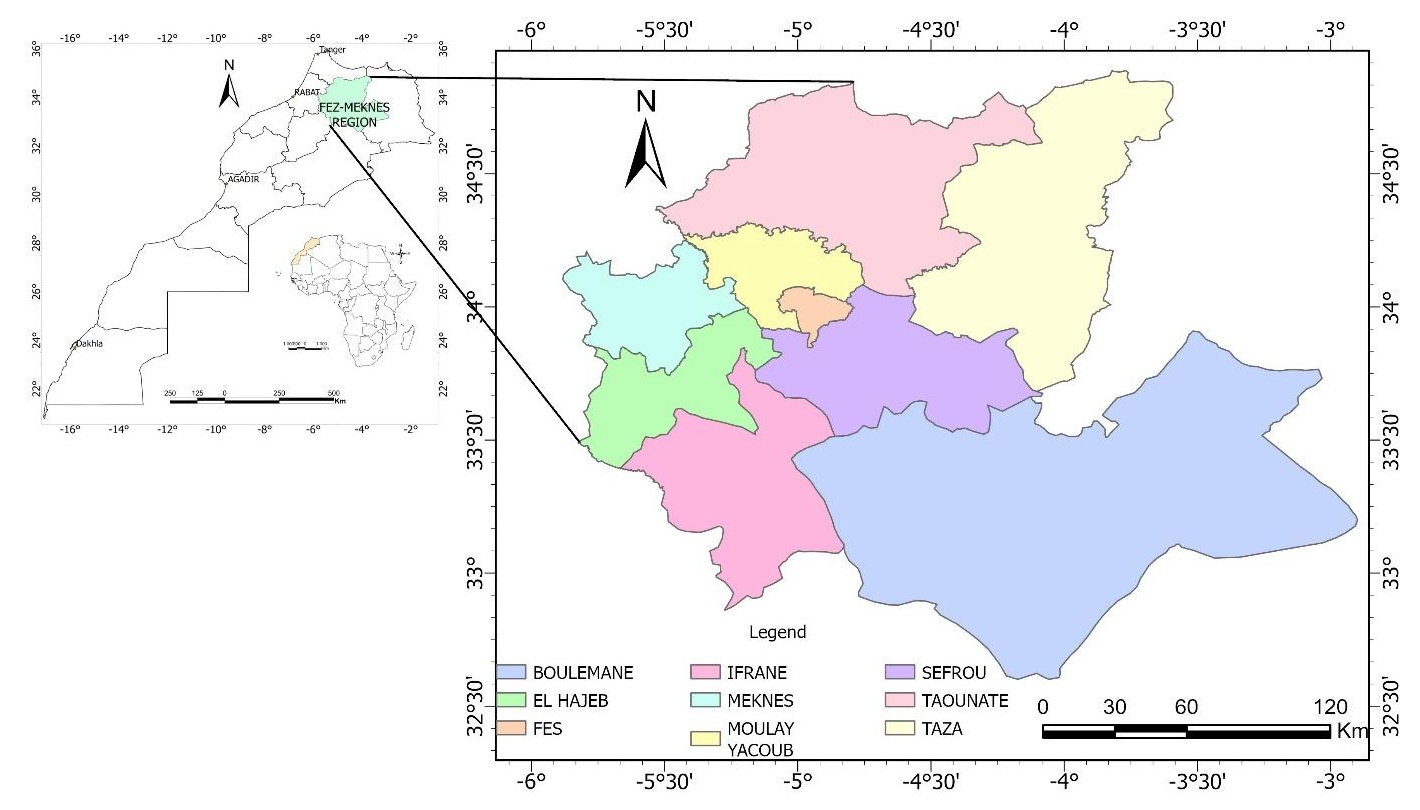 Figure 1. Map of the study area: Fes-Meknes region, Morocco, (3580 × 2064 pixels), JPEG.
This survey analysis was carried out in the region of Fez-Meknes from December 2023 to March 2024, using face-to-face interviews. The questionnaire was distributed to individuals working in olive crushing units, also known as “mâasras”, including company managers, workers, and clients (as olive oil consumers), to gather information on olive crushing methods and the management of olive waste.
The Data was collected in three localities in the region of Fez-Meknes:
●
●
●
The questionnaire was methodically designed and structured into three main sections in order to comprehensively address the study's objectives. The first section focused on personal and professional information, including the informant’s gender, age, educational background, professional role, years of experience in the olive oil sector, and the operational duration of the oil mill.
The subsequent section focused on olive oil extraction techniques, aiming to identify the methods used in the region. It also addressed the characteristics of the extracted oil, including its quantity, quality, and yield. Additionally, this section examined related factors, such as water consumption during the extraction process and the volume of waste generated.
The third and final section concentrated on olive waste management practices. Participants were asked about the about of waste produced, its impact on the industry, existing regulations governing its disposal or treatment, current management methods, and the potential for its valorization in various applications.
Data AnalysisThe data collected during the survey were analyzed statistically using SPSS software version 27.0. Both quantitative and qualitative descriptive analyses were performed, with results expressed as frequencies and percentages. In most tables, data are presented as percentages calculated from the total observations in each subgroup. For contingency tables, associations between variables were assessed using the chi-square test. When significant differences were found, Tukey’s post hoc test was used to identify homogeneous groups. Finally, correlation analyses based on simple linear regression were conducted for variables showing statistically significant differences (P ≤ 0.05).
A total of 855 individuals participated in the survey conducted across the Fez-Meknes region. The socio-demographic data collected provide insight into the profile of stakeholders involved in or connected to the olive oil industry. The survey revealed that although both men and women are involved in olive oil processing activities, a significant gender disparity exists in the workforce's demographic composition.
The vast majority of the labor force is male, accounting for 86% of the total, while females represent only 14% (Figure 2). A study conducted in Spain demonstrated that this pronounced imbalance indicates that olive oil production in this region remains a male-dominated sector, likely due to a combination of cultural, social, and physical factors associated with the nature of the work [21].
In terms of age distribution, the majority of respondents were aged 45–54 years (36%), followed by those aged 55–64 years (23.2%), 35–44 years (21.4%), and then 18–24 years (11.7%). Participants aged 25–34 accounted for 6.7%, while those over 65 represented the smallest group (0.9%) (Figure 3). These findings suggest that work in oil mills is physically demanding and requires a considerable energy expenditure and a relatively mature and experienced workforce, which may explain why the predominance of workers aged between 30 and 60 years, according to a study carried out in the north of Tunisia [22].
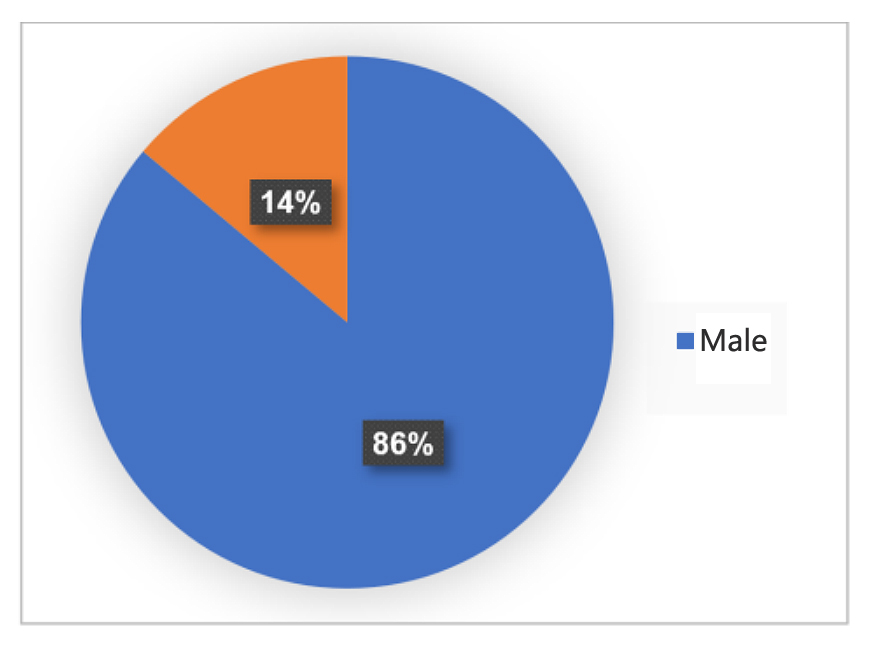 Figure 2. Gender distribution of respondents.
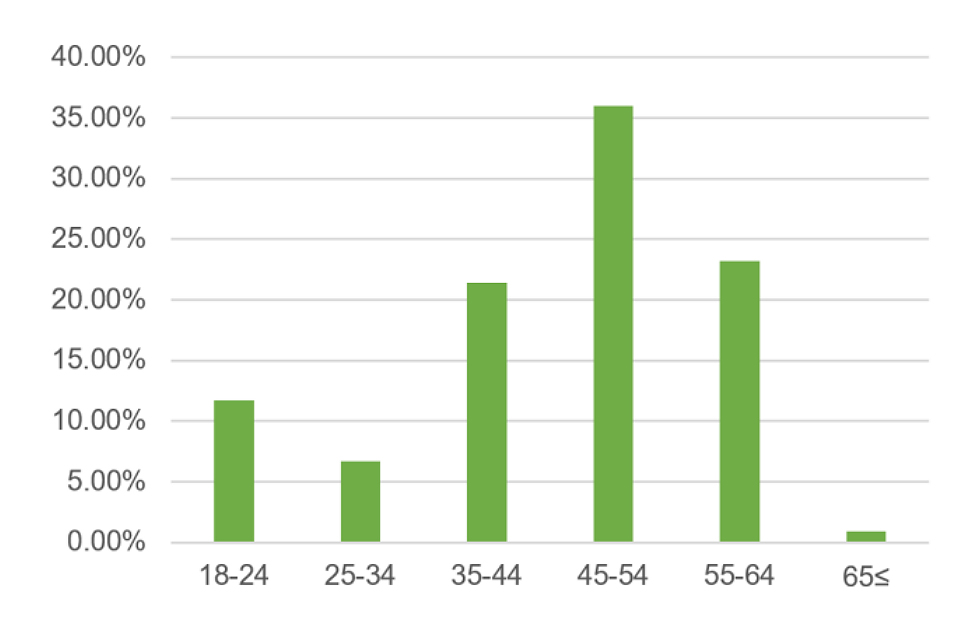 Figure 3. Age distribution of respondents.
Regarding the educational attainment of individuals employed in olive crushing units, the data indicate that a significant proportion of the workforce has relatively low levels of formal education. Specifically, 75.5% of respondents have minimal educational attainment, with 26.1% have completed secondary school, 25.4% have only primary education, and 24% have no formal education at all. In contrast, the remaining 24.6% of respondents have achieved higher levels of education, with 12.2% holding a high school diploma, 12.4% possessing a university degree or an equivalent qualification (Table 1). These findings suggest that the olive oil sector in the Fez-Meknes region largely relies on a workforce with limited academic training. This may have implications for the sector’s ability to adopt advanced technologies, implement good manufacturing practices, and carry out effective capacity-building initiatives.
Among the 855 individuals interviewed in olive oil mills across the Fez-Meknes region, 28.5% were the actual owners, underscoring the direct involvement of proprietors in day-to-day operations. The majority of respondents (54.3%) were workers, reflecting the labor-intensive nature of the sector. Additionally, 14.9% of the market, suggesting that a significant proportion of mills also function14.9% of respondents were customers, indicating that a significant number of mills also operate as service providers for third-party olive producers.
Other professional roles, including drivers, technicians, receptionists, and company executives, were comparatively underrepresented, collectively constituting for less than 2.3% of the sample. This distribution suggests a limited presence of technical and administrative structures within the majority of mills.
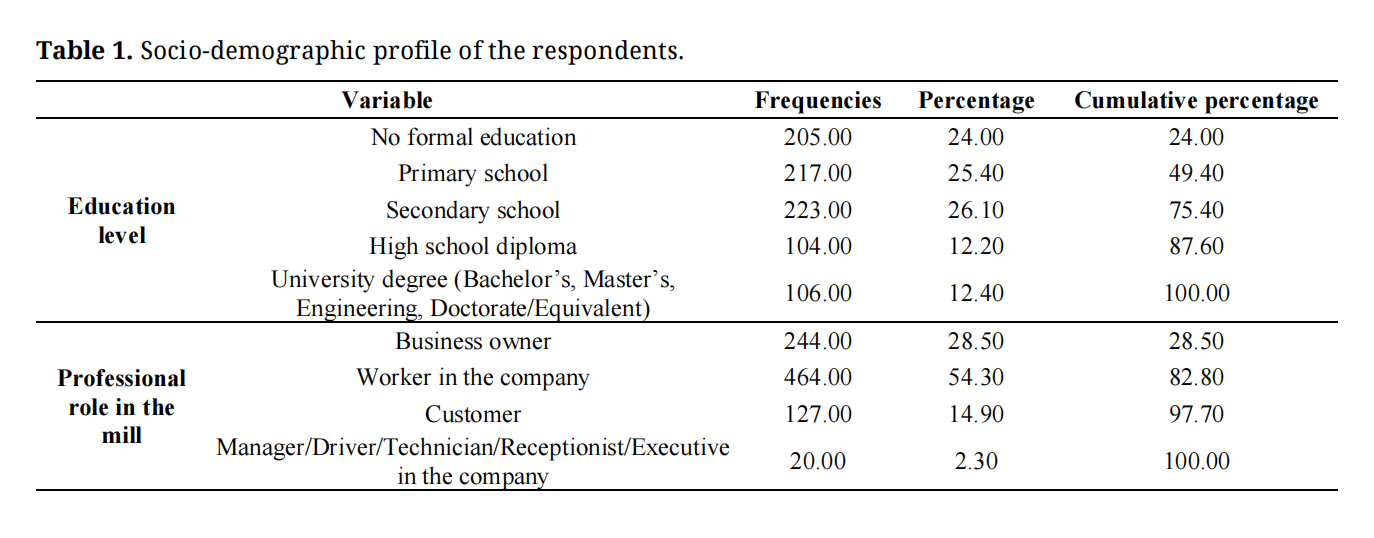 Table 1. Socio-demographic profile of the respondents.
The data indicate that a substantial proportion of the individuals employed in olive oil mills in the Fez-Meknes region possess considerable experience in the sector. Specifically, 42.9% of respondents reported working in the mills for between four and eight years, while 36% had more than nine years of experience, reflecting a well-established and experienced workforce. A smaller proportion (9.4%) reported between one and three years of experience, whereas 11.7% had no direct experience working in the mills, potentially representing new entrants or external stakeholders.
Regarding the operational duration of the mills themselves, the majority have been in operation for extended periods. The data show that mills operating for more than two decades represent the largest proportion, at 41.2%, followed by those active for ten to twenty years at 39.1% Only 13.9% of the mills have been operating for one to ten years, while 5.8% of respondents did not specify the duration of operation- a category which may include recently established or informal structures (Table 2).
These findings suggest that the olive oil milling sector in the Fez-Meknes region is largely mature and historically well-established. Nonetheless, the data also point to opportunities for generational renewal and modernization within the industry.
The number of years an olive oil mill has been in operation can significantly influence both the quality of the oil produced and the environmental impact of the extraction process [23]. Mills with longer operational histories often adopt technological upgrades aimed at improving extraction efficiency. Furthermore, a mill’s age is frequently associated with its water usage practices; older mills tend to rely on traditional methods that consume more water, whereas more recently established mills are more likely to implement modern, water-efficient systems [24–26].
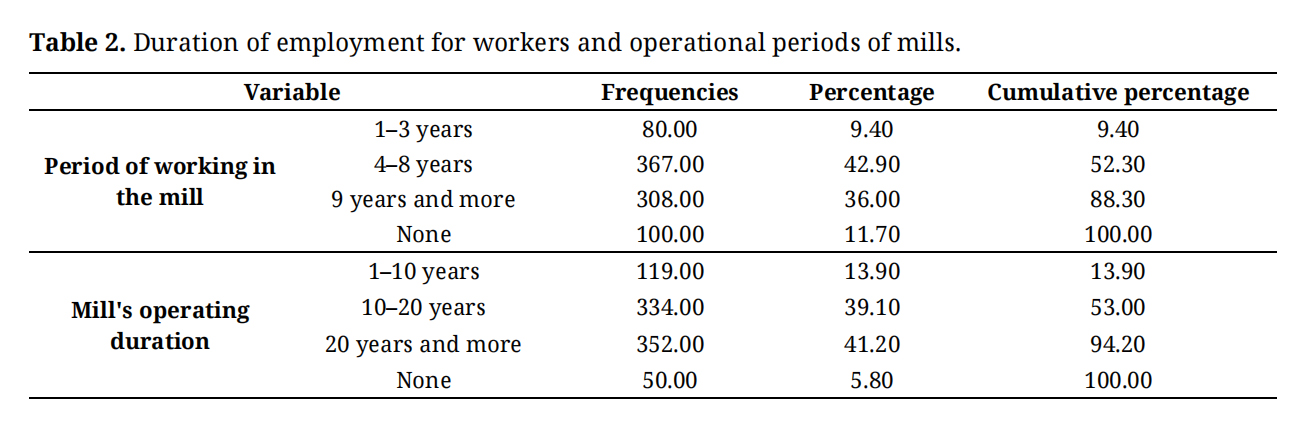 Table 2. Duration of employment for workers and operational periods of mills.
Getting an overview of the most commonly used olive oil extraction methods in this industry was a key objective of this study. As illustrated in (Figure 4), the most frequently reported techniques are the traditional method (21%) and the two-phase extraction method (17%), with similar citation rates. A total of 16% of mills reported using a combination of the traditional, two-phase, and three-phase methods. Meanwhile, the traditional method combined with the two-phase system accounts for 14% of responses.
Comparable usage rates were observed for the two-phase combined with the three-phase method (12%) and the three-phase method alone (11%). The traditional method combined with the three-phase system is the least cited by only 9% of respondents.
These findings are supported by the work of Clodoveo et al, who compared various mechanical extraction systems used for virgin olive oil production. Their study identifies two main categories of extraction systems: traditional discontinuous systems, which are increasingly considered obsolete and are being gradually phased out, and the more modern continuous systems, which have become the prevailing standard in contemporary olive oil production [27,28].
The latter (continuous systems) are characterized by their ability to process olives through either two-phase or three-phase extraction methods. In the two-phase system, the olive oil is separated from a mixture of solid residues and vegetation water, collectively referred to as pomace. In contrast, the three-phase system employs a centrifuge that separates the olive paste into three distinct components: oil, water, and pomace.
The term “continuous system” refers to the fact that two of its three components (the crusher and the decanter) operate continuously. A typical continuous system consists of a mechanical crusher, a malaxer (mixer), and a horizontal centrifuge [29–31].
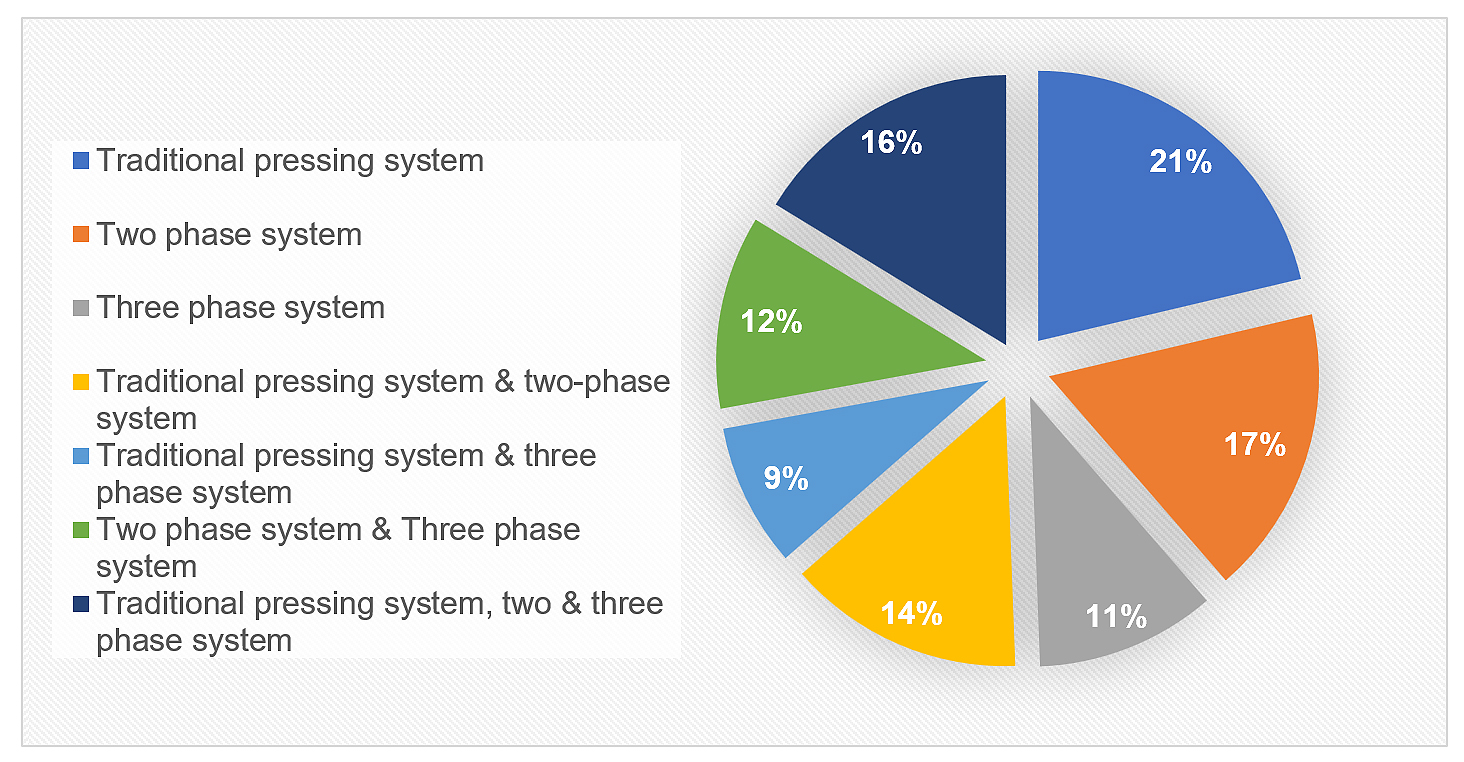 Figure 4. Variation in olive oil extraction methods across mills.
The information gathered from workers at olive oil mills regarding the specific characteristics of each extraction method is summarized as follows (Figure 5):
Extraction time: The three-phase system exhibited the longest mean extraction time (7.95%), closely followed by the two-phase system (7.81%). In contrast, the combination of traditional pressing and a two-phase system resulted in the shortest extraction time (6.12%), indicating that hybrid methods offer superior processing efficiency. Advances in olive oil extraction technologies continue to streamline the process, reduce extraction time, and increase the throughput of processed olives [32].
Yield: The two-phase system achieved the highest yield (7.1%) among the evaluated methods, outperforming the traditional pressing method (6.43%). Despite being an older technique, the traditional method may still contribute effectively to oil extraction efficiency. In contrast, the three-phase system produced a significantly lower yield (6.07%), potentially due to the absence of high-pressure pressing, an element characteristic of traditional methods that may enhance oil recovery.
According to the study conducted by Preziuso et al, the results demonstrated that the yields obtained through various extraction methods were satisfactory. No statistically significant differences in oil yield and quality were observed across the different crushing equipment used [33–35].
Waste Generation: The two-phase extraction method generated the highest amount of waste (7.10%) compared to the other methods. The traditional extraction method also produced a substantial amount of waste (6.47%), though less than the two-phase system. In contrast, the three-phase systems generated the least (5.46%), outperforming both the two-phase and traditional methods in this regard. Various studies have compared the waste outputs of different extraction techniques, suggesting that the two-phase system strikes a compromise, reducing liquid waste while increasing the proportion of solid waste [15,36].
Operational cost: There is a notable difference in operational cost between the traditional extraction method (6.52%) and most other methods, except the two-phase (7.26%) and three-phase (5.76%) systems. From a cost perspective, traditional pressing systems present several advantages over alternative olive oil extraction techniques. From a cost perspective, traditional pressing systems present several advantages over alternative olive oil extraction techniques. These include lower capital investment requirements, the use of simple and reliable machinery, reduced electricity consumption, and, consequently, lower overall energy demands [37–39].
Water consumption: There is a significant difference in water consumption between the traditional method (6.29%) and the two-phase (6.62%) and three-phase extraction methods (5.31%). Notably, the traditional process exhibits considerably higher water usage compared to most other extraction techniques. The choice of extraction method significantly plays a crucial role in determining both water consumption and the associated environmental impact. Comparative analyses consistently identify the two-phase centrifugation system as the more environmentally sustainable option, owing to its lower water requirements, reduced wastewater production, and diminished pollution load [15,40].
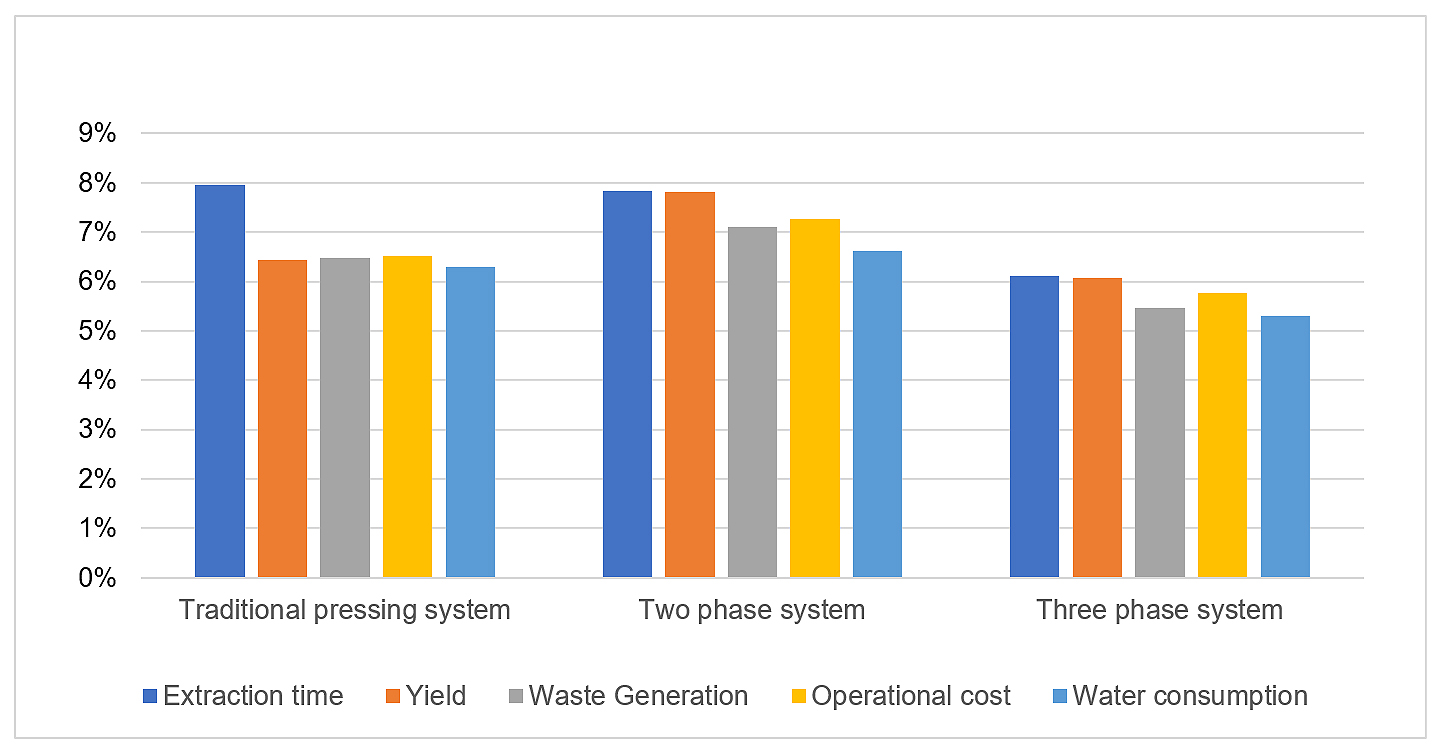 Figure 5. Key differences among olive oil extraction methods.
The survey provided valuable insights into the characteristics of olive oil obtained through various extraction processes. Findings indicated that the traditional method yielded the highest quality oils, accounting for 19.3% of the total. In terms of oil yield, the most effective performance was observed in mills employing a combination of traditional, two-phase, and three-phase systems. This integrated approach also proved superior in preserving the organoleptic characteristics of the oil, with a preservation rate of 14.8%, compared to other extraction methods (Table 3).These results are broadly consistent with those reported in previous studies conducted by Hammadi Chimi et al, who suggest that olive oil extraction using traditional pressing methods can yield high-quality, cold-pressed oil, provided that proper manufacturing and hygiene practices are maintained [41,42]. Conversely, the three-phase centrifugation system typically produces oil with lower levels of natural antioxidants, which are beneficial for human health. In contrast, the two-phase extraction method tends to produce olive oil with higher antioxidant content, although it may sometimes result in an overly bitter taste. Additional research on the impact of extraction technologies on oil yield and quality has shown that, when healthy and fully ripe olives are used, all systems are capable of producing high-quality oil. However, they are particularly effective in minimizing the risk of organoleptic defects. Moreover, recent advancements in centrifugal decanter technology, specifically systems that require little to no added water during processing, have been shown to reduce thermal energy consumption. The resulting oil typically has a fruitier flavor and a higher concentration of phenolic compounds, enhancing both its sensory and nutritional properties [43–45].
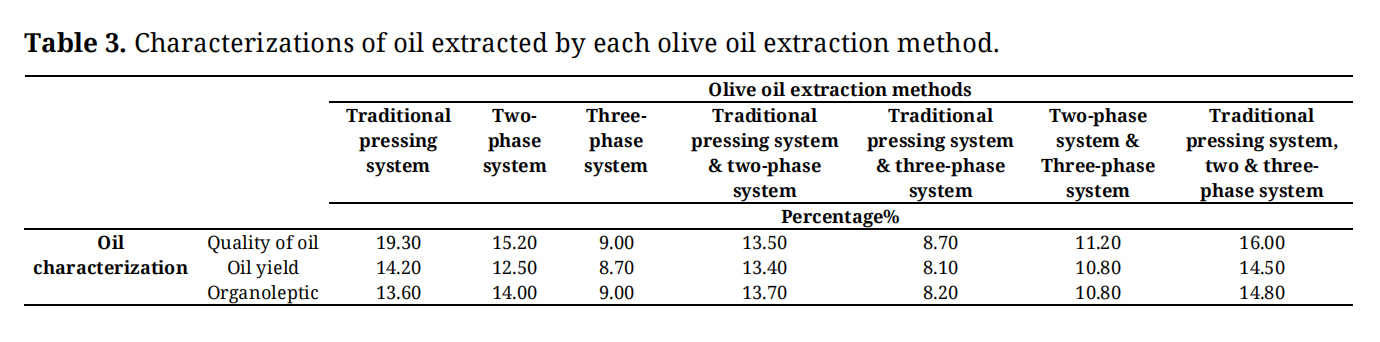 Table 3. Characterizations of oil extracted by each olive oil extraction method.
To assess the oil yield associated with each extraction method, survey results indicate that all three olive oil extraction techniques produce a similar oil yield ranging between 20% and 30%, a value notably higher compared to other methods (Table 4).
Likewise, the percentage of waste generated by each method is comparable, falling within the 50% to 60% range (Table 5), with consistently high but slightly variable values.
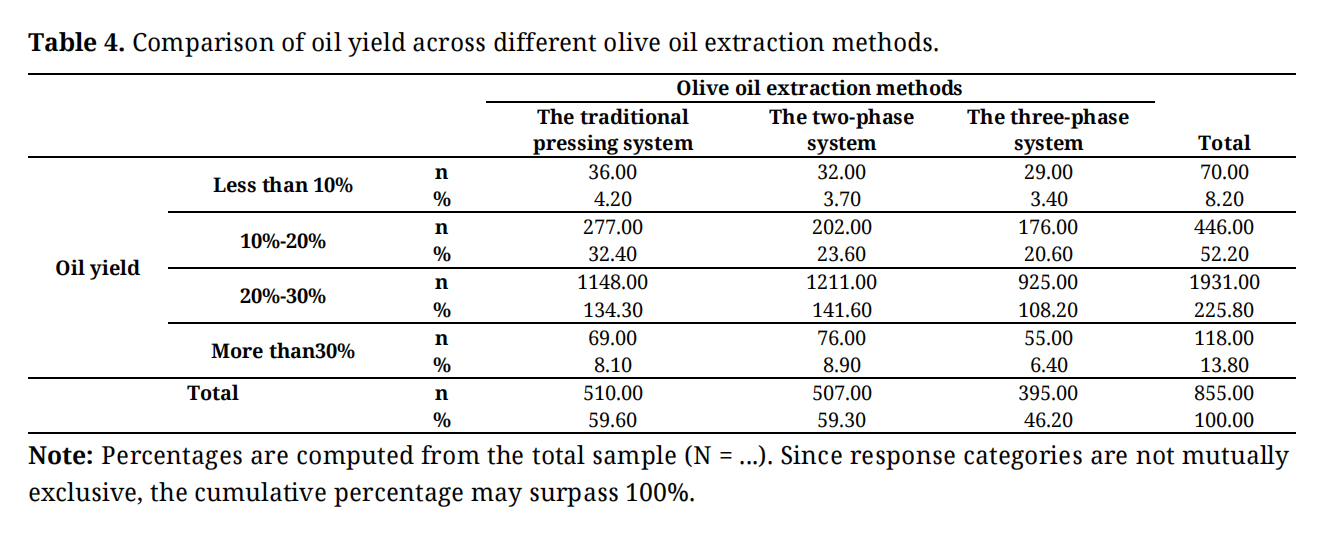 Table 4. Comparison of oil yield across different olive oil extraction methods.
These outcomes reflect the transition from the traditional batch press method to modern continuous centrifugation-based processes in olive oil production, which have significantly improved overall efficiency. The two and three-phase centrifugation systems, in particular, allow for higher oil recovery, reaching up to 21%, but also generate larger volumes of wastewater due to the additional water used during centrifugation. On average, 100 kg of olives yield approximately 20 kg of oil, regardless of the extraction method. However, the quantity and composition of residual by-products vary with the specific system employed [46,47].
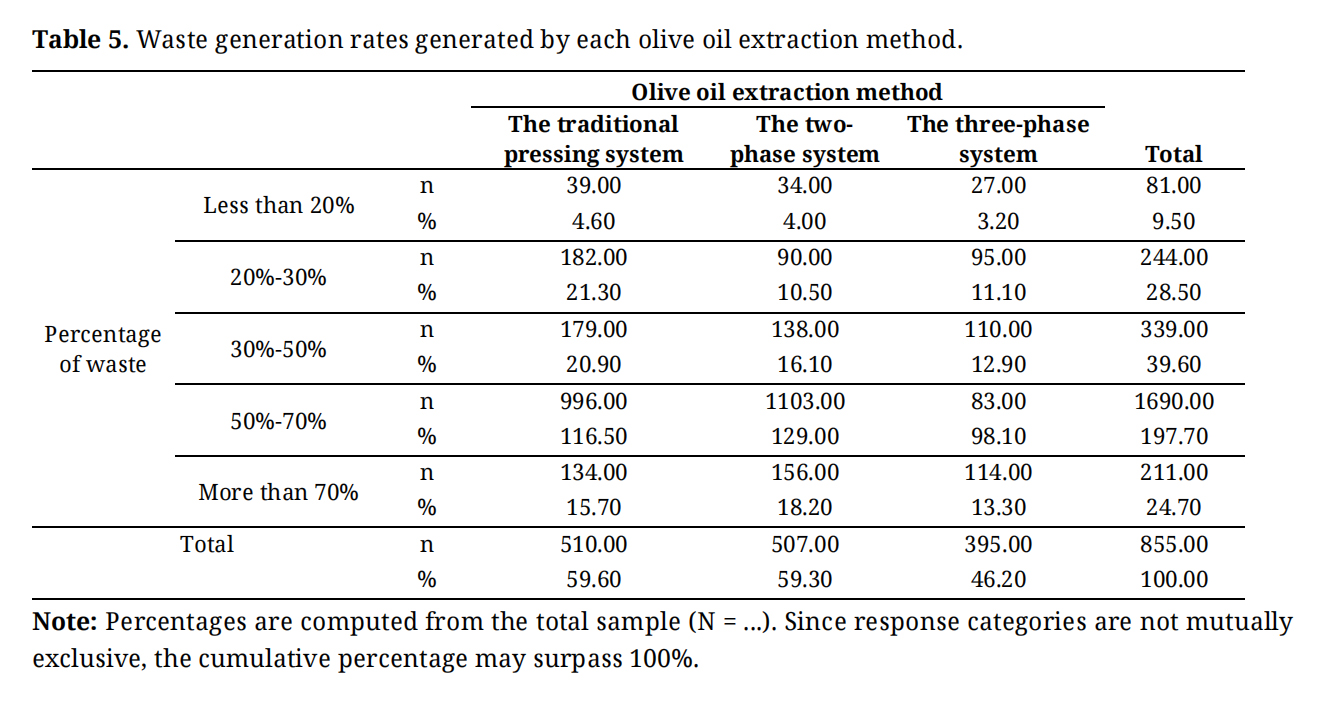 Table 5. Waste generation rates generated by each olive oil extraction method.
The findings of this investigation revealed that the volume of water used during the crushing process ranges between 800 and 1000 liters per ton of olives, representing approximately 65.85% of the total water used in the process (Figure 6). To reduce overall water consumption, some olive mills have adopted water recycling systems.
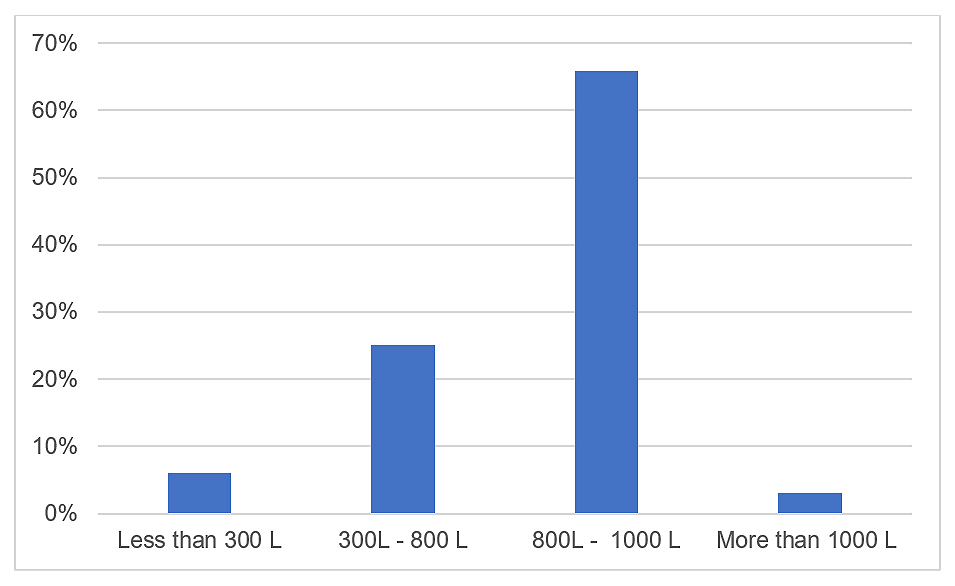 Figure 6. Water consumption per ton of olives during the crushing process.
The two-phase continuous extraction system is often considered more environmentally friendly due to its lower water requirements. It typically uses only 0.1–0.12 m³ of washing water and 0.5–1 m³ of fresh water per ton of olives processed in the decanter [24,48]. In contrast, the three-phase extraction system is still employed in certain rural areas where water conservation is not prioritized [49].
Proportion Of Solid And Liquid Waste Generated Per Ton Of OlivesThe results of the questionnaire indicate that the percentage of solid waste generated per ton of olives ranges between 40% and 50%, with an average value of 70.64% reported (Figure 7). In comparison, the amount of liquid waste produced per ton ranges from 50% to 70%, with an observed average of 52.63% (Figure 8). The higher proportion of liquid waste can be attributed to the significant volume of water used during the olive crushing process. Olive oil production generates substantial quantities of both solid and liquid residues, with the exact amounts depending on the extraction method employed. For instance, traditional pressing yields approximately 0.4 tons of solid waste and 0.5–0.6 m3 of liquid waste (olive mill wastewater) per ton of olives processed. In the three-phase centrifugation system, the output is divided into three fractions: solid olive pomace (0.4–0.5 tons/ton), and liquid fractions consisting of oil and wastewater (0.85–1.2 m3/ton). Conversely, the two-phase system produces only two fractions: oil and a solid-liquid mixture with a combined output of 0.8–0.95 tons per ton of olives processed [50–52].
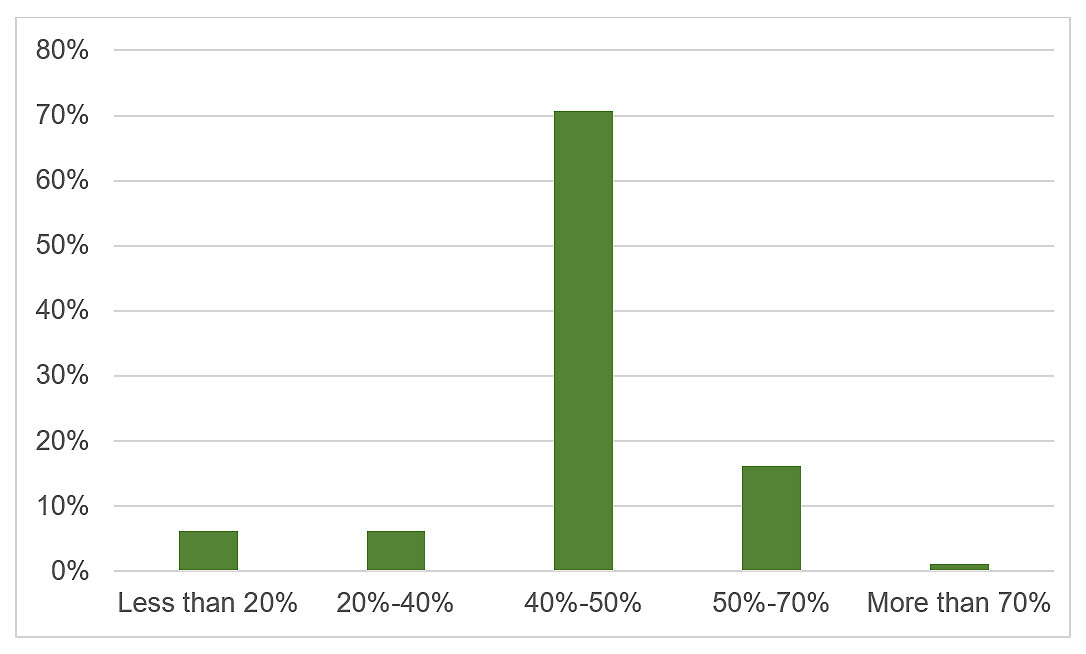 Figure 7. Percentage of solid waste generated per ton of olives.
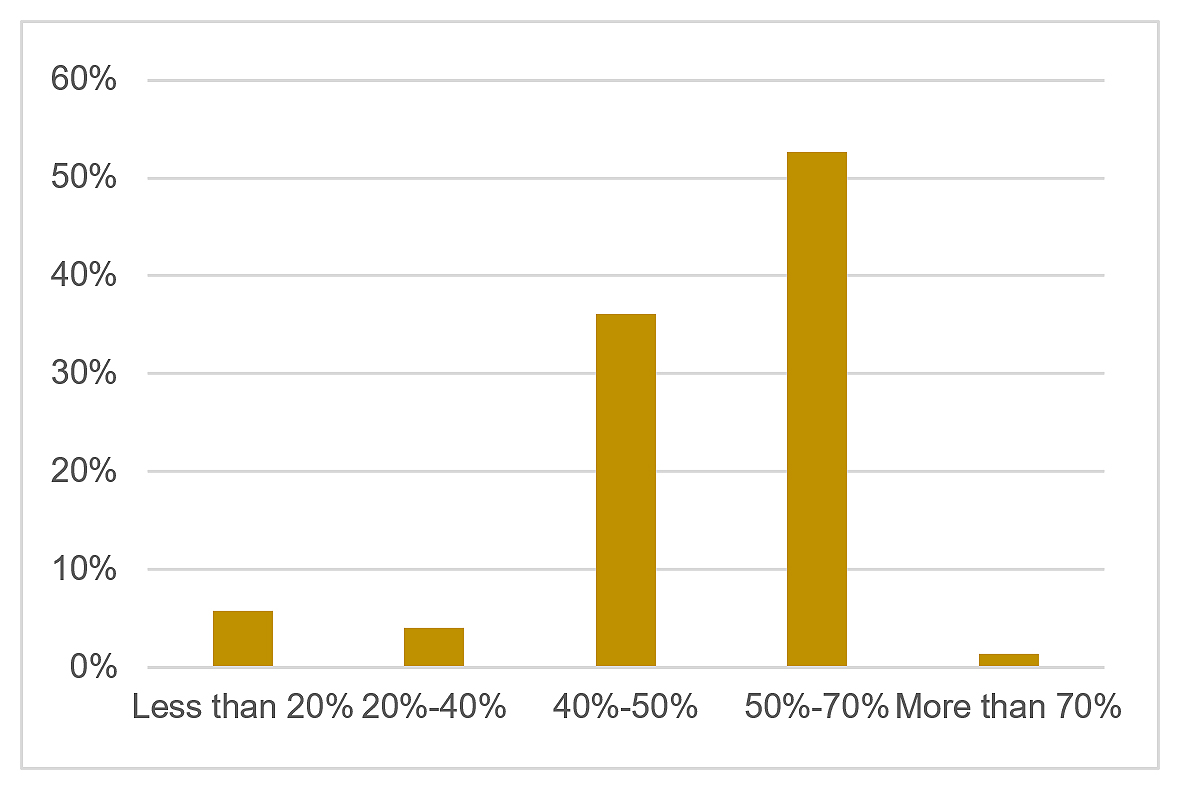 Figure 8. Olive mill wastewater generated per ton of olives processed.
When surveyed about the daily amount of waste generated by the industrial oil sector, the majority of respondents (79.6%) reported producing a moderate quantity of waste. In contrast, 17.3% indicated a low quantity, and only 3.0% reported a high quantity, regardless of the extraction method used.
Interestingly, a moderate level of waste generation was consistently identified as the most common across all processing methods (Table 6). Specifically, 57.7% of respondents using the traditional method reported moderate waste, compared to 83.8% using the two-phase system and 84.8% using the three-phase system. For those combining extraction methods, 93.4% reported moderate waste with the traditional and two-phase system, 93.2% with the traditional and three-phase system, and 90.9% with the two- and three-phase combination. Finally, 73.4% of respondents using a combination of traditional, two-phase, and three-phase systems also indicated moderate waste levels. These results highlight the predominance of moderate waste generation in the sector, regardless of the technological combination used in the extraction process.
To further clarify this data, a typical modern olive oil factory generates between 10 and 15 m³ of olive mill wastewater (OMW) per day from the extraction process, in addition to approximately 1 m³ of olive washing wastewater (OWW) for each ton of olives processed. On an annual scale, this results in the production of several million cubic meters of effluents, underscoring both the highly contaminating nature of these wastewaters and the significant consumption of potable water involved in olive oil production [46].
This observation is consistent with findings from other studies, which also report that the volume of waste generated varies depending on the extraction method employed. A medium-sized mill, processing 10 to 20 tons of olives per day, typically produces between 0.5 and 1.5 m3 of wastewater per ton of olives. Importantly, olive oil constitutes only about 20% of the olive's total mass, while the remaining 80% is considered waste, further highlighting the environmental burden associated with the extraction process [53–56].
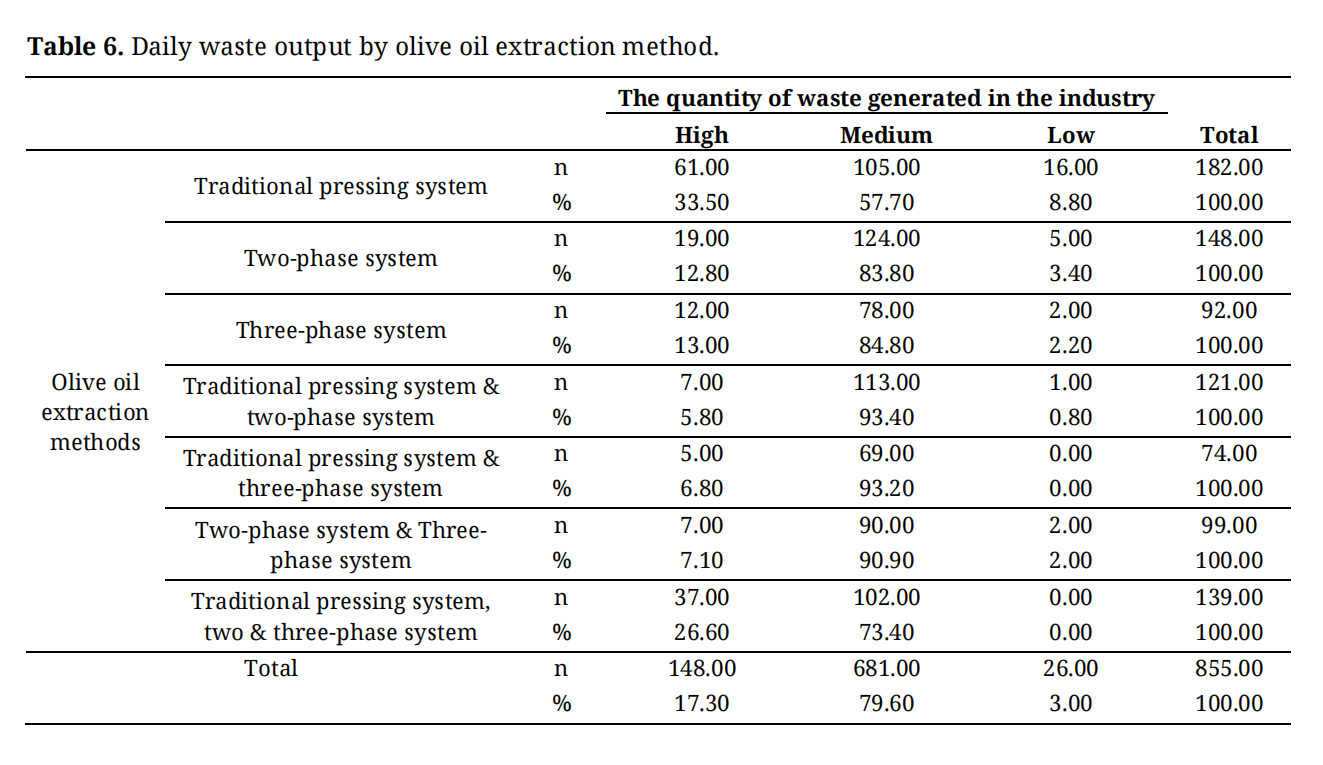 Table 6. Daily waste output by olive oil extraction method.
The variance in waste characteristics across extraction methods was statistically confirmed by Tukey’s post hoc test. The analysis identified homogeneous subsets with significant differences (p < 0.05). These results highlight the strong impact of extraction technology on the nature of olive mill waste. Among the most frequently reported was the quantity of valuable substances present in the waste (Figure 9). When comparing the average values of this parameter, the traditional pressing system showed the highest concentration (1.38 ± 0.46), followed closely by the two-phase system (1.32 ± 0.04). The three-phase system yielded a slightly lower average (1.20 ± 0.06), while the combined system, which integrates traditional pressing with both two- and three-phase techniques, had the lowest average value (1.19 ± 0.05).
In contrast, the lowest values for valuable substance content were observed in the combined two- and three-phase system (1.16 ± 0.052), followed by the traditional system (1.14 ± 0.046), and the traditional system combined with the two-phase system (1.13 ± 0.051).
Regarding moisture content, waste from the traditional system (1.33 ± 0.041) and the two-phase system (1.24 ± 0.041) showed significantly higher levels compared to other methods. In contrast, the three-phase system (1.18 ± 0.047) and the combined system incorporating traditional pressing with both the two and three-phase methods (1.14 ± 0.042) exhibited moderately lower moisture content. The lowest moisture values were recorded in the combined two- and three-phase system (1.07 ± 0.046), the traditional system coupled with the three-phase system (1.05 ± 0.043), and the traditional system combined with the two-phase system (1.02 ± 0.046).
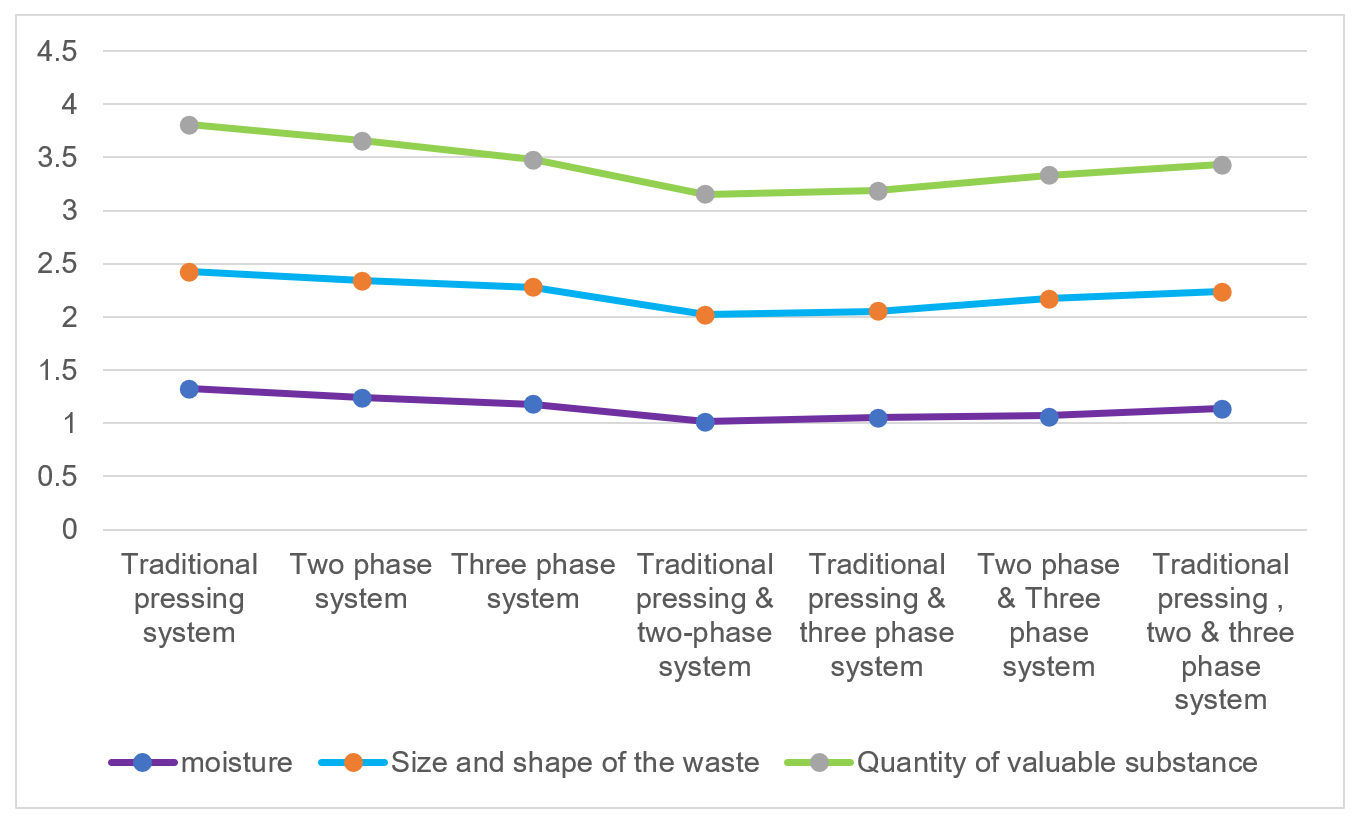 Figure 9. Characteristics of waste generated by different olive crushing methods.
Finally, the size and shape of the waste vary depending on the machinery and compressors used during extraction, resulting in by-products with different diameters and morphological characteristics. The highest value for this parameter was observed in both the traditional system and the three-phase system (1.14 ± 0.039), followed by the two-phase system (1.09 ± 0.033). Slightly lower values were recorded for the combined two- and three-phase system (1.07 ± 0.037) and the traditional system combined with both the two- and three-phase methods (1.06 ± 0.033). The lowest values were associated with the traditional system combined with the two-phase system (1.02 ± 0.041) and the traditional system coupled with the three-phase system (1.00 ± 0.037).
A similar study supporting our research findings on the characterization of solid olive mill waste demonstrated that the moisture content of solid residue fractions varies significantly depending on the olive oil extraction technology used. Specifically, the two-phase olive mill waste is a thick sludge composed of olive fruit pulp and olive mill wastewater, with a moisture content ranging from 55–70%, which is substantially higher than that of waste from traditional press systems (20–25%) and the three-phase olive residues (40–45%).
The concentration of valuable substances in olive mill waste is influenced by multiple factors, including olive variety, cultivation practices, and the extraction method itself. Notably, the extraction technique alters the composition of solid residues, leading to distinct differences between the two-phase and three-phase centrifugation processes. Due to its lower moisture content, three-phase pomace typically holds higher commercial value compared to that obtained through the two-phase process. This value is primarily determined by the residual oil and water content [12,57–59].
Challenges And Impacts Of Waste On The Olive Oil IndustryAccording to responses from mill workers, the waste generated by the olive oil production process presents several challenges, primarily related to costs, hygiene concerns, and labor requirements (Figure 10). Despite these issues, the overall impact of this waste on the industry is currently perceived as minimal and non-threatening. In fact, a significant proportion of respondents (58.91%) view the waste as an economic opportunity, particularly as a potential source of additional income.
Conversely, when waste is regarded as a loss due to the difficulties of disposal and obstacles in production, it is seen as a concern by a much smaller portion of workers, representing only 9.06% and 5.65% of responses, respectively (Figure 11).
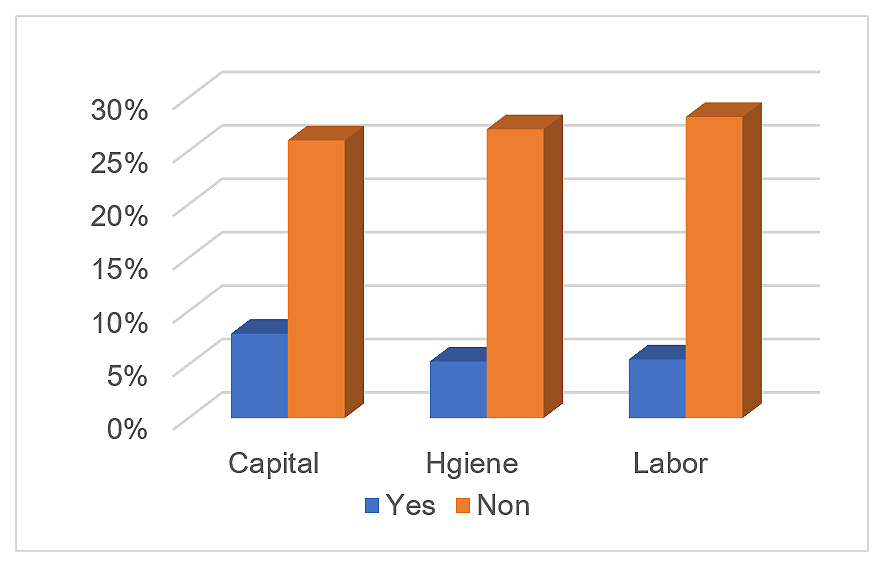 Figure 10. Effects of olive waste management challenges on industry performance.
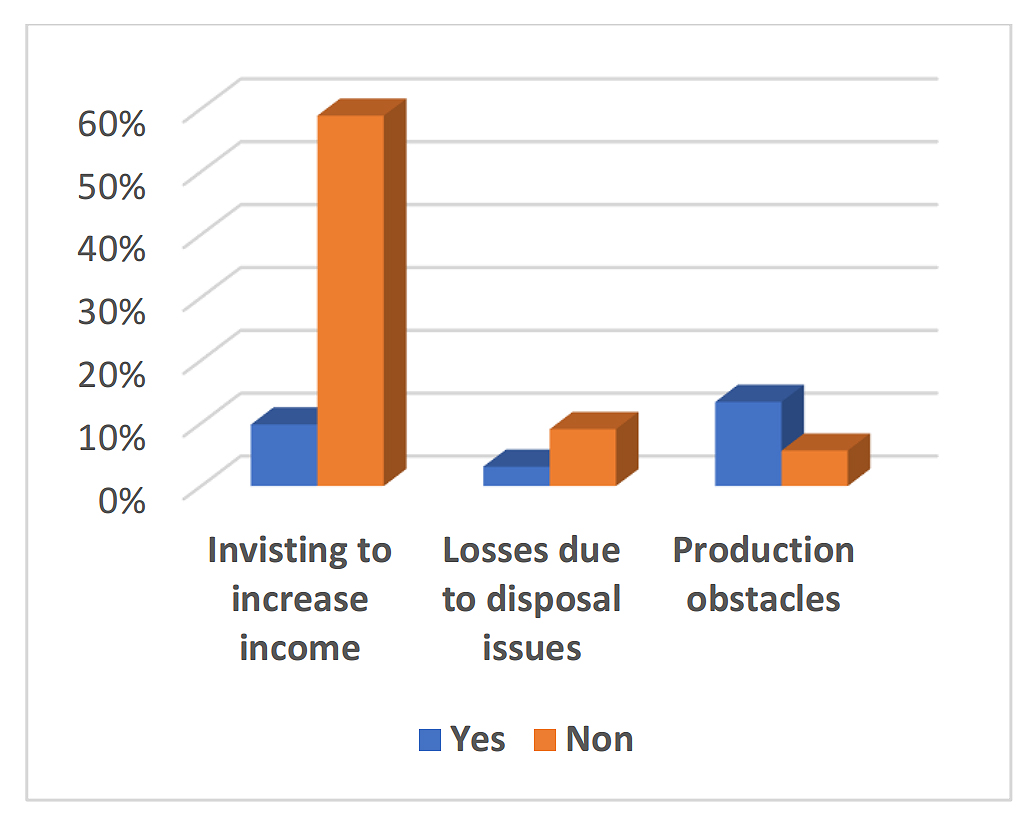 Figure 11. Perception of olive wastes.
The results of this study indicate that the majority of olive oil mills manage their waste either by utilizing it as an energy source (34%) or by storing it in evaporation tanks (34.8%) (Figure 12). Composting is the third most common method, employed by 21.5% of the mills, while direct disposal as waste remains relatively uncommon, accounting for only 9.7%.
These findings are consistent with those reported by Erses Yay et al., who conducted a survey on olive oil mill wastewater (OMW) management practices in Turkey. Among the mills lacking treatment facilities, the majority (99 mills) employed evaporation lagoons, while 13 mills discharged wastewater directly into natural water sources or municipal sewage systems. Only five mills repurposed OMW for fertilizer or irrigation purposes. Across the entire surveyed population, just three mills were equipped with adequate treatment units, and 29 did not respond to the survey [60].
Several studies have shown that managing olive oil by-products remains difficult due to various factors. A key problem is the improper disposal of olive mill wastewater (OMW), which is often discharged directly into poorly designed evaporation ponds, contaminating soils and water sources [37].
Moreover, the construction and operation of waste treatment facilities can be prohibitively expensive, particularly for small and medium-sized enterprises. In addition, organic compounds commonly found in olive oil waste, such as phenolic compounds and fatty acids, are resistant to biodegradation.
Addressing the environmental impacts of olive oil waste is essential to safeguarding key local resources, including water, soil, energy, and raw materials [61]. Within the frameworks of the circular economy and bioeconomy, these by-products can be converted into valuable resources. Valorization opportunities include the production of bioenergy, biofuels, bio-fertilizers, and purified water, as well as the development of bio-based materials, functional food ingredients, and compounds for pharmaceutical and cosmetic applications [62,63]. Current utilization data indicate that 80% of olive oil waste is used for energy production (47% for electricity and 33% for thermal energy), while 14.3% is directed toward composting or direct field application. Landfilling accounts for 0.7%, and approximately 5% is used as animal feed [63].
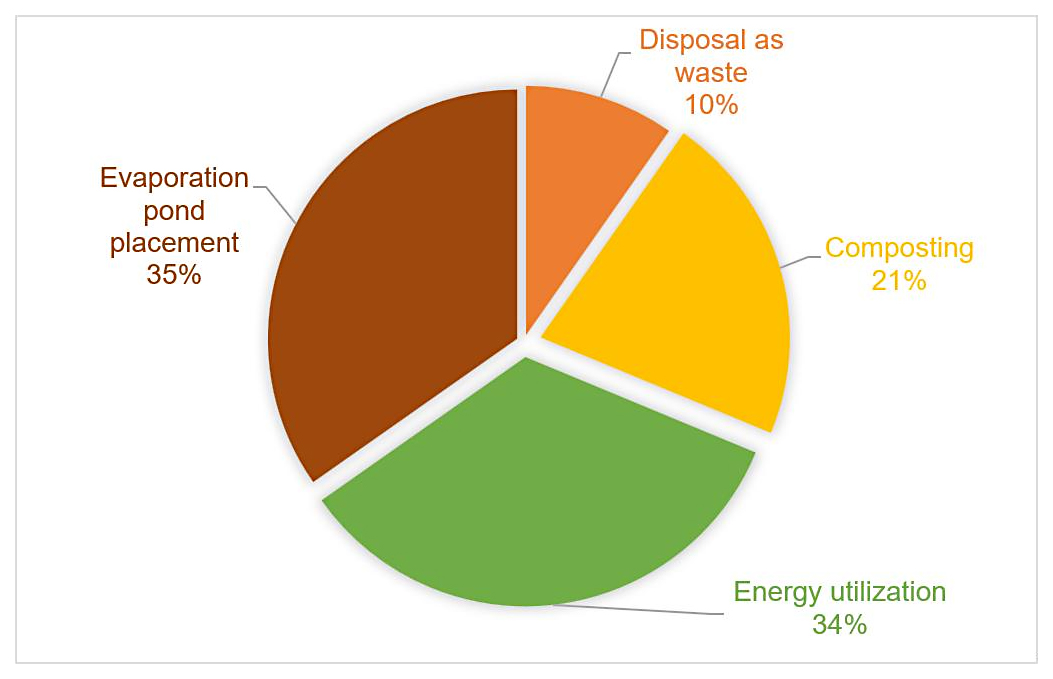 Figure 12. Waste treatment strategies and techniques in the olive oil industry.
The survey results indicate that industries have established various collaborations and partnerships with local authorities and other stakeholders to improve olive oil waste management (Figure 13). Industrial companies represent the largest share of these partnerships, accounting for 39%, followed by government bodies at 33% and local organizations at 21%.
Other stakeholders contribute to a lesser extent, including RADEEF (Autonomous Intercommunal Authority for Water and Electricity Distribution of Fez) and universities (each 2%), as well as research centers, the Association of Olive Mills, and STAM (Moroccan Agricultural Works), each accounting for 1%.
In a related study, Donner et al examined strategies and socio-economic conditions for the valorization of olive oil waste and by-product in the Mediterranean region, guided by circular bioeconomy principles. Their research assessed government policies, corporate and agricultural strategies, and consumer perceptions through methods such as case studies and surveys. The findings underscore a growing commitment to sustainability within the olive oil sector, highlighting the emergence of innovative practices in waste valorization. The study emphasizes the importance of a unified regulatory framework, public financial support, new circular business models, multi-actor collaboration, and enhanced consumer awareness to promote more efficient and sustainable use of olive resources [64].
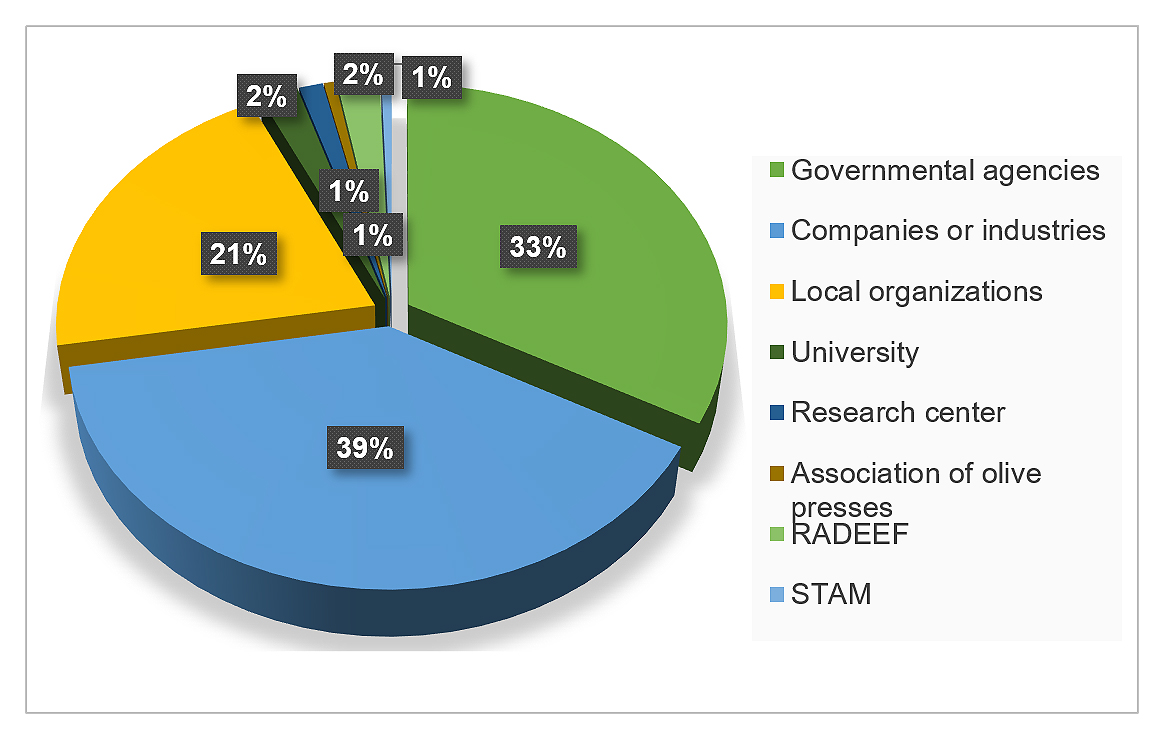 Figure 13. Inter-Mill collaborations and partnerships for olive oil waste management.
Most olive oil mills comply with local or national regulations related to waste treatment (Table 7), with 39.0% of businesses adhering specifically to ISO 14001 environmental management standards. Additionally, 36.8% of mills follow laws established by environmental associations, such as those focused on waste management and sustainable development. Law No. 28-00, promulgated by Dahir No. 1-06-153 of 30 Shawwal 1427 (22 November 2006), which governs waste management and disposal, is cited by 19.0% of respondents. The ONSSA (National Office for Food Safety) regulations are the least referenced, mentioned by only 5.3%. This pattern reflects the Moroccan government’s growing emphasis on environmental protection through regulatory and institutional frameworks addressing waste management challenges. Key national initiatives include the National Strategy for Sustainable Development 2030 and the Green Morocco Plan, launched in 2008, both of which underscore a commitment to sustainable resource management. Specifically, Law No. 28-00 promotes waste reduction and recovery of by-products, including those generated by the olive oil sector [65]. In contrast, the European Union has yet to adopt a unified legislative framework for olive oil waste treatment. While several member states have implemented individual regulations, particularly concerning olive mill wastewater, these measures vary widely and often do not comprehensively address all categories of olive oil waste or by-products [66].
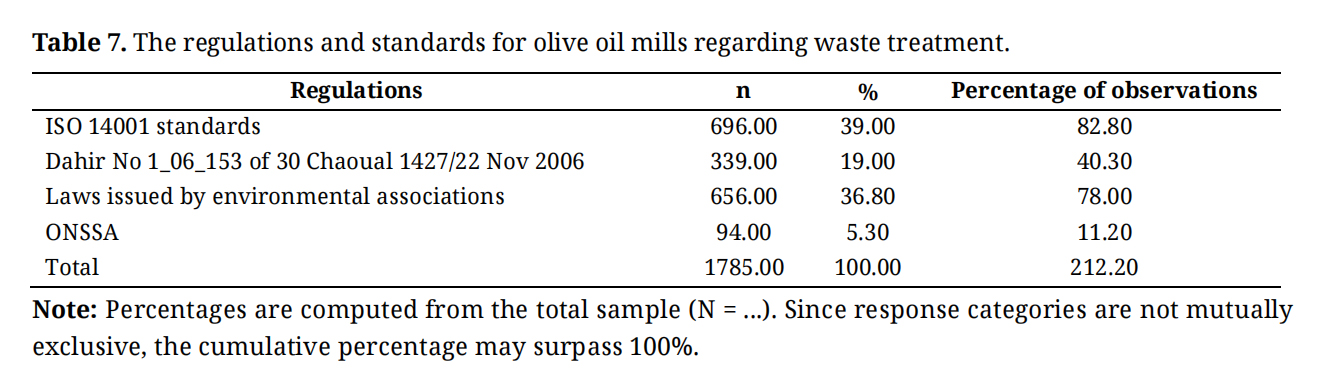 Table 7. The regulations and standards for olive oil mills regarding waste treatment.
Waste treatment and management strategies can be categorized into two principal approaches: (1) the allocation of dedicated personnel for implementing waste treatment practices, and (2) the development of specialized waste treatment facilities (Table 8). To assess the relationship between these two variables, a statistical test of independence was performed. The results revealed a statistically significant association (p-value < 0.001), indicating a non-random relationship between staffing and infrastructure planning. Specifically, 35.1% of respondents reported “Partially, we have staff members involved in waste management”, which corresponded notably with the response “We are in the study phase to evaluate,” selected by 49.4% of the total.
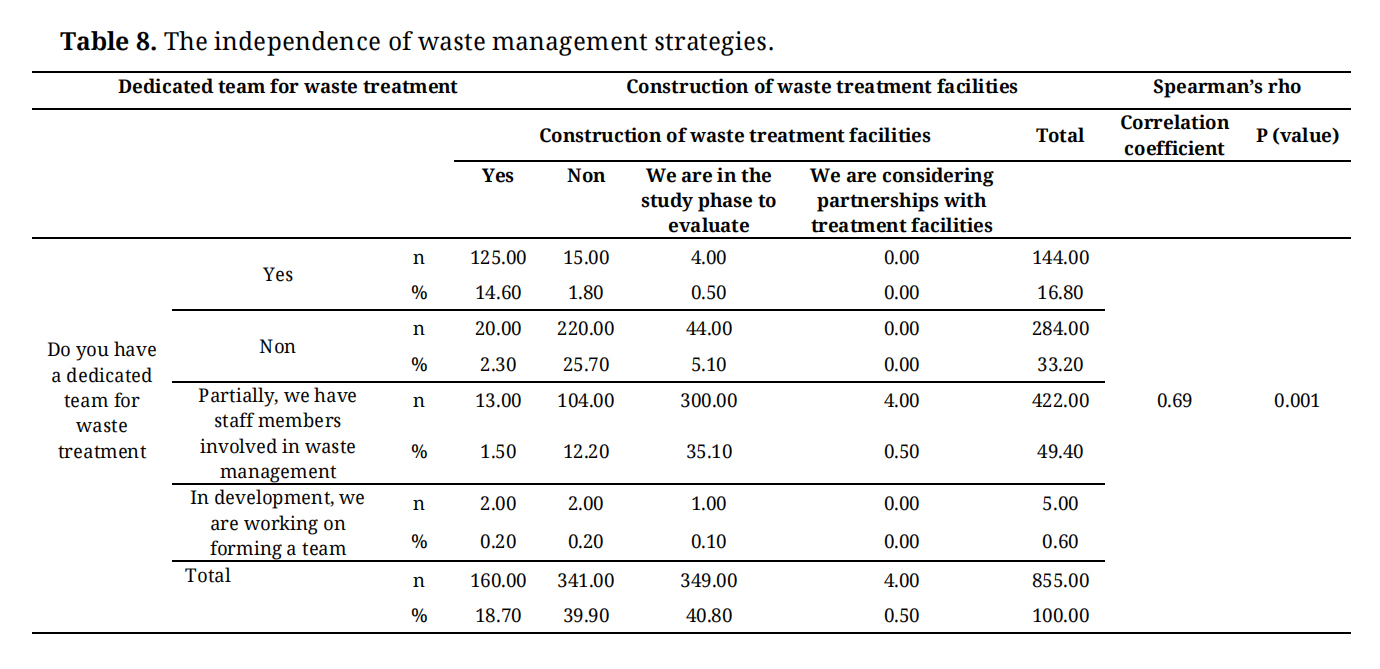 Table 8. The independence of waste management strategies.
In this context, similar studies have investigated the strategies adopted by olive oil industries to derive value from olive waste and by-products through circular bioeconomy approaches.
These circular business models seek to optimize the use of olive trees beyond conventional value creation practices. The emphasis lies on identifying economic drivers and mechanisms for value creation, particularly the pathways through which olive waste can be transformed into new value propositions [67].
Moreover, these models encompass the development of essential infrastructure, integrating key activities, resources, and partnerships, alongside considerations of the value proposition, cost structure, and revenue streams [68].
Potential Applications Of Olive By-ProductsThe findings from the studied region revealed a diverse range of potential applications for olive oil by-products. Among these, energy production from olive pomace and evaporated olive mill wastewater ranked highest, accounting for 25.83% of reported uses. Soap production followed closely at 24.86%, attributed to the high fat and lipid content of olive-derived materials. Recycling for the development of new or enhanced products constituted 24.22%, while agricultural applications, such as composting and irrigation, represented 23.85%. In addition, the study identified several other, less common applications across various sectors, each reported at relatively low frequencies (ranging from 0.04% to 0.37%). These included uses in boilers, brick manufacturing, pomace oil extraction, thermal insulation, food preservation, cigarette filters, biofuel and biogas production, construction materials, and livestock feed (Figure 14). Supporting these findings, Şahin et al regard olive industry by-products as a low-cost, renewable resource with significant valorization potential [2]. Of particular interest is the extraction of high-value compounds for use in the production of dietary supplements, nutraceuticals, functional food ingredients, or cosmeceuticals [69], Similarly, Italian and Sicilian industries aim to provide an overview of life cycle assessment (LCA) in the olive oil production sector to highlight the main features of previous studies and to evaluate the application of LCA as a supply chain–focused management tool in this specific sector [1].
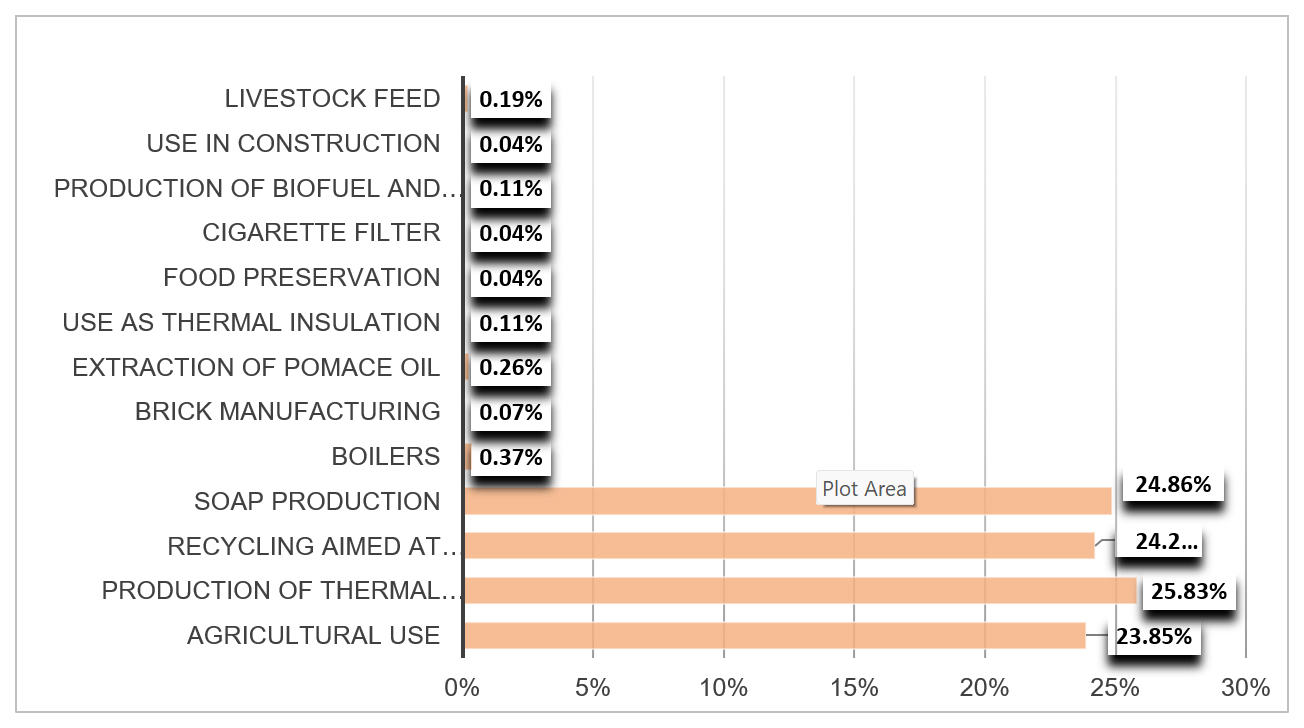 Figure 14. Valorization Potential of Olive Oil By-Products.
The surveys conducted across more than 50 olive oil industries in the Fez-Meknes region provided comprehensive insights into olive oil extraction methods waste management practices.
These findings represent a valuable resource for understanding the operational landscape of the olive oil sector, particularly concerning extraction processes, the resulting oil quality, and the volume and types of waste produced. Furthermore, the study offers critical information on the treatment and management strategies employed for olive pomace and olive mill wastewater.
The results underscore the region’s significant olive oil production, which consequently generates large volumes of waste varying according to extraction techniques and technologies used. This allowed for the identification and analysis of various waste valorization pathways and management strategies, as well as the exploration of potential applications to increase the added value of these by-products.
Effective waste management presents important socio-economic opportunities, particularly through the recovery of materials and energy. As such, it should be considered an integral component of broader urban development and sustainability planning. In recent years, the principles of the circular economy and residue valorization have gained increasing attention for their potential to reduce waste generation, preserve natural resources, improve production efficiency, and convert by-products into value-added outputs. These approaches not only promote environmental sustainability but also contribute to the transition toward a more resilient and resource-efficient economy. A key challenge moving forward is to harness the nutritional and functional potential of olive oil industry residues before their degradation, thereby maximizing their economic and environmental value.
The dataset of the study is available from the authors upon reasonable request.
Conceptualization, writing the original draft, formal analysis, investigations, data curation, software: AR, KF. CG, Investigations, resources, project administration, reviewing and editing: BL.
The authors declared no potential conflicts of interest regarding this article.
The authors received no financial support for the research, authorship, and/or publication of this article.
1.
2.
3.
4.
5.
6.
7.
8.
9.
10.
11.
12.
13.
14.
15.
16.
17.
18.
19.
20.
21.
22.
23.
24.
25.
26.
27.
28.
29.
30.
31.
32.
33.
34.
35.
36.
37.
38.
39.
40.
41.
42.
43.
44.
45.
46.
47.
48.
49.
50.
51.
52.
53.
54.
55.
56.
57.
58.
59.
60.
61.
62.
63.
64.
65.
66.
67.
68.
69.
Roukbani A, Faiz K, Ghaffouli C, Louasté B. Assessment of Olive Oil Extraction Methods and Waste Management Practices in the Fez-Meknes Region: A Survey Study. J Sustain Res. 2026;8(1):e260021. https://doi.org/10.20900/jsr20260021.

Copyright © Hapres Co., Ltd. Privacy Policy | Terms and Conditions


