Location: Home >> Detail
J Sustain Res. 2026;8(1):e260022. https://doi.org/10.20900/jsr20260022
 ,
Baiba Rivza 2,* ,
Peteris Rivza 3
,
Baiba Rivza 2,* ,
Peteris Rivza 3
1 Institute of Economics and Finance, Faculty of Economics and Social Development, Latvia University of Life Sciences and Technologies, LV-3001 Jelgava, Latvia
2 Faculty of Economics and Social Development, Latvia University of Life Sciences and Technologies, LV-3001 Jelgava, Latvia
3 Faculty of Information Technologies, Latvia University of Life Sciences and Technologies, LV-3001 Jelgava, Latvia
* Correspondence: Ilona Beizitere, Baiba Rivza
The research aims to identify improvements and better solutions for the Latvian governance model for implementing the goals of the European Green Deal, considering the economic, environmental and social perspectives of sustainability and the diverse development of territorial regions. The research applied the Analytic Hierarchy Process as a multi-criteria decision-making method, using qualitative evaluation criteria for governance challenges. An expert assessment was conducted with representatives from five stakeholders, who rated three alternative European Green Deal governance scenarios developed based on territorial governance practices in comparable Member States. The findings showed that Latvia’s current centralized governance model requires differentiation of functions and responsibilities across governance levels. A centralized approach is most suitable for achieving economic sustainability objectives, while environmental and social sustainability goals are more effectively implemented through governance delegated to regional associations. Certain sustainability objectives would benefit from broader powers at the municipal level, thus implementing a place-based territorial governance approach. The research has implications for designing more adaptive, multi-level governance arrangements for the European Green Deal. Practically, the results provide guidance for policymakers and stakeholders involved in planning and implementing climate neutrality and sustainable development. The originality of the paper stems from integrating the Analytic Hierarchy Process with comparative territorial governance scenarios—an approach that is scarcely applied in existing sustainability and regional governance research. This combination enables the development of a tailored governance model for implementing the European Green Deal, incorporating economic, environmental, and social sustainability dimensions and accounting for the heterogeneous development trajectories of the country's regions.
AHP, Analytic Hierarchy Process; EGD, the European Union’s Green Deal; EU, European Union; GHG, Greenhouse gas; SDGs, Sustainable Development Goals; SMEs, small and medium-sized enterprises
The EGD is a long-term growth strategy to radically transform the economies of EU Member States and achieve climate neutrality in Europe by 2050. The set of EU policy initiatives developed under the EGG strategy provides for the achievement of practically all 17 UN Sustainable Development Goals (SDGs) endorsed by the General Assembly of the United Nations in 2015 [1,2], laying the groundwork for a global transition to sustainability. Thus, since the introduction of the EGD in 2019, when environmental, economic, and social objectives were systematically integrated into policy documents [1,3,4], sustainability has become a central driver of EU policy. The green transformation package is not only aimed at reducing GHG emissions but also at transforming the economy and society [3,5]. Consequently, this paper discusses the problem of implementing EGD targets in the context of the SDGs.
Some authors [6] emphasize that the EGD is not only a driver of environmental or economic policy change, but also an engine of social transformation that affects quality of life, employment, health, social cohesion, and many other aspects. Social factors are essential in the EGD framework, as they shape society’s adaptability, participation, and fairness in the transition to climate neutrality. Policymakers should be able to ensure the competitiveness and economic development of the country, and at the same time, they must take care of the social and climate aspects so that development does not place excessive pressure on the environment and supports harmonious social development [6]. With this in mind, the paper discusses different perspectives on sustainable national development trajectories from economic, environmental, and social viewpoints.
The study also examines the governance dimension of national regional development models and highlights the shortcomings faced by Member States. Alongside the EGD initiatives, EU cohesion policy seeks to reduce regional development disparities that hinder sustainable growth in Member States through ambitious investments. However, there is still a mismatch between available financial support and regional needs [7,8]. Therefore, national governments need to better tailor strategies not only to sectoral needs but also to pay targeted attention to specific local adaptation needs in different territories. On the other hand, it is recommended to support public and private investments to achieve climate goals [5], as the combination of such investments contributes to the achievement of SDG8 'Decent work and economic growth', stimulating the economy and generating positive changes in GDP, employment and real wages [9]. It has also been proven that the amount of investment that is invested in a particular region of the country has a strong impact on improvement in a number of socio-economic indicators, such as employment, in the form of an increase in the income of the population. In addition, the region's ability to maintain economic activity and attract investment relates to its socio-economic structure [10]. In addition, the increase in the welfare of the country's regions is more driven by private capital investment than by one-off state support transfers [11].
To ensure that the green transformation better reflects specific local needs, a place-based approach would be beneficial. This approach involves granting greater powers to municipalities or their associations, a practice already implemented in several Member States. In general, municipal funding can consist of own resources (e.g., taxes collected), government transfers, as well as EU funds. In addition to using their own resources, municipalities could rely on targeted funding for projects (capital transfers, subsidies, investment grants) from central and regional governments, as well as EU resources for investment purposes. A survey of municipalities [12] revealed that only a fraction of municipalities obtained the financing they needed for investments. A large proportion of municipalities (83% of the respondents) considered the financial instruments provided by the EU to be critical for financing future infrastructure investments.
In the economic dimension, the ability of regions to absorb investments in green technologies, the circular economy, and renewable energy is closely linked to their innovation capacity and access to finance. This has been observed in the different development of Poland's 16 voivodeships, considering the implementation of sustainable development policies at the regional level from 2015 to 2021 [6]. This research study identified the relationship between the degree of local innovation, industrialization, and stable infrastructure (SDG 9), and therefore with local economic development and living standards. In this regard, the management of the voivodeships is called upon to make decisive decisions for the development of the regions.
The current direction of EGD implementation is criticized, pointing out that the policies developed under the EGD framework have so far focused more on specific areas such as decarbonization and clean energy. It is worth noting that policies to reduce GHG emissions must respect the principle of fairness and socio-ecological considerations, since changes in the field of energy imply huge changes with a profound impact on local, regional, and national development from the perspective of socio-ecological aspects [13]. It should be noted that Europe's commitment to the energy and climate transition faces public resistance, as it sees the ensuing economic and industrial transformation as a potential threat to social aspects such as their well-being and access to jobs, as well as a threat to environmental sustainability [14]. Less attention is paid to areas related to the components of social sustainability, namely access to healthy food, tackling inequalities, improving well-being, achieving equity, and decent work [1].
From an environmental perspective, poorly governed regions of the country have limited capacity to adapt to climate change, biodiversity conservation requirements, and resource efficiency standards. In addition, climate change, weather, resource availability, and environmental conditions also affect different areas of the country—urban, rural, seaside regions, mountainous areas, etc.—in different ways. Consequently, within the same region, the transformation measures of the EGD can vary significantly, and thus the support needs are also different [8].
In the transition to climate neutrality, the European Scientific Advisory Board on Climate Change [5] has found that the link between national energy and climate plans and long-term strategies is poorly coordinated in most Member States. Member States are recommended to set up authorities at the national level with an advisory role to achieve climate neutrality, focusing not only on GHG emission reductions and cost-effectiveness but also on national and local needs and values. Furthermore, policymaking lacks multi-level governance, climate and energy dialogue, and public engagement [5]. The commitment and involvement of various stakeholders are crucial to achieving the goals of the EGD [3].
Thus, the transformations initiated by the EGD are essential to promote the development of each EU Member State and its regions from both an economic, environmental sustainability, and social perspective. The integration of these three EGD perspectives for national economic development depends on the strategic priorities set in the country, as well as the territorial governance model.
The EU Council recommendations to Latvia emphasize the need to address regional disparities and skills gaps, and to promote Latvia's long-term competitiveness through the green and digital transitions, while ensuring social justice. The recommendations are to improve companies' access to finance and investments, in particular in the areas of green transition and regional development [15,16]. In Latvia, the strategic and policy documents approved by the government envisage implementing the EGD goals to achieve climate neutrality, while ensuring sustainable economic development. The implementation of these strategic goals is a challenge for Latvia, given the different levels of development and growth opportunities of its territorial regions. Responsibility for the implementation of the EGD in Latvia is currently divided between several organizational units, and in 2023–2024, there have been reorganizations in the distribution of responsibilities between ministries, which confirms that a clearer division between environmental protection, social protection, regional development, etc., is being sought. However, fragmentation of areas of responsibility is still observed [17].
The research aims to provide proposals to support decision-making on better solutions for improving the existing EGD governance model, considering the specific characteristics, needs, and growth potential of each planning region of Latvia. To achieve this aim, the following research tasks were set:
(1)
(2)
(3)
To perform the first and second research tasks, an in-depth qualitative document study was conducted. This included a review of scientific literature and EU and Latvian policy documents regarding recommendations for countries to achieve climate neutrality, sustainability goals, and implement the green transformation within the framework of the EGD. The analysis of literature sources and regulatory documents informed the theoretical background chapter and contributed to the expansion of the discussion. The methods used to study the content and conclusions were analysis, synthesis, comparison, and induction. The methodological approach is based on theoretical insights combined with examples of practical governance models from selected Member States. Desk research was conducted to identify theoretical aspects of regional governance and to explore practical examples of governance models that could be applicable to Latvia.
To accomplish the third research task, the methodological section employs a sociological research method. The AHP has been used as a multi-criteria decision-making analysis method, based on qualitative assessment criteria related to the problem of ensuring a balanced implementation of the EGD goals, taking into account the economic, environmental and social perspectives. The expert assessment of three alternative EGD governance model scenarios for the implementation of the sustainability goals relevant to Latvia within the framework of EGD initiatives was carried out based on the opinions of representatives of five different interested sectors. The alternative scenarios proposed for the assessment were created based on the territorial governance practice implemented in some Member States (Czech Republic, Estonia, Lithuania, Poland, Romania). The opinions and scenario evaluations provided by the experts were analyzed using mathematical statistics, which forms the basis of the AHP method.
The expert assessment revealed that the existing centralized EGD governance model could be improved by adjusting the functions and powers of government institutions, depending on the economic, environmental, and social perspectives. The results revealed that a centralized approach should be maintained for the implementation of SDGs from an economic perspective, but for the implementation of environmental sustainability and social perspective goals, governance entrusted to a lower level of decentralization—regional associations—is more appropriate. Thus, achieving certain SDGs would be more successful by providing broader powers to the lowest level of governance—municipalities—by implementing a place-based territorial governance approach.
The research results prompt policymakers responsible for implementing Europe's green transition goals to take action to create a better governance solution. The results may also inspire stakeholders, including businesses, non-governmental organizations, local governments, and anyone who cares not only about economic achievements and prosperity but also about a safe environment and sustainability, to take bolder action to engage in a place-based approach to decision-making. The findings may also be useful for shaping the EGD governance models in other Member States, particularly those characterized by significant territorial and regional diversity.
There is a diversity of institutional bodies, governance mechanisms, and practices to guide their transition towards climate neutrality across countries. To respond effectively to climate change, governments need decision-making and coordination processes that reflect the complexity and urgency of the climate crisis, the diversity of stakeholders involved, and the need to balance short-term and long-term policy objectives [18]. According to national practices, this can occur at three levels: national, regional, and local [19].
The UN 2030 Agenda for Sustainable Development recognizes the critical role of the environment in progressing towards sustainability. The understanding of environmental sustainability is broader and covers biodiversity and its preservation, ecosystems, climate change, environmental pollution, and human ecology. It must therefore be seen in the context of different sectors (e.g., from energy to mobility) and domains (from production to consumption). Thus, the goals and measures for achieving environmental sustainability can be seen directly and indirectly in relation to the various SDGs [9,20]. Furthermore, the need for tailored cohesion policy development at the subnational, local level is increasingly being emphasized in order to achieve the SDGs [20].
A relationship has been established [21] between the quality of national regional governance and the compliance of the EU cohesion policy implementation in a region with the nationally adopted regulatory enactments, as well as the achievement of the set performance targets. This research study confirms the need for a regional development policy that would strengthen subnational administrative capacities. The need to achieve a balance between performance, compliance, and administrative costs when absorbing the available EU financial resources is emphasized [21]. Moreover, territorial and social cohesion are interdependent. Purposefully managed communities can jointly take responsibility for the use of basic local resources for the implementation of individual and collective interests and development strategies [22]. Since there are regional economic and social disparities, the response to a crisis also occurs in a different way [10].
For the development of a regionally balanced and just transition policy, it is important to identify socio-economic vulnerability factors in regions so that economic sectors transform their activities towards climate neutrality. The transition to a climate-neutral way of doing business is influenced by regional and local characteristics, labor, and companies [23]. Regions with high-productivity companies are better able to address the challenges of the transition and seize the opportunities of the transition to a climate-neutral economy. Such companies are best able to integrate new technologies. Moreover, higher company productivity often provides higher profits, which are the most important source of financing for the significant investments needed for the transformation. The greatest attention by national governance policies is needed to ensure that the most vulnerable regions of a country achieve the performance of the best regions of EU Member States [23].
In Latvia, the most vulnerable region of the country is Latgale, located on the easternmost border of Latvia and the European Union with Russia and Belarus. Once a major trade hub between Europe and the countries to the east, it now faces significant attractiveness challenges caused by Russia’s war in Ukraine and the subsequent border closure. However, Latgale has untapped socio-economic potential and advantages that should be developed through appropriate regional development policies, taking into account local initiatives and implementing a bottom-up approach [24].
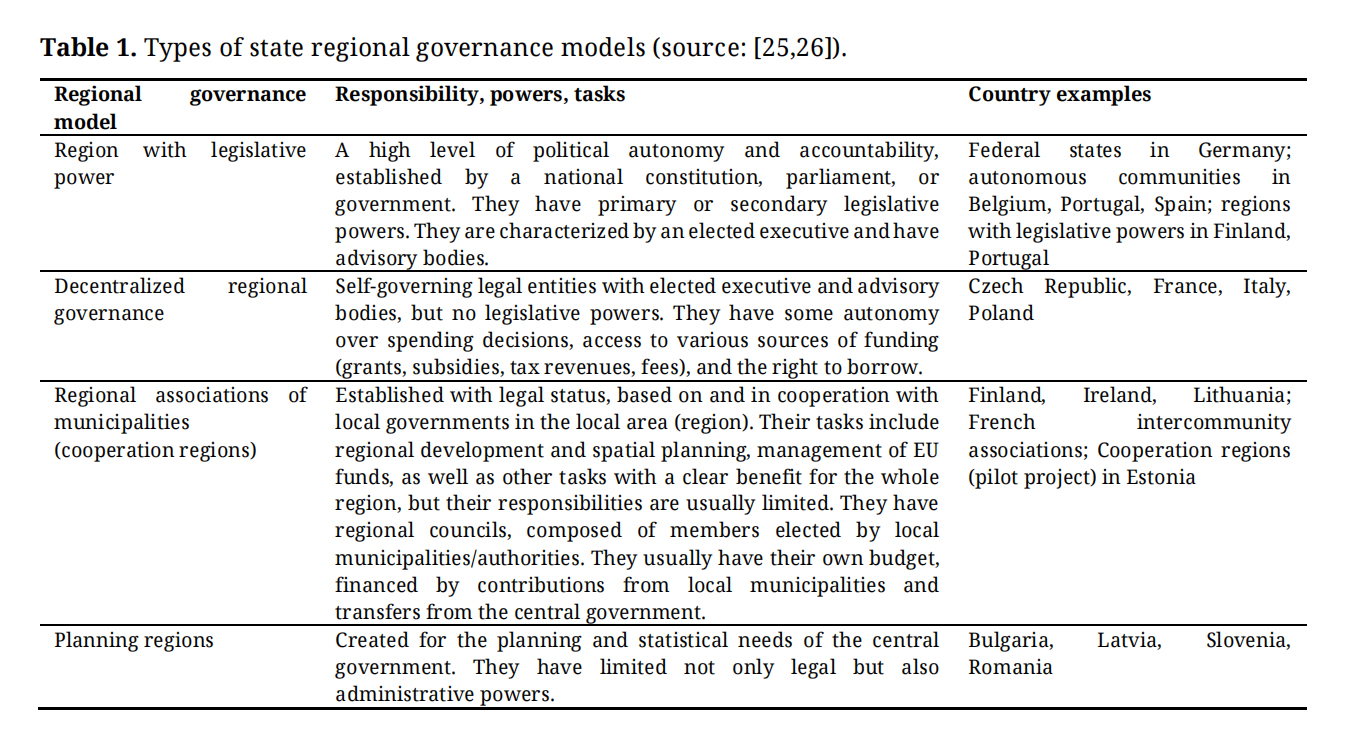
To facilitate the implementation of national strategic plans, as well as to overcome the consequences of various crises, many Member States have undergone or are undergoing regional governance reforms in recent decades, transferring partially or fully centralized powers and competences to the regional level (e.g., Belgium, Greece, Italy, Spain) [25]. To implement the EU cohesion policy, some Member States, such as Latvia and Romania, have established planning regions while maintaining centralized governance. Other Member States, such as the Czech Republic, Hungary, Poland, and the Slovak Republic, have chosen to establish (or re-establish) elected regional authorities [25]. Alongside the increasing importance of the regional level of government, reforms have also gone in the opposite direction in some Member States, limiting regional powers, for example, in the Netherlands, Portugal, Slovenia, and Sweden. In Estonia, however, the central government addressed the issue of the division of responsibilities in 2019 to increase the responsibility and trust of its citizens by reducing regional-level competence and strengthening the local government level [25,26]. Thus, regional governance models can be classified depending on the degree of decentralization, responsibilities, powers, and tasks assigned to regions, including local governments (see Table 1).
The authors Idczak, Musiałkowska, and Kociuba [27] defend the belief that the new regional development paradigm should be based on a “place-based” approach. While the old paradigm centralized state regional governance, the new approach envisages multi-level governance of regions. Such an approach more accurately brings to life a holistic perspective from a territorial-geographical context, capable of integrating horizontal, vertical, and territorial aspects for the implementation of cohesion policy. The importance of “place-based” policy-making and the coordination of top-down and bottom-up approaches is emphasized [9]. Place-based policy is characterized by three main interrelated objectives: local adaptation, local economic sustainability, and territorial equality. Moreover, the strategies for achieving these three objectives are mutually reinforcing: strategies that are adapted to local conditions not only support economic sustainability but can also help to improve territorial equality [28].
The diversity of regions, cities, and rural areas calls for a place-based approach to regional development, tailored to the needs and resources of each territory [29,30]. Proactive action in a place-based manner can help to avoid contradictions by reducing long-term costs, focusing, for example, on innovation, business support, and the well-being of communities, and reactive action, for example, to respond to economic disruptions [30,31]. In particular, governments are advised to develop more comprehensive place-based policies, as decisions and solutions from government policy systems that are not based on spatially oriented governance may not reach many cities and regions [32,33].
Climate change and its risks to nature, people, and infrastructure around the world are diverse, and it is questionable whether they can be managed by a single institution or ministry within a country. Their impacts and drivers extend beyond administrative borders or jurisdictions and typically require the expertise of civil servants working in public administration. As a result, in recent years, many national governments have struggled to organize themselves to manage, coordinate, and deliver on their domestic and international commitments. Governments have often used a variety of institutional levers to manage the complexity inherent in climate policy. These institutional levers can be divided into four types, which countries can use independently or in combination as they see fit [34]:
●
●
●
●
One of the most common coordination mechanisms regarding climate sustainability in OECD member countries is permanent bodies such as intergovernmental committees or commissions, councils, or working groups, including several ones led or coordinated by the government center. Committees can be divided into two categories: bodies with decision-making powers, usually composed of government officials, and bodies with an advisory role. For example, the intergovernmental committee for climate policy in Lithuania is the National Commission on Sustainable Development. In some countries, such as Estonia, the activities of such committees or commissions are based on inter-ministerial agreements or memoranda of understanding, which provide a legal framework for cooperation [18]. In Latvia, however, there are two super ministries (the Ministry of Climate and Energy and the Ministry of Smart Administration and Regional Development), which are respectively responsible for achieving the goals of the EGD.
The Case for Reforming the Current Governance Model in LatviaLatvia has established a comprehensive set of national development strategies and policy frameworks that outline the transition of its economy in line with the EGD and the SDGs. Table 2 provides an assessment of key policy documents in terms of their alignment with the EGD and the 17 SDGs. Collectively, these strategies and policies form a regulatory architecture that articulates the country’s green transformation priorities and sustainable development pathways across the economic, environmental, and social dimensions.
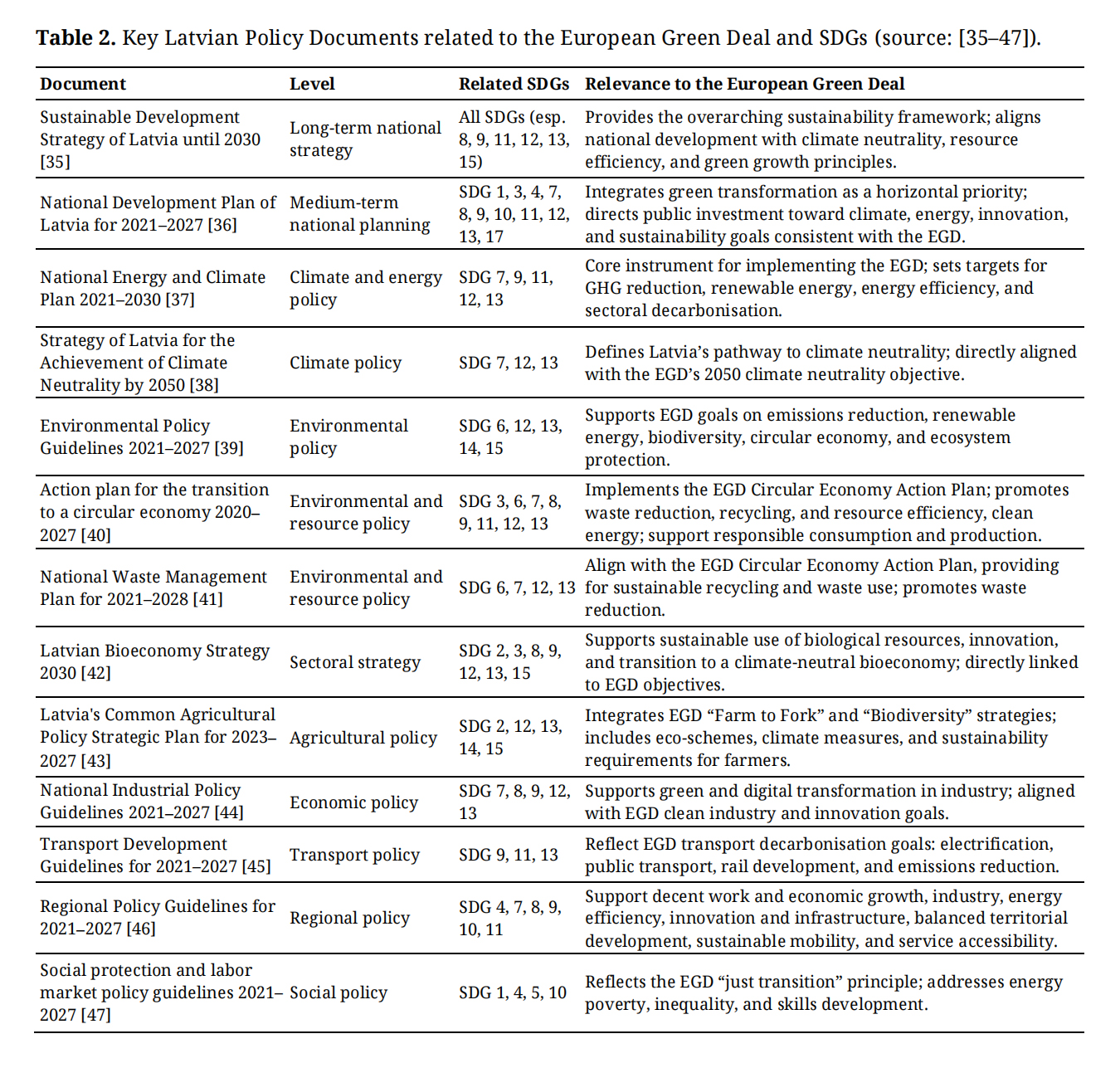 Table 2. Key Latvian Policy Documents related to the European Green Deal and SDGs (source: [35–47]).
An analysis of Latvia’s regulatory framework for the green and sustainable development of the national economy shows that these documents collectively provide measures supporting the implementation of virtually all SDGs, even though not all of them explicitly reference the EGD or the United Nations’ sustainability agenda. The breadth of policy coverage indicates that Latvia’s strategic planning architecture implicitly aligns with the multidimensional nature of sustainable development.
The importance of developing coherent and consistent policies and regulatory instruments—widely recognized as the most critical enabling factor for achieving the European Union’s green transformation objectives—is well documented in the academic literature [18]. Strengthening policy coherence across sectors and governance levels is therefore essential for ensuring that Latvia’s sustainability strategies translate into effective and coordinated action.
Identifying the drivers and obstacles to the implementation of the EGD, study [48] shows that the contradictory role of public policy, governance arrangements, and regulatory instruments generates uncertainty that hinders the diffusion of green-economy business models, the development of clean technologies, the expansion of the bioeconomy, and the transition toward sustainable mobility. These findings underscore that holistic, integrated, and innovative policy design is a key enabling factor for achieving the EGD’s objectives. Evidence from Latvia confirms these conclusions. Moreover, studies assessing Latvia’s regulatory framework highlight varying degrees of uncertainty regarding the specific indicators used to measure progress toward green transformation goals [49,50].
A persistent mismatch between policy intentions and practical implementation has been identified in Latvia, particularly in relation to regional development. This is illustrated by inconsistencies between the declared support direction “Balanced regional development” in the National Development Plan 2021–2027 [36] and its actual implementation [3,24,51]. Although the plan defines the objective of strengthening regional competitiveness, reducing economic disparities, and promoting region-specific solutions to improve living conditions, these aims are not consistently reflected in practice.
The Regional Policy Guidelines [46] are formally aligned with the Sustainable Development Strategy of Latvia [35], the National Development Plan [36], and other national and EU policy documents. They outline detailed tasks for regions and, in particular, for municipalities, emphasizing their decisive role as leaders of local development. However, these measures are insufficiently integrated into binding regulatory enactments, limiting their effectiveness in ensuring sustainable regional development. Given the shortcomings of the 2021–2027 Regional Policy Guidelines in addressing green transformation and climate-neutrality measures, scholars recommend shifting from the formal adoption of EU strategic initiatives to their substantive integration with long-term, place-based development priorities [51]. This also requires acknowledging territorial specificities and the potential of local initiatives [3,24].
The importance of a place-based approach is further highlighted by research on the profitability of agricultural and forest land use, which demonstrates that local land-use decisions are shaped by broader institutional and political contexts. A transition toward sustainable land-use practices requires policy instruments that link economic incentives to local environmental objectives, with the Common Agricultural Policy (CAP) playing a crucial role. The CAP Strategic Plan [43] includes support measures with significant potential to influence territorial development, reduce regional disparities, and stimulate entrepreneurship. A territorial approach—incorporating regional planning, funding allocation, and alignment with territorial development documents—is therefore essential. Despite this, many Latvian enterprises, particularly small firms in rural regions, do not receive the support envisaged in EU and national regulations, including the CAP Strategic Plan 2023–2027 [48]. This highlights the need to refine CAP support to enhance agricultural efficiency, preserve rural employment, and promote environmentally sustainable farming practices [52].
Analysis of climate and energy policy documents related to industrial development in Latvia reveals substantial discrepancies between economic, energy, and climate strategies. Although all documents articulate a commitment to climate neutrality, they differ significantly in investment projections, assumptions about economic growth, and expected energy-consumption trajectories. Study [49] concludes that the existing policy framework lacks the structural linkages necessary to coordinate economic and energy transformation—an essential condition for achieving climate neutrality.
The EGD requires policy coherence both horizontally across policy sectors and vertically across governance levels [7,8]. Empirical evidence from Latvia indicates friction points in vertical policy coherence between national and local governance levels, with insufficiently effective top-down and bottom-up feedback loops [53]. EU-level strategies are not adequately supported by national and local policy instruments, and the lack of political commitment to organizing transition processes further exacerbates these tensions. Policy coordination is weakened by limited involvement of local governments [49,53]. Overcoming fragmentation in investment implementation across energy, education, innovation, and business policy domains requires coordinated cross-sectoral action [49], which in turn strengthens regional development outcomes.
Local-level support is critical for making climate neutrality achievable. This requires targeted economic transformation based not only on knowledge and high technologies but also on sustainable local production, including the development of vertically integrated industrial value chains [49]. Although EU and Latvian legislation provide a framework for green-transition investments, many SMEs—particularly those outside the capital region—face difficulties accessing finance due to insufficiently targeted support [54]. Regions also have limited discretion in allocating financial resources and investments [24]. This underscores the importance of coordinated action among ministries and state institutions to implement measures that advance shared EGD objectives, reinforcing the significance of stakeholder engagement [55] and vertical integration [53] for building effective strategic partnerships at both global and local levels.
Successful adaptation of the open-innovation roadmap, which enables Latvian regions to apply a carbon-reduction approach, requires early stakeholder engagement, access to comprehensive data on emissions and infrastructure, and support for cross-sectoral collaboration [56]. Such conditions cannot be effectively ensured through a centralized governance model.
The uneven levels of development among municipalities in Latvia’s most remote regions constitute another persistent and unresolved challenge. This situation undermines the ability of local territories to pursue development trajectories aligned with the EGD. Significant disparities in regional development and territorial conditions strongly influence economic performance and other key indicators, and the current governance model does little to mitigate these inequalities. Insufficient investment and limited resource availability further constrain the implementation of regional development plans in areas farthest from the capital. Governance frictions are also reflected in local political culture, where development priorities set by the central government are frequently questioned [57]. Entrepreneurs and residents in remote regions encounter these tensions directly, which in turn hampers local development processes.
These challenges stem largely from structural shortcomings in Latvia’s regional and local governance system. Latvia operates with only two formal levels of governance—central and municipal. No legally defined regional tier exists, although five planning regions have been established, each with a regional decision-making body, the Development Council. One of the Council’s core functions is to facilitate cooperation between municipalities, planning regions, and national-level institutions. Despite this coordinating role, planning regions remain somewhat artificial constructs without substantive delegated powers. As a result, the current governance model does not ensure effective horizontal or vertical coordination across levels of the governance [58]. A key institutional limitation is the absence of a formalized regional-level governance unit with elected authorities [59].
Nevertheless, opportunities for improving governance in support of sustainability objectives do exist. The Local Government Law enables various forms of inter-municipal cooperation, allowing municipalities to establish joint associations, agencies, or commissions depending on the policy area. These mechanisms provide municipalities with the capacity to participate more actively in implementing sustainable development measures and projects.
The research evidence suggests that the existing strategic framework and the centrally-driven policy model currently applied in Latvia have limited capacity to support effective transformative processes toward a green economy. Given the shortcomings of the current EGD framework—particularly the contradictions arising from the simultaneous pursuit of economic growth and climate neutrality, as well as the limited realization of the strategy’s transformational potential—scholars recommend that policymakers explore solutions for a genuinely transformative policy framework [60].
The AHP method is used to address the problem of how to better implement the goals of the EGD in Latvia in the future.
The AHP is a multi-criteria decision-making method developed by Tomas L. Saaty [61]. The method was chosen because making recommendations for improving the governance model is a complex task, as it is necessary to prepare proposals taking into account many aspects of implementing the EGD goals in Latvia. The AHP provides an opportunity to structure a complex problem in a hierarchical form, setting the purpose of the problem, defining criteria groups, sub-criteria, and alternative scenarios for solving the problem. The method is based on mutual comparisons of pairs (groups of criteria, their sub-criteria, alternative scenarios), in which experts rate the relative importance of each criterion and alternative, using a scale from 1 to 9 (where 1 means equal importance, and 9—the strongest advantage over the other).
Among the advantages of using the AHP is that it allows us to determine the priorities of criteria, calculate the overall rating of alternatives, and check the logical consistency of the decision (consistency ratio).
The choice of the AHP in this study is grounded not only in its technical suitability for multi-criteria decision-making, but also in its epistemological compatibility with governance reform analysis.
Governance restructuring is not a problem of optimization under certainty; it is a normative and governance-level design problem characterized by value trade-offs, incomplete information, and competing rationalities. In such contexts, purely econometric or quantitative modelling approaches are insufficient because they require measurable, objective variables and stable causal relationships. By contrast, governance reform involves balancing economic efficiency, environmental sustainability and social legitimacy—dimensions that are partly qualitative and value-laden.
The AHP is particularly appropriate for this type of inquiry for three reasons:
1.
2.
3.
In this study, the AHP is therefore not used as a predictive tool but as a governance design instrument. It enables structured exploration of governance-level configurations aligned with sustainability objectives, making it particularly suitable for analyzing multi-level governance reform in the context of the EGD.
Thus, the AHP is particularly suitable for situations where decisions need to be made about complex, multidimensional problems—in this case, evaluating governance models, comparing policy alternatives, or setting strategic priorities.
The assessment, organized through a direct mutual interview, was provided by five experts whose interests represent several areas of expertise: the interests of the state (a member of the Latvian Parliament), entrepreneurship (a member of the board of an association of entrepreneurs), regional entrepreneurs (a regional manager of a financial institution), a planning region (a manager of the planning region’s business center), and a local government (a member of the municipal council).
Potential experts were approached to participate in the interview, taking into account the organizations and roles they represented. Individuals for the expert assessment were selected based on systematic information gathering with the aim of interviewing both stakeholders participating in policy processes (e.g., members of parliament and government officials) and stakeholders representing regional and local interests. Considering the context of the required expert assessment, the rather complicated assessment process from the perspective of some potential experts, and the expected length of the potential interview (approximately 60–90 min), only five individuals agreed to be interviewed. The number of individuals could be considered a limitation of this study, although the AHP allows this. All interviews for the expert assessment were conducted in the native language (Latvian), one of them was conducted in person, and four were conducted remotely. During the interviews, all proposed scenarios were discussed and, where necessary, an explanation was provided for the assessment and comparison of the proposed criteria. This helped to achieve clarity and accuracy in the assessments of the criteria groups, criteria, and scenarios. During the interviews, an unexpected exchange of views also developed, which assisted in the interpretation of the results, creating additional benefits for the study.
Methodological Scope and limitations of the AHP applicationThe application of the AHP in this study should be understood as a structured decision-support framework rather than a statistically representative measurement instrument. The objective was not to derive generalizable quantitative weights applicable to all governance contexts, but to systematically articulate and compare expert judgments in a complex, multi-dimensional policy environment.
The expert panel consisted of five representatives reflecting key stakeholder perspectives relevant to the implementation of the EGD: national policymaking, entrepreneurship, regional financial institutions, regional planning structures, and local government. While the number of experts (n = 5) does not allow statistical inference, it ensures diversity of institutional viewpoints and captures governance-relevant knowledge embedded in practice.
Several methodological characteristics of AHP must be acknowledged:
1.
2.
3.
4.
5.
Accordingly, the results of this study should be interpreted as exploratory and heuristic. The AHP framework serves to illuminate relative governance priorities, clarify expert reasoning, and structure a complex policy debate. It does not claim predictive validity, but contributes to conceptual and institutional design discussions regarding multi-level governance reform in Latvia.
Alternative Governance Model ScenariosWhen developing alternative governance models for the implementation of the EGD for Latvia, three possible scenarios have been selected (see also Table 1): Centralized governance, Regional associations of municipalities, and Decentralized regional governance.
The “Region with legislative power” (see Table 1) model was not considered, as it was not suitable for Latvia due to its territorial division. In the EU Member State classification, Latvia is equated to a single region, with the country being assigned both NUTS1 and NUTS2. Consequently, Latvia does not have a regional division with its own elected autonomous administrative bodies. To implement the EU cohesion policy, some Member States such as Latvia established planning regions, while other ones, such as the Czech Republic and Poland, chose to create elected regional authorities [25]. With the amendments to the Regional Development Law [62] in 2022, five planning regions have been established in Latvia with the aim of ensuring development planning, coordination, cooperation between municipalities and other state administrative institutions in the respective region, but they do not have real political subjectivity [25,51]. This contrasts with most EU Member States, where the regional level has an autonomous role in strategic planning and resource allocation, and it has been found that even in territorially small countries, such as Estonia, effective regional and county governance systems have been established for coordination and cooperation between the central and local government levels [18,51].
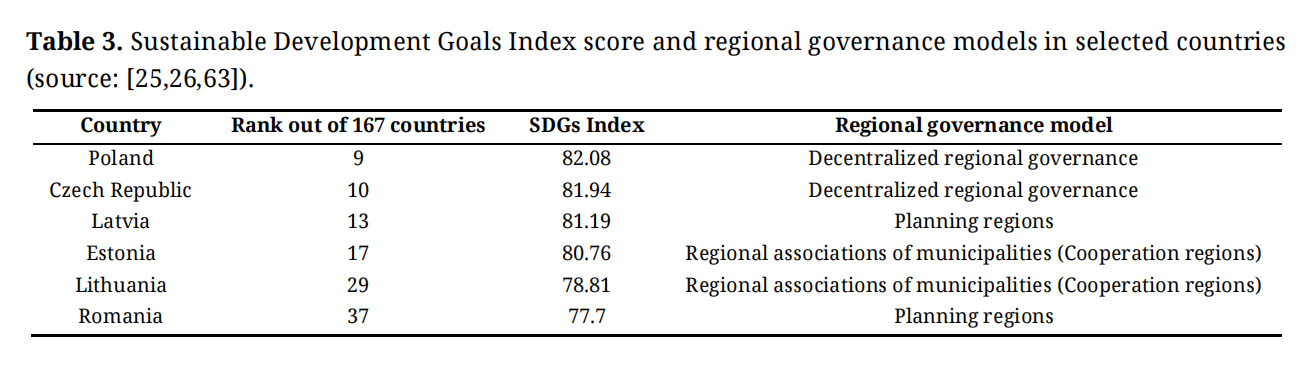
Thus, to improve local, national and regional governance in Latvia, the experience of other countries should be examined, where more successful implementation of the EGDs goals in the context of the SDGs has been observed at the local or at least administratively regional level (see Table 3). The Sustainable Development Report [63] and SDGs achievements, compared to 167 other countries, have been used to identify those EGD sub-goals for Latvia, the implementation of which has been given a lower rating.
Alternative scenarios have been developed based on the experience of the countries listed in Table 3 in achieving the EGD goals.
Scenario 1: Centralized governance (current governance model in Latvia)The current governance model in Latvia for the implementation of the EGD in the economy can be described as centralized. The Latvian government adopts the strategies and plans, directives, and recommendations resulting from the EGD developed and accepted by the EU and incorporates them into national policy documents and regulatory enactments. Two super ministries are responsible for the implementation of the EGD in economic development in Latvia. Since 1 January 2023, the Ministry of Climate and Energy has been primarily responsible for climate policy management—including the achievement of GHG emission reduction targets, energy transition policy, and expanding the use of renewable energy resources. The Ministry of Smart Administration and Regional Development is responsible for some environmental protection functions (except for the environmental protection functions under the responsibility of the Ministry of Climate and Energy), state regional territorial development planning, regional, including local, government development, digital transformation, and partly regional administrative administration. This ministry is responsible for the five measures included in the Territorial Just Transition Plan, the allocation of support funding for nature protection, including EGD projects from EU funds. Line ministries, bodies subordinate to them, and agencies perform tasks depending on the sector under their responsibility or delegated area. The planning regions and the municipalities in their territories, in accordance with the decisions of both super ministries, are involved in EGD support measures, for example, in environmental projects, waste management, mobility, and energy efficiency measures. The central government also determines the procedures for granting funding and the projects to be supported for the planning regions and specific municipalities. Adjustment to local circumstances is minimal. Thus, centralized top-down governance is implemented.
Additionally, it should be noted that the implementation of the green transition in Romania can be characterized as centralized. The Ministry of Environment, Water and Forests is entrusted with the overall leadership of implementing sustainable development goals in the national economy. A special body has been established within the government for the centralized management and coordination of sustainability. Depending on the area of responsibility, certain responsibilities have been delegated to sectoral ministries [34]. Romania has eight planning regions, established for statistical purposes to monitor regional development and manage EU funds [25].
Scenario 2: Regional associations of local governmentsA model of transition from planning regional governance to the establishment of regional associations of local governments or cooperation regions is proposed, based on an agreement on cooperation between local governments within a region. The experience of Estonia and Lithuania is used. In a pilot project, two regions in Estonia [26] and regional associations of local governments in Lithuania [64] have legally expanded the powers of regional self-government, with the association of local governments concluding relevant agreements with the central government and/or agreements between the municipalities within the district or region. The associations of local governments have their own budget, which is formed from the revenue of municipalities and transfers from the central government. This allows regional councils to make their own decisions on the planning and coordination of the implementation of state regional policy in the relevant region and specific municipality. Although green transformation and sustainability measures and the implementation of EU funding programs are coordinated centrally at the national level, such a model of regional self-government helps to implement them not only at the regional but also at the municipal level, considering local conditions and potential [25]. In addition, Lithuania has a clearly divided multi-level (vertical) governance of public investments, starting from the central government and ending with local government associations [65].
Scenario 3: Decentralized regional governanceThe proposed decentralized governance model is characterized by a certain legal and financial autonomy, which allows regions and especially municipalities themselves to adapt development measures to their needs, priorities, and potential. This is characteristic of a place-based approach to territorial governance. Such a decentralized approach has been implemented in the Czech Republic and Poland.
In the Czech Republic, the implementation of environmental and climate policy measures at the national level is led by the Ministry of the Environment together with other sectoral ministries. Achieving the SDGs is based on multi-level governance. In the country, which has 14 regions, regional development authorities have been established with various governance organizations—there are regional associations of municipalities, regional development agencies for cooperation with the regional government, and other bodies. Local and regional initiatives for the implementation of the SDGs are supported in legislative, financial, and methodological terms by ministries and state institutions [18,25,66]. Legal and financial autonomy allows local authorities and regions to tailor the use of the EU Cohesion Fund to their specific needs and priorities, implementing green infrastructure projects and sustainable public services. The Czech Republic has promoted an increased role for regions in regional policy, fully responsible for almost 60% of funding from the EU Cohesion Fund [25].
Poland has a decentralized governance structure comprising 16 regions (voivodeships), each of which acts as an autonomous authority responsible for long-term regional development. These regional administrations form the link between development policies at the EU, national, and local levels. They develop regional development policies and strategies that are coherent with national policies, while paying attention to the regional context and challenges, and act as development coordinators at the local municipal level. Regional administrations are able to address local problems using a broader regional perspective, while also serving as key partners for the national government in implementing a bottom-up approach to policy from the municipal, regional, and national levels [18,25,67]. This is how a place-based approach to regional development is realized.
Criteria for EvaluationIt is essential not only for Latvia but also for each Member State to create a model for achieving the EGD objectives that respects and balances economic, sustainable environmental, and social aspects. Despite the EU’s more pressing challenges, including improving EU competitiveness, defense, security, and supporting the eastern border regions, the European Commission does not rule out the need to drive the EU economy towards a green transformation. The European Commission calls on Member States to prioritize projects that promote employment, skills development, and industrial diversification at the regional level when allocating and using cohesion policy funds for defense-related objectives. The objectives set are also in line with the objectives of the EGD. Particular emphasis should be placed on supporting SMEs and regional clusters active in the fields of dual-use technologies, cybersecurity and artificial intelligence, ensuring that such investments serve the Union’s strategic interests and the objective of economic, social, and territorial cohesion [68].
Consequently, groups of criteria from economic, environmental sustainability, and social perspectives have been created for analysis with AHP. To select the relevant criteria for evaluating alternative scenarios for economic, social, and environmental perspective groups, the EGD aims should be viewed in the context of the SDGs.
A comprehensive assessment report [2] covering the progress of EU Member States towards the implementation of the EGD states that overall, the EU has made significant progress, but progress needs to be accelerated in many areas. The report identifies gaps and therefore recommends improving measures across several dimensions, including: creating new job opportunities, promoting the introduction of socially responsible production methods (social perspective), ensuring the production of sufficient, healthy, nutritious, and sustainable food, supporting the economic resilience of agricultural and food producers (economic perspective) and access to sustainable food (social perspective). Additionally, the SDGs that, according to the Sustainable Development Index [63], should be achieved as a priority in Latvia have been selected. An AHP diagram was created for the interviews with representatives of various fields and for conducting expert assessments, which form the basis for the analysis (see Figure 1).
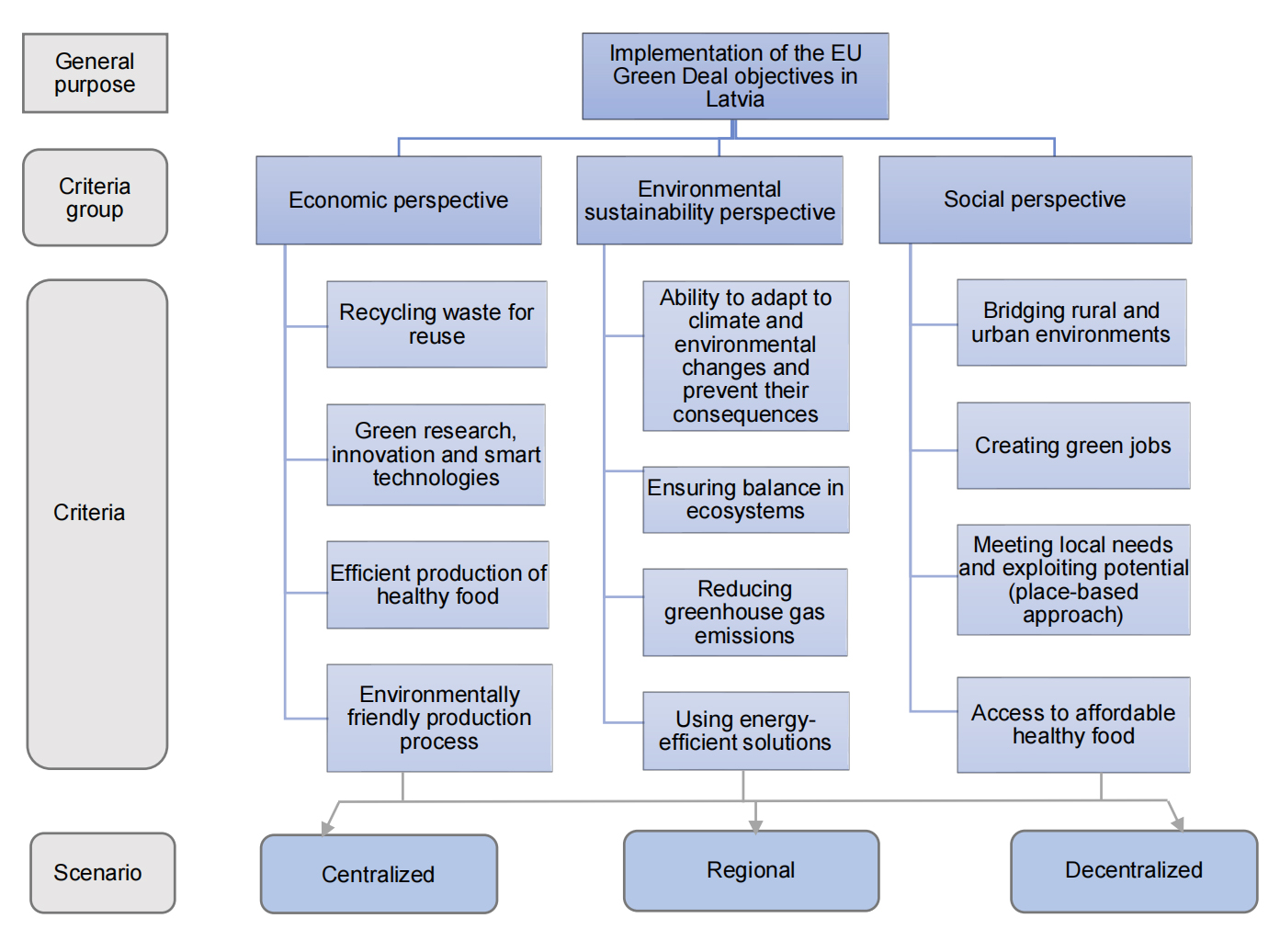 Figure 1. Hierarchy diagram for the problem “Assessing future scenarios to enhance the governance model for the implementation of the European Green Deal in Latvia” (source: authors’ construction).
For the expert assessment, the experts were initially asked to evaluate, based on their own experience and opinions, and compare each criterion group, depending on the overall goal—to improve the governance model for implementing the EGD objectives in Latvia in the coming years. Namely, it had to be assessed which of the proposed EGD implementation perspectives was the most significant for the Latvian economy. The results of the comparison of the groups of criteria are given in Figure 2.
Overall, the opinions provided by the experts indicated the priority importance of the economic perspective (0.47) in achieving the goals of the EGD. The next priority was environmental sustainability (0.30), and it was followed by the social perspective of the EGD (0.23). However, the minimum and maximum ratings revealed that some experts had assigned a higher importance to the environmental perspective than to the economic one.
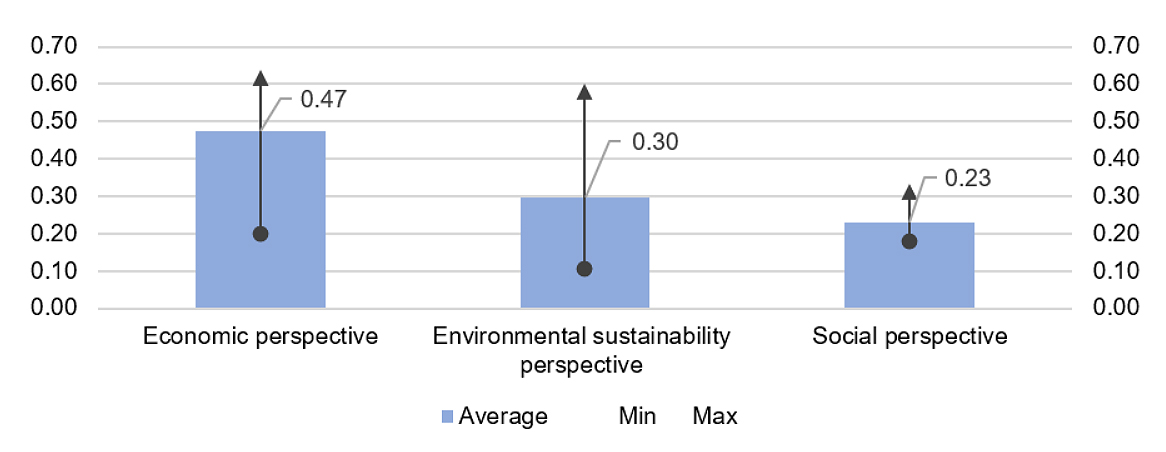 Figure 2. Ratings of the criteria groups (source: authors’ survey results).
The observed variation between minimum and maximum expert ratings indicated that expert opinions were not fully convergent across all sustainability perspectives. Rather than being treated solely as a statistical dispersion, this divergence reflected underlying structural tensions between the centralized coordination and territorially differentiated governance approaches.
In this sense, the variability of expert ratings provided additional analytical insight by revealing areas where governance responsibilities and implementation levels remained contested, particularly between economic efficiency considerations and environmental or social responsiveness at subnational levels.
As a next step, the experts compared the four criteria proposed for evaluation within each (of three) group of criteria, determining the importance of the EGD sub-goal in each of the groups. This was followed by a rating of each criterion, i.e., the feasibility of implementing the EGD sub-goal important for Latvia according to the given alternative scenarios (models of governance). The summary of the criteria comparison results, broken down by criteria groups (perspectives), is presented in Figures 3–5.
The results showed that from an economic perspective, centralized governance is preferable (see Figure 3). Thus, the current EGD governance practiced in Latvia is supported. The experts believed that the implementation of the EGD goals from an environmental sustainability (see Figure 4) and social (see Figure 5) perspective would be more useful if entrusted to regional associations of municipalities. However, the opinions regarding regional associations of municipalities and decentralized regional governance differed very little.
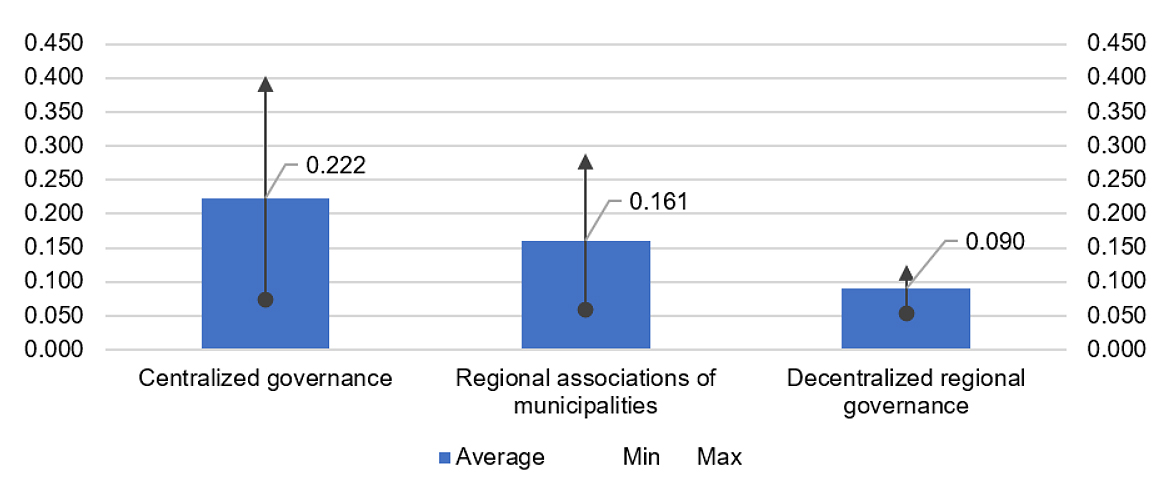 Figure 3. Scenario ratings by criteria group according to the economic perspective (source: authors’ survey results).
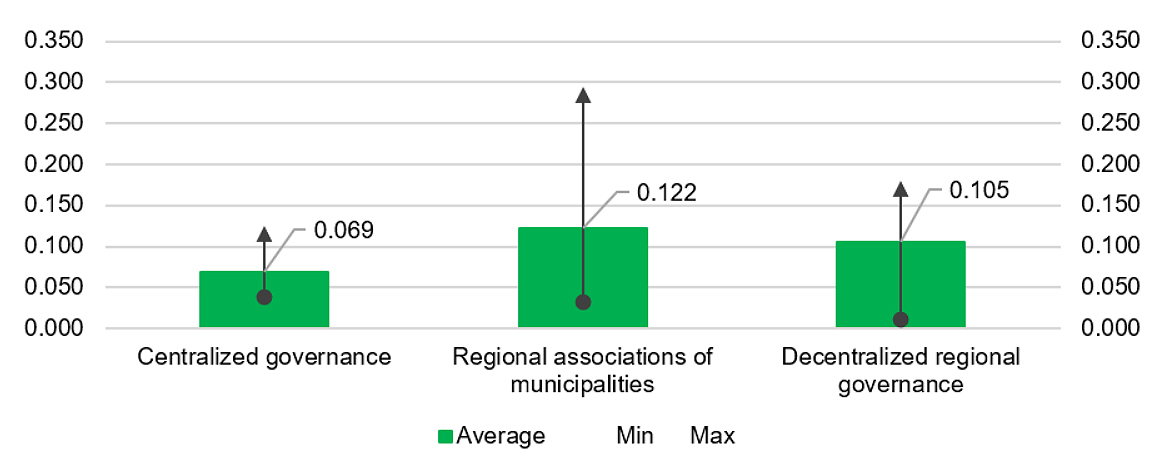 Figure 4. Scenario ratings by criteria group according to the environmental sustainability perspective (source: authors’ survey results).
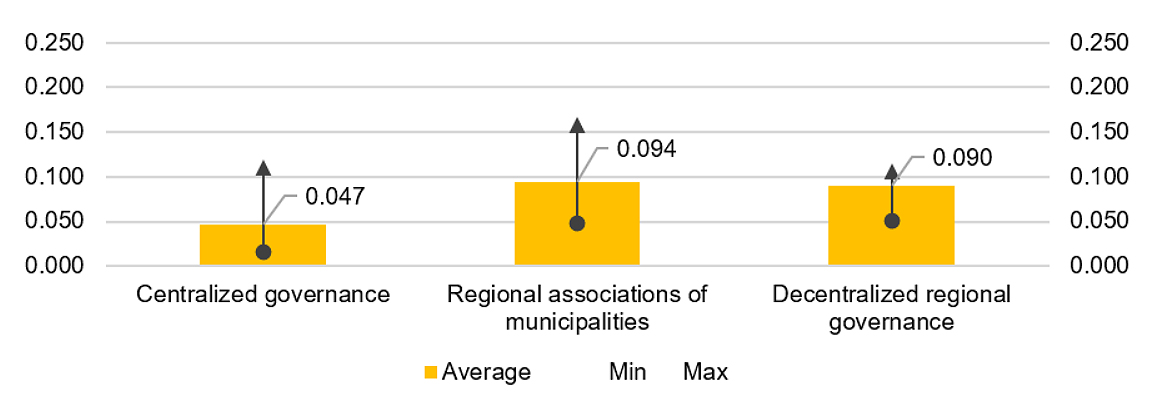 Figure 5. Scenario ratings by criteria group according to the social perspective (source: authors’ survey results).
The results demonstrate that the opinions of the experts and the ratings provided were not unambiguous, as it could be observed that there was a large difference between the minimum and maximum ratings.
Summarizing the experts' ratings of all criteria regarding the most appropriate alternative scenario (see Figure 6), the governance model of regional associations of municipalities is preferred for the successful implementation of the EGD (0.377). The rating of the central governance model was only slightly less lagging behind (0.337).
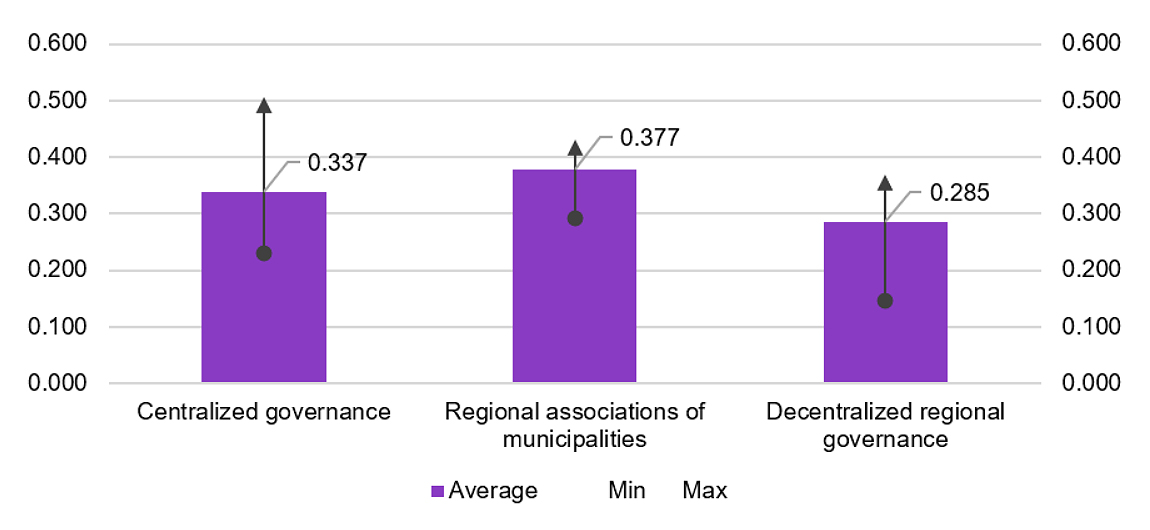 Figure 6. Summary ratings of the scenarios according to all criteria (source: authors’ survey results).
The AHP results reveal a structured differentiation of governance suitability across sustainability dimensions. Rather than indicating a single optimal model, they suggest functional specialization across governance levels. Such an expert rating suggests that the EGD governance model could be managed at different levels. While the governance of economic aspects can still be carried out centrally, the management of environmental sustainability and social objectives should be entrusted to regional associations or unions of local governments.
Beyond numerical rankings, the experts revealed distinct argumentative patterns underlying the evaluation of governance scenarios.
The clearly demonstrated advantage of centralized governance from an economic sustainability perspective reflects expert opinion that macroeconomic coordination, strategic investment planning, including local deployment, harmonization of EU funds and coherence of national regulations benefit from centralized authority.
The environmental sustainability dimension demonstrates stronger support for governance delegated to regional associations of municipalities. Environmental challenges are territorially differentiated, requiring adaptive, context-sensitive implementation capacity that intermediate governance levels are better positioned to provide.
Similarly, the social sustainability dimension favors regional associations. Social transition dynamics—including labor market restructuring, SME adaptation and public acceptance—are embedded in local socio-economic structures and require proximity-based governance.
Additional insights were provided by the discussions held during the interviews. Some experts expressed caution regarding the administrative and financial capacity of subnational actors, highlighting the risk that decentralization without adequate support may reduce implementation effectiveness. Importantly, decentralized regional governance with stronger political autonomy performs similarly to regional associations, indicating that full legislative autonomy is not a necessary precondition for improved sustainability outcomes. What matters more is institutional capacity, delegated competences and stable financing at the intermediary level.
Thus, the empirical contribution of this study lies in identifying a differentiated governance architecture rather than promoting uniform decentralization. These qualitative insights help to explain the relatively small differences observed between alternative governance scenarios and reinforce the interpretation of the AHP results as reflecting governance trade-offs rather than clear-cut institutional superiority.
Integrated Interpretation of Governance Trade-OffsThe aggregated AHP results reveal not merely a ranking of governance scenarios but a differentiated allocation of institutional suitability across sustainability dimensions.
From an economic perspective, centralized governance achieves the highest evaluation. This reflects expert recognition that macroeconomic coordination, strategic investment planning and alignment with EU-level financial instruments require strong national-level leadership. Economic sustainability objectives are perceived as benefiting from scale, fiscal concentration and policy coherence.
In contrast, environmental and social sustainability objectives receive higher evaluations under regional associations of municipalities. This suggests that proximity to territorial realities enhances responsiveness to ecological diversity, social vulnerabilities and local stakeholder engagement.
The relatively small numerical differences between regional associations and decentralized regional governance indicate that the decisive factor is not full political autonomy, but the presence of empowered intermediate governance structures capable of coordination, adaptation and feedback.
Thus, the results do not advocate radical decentralization. Instead, they support a hybrid governance configuration:
●
●
●
Importantly, the dispersion of expert evaluations demonstrates that governance design involves normative trade-offs rather than technocratic optimization. The AHP framework makes these trade-offs explicit and transparent.
Accordingly, the study proposes not a single institutional reform blueprint, but a differentiated multi-level governance architecture aligned with the functional requirements of each sustainability dimension.
Proposed Differentiated Multi-Level Governance Model for EGD Implementation in LatviaBased on the structured AHP evaluation and qualitative interpretation of expert reasoning, this study proposes a differentiated multi-level governance configuration characterized by functional allocation of competences. The proposed model consists of three integrated layers based on the delegation of responsibility and the division of functions (Table 4).
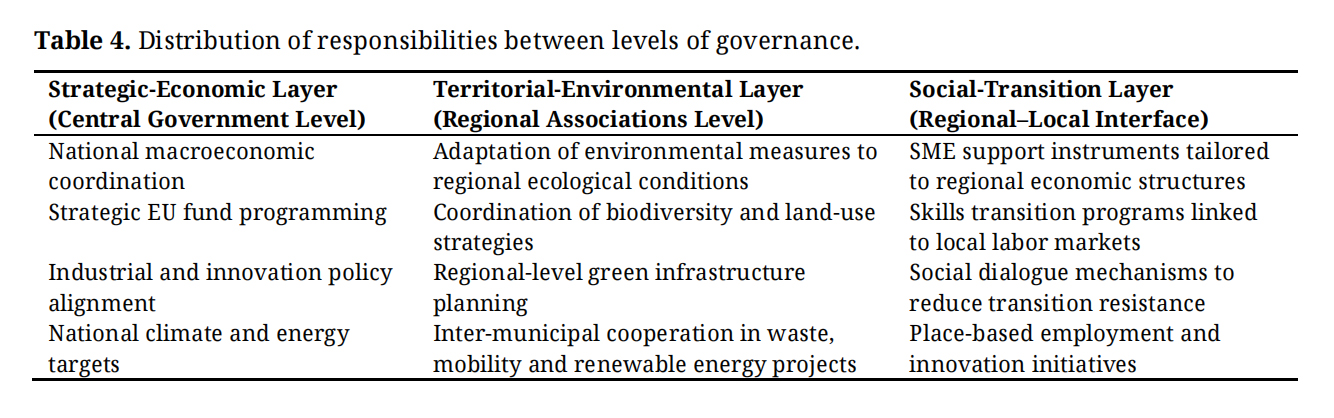 Table 4. Distribution of responsibilities between levels of governance.
By specifying clear responsibilities and support for relevant governance functions in the proposed manner, governance reform becomes incremental and institutionally feasible, rather than disruptive. The proposed model should strengthen socio-political, fiscal and administrative feedback loops, both horizontally and vertically. This would provide ongoing support for transition policies at the national and local levels, as well as counteract the currently observed policy coherence friction between national and local levels of governance.
The originality of the study therefore lies not merely in applying of the AHP, but in the use of these multi-criteria decision-making method as a structured instrument to design a differentiated governance architecture aligned with sustainability dimensions.
Countries have a choice of which sustainability goals to support in the context of the EGD Strategy. There are different opinions regarding the priority aspects that are or should be achieved during the green transformation.
Latvia shows an unbalanced support for the implementation of the EGD targets [2,63]. On the one hand, Latvia shows positive progress in the implementation of renewable energy resources, the use of recycled materials, and energy consumption in agriculture and forestry. On the other hand, there are still problems in waste management, land use, and reducing the consumption footprint [2]. Addressing these negative aspects will be crucial for Latvia to fully comply with the ambitious goals of the EGD [63].
Some authors [69] are critical of the EGD strategy and believe that economic growth has so far been a key focus in planning the green transition towards sustainability, without sufficient consideration of environmental sustainability. On the contrary, there is a position [4] that the transition to a circular economy and the emphasis on sustainable resource management are at the heart of the EGD’s comprehensive approach to combining economic growth with environmental protection. The research study reveals that measures on resource and energy productivity, combined with a crucial transition to renewable energy, are an integral part of promoting a sustainable, competitive, and climate-neutral economy. An effective governance and regulatory framework are needed to successfully implement the EGD and ensure that economic growth is decoupled from resource use and environmental degradation [4]. Not only innovative green technologies to improve economic performance but also improving administrative and governance can ensure environmental sustainability [7]. The green transitions (including energy transitions), when driven solely by national and global policy initiatives, are not yet achieving their intended results. A study on energy transformation policy in Latvia confirms that achieving climate neutrality goals and economic growth are not mutually contradictory directions. If industrial policy governance is improved in response to the use of local potential, then companies will be able to operate more efficiently, attract capital, export and use low-cost, local renewable electricity, as a result of which Latvia will achieve the dual goal of accelerating economic growth and moving towards climate neutrality [49]. A well-designed strategic plan, implemented with political support, policy instruments, and technical tools, can only lead to change if it is complemented by flexible and decentralized governance and financing, as well as tailored innovative solutions [70]. This requires a multifaceted approach that embraces and balances economic, environmental, and social perspectives, as well as reforms in the area of climate neutrality governance, to overcome the multiple challenges of sustainability and climate change.
A research study [71] on the potential and means of Baltic municipalities to implement the energy transition (mainly in terms of renewable energy production, storage, costs, and emissions) has found that a single scenario is not suitable for all municipalities, considering the diversity of municipalities in terms of resources, infrastructure, and socio-economic conditions. In implementing the transition measures, the following shortcomings were identified:
●
●
●
●
A research study [72] on the level of local self-government in Poland showed that the decentralization of public finances was increasing. However, it was identified that the autonomy of communities to manage funding, which is prescribed by law, was decreasing. The authors expressed concern that the observed trend indicated a limitation of self-government and the ability to manage local affairs.
In some countries, solutions have been found by combining centralized EGD management with decentralized delegation of projects to local governments, overcoming the shortcomings of local governance. For example, one of the 150 municipalities in Serbia, the municipality of Priboj, demonstrates positive administrative and financial consistency in the implementation of local energy transitions within an underdeveloped national policy framework. Effective coordination between national and local decision-makers, financial institutions and utilities facilitated the local energy transition [70]. However, the Italian experience shows that concentrating public funds on the regional needs of specific sectors (agriculture, manufacturing, construction, services) and responding to place-based needs (research in technological development and innovation, transport infrastructure, human resources and business support) makes cohesion policy more successful [73]. This research study provides evidence that the relatively poor performance of cohesion policy financial investments can be largely explained by the weak management capacity of local strategies. However, Italy has found a solution to overcome the lack of management capacity by developing two policy instruments: the national technical assistance program (Capacità per la coesione) and the administrative regeneration plans (PRigA).
Estonia demonstrates a solution to overcome operational shortcomings of individual municipalities and the risks associated with them. Estonia has implemented a pilot project by introducing two pilot regional councils—one for South Estonia and one for Central Estonia, with the aim of strengthening the role of local governments in policy development and implementation, ensuring that regional perspectives are better reflected in national sectoral policies. Both regional councils operate based on regional development agreements, which define the development priorities and activities of municipalities in the region. This has created a vertically oriented cooperation for two-way feedback and coordination between strategic development plans and policy documents at the national, regional, and local levels [26].
Based on the assessment of Latgale as the most vulnerable region of the country, several recommendations have been made for Latvia to improve regional support policy [24], including improving multi-level governance and ensuring greater fiscal autonomy, as well as considering local initiatives and ensuring their bottom-up approach:
●
●
●
For a “place-based” approach to be successful, it is important to consider several aspects, including: measures aimed at using all the opportunities and resources in a given place, as well as local past performance; cooperation with local authorities and various stakeholders is important for governance to achieve both short-term and long-term goals [32,33]. Supported localism is a situation where the central government provides strong financial support combined with a high degree of autonomy for place-based local governance [28,33]. National practice confirms that such governance provides an opportunity to initiate locally focused development programs, while also involving a wide level of local stakeholders in planning activities [74]. Effective place-based policy-making is also gaining increasing importance in the context of sustainability. When shaping local development policies in various areas, environmental and social sustainability is increasingly emphasized [19,31]. The transition initiated by the EGD should focus on subnational levels of governance, so that existing supranational and national decisions and policies are localized and adapted to local contexts, while identifying key drivers or barriers to innovative local policies [46].
While the results support a stronger role for regional and local governance in implementing environmental and social sustainability objectives, it is important to emphasize that place-based governance is not universally effective by default. Its success depends on adequate administrative capacity, fiscal autonomy, and well‑functioning coordination mechanisms at subnational levels.
In contexts where such capacities are limited, decentralization may lead to fragmentation or implementation delays rather than improving outcomes. Therefore, any shift towards territorially differentiated governance models in Latvia should be accompanied by targeted capacity-building measures, stable financing arrangements, and clearly defined accountability structures.
Some authors point to the limited transformation potential of the EGD, as this strategy has an economic growth-oriented direction within the framework of climate policy. To overcome this limitation of green transformation, policymakers should look for solutions that are different from those found so far [60]. Our research is an attempt to find a new solution to improve current governance model for a balanced transition of the national economy towards a green and sustainable transformation.
The need to reconsider Latvia’s current centralized governance model for implementing the EGD does not arise solely from theoretical preference for decentralization. It emerges from empirical mismatches between policy ambition, territorial diversity and implementation capacity. Several structural challenges justify the consideration of governance reform:
1.
2.
3.
4.
5.
Importantly, the argument for reform does not imply abandoning centralized governance. Rather, it supports differentiated allocation of competences: centralized coordination for macroeconomic and strategic objectives, combined with strengthened regional structures for environmental and social implementation.
The AHP results provide structured evidence supporting this differentiated governance logic. Reform, therefore, is not presented as ideological decentralization, but as functional adaptation of governance architecture to the multidimensional nature of sustainability transition.
The EGD is a long-term growth strategy that aims to radically transform the economies of EU Member States and achieve climate neutrality in Europe by 2050. The implementation of this strategy is a challenge for Latvia, given the different levels of development and growth opportunities of its territorial regions. Furthermore, the unbalanced implementation of EGD objectives creates the need to improve the governance model in Latvia.
The research study examined how Latvia’s governance model for implementing the EGD could be enhanced by better integrating economic, environmental, and social sustainability objectives within a territorial and multi-level governance framework. Using the AHP and the experts representing key stakeholder groups, three alternative governance scenarios were evaluated: centralized governance, regional associations of municipalities, and decentralized regional governance.
The findings confirm that Latvia’s current centralized governance model remains effective for achieving EGD objectives related to economic sustainability. Centralized decision-making ensures policy coherence, macroeconomic stability, and coordinated use of national and EU financial instruments, which is particularly important for supporting competitiveness, large-scale investments, and strategic sectors of the economy. The experts, therefore, recognized the continued relevance of strong national-level leadership in the economic dimension of the green transition.
At the same time, the results clearly indicate that environmental sustainability and social objectives of the EGD are more effectively addressed through governance arrangements that operate closer to territorial realities. Governance delegated to regional associations of municipalities received the highest overall rating, reflecting their capacity to adapt policies to diverse regional conditions, respond to local environmental challenges, and address social needs more precisely. This finding highlights the importance of spatial differentiation and territorial sensitivity when implementing climate neutrality measures, biodiversity protection, resource efficiency policies, and socially inclusive transition mechanisms.
The comparison between regional associations of municipalities and decentralized regional governance shows only marginal differences in expert ratings, suggesting that Latvia does not necessarily require fully autonomous regional governments to improve EGD implementation. Instead, a pragmatic transition towards strengthened regional cooperation bodies—supported by formal agreements, delegated competences and stable financing—can significantly enhance policy effectiveness without crucially changing the administrative system of Latvia’s regions.
Overall, the research has demonstrated that a “one-size-fits-all” governance model is not suitable for the implementation of the EGD goals in Latvia. A differentiated, multi-level governance approach is required, in which responsibilities are allocated according to the nature of sustainability objectives. Achieving the goals of the economic perspective requires centralized coordination, while achieving the goals of the environmental and social perspectives requires stronger regional and local involvement and a place-based approach. This governance configuration enables better alignment between national strategies and local potential, reduces territorial disparities, and increases stakeholder involvement.
Targeted support for SMEs is very important for Latvia, as the green transformation of business is crucial for the successful implementation of not only economic goals but also for helping local authorities achieve environmental and social goals, such as creating green jobs, bringing rural and urban areas closer together, creating energy-efficient solutions, etc. Therefore, overcoming the budgetary and bureaucratic pressure of centralized administration, it is necessary to decentralize investment management and facilitate the ability of local authorities to decide on their distribution to support local business. This is especially relevant for the most remote rural areas of the country.
Decision-making on the balanced implementation of the EGD and the SDGs is inherently complex, and modeling such a problem is a challenge. A compromise must be reached between perfect modeling and the usability of the AHP method [75]. This research has attempted to overcome governance shortcomings by applying the AHP to shed light on potential solutions for a more tailored and sustainable implementation of green transformation across Latvia’s planning regions. The originality of this research lies in combining the AHP methodology with comparative territorial governance scenarios to provide evidence-based recommendations tailored to Latvia’s regional context. The results contribute to the broader academic discussion on multi-level governance and transition to sustainability, while offering practice-based guidance for policymakers seeking to design more adaptive and territorially responsive governance models for the EGD.
The research results obtained do not provide a comprehensive solution for tailored improvements to the multi-level governance model for achieving specific European green transformation and sustainability goals in Latvia. This limits the practical applicability of the proposed model. Further in-depth analysis is needed to refine the theoretically proposed governance model by specifying an institutional framework that accounts for inter-ministerial and other institutions involvement, the redistribution and coordination of responsibilities, as well as the degree of fiscal autonomy.
Furthermore, for the effective implementation of governance policies, it would be advisable for the government to first develop more precise and operational indicators [49] for achieving specific EGD targets across the economic, environmental, and social dimensions. Embedding such indicators within the strategic regulatory framework would not only enable systematic monitoring of progress, but also allow policymakers to adjust interventions more purposefully. Clear, measurable indicators would support the design of targeted measures at all levels of governance—central, regional, and local—thereby enhancing policy coherence and implementation capacity. Establishing such an indicator‑based system would also facilitate the development of a more comprehensive, data‑driven model for guiding the sustainable transformation of the national economy in line with the objectives of the European Green Deal.
The dataset of the research is available from the authors upon reasonable request.
Conceptualization, BR and IB; methodology, PR; software, PR; validation, PR; formal analysis, IB; investigation, IB; resources, IB; data curation, PR; writing—original draft preparation, IB; writing—review and editing, BR; visualization, IB; supervision, BR; project administration, PR; funding acquisition, IB All authors have read and agreed to the published version of the manuscript.
The authors declare that they have no conflicts of interest.
This research was supported by project “Strengthening the Institutional Capacity of LBTU for Excellence in Studies and Research”, funded by The Recovery and Resilience Facility.
1.
2.
3.
4.
5.
6.
7.
8.
9.
10.
11.
12.
13.
14.
15.
16.
17.
18.
19.
20.
21.
22.
23.
24.
25.
26.
27.
28.
29.
30.
31.
32.
33.
34.
35.
36.
37.
38.
39.
40.
41.
42.
43.
44.
45.
46.
47.
48.
49.
50.
51.
52.
53.
54.
55.
56.
57.
58.
59.
60.
61.
62.
63.
64.
65.
66.
67.
68.
69.
70.
71.
72.
73.
74.
75.
Beizitere I, Rivza B, Rivza P. The European Green Deal and Sustainability: A Model for Better Governance Solutions for Latvia. J Sustain Res. 2026;8(1):e260022. https://doi.org/10.20900/jsr20260022.

Copyright © Hapres Co., Ltd. Privacy Policy | Terms and Conditions