Location: Home >> Detail
J Sustain Res. 2026;8(2):e260036. https://doi.org/10.20900/jsr20260036
 ,
Foivos Psarommatis 2
,
Foivos Psarommatis 2
1 School of Engineering, University of North Florida, Jacksonville, FL 32224-7634, USA
2 SIRIUS Centre for Scalable Data Access, Department of Informatics, University of Oslo, 0373 Oslo, Norway
* Correspondence: Gokan May
This review is a critical evaluation of how data-driven solutions revolutionize industrial energy efficiency. Based on our detailed and critical analysis of 162 peer-reviewed studies, empirical methods dominate energy-related research, with machine learning and optimization models being significant in terms of operational efficiency, energy conservation, and predictive maintenance. A closer examination of evaluation practices also shows a persistent gap between technical accuracy and real-world outcomes. The results of our study indicate that the field is advancing rapidly, albeit in a non-linear manner. We also provide a roadmap that identifies hybrid modeling, interoperable frameworks, and cross-sector transferability as essential for achieving sustainable and scalable progress. We thus outline how current barriers can be converted into opportunities for genuine transformation in industrial energy efficiency. Ultimately, the conclusion that emerges is that without rethinking validation and linking it directly to sustainability, AI’s contribution to energy efficiency risks becoming innovation without impact.
Improving process energy efficiency is now essential for sustainable growth, particularly in energy-intensive industries [1]. In this regard, data-driven approaches supported by AI and machine learning (ML) have demonstrated strong potential [2]. These technologies support energy optimization and predictive maintenance [3].
Both advanced data analysis and computational techniques are also important and necessary for energy conservation [4]. Data-driven solutions possess significant potential, but data quality, scalability, and industry-specific adaptation hinder their acceptance levels [5].
Nonetheless, while the energy conservation and data-driven technology literature is growing, research concerning the integration of various approaches, applications, and outcomes is limited. Most studies focus on specific industries or technologies, which narrows our understanding of their wider impact. These limitations highlight the need for an integrated review.
Consequently, this review focuses on data-driven strategies to improve industrial energy efficiency, with an emphasis on manufacturing and adjacent sectors. The analysis covers the period from 2016 to 2024 and includes only peer-reviewed journal papers. A structured analytical framework with 15 attributes is applied to classify the literature based on methods, applications, and challenges.
Three goals guide this review:
●
●
●
This work differs from prior reviews by combining technological, methodological, and sectoral classifications into one consistent structure. The inclusion of topics such as validation metrics, scalability, and sustainability allows the analysis to surpass classification and uncover practical insights.
This section collates the most significant elements of 18 review papers to provide a full picture of the current state of research in this area.
Accordingly, Mawson and Hughes (2019) [6] investigated modeling tools designed to make manufacturing systems and processes more energy efficient. They stressed the growing importance of data-driven methods for improving the energy efficiency of industrial operations through predictive tools. Narciso and Martins (2020) [7] conducted a detailed analysis of several industries and explored ML tools for energy efficiency in greater depth. They demonstrated the optimization of energy consumption in complex systems through pattern recognition.
Ekwaro-Osire et al. (2021) [8] suggested that data collection, including sensor data, energy consumption data, and operational parameters, is essential for improving the energy efficiency of manufacturing. They also addressed topics such as the integration of data streams into AI systems. Their research indicated that optimal utilization of advanced analytics necessitates effective data collection and preprocessing. Bahij et al. (2021) [9] explored the efficacy of ML models in predicting industrial energy consumption. Based on their research, the evidence suggests we need strong datasets to make accurate predictions.
Wang et al. (2021) [10] examined the practical barriers limiting the use of ML for energy efficiency in buildings, such as data quality, interoperability, and scalability. These challenges are equally relevant in manufacturing and offer transferable insights for industrial applications. Christensen et al. (2022) [11] studied how ML can support energy policy objectives and demonstrated that targeted, data-driven actions can deliver significant measurable energy savings. Several other studies investigated sector-specific applications, emphasizing the adaptability of data-driven approaches. For instance, Selvam et al. (2024a) reviewed energy efficiency strategies in additive manufacturing, with a particular focus on direct laser metal deposition, and discussed how ML can support both energy reduction and improved part quality. Hong et al. (2024) [12] extended this line of research to semiconductor manufacturing, outlining a structured approach for reducing energy use in precision-driven production environments.
From a regional perspective, Barraza et al. (2023) [13] examined ML applications for energy efficiency in El Salvador. Ioshchikhes et al. (2024) [14] investigated ways to make manufacturing more energy efficient through a detailed study of expert systems and showed manufacturing can benefit from AI-driven rule-based methods introduced by regulators.
Valencia-Arias et al. (2023) [15] conducted a bibliometric analysis of ML applications in energy efficiency to discover research limitations and trends and reported increasing interest in hybrid approaches that combine multiple data-driven techniques. Biswas et al. (2024) [16] highlighted recent advances in AI-driven power optimization, with a focus on hybrid models and cross-industry collaboration.
Bermeo-Ayerbe et al. (2022) [17] explored the possible synergy between energy efficiency and predictive maintenance and showed how data-driven models can help enhance energy efficiency and optimize maintenance operations. This dual-purpose technique aligns with the findings of [18], who investigated the influence of digitalization on improving energy efficiency in enterprises and demonstrated how various business models can allocate resources for the adoption of new technology.
Recent studies have investigated technical constraints and opportunities. Balakrishnan et al. (2024) [19] utilized ML to study biomass energy and demonstrated both computational challenges and benefits for sustainability. Laiton et al. (2023) [20] investigated predictive decision-making models for electrical systems and highlighted the importance of fault investigation in improving energy efficiency. Wei et al. (2018) [21] studied data-driven techniques for estimating building energy consumption. An initial analysis of data analytics and smart manufacturing technologies by Ivester et al. (2017) [22] aimed to support preparation for future progress in the creation of energy-efficient systems. Their in-depth study suggests that data-based strategies are needed to improve the energy efficiency of different areas.
Table 1 summarizes the contributions of previous reviews on data-driven approaches for industrial energy efficiency.
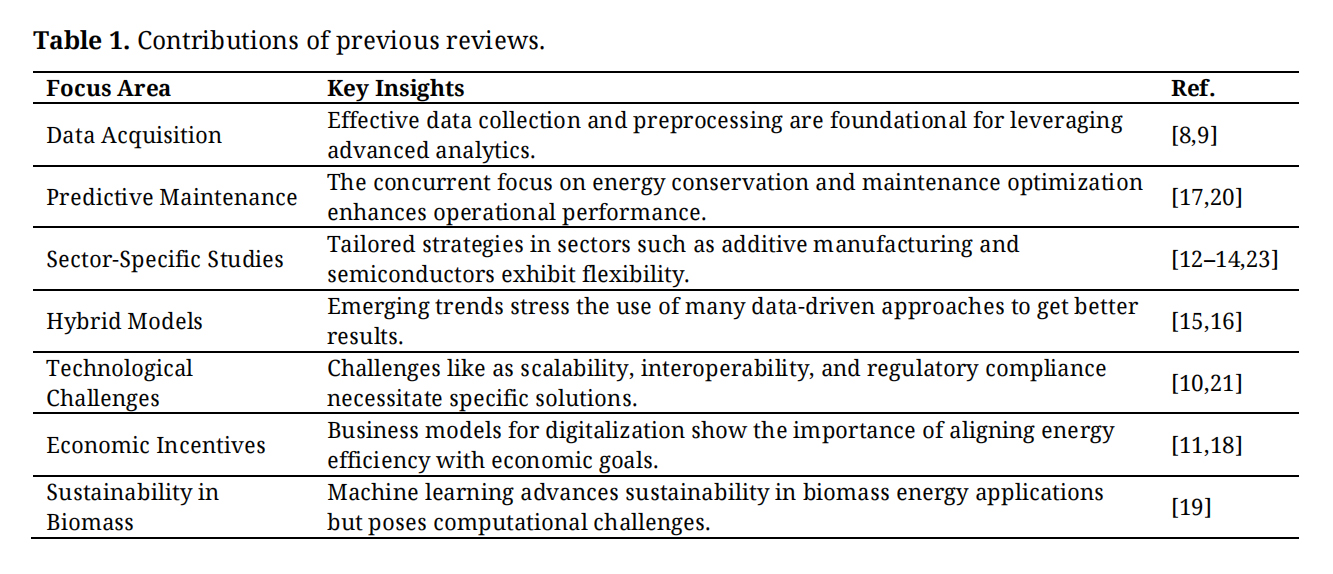 Table 1. Contributions of previous reviews.
While the studies in Table 1 address several important aspects of energy efficiency, they do so with limited integration across methods, sectors, and technologies. Most reviews focus either on a specific analytical approach or a narrow application domain. Few adopt a comparative structure that links these dimensions in a consistent way. In contrast, this study applies a multi-attribute classification framework across 162 peer-reviewed journal papers to support a more structured synthesis. It identifies methodological trade-offs, sector-specific trends, underrepresented technologies, and recurring barriers such as data interoperability and model scalability. This structured approach allows for broader generalization while retaining analytical depth.
Despite the progress observed in earlier review studies on data-driven energy efficiency, the existing literature remains fragmented and often limited to specific technologies or industrial contexts. Most prior studies provide descriptive overviews or bibliometric trends but refrain from systematically comparing methodological, technological, and practical dimensions. Furthermore, there is limited discussion on how validation, scalability, and sustainability interact within data-driven approaches to energy efficiency. This gap highlights the need for a more integrative review that examines the analytical depth, applicability, and real-world feasibility. This study addresses this gap by combining methodological and sectoral classifications with evaluation of validation practices, thereby connecting theoretical advances to industrial relevance.
Table 2 summarizes how this study compares to prior reviews in terms of scope, methodological structure, and inclusion of underexplored dimensions such as validation metrics and scalability.
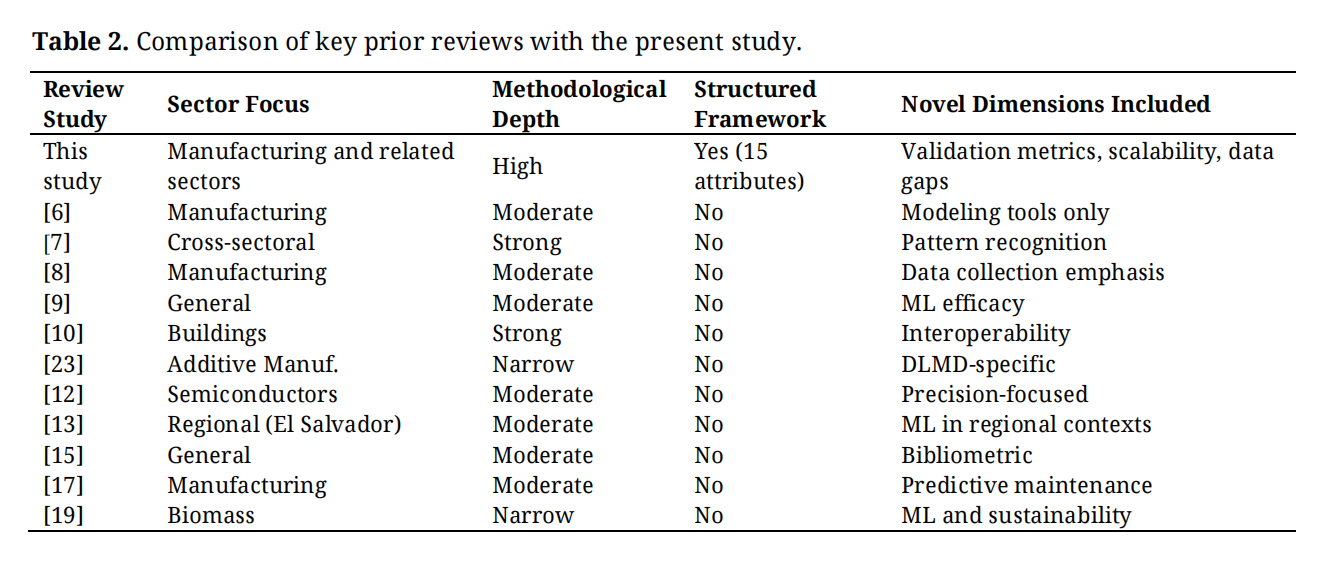 Table 2. Comparison of key prior reviews with the present study.
In this study, we adopted a systematic and scientific approach to identify, categorize, and evaluate existing literature on data-driven solutions for energy efficiency in manufacturing. This method was utilized to ensure that our study and results are rigorous, clear, and replicable to allow future researchers to improve or change the framework for similar investigations. The methodology has three key steps: (i) data collection, (ii) publication screening and selection, and (iii) attribute-based analysis. The procedures are detailed below.
This review includes research studies published from 2016 to 2025, which encompasses a timeframe characterized by significant advancements in Industry 4.0 technology and its use to enhance industrial energy efficiency. The literature review utilized two commonly used scientific databases: (i) ScienceDirect and (ii) IEEE Xplore. These databases were selected due to their extensive collections of peer-reviewed literature in the fields of energy, manufacturing, and engineering. The search query “manufacturing AND (‘energy efficiency’ OR ‘energy optimization’ OR ‘sustainable energy’) AND (‘machine learning’ OR ‘predictive models’ OR ‘data driven’ OR ‘AI’)” was utilized, with a focus on titles, abstracts, and keywords to find relevant studies. Publications were included in our data collection if they presented data-driven techniques for increasing energy efficiency in manufacturing settings by using technology boosted by AI, ML, or predictive modeling. Research studies concerning unrelated topics, such as agriculture were excluded from our analysis. Moreover, only peer-reviewed journal publications were analyzed to guarantee the precision and quality of the findings. After eliminating duplicates and an initial screening of articles with their titles and abstracts, 162 publications were identified. Of these, 116 were from ScienceDirect and 46 from IEEE Xplore. The full texts of these 162 papers were investigated in detail to verify their pertinence and conformity with the research objectives. Figure 1 shows the PRISMA flow diagram of the literature review search, screening, and inclusion that resulted in 162 studies being analyzed.
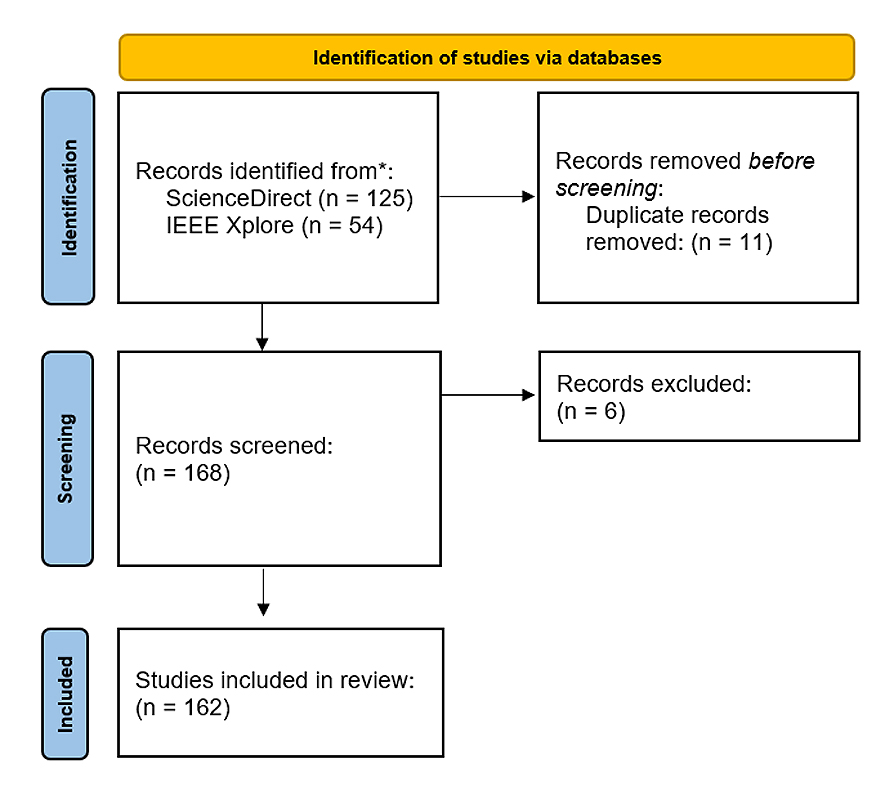 Figure 1. PRISMA flow diagram of the literature review.
We developed a comprehensive framework with 15 attributes to systematically evaluate and categorize the selected publications. Each attribute is a key component of the analysis, as it enhances our comprehension of the literature’s principal arguments, methodologies, and contributions in greater detail. Table 3 provides a complete summary of the 15 analytical attributes, including descriptions of each attribute as well as initial classifications. This ensures that the analysis is consistent and uniform throughout the entire process. It should be noted that the classifications presented in Table 3 were not assigned through a fixed or automated process. The framework was developed iteratively by analyzing the scope, methodology, and objectives of each study to identify meaningful patterns. New categories were added only when the content of multiple papers indicated the need for refinement. In this way, Table 3 represents an evidence-based synthesis rather than a predefined taxonomy. Each attribute captures the logic emerging from the literature, allowing the framework to reflect real research practices and methodological diversity rather than imposing rigid boundaries.
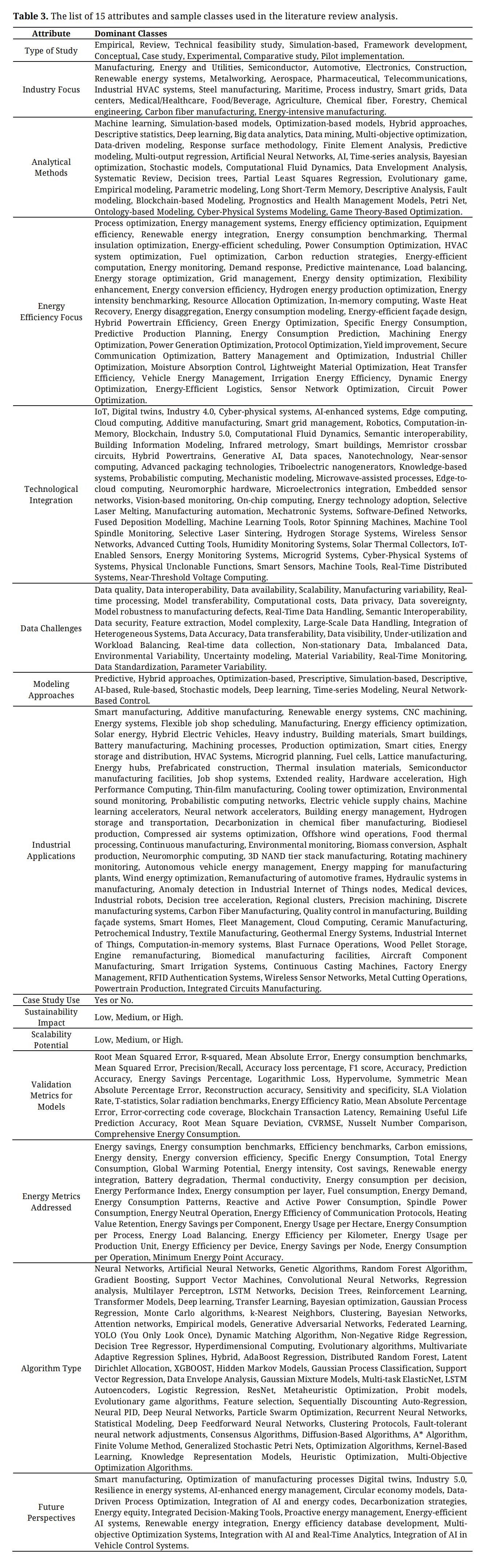 Table 3. The list of 15 attributes and sample classes used in the literature review analysis.
In the analysis, each paper was categorized into a single predominant class for each attribute. This “one-class-per-attribute” approach was utilized to ensure consistency in quantitative analysis and to avoid over-counting studies that span multiple categories. By assigning a dominant classification, the framework enables clearer aggregation of results across attributes and supports comparability between categories. At the same time, some studies naturally involve multiple methods, sectors, or application areas. In such cases, the classification reflects the primary emphasis of the study as interpreted from its objectives and contributions. This simplification may not capture the full multidimensional nature of all studies and is considered a limitation of the analytical approach.
Incorporating attributes such as “Data Challenges,” “Sustainability Impact,” and “Scalability Potential” underscores the significance of addressing practical concerns and the enduring viability of energy efficiency research. Simultaneously, attributes such as “Algorithm Type” and “Validation Metrics for Models” enable a comprehensive assessment of the studies’ technical precision and methodological contributions.
This comprehensive approach ensures that the review’s findings are grounded in a robust analytical framework. They provide valuable insights regarding the present status of research on data-driven energy efficiency in manufacturing. This study synthesizes existing knowledge by systematically collecting and analyzing various segments of the literature while also identifying significant gaps and presenting new avenues for research.
The full dataset and attribute coding used in this review are provided as supplementary material (Table S1).
This section presents the analysis of the 162 reviewed studies using the 15-attribute framework. Each subsection reports the distribution of classes, followed by key insights and identified gaps. The discussion focuses on methodological patterns, sectoral differences, and implementation challenges, thus, linking the findings to opportunities for future research.
Type of StudyThe attribute “Type of Study” categorizes the research approaches used in the reviewed papers. Figure 2 presents the identified classes and their distribution.
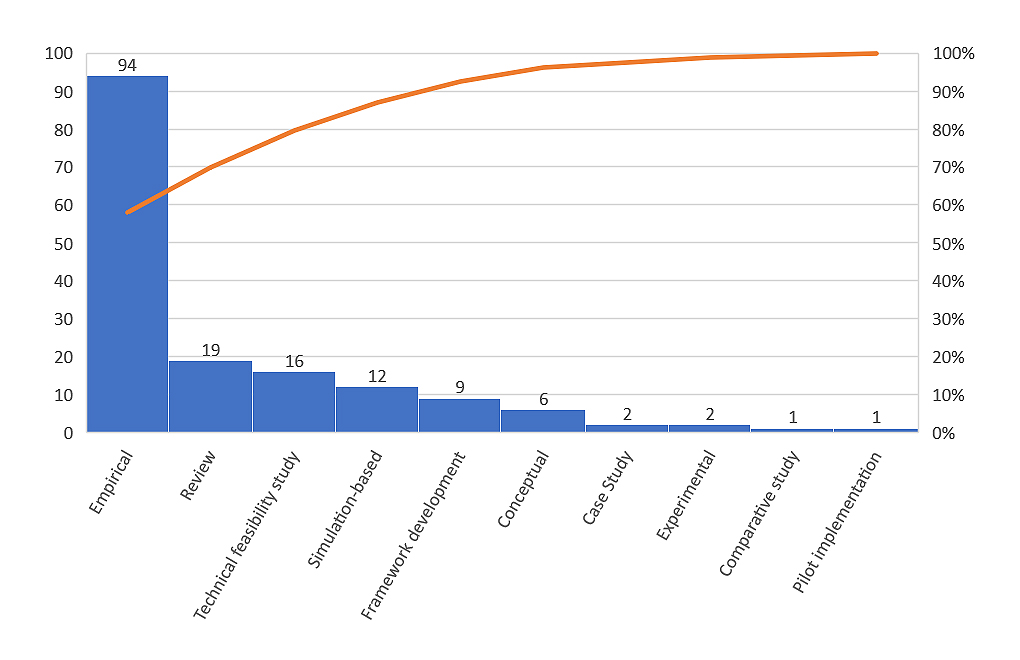 Figure 2. Distribution of study types.
Empirical studies dominate this attribute, accounting for 94 of the 162 papers (58.02%). Typically, empirical research in this field employs ML, IoT, and optimization.
Review studies are the second largest category (11.73%) and synthesize existing work to identify trends and research gaps.
Technical feasibility studies follow (9.88%) and examine whether distributed energy systems can use blockchain and edge computing. One example is the development of blockchain frameworks for secure energy management.
Simulation-based studies account for 12 papers (7.41%). These studies investigate future scenarios using advanced modeling tools, particularly where experiments are costly.
Framework development studies account for nine papers (5.56%). These studies focus on implementing methods or systems, such as digital twins, to improve energy efficiency.
While empirical studies dominate, their concentration restricts methodological diversity and comparisons. Simulation-based studies remain limited despite their ability to model complex industrial energy scenarios. The limited number of comparative studies and formal case study-based methodologies also restricts cross-method analysis and the development of adaptable frameworks. The low number of framework development papers suggests that integration of AI tools into operational systems remains in an early phase. A better balance among empirical, simulation, and conceptual studies would improve both implementation and generalization.
Industry FocusThe “Industry Focus” attribute identifies the sectors in which energy efficiency research is applied. Figure 3 presents the identified industry sectors and their distribution.
Manufacturing dominates with 64 papers (39.51%). For example, smart manufacturing systems using predictive maintenance and CNC optimization are growing areas of research.
Energy and utilities follow (13.58%) and focus on integrating renewable energy sources, improving grid efficiency, and enhancing energy storage.
The semiconductor industry accounts for 12 papers (7.41%), in which cleanroom energy and HVAC management are central. The automotive sector follows with 10 papers (6.17%), focusing on energy-efficient manufacturing and battery technologies.
Electronics, construction, and renewable energy systems each account for seven papers (4.32%). Finally, the pharmaceutical, telecommunications, industrial HVAC systems, and maritime sectors each account for two papers (1.23%).
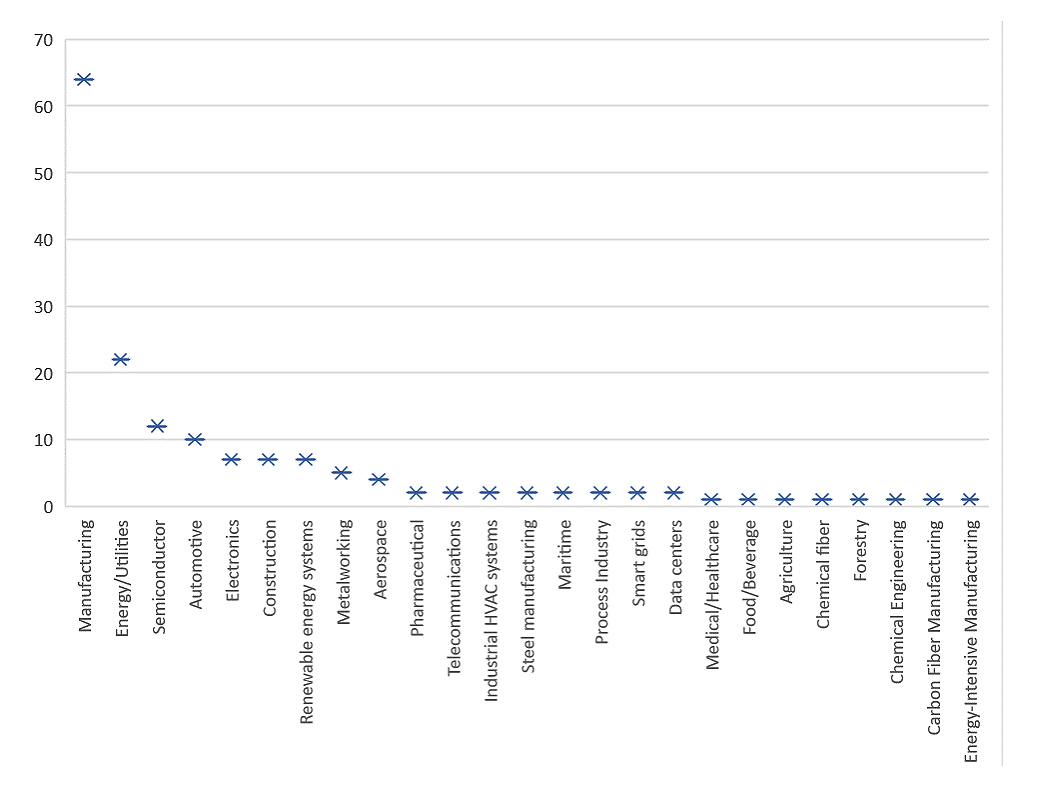 Figure 3. Distribution of industry sectors.
The dominance of manufacturing in the reviewed studies is expected given its high energy intensity, but fewer studies address aerospace, construction, and renewable energy sectors. In aerospace, energy-efficient thermal management and simulation-based design remain largely unexplored. Construction could benefit from real-time energy monitoring and material optimization using predictive tools, but few studies address these applications. Expanding AI research into these sectors would support broader adoption across industries.
Analytical MethodsThe “Analytical Methods” attribute identifies the dominant approaches used to analyze energy efficiency challenges. Figure 4 presents all identified analytical methods and their distribution.
ML dominates with 74 papers (45.68%). Its widespread use is linked to its ability to support predictive modeling, fault detection, and process optimization.
Simulation-based models account for seven papers (4.32%), mainly assessing energy flow and system resilience. Optimization-based methods account for six papers (3.70%) and balance output goals with energy savings.
Hybrid methods appear in six papers, often combining ML with optimization. Descriptive statistics are used in five studies to identify trends in energy use. Deep learning and big data analytics appear in five and four studies, respectively, typically in data-intensive environments involving IoT or smart manufacturing systems.
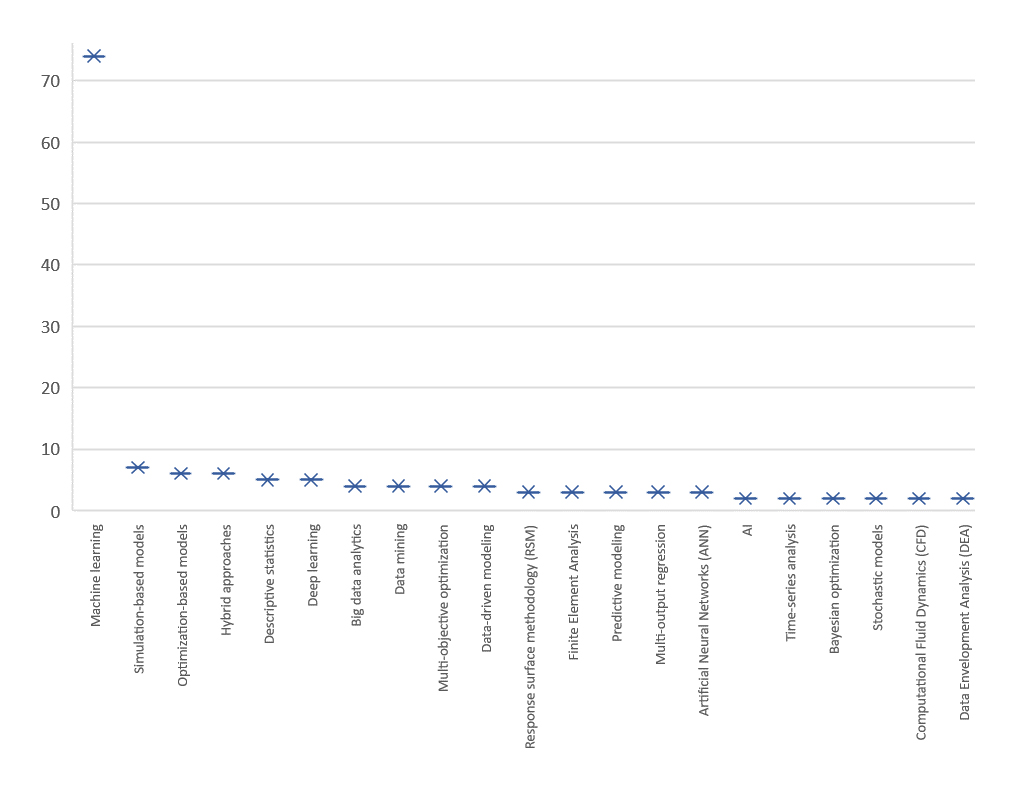 Figure 4. Distribution of analytical methods.
Specialized methods such as multi-objective optimization, data mining, and general data-driven modeling each appear in four papers (2.47%). Other approaches, such as finite element analysis, response surface methodology, and predictive modeling, are used to assess energy performance, optimize processes, or support forecasting.
Differences in how methods such as big data analytics and time-series analysis are applied suggest opportunities for further research.
ML is widely adopted for its predictive capabilities, yet few studies compare it with optimization or simulation under identical settings. Hybrid models appear in only a small portion of the literature, although combining prediction with optimization or simulation would better support complex, multi-objective problems. Deep learning, despite its strength in high-dimensional data, remains underutilized in real-time manufacturing applications due to high computational costs and interpretability concerns. In addition, very few studies benchmark different algorithms across the same dataset, making it difficult to identify which methods generalize better under specific constraints.
Energy Efficiency FocusThe “Energy Efficiency Focus” attribute identifies the main areas of energy efficiency research and their distribution across the reviewed papers. Figure 5 presents the distribution of identified energy efficiency strategies.
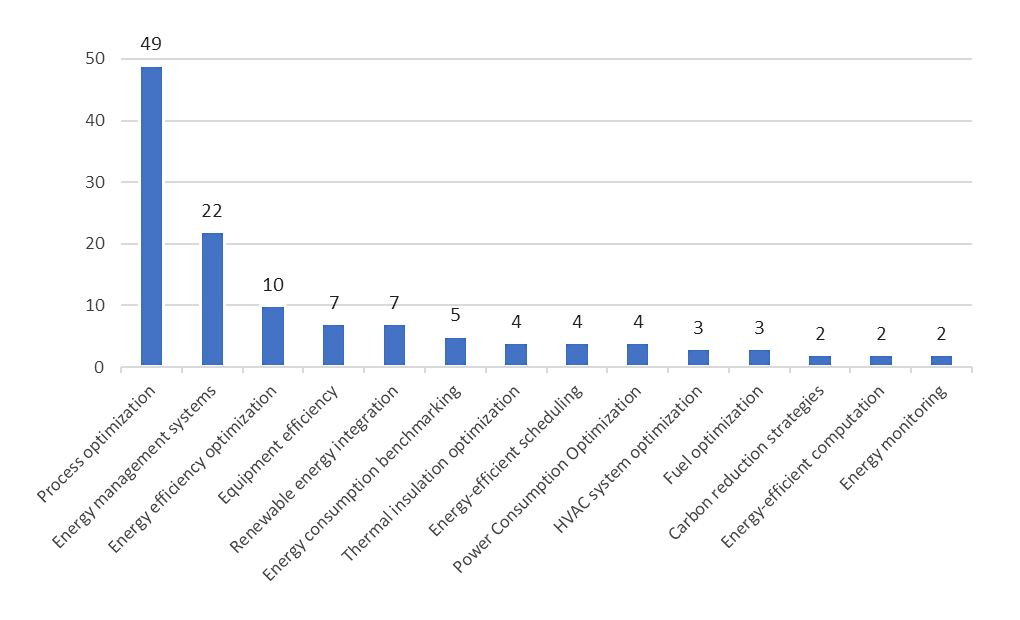 Figure 5. Distribution for energy efficiency focus.
Process optimization emerges as the most studied category, with 49 of the 162 papers (30.25%), and these studies examine techniques to improve manufacturing efficiency and reduce energy waste.
The second most common focus is on energy management systems, which are discussed in 22 papers (13.58%). These systems provide structured methods for tracking and controlling energy use throughout industrial operations. By integrating IoT, cloud platforms, and AI-based analytics, these systems enable real-time decision-making.
Energy efficiency optimization, discussed in 10 papers (6.17%), focuses on improving energy use across entire systems through both technological upgrades and operational changes.
A smaller group of studies, each with seven papers (4.32%), focuses on equipment efficiency and renewable energy integration.
Energy consumption benchmarking (five articles) concentrates on establishing baseline performance metrics to assess the efficiency of energy utilization. These studies help companies benchmark performance and identify improvement areas.
Thermal insulation optimization, energy-efficient scheduling, and power consumption optimization each appear in four papers (2.47%). HVAC optimization and fuel optimization appear in three papers each (1.85%).
Most studies focus on process optimization and energy management systems, which is likely to be due to their immediate impact on industrial efficiency. Applying AI, predictive models, and real-time data analysis in underexplored areas such as energy-efficient scheduling, waste heat recovery, and renewable integration could improve their effectiveness and support wider implementation.
However, while process optimization and energy management systems dominate the research focus, this concentration may overlook equally important but less studied areas. For instance, thermal insulation optimization, HVAC control, and energy-efficient scheduling appear in very few studies despite their potential to reduce operational energy in both manufacturing and construction environments. This gap suggests a misalignment between research attention and practical impact. Integrating AI tools into these overlooked domains, particularly through real-time control or context-aware scheduling, could improve system-wide efficiency and responsiveness.
Technological IntegrationThe “Technological Integration” attribute identifies key technologies used to improve energy efficiency in industrial operations. Figure 6 shows the distribution of these technologies.
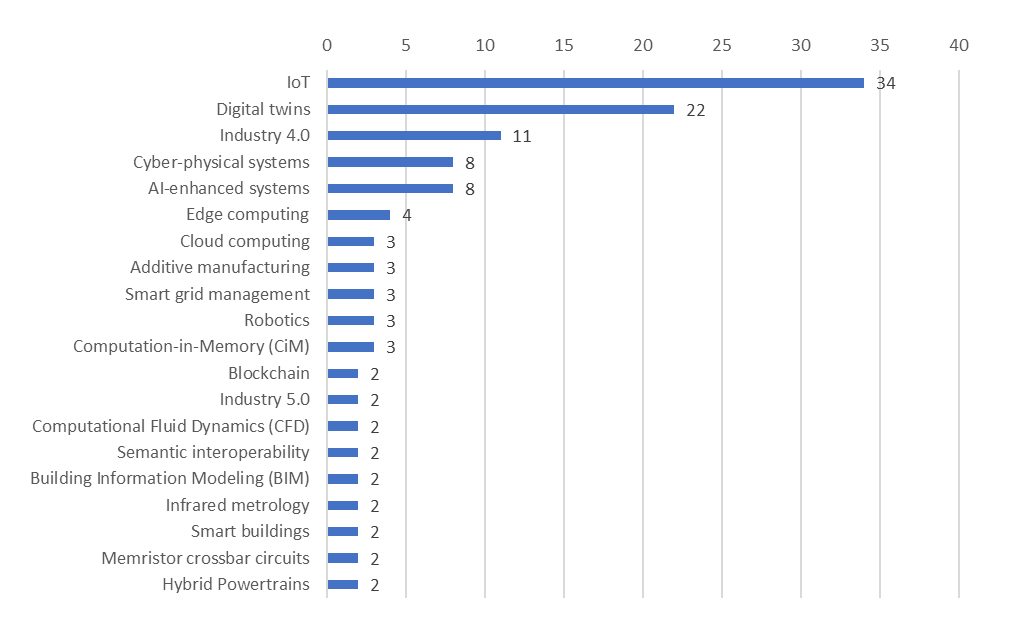 Figure 6. Distribution of technological integration.
IoT is the most frequently used technology, appearing in 34 papers (20.99%). These studies focus on energy monitoring, predictive maintenance, and smart factory operations, highlighting the role of real-time data in improving efficiency.
Digital twins follow with 22 papers and support predictive maintenance, process simulation, and energy forecasting.
Industry 4.0 (11 papers) focuses on the convergence of robotics, cyber-physical systems, and AI-driven decision-making, including smart scheduling and adaptive control.
Cyber-physical systems and AI-enhanced systems, each appearing in eight papers (4.94%), integrate computing and physical processes to improve energy efficiency. CPS applications support rapid decision-making, while AI-enhanced systems are used for grid optimization, fault detection, and energy forecasting.
Edge computing (four papers) enables localized processing and reduces latency in smart grids and HVAC systems.
Blockchain technology (two papers) ensures secure energy trading, facilitates decentralized data management, and verifies carbon credits.
Other tools such as computational fluid dynamics, smart grid management, and robotics appear in three papers each (1.85%).
Within the reviewed studies, IoT, digital twins, and AI-driven technologies receive the most attention. At the same time, topics such as blockchain and edge computing receive limited attention.
The high frequency of IoT and digital twin applications reflects their maturity in industrial settings, but integration with other emerging technologies remains limited. For instance, edge computing and blockchain appear in very few studies, even though they address persistent problems such as latency, data security, and decentralized control. Most studies evaluate these technologies in isolation rather than as integrated systems. There is also limited comparative evaluation across technology combinations, such as cloud-based versus edge-based implementations for energy monitoring. Future studies should explore how specific combinations of technologies can reduce delays, improve data integrity, and support distributed energy analytics.
Data Challenges in Energy Efficiency StudiesThe “Data Challenges” attribute identifies key obstacles affecting the implementation and scalability of energy efficiency models. These challenges influence data-driven decision-making, predictive modeling, and system optimization. Figure 7 presents the distribution of identified data challenges.
Data quality is the most commonly reported challenge (34 papers; 20.99%) and reflects how incomplete, inconsistent, or noisy data can undermine predictive maintenance and energy optimization.
Data interoperability is the next major concern, appearing in 29 papers (17.90%). A lack of standardized frameworks across Industry 4.0 systems, IoT devices, and digital twins makes it difficult to exchange data between platforms.
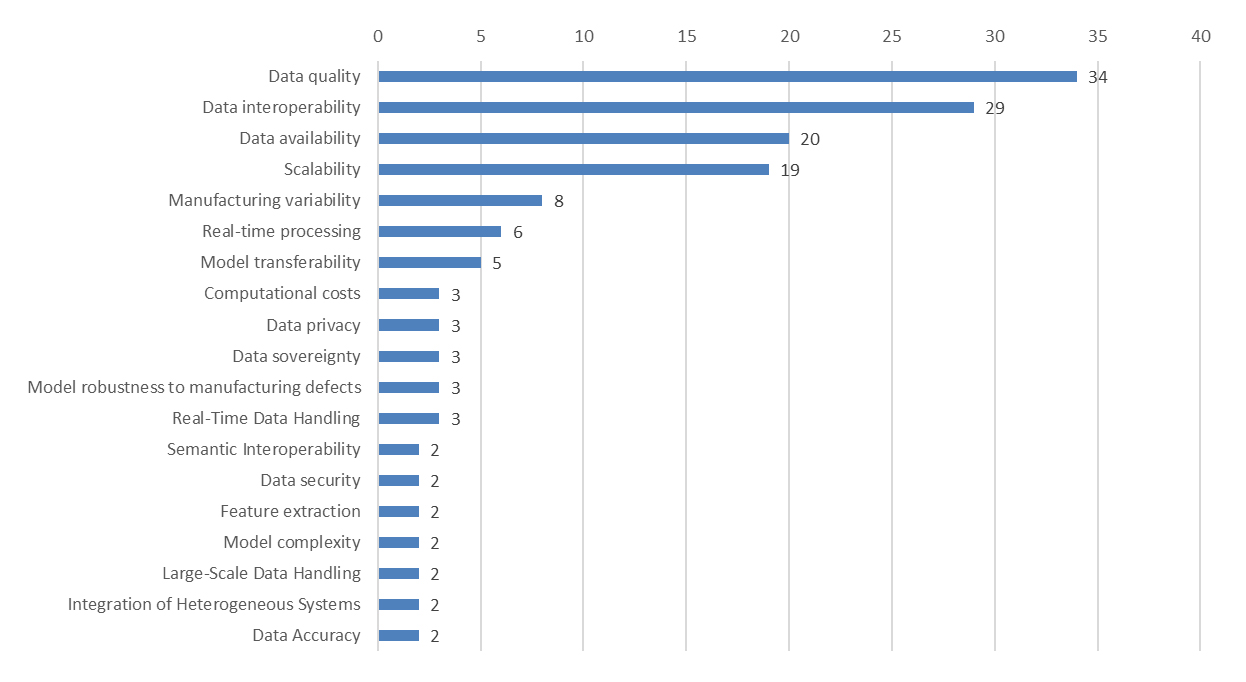 Figure 7. Distribution of data challenges.
Data availability (20 papers; 12.35%) remains a significant challenge and points to limited or missing access to both historical and real-time data, particularly in sectors in which digital infrastructure is still emerging.
Scalability (19 papers; 11.73%) reflects challenges resulting from the rapid growth of data from IoT systems and high-frequency sensors. Eight studies indicate that manufacturing variability affects the accuracy and generalizability of energy optimization models.
Delays and latency, discussed in six studies, limit real-time processing in IoT-based systems. Model transferability appears in five papers. Models created in one context often do not perform well in others, requiring more flexible and adaptive ML techniques. Less frequently discussed topics include computational cost, data privacy, data sovereignty, and model robustness. Each of these appears in three papers (1.85%). Blockchain-based systems support secure data exchange but face scalability and compliance challenges.
While data quality and interoperability are the most frequently mentioned challenges, few studies offer concrete strategies for their resolution. Many papers acknowledge these issues but treat them as constraints rather than manageable design variables. Model transferability, which is critical for adapting solutions across production sites or sectors, is rarely addressed in depth. Similarly, the impact of manufacturing variability on model robustness is often overlooked. These gaps limit the applicability of energy optimization tools in settings in which conditions differ from those used in training. More work on transfer learning, semantic data structuring, and adaptive algorithms could improve the repeatability of data-driven solutions across industries.
Modeling ApproachesThe “Modeling Approaches” attribute identifies the primary models used in energy-efficient manufacturing research. Figure 8 shows how the different modeling approaches are distributed across the reviewed studies.
Predictive models are by far the most common (111 papers; 68.52%) and are applied to forecast energy use, improve manufacturing efficiency, and support smarter power grid operations.
Hybrid approaches (12 papers; 7.41%) combine modeling techniques to address multiple objectives, such as improving energy efficiency while controlling costs. Many of these studies integrate predictive models with optimization-based tools in settings such as smart grids or industrial networks in which energy needs vary.
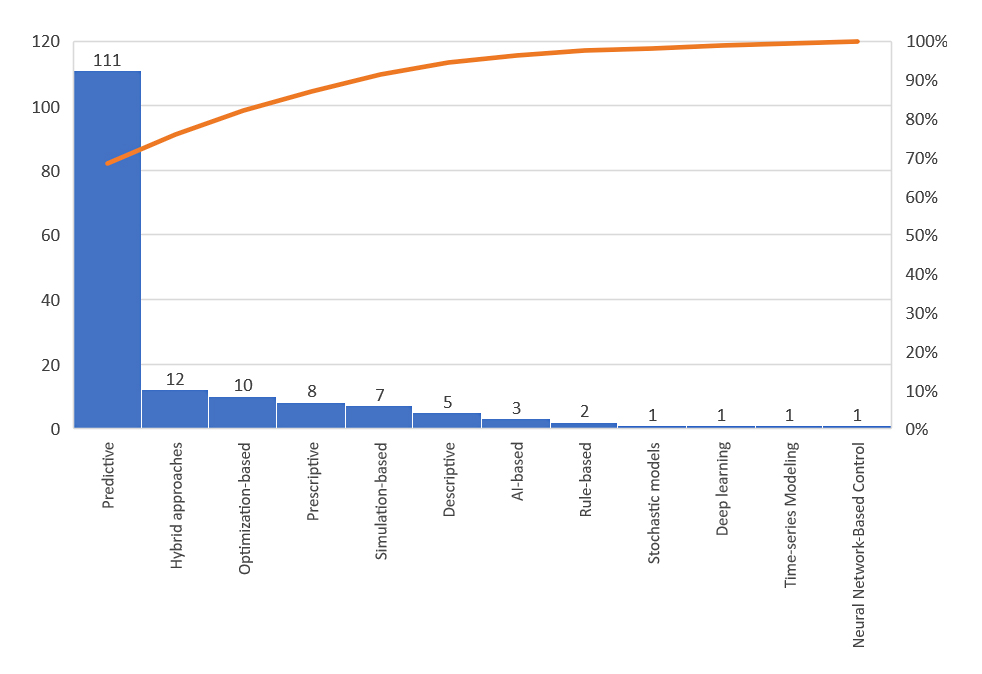 Figure 8. Distribution of modeling approaches.
Optimization-based models, found in 10 papers (6.17%), are mainly used to fine-tune process parameters in additive manufacturing, HVAC systems, and broader energy integration setups. These studies focus on balancing energy savings with production performance using multi-objective optimization.
Prescriptive models, mentioned in eight papers (4.94%), suggest actions based on patterns in energy consumption. Many studies apply them in automated systems in which quick decisions are needed to adjust energy use in real time.
Simulation-based models, found in seven papers (4.32%), create virtual environments to test energy strategies before implementation. They are commonly used in studies on renewable energy, smart grids, and manufacturing systems.
Descriptive models appear in five papers and identify patterns in historical data. Intelligent system models appear in three papers for fault detection and adaptive control. Rule-based models (two papers) are used in simple decision systems based on thresholds or compliance rules.
The heavy reliance on predictive models reflects a clear preference for forecasting and anomaly detection, but this comes at the expense of comparative learning and decision support. Prescriptive and hybrid models remain limited in number, even though they are well suited for managing competing objectives such as minimizing energy use while maintaining throughput. Few studies assess how different modeling approaches perform under the same conditions, limiting practical guidance for system designers. Simulation- and rule-based models are often treated as niche tools, even though they can offer advantages in constrained environments or early-stage deployments. Broader adoption of multi-model comparisons would improve both transferability and transparency in energy efficiency applications.
Industrial ApplicationsThe “Industrial Applications” attribute identifies sectors in which data-driven energy efficiency approaches are applied. Figure 9 shows how often each sector appears in the reviewed studies.
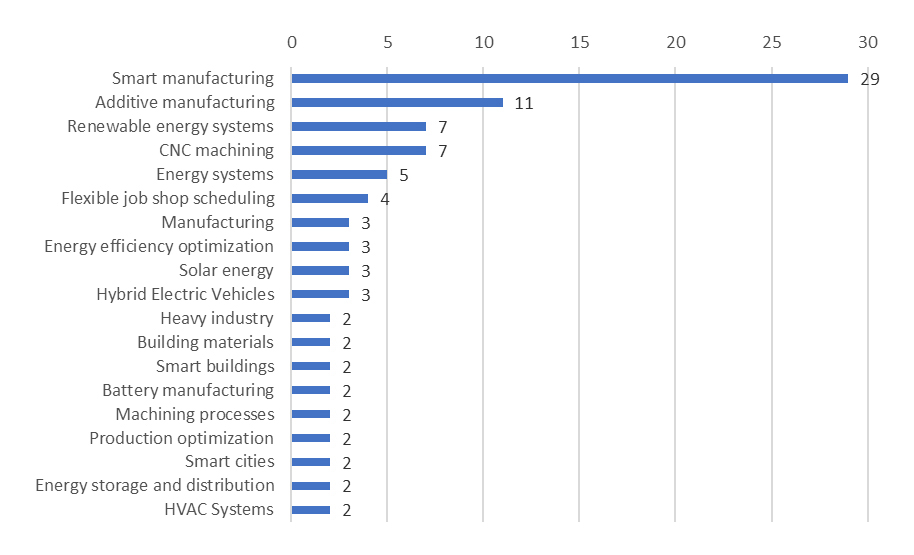 Figure 9. Distribution of industrial applications.
Smart manufacturing appears in 29 papers (17.90%). The reviewed studies frequently highlight the role of digital twins, IoT-based monitoring systems, and predictive maintenance in managing energy use across industrial settings.
Additive manufacturing appears in 11 papers (6.79%), with most studies focusing on energy efficiency in layer-by-layer fabrication. Key areas include optimizing process parameters and modeling energy consumption. Similarly, seven papers (4.32%) address computer numerical control machining, focusing on energy consumption, machining accuracy, and tool wear.
Renewable energy systems (seven papers; 4.32%) focus on solar, wind, and hybrid energy sources, with emphasis on storage and grid stability. Energy systems (five papers; 3.09%) address grid optimization, power distribution, and energy storage. Flexible job shop scheduling appears in four papers, while heavy industry, smart buildings, and battery manufacturing each appear in two papers.
Hydrogen storage, semiconductor manufacturing, insulation materials, and prefabricated construction are each covered in one or two papers.
While manufacturing is the most frequently studied domain, many sectors with high energy use remain underexamined. Aerospace, construction, and semiconductor industries appear in relatively few papers, despite their potential for applying AI tools to thermal management, energy scheduling, and materials optimization. Additionally, energy systems and smart grid applications are often treated separately from manufacturing, even though integrated approaches could improve coordination across supply and demand. Studies applying methods across multiple domains are rare, and opportunities for cross-sector transfer remain limited. Expanding the application of existing tools into these areas would support more balanced progress across industries.
Case Study Use: Insights on Sustainability and ScalabilityThe attributes Case Study Use [9], Sustainability Impact [10], and Scalability Potential [11] are interconnected. This section examines how case-based validation relates to sustainability and scalability.
In this review, “Case Study Use” refers to the presence of case-based validation or application in real or simulated settings, rather than the formal classification of a paper as a case study. This distinction is important, as many studies include applied validation without being formally designed as case study research.
Case-based validation appears in 125 papers (77.16%) and is commonly used to test new ideas in real or simulated operating conditions. In contrast, conceptual frameworks and review papers rarely include case-based validation.
Around 68.52% of the studies fall into the high-impact sustainability category, focusing on carbon reduction, low-emission manufacturing, and circular economy models. Another 29.63% apply energy-saving methods without directly addressing broader environmental goals, while only a few studies, 1.85%, mention sustainability without it constituting a central concern.
Scalability also becomes a focus. Approximately one-third of the papers (33.95%) propose flexible, widely applicable solutions, such as general-purpose ML models or modular IoT systems. However, the majority fall into the medium scalability range (65.43%), often tied to specific use cases such as particular materials or production setups in additive manufacturing, requiring adaptation for broader use. Only one study, or 0.62%, fits into the low scalability category.
Although most studies include case-based validation, the depth and transparency of these cases vary widely. Many studies report results from a single facility or simulation without explaining how the findings are applicable elsewhere. The high proportion of studies with medium scalability reflects this pattern, whereby methods work in controlled settings but require adaptation for broader use. Sustainability is often framed in general terms without linking methods to measurable environmental outcomes. Few studies quantify energy savings alongside emissions reduction or material efficiency, which limits their relevance for policy or corporate decision-making. More integrated evaluations linking sustainability goals with validation quality and real-world transfer would strengthen the practical utility of data-driven methods.
Validation Metrics for ModelsThe “Validation Metrics for Models” attribute identifies performance evaluation methods used in computational frameworks, simulations, and ML. Figure 10 shows how often different metrics are used across the papers.
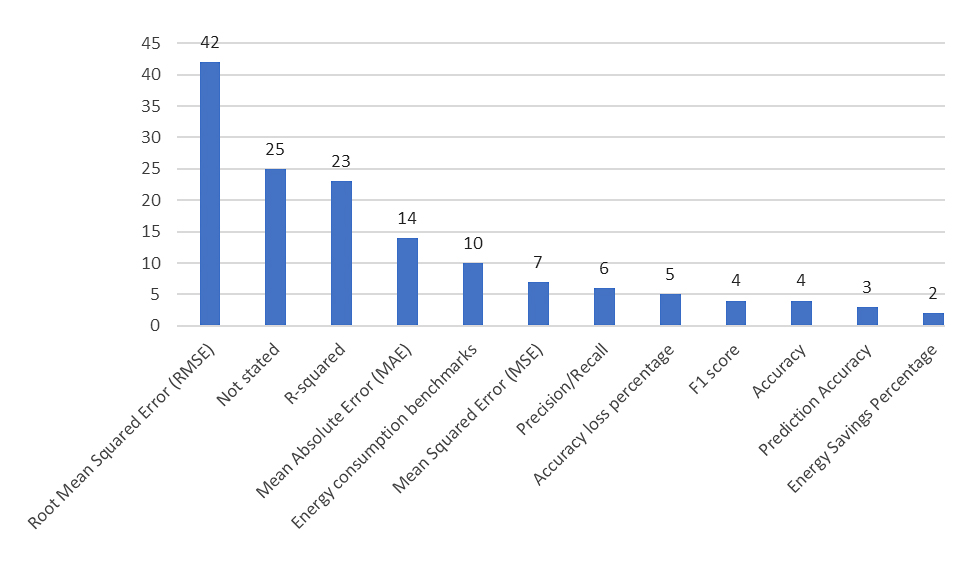 Figure 10. Distribution of validation metrics.
Root mean squared error (RMSE) appears most often, used in 42 papers (25.93%). RMSE is a common choice for predictive models because it places more weight on larger errors.
Mean absolute error (MAE; 14 papers; 8.64%) offers a straightforward interpretation of average prediction errors. R-squared (23 papers; 14.20%) shows how closely predicted values follow actual values and is a popular metric for simulation-based and empirical research.
Energy consumption benchmarks, mean squared error (MSE), and precision/recall metrics appear in 10, seven, and six papers, respectively, highlighting their relevance in specific applications. Metrics such as precision, recall, F1 score (used in four papers), and accuracy loss percentage (five papers) are commonly applied in classification tasks, particularly in IoT-based fault detection and anomaly tracking.
A few studies use more specialized validation methods, including logarithmic loss, hypervolume, and energy savings percentage, each found in just one or two papers.
Although RMSE and MAE are widely used, very few studies justify their selection or compare metrics across models. This limits interpretability, particularly when models with similar error rates differ in their sensitivity to outliers. Most papers apply a single metric without reporting its limitations. For example, RMSE may penalize large deviations, but MAE can be more robust to noise. Accuracy-based metrics are also inconsistently defined across classification tasks, particularly in IoT and fault detection studies. The lack of standardized benchmarks or shared datasets limits comparison across studies. A more consistent reporting approach would improve replicability and support broader adoption of validated models in practice.
To clarify the relationship between model evaluation and energy performance indicators, Table 4 links commonly used validation metrics with the energy metrics they assess.
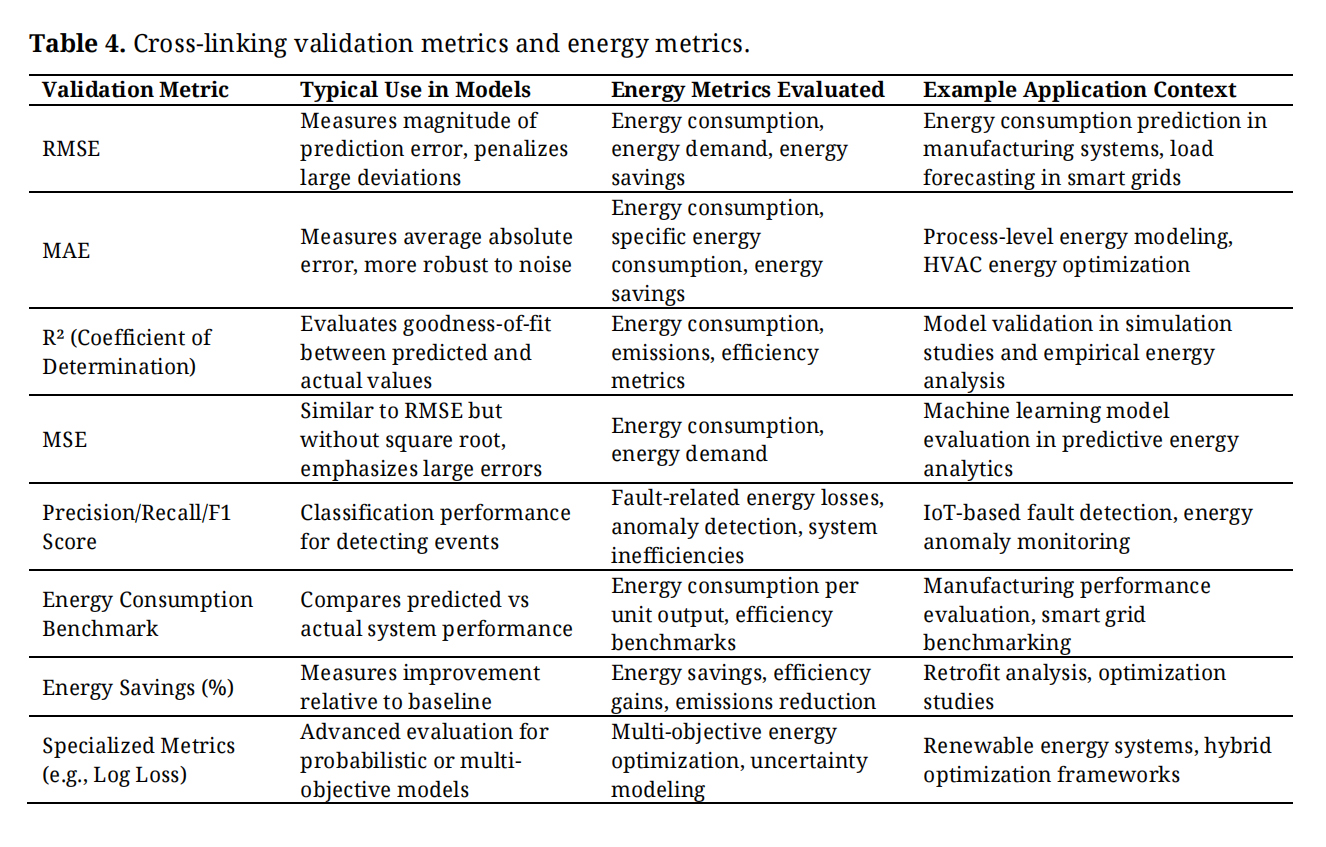 Table 4. Cross-linking validation metrics and energy metrics.
The “Energy Metrics Addressed” attribute identifies key performance indicators used to evaluate industrial energy efficiency, consumption, and sustainability. Figure 11 presents the distribution of energy metrics analyzed in the reviewed research.
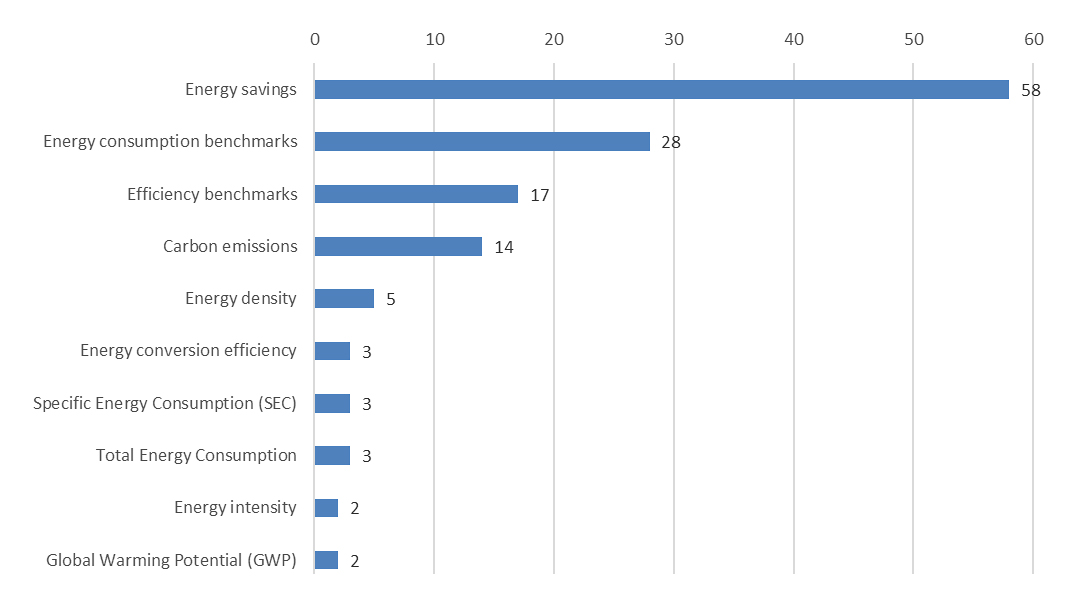 Figure 11. Distribution of energy metrics addressed.
Energy savings (58 papers) are widely used to quantify reductions in energy consumption relative to a baseline, and this metric is particularly applicable in HVAC systems, industrial processes, and the integration of renewable energy sources.
Energy consumption benchmarks appear in 28 papers (17.28%). These provide sector-specific reference points for assessing energy use per unit of output and are widely applied in manufacturing processes, smart grid systems, and automation strategies. Efficiency benchmarks, found in 17 papers, add another layer of comparison, supporting industry-wide efforts to standardize how energy use is measured across different systems.
Carbon emissions are analyzed in 14 papers (8.64%) and measure the environmental impact of energy-intensive processes, aligning with global sustainability objectives.
Energy density appears in five papers, while energy conversion efficiency and specific energy consumption are each discussed in three papers. Specific energy consumption is particularly relevant in additive manufacturing, where it captures the energy required per unit of output. Energy intensity, identified in two studies, is mostly used in broader assessments of regional or national energy policies, helping to evaluate both economic and environmental impacts.
Several papers introduce more specialized metrics that apply to specific contexts. These include Global Warming Potential, the Energy Performance Index, fuel consumption, and measures of reactive and active power. Although they are only used in a few cases, they broaden the scope of sustainability assessments and support more targeted evaluations.
Overall, the review shows that studies in manufacturing tend to prioritize energy savings and efficiency benchmarks, often using them to demonstrate the value of digital tools such as IoT and ML. In contrast, renewable energy studies focus more on carbon emissions and Global Warming Potential, reflecting the environmental impact of energy transition initiatives. Energy intensity metrics appear primarily in regional and policy-oriented studies, in which they help evaluate economic trade-offs and long-term sustainability impacts.
Nonetheless, although energy savings and consumption benchmarks are widely used, their calculation methods are rarely explained in detail, which limits comparability across studies. Metrics such as carbon emissions and specific energy consumption appear less frequently, despite their relevance for sustainability reporting. Few studies use multiple metrics to capture both environmental and operational performance. Without clearer definitions and consistent reporting, results may not fully support practical decision-making. Future work should adopt multi-metric evaluation approaches and improve transparency in metric selection and application.
Algorithm TypesThe reviewed studies use a wide range of algorithms, reflecting energy efficiency challenges in industrial settings. These algorithms support tasks such as forecasting, classification, optimization, and real-time control. Figure 12 shows how often each type appears in the reviewed literature.
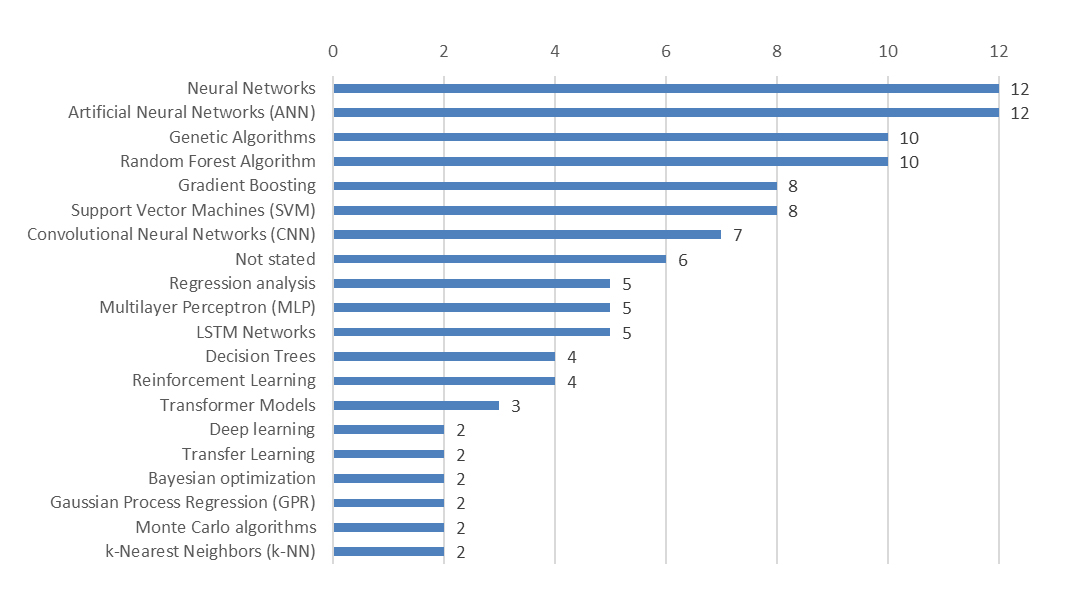 Figure 12. Distribution of algorithm types.
Neural networks, including artificial neural networks, multilayer perceptrons, and deep neural networks, are the most frequently used group, appearing in 12 papers (7.41%). They are applied in predictive maintenance, energy demand forecasting, and anomaly detection in manufacturing and industrial automation.
Genetic algorithms and random forest models, used in 10 papers (6.17%) each, are employed in optimization and classification tasks. Genetic algorithms apply evolutionary search strategies to optimize energy efficiency in complex, multi-variable industrial settings. Random forest models rely on ensemble learning and improve prediction accuracy and model stability.
Gradient boosting and support vector machines, utilized in eight papers (4.94%) each, are effective in boosting forecasting accuracy and performing classification tasks. Gradient boosting is used to reduce prediction errors through iterative learning, particularly in renewable energy forecasting and industrial process control.
Convolutional neural networks, used in seven papers (4.32%), are helpful in image-based tasks such as fault detection. Long short-term memory networks (five papers; 3.09%) are used for time-series forecasting in smart grids and energy demand modeling. Transformer models (three studies; 1.85%) are emerging in complex sequence modeling.
Less frequently used approaches include reinforcement learning (four papers), Bayesian networks (two papers), and generative adversarial networks (one paper). Reinforcement learning helps improve dynamic control in energy management by learning from environmental feedback. Bayesian optimization and Gaussian process regression, found in two papers (1.23%) each, support uncertainty modeling and probabilistic decision-making in industrial energy research. Generative adversarial networks are used in a few studies to generate synthetic datasets for simulation environments.
Despite the variety of algorithms used, comparative studies evaluating different models on the same dataset remain limited. Neural networks, random forest models, and support vector machines are widely applied, yet few studies justify their selections. In many cases, the choice of algorithm appears driven by familiarity rather than alignment with data characteristics or problem complexity. Emerging approaches such as transformers and generative models show potential but are still rarely validated in real industrial environments. Key details such as training data size, feature selection, and model interpretability are often not reported. More consistent benchmarking under shared conditions would improve guidance for selecting appropriate models in industrial energy applications.
Future PerspectivesFigure 13 presents the distribution of future research directions.
AI advancements appear in 18 papers (11.11%). Many studies emphasize the potential of ML, deep learning, and hybrid AI models to improve predictive accuracy, decision-making, and real-time energy optimization.
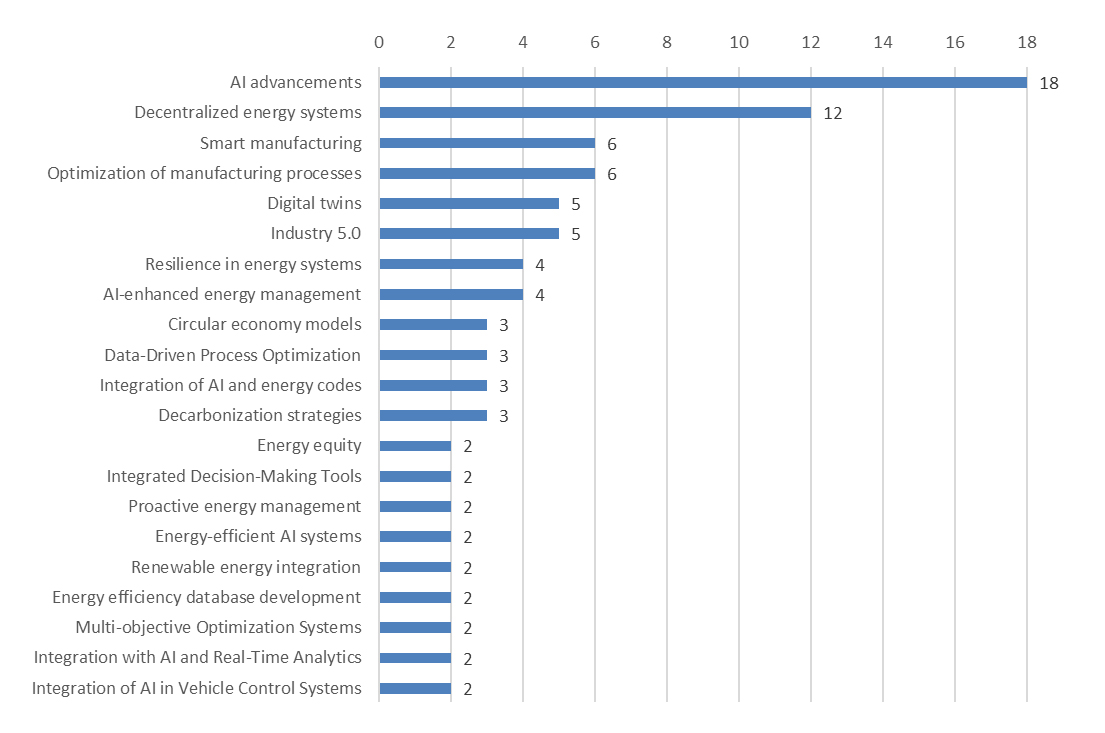 Figure 13. Future perspectives.
Decentralized energy systems (12 papers; 7.41%) focus on distributed generation, microgrids, and localized energy management. Moving away from centralized grids improves energy distribution, resilience, and system flexibility. These studies used AI tools for real-time energy scheduling, demand prediction, and grid stability.
Smart manufacturing and process optimization, each covered in six papers (3.70%), reflect the growing use of digital twins, intelligent automation, and real-time data analytics to improve energy performance.
Industry 5.0 (five papers; 3.09%) represents the next stage of industrial evolution, and emphasizes human-centric, sustainable, and resilient manufacturing practices. Research in this area examines how to balance smart technologies with workforce needs through energy-efficient automation and sustainable production strategies. Similarly, resilience in energy systems, discussed in four papers (2.47%) focuses on adapting energy infrastructure to changing environmental and operational conditions. Many studies discuss the role of multi-objective optimization models and real-time adaptive control systems in strengthening industrial energy infrastructure.
Although several studies outline promising directions, most future perspectives remain general and weakly connected to the challenges identified earlier. In contrast, the roadmap proposed in this study is structured around the identified gaps in validation, data challenges, and technology integration. For example, decentralized energy systems and Industry 5.0 are frequently mentioned but are rarely linked to implementation frameworks or case studies. Few papers propose concrete steps for applying AI advancements to underexplored sectors such as construction or aerospace. The integration of resilience, circular economy, and real-time energy control is often stated as a goal without identifying technical or organizational enablers. Future research should provide more targeted directions that build directly on the gaps in validation, scalability, and technology integration identified in this review, as reflected in the proposed roadmap.
Practical Implications for Industry and PracticeThe reviewed studies provide valuable insights for professionals involved in energy management, system optimization, and industrial operations. However, only a small subset directly links methodological choices to practical outcomes. For example, predictive models are frequently used in fault detection and load forecasting, but only a few studies report deployment success or integration with existing control systems. Energy managers and system designers could benefit from clearer performance benchmarks, particularly when selecting between data-intensive algorithms and simpler rule-based alternatives. Studies using real-time data, modular platforms, or interpretable models are more likely to be translated into industrial use, particularly in settings in which regulatory compliance and safety constraints are strict. Decision-makers would also benefit from transparent reporting of scalability limits and required technical resources, which remain underreported in the current literature. Bridging this gap between model development and operational adoption will require more focused validation and documentation of applied case studies.
This section builds directly on the findings by organizing the observed limitations, technological enablers, and sectoral gaps into a structured and actionable roadmap.
The roadmap presented in this section synthesizes key patterns, challenges, and opportunities identified across the analyzed attributes, with a focus on validation, scalability, and sustainability. Each component of the roadmap directly reflects recurring gaps and opportunities observed in the reviewed studies. The roadmap is grounded in patterns consistently observed across attributes such as technological integration, data challenges, and modeling approaches. Priorities are derived from empirical evidence in the reviewed literature, ensuring alignment with current research needs.
Figure 14 provides a comprehensive overview of the existing gaps, enabling technologies, and strategic roadmap for energy efficiency in manufacturing. The figure is organized from left to right by these three interconnected levels.
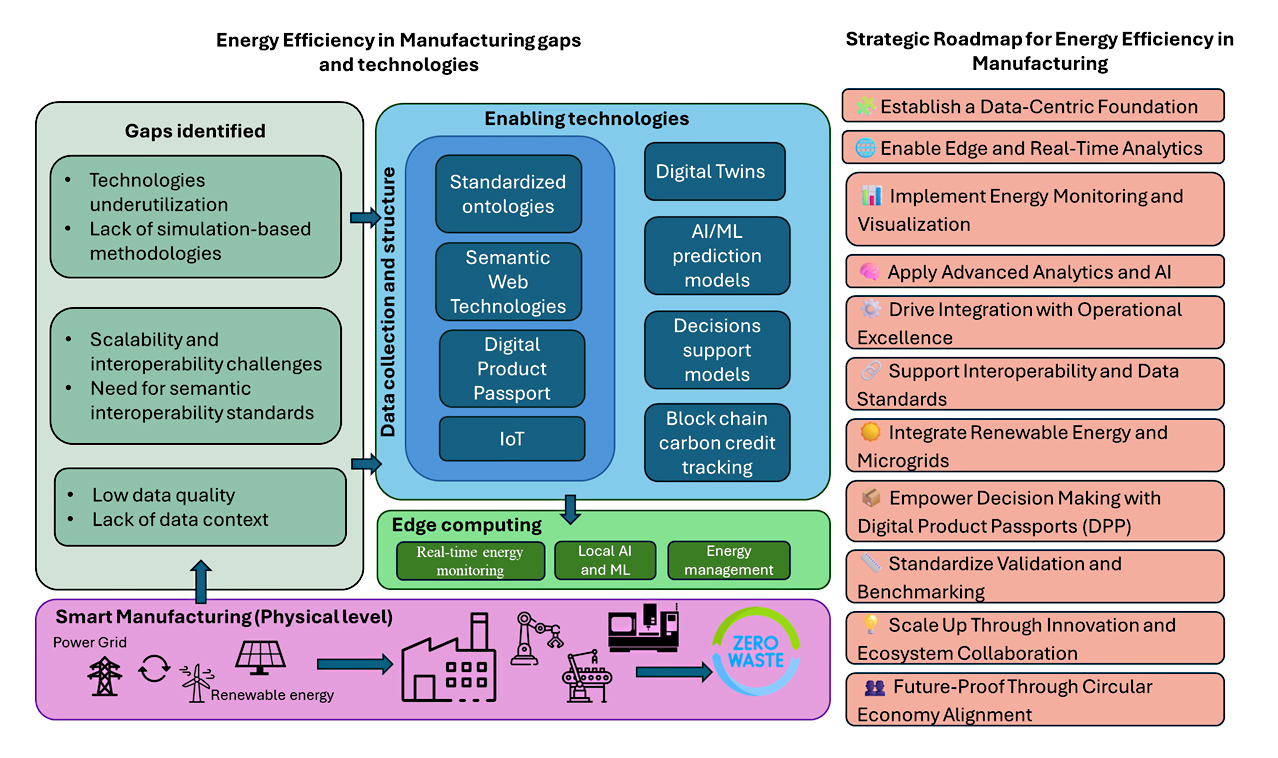 Figure 14. Technology roadmap for energy efficiency in manufacturing.
The left side of the figure depicts major gaps that hinder progress. These include missed opportunities in using available technologies and limited use of simulation-based methods, which restrict innovation and effective system modeling. Issues such as poor scalability, lack of interoperability, and the absence of shared data standards make it difficult to connect systems across platforms and industries. Issues such as low data quality and lack of contextualized data further limit the development of reliable energy efficiency measures and predictive modeling.
The middle section of the figure highlights key technologies that can help close existing gaps. Technologies such as the IoT, digital product passports (DPPs), semantic web technologies, and standardized ontologies are key for data acquisition and organization to ensure data consistency, interoperability, and structure. DPPs, as discussed by Psarommatis and May (2024) [24], are digital records that capture and share product lifecycle data such as materials, energy use, and environmental impact, and support data-driven decision-making in energy-efficient manufacturing systems.
Advanced digital technologies, including digital twins, AI and ML models, decision support systems, and blockchain-based carbon tracking, are essential for enhancing system intelligence, security, and sustainability. Edge computing adds another layer of capability by supporting real-time energy monitoring, local AI and ML analytics, and decentralized control at the point of operation.
The right side of the figure presents a strategic roadmap aimed at advancing energy efficiency across the sector. A robust data foundation starts with high-quality, context-rich information. Edge computing and real-time analytics improve the speed and responsiveness of decision-making. The roadmap emphasizes deploying energy monitoring and visualization systems in conjunction with utilizing AI and advanced analytics to identify new efficiency opportunities.
The roadmap further emphasizes interoperability and standardized data structures. It promotes the incorporation of renewable energy sources and microgrid technologies, while supporting informed decision-making through tools such as DPPs. To enhance consistency among studies, the roadmap advocates standardizing validation methods and benchmarking practices. Standardization improves comparability and reliability across applications. Furthermore, the roadmap advocates for scaling up innovation through collaborative ecosystems and aligning future manufacturing systems with circular economy principles to ensure long-term sustainability.
The final layer of the figure ties digital strategies directly to real-world manufacturing operations. It underscores the need to integrate renewable energy sources, including solar and wind, into smart manufacturing systems. Real-time control and optimization of energy exchanges between the factory and the grid are essential for reaching goals such as zero waste and peak energy efficiency.
The analysis of study types and modeling approaches shows that most studies rely heavily on empirical methods and predictive modeling, which, while useful, may limit the space for exploring new or alternative approaches. Sectors such as construction and energy utilities still underuse simulation-based methods, despite their strong potential for modeling complex systems and improving planning. These fields could benefit from simulating interconnected processes, but this potential still remains mostly untapped. Moreover, the very small number of comparative studies, just one paper in the dataset, makes it challenging for the field to compare and improve current methods. Addressing sectoral and methodological biases requires a multifaceted strategy. Examples of niche markets that could benefit from simulation-based and comparative methodologies include the textile and food and beverage sectors. These approaches could improve understanding and enable cross-sector insights.
Figure 14’s recommendations are summarized below as five actionable research directions.
Building on the reviewed evidence and attribute-based classification, the following targeted strategies are recommended to guide future progress:
●
●
●
●
●
Continued progress in industrial energy efficiency will depend on cross-sector studies, integration of new technologies, and methods that account for contextual and practical constraints across applications.
Building on the proposed roadmap, this final section synthesizes key findings and outlines future directions based on the identified gaps and opportunities.
Recent advancements in technology and the urgent need for environmentally sustainable practices have brought research on industrial energy efficiency into the spotlight. This paper has presented a fresh viewpoint by combining insights from various disciplines, approaches, and technological advancements. This information was then used to create a roadmap that shows where research is lacking and how to fill those gaps. In the final step, we collate all of these results in this concluding section by providing a story that looks ahead, connecting our current understanding with the future possibilities.
This study confirms that industrial energy efficiency research is progressing quickly but remains uneven in its application. The analysis conducted in this study shows that digital technologies are gaining traction, yet many promising sectors remain underexplored. Digital twins and IoT systems are becoming more prevalent, and empirical studies dominate the field, indicating a strong emphasis on real-world impact. Sectors such as aerospace, construction, and renewable energy remain underexplored despite their high potential. Future work should close this gap by making energy-efficient technologies more adaptable across sectors. Persistent concerns about scalability and data security could be addressed by investing in blockchain and edge computing solutions.
Currently, data serves as both a foundation and a barrier. Given the persistent challenges surrounding data quality, interoperability, and real-time processing, it makes sense to create standardized frameworks. One option is to use these challenges as a driving force to enhance innovative approaches in data governance, data sharing, and analytics that surpass what we currently have.
Transfer learning and semantic interoperability standards present flexible strategies that can reshape how organizations apply data in decision-making. To make these shift effective, modular data ecosystems must be developed to maintain both accessibility and privacy.
Although RMSE and MAE are frequently used, their relevance is often disconnected from broader goals, as observed in this study. Nonetheless, RMSE and MAE remain valuable tools for evaluating predictive accuracy, with RMSE giving greater weight to large deviations, which is helpful when minimizing major errors is essential. MAE, in contrast, offers a straightforward interpretation of average error, making it accessible for evaluating overall model performance.
The proposed roadmap also highlights the significant promise of hybrid, data-driven strategies that blend optimization, simulation, and predictive modeling. This integrated approach offers a solid framework for addressing complex energy efficiency challenges while supporting broader environmental and operational goals.
The following examples help clarify these concepts. Smart buildings have effectively used IoT as a real-time energy consumption management tool. Digital twins have also proven useful for modeling and improving the operation of renewable energy systems.
Blockchain technology is also applied in distributed energy trading systems to boost openness and confidence among all the engaged parties.
Furthermore, governments, businesses, and educational institutions should collaborate more effectively over the next decade. Interdisciplinary teams are critical to bridging gaps between fields of study and evaluating the impacts of emerging technologies in a variety of real-world settings. Future research must also embrace interdisciplinary models that connect data science, engineering, and sustainability science, particularly in real-world deployments.
Real progress in energy efficiency will not occur through isolated improvements; it requires a shift toward connected, system-level approaches. A few priorities can help guide this shift. To begin with, AI must go beyond improving operational efficiency and support integrated energy management and decision-making.
It should also play a larger role in integrating renewable sources such as solar and wind into industrial operations, making systems more adaptive and easier to control. At the same time, research must focus more on underexplored areas in industries such as textiles, food production, and small-scale manufacturing, which can benefit significantly from improved energy efficiency. Finally, it is time to stop treating tools such as edge computing, blockchain, and autonomous systems as future experiments. These technologies must move into real-world applications where they can deliver measurable impact.
Real-world implementation requires addressing key barriers. Blockchain still raises concerns over energy consumption and regulatory clarity, while edge computing faces obstacles related to hardware compatibility, cost, and energy demands, particularly in resource-limited settings. Building shared standards for data collection, interpretation, and protection will be essential to enable system integration and accelerate adoption.
By addressing these directions, the academic community and industry stakeholders can collaborate to drive meaningful progress toward sustainable manufacturing. While process optimization remains a dominant research focus, long-term progress requires integrating energy efficiency as a core principle across industrial and societal systems.
The following supplementary materials are available online, Table S1: Full dataset of the 162 analyzed papers used in the systematic literature review.
All data supporting the findings of this study are provided within the article and its supplementary material.
GM: Conceptualization, Methodology, Formal analysis, Literature review framework development, Writing original draft, Writing review & editing, Visualization, Supervision. FP: Systematic literature search, Data extraction, Attribute classification, Writing review & editing, Validation. Both authors have read and agreed to the published version of the manuscript
The authors declare that they have no conflicts of interest.
This research received no external funding.
1.
2.
3.
4.
5.
6.
7.
8.
9.
10.
11.
12.
13.
14.
15.
16.
17.
18.
19.
20.
21.
22.
23.
24.
May G, Psarommatis F. Advancing Industrial Energy Efficiency with Data-Driven Methods: A Systematic Review and Roadmap for Research and Practice. J Sustain Res. 2026;8(2):e260036. https://doi.org/10.20900/jsr20260036.

Copyright © Hapres Co., Ltd. Privacy Policy | Terms and Conditions


