Location: Home >> Detail
J Sustain Res. 2026;8(2):e260055. https://doi.org/10.20900/jsr20260055
 ,
Jodie Kleinschafer 2 ,
David Dowell 3 ,
Kevin Parton 4,*
,
Jodie Kleinschafer 2 ,
David Dowell 3 ,
Kevin Parton 4,*
1
2
3
4
*
Little previous research has examined the impact of champions on household energy efficiency and climate-change mitigation. Furthermore, the use of household champions as a policy instrument has also had little consideration. Using a sample of 2278 people drawn from the general population of Australia, we identify household “champions” of energy efficiency and climate change. We examine the characteristics of these champions, the types of households that have energy-efficiency and/or climate-change champions, and importantly the climate-related attitudes, behaviour and the behavioural intentions of households with and without champions. We find that attitudes, involvement, behaviours and behavioural intentions are significantly and meaningfully affected by both the presence of and type of champion present. Of note is that the presence of any champion in the household had positive effects on the extent of household energy-efficient behaviours. The findings suggest the importance of differentiating climate-change strategies to drive behavioural change depending on the absence or presence and focus of household champions. We describe 14 strategies based on education, information provision, communications, use of commitments, empowerment programs, and other tools that can be differentially applied across household types to support household members to become or develop as energy and climate champions.
IPWRA, inverse probability weighted regression adjustment; ATE, average treatment effect; ATET, average treatment effect on the treated
The relative contribution of global greenhouse emissions from household consumption represents a substantial proportion of these emissions [1]. There is growing recognition by governments [2], international organizations [3] and within the academic literature [1,4–6] that national zero-emission targets will not be achieved without substantial changes in the behaviour of households. Moving forward, designing effective policies for reducing household greenhouse emissions requires an understanding of why households differ in their response to climate-change messages, with some good at achieving energy efficiency, while others are poor [7].
Various approaches have been used to answer these questions including considering the influence of household types (covering the characteristics of household members, tenancy and the built environment), social values, environmental values, psychological factors, and types of group decision-making processes [8]. While many such factors have been found to explain household climate and energy attitudes and behaviours (for details see Gifford and Nilsson [9]), most are outside the direct influence of policy makers so that only a few are amenable to policy intervention. Among these are knowledge and education, sense of control, felt responsibility, and norms. Norms have been shown to be particularly important to understanding the impact of both inter-household [10,11] and intra-household influence [12]. Also, household norms have been shown to have a significant influence on both behaviour and behavioural intentions [7,13,14]. Within this limited set of alternatives, identifying approaches that can effectively influence behaviours at a household level is vital, particularly as the limitations of relying solely on informationally based social marketing campaigns are recognised [9].
In contrast to the above investigation of relationships between and within households, we develop one approach that seems to offer scope and immediate traction for influencing the uptake of energy-efficient and climate-change behaviour: differentiation of policy based on the presence of household champions [15,16].
From the perspective of both energy efficiency and climate change, a person doing the thinking work or motivated by a sense of responsibility may act as a champion, influencing household-level decisions. This individual has expert knowledge, and is passionate, so much so that they are characterised, in the efficiency case, as dogmatic and ruthless “energy champions” in their pursuit of efficiency [15,16]. The role of household energy efficiency champions emerged from studies of pro-environmental household decision-making (e.g., [15,17,18] (For instance, in their qualitative investigation, Clancy and O’Loughlin (2002) [15] characterised this person as “active, thrifty, careful, technically minded and environmentally conscious…” (p. 258). Similarly, following focus groups, Kleinschafer and Morrison [18] discussed the role of the champion as “initiating, maintaining and enforcing specific efficiency behaviours within the household” (p. 4). Further, Jorgensen et al. (2020) [17] wrote about champions who educate and or police and or provide supportive leadership in energy conservation.). Clancy and O’Loughlin (2002) [15] characterized these champions as “agents for environmental change” (p. 260) and in subsequent investigations, researchers identified the importance of this role and began characterising how the champions sought to influence behaviour. For instance, studies demonstrated the important role of champions in developing, maintaining and enforcing household norms [17,18] which as mentioned above are a significant influence on pro-environmental behaviour and behavioural intentions [7,13,14]. In reality, there are many ways that an individual championing an environmental action can influence the behavioural outcomes of the household, as illustrated in the model developed by Scott et al. (2015) [19]. From a policy perspective, the importance of the champion lies in their ability to influence behaviour and therefore facilitate policy objectives. What is unknown, and the focus of this investigation, is whether the champion role is sufficiently prevalent and influential to warrant the attention of policy makers?
In addition to energy efficiency champions, there is also evidence that individuals may seek to influence different types of environmental activity in the household such as household purchasing, composting and household waste management among others, (e.g., [19,20]). Jorgensen et al. (2020) [17] also provided evidence that different members of the household focus on different types of pro-environmental behaviour. This points to the possibility that households may also have someone who champions other climate change mitigation-related behaviours. For example, energy efficiency champions may be concerned about reducing use of heaters and air conditioners in the home, turning off lights and buying energy efficiency appliances while champions concerned about climate change might be concerned about matters that go beyond household energy use such as purchasing carbon neutral products, writing to companies about their climate policies, and utilising low carbon forms of transportation such as walking, biking or carpooling. For this reason, in addition to energy efficiency champions, we propose that households may also have climate-change champions. The term climate champion has been applied in the context of communities, organizations and different levels of government including the United Nations [21,22]; however, this role has not been investigated in the household context. Accordingly, we sought to identify if households also had climate-change champions, if climate-change champions were the same or different from energy efficiency champions, and if the presence of a climate change champion had any impact on household behaviours and behavioural intentions. This is in accord with Seebauer and Wolf [8] who showed the importance of research that identified and explored the roles of various actors in household consumption.
Hence, our goals were to investigate which households have champions of efficiency and climate-change mitigation, if behaviour differs when a champion is present in the household and by how much. We also explore whether households with champions behave differently from those with none.
The comparison incorporated measures of the type shown to establish associations or offer explanations in previous work, including attitudes, political and religious affiliation, issue involvement (i.e., energy efficiency and/or climate change) and behaviour [23,24]. We identified five household types: those with (1) no champion, (2) the survey respondent not being a champion, but another member of the household considered to be a champion, (3) the survey respondent being an energy-efficiency champion, (4) the survey respondent being a climate-change champion, and (5) the survey respondent being a combined energy-efficiency and climate- change champion (see Figure 1).
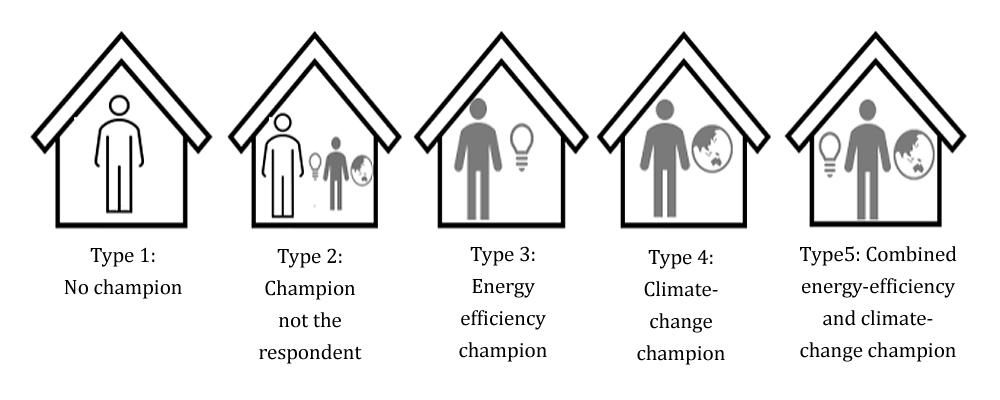 Figure 1. A representation of the different household types.
The research results in this paper draw upon survey data collected in 2016 utilising the Online Research Unit recruitment company (The following justifications are offered for using data that are almost 10 years old. First, our survey was meticulously designed and is one of few of comparable size completed in Australia. Second, it would be naïve of us to claim that nothing had changed during the intervening period to put question-marks around our data. Nevertheless, in two important respects there has been little change, so that critical conditions surrounding the household champions in our study remain the same. Climate-change policy in Australia has hardly changed during that ten-year period [25,26], and moreover, there continues to be little recognition of the role played by households and household champions in the energy transition [27]. Hence, it would be expected that the relationships that we are studying are slow moving. Finally, while our study has an empirical basis, we are far more focused on the theoretical implications of champions in households having been overlooked. This again makes the age of the data less critical.). Token participation incentives were provided. The participants all provided informed consent in accordance with the ethics approval and guidance provided by St Andrew’s University and Charles Sturt University. The sample included n = 2278 respondents, each representing one household. Among the respondents, 52.33% were female, with an age range of 18 to 88 years and a mean of 46.90 years (s.e. = 17.02), while 63.92% lived in capital cities (compared with just over 68.10% of Australia’s population). Recruitment was based on attaining a sample of the Australian population representative of age and gender. Hence, the sample was representative of age and gender, but statistically different from the population in terms of location (fewer in capital cities in the sample) and mean household income ($76,528 in the sample compared with $88,992 in the population). Because of ethics constraints, the sampling of those younger than 18 was not permitted.
VariablesRespondents were asked to answer questions on socio-demographics, climate change attitudes and behaviours. Items were drawn from existing research to measure the constructs of interest [7,28]. The main constructs of interest, climate-change champions and energy-efficiency champions, are multilayered, and based on the following: (1) ‘Is there one or more people in your household who you would consider to be especially passionate about climate change?’ and (2) ‘Is there one or more people in your household who you would consider to be especially passionate about energy efficiency?’ These two questions were answered no/yes. From these responses, households with no champion present in the household were identified (i.e., no to both (1) and (2); n = 1084), and households were there was a champion in the house (i.e., yes to either (1) or (2) or both; n = 1194). If there was a champion in the household, respondents were asked if it was them or another person in the household who was the champion. The champion was the respondent in n = 1021 cases and another household member in n = 173 cases. Of the household champions who were the respondent, there are climate change champions only (n = 96), energy efficient champions only (n = 530), and combined climate change and energy efficient champions (n = 395).
The dependent variables were based on responses to climate change: (1) involvement, (2) response efficacy, (3) importance, (4) behaviour intentions, and (5) past behaviour. (1) Involvement ‘How often do you discuss climate change with your family and friends?’ (2) Efficacy ‘If most people in the modern industrialised countries around the world did these same actions, how much would it reduce climate change?’ (3) Importance ‘How important is the issue of climate change to you personally?’ (4/5) Behaviour was measured in two ways: past behaviours and future behavioural intentions. These variables were based on Maibach et al. [28] and our previous work [7]. An index was created from four different measures of past behaviour by averaging the results from responses to each of the measures. The four items were: (1) How often do you in the winter set the temperature in your house to 20 degrees Celsius or cooler? (2) use public transport or carpool? (3) walk or bike instead of driving? (4) buy from companies taking steps to reduce climate change? A similar approach was used for behavioural intentions for the same four behaviours.
Statistical AnalysisTo estimate the effects of champion presence and champion types on the climate change outcome variables, a series of ordered probit regressions was estimated, as has previously been used with environmental behaviours [29] and attitudes [30]. This model is appropriate when survey responses for the dependent variables are non-numerical and ordered [31]. The ordered probit model is commonly specified as follows:
where yi = 0 if yi ≤ µ0
= 1 if µ0 < yi ≤ µ1,
= 2 if µ1 < yi ≤ µ2,
…
= J if yi > µJ-1
Where yi* are the dependent variables defined above, xi are champion types and the exogeneous variables, age, gender, education, employment, religious behaviour and political preference. The free parameters µ represent the cut-off between ranks, while the error term (ɛi) is normally distributed. Further details about this model can be found in Greene [32] and Train [33]. The analysis was augmented using treatment effects [34,35] to examine whether the presence of a champion and different types of champions has an effect [36,37]. In addition, testing was completed to examine if coefficients are different for each household type. This helps to establish if certain household champion types have a greater effect, and a statistically different effect.
Treatment-effects regression was used to isolate effects, with the results reported in the Supplementary Analysis. Specifically, the doubly-robust augmented regression adjustment treatment (IPWRA) effects approach was used. The treatment effects approach estimates the average treatment effect (ATE) and average treatment effect on the treated (ATET). The ATE is a calculation of the expected effect of the treatment if individuals in the sample were randomly allocated to the treatment [38]. The ATE indicates if being treated (with the treatment in this research being first a champion present and then second the type of champion) has a significant effect on the dependent variable. The ATET is a calculation of the effect of the treatment among those who are treated [38]. This is the mean effect of those who were treated [39]. Essentially, the analysis shows the difference that the treatment makes amongst the groups who have been treated. In this research, the treated are firstly households with champions and, secondly, champion types.
For the treatment effects, we have a treatment Wi ∈ {0, 1}, Yi(0) potential outcome for unit i without the treatment and Yi(1) for the unit with treatment:
Taking differences the treatment effect is:
However, we do not have the specific difference as we do not have Yi(1) and Yi(0). We only observe one. Hence the aggregate measure of difference is the focus, the average treatment effect (ATE) and the average treatment effect on the treated (ATET):
To begin the analysis we set out to profile the five types of households (as shown in Table 1 and Figure 2). First, we looked at the proportion of each in the sample. Of the total sample of 2278 households:
●
●
●
●
●
Second, we considered how the five household types differed in their attitudes (Table 1). Type 1 (no champion) and Type 3 (energy efficiency champion) households had the lowest acceptance of climate change occurring (63% and 75%, respectively), with the remaining three household types having acceptance levels between 18% to 30% higher than Type 1 (in t-tests all having p < 0.01). A similar pattern of outcomes (in ascending order Type 1 (no champion), Type 3 (energy efficiency champion), Type 2 (champion present, but not the respondent), Type 4 (climate change champion) and Type 5 (energy efficiency and climate change champion) was found for worry about climate change, issue importance, and issue involvement. For efficacy, the mean response was highest for Type 5 households and was 27.8% higher than for Type 1 households, with the means for the remaining household types 13.5% to 18.0% higher than Type 1.
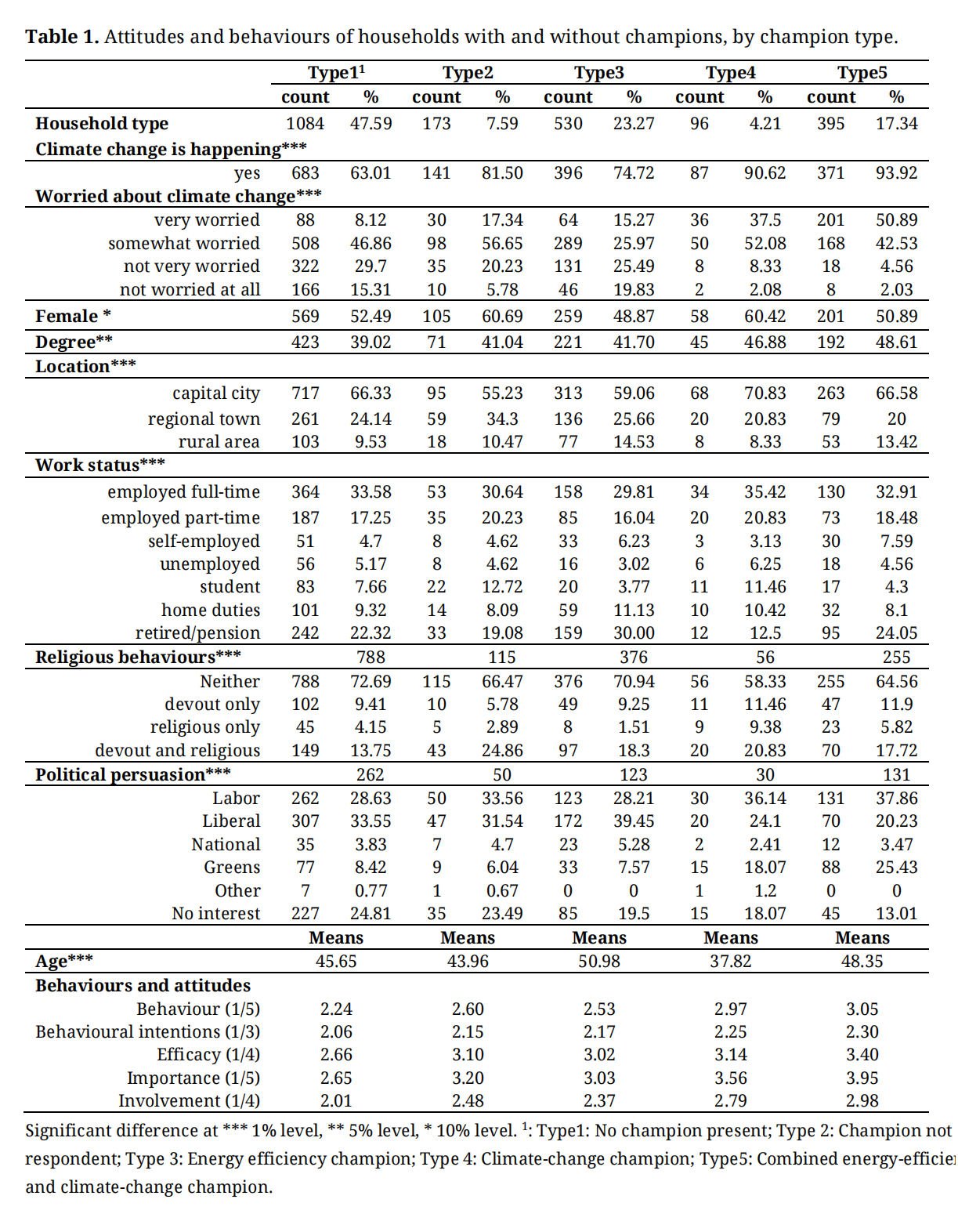 Table 1. Attitudes and behaviours of households with and without champions, by champion type.
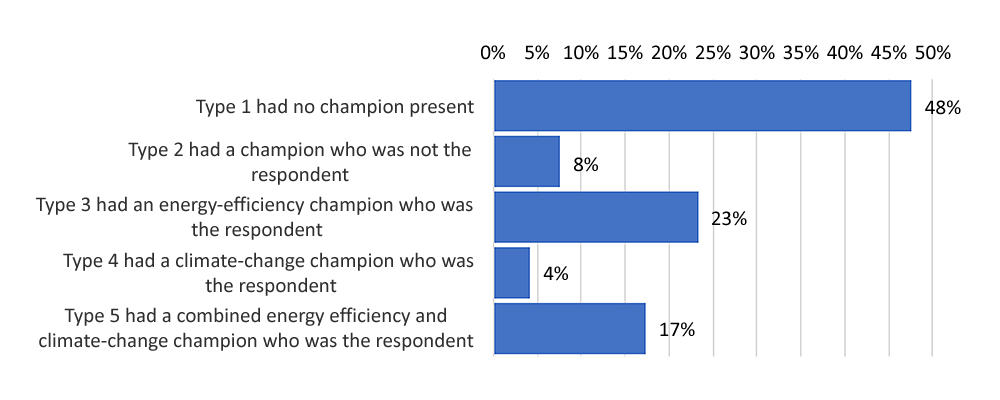 Figure 2. Proportion of the sample in each household type.
Third, we examined the households across four behaviours: setting the temperature in the house to 20°C or cooler, using public transport or carpooling, walking or riding a bicycle instead of driving, and buying from companies taking steps to reduce climate change. This revealed that behaviours were higher in households with champions. The means for the Type 4 (climate change champion) and Type 5 (energy efficiency and climate change champion) households were 32.6% and 36.2% higher respectively than Type 1 (no champion). Means for Type 2 (champion present, but not the respondent) and Type 3 (energy efficiency champion) households were 16.1% and 12.9% higher than Type 1 households. Overall, this demonstrated that when a champion was present in the household, there was higher climate change and energy-efficiency behaviours.
Fourth, we completed a sociodemographic profile of the five household types. Significant differences were found for education, with Types 4 and 5 households having the highest level of education. Significant differences were also found for age (Type 3 highest age, Type 4 lowest), and also for employment status, with Type 3 households the most likely to be retired and Type 4 the least likely. Significant differences were also found for gender (females higher for Types 2 and 4), while no significant differences were identified for income.
Finally, we examined differences in political persuasion and religious behaviours between the five household types (Table 1). For political persuasion, negligible to moderate differences were observed in the proportion of Labor voters across champion types (from 0.4–9.6%). More substantial differences were observed for Liberal voters, with Type 4 (climate change champion) and Type 5 (energy efficiency and climate change champion) households having the lowest proportion of Liberal voters (24.1% and 20.2% respectively) and Type 3 (energy efficiency champion) having the highest (39.5%). Unsurprisingly, Type 4 and 5 households had the highest proportion of Greens voters. Significant differences were also identified across religious behaviours: Type 1 (no champion) households had the highest percentage that were neither devout nor religious (72.7%), with Type 3 having a marginally lower proportion. The lowest percentages for neither devout nor religious were Type 4 households (58.3%) and Type 5 households (64.6%).
Thus, this profile of household types revealed significant differences between households with and without champions, in terms of attitudes, beliefs, intentions and behaviours, and socio-demographics. The variation in behaviour provided evidence of the impact of a champion on households and indicated that different approaches may be required for households with and without champions.
To strengthen these results shown above, on the outcomes associated with a champion being present, the next step was to assess the effect of a champion being present in the household independently of the effect of differences in sociodemographic profile, political persuasion and religiosity. To do this we estimated five ordinal regression equations for: 1) involvement, 2) issue importance, 3) efficacy, 4) past behaviour and 5) behavioural intentions using no champion present as the reference category (Table 2) (see Methods for more details). A number of post-estimate tests indicated that there was no multicollinearity (VIF < 5 for each variable), nor heteroskedasticity (Linktest showing no evidence of misspecification or heteroskedasticity with non-significant squared predicted term p > 0.05 for each variable). In each of these regressions, every champion type was found to be significantly different from no champion present and had positive coefficients. That is, households with champions had greater involvement, felt the issue was of greater importance, and had higher efficacy, had higher behavioural intentions and engaged in more mitigation behaviours than households without champions.
To further understand these results, we compared the regression results across champion types. To do this we used Wald tests to identify significant differences (Supplementary Material). The degree to which the champions spoke to their family and friends about the issue (involvement) and issue importance significantly differed across all champion types except for between champion present but not the respondent (Type 2) and the energy efficiency champion (Type 3). Households with a combined energy-efficiency and climate-change champion (Type 5) had the (significantly) highest coefficient for household type in all of these regressions.
After the Type 5 households, the second highest coefficients for involvement and efficacy were for the Type 4 households, while for importance it was for Type 3 households. The Type 5 households also had the highest coefficient for behaviour and behavioural intentions, and this was significantly different from all other household types apart from Type 4 households. For both behaviour and behavioural intentions, the magnitude of the coefficients for Type 4 households was higher than for Type 3 households, but this contrast was not significantly different. Overall, these findings suggest that the presence of a Type 3 (energy efficiency champion), 4 (climate change champion) or 5 (energy efficiency and climate change champion) champion has unique effects on household behaviour and behavioural intentions that we examined (setting the temperature in the house to 20°C or cooler, using public transport or carpooling, walking or riding a bicycle instead of driving and buying from companies taking steps to reduce climate change), again pointing to the need for differentiated communication and/or policy approaches. Also, in terms of effect size, the results show a progression from Type 1 (no champion present, the smallest effect) to Type 2 (champion present, but not the respondent) and then, as one group, Types 3, 4 and 5.
Returning to Table 2, in addition to champion types, we also included sociodemographic variables, religiosity and political persuasion in the ordinal regressions. Significant and positive associations were identified for gender (being female) (importance, efficacy and behavioural intentions) and degree-level education (involvement, behaviour and behavioural intentions). Significant and negative associations were found for age in three of the regressions (importance, efficacy and behaviour), which is consistent with previous Australian research [40], showing that older people tend to believe that action by individuals would make little difference to climate change, that climate change is less important to them personally, and are less likely to engage in energy-efficient behaviour.
For the three religiosity variables (Table 2), being devout (those who take their religion seriously) has a positive significant coefficient for involvement and efficacy. In contrast, being regular (attending a religious service regularly, but not devout) has a negative significant coefficient for efficacy, while being devout and regular has a positive significant coefficient for behaviour.
Perhaps the clearest set of results in Table 2 were for political persuasion. Here voters supporting the Green Party (left-wing party) have positive and significant coefficients for all five dependent variables. In contrast, the conservative voters (Australian Liberal Party and Australian National Party) have negative and significant coefficients.
In terms of magnitude of effect across all types of variables, the largest effects are from having champions present, especially climate-change champions (Type 4) or combined energy-efficiency and climate-change champions (Type 5). This is followed by political persuasion, religion, age and education.
In the Supplementary Analysis, additional analysis is reported of multi-occupant households only; that is, excluding single-person households from the analysis. As shown in Table S1, excluding single person households from the analysis did not change the study results substantively.
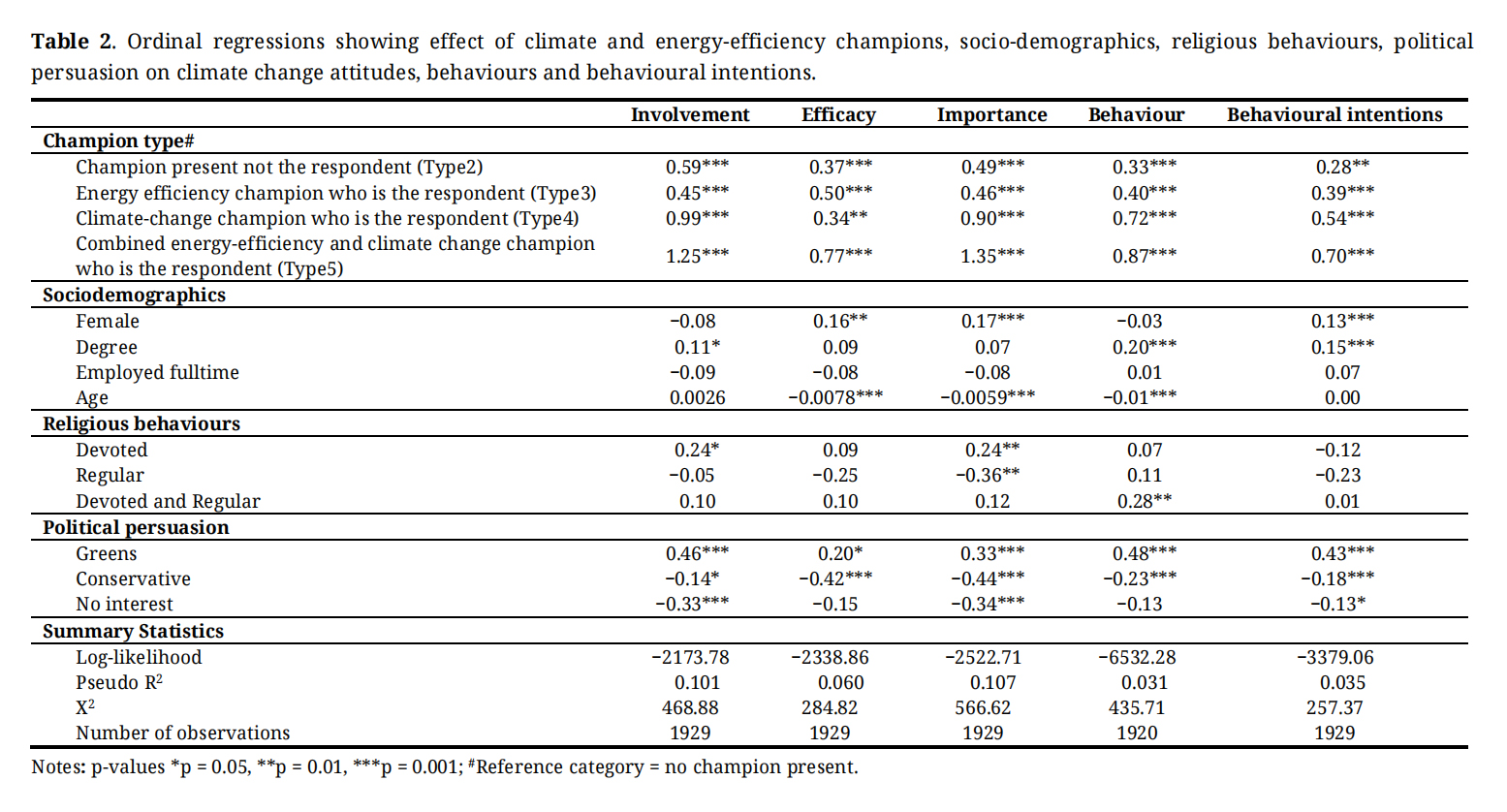 Table 2. Ordinal regressions showing effect of climate and energy-efficiency champions, socio-demographics, religious behaviours, political persuasion on climate change attitudes, behaviours and behavioural intentions.
Many policies have been suggested for improving energy efficiency and combating climate change. Our household champions results are relevant to those policies seeking to induce behavioural change in households. Households account for approximately 20% of carbon emissions in the US [5] and China [6] and in the UK about “32 per cent of emissions reductions to 2035 relies on [such] decisions by individuals and households” [41] (p. 8). Furthermore, some of the highest emissions reductions “can be delivered through adopting ultra-low emission cars, installing heat pumps, reduced international flights, diet change and reducing food waste” [41] (p. 14). In this context, our household-champion findings support a disaggregate approach to policy with different approaches for households without a champion, with an energy-efficiency champion, and with a climate-change champion or combined energy-efficiency and climate-change champion.
Households without a champion (Type 1) and households where the respondent was not a champion (Type 2) were the group found to perform the fewest energy-efficiency behaviours, and to have the lowest levels of issue awareness and involvement, and personal and response efficacy. For this group, interventions to encourage contemplation to act in a manner suggested by the Transtheoretical Model of Behaviour Change are likely to be helpful [42]. As shown in Figure 3 (where green shading indicates that an intervention is appropriate for a particular household type and yellow indicates that a goal is suitable for that household type), these interventions include consciousness-raising activities through education and feedback, as well as use of media with use of emotionally-valanced stimuli such as personal testimonies, or fear messages that incorporate high efficacy solutions [43]. Messaging to this group could also seek to encourage a household member to be the champion for their household and provide links to advice and resources on how to do this. The importance of consciousness-raising activities is also implicit in the COM-B model of behaviour change whereby behaviour change (or plasticity) results when individuals have the capability and opportunity to engage in the desired behaviour and the motivation to enact that behaviour [44]. However, this model places greater emphasis on ensuring that individuals have the ability to discern the opportunities to change behaviour as well as the wherewithal to implement the required behaviour change, in addition to being aware of a need to change. Improvements to capability can be achieved through training and skill development for this group of households, which is a need consistent with the group’s lower mean level of educational attainment. The recommendations following from these models are supported by Lee et al. (2015) [45] who analysed data from 119 countries to identify the factors influencing climate change awareness and risk perception among households. The key result was that the three primary drivers of climate change awareness and risk perception are improved basic education, climate literacy, and public understanding of the local effects of climate change [45].
The second group—energy-efficiency champions (Type 3 households)—is motivated by both financial and environmental concerns [18], though concerns about cost are the more important driver of household norms associated with reduced energy use as well as household curtailment and investment behaviours [7]. This is the largest group of champions, and their motivations suggest they are likely to be responsive to avoid, shift and improve behavioural interventions [46]. Given their cost consciousness, subsidy policies may be effective in encouraging them to act. With a sufficient subsidy, households in this group are likely to be induced to adopt electric vehicles, purchase more efficient appliances, and undertake home modifications such as installing heat pumps for hot water, provided that they are not constrained due to home ownership status. Time-of-use pricing may also influence them to adopt these technologies, though they may need assistance with learning the optimal method of engaging with the pricing system. These are technologies with high potential for reducing greenhouse gas emissions and are likely to have relatively high plasticity, and a high proportion of current non-adopters who could, at the right price, be induced to adopt [47]. Information-based strategies–such as providing timely feedback, reminders and making information intuitive and easily accessible–and strategies that suggest appropriate behaviours–such as modelling of behaviour and communicating a norm–may also be effective interventions for this group [44,46]. Households with energy-efficiency champions are also likely to be willing to participate in energy-saving programs during household transitions (such as moving house or buying a car), which has been found to be one of the more effective approaches for reducing energy demand [46].
The third group—that includes the climate-change champions (Type 4) as well as the combined energy-efficiency and climate-change champions (Type 5)–is more likely to have a focus beyond the home and a moral compass for the planet. They also are likely to be responsive to the same avoid, shift and improve behavioural interventions that are relevant for the efficiency champions, but are more likely than the efficiency champions to be willing to undertake the more demanding avoid or shift interventions. They are the most likely of the groups to respond to the interventions that have been shown to have the greatest effects on behaviour change, such as accepting green defaults (e.g., automatic enrolment in a green power contract), obtaining a commitment to change behaviour [46].
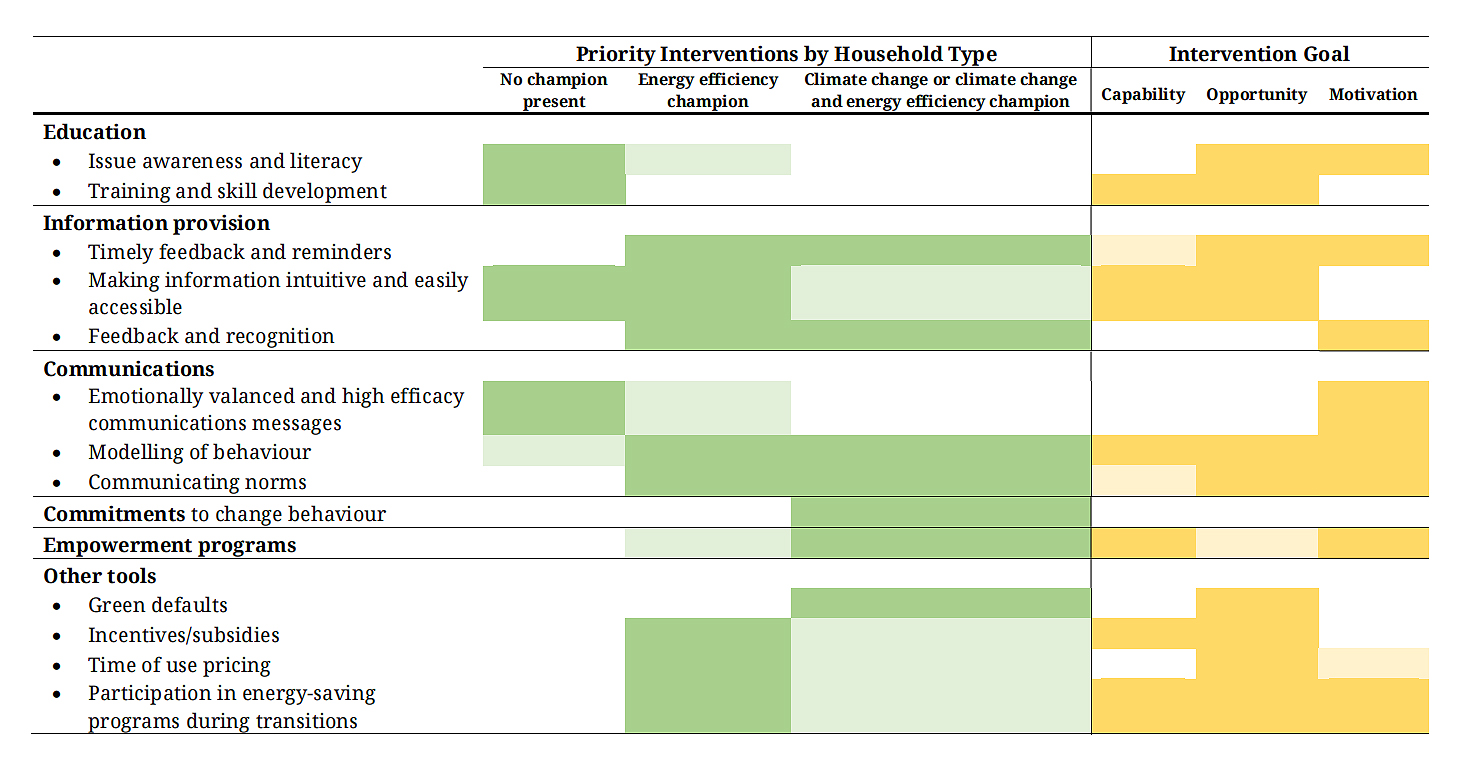 Figure 3. Behavioural interventions by household type and intervention goal. Key: Dark green means that the intervention is fully appropriate for the household type. Light green means that the intervention is partly appropriate for the household type. Dark yellow means that the goal is fully suitable for the household type. Light yellow means that the goal is partly suitable for the household type.
Because of their heightened concern about climate change, they are more likely to be interested in electric vehicles even if they are expensive; walking, cycling and public transport, as long as there is substantial investment in infrastructure for these forms of transport; diet change, if appropriate and clear information is provided; and energy-efficiency improvements in the home, like heat pumps. While some of these changes may have low plasticity, this could be increased; for example, in the case of cycling, by providing many more cycleways separated from motor vehicle traffic. The House of Lords [41] (p. 19). noted the low awareness of the impact of food-related changes on climate change, but that the resulting low plasticity could be increased by appropriate clear and consistent messaging over a sustained period of time.
Empowerment and social support programs that seek both to build relationships between like-minded individuals and to impact knowledge and skills, are recommended by proponents of both the Transtheoretical Model [48] and the COM-B model [44]. These are likely to be helpful for all types of champion, but especially for Types 4 and 5 champions who are motivated by climate-change considerations to act beyond the bounds of self-interest. Such programs are likely to be helpful in minimizing issue fatigue [49]. Best practice used in developing and maintaining brand communities could be applied to provide social supports for household champions. Moreover, by using dedicated resources and appointing peer educators and advisors to support champions within households, champion communities could be developed [50].
Our results show a progression from households with no champion present (Type 1) to those with an energy-efficiency champion (Type 3) to a climate-change champion (Type 4) to a combined energy-efficiency and climate-change champion (Type 5). This suggests that it might be worth attempting to shift individual household influencers between champion categories. This is even the case for those households that don’t believe in anthropogenic climate change and where there is no champion present. It might be possible to interest a member of such a household to promote the household’s pecuniary self-interest by becoming an energy-efficiency champion without the need to attempt to combat the household’s denialist issues. In a similar manner, there is scope for additional consideration and further research into how to shift the other champions to a more climate-sustaining category.
Further research into profiling champion households might also be productive. This would be achievable using our data as the basis for factor analysis or cluster analysis. However, we considered this to be beyond the scope of the current paper. Suffice it to say that the age distribution of the total members of the households in the sample was not significantly different from the age distribution of the Australian population.
It is important to recognise a drawback in this study of using self-reported behaviour rather than actual behaviour. We identify when the respondent claims that there is a champion present in the household and show associations between this and self-reported past climate and efficiency-related behaviour, such as turning down the thermostat (Type 3 Champions highest mean) or riding a bike or taking public transport (Types 4 and 5 highest means). Nevertheless, there is still a need to investigate in more detail what is going on within the household between its members. This aspect remains a high priority for our future research.
It might be thought that 1194 champions from 2278 households was an overestimate, possibly caused by social desirability bias in interviewees’ responses. First, it needs to be remembered that there is more than a single type of champion, viz.: champion other than the respondent (173), energy efficiency (530), climate change (96) and combined champion (395). This suggests that there are about 578 who would claim to be “climate change” champions (96 + 395 + (0.5) × 173), and probably environmentally motivated. Assuming that 50% of the energy efficiency champions are also environmentally motivated, there would be a total of 842 who are environmentally motivated, or about 37% of those surveyed. This compares with a previous observation of 42% of those in Australia being environmentally motivated in relation to climate change [51] (p. 90).
Furthermore, it is without doubt that there is complexity in the relationship between households’ climate change concerns and their mitigation behaviour (see [51]). This makes it difficult to make clear policy pronouncements. Nuages and Wheeler [51] combat this complexity by comparing those who are environmentally motivated with those who are not. They showed that a portfolio of policies may be needed to change behaviour overall. They concluded that “Economic incentives (e.g., pricing, taxes and subsidies) can play a significant and positive role, especially when households do not have any intrinsic motivation to take pro-environmental actions. For different population cohorts, sustainability education, environmental awareness, emphasising the co-benefits of increased action [52] and environmental messaging about avoiding over-estimating benefits may be some of the best ways to change behaviour and limit the feedback effect, especially when that behaviour includes very costly actions” [51] (p. 93). In a similar way, when we compare the pathways of Type 3, Type 4 and Type 5 households, there are some parallels to be drawn. Type 3 households may not have an intrinsic motivation to take pro-environmental action but are likely to respond to economic incentives such as a subsidy offered for energy-saving appliances like heat-pump hot water systems. Conversely, Type 4 and more especially Type 5 households are more like those motivated to take pro-environmental action, who would be influenced by sustainability education and efforts to improve environmental awareness. They could easily be at the forefront of those purchasing unsubsidised electric vehicles.
We set out to determine whether some households have a person passionate enough about energy efficiency or climate change to champion the cause and then explored the impact of having that champion. We also looked at different types of champion and how their impacts on household climate attitudes and behaviours differed.
The findings demonstrated that having a champion in the household mattered for energy efficiency and climate change. Compared to households with no champions, those with a champion had significantly higher issue involvement and importance, efficacy, behavioural intentions, and behaviours. This finding was amplified across each measure/variable if the champion was the respondent in the survey. Combined with previous research [7], these findings suggest that there are individuals/champions within households who are actively seeking to influence the behaviours and beliefs of the group. These champions are the allies of policy makers and others tasked with influencing household-level behaviour. They are on the frontline of efforts to increase household energy efficiency and reduce climate change, checking the thermostats and managing the micro-details.
In addition, the findings suggest the opportunity to target household types, rather than individuals, when developing demand management and mitigation programs. While the idea of a differentiated approach is recognised [5], our findings provide a novel and actionable way to achieve this. For instance, when a champion is present, it is appropriate to develop communication strategies that reinforce the well-informed claims of champions and support their attempts to influence their fellow household members, such as two-way messaging through house electricity meters/smart meters or smartphone apps when, for example, a reduction in energy usage is achieved in a month.
Part of the analysis looked more closely at champions and revealed differences between the types of champion present in the household, which has not previously been discussed in the literature. The key result was that being a combined energy-efficiency and climate-change champion tended to produce stronger and more significant attitudes and behaviours than the respondent being just an energy-efficiency or climate-change champion, or the champion being a household member other than the respondent.
If we are to support champions in their cause it is important to understand how to identify and target these households. For instance, by incorporating socioeconomic and demographic information into the analysis we revealed that respondent attributes of being young adults, female, degree educated, religiously active, or having a voting preference for the Green Party were more likely to result in future energy-efficiency and climate-change behaviours.
More broadly, the findings of this research suggest ways to differentiate approaches to influence household energy efficiency and climate change mitigation. First, a different approach is suggested for households that have champions versus those that don’t. The good news is that the majority of households have a passionate person who is engaged, who has a positive attitude towards energy efficiency and/or climate-change mitigation and believes that making a difference is possible and is working to improve the behavioural outcomes of their household. For these households, policy should be designed to support the champion in their efforts. A proportion of these households (17.3%) are already engaging in the desired activities, focused on both energy efficiency and climate change. A slightly larger proportion (23.3%) have a champion focused primarily on energy efficiency and with no direct concern for climate-change mitigation (though the actions of such champions can produce positive climate mitigation effects). This perhaps reflects a more selfish, pecuniary focus on factors closer to home and more within their own sphere of control, as with Stern’s “Private Sphere Environmentalists” [50].
While our study has demonstrated the influence of household champions and advocated for their potential in shaping household-level climate attitudes and behaviours, we need to acknowledge the difficulty in drawing conclusions about the attitudes and behaviour of the entire household based on the responses of one individual. Although we went beyond looking at individual behaviour and asked about whether there might be others in the household who might be a climate or energy-efficiency champion, it is possible that our questioning strategy might not fully represent household behaviour. This could occur if the respondent to the survey is not a primary household decision maker and is unaware of specific behaviours within the household that were examined in the survey (e.g., purchasing from companies taking steps to reduce climate change, the setting of the thermostat in winter) or does not accurately represent the behaviour of others–for example, there may be a champion in the household, but they are unaware of their climate change and energy efficiency attitudes and behaviours, particularly if they are disinterested in this topic area. Indeed, this may be one reason why the climate change attitudes and behaviours of Type 2 households were lower than for other households. Given such limitations from surveying single members of a household, studies seeking detailed and accurate representations of household behaviour tend to involve speaking to pairs or groups of people within the household in an attempt to understand better the nature of the influence within the household. Accordingly, these studies tend to be qualitative with small sample sizes, with the consequence that the researchers are unable to generalise their findings to the wider population. Conversely, in quantitative studies, researchers accept that there may be a degree of inaccuracy about the way individuals represent what is happening within their households, still ask individuals about what is happening in their household, and then generalize about what is happening across households based on those responses. Both are imperfect. Thus, the onus is on researchers to be judicious about the claims being made. While we eventually want to understand more precisely what is happening within the households, at this initial stage the focus is on whether a champion is present or not, who they are and then exploring whether there are associations between the presence of a champion and the attitudes of the respondent and self-reported behavioural outcomes within the household, including about the behaviours of other household members. We recommend that future research in this topic area focus on interviewing decision makers within households to better understand household-level outcomes, and also seek the perspectives of other household members to gain further insight into the nature of household attitudes and behaviours.
Given the positives of having a champion in the household, another question for future research is how can household champions be created? And given that there is a need to change only one member of the household, further research could test whether efforts to create new household champions and the nudging of energy efficiency champions to also become climate champions, or nudging of climate champions to also be energy efficiency champions is an effective way to motivate households to make positive changes to secure our future?
The following supplementary materials are available online, Table S1: Sample group analysis, regression results for the full sample and multiple-occupancy subsample, Table S2: Treatment effects results by dependent variable.
The dataset analyzed in the study can be found at https://doi.org/10.5061/dryad.sf0fc75.
Conceptualization, MM, JK, DD and KP; methodology, MM and DD; software, M.M. and DD; validation, MM, JK and KP; formal analysis, D. D.; investigation, MM, JK, DD and KP; resources, MM; data curation, MM and DD; writing—original draft preparation, MM, JK and DD; writing—review and editing, KP; visualization, MM and JK; supervision, JK and KP; project administration, JK and KP; funding acquisition, none. All authors have read and agreed to the published version of the manuscript.
The authors declare that they have no conflicts of interest.
This research was self-funded.
We would like to acknowledge Mark Filmer for reading and commenting on an earlier draft.
1.
2.
3.
4.
5.
6.
7.
8.
9.
10.
11.
12.
13.
14.
15.
16.
17.
18.
19.
20.
21.
22.
23.
24.
25.
26.
27.
28.
29.
30.
31.
32.
33.
34.
35.
36.
37.
38.
39.
40.
41.
42.
43.
44.
45.
46.
47.
48.
49.
50.
51.
52.
Morrison M, Kleinschafer J, Dowell D, Parton K. A Champion, Any Champion: The Influence of Household Climate-Change and Energy-Efficiency Champions. J Sustain Res. 2026;8(2)e260055. https://doi.org/10.20900/jsr20260055.

Copyright © Hapres Co., Ltd. Privacy Policy | Terms and Conditions


