Location: Home >> Detail
J Sustain Res. 2026;8(2):e260058. https://doi.org/10.20900/jsr20260058
 ,
Bassam A. Tayeh 2,3
,
Bassam A. Tayeh 2,3
1
2
3
*
The construction sector is a major contributor to resource depletion and environmental emissions, necessitating the transition toward Circular Economy (CE) strategies aligned with Sustainable Development Goals (SDGs). Life Cycle Assessment (LCA) is widely applied to evaluate environmental performance; however, conventional approaches often lack the dynamic, digital, and multi-scale capabilities required to assess circular systems effectively. This study systematically reviews 61 peer-reviewed articles published between 2019 and 2025 to examine the integration of CE and LCA in the building sector. The selected studies were classified based on LCA methodology, CE strategy, system boundary, scale of application, and use of digital tools. A critical thematic synthesis reveals a growing shift toward dynamic, parametric, and hybrid LCA approaches, enabling improved representation of reuse cycles, material recovery, and lifetime extension. However, the findings also demonstrate that results are highly sensitive to methodological assumptions, particularly system boundaries, allocation rules, and service life parameters, which are often insufficiently validated. While CE strategies such as reuse, recycling, bio-based materials, and design for disassembly generally show environmental benefits, their effectiveness is context-dependent and may be overstated under idealized scenarios. Digital tools, including BIM, digital twins, and AI-based models, enhance data traceability and scenario analysis but remain constrained by interoperability challenges, data limitations, and limited large-scale implementation. Overall, the review identifies a gap between methodological advancement and practical robustness, highlighting the need for standardized modeling frameworks, improved uncertainty treatment, and integrated multi-dimensional sustainability assessment to support reliable CE–LCA applications.
The increasing pressure to mitigate climate change, reduce resource depletion, and improve material efficiency has intensified the need for robust environmental assessment methods in the construction sector [1–3]. The construction industry is an important target for sustainability solutions since it contributes significantly to resource consumption, material waste, and greenhouse gas emissions worldwide [4,5]. Closing material loops, extending product lives, and encouraging regenerative resource use are the objectives of Circular Economy (CE) initiatives, which are becoming more widely acknowledged as essential to accomplishing these sustainability objectives [6–8].
Life cycle assessment (LCA) is the main method for evaluating how systems, processes, and products affect the environment during their lifespan [9,10]. Under CE regulations, LCA, standardized by ISO 14040/44, identifies environmental hotspots and streamlines decisions that align regulatory goals with environmental performance [11,12]. Despite its widespread adoption, conventional LCA is limited in handling dynamic systems, variable parameters, and adaptive scenarios, which are inherent in circular and complex building systems [13–15]. However, these advanced approaches remain inconsistently applied across studies, with limited validation of key parameters and significant variability in system boundary definitions. To get around these restrictions, parametric and dynamic LCA techniques have been developed, enabling scenario-based evaluations that take design, material flows, energy consumption, and operating circumstances into account [16–18]. These methodological developments improve LCA’s relevance, flexibility, and transparency for assessing CE initiatives [19,20].
Despite the growing integration of LCA and CE concepts, some significant obstacles still exist. First, the accuracy of traditional LCAs in capturing real-world material flows and environmental impacts is limited because they frequently rely on static assumptions and insufficient data [21,22]. Second, despite their potential for enhancing traceability, predictive maintenance, and scenario modeling, the integration of digital tools such as BIM, digital twins, and AI into LCA is still in its infancy [23–25]. Third, the majority of research concentrates only on environmental effects, paying little attention to social and economic aspects, sector-specific applications, and multi-scale integration [21,26,27]. These limitations indicate that existing CE–LCA studies are methodologically fragmented, with limited comparability, insufficient uncertainty treatment, and weak integration of economic and social dimensions.
This review systematically addresses these gaps by consolidating recent advances in CE–LCA research in the building sector. The study is guided by the following objectives:
1.
2.
3.
4.
5.
Unlike previous reviews that primarily summarize trends, this study provides a structured critical synthesis by systematically evaluating methodological robustness, identifying cross-study inconsistencies, and highlighting conditions under which CE strategies may fail to deliver expected environmental benefits. In addition, the study integrates methodological, digital, and multi-scale perspectives into a unified analytical framework, thereby addressing the current fragmentation in CE–LCA research.
By combining methodological, digital, and multi-scale perspectives, this study provides a critical and structured evaluation of CE–LCA integration, with particular emphasis on methodological reliability, scalability, and practical applicability. For researchers, practitioners, and policymakers seeking to optimize material flows, reduce environmental impacts, and improve the sustainability of building systems, it provides practical insights. The study also identifies important methodological issues and lays the groundwork for further research in the area, especially with regard to holistic evaluation frameworks and digital integration.
The methodology adopted in this review follows a structured and transparent systematic review protocol aligned with the PRISMA 2020 guidelines to ensure rigor, reproducibility, and methodological clarity. The review process comprised four main stages: (1) database search and identification, (2) screening and eligibility assessment, (3) data extraction, and (4) qualitative synthesis. A total of 61 peer-reviewed journal articles published between 2019 and 2025 were ultimately included.
Review DesignThis review aims to systematically identify, classify, and critically analyze studies integrating LCA with CE strategies in the building sector. In contrast to purely descriptive reviews, this study adopts a comparative analytical approach, enabling the evaluation of methodological robustness, identification of inconsistencies, and assessment of emerging modeling paradigms.
The review is guided by three research objectives:
1.
2.
3.
4.
5.
A comprehensive literature search was conducted across seven major scientific databases: Scopus, Web of Science, ScienceDirect, SpringerLink, Wiley Online Library, Taylor & Francis, and MDPI. The search was conducted in 2026, covering peer-reviewed journal articles published between January 2019 and December 2025. The core search string, applied uniformly across all databases, was: (“life cycle assessment” OR “LCA”) AND (“circular economy” OR “circularity”) AND (“building” OR “construction” OR “built environment”). Supplementary strings targeting specific sub-topics were also applied: (“design for disassembly” AND “LCA”); (“modular construction” AND “circular economy”); (“dynamic LCA” AND “buildings”); (“parametric LCA” AND “construction”); and (“BIM” AND “life cycle assessment” AND “circular economy”). In field-restricted databases such as Scopus and Web of Science, search terms were applied to title, abstract, and keyword fields simultaneously. In full-text databases (ScienceDirect, SpringerLink, Wiley Online Library, Taylor & Francis, MDPI), search terms were applied to title and abstract fields only. Database-specific search strings are provided in Appendix A.
Screening and Eligibility CriteriaThe study selection process followed a three-stage screening procedure: title screening, abstract screening, and full-text assessment.
Inclusion criteria:
•
•
•
•
•
•
•
•
A total of 387 records were identified across the seven databases. Following automated and manual duplicate removal (45 duplicates removed), 342 unique records entered title and abstract screening. Of these, 241 were excluded based on predefined inclusion/exclusion criteria. The remaining 101 full-text articles were assessed for eligibility; 40 were excluded (15 not CE–LCA relevant, 9 lacking methodological detail, 8 not construction-related, 5 not peer-reviewed, and 3 with overlapping data). A final set of 61 peer-reviewed journal articles was retained for qualitative synthesis.
PRISMA Flow and Selection TransparencyTo enhance transparency, the study selection process is illustrated through a PRISMA flow diagram (Figure 1), showing: records identified, records screened, records excluded (with reasons), and final included studies.
Potential selection bias was minimized through the use of multiple databases, explicitly defined inclusion/exclusion criteria, and a consistent multi-stage screening process. However, it is acknowledged that limiting the review to peer-reviewed English-language journal articles may introduce publication bias.
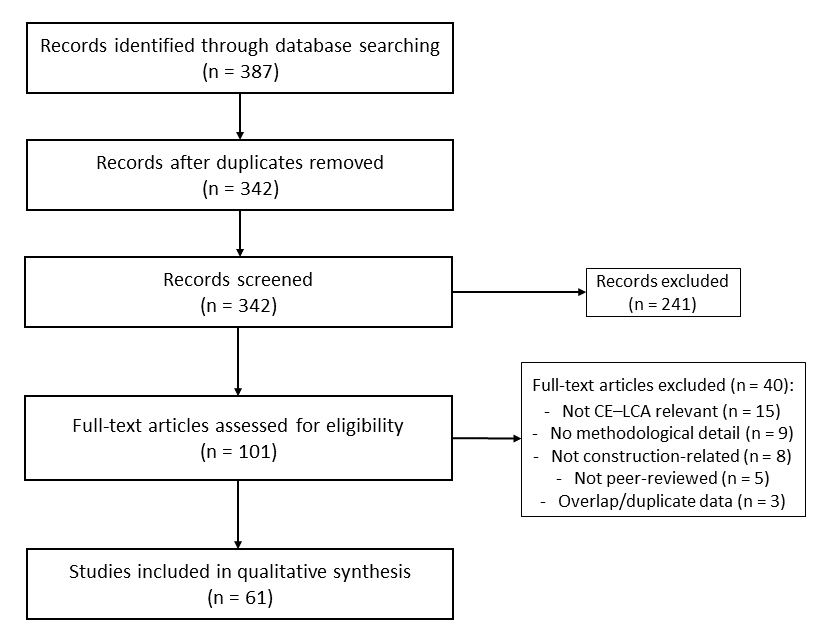 Figure 1. PRISMA 2020 flow diagram illustrating the study selection process for the systematic review.
Each study was systematically coded (P1–P61) using a structured data extraction framework, capturing: LCA methodology (attributional, consequential, dynamic, parametric, hybrid), CE strategy applied, system boundaries, lifecycle stages considered, geographic scope, and key findings.
A qualitative quality assessment framework was applied, evaluating each study based on four criteria: (1) methodological transparency, (2) data completeness, (3) treatment of uncertainty, and (4) consistency of system boundaries. While all four criteria informed the analytical interpretation of the reviewed studies, only system boundary definition and uncertainty treatment were quantitatively summarized in Table 1 and Table A1 because these dimensions could be consistently categorized across empirical studies. Methodological transparency and data completeness were assessed qualitatively and incorporated into the broader critical synthesis rather than summarized as discrete metrics.
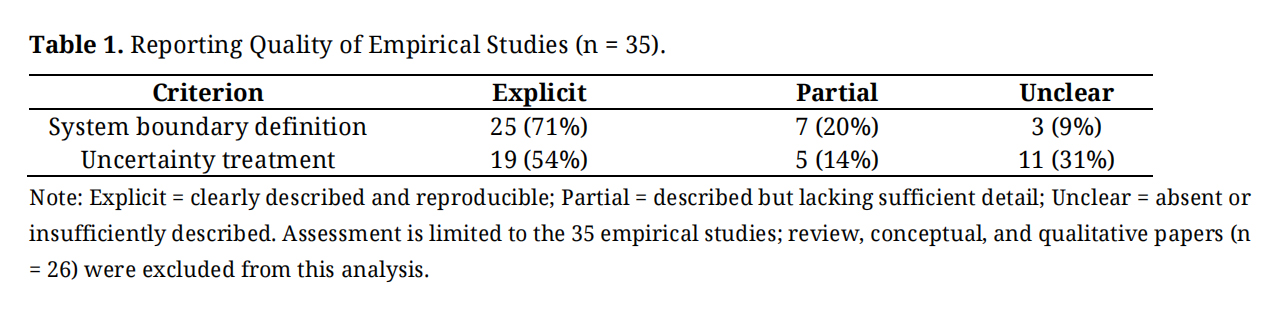 Table 1. Reporting Quality of Empirical Studies (n = 35).
A multi-layered qualitative synthesis was conducted:
1.
2.
3.
In addition to thematic grouping, the synthesis incorporates:
•
•
•
Emerging trends such as digital product passports, AI-based optimization, and BIM-integrated LCA were also analyzed in relation to their methodological maturity and practical applicability.
Summary Table of Included Studies (P1–P61)Table 2 presents the main characteristics and contributions of the 61 studies reviewed, summarizing their methodological focus and key findings. The Results and Critical Discussion section complements this summary by providing an interpretative synthesis that identifies cross-study patterns, contradictions, and methodological gaps.
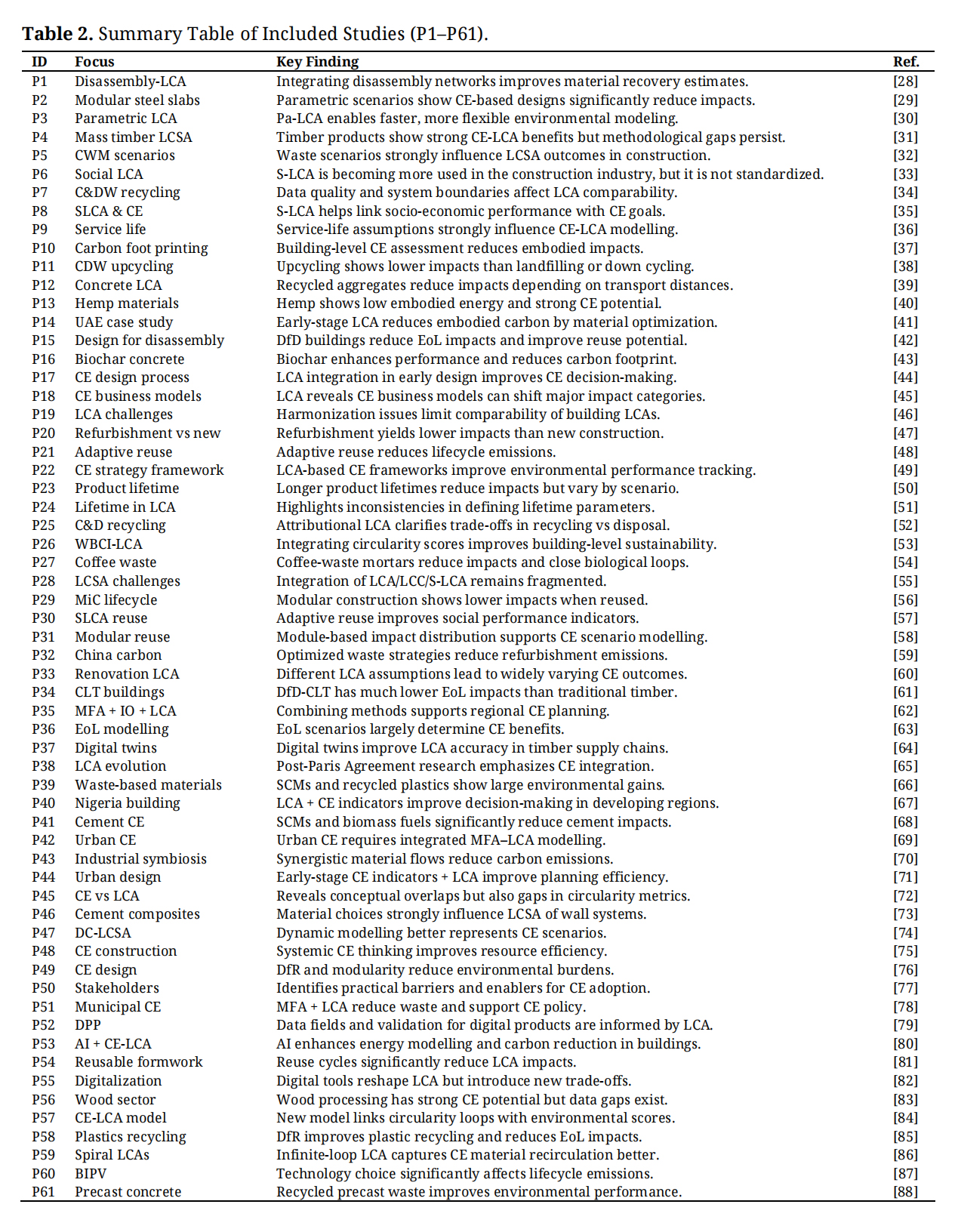 Table 2. Summary Table of Included Studies (P1–P61).
A complementary evaluation matrix summarizing the LCA modelling approach, system boundary, and uncertainty treatment for each included study is provided in Table A1. This matrix enables cross-study comparison beyond the descriptive summary provided in Table 2.
The reviewed literature between 2019 and 2025 indicates that the integration of LCA into CE research in the construction sector has evolved significantly; however, this evolution is not merely progressive but also methodologically uneven. While recent studies increasingly adopt dynamic, parametric, and hybrid approaches, a substantial portion of the literature still relies on simplified or static assumptions, which limits the reliability of CE-related impact assessments. This indicates that the shift toward advanced modeling paradigms remains partial rather than systematic.
Parametric and hybrid LCA models are frequently presented as enabling more comprehensive scenario exploration. Indeed, parametric LCA (pa-LCA) allows simultaneous variation of key parameters such as service life, recycling rates, and recovery efficiency [30,44,46,50]. However, the robustness of these models is highly dependent on input data quality and scenario design. Several studies implicitly assume deterministic parameter ranges without validating their realism, which introduces hidden uncertainty and potential bias in CE performance estimates. Similarly, hybrid LCA approaches aim to combine attributional and consequential perspectives to capture both direct and indirect effects [69,71], yet inconsistencies in system boundary definition and allocation rules often lead to non-comparable results across studies. As a result, while these methods expand analytical capacity, their application is not yet standardized, limiting cross-study synthesis.
Dynamic and lifetime-based LCA approaches are widely recognized as critical for representing CE systems, particularly where material loops and service-life extension are central. Multiple studies confirm that lifetime assumptions exert a dominant influence on environmental outcomes, often outweighing material selection or recycling strategies [50,51,63]. However, this also reveals a key methodological weakness: lifetime parameters are rarely harmonized or empirically validated, and are frequently treated as scenario inputs rather than evidence-based variables. Consequently, reported environmental benefits of CE strategies may be significantly overestimated or underestimated depending on assumed lifespans. Dynamic considerations and lifetime-based modeling partially address temporal variability (e.g., carbon storage decay, energy mix evolution) [58,61,74], yet its adoption remains limited due to data intensity and modeling complexity, restricting its practical applicability in many studies.
The integration of digital technologies—particularly BIM-based LCA, digital twins, and AI-driven tools—is often portrayed as transformative. These tools indeed enhance data granularity, traceability, and automation [64,80,82]. Nevertheless, their effectiveness is contingent upon data interoperability, model integration, and implementation feasibility. Many studies emphasize the potential of digitalization without adequately addressing practical constraints such as data inconsistency, high implementation costs, and limited industry adoption. In addition, AI-based optimization models may introduce algorithmic bias if training datasets are incomplete or unrepresentative, an issue that is rarely discussed in the reviewed literature [53,67]. Therefore, while digital tools offer significant potential, their current contribution remains technologically promising but operationally constrained.
Despite these methodological advancements, several persistent limitations undermine the robustness of CE–LCA integration. System boundary inconsistencies remain one of the most critical issues, with studies varying widely between cradle-to-gate, cradle-to-grave, and circular-loop configurations [46,50,51]. This variability directly affects impact comparability and may lead to conflicting conclusions regarding the effectiveness of CE strategies. Recent studies further confirm that inconsistencies in global databases, unclear definitions of lifecycle carbon emissions, and inaccuracies in building energy modeling represent additional sources of methodological uncertainty, significantly affecting the reliability of lifecycle carbon assessments in the building sector [89]. Similarly, end-of-life modeling lacks standardization, particularly in the treatment of avoided burdens, recycling credits, and down cycling effects [63], resulting in systematic divergence in reported outcomes.
Furthermore, the integration of environmental LCA with economic (LCC) and social (S-LCA) dimensions remains limited and fragmented [33,35,45,55,57,72]. Although frequently acknowledged as necessary, only a small subset of studies operationalize full Life Cycle Sustainability Assessment (LCSA), primarily due to data limitations and methodological complexity. This gap restricts the ability to evaluate trade-offs between environmental, economic, and social performance, which is essential for assessing CE strategies in real-world contexts.
Uncertainty treatment represents another critical methodological gap. The reviewed studies indicate that CE–LCA outcomes are highly sensitive to modeling assumptions, particularly those associated with system boundaries, end-of-life scenarios, and service-life definitions. While CE systems are inherently uncertain due to variable recovery rates, technological evolution, and user behavior, most studies still rely primarily on deterministic assumptions and limited uncertainty treatment approaches. Sensitivity analysis and scenario modelling were identified as the dominant approaches in the reviewed studies, whereas fully probabilistic methods were absent. This limits confidence in reported findings and highlights the need for systematic integration of more rigorous uncertainty quantification frameworks in future CE–LCA studies.
Overall, the reviewed literature demonstrates clear methodological progress; however, it also reveals a lack of standardization, limited validation of key parameters, and insufficient treatment of uncertainty and multidimensional sustainability. These challenges indicate that current CE–LCA applications, while increasingly sophisticated, are still evolving toward methodological maturity rather than representing fully robust assessment frameworks.
To support this synthesis, Table 3 summarizes the main categories of methodological advancements, highlighting not only their contributions but also their associated limitations. A key pattern emerging from Table 3 is the concentration of research efforts on methodological expansion (e.g., parametric and digital approaches), contrasted with a relative lack of standardization and validation, which continues to constrain the comparability and reliability of CE–LCA outcomes.
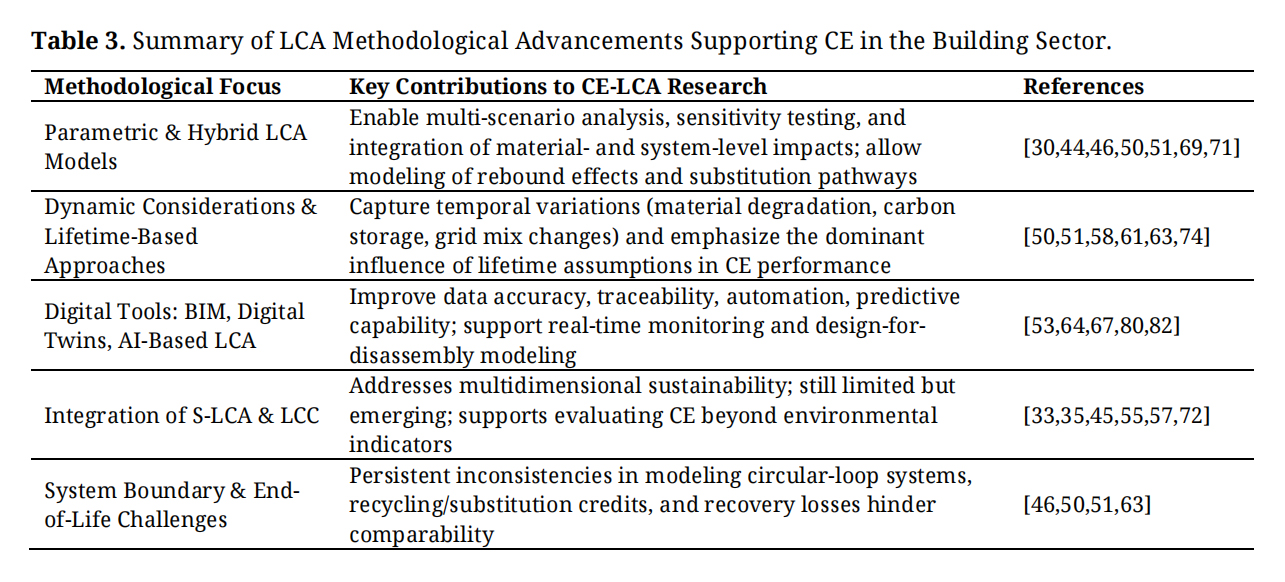 Table 3. Summary of LCA Methodological Advancements Supporting CE in the Building Sector.
A clear pattern emerging from Table 3 is the dominance of methodological expansion over methodological consolidation. While parametric and hybrid LCA approaches are widely adopted, their implementation varies significantly across studies, particularly in terms of parameter selection and system boundary definition. This lack of standardization limits comparability and may lead to conflicting conclusions regarding CE performance.
Furthermore, although digital tools are increasingly integrated within CE–LCA applications, their contribution remains largely supportive rather than transformative, as many studies continue to rely on simplified assumptions despite enhanced data availability. In parallel, the integration of social and economic dimensions remains limited, confirming that the current body of CE–LCA research is still predominantly environmentally oriented. Notably, inconsistencies in end-of-life modeling and lifetime assumptions persist across all methodological categories, suggesting that these factors represent systemic sources of uncertainty rather than isolated methodological limitations.
To further deepen the critical analysis, Table 4 presents a comparative evaluation of the main LCA methodological approaches applied in CE studies. The table highlights their respective strengths, limitations, and relative reliability for assessing circular economy strategies, enabling a clearer understanding of methodological trade-offs and applicability across different contexts.
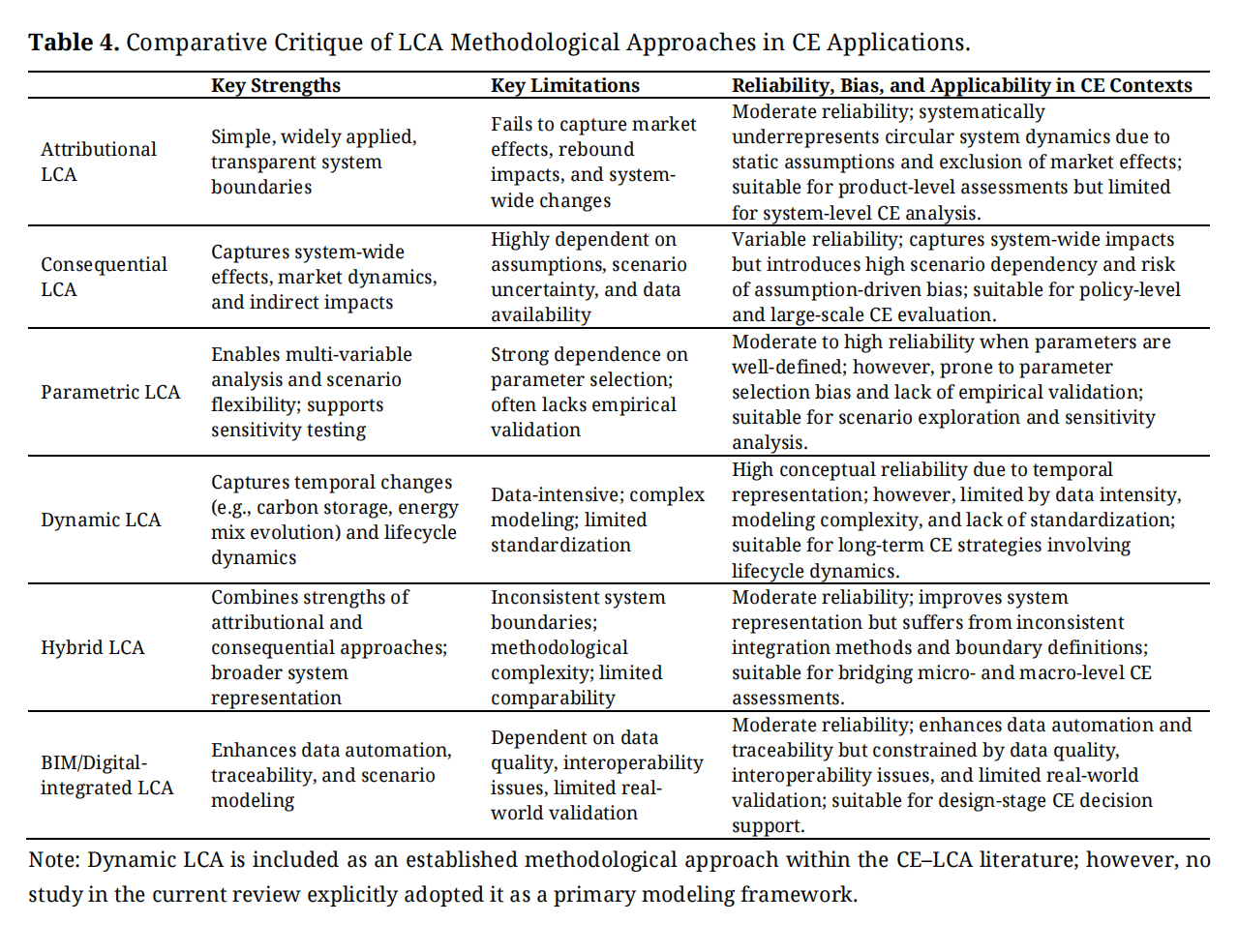 Table 4. Comparative Critique of LCA Methodological Approaches in CE Applications.
A key insight emerging from this comparative assessment is that no single LCA approach can be considered universally reliable for CE assessment. Instead, the suitability of each method is strongly context-dependent, influenced by system boundaries, data availability, and the nature of the CE strategy being evaluated.
Attributional LCA remains dominant in the literature due to its simplicity; however, it systematically underrepresents circular system dynamics. Conversely, consequential and dynamic approaches offer more comprehensive representations but introduce higher uncertainty due to their reliance on assumptions and future projections.
Parametric and hybrid approaches attempt to bridge this gap by increasing analytical flexibility, yet their effectiveness is constrained by the lack of standardized parameterization and validation. Similarly, digital-integrated LCA enhances computational capability but does not inherently resolve methodological inconsistencies.
These findings highlight a fundamental trade-off in CE–LCA research between model complexity and result reliability. This reinforces the need for comparative benchmarking of LCA approaches and the development of standardized methodological guidelines to improve consistency and decision-making relevance.
Uncertainty Quantification in CE–LCA StudiesA critical limitation identified across the reviewed literature is the inconsistent and often insufficient treatment of uncertainty in CE–LCA applications. Given that circular systems inherently involve variability in material recovery rates, service life, user behavior, and future technological conditions, uncertainty is not a peripheral issue but a central determinant of result reliability.
Three main approaches to uncertainty quantification are observed: sensitivity analysis, scenario-based modeling, and probabilistic methods such as Monte Carlo simulation.
Sensitivity analysis is the most commonly applied technique, primarily due to its simplicity and low computational demand. It allows the evaluation of how variations in individual parameters—such as transport distance, recycling rates, or service life—affect overall environmental outcomes. However, its application is often limited to one-at-a-time parameter variation, which fails to capture interaction effects between variables. As a result, sensitivity analysis may underestimate the combined uncertainty inherent in CE systems.
Scenario-based modeling represents a more flexible approach, widely used in CE–LCA studies to explore alternative future pathways (e.g., high vs. low recycling rates, different reuse scenarios, or varying energy mixes). While this approach is effective for capturing structural uncertainty and supporting decision-making under different assumptions, it remains highly dependent on subjective scenario design. In many cases, scenarios are based on idealized or non-validated assumptions, which can introduce bias and reduce the robustness of conclusions.
In contrast, probabilistic methods—particularly Monte Carlo simulation—provide a more rigorous framework for uncertainty quantification by simultaneously varying multiple input parameters based on defined probability distributions. This enables the generation of confidence intervals and probability-based outcome ranges, offering a more comprehensive representation of uncertainty. Despite its methodological advantages, Monte Carlo simulation remains underutilized in CE–LCA studies due to high data requirements and computational complexity.
A cross-tabulation of uncertainty treatment methods across the 61 reviewed studies reveals the extent of this methodological gap. Scenario modelling was the most frequently applied technique, identified in 25 studies (41%): 14 studies applied it exclusively, while 11 combined it with sensitivity analysis. Sensitivity analysis alone was employed in 12 studies (20%). Notably, no study applied Monte Carlo simulation or any fully probabilistic uncertainty quantification method. A total of 24 studies (39%) reported no explicit uncertainty treatment whatsoever, relying entirely on deterministic point estimates. These findings are summarized in Table 5.
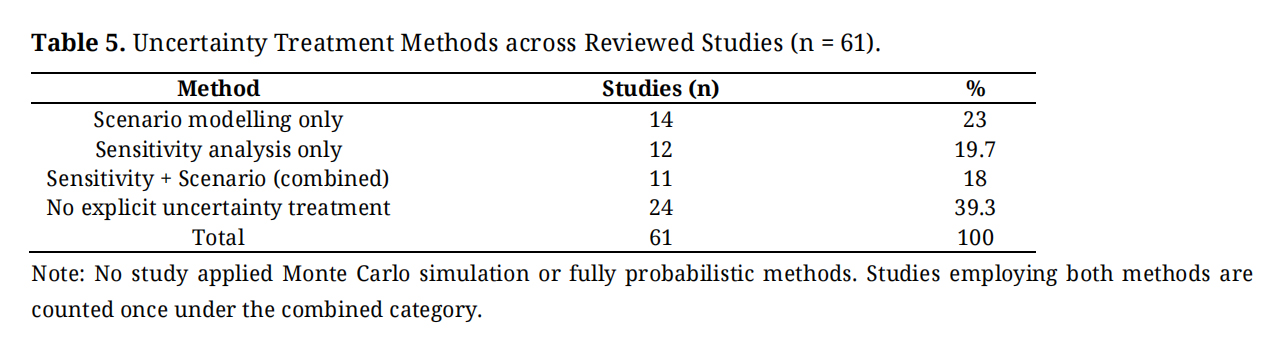 Table 5. Uncertainty Treatment Methods across Reviewed Studies (n = 61).
A critical comparison of these approaches suggests that probabilistic methods, particularly Monte Carlo simulation, provide the most robust representation of uncertainty in CE–LCA systems, as they account for simultaneous parameter variability and interaction effects. However, their practical application remains constrained by data availability and computational requirements. In contrast, sensitivity and scenario-based approaches, although widely applied, tend to oversimplify uncertainty and may lead to overconfident conclusions. This indicates that methodological reliability in CE–LCA is strongly dependent on the choice and integration of uncertainty modeling techniques, rather than on the LCA approach itself.
Overall, the comparative analysis indicates that increasing methodological complexity in CE–LCA does not necessarily lead to more reliable outcomes; rather, it often redistributes uncertainty from model structure to input assumptions. This highlights a fundamental trade-off between analytical sophistication and result robustness, which remains insufficiently addressed in current research.
LCA of Circular Economy Strategies in Building Materials and SystemsThe reviewed studies (P1–P61) indicate that LCA is consistently applied as the primary analytical tool for evaluating CE strategies in building materials and systems. A closer examination further reveals that LCA is consistently used to compare circular interventions—such as reuse, recycling, modularity, Design for Disassembly (DfD), and bio-based substitutions—against conventional linear practices. However, despite this widespread application, the reliability of conclusions varies significantly depending on the methodological approach and underlying assumptions, indicating that LCA-based evidence for CE effectiveness is not uniformly robust.
Critically, these findings reveal that a key divergence in the literature lies in the choice between attributional and consequential LCA. While attributional approaches dominate due to their relative simplicity, they often fail to capture system-wide effects such as market displacement, indirect emissions, and rebound effects [34,38,51,63]. In contrast, consequential and parametric LCA approaches attempt to model these broader impacts, offering more comprehensive insights into CE performance. Nevertheless, these advanced approaches rely heavily on scenario assumptions—particularly regarding substitution rates and future demand, which are rarely validated, introducing significant epistemic uncertainty into the results. As a result, studies assessing the same CE strategy may reach divergent conclusions depending on the chosen LCA framework.
Beyond methodological differences, recent building- and district-scale studies further demonstrate that the effectiveness of decarbonization strategies is highly uneven, with operational energy interventions, such as renewable energy integration—often yielding substantially higher emission reductions than material-related strategies. This reveals a critical inconsistency in CE–LCA findings, where strategies identified as optimal at the material level may not deliver comparable benefits at the building or system scale, highlighting the importance of context-specific evaluation of CE interventions [90]. This reinforces that conclusions regarding CE effectiveness are highly sensitive to the level of analysis and system boundary definition, further complicating cross-study comparability.
For instance, material reuse is frequently identified as a highly effective strategy for reducing embodied carbon; however, its benefits are highly sensitive to transportation distances, recovery efficiency, and the feasibility of disassembly [34,37,41,46]. In some cases, increased logistics and processing burdens offset the expected environmental gains, particularly when reuse supply chains are not locally optimized. Similarly, recycling strategies generally demonstrate reduced impacts at the material level, yet outcomes vary substantially depending on allocation methods (e.g., cut-off vs. system expansion) and the treatment of down cycling effects [35,40,49,51,63]. These methodological choices can lead to systematic bias, where the same recycling process appears either beneficial or marginal depending on the accounting approach.
DfD and modular construction are often promoted as enabling long-term circularity; however, their environmental performance is largely prospective rather than empirically validated. Many studies model future reuse cycles based on assumed recovery rates and ideal disassembly conditions [44,58,61,64,79], which may not reflect real-world constraints such as market demand, material degradation, or labor costs. Consequently, the reported benefits of DfD systems may be overstated in scenarios where actual reuse is not realized. Similarly, prefabrication and industrialized construction approaches demonstrate improved material efficiency and waste reduction, yet their net benefits remain highly sensitive to transportation impacts and energy use in manufacturing processes [39,47,53,56,64,67].
Bio-based materials introduce additional complexity into CE–LCA assessments. While often associated with lower embodied impacts, their environmental performance is highly dependent on assumptions related to biogenic carbon accounting, land-use change, durability, and end-of-life scenarios [29,33,42,55,57,72]. Dynamic LCA approaches provide a more accurate representation of temporal carbon flows, yet their limited adoption means that many studies rely on simplified or static assumptions, potentially misrepresenting long-term impacts.
Among all CE strategies, lifetime extension through repair, refurbishment, and adaptive reuse consistently demonstrates the highest potential for environmental impact reduction. However, this finding is also strongly dependent on assumed service life extensions, maintenance cycles, and user behavior [30,41,45,52,58,61]. As with other CE strategies, these parameters are rarely standardized or empirically validated, which raises concerns regarding the comparability and generalizability of results.
Overall, while LCA provides a critical foundation for evaluating CE strategies, the evidence base is characterized by high sensitivity to methodological choices, inconsistent treatment of system boundaries, and limited validation of key assumptions. These issues suggest that current LCA applications, although essential, may not yet provide fully reliable or comparable assessments of CE performance across different contexts.
The most often evaluated CE strategies from the 61 included research are summarized in Table 6, which also shows how LCA has been used to assess their environmental impacts. Reuse, recycling, modularity, DfD, bio-based materials, and lifetime extension are the CE strategies used to group the studies in the table, which highlights the significant LCA discoveries from each cluster of studies.
A key pattern emerging from Table 6 is that the environmental performance of CE strategies is highly context-dependent and strongly influenced by methodological assumptions rather than intrinsic strategy characteristics. While reuse and lifetime extension consistently show high potential for impact reduction, their effectiveness is contingent upon logistical feasibility, service life assumptions, and actual implementation conditions.
In contrast, recycling and bio-based strategies exhibit greater variability, with outcomes largely determined by allocation methods, system boundaries, and carbon accounting approaches. This indicates that methodological choices can significantly alter the perceived effectiveness of CE strategies, leading to potentially conflicting conclusions across studies.
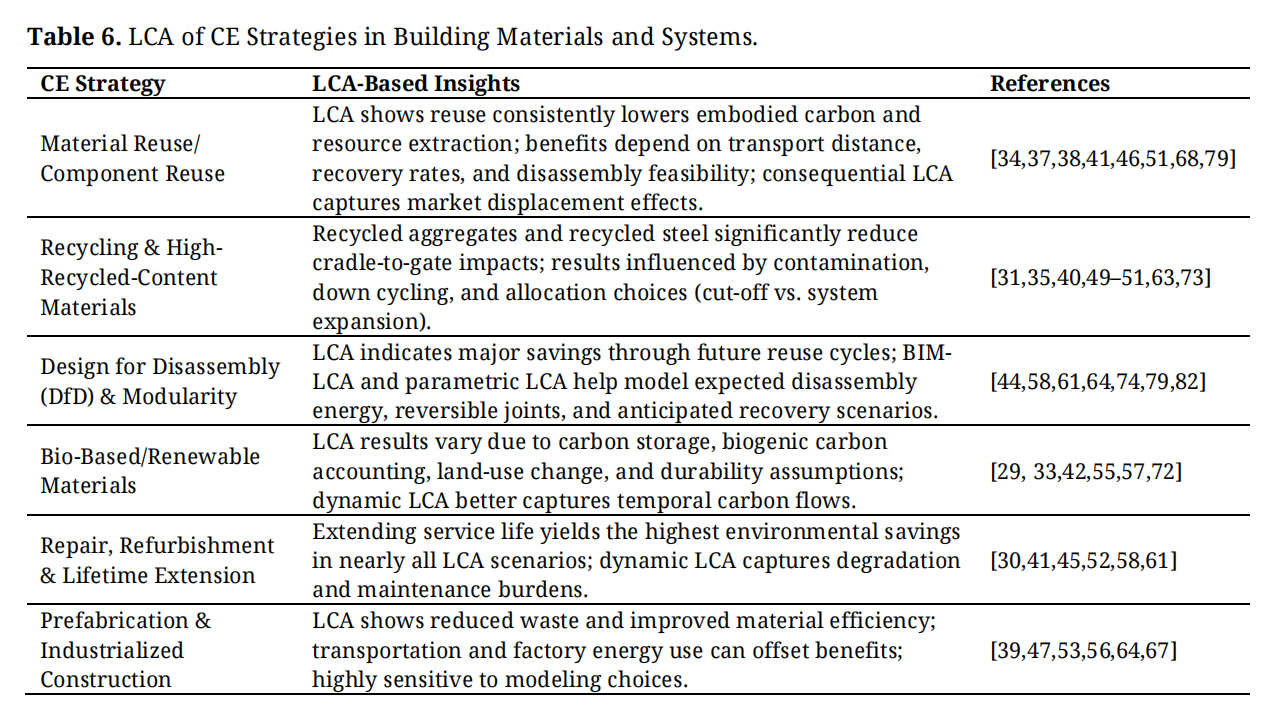 Table 6. LCA of CE Strategies in Building Materials and Systems.
Furthermore, many strategies—particularly DfD and modular construction—are evaluated under idealized or prospective scenarios, suggesting that the literature may overestimate their real-world performance. Overall, Table 4 highlights a critical gap between modeled CE benefits and their practical realization, emphasizing the need for more empirically grounded and standardized LCA approaches.
The effectiveness and reported environmental performance of CE strategies are not only strategy-dependent but also strongly influenced by the choice of LCA methodological approach, as different modeling frameworks (e.g., attributional vs. consequential or static vs. dynamic) may lead to systematically divergent conclusions.
Digitalization for CE–LCA IntegrationThe reviewed studies indicate that digitalization has emerged as a major enabler for integrating CE principles within LCA frameworks, particularly in the building sector where circular flows, reuse cycles, and multi-stage system interactions are inherently complex. However, while digital tools are frequently presented as transformative solutions, their actual contribution to CE–LCA integration remains highly dependent on data quality, interoperability, and implementation maturity.
BIM-integrated and automated LCA approaches are among the most widely adopted digital strategies in the reviewed studies. These tools substantially improve life-cycle inventory generation by enabling automated extraction of material quantities and facilitating scenario-based evaluation of CE strategies such as modularity, reversible assembly, and material substitution [44,58,64,79].
However, a critical assessment suggests that their reliability is strongly constrained by the quality and completeness of BIM input models. In practice, missing material attributes, inconsistent naming conventions, and incomplete end-of-life information may propagate errors into LCA calculations, potentially leading to systematic under- or overestimation of environmental impacts. Furthermore, many studies evaluate BIM-based workflows under controlled case-study conditions, with limited evidence of large-scale industry implementation.
Digital twins represent a further methodological advancement by linking operational building data with dynamic LCA modeling. This integration enables more refined estimation of degradation, maintenance cycles, and service-life variation, which are critical for assessing refurbishment and lifetime extension strategies [58,61,82]. However, despite their methodological promise, digital twins remain largely technology-driven rather than evidence-driven within the current literature. Most applications are still limited to pilot studies or conceptual demonstrations, and long-term validation across full building life cycles is scarce. In addition, establishing reliable feedback loops between operational data streams and LCA databases requires substantial investment in sensors, data governance, and interoperability protocols, all of which present practical barriers to adoption.
Parametric and algorithmic modeling tools are increasingly used to simulate multiple CE scenarios and conduct sensitivity analyses. These approaches allow researchers to vary parameters such as recovery efficiency, transport distance, reuse frequency, and recycled content [41,49,51,63]. While this enhances transparency and supports uncertainty exploration, the robustness of outcomes is highly sensitive to the assumed parameter ranges. In many cases, parameter values are selected based on hypothetical or idealized scenarios rather than empirical evidence, which may introduce scenario bias and reduce the generalizability of findings. This is particularly critical in CE applications, where future market conditions and technology pathways remain uncertain.
Material passports and digital product databanks address a long-standing limitation in CE–LCA studies: insufficient building-specific material traceability. By documenting material composition, toxicity, disassembly pathways, and reuse potential, these tools improve end-of-life modeling and support secondary material markets [35,46,50,51]. However, their effectiveness depends on standardized data fields, consistent updating mechanisms, and cross-platform compatibility. At present, the absence of harmonized data standards and limited industry-wide adoption restrict their ability to function as fully reliable decision-support systems.
Emerging applications of AI and machine learning offer additional opportunities for automating inventory generation, predicting service life, and optimizing circular design scenarios [44,55,67,82]. Despite this potential, these methods introduce additional challenges related to algorithmic transparency, data bias, and model interpretability. For example, predictive models trained on incomplete or geographically limited datasets may produce biased outputs that do not accurately reflect broader building typologies or regional construction practices. This issue is rarely addressed in the reviewed studies, indicating that current AI applications remain methodologically immature.
Consistent with the methodological challenges discussed in Section LCA Methodological Advancements in Building Circular Economy Studies, digitalization significantly strengthens the methodological capacity of CE–LCA integration, particularly in terms of data automation, scenario simulation, and temporal modeling. However, the literature also reveals that many digital tools are still at relatively low levels of practical readiness, with limited large-scale validation and substantial implementation barriers. Key challenges persist in terms of interoperability, long-term material tracking, standardization of digital protocols, and alignment with LCA databases. Therefore, digitalization should be viewed not as a universally established solution, but as a promising yet still evolving methodological enabler.
The primary digitalization strategies found in the evaluated research (P1–P61) are compiled in Table 7, which also describes how each tool facilitates CE-LCA integration. The table illustrates how digital systems such as BIM, parametric modeling, digital twins, material passports, and AI-enabled analytics can enhance data quality, scenario modeling, and long-term material tracking.
A key pattern emerging from Table 7 is that digitalization primarily enhances the technical capability of CE–LCA assessments, particularly in data extraction, scenario simulation, and lifecycle tracking. However, the table also reveals that most digital tools are concentrated at the modeling and design stages, while comparatively fewer studies demonstrate validated applications across operational and end-of-life phases.
Another notable insight is that advanced tools such as digital twins, AI, and blockchain are frequently discussed as high-potential solutions, yet their practical implementation remains limited and largely confined to pilot-scale studies. This suggests a gap between technological promise and real-world deployment.
Furthermore, while BIM and material passports improve data traceability, their effectiveness is strongly dependent on interoperability standards and data governance frameworks, which remain insufficiently developed across the sector. Overall, Table 7 highlights that digitalization strengthens methodological sophistication but does not fully resolve the structural uncertainties inherent in CE–LCA studies. This indicates that the gap between methodological capability and industry implementation remains a critical barrier to real-world CE–LCA adoption.
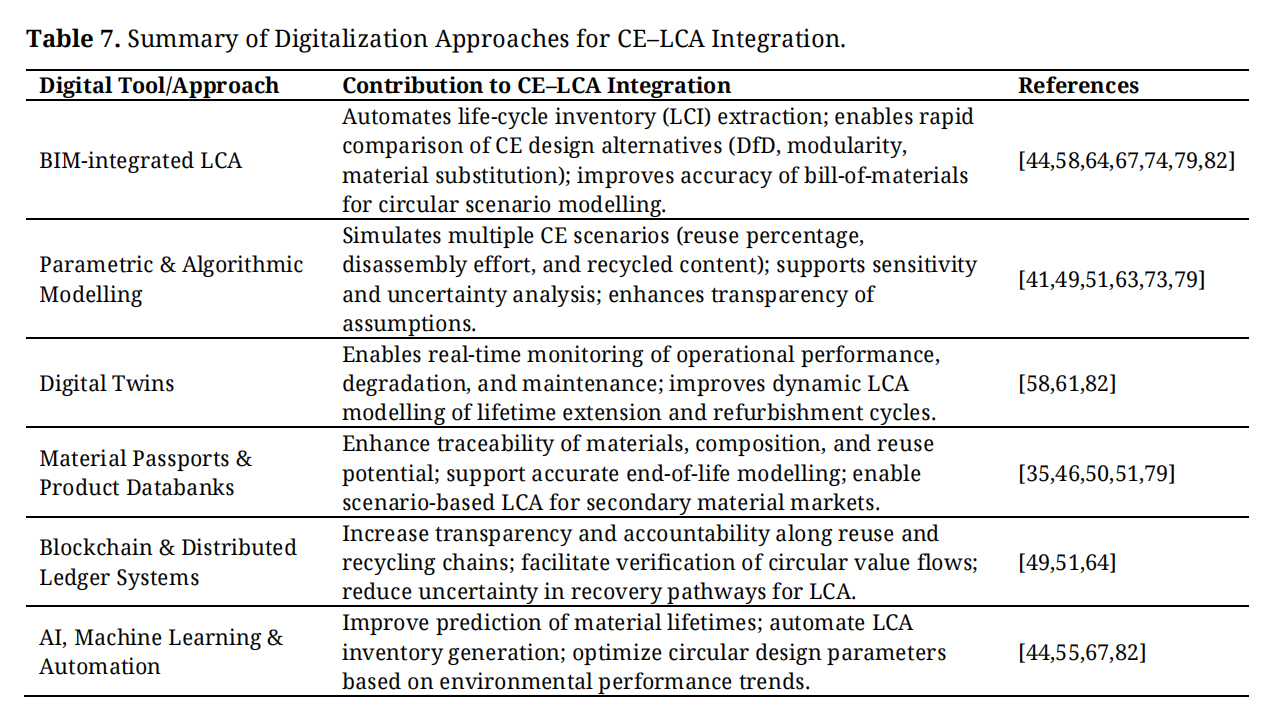 Table 7. Summary of Digitalization Approaches for CE–LCA Integration.
The reviewed studies indicate that LCA applications for CE strategies in the building sector span multiple scales, ranging from individual materials and components to entire buildings and urban systems. While this multi-scale perspective is frequently presented as a strength, the reviewed literature reveals that results and conclusions are highly scale-dependent and not always directly comparable, which introduces important challenges for decision-making.
At the material scale, LCA studies predominantly focus on evaluating recycled aggregates, bio-based materials, and reusable components. These studies consistently report reductions in embodied carbon and resource extraction when compared to conventional materials [31,39,40,54,66].
Critically, the reported benefits of these strategies are frequently evaluated under controlled assumptions that fail to adequately account for real-world complexities, including supply chain variability, contamination risks, and transportation burdens. Notably, the environmental advantages associated with recycling may be substantially reduced or even negated when long-distance material transport or energy-intensive processing is required. This suggests that material-level assessments, while analytically valuable, risk overestimating the effectiveness of circular economy strategies when examined in isolation from broader systemic conditions.
At the building scale, CE–LCA research adopts a more integrated perspective, examining modular construction, DfD, adaptive reuse, and refurbishment strategies [42,44,47,58,61,64]. These studies benefit from parametric and BIM-integrated approaches, which enable detailed scenario modeling of disassembly pathways, reuse cycles, and lifecycle extensions. Dynamic LCA is particularly relevant at this scale, as it captures time-dependent processes such as material degradation and maintenance cycles. However, despite this increased methodological sophistication, building-scale assessments remain highly sensitive to assumptions regarding service life, reuse feasibility, and user behavior. In many cases, these assumptions are not empirically validated, resulting in scenario-dependent outcomes that limit the generalizability of findings.
At the urban or system scale, a growing body of research integrates Material Flow Analysis (MFA) with LCA to evaluate CE strategies across neighborhoods or regions [62,69,78]. These studies provide valuable insights into cumulative environmental impacts, resource optimization, and industrial symbiosis. Notably, system-level assessments often reveal trade-offs that are not visible at lower scales; for example, strategies that appear beneficial at the material or building level may lead to unintended consequences at the urban scale due to infrastructure demands, logistical constraints, or rebound effects. However, the application of CE–LCA at this scale remains limited, and models often rely on aggregated or simplified data, which may reduce accuracy and obscure local variability.
Cross-scale comparability is further constrained by system boundary inconsistencies, discussed in detail in Section LCA Methodological Advancements in Building Circular Economy Studies and LCA of Circular Economy Strategies in Building Materials and Systems. In addition, the integration of economic and social dimensions remains limited across all scales, further constraining the ability to evaluate CE strategies in a comprehensive manner. While some studies acknowledge these dimensions, their operationalization within multi-scale LCA frameworks is still underdeveloped.
Overall, the literature demonstrates that while multi-scale CE–LCA assessments provide valuable insights, they are characterized by fragmentation, scale-specific assumptions, and limited integration across levels. Addressing these challenges requires the development of harmonized multi-scale frameworks that can link material, building, and urban analyses, while ensuring consistency in system boundaries, data structures, and modeling assumptions.
Table 8 summarizes the evidence by classifying the included research according to the scale of application (material, building, or urban/system) and highlighting the significant LCA insights and CE solutions obtained at each scale. The benefits and drawbacks of multi-scale CE-LCA research will be clearly demonstrated owing to this organized presentation.
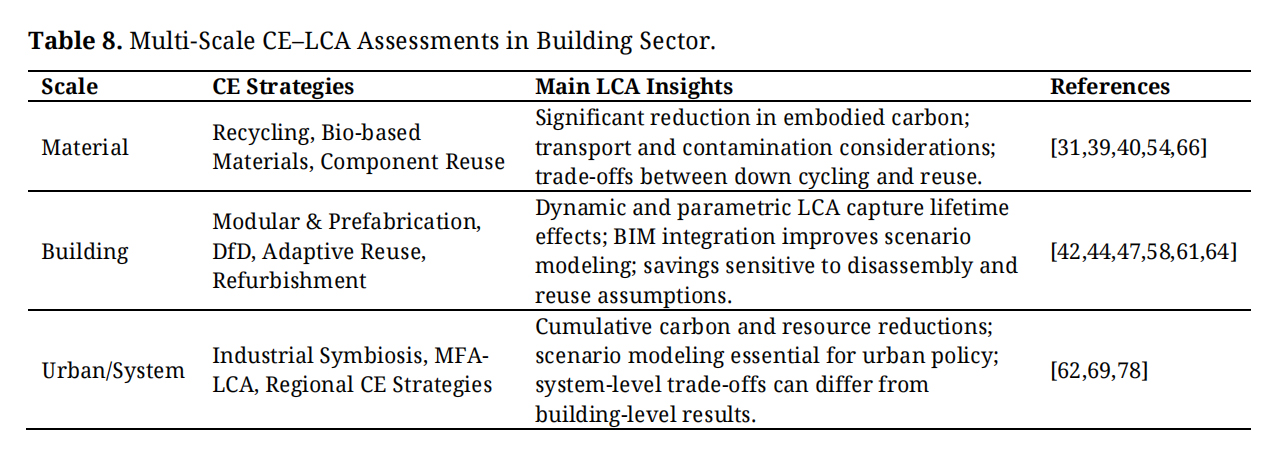 Table 8. Multi-Scale CE–LCA Assessments in Building Sector.
Table 8 highlights a clear divergence in how CE strategies are evaluated across different scales. At the material level, results tend to emphasize direct environmental benefits, often under simplified assumptions. In contrast, building-scale studies introduce greater complexity through lifecycle modeling, yet remain highly sensitive to user behavior and service-life assumptions. At the urban scale, assessments capture broader system interactions but rely on more aggregated data, which may reduce precision.
A key insight is that environmental benefits identified at one scale do not necessarily translate to other scales, indicating a lack of cross-scale consistency in CE–LCA research. Furthermore, the limited number of urban-scale studies suggests that system-level implications of CE strategies remain underexplored. Overall, the table reveals a critical need for integrated multi-scale frameworks capable of linking localized assessments with broader system-level impacts.
Emerging Trends and Methodological Gaps in CE–LCA for BuildingsBuilding on the recurring methodological challenges identified across previous sections—particularly uncertainty, data limitations, and lack of standardization—this section synthesizes cross-cutting trends and unresolved methodological gaps. (P1–P61) reveals that CE–LCA research in the building sector is undergoing a clear methodological transition, moving from static and isolated assessments toward more integrated, dynamic, and system-oriented approaches. However, this transition is characterized by asynchronous development, where advancements in certain areas (e.g., digitalization and parametric modeling) are not matched by equivalent progress in standardization, validation, and multidimensional sustainability integration.
As discussed in Section Digitalization for CE–LCA Integration, digital tools, including BIM, digital twins, and AI, remain methodologically promising but operationally constrained, with limited large-scale validation.
Another significant development is the growing use of dynamic and parametric LCA approaches. These methods allow the incorporation of temporal factors such as material degradation, refurbishment cycles, and evolving energy systems [30,51,58,74], thereby improving the representation of CE scenarios over time. However, despite their analytical advantages, these approaches are highly sensitive to input assumptions, particularly regarding service life and future system conditions. The lack of standardized parameter definitions and empirical validation introduces significant uncertainty, limiting the comparability and reliability of results across studies.
The adoption of multi-scale assessment frameworks represents a further advancement, linking material, building, and urban levels within CE–LCA analyses [62,69,78]. While this approach provides a more comprehensive understanding of system-wide impacts, the literature demonstrates limited integration across scales. In many cases, studies remain confined to a single scale, and interactions between scales are either simplified or omitted, resulting in fragmented insights that do not fully support holistic decision-making. This fragmentation is further reflected in contradictory findings across studies, where strategies that demonstrate environmental benefits at the material level may not yield comparable outcomes at the building or urban scale, particularly under different energy system configurations and boundary assumptions.
Hybrid approaches, particularly Life Cycle Sustainability Assessment (LCSA), are increasingly recognized as necessary for capturing environmental, economic, and social dimensions simultaneously [33,55,75]. Although still limited, a small number of recent studies have attempted to operationalize LCSA by integrating environmental LCA with Life Cycle Costing (LCC) at the building or district level, particularly through cross-scale and system-integrated modeling approaches [91], demonstrating the feasibility of multi-dimensional evaluation; however, such applications remain context-specific and lack standardized implementation frameworks.
As noted in Section LCA Methodological Advancements in Building Circular Economy Studies, full LCSA operationalization remains the exception rather than the norm.
Nevertheless, the practical implementation of LCSA remains limited. Most studies continue to focus predominantly on environmental indicators, with economic (LCC) and social (S-LCA) aspects either partially integrated or treated qualitatively. This indicates that CE–LCA research has not yet achieved true multidimensional sustainability assessment, not due to conceptual limitations, but rather because of the lack of harmonized methodologies, consistent datasets, and integrated modeling frameworks. In addition, the lack of institutional alignment and standardized decision-making frameworks further constrains the practical adoption of LCSA, particularly in industry and policy contexts where simplified environmental indicators remain dominant.
From an operational perspective, advancing LCSA requires the development of standardized integration protocols, harmonized datasets, and interoperable modeling platforms that can simultaneously capture environmental, economic, and social indicators across lifecycle stages. Without such methodological alignment, LCSA applications are likely to remain fragmented and case-specific.
Uncertainty treatment remains insufficiently standardized, as documented in Section Uncertainty Quantification in CE–LCA Studies. Key parameters, including recovery rates, reuse markets, and service life, are frequently scenario-based and lack empirical validation [46,50,63].
End-of-life (EoL) modeling represents another major source of inconsistency. Different allocation methods—such as cut-off, system expansion, and 50/50 approaches—are applied inconsistently across studies [35,41,73], leading to divergent conclusions regarding the environmental benefits of CE strategies. This lack of harmonization limits cross-study comparability and may introduce systematic bias in the evaluation of circular interventions.
Data limitations and regional variability further complicate CE–LCA applications. The availability and quality of data for recycled and bio-based materials vary significantly across regions, affecting the accuracy of impact assessments [39,54,67,83]. In addition, the absence of standardized datasets and data-sharing frameworks restricts the scalability of CE–LCA models and their applicability across different geographic contexts.
Taken together, these findings indicate that while CE–LCA research is advancing toward more integrated and sophisticated methodologies, it remains methodologically fragmented and insufficiently standardized. This gap between methodological advancement and practical robustness highlights the need for a structured framework that can align CE strategies, LCA methods, and sustainability dimensions within a consistent analytical system.
These limitations also have direct implications for decision-making, as inconsistent methodologies and fragmented assessments may lead to suboptimal policy and investment choices in the transition toward circular and low-carbon building systems.
Based on the identified trends and gaps, this study proposes a conceptual framework (Figure 2) that synthesizes the interaction between CE strategies, LCA methodologies, and sustainability outcomes across multiple scales. The framework aims to address current fragmentation by providing a structured basis for integrating environmental, economic, and social assessments while accounting for key challenges such as uncertainty, data limitations, and system boundary inconsistencies. This represents a key conceptual contribution of the study, moving beyond fragmented analyses toward an integrated CE–LCA assessment paradigm.
Based on the identified methodological fragmentation and cross-scale inconsistencies, Figure 2 proposes an integrated conceptual framework. Unlike existing CE–LCA studies, which tend to address methodological components in isolation, the proposed framework integrates CE strategies, LCA modeling structures, digital enablers, and sustainability dimensions within a unified multi-scale system.
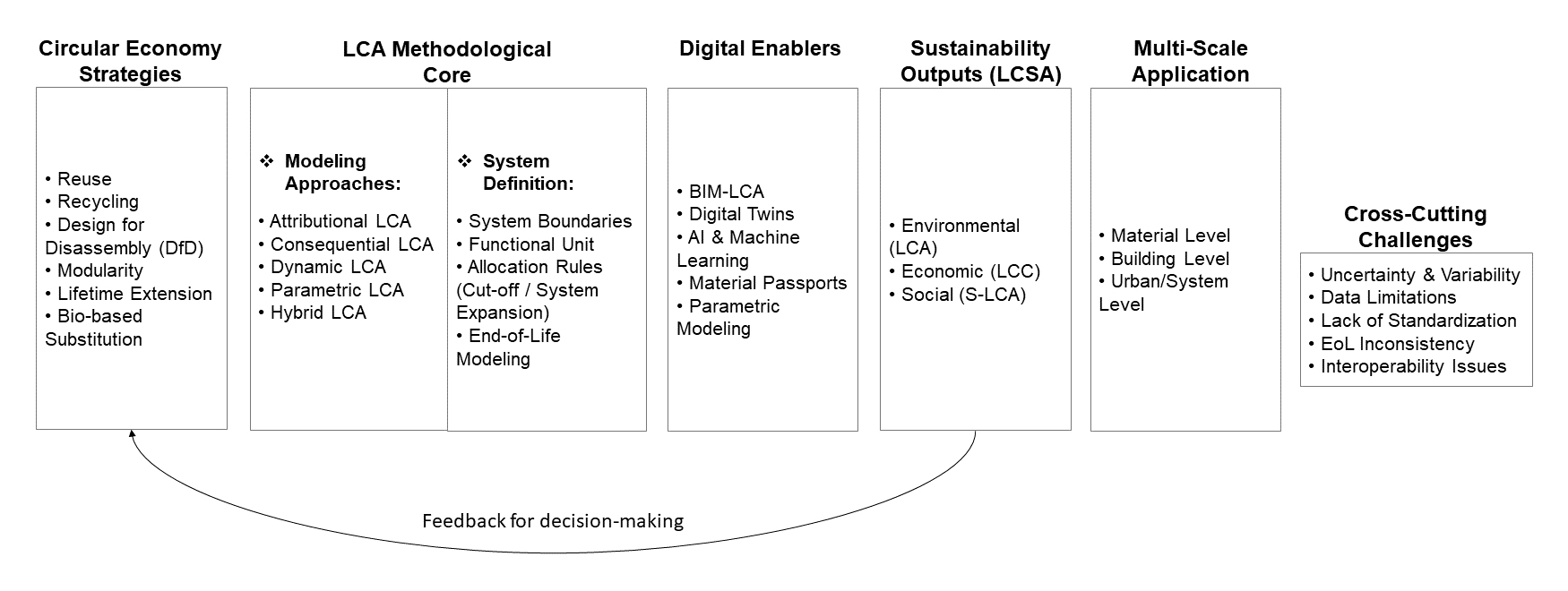 Figure 2.
Integrated conceptual framework for CE–LCA in the building sector, illustrating the interaction between circular economy strategies, LCA methodological components, digital enablers, and sustainability assessment across multiple scales. The framework highlights feedback-driven decision-making and identifies cross-cutting challenges affecting the robustness and comparability of CE–LCA applications.
Figure 2.
Integrated conceptual framework for CE–LCA in the building sector, illustrating the interaction between circular economy strategies, LCA methodological components, digital enablers, and sustainability assessment across multiple scales. The framework highlights feedback-driven decision-making and identifies cross-cutting challenges affecting the robustness and comparability of CE–LCA applications.
The integration of LCA and CE principles in the building sector has evolved from predominantly static and descriptive approaches toward more dynamic, data-driven, and system-oriented methodologies. However, this evolution remains uneven, with methodological advancements not yet matched by equivalent progress in standardization, validation, and practical implementation.
Based on the synthesis of 61 peer-reviewed studies, this review provides a structured critical assessment of CE–LCA research, highlighting methodological trade-offs, cross-scale inconsistencies, and the conditions under which CE strategies may fail to deliver expected environmental benefits.
Key ConclusionsRecent research demonstrates a clear shift from conventional attributional LCA toward more advanced approaches, including consequential, dynamic, hybrid, and parametric models. While these methods improve the representation of temporal dynamics, system interactions, and market effects, their outcomes remain highly sensitive to assumptions related to system boundaries, allocation rules, and data quality. As a result, increased methodological complexity does not necessarily lead to more reliable or comparable results.
Although LCA generally supports the environmental benefits of CE strategies—such as reuse, recycling, modularity, DfD, and lifetime extension—these benefits are strongly context-dependent. Key factors, including transportation distance, recovery efficiency, contamination levels, and service life assumptions, significantly influence outcomes. In some cases, CE strategies may result in marginal or even negative environmental impacts, highlighting the risks of generalized conclusions.
Digital technologies, including BIM, digital twins, AI, and material passports, have significantly enhanced the analytical capacity of CE–LCA by enabling data integration, predictive modeling, and lifecycle simulation. However, their practical application remains limited due to data interoperability challenges, high implementation costs, and insufficient large-scale validation.
A growing body of research adopts multi-scale approaches linking material, building, and urban systems. While this enables a more holistic understanding of circularity, the lack of methodological consistency across scales—particularly in relation to regional data, cascading flows, and system boundaries—limits the translation of material-level improvements into system-wide sustainability outcomes.
Despite these advancements, a critical gap persists between modeled CE performance and real-world applicability. This gap is driven by limited empirical data, inconsistent end-of-life modeling, insufficient integration of economic and social dimensions, and weak alignment with industry practices and policy frameworks.
Overall, a key insight emerging from this review is that CE–LCA research is currently characterized by methodological expansion without consolidation. While analytical capabilities have advanced significantly, the absence of standardized frameworks, validated parameters, and integrated sustainability assessment continues to constrain the robustness and decision-support value of CE–LCA applications.
RecommendationsTo address the identified gaps, the following priority areas are proposed:
1.
•
•
•
•
2.
•
•
•
•
3.
•
•
•
•
•
Advancing CE–LCA implementation requires coordinated efforts to align methodological development with practical application. This includes standardizing modeling approaches, improving data transparency, and integrating digital tools within real-world decision-making processes. The conceptual framework proposed in this study provides a foundation for bridging the gap between methodological advancement and practical implementation, supporting more robust, scalable, and policy-relevant CE–LCA applications in the built environment.
Based on the aggregated evidence from the 61 reviewed studies and the thematic synthesis presented in this review, several research priorities have been identified to strengthen the methodological robustness and practical applicability of CE–LCA implementation in the building sector. Future research should focus on the following areas:
1.
2.
3.
Overall, advancing CE–LCA research requires stronger integration between methodological innovation, digital technologies, and practical implementation to improve the reliability and applicability of circular decision-making in the building sector.
All data generated from the study are available in the manuscript.
Conceptualization, AMM and BAT; methodology, AMM and BAT; formal analysis, AMM and BAT, writing—original draft preparation, AMM and BAT; writing—review and editing AMM and BAT; supervision, AMM; project administration, AMM; funding acquisition, AMM. All authors have read and agreed to the published version of the manuscript.
The authors declare that they have no conflicts of interest.
The authors extend their appreciation to Prince Sattam bin Abdulaziz University for funding this research work through the project number (PSAU/2025/01/36374)
The authors extend their appreciation to Prince Sattam bin Abdulaziz University for funding this research work.
To improve transparency and reproducibility, the database-specific search strings used in this review are provided below. The search strategy was adapted to the indexing structure of each database while maintaining the same conceptual framework based on three themes: Life Cycle Assessment (LCA), Circular Economy (CE), and the building sector.
Core search string:
(“life cycle assessment” OR “LCA”)
AND
(“circular economy” OR “circularity”)
AND
(“building” OR “construction” OR “built environment”)
Additional search strings applied separately:
•
•
•
•
•
Database-specific implementation:
Scopus:
TITLE-ABS-KEY((“life cycle assessment” OR “LCA”) AND (“circular economy” OR “circularity”) AND (“building” OR “construction” OR “built environment”))
Web of Science:
TS = ((“life cycle assessment” OR “LCA”) AND (“circular economy” OR “circularity”) AND (“building” OR “construction” OR “built environment”))
ScienceDirect: Title + Abstract fields
SpringerLink: Title + Abstract fields
Wiley Online Library: Title + Abstract fields
Taylor & Francis: Title + Abstract fields
MDPI: Title + Abstract fields.
Common filters applied across all databases:
•
•
•
•
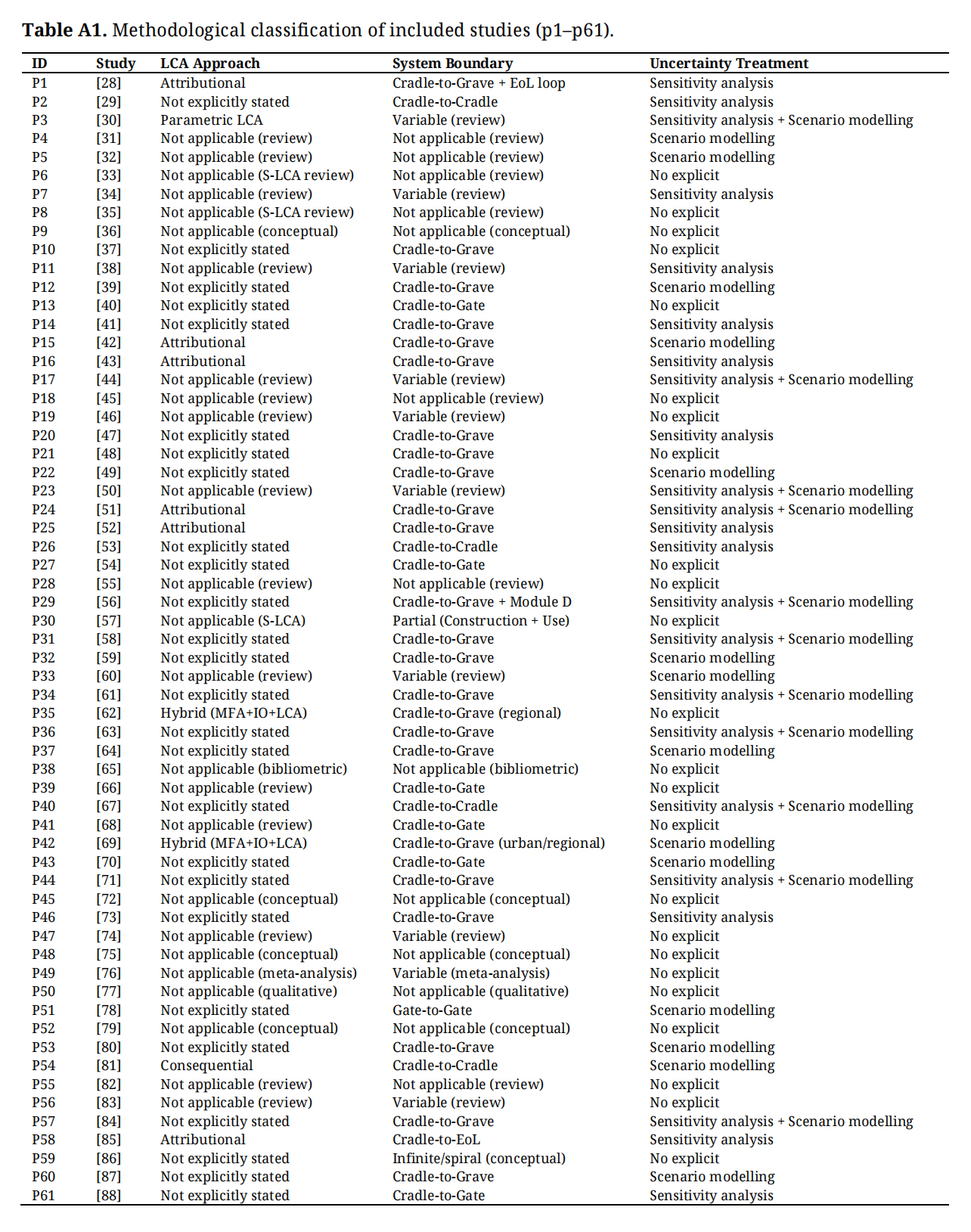 Table A1. Methodological classification of included studies (p1–p61).
1.
2.
3.
4.
5.
6.
7.
8.
9.
10.
11.
12.
13.
14.
15.
16.
17.
18.
19.
20.
21.
22.
23.
24.
25.
26.
27.
28.
29.
30.
31.
32.
33.
34.
35.
36.
37.
38.
39.
40.
41.
42.
43.
44.
45.
46.
47.
48.
49.
50.
51.
52.
53.
54.
55.
56.
57.
58.
59.
60.
61.
62.
63.
64.
65.
66.
67.
68.
69.
70.
71.
72.
73.
74.
75.
76.
77.
78.
79.
80.
81.
82.
83.
84.
85.
86.
87.
88.
89.
90.
91.
Mohamed AM, Tayeh BA. Integrating Life Cycle Assessment and Circular Economy Approaches for Sustainable Building: A Comprehensive Review. J Sustain Res. 2026;8(2):e260058. https://doi.org/10.20900/jsr20260058.

Copyright © Hapres Co., Ltd. Privacy Policy | Terms and Conditions


