Location: Home >> Detail
J Sustain Res. 2026;8(4):e260088. https://doi.org/10.20900/jsr20260088
 ,
Alyaa Afifah Abu Talib 1,2,* ,
Muhammad Irsyad Abdullah 3
1
2
3
*
This study investigated how higher education institutions can use dynamic capabilities to manage digital transformation and enhance sustainability performance. It focuses on the role of digital transformation as a potential mediating pathway that links universities’ abilities to sense environmental changes, mobilize resources, integrate knowledge, coordinate activities, and reconfigure processes with environmental, economic, and social outcomes. A quantitative cross-sectional survey was conducted with 215 academic and administrative staff members of Saudi higher education institutions. The proposed relationships were tested using partial least squares structural equation modeling, with dynamic capabilities modeled as a reflective–reflective higher-order construct, sustainability performance as a reflective–formative higher-order construct, and digital transformation as a mediating variable. The results show that dynamic capabilities are significantly and positively associated with both digital transformation and sustainability performance. Digital transformation is also significantly and positively associated with sustainability performance, and the significant indirect effect is consistent with a complementary partial mediation pattern between dynamic capabilities and sustainability performance. These findings suggest that universities may strengthen sustainability by building the organizational capabilities needed to identify digital opportunities, coordinate resources, support knowledge sharing, and embed digital practices across academic and administrative functions. This study highlights the importance of managing digital transformation as an institution-wide strategic change process. It also extends the dynamic capabilities perspective to higher education by providing evidence of an indirect relationship linking institutional adaptability, digital transformation, and sustainability performance in an emerging educational context. This evidence offers guidance for university leaders seeking resilient, efficient, and socially responsible institutions.
DC, dynamic capabilities; DT, digital transformation; SP, sustainability performance; AVE, average variance extracted; CD, coordinating capability; IN, integrating capability; LC, learning capability; RC, reconfiguration capability; SN, sensing capability; SZ, seizing capability; SS, social sustainability; ES, economic sustainability; EN, environmental sustainability; rho_A, Dijkstra–Henseler’s reliability coefficient; VIF, variance inflation factor; β, standardized path coefficient; STDEV, standard deviation; BCI LL, bias-corrected confidence interval lower limit; BCI UL, bias-corrected confidence interval upper limit; R2, coefficient of determination; f2, effect size; RMSE, root mean squared error; LM, linear model; HTMT, heterotrait–monotrait ratio of correlations; PLS-SEM, partial least squares structural equation modeling; Q2predict, out-of-sample predictive relevance; HEM, higher education management
Over the last ten years, the sustainability performance of higher education institutions worldwide has become an issue of growing concern. Universities are now recognized as strategic entities involved in economic and social transformation, with responsibility for sustainability across their environmental, social, and economic dimensions [1]. In addition to their own campus operations, universities facilitate the sustainability agenda through the education of future leaders, sustainability-related research, and campus sustainability initiatives [2]. This expanded institutional role has increased the need to identify the organizational and managerial capabilities that enable universities to integrate sustainability into their strategies, operations, and decision-making processes [3].
Additionally, higher education institutions have become highly dependent on digital technologies, which are used not only for educational purposes, but also for delivering administrative functions and enhancing institutional effectiveness. In higher education, digital transformation refers to the use of digital technology to improve institutional performance and stimulate innovation. Digital transformation supports flexible learning systems, data-driven decision making, and effective institutional management [4]. Contemporary universities employ technologies such as smart campus platforms, learning management systems, online learning environments, analytic tools, and digital administrative systems to improve operational functionality and enhance the quality of education and administration [5]. Digital transformation may also improve university sustainability by increasing resource efficiency, reducing operational waste, enhancing transparency, and improving service quality. However, these benefits depend on the extent to which digital technologies are strategically integrated across academic and administrative functions, rather than being implemented as isolated technical solutions.
These issues are particularly relevant to universities in emerging economies such as Saudi Arabia, where digital transformation and sustainability have become integral components of national development policies. Saudi higher education institutions are expected to contribute to the objectives of Saudi Vision 2030 by improving institutional efficiency, fostering innovation, enhancing educational quality, and supporting sustainable development. Achieving these objectives requires organizational capabilities that enable universities to identify technological and sustainability-related opportunities, mobilize and align institutional resources, coordinate academic and administrative units, and reconfigure existing processes accordingly.
Despite the importance of digital transformation, the successful implementation of such strategies requires dynamic capabilities that enable strategy formulation, innovation, adaptation, and performance improvement [6]. Dynamic capabilities have also been found to be relevant for formulating sustainability strategies and improving the social and environmental performance of higher education institutions [7]. However, several research gaps remain. Although prior research has increasingly examined dynamic capabilities, digital transformation, and organizational performance, empirical evidence linking these constructs to multidimensional sustainability performance in higher education remains fragmented [7,8]. Recent systematic evidence suggests that digital transformation may play a mediating role between organizational capabilities and sustainability-related outcomes, with both full and partial mediation patterns reported in previous studies [9]. Nevertheless, a direct empirical examination of this relationship within higher education remains limited, particularly when sustainability performance is conceptualized simultaneously across environmental, economic, and social dimensions. Moreover, existing studies have been conducted across diverse organizational and national contexts, leaving uncertainty about whether similar patterns hold in Saudi higher education institutions [10]. Accordingly, the contribution of the present study lies not in claiming that the mediating role of digital transformation has been entirely overlooked but in providing context-specific empirical evidence on this relationship within Saudi higher education using a multidimensional sustainability-performance framework.
Another gap concerns the application of dynamic capabilities within the distinctive organizational context of higher education. Much of the available empirical evidence has been generated in business and industrial settings, even though universities differ from conventional business organizations in terms of their missions, governance structures, professional autonomy, and multiple stakeholder interests. Consequently, the operation of dynamic capabilities in universities cannot be assumed to mirror their operations in traditional commercial organizations. Moreover, existing studies have generally examined the relationships among dynamic capabilities, digital transformation, and organizational outcomes without paying sufficient attention to the specific context of higher education. A geographical gap also remains, as limited empirical evidence is available on these relationships in Saudi Arabia despite the active implementation of digital transformation and sustainability agendas by Saudi universities [10].
There is also limited understanding of how university leaders can manage digital transformation as an institution-wide change process that connects technological investment with sustainability priorities. Although universities are increasingly adopting digital platforms and smart systems, such investments may not generate sustainable institutional outcomes unless supported by organizational learning, knowledge integration, strategic coordination, and resource reconfiguration. Examining digital transformation as a potential mediating pathway may provide a more nuanced understanding of the relationship between dynamic capabilities and sustainable performance in education institutions.
To fill these gaps, the current study used the dynamic capabilities framework [11,12], which explains how an organization senses opportunities and threats, seizes them, and reconfigures its resource base to maintain performance in volatile and changing environments. The framework has been expanded to include multiple dimensions of organizational capability, such as learning, integration, coordination, and reconfiguration, which are important for adaptation to digitally oriented and sustainability-focused environments [13,14]. This perspective is especially relevant for higher education institutions, which require continuous knowledge integration, cross-unit coordination, and resource reconfiguration in response to technological and societal changes [15,16].
In accordance with this framework, digital transformation is conceptualized not only as an outcome associated with dynamic capabilities, but also as a potential mediating pathway linking these capabilities with sustainability performance. Universities with stronger dynamic capabilities may be better positioned to identify technological opportunities, embed digital technologies in their operations, redesign processes, and support environmental, social, and economic outcomes [17,18]. Accordingly, this study conceptualizes digital transformation as a strategic organizational process, rather than merely the adoption of new technologies. This theoretical reasoning provides a basis for examining whether digital transformation statistically mediates the relationship between dynamic capabilities and sustainability performance.
Therefore, this study investigated the mediating role of digital transformation in the relationship between dynamic capabilities and sustainability performance in Saudi higher education institutions. Specifically, this study addressed the following research question: How do dynamic capabilities enable higher education institutions to manage digital transformation and improve their sustainability performance?
This study makes three main contributions to the literature. First, it extends the dynamic capabilities framework by explaining digital transformation as a potential mediating pathway that links dynamic capabilities with sustainability performance within the organizational context of higher education. Second, this study contributes to the literature on higher education and sustainability by investigating this relationship in the under-researched context of Saudi universities. Third, it advances educational management research by demonstrating how institutional capabilities related to sensing, learning, integration, coordination, and resource reconfiguration support the strategic management of digital transformation and sustainable university performance. Practically, this study provides university managers with evidence on how developing dynamic capabilities and implementing digital transformation strategies may be associated with stronger sustainability performance and support for national development targets, such as Saudi Vision 2030.
The remainder of this paper is organized as follows. The second section presents a literature review and hypotheses development. The methodology, results, discussion, implications, and conclusions are as follows.
The dynamic capabilities theory is one of the leading theoretical frameworks for explaining how organizations adjust their resources, structures, and strategies in response to environmental changes while maintaining performance and institutional effectiveness. As an extension of the resource-based view of the firm, the framework explains how organizations renew, integrate, and redeploy their internal and external resource bases to achieve strategic alignment under changing conditions [11,19]. Compared to ordinary capabilities, which are used to maintain routine organizational processes, dynamic capabilities allow organizations to identify emerging opportunities, renew established processes, and redirect resources towards new strategic priorities under conditions of uncertainty and volatility [15,20,21].
The dynamic capabilities theory originally identified three fundamental capabilities: sensing opportunities and threats, exploiting opportunities, and resource reconfiguration [12]. Recent empirical studies have shown that these wide-ranging capabilities can be broken down into more detailed organizational capabilities, because adaptation involves several processes of learning, knowledge integration, coordination, and resource renewal [13]. As a result, the theoretical perspective has been expanded to include a variety of capabilities, such as learning, knowledge integration, coordination of actions, and resource modification. Adaptive, absorptive, and innovative capabilities were introduced by Wang and Ahmed (2007) [13], while experience acquisition, knowledge articulation, and knowledge codification were highlighted as key learning processes by Zollo and Winter (2002) [14].
Following the aforementioned literature, this study views dynamic capabilities as a multidimensional higher-level construct consisting of six dimensions: sensing, seizing, learning, integrating, coordinating, and reconfiguration. Sensing capability refers to an institution’s ability to detect changes in technology, policy, and sustainability in its operating environment. Seizing capability involves the ability to assess such changes and allocate resources to exploit strategic opportunities. Integration capability refers to an institution’s ability to integrate internal and external knowledge resources for institutional learning and flexibility in decision-making. Learning capability increases decision-making and adaptability through the acquisition, sharing, and use of knowledge. Coordinating capability involves an institution’s ability to coordinate activities, tasks, and resources between academic and administrative units.
This multifaceted approach becomes especially relevant for higher education institutions as they face several challenges related to digital transformation, sustainability, stakeholder demands, and institutional performance improvements [4,5]. Unlike ordinary business organizations, higher education institutions should do more than improve their internal efficiency. Institutions of higher education are expected to contribute to social, environmental, and economic development. Additionally, universities can be viewed as complicated knowledge organizations that feature dispersed structures, professional autonomy, and various stakeholders. Therefore, any changes in these institutions require cooperation among different units and cannot be based exclusively on managerial decisions. Therefore, the ability to perceive external environmental changes, capitalize on digital and sustainability-related opportunities, integrate knowledge, coordinate organizational activities, and reallocate organizational resources is crucial for improving sustainability performance.
The dynamic capabilities theory is also relevant to digital transformation because digitalization involves more than the acquisition of technological infrastructure. This requires changes in institutional strategies, staff competencies, governance arrangements, organizational routines, service delivery, and decision-making processes. Universities with stronger dynamic capabilities should, therefore, be better positioned to embed digital technologies across academic and administrative functions and align digital initiatives with institutional sustainability priorities.
Accordingly, the dynamic capabilities theory provides a suitable theoretical foundation for analyzing two interrelated processes in higher education institutions. First, it explains how universities develop the organizational capacity required to improve their environmental, social, and economic sustainability performance. Second, it explains how these capabilities enable universities to manage digital transformation as an institution-wide strategic change. Therefore, digital transformation is positioned as a potential organizational pathway linking dynamic capabilities with sustainability outcomes.
Hypothesis Development Dynamic Capabilities and Sustainability PerformanceSustainability performance in higher education reflects the extent to which universities achieve environmental, social, and economic outcomes through strategies, operations, and stakeholder engagement. This includes reducing the environmental footprint of institutional activities, strengthening universities’ contributions to society, and maintaining the efficient and responsible use of economic and organizational resources [1,9].
Dynamic capabilities are strategic institutional capabilities that allow a university to adapt to changes in its environment, renew itself, and align its resources towards new objectives. In the field of sustainability, dynamic capabilities help an institution with constant changes in strategies, operations, and resource allocation owing to changes in the environment and institutional requirements. Hence, institutions with high dynamic capabilities are bound to incorporate sustainability objectives into institutional planning and improve performance through implementation [8,15].
In colleges and universities, a series of processes link dynamic capabilities with sustainability performance. Sensing capabilities help to identify changing external expectations from the environment. Seizing capabilities provide the ability to select and implement sustainability-related interventions. Learning and integration capabilities allow for the acquisition, diffusion, and utilization of knowledge within educational and administrative departments. Coordinating capabilities help to align the duties and capabilities across the organization, while reconfiguring capabilities help rearrange existing processes to fit changing priorities related to sustainability.
Using these abilities, universities can create sustainability-related campus projects, incorporate sustainability into their curricula and administration, make eco-friendly innovations, and encourage sustainable behavior among their members. Dynamic capabilities also help universities manage the organizational complexity involved in sustainability by aligning strategic goals with actions.
Based on the earlier literature, it can be seen that dynamic capabilities contribute to sustainability by increasing adaptability, innovation, and resource reallocation [7]. Additionally, recent studies have highlighted the contribution of these capabilities to sustainable organizational performance through digital adaptation, flexibility, and the proper utilization of knowledge and resources [18,21]. Thus, higher education organizations with more dynamic capabilities are likely to perform better in terms of sustainability. Hence, the following hypothesis is proposed:
H1: Dynamic capabilities have a significant positive effect on sustainability performance.
Dynamic Capabilities and Digital TransformationApart from their direct effects on sustainability outcomes, dynamic capabilities affect the way organizations perform digital transformations. This phenomenon serves as the mediator in the current study, defined by digital transformation as the process of strategically incorporating digital technologies into the organization to improve its performance and create innovations [4]. It goes beyond the mere implementation of technology in terms of the fact that changes must be made in the institutional strategy, workflow, competencies of people, and service provision levels.
For effective digital transformation, organizations must discover digital opportunities, mobilize resources, restructure internally, and implement digitally driven solutions. Organizations with dynamic capabilities can better understand technological changes, derive benefits from digitization, and adopt digital technology. This means that such organizations can adapt their fundamental functions and routines to the changes that occur due to technology [17]. In contrast, low dynamic capabilities might prevent organizations from digital transformation, as they will fail to sense digital opportunities, resource coordination, and the reconfiguration of existing systems [16].
In higher education, digital transformation has become a strategic management priority, reflected in the adoption of digital platforms, smart learning environments, analytics systems, e-learning platforms, and digital administrative systems that support educational delivery and institutional operations [4]. However, successful implementation of these technologies requires institutional readiness, cross-unit coordination, and the ability to align digital initiatives with broader academic and administrative priorities.
Dynamic capabilities support this process in several ways. Sensing capabilities allow university leaders to identify emerging technologies and change stakeholder expectations. Seizing capabilities enable institutions to prioritize digital investments and mobilize resources. Learning and integrating capabilities help staff acquire, share, and apply digital knowledge, while coordinating capabilities align digital initiatives across academic, administrative, and technical units. Reconfiguration capabilities enable universities to redesign their processes, structures, and service delivery arrangements for new digital systems.
Recent research indicates that dynamic capabilities strengthen agility, technological readiness, and innovation performance during digital transformation in knowledge-intensive organizations [18,22]. Accordingly, universities with stronger dynamic capabilities should be better positioned to manage digital transformation as an institution-wide process, rather than as a collection of isolated technology projects. Based on this, we propose the following hypothesis:
H2: Dynamic capabilities have a significant positive effect on digital transformation.
Digital Transformation and Sustainability PerformanceDigital transformation positively affects the sustainability performance of organizations. Through digital transformation, organizations can increase effectiveness, manage knowledge bases more efficiently, enhance transparency, and encourage innovation that supports sustainable development. Digital transformation helps achieve sustainability goals by focusing on resource efficiency, operational effectiveness, and decision making based on digital information [23].
In higher education, the use of digital technology supports sustainability through resource efficiency, digital learning, smart campus operations, paperless processes, and transparent institutional reporting. Digital learning tools and smart campus solutions can help universities advance their sustainability goals while improving resource efficiency, transparency, and service quality [24].
The contribution of digital transformation to sustainability extends across the three dimensions examined in this study. Digital systems can reduce paper use, unnecessary travel, energy consumption, and operational waste. Socially, they can improve their access to educational services, communication, inclusion, and stakeholder engagement. Economically, they can strengthen resource planning, process efficiency, and long-term use of institutional assets. Sustainability initiatives are more likely to generate meaningful outcomes when integrated into organizational planning, implementation, monitoring, and continuous improvement processes [25].
Prior research has shown that digital transformation positively affects organizational performance through innovation, efficiency, and enhanced decision making [6]. An increasing number of studies report a positive relationship between digital transformation and organizational sustainability through digital innovation, resource management, and sustainable operations [22,26].
Recent evidence from other organizational contexts further suggests that the sustainability implications of digitalization depend on the organizational and human capital conditions surrounding technological adoption. Lei et al. (2026) [27] found that AI adoption can influence ESG-related outcomes through governance and monitoring mechanisms, indicating that digitalization may generate sustainability benefits beyond operational efficiency. Similarly, Lei and Zhang (2026) [28] showed that the environmental benefits of intelligent manufacturing are partially associated with employee training, technical expertise, and workforce educational quality. Although these studies were conducted in corporate and manufacturing settings, they reinforce the broader argument that digital technologies are more likely to support sustainability when embedded within appropriate organizational capabilities, human capital, and institutional processes.
Within universities, digital transformation provides the information infrastructure and organizational connectivity required to monitor sustainability indicators, coordinate institutional activities, and identify areas requiring managerial intervention. Therefore, its contribution depends not only on the presence of digital technologies, but also on their integration into academic, administrative, and strategic processes. Universities that effectively manage digital transformation should consequently achieve stronger environmental, social, and economic sustainability outcomes. Therefore, we propose the following hypothesis:
H3: Digital transformation has a significant positive effect on sustainability performance.
The Mediating Role of Digital TransformationBuilding on these relationships, dynamic capabilities may be associated with sustainability performance both directly and indirectly through digital transformation. This mediation argument follows an organizational process perspective, in which dynamic capabilities help institutions identify technological and sustainability-related opportunities, mobilize resources, coordinate activities, and reconfigure organizational processes. Digital transformation may represent an important pathway through which these capabilities are reflected in digitally enabled structures, systems, and practices.
Among higher education institutions, universities with stronger dynamic capabilities may be better positioned to integrate digital technologies into academic, administrative, and resource management processes. Such integration can support greater efficiency, transparency, knowledge sharing, service accessibility, and resource optimization, all of which are relevant to environmental, economic, and social sustainability. Accordingly, digital transformation is conceptualized as a potential mediating pathway linking dynamic capabilities with sustainability outcomes, rather than as the sole mechanism through which these outcomes occur.
This argument is consistent with research that posits digital transformation as an organizational process associated with the relationship between institutional capabilities and performance [26]. In higher education, smart campus technologies, digital management systems, analytics platforms, and e-learning systems provide specific channels through which institutional capabilities may be associated with improved efficiency and sustainability outcomes [29]. This interpretation is also consistent with recent evidence showing that the sustainability outcomes of digital technologies depend on complementary organizational mechanisms, such as governance, human capital, and capability development [27,28].
A recent systematic review of higher education institutions further suggests that digital transformation may mediate the relationship between dynamic capabilities and sustainability performance, with both full and partial mediation patterns reported in the literature [9]. This is particularly relevant to educational management because it suggests that institutional capabilities alone may not be sufficient to explain the variation in sustainability performance; part of their association may occur through the extent to which universities integrate and institutionalize digital practices.
Accordingly, the following hypothesis is proposed:
H4: Digital transformation mediates the relationship between dynamic capabilities and sustainability performance.
The proposed research model is presented in Figure 1.
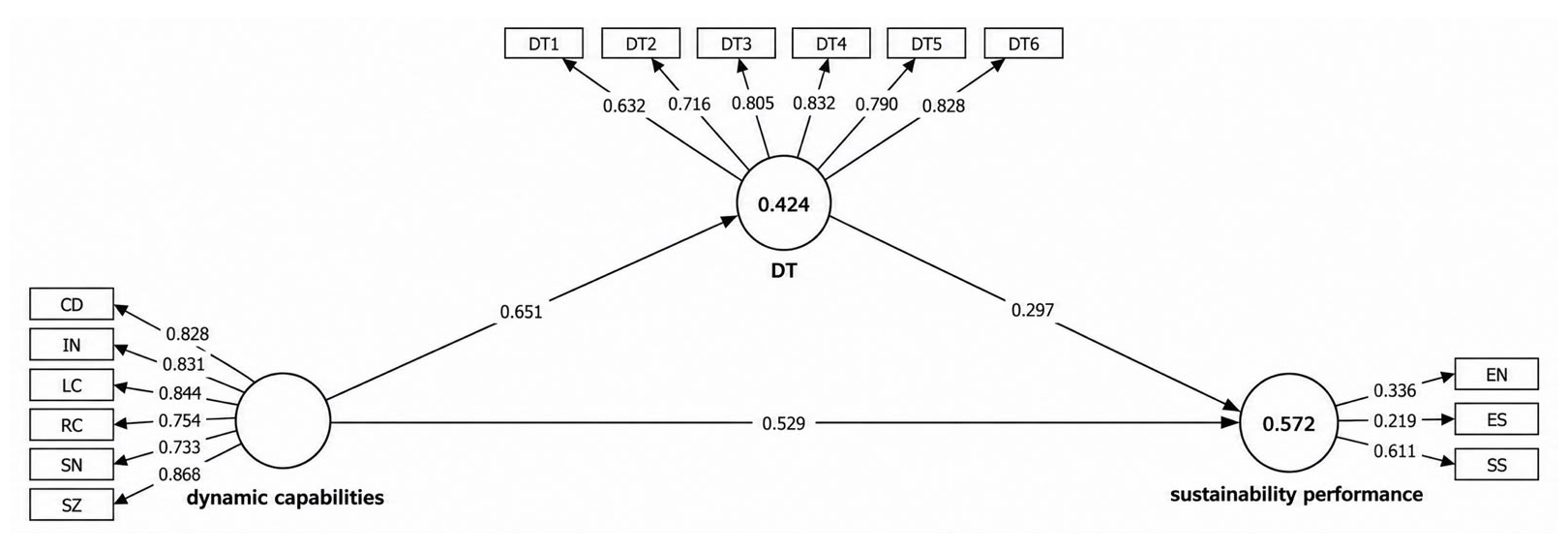 Figure 1. PLS-SEM Structural Model Results.
This study employed a quantitative cross-sectional survey design to examine the relationship between dynamic capabilities, digital transformation, and sustainability performance in Saudi higher education institutions. A quantitative approach was appropriate because this study sought to test a set of hypothesized relationships and assess the mediating effect of digital transformation through statistical analysis. The cross-sectional design enabled data to be collected from respondents at a single point in time, thereby providing an efficient basis for evaluating the proposed research model.
Sample and Data CollectionThe study population comprised academic and administrative staff working in Saudi higher education institutions (HEIs). A purposive sampling technique was employed to recruit respondents familiar with the institutional processes related to digital transformation and sustainability. Participants were selected because their academic and administrative roles provided them with relevant knowledge of the organizational practices examined in this study.
This study is theoretically positioned at the organizational level because dynamic capabilities, digital transformation, and sustainability performance are conceptualized as institutional characteristics. However, the data were collected from individual academic and administrative staff who served as knowledgeable informants on these organizational phenomena. Accordingly, the survey responses represented the staff’s perceptions of their institutions’ dynamic capabilities, digital transformation, and sustainability performance.
Data were electronically collected between September and December 2025 using an online questionnaire distributed via email and online survey links. Participation was voluntary, and the respondents were informed of the academic purpose of the study and confidentiality of their responses.
In total, 224 completed questionnaires were received during the data collection period. Following the data screening, nine responses were excluded because they did not meet the predefined data quality and completeness criteria. The final sample comprised 215 valid responses that were retained for subsequent analyses. As the total number of survey invitations distributed could not be precisely established, the conventional response rate was not calculated. The final sample of 215 respondents was considered adequate for the PLS-SEM, which is suitable for complex models involving mediation and higher-order constructs [30,31]. Table 1 summarizes the main characteristics of the final samples.
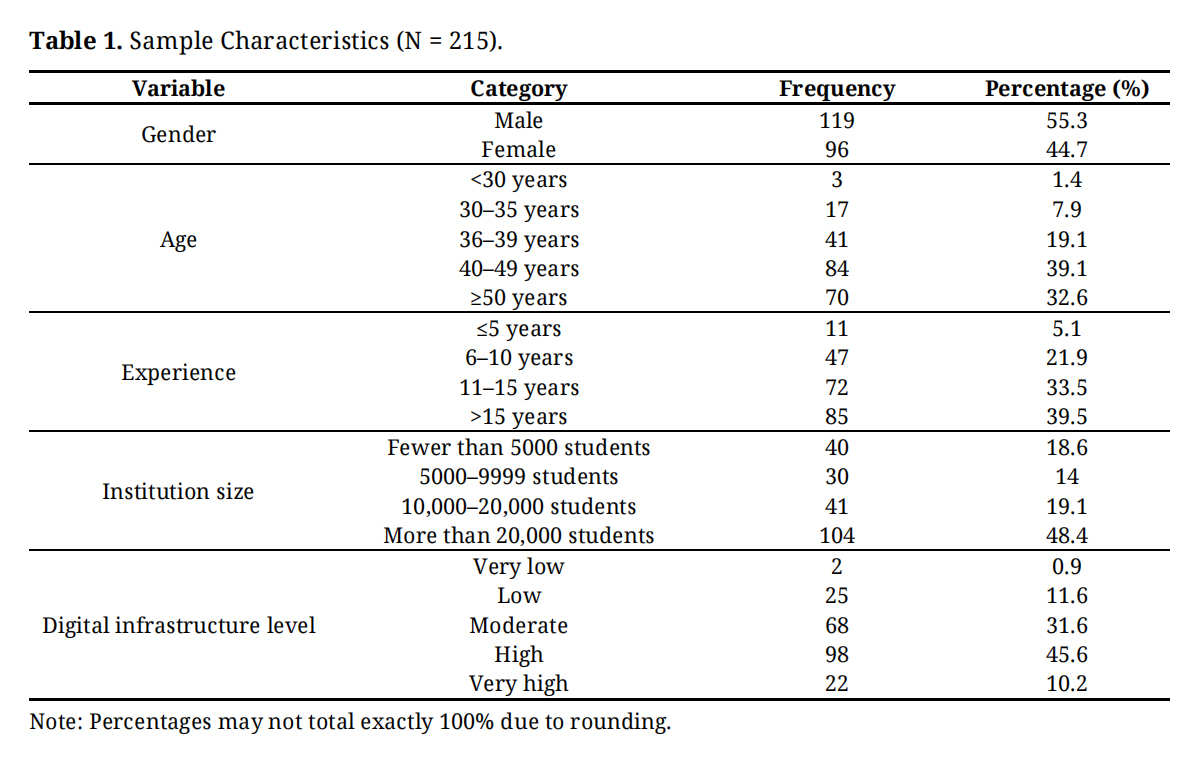 Table 1. Sample Characteristics (N = 215).
Constructs were measured using established scales adapted from previously validated studies. Dynamic capabilities are measured as multidimensional constructs comprising the following six capabilities: sensing, seizing, reconfiguration, learning, coordination, and integration. The measurement items were adapted from Beier et al. (2025) [32], Garrido et al. (2020) [33], and Pavlou and El Sawy (2011) [34]. Teece (2007) [12] was used as a conceptual foundation for the dynamic capabilities framework rather than as a direct source of measurement items. Digital transformation was measured using items adapted from Pettersson et al. (2024) [35]. Sustainability performance was measured across social, economic, and environmental dimensions using items adapted from Asiaei et al. (2021) [36]. All items were rated on a five-point Likert scale ranging from 1 (‘strongly disagree’) to 5 (‘strongly agree’)”. The questionnaire was administered in English and respondents were instructed to answer items based on the practices, capabilities, and performance of their institutions. Table S3 provides the complete measurement items, construct codes, and corresponding sources.
Data Analysis TechniqueData were analyzed using partial least squares structural equation modeling (PLS-SEM) with SmartPLS. PLS-SEM was selected because it is well suited to examining complex models involving multiple constructs, mediation relationships, and higher-order constructs. It also performs robustly with non-normal data and small-to medium-sized samples [30,31]. The analysis was conducted in two stages. First, the measurement model was assessed by evaluating indicator loadings, internal consistency reliability, convergent validity, and discriminant validity. Second, the structural model was assessed by examining path coefficients, their significance, the coefficient of determination (R2), effect sizes (f2), and predictive relevance (Q2). The significance of the direct and indirect effects was evaluated using a bootstrapping procedure, which was also used to test the mediating role of digital transformation. As all study hypotheses were directional and specified positive relationships a priori based on the theoretical framework, one-tailed significance tests were used for hypothesis testing [30].
This section presents the empirical findings concerning the relationships between dynamic capabilities, digital transformation, and sustainability performance in Saudi higher education institutions. Partial least squares structural equation modeling (PLS-SEM) was used to assess the proposed model and test its hypotheses. The PLS-SEM was considered appropriate because the model included reflective and formative higher-order constructs, a mediating relationship, and both explanatory and predictive objectives [30,31].
The analysis followed a disjointed, two-stage approach. In Stage 1, reflective lower-order constructs were assessed for indicator reliability, internal consistency reliability, convergent validity and discriminant validity. The latent-variable scores obtained from this stage were then used in Stage 2 to estimate the reflective–reflective higher-order dynamic-capabilities construct and the reflective–formative higher-order sustainability performance construct. The structural model was subsequently evaluated by examining the collinearity, direct and indirect effects, coefficients of determination, effect sizes, and out-of-sample predictive performance.
Common Method BiasSeveral procedural remedies were implemented during the questionnaire administration to reduce potential common method bias. Participation was voluntary, and the respondents were assured that their responses would remain anonymous and confidential and would be used solely for academic research purposes. The survey instructions also emphasized that there were no right or wrong answers and encouraged respondents to provide honest perceptions of their institution’s practices, capabilities, and performance. These measures were intended to reduce evaluation apprehension, social desirability bias, and the respondents’ tendency to provide artificially consistent responses [37].
As the data were collected from a single source using a self-administered questionnaire, common method bias was assessed using the full-collinearity VIF approach proposed by Kock and Lynn (2012) [38] and Kock (2015) [39]. According to this approach, common method bias is unlikely to be a serious concern when the variance inflation factor values for the constructs are below the recommended threshold of 3.3. As shown in Table 2, the VIF values range from 1.929 to 2.445, and all values are below this threshold. These results do not indicate severe collinearity-based common method variance. Nevertheless, because the predictor, mediator, and outcome variables were collected from the same respondents at a single time point, common method variance cannot be completely ruled out.
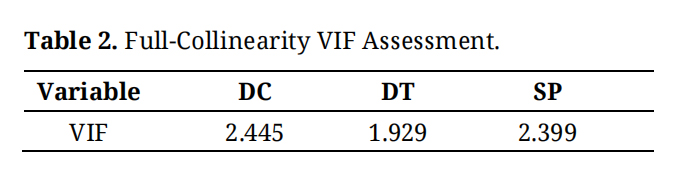 Table 2. Full-Collinearity VIF Assessment.
A measurement model is used to establish the reliability and validity of the constructs included in the analysis. A disjoint two-stage approach was used to estimate the higher-order constructs. In Stage 1, reflective lower-order constructs were evaluated in terms of indicator reliability, internal consistency reliability, convergent validity, and discriminant validity. Their latent variable scores were used in Stage 2 to estimate the higher-order constructs.
This study examines dynamic capabilities, digital transformations, and sustainability performance. Dynamic capabilities were specified as a reflective–reflective higher-order construct comprising six reflective lower-order dimensions: coordinating, integrating, learning, reconfiguration, sensing, and seizing capabilities. Digital transformation was modeled as a reflective first-order construct. Sustainability performance is a reflective–formative higher-order construct comprising three reflective lower-order dimensions: environmental, economic, and social sustainability.
The assessment was conducted in triplicates. First, the reflective lower-order constructs were examined using indicator loadings, Cronbach’s alpha, composite reliability, average variance extracted, and the heterotrait–monotrait ratio. Second, the reflective higher-order dynamic capabilities construct is assessed using the loadings of six dimensions: internal consistency, reliability, convergent validity, and discriminant validity. Third, the formative higher-order sustainability-performance construct was evaluated using outer collinearity, the significance and relevance of the outer weights, and the corresponding outer loadings.
Assessment of the Reflective Lower-Order ConstructsIn Stage 1, reflective lower-order constructs were assessed for indicator reliability, internal consistency reliability, convergent validity, and discriminant validity. The indicator reliability was evaluated using outer loadings. Internal consistency reliability was assessed using Cronbach’s alpha and composite reliability, whereas convergent validity was examined using the average variance extracted. Discriminant validity was assessed using the heterotrait–monotrait ratio of correlations [30,40].
Most of the retained indicators have outer loadings greater than the recommended threshold of 0.708. Four indicators recorded loadings that were slightly below the guidelines: DT1 (0.630), DT2 (0.706), ES2 (0.698), and SS5 (0.682). These indicators were retained because their removal did not materially improve the composite reliability or AVE of their respective constructs, and because they remained theoretically relevant to the constructs.
During the initial measurement model assessment, RC1 was removed owing to its weak outer loading, and its deletion improved the measurement quality of the reconfiguration capability. CD5, IN3, IN4, LC5, and SN5 were removed following an iterative assessment of their indicator loadings, empirical overlap with related constructs, and theoretical relevance. Their removal improved the discriminant validity without materially reducing the conceptual coverage of the affected constructs.
To assess the robustness of these measurement model refinements, the initial model containing all the original indicators was compared with the final retained indicator model. In the initial model, RC1 showed particularly weak outer loading (0.438), whereas CD5 was loaded below the conventional 0.708 guideline (0.688) [30]. Although IN3, IN4, LC5, and SN5 exhibited acceptable individual loadings, their removal was considered as part of the assessment of the empirical overlap among the related dynamic capability dimensions. The comparison showed that the average variance extracted increased for all affected constructs, while composite reliability remained above the recommended threshold of 0.70 [30]. More importantly, discriminant validity improved substantially: HTMT decreased from 0.939 to 0.847 for coordinating–integrating capability, 0.923 to 0.855 for integrating–learning capability, and 0.904 to 0.851 for sensing–seizing capability. These results indicate that indicator removal improves the distinctiveness of lower-order dimensions without compromising the acceptable reliability or convergent validity. HTMT values below 0.90 are generally considered acceptable for conceptually related constructs [30,40]. Tables S1 and S2 present the initial and final measurements.
The Cronbach’s alpha values ranged from 0.724 to 0.870, while the composite reliability values ranged from 0.844 to 0.905. All values exceeded the recommended minimum threshold of 0.70 and remained below 0.95, indicating satisfactory internal consistency reliability without evidence of excessive item redundancy. The AVE values range from 0.582 to 0.658 and exceed the recommended threshold of 0.50, confirming adequate convergent validity. The reliability and convergent validity results for all reflective lower-order constructs are summarized in Table 3.
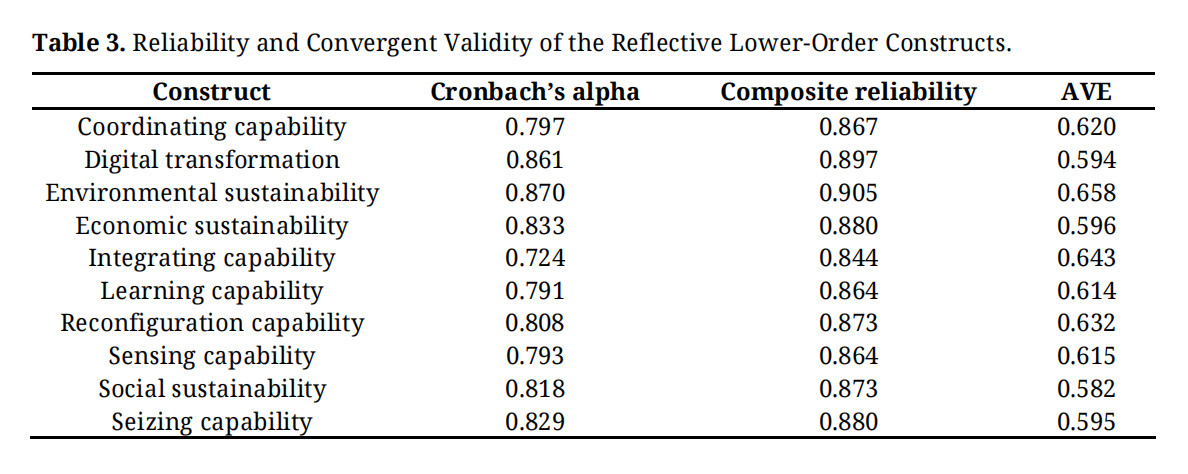 Table 3. Reliability and Convergent Validity of the Reflective Lower-Order Constructs.
Discriminant validity was assessed using the heterotrait–monotrait ratio of correlations (HTMT), which provides a more sensitive assessment than the Fornell–Larcker criterion and cross-loadings [40]. HTMT values below 0.85 indicate satisfactory discriminant validity under the conservative criterion, while values below 0.90 may be considered acceptable when the constructs are conceptually related [30].
As shown in Table 4, HTMT values ranged from 0.423 to 0.857. Most construct pairs recorded values below the conservative threshold of 0.85. Three values were marginally above this threshold: integrating capability and learning capability (0.855), integrating capability and seizing capability (0.857), and sensing capability and seizing capability (0.851). These marginal exceedances were considered acceptable because all HTMT values remained below 0.90 and the affected constructs represented conceptually related dimensions of the broader dynamic capability domain.
Accordingly, the results support adequate discriminant validity among the reflective lower-order constructs.
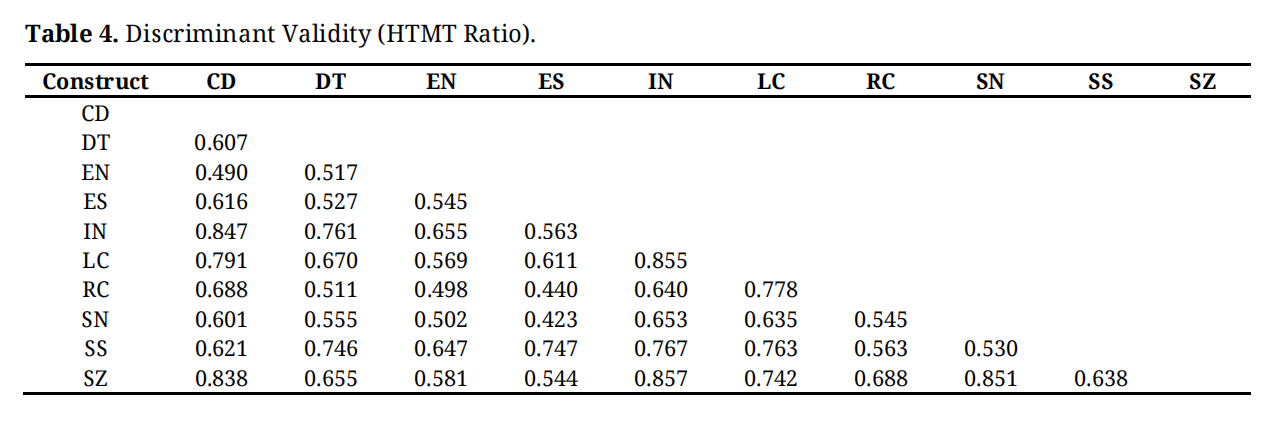 Table 4. Discriminant Validity (HTMT Ratio).
Overall, the reflective lower-order constructs demonstrated satisfactory indicator reliability, internal consistency reliability, convergent validity and discriminant validity. Their latent-variable scores were therefore used to estimate the higher-order constructs in Stage 2.
Assessment of the Reflective–Reflective Higher-Order Dynamic-Capabilities ConstructDynamic capabilities were specified as a reflective–reflective higher-order construct comprising six reflective lower-order dimensions: coordinating, integrating, learning, reconfiguration, sensing, and seizing capabilities. In Stage 2, the latent variable scores of these six dimensions are used as reflective indicators of the higher-order dynamic capabilities construct.
The outer loadings of the six dimensions ranged from 0.733 to 0.868, exceeding the recommended threshold of 0.708. Seizing capability recorded the highest outer loading (0.868), followed by learning capability (0.844), integrating capability (0.831), coordinating capability (0.828), reconfiguration capability (0.754), and sensing capability (0.733). These results indicate that the higher-order construct adequately represented all six dimensions.
Internal consistency reliability was assessed using Cronbach’s alpha, rho_A, and composite reliability. Cronbach’s alpha was 0.895, rho_A was 0.902, and composite reliability was 0.920. All values exceeded the recommended minimum threshold of 0.70 and remained below 0.95, indicating satisfactory internal consistency reliability without evidence of excessive redundancy.
Convergent validity was assessed using average variance extracted. The AVE value was 0.658, which exceeded the recommended threshold of 0.50. This result indicates that dynamic capabilities explained more than half of the variance in the six lower-order dimensions.
Discriminant validity between dynamic capabilities and digital transformation was assessed using HTMT. The HTMT value was 0.734, which was below the conservative threshold of 0.85. This finding confirms adequate discriminant validity between the two reflective constructs.
Overall, the results support the reliability and validity of dynamic capabilities as a reflective–reflective higher-order construct. The outer loadings, reliability, convergent validity, and discriminant validity results for the reflective–reflective higher-order dynamic capabilities construct are summarized in Table 5.
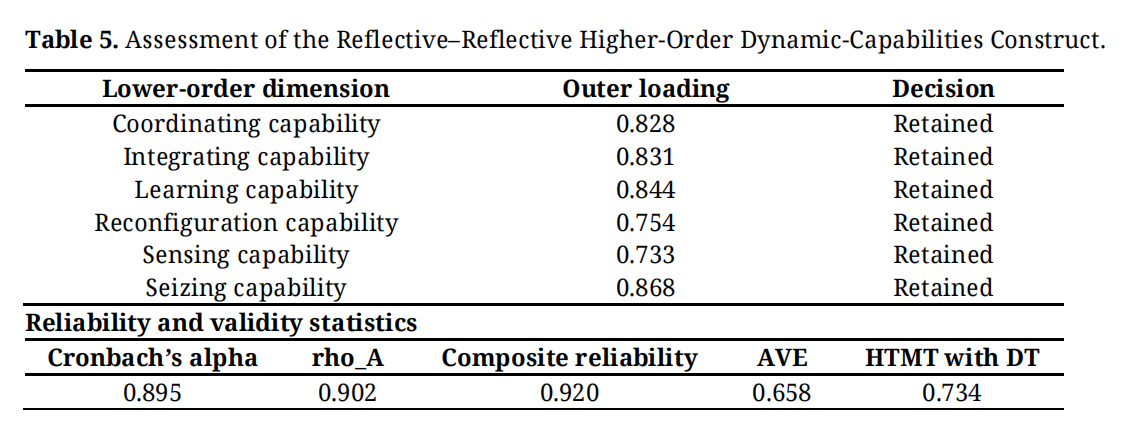 Table 5. Assessment of the Reflective–Reflective Higher-Order Dynamic-Capabilities Construct.
Sustainability performance was specified as a reflective–formative higher-order construct comprising three reflective lower-order dimensions: environmental, economic and social sustainability. In Stage 2, the latent-variable scores of these dimensions were used as formative indicators of the higher-order sustainability-performance construct.
The formative higher-order construct was assessed by examining collinearity among the lower-order dimensions, the significance and relevance of their outer weights and the corresponding outer loadings. The outer VIF values were 1.500 for environmental sustainability, 1.721 for economic sustainability, and 1.923 for social sustainability. All values were below the conservative threshold of 3.00, indicating that collinearity among the formative dimensions was not a concern.
The bootstrapping results show that all three outer weights are positive and statistically significant. Environmental sustainability had an outer weight of 0.336 (t = 4.549, p < 0.001), economic sustainability had an outer weight of 0.219 (t = 2.508, p = 0.006), and social sustainability had the largest outer weight at 0.611 (t = 7.263, p < 0.001). These findings indicate that each dimension made a significant and unique contribution to the higher-order sustainability-performance construct.
The corresponding outer loadings are also positive, substantial, and statistically significant. Environmental sustainability had an outer loading of 0.779 (t = 16.335, p < 0.001); economic sustainability had an outer loading of 0.763 (t = 13.250, p < 0.001); and social sustainability had an outer loading of 0.935 (t = 37.748, p < 0.001). These results confirm the strong absolute contributions of all three lower-order dimensions.
Social sustainability made the strongest relative contribution to sustainability performance, followed by environmental sustainability and economic sustainability. Nevertheless, all three dimensions were retained because their outer weights and outer loadings were positive and statistically significant, and their VIF values were within acceptable limits.
A redundancy analysis could not be conducted because the original questionnaire did not include a separate global criterion for overall sustainability performance. Redundancy analysis is commonly recommended to assess the convergent validity of formative constructs by relating the formative measure to a global criterion measure [30]. Accordingly, the assessment of the formative higher-order construct in this study was based on the collinearity, significance, and relevance of the outer weights and corresponding outer loadings. This limitation should be considered when interpreting the convergent validity of formative specifications. Future studies should include a global criterion to permit formal redundancy analyses.
Overall, the findings support the adequacy of sustainability performance as a reflective–formative higher-order construct. The outer weights, outer loadings, statistical significance, and collinearity assessment of the reflective–formative higher-order sustainability performance construct are summarized in Table 6.
 Table 6. Assessment of the Reflective–Formative Higher-Order Sustainability-Performance Construct.
Following the confirmation of the measurement model, the structural model was assessed to evaluate the hypothesized relationships among dynamic capabilities, digital transformation, and sustainability performance. The assessments included structural collinearity, path coefficients, coefficients of determination, effect sizes, mediation, and out-of-sample predictive performance.
Structural Collinearity AssessmentStructural collinearity was examined using inner variance inflation factor values. The VIF value for dynamic capabilities as a predictor of digital transformation was 1.000. For sustainability performance, the VIF values for dynamic capabilities and digital transformation were 1.735. All values are below the conservative threshold of 3.00, indicating that collinearity among the predictor constructs is not a concern and is unlikely to bias the estimated structural relationships. The structural collinearity assessment results are summarized in Table 7.
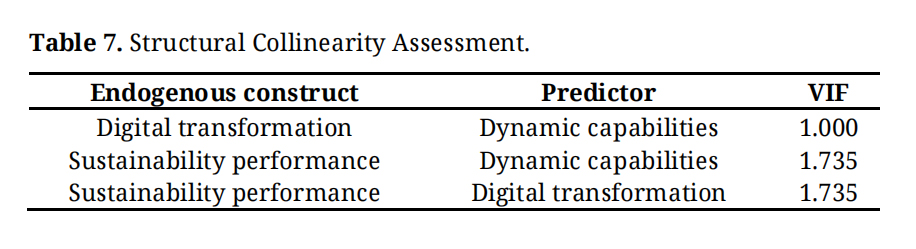 Table 7. Structural Collinearity Assessment.
The significance of the structural relationships was assessed using bootstrapping with 10,000 sub-samples. The results showed that dynamic capabilities had a significant positive effect on sustainability performance (β = 0.529, t = 7.251, p < 0.001). The bias-corrected confidence interval ranged from 0.395 to 0.637 and did not include zero. Therefore, H1 is supported.
Dynamic capabilities also had a significant positive effect on digital transformation (β = 0.651, t = 15.117, p < 0.001). The bias-corrected confidence intervals (CIs) ranged from 0.564 to 0.710. Accordingly, H2 is supported.
Digital transformation had a significant positive effect on sustainability performance (β = 0.297, t = 3.978, p < 0.001). The corresponding bias-corrected confidence interval ranged from 0.174 to 0.419 and did not include zero. Therefore, H3 is supported. The results of the direct effects and hypothesis testing are summarized in Table 8.
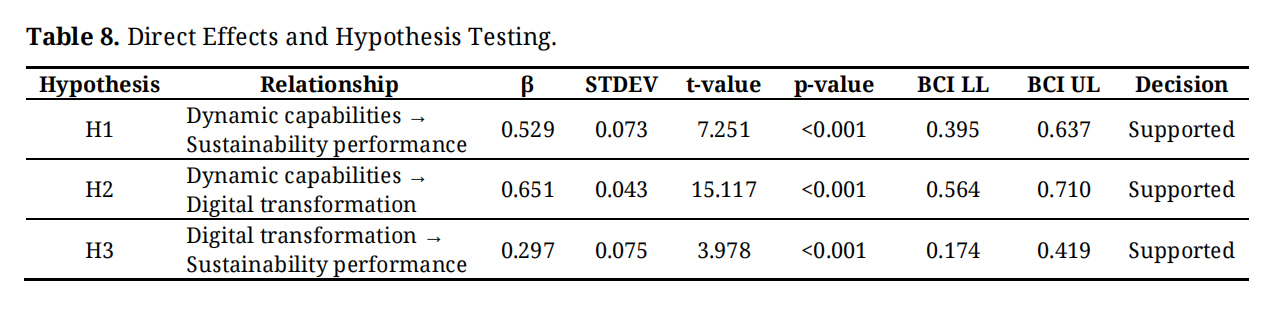 Table 8. Direct Effects and Hypothesis Testing.
The explanatory power of the structural model was assessed using the coefficient of determination (R2). The model explained 42.4% of the variance in digital transformation (R2 = 0.424; adjusted R2 = 0.421) and 57.2% of the variance in sustainability performance (R2 = 0.572; adjusted R2 = 0.568). These values indicate moderate explanatory power for both endogenous constructs.
The practical relevance of the structural relationships was assessed using effect size (f2). Dynamic capabilities have a significant effect on digital transformation (f2 = 0.735) and a large effect on sustainability performance (f2 = 0.377). Digital transformation has a small effect on sustainability performance (f2 = 0.119). These findings indicate that dynamic capabilities are the strongest predictors in the model, particularly in explaining digital transformation. The explanatory power and effect size results of the structural model are summarized in Table 9.
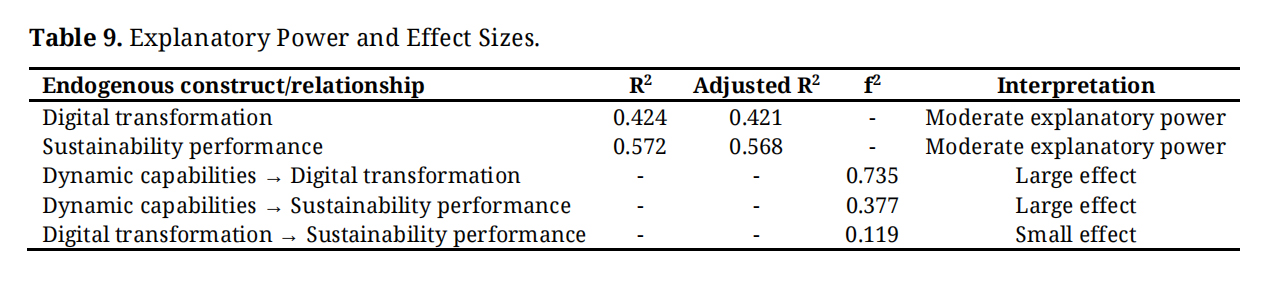 Table 9. Explanatory Power and Effect Sizes.
The mediating role of digital transformation in the relationship between dynamic capabilities and sustainability performance was assessed using a bootstrapping procedure with 10,000 sub-samples. Mediation was established by examining the significance of specific indirect effects and bias-corrected confidence intervals.
The results showed that the indirect effect of dynamic capabilities on sustainability performance through digital transformation was positive and statistically significant (β = 0.193, t = 3.770, p < 0.001). The bias-corrected confidence interval ranged from 0.113 to 0.280 and did not include zero, confirming the significance of the indirect effect. Therefore, H4 is supported.
The direct effect of dynamic capabilities on sustainability performance also remained positive and statistically significant after including digital transformation in the model (β = 0.529, t = 7.251, p < 0.001). As both the direct and indirect effects were positive and significant, digital transformation demonstrated complementary partial mediation.
This finding indicates that the relationship between dynamic capabilities and sustainability performance is associated with two statistically significant pathways. First, dynamic capabilities are directly positively associated with sustainability performance. Second, dynamic capabilities are positively associated with digital transformation, which in turn is positively associated with sustainability performance. Collectively, these results are consistent with complementary partial mediation. The results of the mediation analysis, including the direct and indirect effects, are summarized in Table 10.
 Table 10. Mediation Analysis.
The out-of-sample predictive performance of the model was assessed using the PLSpredict procedure. Predictive relevance was first evaluated using the Q2 prediction. As shown in Table 11, all Q2 prediction values are greater than zero, ranging from 0.168 to 0.425. These results indicate that the PLS-SEM model generates lower prediction errors than the naïve benchmark for all indicators. Following the PLSpredict assessment procedure, the predictive performance was further evaluated by comparing the PLS-SEM prediction errors with those of the linear-model benchmark [41].
The predictive performance of the PLS-SEM model was compared with that of the linear model benchmark using root mean squared error. For the digital transformation, the PLS-SEM model produced lower RMSE values than the linear model for four of the six indicators: DT1, DT3, DT4, and DT6. The PLS-SEM prediction errors were slightly higher for DT2 and DT5.
Regarding sustainability performance, the PLS-SEM model produced lower RMSE values than the linear model for all three dimensions: environmental, economic, and social sustainability. Overall, the PLS-SEM produced lower RMSE values than the linear model benchmark for seven of the nine indicators. However, the absolute differences in the RMSE were generally small. Accordingly, the results indicate some incremental out-of-sample predictive advantage relative to the linear model benchmark, although the magnitude of this advantage is limited and should not be interpreted as strong predictive superiority.
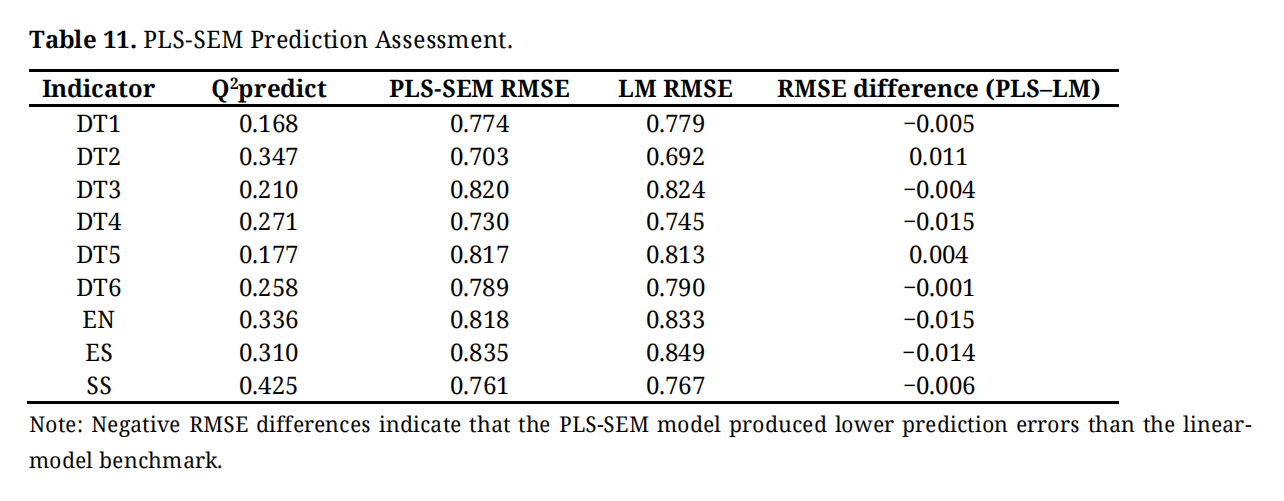 Table 11. PLS-SEM Prediction Assessment.
To assess the robustness of the structural relationships, an additional model was estimated by incorporating institutional size and level of digital infrastructure as control variables for both digital transformation and sustainability performance. As shown in Table 12, the inclusion of these controls did not materially alter focal relationships. Dynamic capabilities remained positively associated with digital transformation (β = 0.578, t = 8.442, p < 0.001) and sustainability performance (β = 0.530, t = 6.967, p < 0.001), while digital transformation remained positively associated with sustainability performance (β = 0.303, t = 4.112, p < 0.001). The specific indirect effect of dynamic capabilities on sustainability performance through digital transformation also remained significant (β = 0.175, t = 3.503, p < 0.001, bias-corrected CI [0.101, 0.264]). These results indicate that the main structural relationships are robust to the inclusion of selected institutional controls.
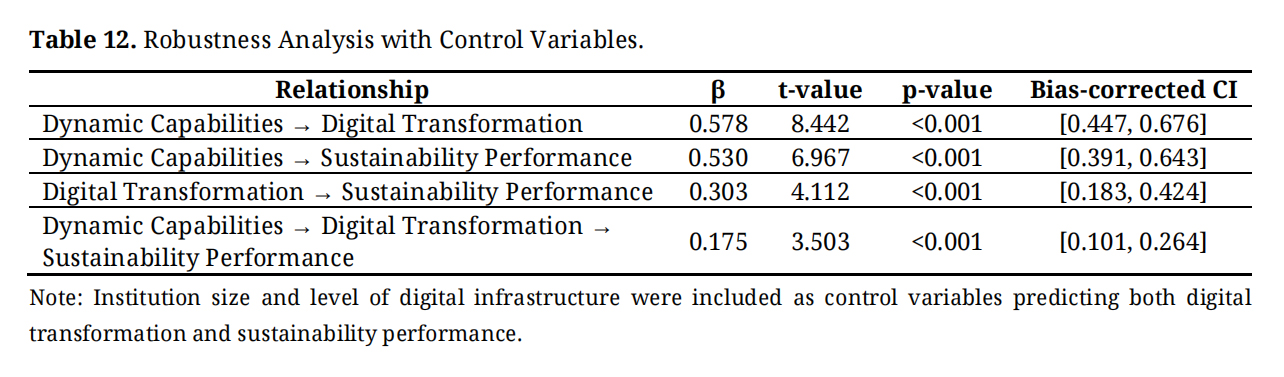 Table 12. Robustness Analysis with Control Variables.
To examine whether the cross-sectional data uniquely supported the hypothesized ordering, an alternative structural model was estimated in which digital transformation preceded dynamic capabilities (DT → DC → SP), while retaining a direct path from digital transformation to sustainability performance. The alternative specification also produces statistically significant relationships. Digital transformation was positively associated with dynamic capabilities (β = 0.651, t = 15.117, p < 0.001), dynamic capabilities were positively associated with sustainability performance (β = 0.529, t = 7.251, p < 0.001), and digital transformation remained positively associated with sustainability performance (β = 0.297, t = 3.978, p < 0.001). The specific indirect effect through dynamic capabilities was also significant (β = 0.344, t = 6.530, p < 0.001, bias-corrected CI [0.257, 0.428]). The alternative model explains 42.4% of the variance in dynamic capabilities and 57.2% of the variance in sustainability performance.
These findings indicate that the cross-sectional covariance structure does not uniquely establish temporal ordering between dynamic capabilities, digital transformation, and sustainability performance. Accordingly, the hypothesized DC → DT → SP ordering is retained on theoretical grounds derived from the dynamic-capabilities framework [11,12], while the mediation findings are interpreted as associations consistent with the proposed theoretical model rather than as definitive evidence of causal sequencing.
Summary of Hypothesis TestingTable 13 summarizes the results of the direct and indirect hypothesis tests. Thus, all four hypotheses were supported. Dynamic capabilities are significantly and positively associated with both sustainability performance and digital transformation, whereas digital transformation is significantly and positively associated with sustainability performance. In addition, the significant indirect effect is consistent with the complementary partial mediation between dynamic capabilities and sustainability performance.
The mediation result was classified as complementary partial mediation because both the direct effect of dynamic capabilities on sustainability performance and the indirect effect of digital transformation was positive and statistically significant.
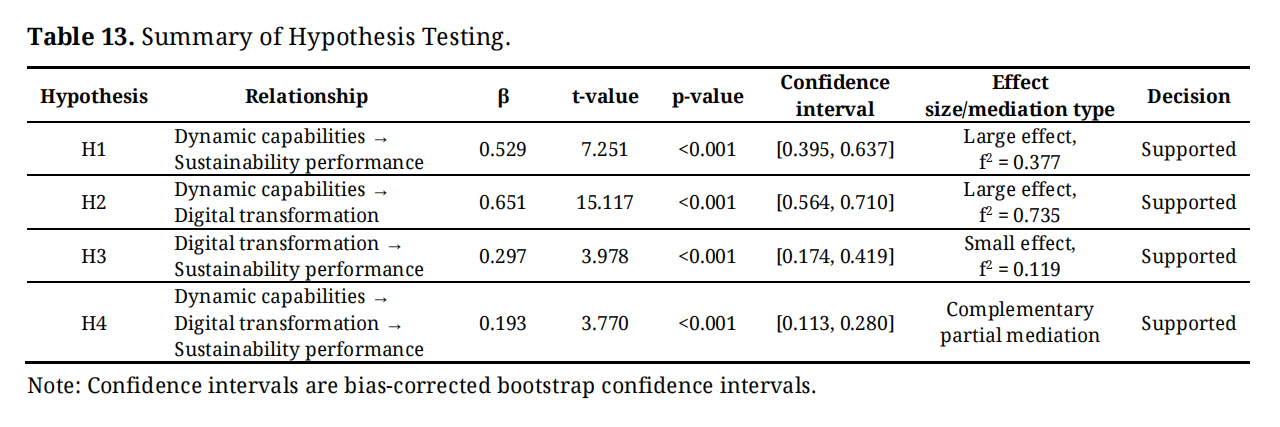 Table 13. Summary of Hypothesis Testing.
Overall, these findings empirically support the proposed model. Dynamic capabilities emerged as the strongest predictor in the hypothesized specification, showing a substantial association with digital transformation and sustainability performance. Digital transformation is also significantly associated with sustainability performance and represents an additional statistically significant pathway linking dynamic capabilities with sustainability performance.
This study examines the relationship between the dynamic capabilities and sustainability performance of Saudi Arabian higher education institutions and determines whether digital transformation serves as a mediator in this relationship. The findings support the proposed framework, showing that dynamic capabilities are positively associated with sustainability performance and digital transformation, and that digital transformation is also positively associated with sustainability performance and exhibits a complementary partial mediation pattern.
Overall, the results suggest that achieving sustainability within university performance requires, apart from the existence of digital technologies and sustainability practices, the capabilities required by institutions to sense change, align resources, combine knowledge, and reinvent organizational processes. This conclusion is especially pertinent to educational management because universities are complex institutions in which technological and sustainability efforts must be aligned among various academic, administrative, and technical departments.
The findings for H1 indicated that dynamic capabilities have a substantial positive association with sustainability performance. Universities that are more dynamic in terms of dynamic capabilities can be said to be more ready to adopt sustainability at institutional and operational levels. Sensing capabilities allow institutions to notice changes in expectations of the environment, stakeholder pressures, and policy issues. Seizing capability helps institutions mobilize resources for sustainability issues, whereas learning and integration capabilities allow them to gain and share knowledge about these issues.
This means that the sustainability performance of an organization depends not only on individual initiatives in environmental and societal areas but also on the general ability of an institution to organize, learn, and adapt. These findings are consistent with the previous literature linking dynamic capabilities to sustainability and improved performance [7,15]. It also expands this argument and applies it to higher education by providing evidence of the relevance of dynamic capabilities for institutions with numerous goals.
The support for H2 indicates a strong positive association between dynamic capabilities and digital transformation. These findings imply that digital transformation in higher education is related not only to the adoption of digital technologies. Digital transformation requires institutional readiness, flexibility, knowledge management, coordination among organizational units, and process restructuring. Institutions with better dynamic capabilities are likely to be more effective in recognizing relevant technologies, prioritizing digital investment, developing skills, and implementing digital systems.
It is important to highlight that this conclusion is consistent with the approach in which digital transformation should be viewed as a process of organizational change rather than an IT project. Digital solutions can still be disjointed or insufficiently used if organizations do not possess the resources to coordinate digital transformation activities, restructure existing processes, or fit digital transformation with organizational and learning needs. These findings support the literature on the importance of dynamic capabilities in handling technological and digital transformations [16,17].
The findings for H3 indicated a significant positive association between digital transformation and sustainability performance. Digital transformation may support greater efficiency, transparency, service quality, and data-informed decision making in universities. Smart-campus systems may support energy and facility management, digital platforms may reduce reliance on manual processes, and analytical systems may facilitate effective resource allocation.
According to these findings, digital transformation is associated with outcomes across the environmental, social, and economic dimensions of sustainability. Regarding the environment, digital tools can help avoid waste and facilitate resource optimization. Socially, digital tools are likely to increase accessibility, communication, and service provision for students, staff, and other stakeholders. Economically, digital transformation may be associated with greater process optimization and better resource management over time. The results are consistent with previous findings on how digital transformation is associated with sustainable organizational performance through innovation, efficiency, and improved decision-making processes [23,24].
The evidence supporting H4 indicates that digital transformation represents a significant complementary partial mediating pathway in the relationship between dynamic capabilities and sustainability performance. The results show that dynamic capabilities are associated with sustainability performance, both directly and indirectly, through digital transformation. The direct association reflects the relationship between institutional capabilities and sustainability performance, whereas the indirect association reflects the pathway through which dynamic capabilities are linked to sustainability performance via digital transformation.
The complementary partial mediation pattern has theoretical implications because it suggests that digital transformation is an important, but not exclusive, pathway linking dynamic capabilities with sustainability performance. Universities may strengthen sustainability through better coordination, learning, and resource alignment, whereas digitally enabled organizational practices represent an additional pathway associated with stronger sustainability outcomes.
The outcome of this study corresponds to the assumption that digital transformation relates an organization’s capabilities to sustainability and performance improvement [26,29]. These findings suggest that effective digital transformation in higher education is associated with the alignment of digital technologies, institutional structures, and employee capabilities.
These results have important implications for the Saudi Arabia’s higher education industry. In the context of the country, Saudi universities face strong pressure towards digital transformation, efficiency, innovation, and sustainability. The results show that achieving these objectives does not rely merely on investment in technology infrastructure, but also necessitates that universities develop capabilities that allow them to understand national goals, formulate strategies based on them, and implement them.
While the empirical setting of this research revolves around Saudi Arabia, the managerial implications can be extended to the higher education sector, which faces similar challenges in digitalizing its operations and improving its sustainability. In general, the key takeaway here is that universities should not view digitalization and sustainability as separate strategies. Integrating the two requires a common institutional capability base.
An important finding was the relative contributions of the three sustainability performance dimensions. Social sustainability had the highest outer weight (0.611), followed by environmental sustainability (0.336) and economic sustainability (0.219). This suggests that within the present sample, staff perceptions of sustainability performance were strongly associated with social outcomes. In the context of higher education, this pattern may reflect the people-intensive nature of universities, where sustainability is closely connected to staff development, equal opportunities, stakeholder engagement, community services, and employee well-being. In Saudi higher education, the prominence of social sustainability may be consistent with the broader emphasis on human capital development and societal contributions to national development priorities. Nevertheless, because sustainability performance was modeled formatively, the larger weight of the social dimension does not imply that environmental or economic sustainability is unimportant; rather, it indicates that social sustainability made the strongest relative contribution to the composite construct in this sample.
Theoretical ImplicationsThis study has several theoretical implications for research on educational management, dynamic capabilities, digital transformation, and sustainability.
First, it extends the dynamic capabilities framework to the organizational context of higher education. Although dynamic capabilities have been widely examined in business and industrial settings [12,13], the findings demonstrate that the framework is also relevant in explaining how universities respond to technological, environmental, and institutional changes. More specifically, this study conceptualizes dynamic capabilities as a reflective–reflective higher-order construct comprising sensing, seizing, learning, integrating, coordinating, and reconfiguration capabilities. The significant loadings of all six dimensions indicate that these capabilities collectively represent a broader institutional capacity through which universities align their resources and processes with the emerging sustainability priorities [7,15].
Second, this study advances our understanding of the relationship between dynamic capabilities and sustainability performance. Rather than assuming that dynamic capabilities automatically generate improved outcomes, the findings show that the association between dynamic capabilities and sustainability performance is partially linked to digital transformation. Universities with stronger perceived dynamic capabilities also reported higher levels of digital transformation, which were associated with stronger environmental, economic, and social sustainability performance. This finding supports the view that digital transformation represents an organizational pathway that links institutional adaptability with sustainability-related outcomes [23,26].
Third, the finding of complementary partial mediation contributes to the dynamic capabilities theory by suggesting that digital transformation is an important but not exclusive pathway linking dynamic capabilities with sustainability performance. The direct association between dynamic capabilities and sustainability performance remains significant alongside the indirect association through digital transformation. This pattern is consistent with the view that institutional learning, coordination, resource mobilization, knowledge integration, and process reconfiguration may be associated with sustainability, both directly and through digitally enabled organizational practices [16,17]. Given the cross-sectional design, these relationships should be interpreted as theoretically consistent associations, rather than as definitive evidence of causal sequencing.
Fourth, it contributes to sustainability research by specifying sustainability performance as a reflective–formative higher-order construct comprising environmental, economic, and social sustainability. The significant outer weights and loadings of all three dimensions confirm that they make distinct and complementary contributions to the broader sustainability-performance construct. This specification provides a more comprehensive representation of sustainability in higher education than approaches that focus solely on environmental performance. It also demonstrates that social, environmental, and economic outcomes jointly contribute to sustainable university performance.
Fifth, this study enriches the literature on HEM by integrating dynamic capabilities, digital transformation, and multidimensional sustainability performance within a single empirical model. Existing research has often examined digitalization, sustainability or institutional capabilities separately. By connecting these constructs, this study provides a more integrated explanation of how universities manage technological and sustainability-related transformations [4,29].
Finally, this study contributes evidence for the emerging context of higher education. The findings indicate that the dynamic capabilities theory remains relevant in universities operating under rapid policy, technological, and institutional change. Although this study was conducted in Saudi Arabia, its theoretical logic may also apply to other higher education systems seeking to align digital transformation with sustainability and institutional effectiveness [10].
Practical ImplicationsThe findings have several practical implications for university leaders, senior administrators, digital transformation units, sustainability managers, and higher education policymakers. These recommendations are directly informed by the significant relationships among dynamic capabilities, digital transformation, and sustainability performance as well as by the relative contributions of the environmental, economic, and social sustainability dimensions.
First, universities should deliberately develop dynamic capabilities as an integrated institutional capacity, rather than focusing only on individual digital or sustainability projects. University leaders should establish mechanisms for monitoring technological, regulatory, environmental, and stakeholder development and ensure that the resulting knowledge is translated into coordinated institutional action. Regular environmental scanning, consultation with students and staff, and a systematic review of institutional performance can strengthen universities’ ability to recognize emerging opportunities and risks [12,21].
Second, institutions should improve their ability to translate recognized opportunities into coordinated action. Seizing capability requires clear strategic priorities, appropriate investment decisions, and mobilization of financial, technological, and human resources. Therefore, digital transformation and sustainability initiatives should be incorporated into institutional strategies, operational plans, and performance management systems rather than managed as separate programs [16,17].
Third, university management should treat digital transformation as an institution-wide organizational change process, rather than a purely technical initiative. Investment in smart campus systems, digital learning platforms, analytics dashboards, paperless administration, and digital management systems can improve institutional efficiency and sustainability. However, such investments are unlikely to generate their full benefits unless they are accompanied by staff development, process redesign, leadership support and coordination across academic, administrative and technical units [4,29].
Fourth, universities should strengthen their organizational learning and knowledge integration. Cross-functional teams can bring together academic staff, administrators, information-technology specialists, facility managers, and sustainability officers. These teams can support expertise sharing, reduce duplication, and ensure that digital systems simultaneously address educational, administrative, and sustainability priorities [13,14].
Fifth, sustainability and digital transformation strategies must be aligned. Digital technologies can be used to monitor energy and water consumption, reduce paper usage, improve institutional reporting, support online and blended learning, enhance access to services, and strengthen resource allocation. Universities should establish measurable environmental, economic, and social indicators and integrate them into digital dashboards and institutional reporting systems [1,24].
Sixth, the formative assessment of sustainability performance showed that social sustainability made the strongest relative contribution (outer weight = 0.611), followed by environmental (0.336) and economic (0.219) sustainability. Accordingly, university sustainability strategies should focus on staff development, equal opportunity, employee well-being, accessibility, and community engagement, while continuing to address environmental responsibility and efficient resource use. The larger social sustainability weight should not be interpreted as diminishing the importance of the environmental and economic dimensions, as all three made significant and unique contributions to the higher-order sustainability-performance construct.
The seventh guideline concerns the ease of coordination and accountability. Higher learning institutions can set up a joint steering committee responsible for the coordination and sustainability of the digitalization process. The arrangements can go a long way to reduce fragmented decision-making and ensure alignment of institutional strategies with strategic priorities [25].
Finally, it is essential for Saudi universities to connect their efforts towards digitalization and sustainability with the main goals of Saudi Vision 2030. Nevertheless, this connection cannot be limited to the formulation of national policies alone; universities aim to convert national objectives into institutional targets and sustainable results [10].
Limitations and Future ResearchThe first limitation concerns the cross-sectional design of the study, which captures respondents’ perceptions at a single point in time, and therefore limits the ability to establish temporal ordering or make strong causal inferences. As the data were collected cross-sectionally, a temporal sequence among dynamic capabilities, digital transformation, and sustainability performance could not be established. Accordingly, the significant indirect effect should be interpreted as an association consistent with the proposed mediation model rather than as definitive evidence of a causal mechanism. Future studies could employ longitudinal designs to examine how dynamic capabilities, digital transformation, and sustainability performance evolve over time, and provide stronger evidence regarding the temporal ordering of these relationships.
Second, this study uses self-reported information collected from academic and administrative employees. While the respondents acted as knowledgeable institutional insiders, their judgments may have been influenced by biases of perception and common methods. Further investigations could combine survey answers with objective indicators of institutional performance, such as energy and water consumption, use of digital services, operational expenses, student access measures, and other indicators.
Third, the unit of analysis was a higher education institution and data were collected from individual respondents. Future research could obtain responses from multiple informants within each institution and aggregate their assessments after establishing sufficient interrater agreement. Multi-level research can also examine how individual, departmental, and institutional factors jointly influence digital transformation and sustainability.
Fourth, this study was conducted in Saudi higher education institutions, which may limit the generalizability of the findings to other institutions and national contexts. Comparative studies could examine whether the proposed relationships differ across public and private universities, mature and emerging higher education systems, and countries with different governance and funding arrangements.
Fifth, dynamic capabilities were modeled as a reflective–reflective higher-order construct. This specification captures their collective institutional role but does not identify whether individual dimensions have direct or indirect effects on digital transformation and sustainability performance. Future research could compare higher-order models with dimensional-level models to determine whether sensing, seizing, learning, integrating, coordinating, or reconfiguration capabilities become more influential under particular institutional conditions.
Sixth, sustainability performance was modeled as a reflective–formative higher-order construct comprising environmental, economic, and social sustainability. Although all three dimensions make significant contributions, future studies could incorporate additional objective or context-specific indicators to provide a more comprehensive assessment of university sustainability performance.
Seventh, digital transformation is examined as the principal mediating mechanism. Future models could investigate additional explanatory mechanisms, including innovation capability, knowledge management, institutional agility, digital maturity, employees’ digital competence, and organizational learning.
Finally, potential boundary conditions were not examined. Future research could test whether digital leadership, organizational culture, technological readiness, institutional size, governance support, environmental uncertainty, and resource availability strengthen or weaken the relationships between dynamic capabilities, digital transformation, and sustainability performance.
This study examined the relationships among dynamic capabilities, digital transformation, and sustainability performance in Saudi higher education institutions, and whether digital transformation mediates the relationship between dynamic capabilities and sustainability performance. The findings show that dynamic capabilities are positively associated with both digital transformation and sustainability performance, and digital transformation is positively associated with sustainability performance. Additionally, the significant indirect effect was consistent with a complementary partial mediation pattern in the relationship between dynamic capabilities and sustainability performance.
These findings suggest that stronger institutional capabilities related to recognizing change, mobilizing resources, integrating knowledge, coordinating organizational units, and reconfiguring established processes are associated with stronger digitally enabled institutional transformation and sustainability performance [12,13]. Therefore, dynamic capabilities provide an important organizational foundation for both digitally enabled institutional transformation and sustainable university performance.
The complementary partial mediation result further suggests that digital transformation represents an important but not exclusive pathway linking dynamic capabilities with environmental, economic, and social sustainability outcomes. The direct association between dynamic capabilities and sustainability performance remains significant along with the indirect association through digital transformation, which provides an additional pathway for digitally enabled systems, practices, and decision-making processes [23,26].
This study contributes to the body of knowledge in educational management by theorizing that digital transformation is an institution-wide strategic process, rather than merely a technological initiative. Furthermore, this research enhances the understanding of the dynamic capabilities approach by demonstrating its relevance within the complex organizational context of universities [4,29]. In terms of methodology, this study applies dynamic capabilities as a reflective–reflective higher-order construct and sustainability performance as a reflective–formative higher-order construct.
The major implication for top university management is that digital transformation and sustainability should be managed as closely aligned strategic priorities. Universities that strengthen their dynamic capabilities and integrate digital technologies into educational, managerial, and resource management activities may be better positioned to enhance organizational efficiency and sustainability.
In general, this study provides evidence that is consistent with the view that institutional adaptability and digital transformation are closely associated with sustainable performance in higher education. Institutions that successfully align these two dimensions may be better positioned to respond to technological change and national priorities. Given the cross-sectional design, these findings should be interpreted as theoretically consistent associations, rather than as definitive evidence of causal sequencing.
All procedures were conducted in accordance with the Declaration of Helsinki and institutional guidelines for research involving human participants. Verbal informed consent was obtained from all participants before data collection, and confidentiality was assured throughout the study. Participation was voluntary, and respondents were informed of their right to withdraw at any time without penalty.
The following supplementary materials are available online: Table S1: Reliability and Convergent Validity Before and After Indicator Removal, Table S2: Selected HTMT Values Before and After Indicator Removal, Table S3: Measurement Items and Sources.
The datasets generated and/or analysed during the current study are available from the corresponding author on reasonable request.
Conceptualization, AGA and AAAT; methodology, AGA and AAAT; software, AGA; validation, AAAT and MIA; formal analysis, AGA; investigation, AGA; data curation, AGA; writing—original draft preparation, AGA; writing—review and editing, AAAT and MIA; supervision, AAAT and MIA. All authors have read and approved the final version of the manuscript.
The authors declare that they have no conflict of interest.
No funding was received for conducting this study.
1.
2.
3.
4.
5.
6.
7.
8.
9.
10.
11.
12.
13.
14.
15.
16.
17.
18.
19.
20.
21.
22.
23.
24.
25.
26.
27.
28.
29.
30.
31.
32.
33.
34.
35.
36.
37.
38.
39.
40.
41.
Almutairi AG, Abu Talib AA, Abdullah MI. Enhancing Sustainability Performance in Saudi Higher Education Institutions: The Mediating Role of Digital Transformation from a Dynamic Capabilities Perspective—A PLS-SEM Approach. J Sustain Res. 2026;8(4):e260088. https://doi.org/10.20900/jsr20260088.

Copyright © Hapres Co., Ltd. Privacy Policy | Terms and Conditions


