Location: Home >> Detail
J Sustain Res. 2026;8(2):e260049. https://doi.org/10.20900/jsr20260049
 ,
Kevan W. Lamm 1,* ,
Jessica Holt 1 ,
Alexa J. Lamm 1 ,
MiHee Park 2 ,
Brendan Higgins 3
,
Kevan W. Lamm 1,* ,
Jessica Holt 1 ,
Alexa J. Lamm 1 ,
MiHee Park 2 ,
Brendan Higgins 3
1
2
3
*
Achieving sustainable food production in the context of geographic, climatic, and resource constraints remains a complex and wicked problem. In response to geographic constraints in growing fruits, vegetables, ornamentals, and other weather sensitive crops, some have suggested that greenhouse and indoor farming, popularly known as controlled environment agriculture (CEA), may offer the opportunity to increase food production and off-season access to fresh produce. However, despite the potential for CEA to address many of the challenges associated with conventional, geographic constrained, food production, several limitations and critical issues associated with the long-term sustainability of CEA persist. Therefore, the present study, conducted in collaboration with a panel of CEA experts, compiled a comprehensive list of critical issues facing the CEA industry using the Delphi methodology. Using a three-round consensus-building process, 30 critical issues were identified, with seven items receiving 100% agreement among the panelists, including sales price of crops, profitability, labor costs, finding markets, energy costs, cost of production, and cost effectiveness. The final list of items was then organized into themes within the retained items. Eight primary themes emerged including (alphabetically): disease and pests, energy, economic considerations, food safety and quality, market dynamics, operation and infrastructure, startup capital, and workforce. The proposed themes and subsumed critical issues represent a heuristic framework to facilitate dialogue, prioritize sustainability-related issues, target investments, and where appropriate, refine policy and regulations to support sustainable CEA adoption.
According to the United Nations [1], “As 2030 nears, the world is significantly behind on achieving Sustainable Development Goal 2 (SDG 2)—end hunger, achieve food security and improved nutrition, and promote sustainable agriculture” (p. XV). Statements such as these indicate that the transition toward sustainable food systems remains a global challenge. Globally, food production must balance the need to feed a growing population with the need to preserve environments, conserve resources, remain economically viable, and support the well-being of communities. Conventional agricultural systems, while productive and necessary, have also generated a range of unintended consequences that may indicate the need for complementary alternatives.
For example, studies indicate that expanding and intensifying conventional farming to ensure year-round access to fresh fruits and vegetables across geographically dispersed areas has led to unanticipated consequences such as deforestation, eutrophication, decreased biodiversity, and degraded air and water quality [2,3]. Globally, the food system is estimated to account for 38% of land use and is associated with biodiversity loss [4]. In addition, approximately 70% of global freshwater withdrawal is attributable to agriculture [5]. In parallel, insect populations have declined 75% over the past three decades with some scholars speculating that these trends are associated with agricultural production practices [6]. These patterns reflect a broader tension between production-oriented agricultural models and the ecological systems upon which they depend, indicating the need for more sustainable approaches to food production [7].
Conventional agriculture also faces production constraints [8], such as, extreme weather events, soil fertility degradation, the expansion of drylands, declining freshwater availability, urban growth, and rising costs for fertilizers, fuel, pesticides, and transportation [9]. The combination of environmental and operational challenges creates logistical constraints for ongoing production. This has led to some scholars and practitioners calling for adaptations and amendments to conventional large-scale production approaches with a focus on both preserving crop productivity and a healthy resource base [10]. However, despite efforts to update large-scale production practices, challenges persist [10,11]. For example, the distances between where food is grown, and where it is consumed, particularly for fresh fruits and vegetables, represents both a supply chain and transportation challenge. As Wu and Wu (2022) [12] state, as it relates to fresh food in the market, “logistics distribution has always been the bottleneck of the development” (p. 1). It has, therefore, become necessary for growers to find alternative approaches to meet food demands while operating in a constrained production environment [13]. Controlled environment agriculture (CEA) is one such approach which is intended to complement, rather than replace, large-scale production. Specifically, CEA provides a potential option to mitigate and manage environmental variables and to physically grow food and other horticultural products in closer proximity to where they are consumed [14]. As a systems-level intervention, CEA has the potential to address multiple dimensions of sustainability simultaneously, including resource efficiency, food security, reduced transportation emissions, and year-round production capacity [7,15].
However, although CEA has the potential to address many of the challenges associated with conventional food production, several limitations exist regarding CEA systems. According to MacLean et al. (2022) [16], CEA is generally considered an expensive agricultural practice. Apart from the high initial costs for physical infrastructure [17,18], there is a high operational (energy) cost due to the requisite climate-controlled environment for food production [19]. High energy use is also a concern for CEA in terms of its long-term environmental and economic sustainability. This contributes to the increased costs of products, which may increase retail prices for CEA produce beyond the average consumer’s willingness-to-pay and discourage farmers from adopting such innovations [20]. Additionally, the specialized technical skills associated with CEA are generally unavailable within the existing agricultural/horticultural workforce. The availability challenges experienced and observed across agricultural production more broadly [21,22] have made it difficult for CEA growers to meet their labor needs. Taken together, these economic, environmental, and human capital challenges suggest that the sustainability of CEA depends not on any single factor, but rather on the interconnections among a complex set of interdependent critical issues. Therefore, the present study examines experts’ perspectives on critical issues in CEA and seeks to identify the prominent themes and priority areas most relevant to the sustainable development of the CEA industry.
Although several studies have examined individual dimensions of CEA sustainability, a comprehensive, expert-informed identification of the range of critical issues facing the industry remains absent from the literature. For example, Coon et al. (2024) [7] conducted a scoping review of sustainability reporting practices in CEA and identified that economic and environmental dimensions are most frequently addressed, while social sustainability remains underexplored. Additionally, Dsouza et al. (2023) [23] mapped the landscape of CEA research and identified major thematic clusters, but did not employ a consensus-building methodology to prioritize issues. While these studies have added to the understanding of CEA sustainability, they have not employed a structured, multi-round consensus-building process with a diverse panel of experts to identify and prioritize the critical issues facing CEA from a systems-level perspective. This is a noteworthy gap in the literature as such analyses of individual challenges may fail to capture the interdependencies and relative priorities that practitioners and policymakers may need to develop effective, coordinated strategies for sustainable CEA development.
Study FrameworkThe present study utilized consensus building theory [24] to develop a more robust representation of the critical issues facing CEA production. Consensus-building theory is an approach that requires key stakeholders within a particular group to come together in good faith to reach an agreement about a phenomenon of concern [25]. According to Burgess and Spangler (2003) [26], this theory has been applied across various uncertain, complex, and controversial planning and policy tasks. For example, a study by Lamm et al. (2023) [27] used consensus building and opinion leadership to identify critical issues facing Georgia’s agriculture, forestry, and natural resources industries. The consensus building approach is particularly well-suited to the present study given the multifaceted, systems-level nature of sustainability challenges in CEA, which require the integration of diverse disciplinary perspectives and stakeholder knowledge [24]. There is currently a gap in the literature specifically identifying a comprehensive list of critical issues facing the CEA industry, particularly as they relate to the long-term sustainability of these systems.
Study PurposeThe present study, informed by the following research objectives, aimed to identify critical issues facing the CEA industry, with particular attention to factors relevant to the sustainability of these systems. The research objectives were to:
1.
2.
3.
The outcome of this study can help focus research, development, and public policy on overcoming these challenge areas, ultimately supporting the transition toward more sustainable CEA systems.
The present study used the Delphi technique to collect and analyze data intended to establish consensus amongst a panel of experts [27]. According to Gross (1981) [28], this technique, developed in the early 1950s by the RAND Corporation, was originally used to predict the future effect of technology on warfare. Since then, the Delphi technique has had many applications in social science research. Cyphert and Gant (1971) [29] noted that the Delphi technique was used to gather opinions from individuals without physically bringing them together. Lamm et al. (2023) [27] used this technique to bring together “emerging or established leaders within the state agricultural and forestry industries in Georgia” (p. 2) to help identify critical issues facing the agriculture, forestry, and natural resources industries in Georgia. Using the Delphi technique, researchers can encourage freedom from conformity and pressures and enable participants to thoroughly deliberate and reflect upon all aspects of the problem to generate, review, and rank ideas, enhancing the quality of the findings [30]. The technique is particularly appropriate for addressing complex, multidimensional challenges such as those associated with the sustainability of CEA systems, where individual expert knowledge may be confined to a limited domain area; however, the broader CEA system spans multiple disciplines and where empirical data may be limited or fragmented [31].
Expert PanelAs described by Lamm et al. (2023) [27], the Delphi study follows a specific process, such as developing the initial Delphi questionnaire with a clear purpose, identifying experts interested in participating in the study, and determining the number of experts to participate to ensure a wide range of perspectives are represented. For this study, advisory board members and project team members of the “Green-Reimagining of Agriculture in Controlled Environments” (GRACE) Project were selected as the experts for the study. The GRACE Project is funded by the United States Department of Agriculture (USDA) National Institute of Food and Agriculture (NIFA) with the goal to strategically, managerially, technologically, and socially transform CEA to position it as a viable food production system capable of producing sufficient and nutritious foods within the low-carbon economy. A total of 24 experts were invited to participate in the Delphi process. Expert panelists included faculty at universities, technicians, and industry representatives with titles such as Vice President of Business Development and Executive Director. The composition of the panel was intentionally broad to capture perspectives across the technical, economic, environmental, and social dimensions of CEA sustainability [31].
Of the 24 invited experts, 18 (75%) represented academic institutions and 6 (25%) represented industry. Academic panelists included faculty at ranks ranging from assistant professor to full professor as well as senior research associates and extension specialists. Industry panelists served on the GRACE project advisory board and represented organizations involved in CEA technology, operations, and growing operations. Professional fields represented across the panel included biosystems and agricultural engineering, horticulture, nursery and greenhouse crop production, plant and soil science, entomology and plant pathology, aquaculture, computer science and environmental modeling, agricultural and resource economics, and extension. Panelists represented a range of career stages, from early-career professionals to senior faculty and established industry leaders, with most having approximately 5–10 years of professional experience in CEA or related fields, and the full range estimated at 2 to more than 20 years. Selection criteria for the expert panel were based on membership in the GRACE project as either a project team member or advisory board member, which required demonstrated professional expertise in at least one dimension of CEA (technical, economic, environmental, or social). The purposive sampling strategy of selecting experts affiliated with the GRACE project was employed because the project was specifically designed to bring together a multidisciplinary group of stakeholders with the expertise needed to address the complex, systems-level challenges associated with CEA sustainability [31]. It should be noted that the panel composition was weighted toward academic experts (75%), which may have emphasized research-oriented perspectives. This is acknowledged as a limitation of the study. The panel, while purposively selected to represent a broad range of CEA-related expertise, is not intended to be statistically representative of the entire CEA industry. Rather, consistent with Delphi methodology, the panel was composed of individuals with demonstrated knowledge and experience in CEA who could contribute informed perspectives to the consensus-building process [31].
Data Collection and AnalysisThe study data collection protocol was developed based on guidance in the literature related to Delphi implementation procedures [32] as well as previous Delphi studies on critical issues facing the agricultural sector (e.g., [27]). In the first round, panelists were asked to respond to an online survey, in which they were asked to use a word or short description to describe up to five top critical issues facing the CEA industry. The decision to limit responses to five items per panelist was informed by previous Delphi studies on critical issues in the agricultural sector [27] and is consistent with Delphi design practice in which constraining the number of initial responses encourages participants to prioritize their top concerns, reducing response fatigue and quality dilution while maintaining sufficient breadth to capture the range of expert perspectives. There were 21 responses, representing an 88% response rate. Across the three rounds, 15 of the 24 invited experts (63%) participated in all three rounds, providing a stable group of respondents throughout the consensus-building process. Some variation in participation occurred, with 21 responding in Round 1, 17 in Round 2, and 18 in Round 3. This level of variation is consistent with the Delphi methodology literature, which recognizes that some fluctuation in panel participation across rounds is expected and acceptable provided a sufficient core of respondents is maintained [30,31]. Importantly, all respondents in Rounds 2 and 3 had also participated in Round 1, ensuring that the consensus was built on items generated by the same pool of experts. A total of 71 critical issues were identified from 21 respondents, reflecting an average of approximately 3.4 items per panelist and suggesting that panelists were able to identify their primary concerns within the five-item structure. These 71 critical issues were then cleaned of duplicated responses [31], resulting in 55 unique issues. The results from the first round of the process were used to develop the second-round survey. It is important to note, that in general, unless items were clearly identical the research team used expert panel responses verbatim with minimal modification. This resulted in some items which were very similar, but not redundant, being presented to the panel in subsequent rounds of the process. For example, ‘profitability’, ‘cost of production’, and ‘cost effectiveness’ are all conceptually related to economics; however, rather than the researchers collapsing the items generated by the expert panel, the methodological choice was made to allow the voice of the experts to emerge through the consensus building process. Rounds 2 and 3 allowed the panel itself to determine which items warranted retention, providing a methodological safeguard against researcher-imposed aggregation that could obscure meaningful distinctions. This decision is consistent with the participatory qualitative paradigm which “emphasize[s] the importance of enabling people to speak for themselves” [33] (p. 108). The thematic categorization conducted at the end of the process (described below) provided an opportunity to consolidate related items into broader groupings, thereby addressing consolidation at the interpretation rather than the data collection stage.
In the second round of the process, panelists were asked to indicate their level of agreement or disagreement with each identified critical issue from the first round using a five-point Likert-type scale ranging from 1—Not at all important to 5—Extremely important through an online questionnaire. A total of 17 responses were obtained for a 71% response rate. After the second round, the data received was analyzed using the SPSS v26 software package. A mean score for retention of 3.5 was established a posteriori. The threshold was identified by examining the distribution of mean scores across the items and selecting a logical cutpoint where a natural break occurred in the data, consistent with exploratory Delphi practice in which response distributions are not known in advance [31]. The 3.5 value corresponds to the midpoint between the ‘moderately important’ and ‘very important’ response categories on the Likert-type scale, ensuring that retained items reflected at minimum a moderate-to-high level of perceived importance. This threshold resulted in the retention of approximately 76% of items, consistent with the practical goal of narrowing the item pool between rounds while preserving the breadth of expert-generated content [27]. A total of 42 items were retained and presented for the third round of the process.
The third and final round was also conducted using an online questionnaire. The final survey asked participants whether each issue should be retained or not using a dichotomous yes or no variable. There was a total of 18 responses, representing a 75% response rate. A minimum level of consensus was established at 80% a posteriori. This threshold was selected by examining the distribution of consensus percentages and identifying a logical cutpoint, consistent with recommendations in the Delphi methodology literature suggesting that 70–80% agreement represents an appropriate range for consensus [30,31]. The 80% threshold represents a conservative standard within this range and resulted in the retention of 30 of 42 items (71%), again reflecting the goal of meaningful item reduction between rounds while preserving items with strong expert agreement.
In the final stage of the process, the 30 retained issues were organized into thematic categories to facilitate interpretation and application of the findings. As described by Lamm et al. (2023) [27], this type of approach allows researchers to generate “a heuristic thematic grouping of items through repeated comparison” (p. 4). It is important to note that this categorization process was undertaken as an organizational interpretive step rather than a formal qualitative analysis. The rationale for this approach was that presenting 30 discrete items without an organizing structure may obscure broader patterns and limit the utility of the findings for stakeholders and decision-makers [34]. The categorization was conducted independently by two members of the research team (first author and second author), each of whom reviewed the retained items and grouped them based on conceptual similarity. The independent groupings were then compared, and where discrepancies existed, placement was resolved through iterative discussion. The overall approach reflected a combination of inductive reasoning, where items were clustered based on shared content, and deductive reasoning, where established domains of concern within the CEA industry (e.g., energy, economics, workforce) informed the grouping decisions. This approach is consistent with methods that integrate data-driven and framework-informed categorization strategies [35]. In cases where an item could reasonably be placed within multiple categories, the research team determined placement based on the best conceptual fit with other items within each grouping. This process resulted in eight thematic categories ranging in size from one to ten items. The emergent categories were presented to the broader GRACE project team at an annual project meeting, where the thematic interpretations were discussed and verified against the collective expertise of the group [36]. The resulting categories are intended to serve as an organizing heuristic to support discussion and priority-setting rather than as rigid analytical constructs, and the boundaries between categories were not intended to be fixed.
In the first round, the study produced 71 items which were consolidated into 55 unique issues, as shown in Table 1 below. This list of 55 items was then presented to the panel in the second round of the Delphi process. The means for the critical issues provided in the second round ranged from 2.59 to 4.88, with profitability obtaining the highest level of agreement, followed by the cost of production. The remaining critical issues, in order of agreement, were energy costs, energy demands, labor costs, labor availability, energy management, quality of product, cost effectiveness, greenhouse environment management, initial capital investment, and sales price of crops. After the second round of analysis, 42 items were retained.
The third round of the study allowed the panel to indicate whether the remaining 42 items should be kept or removed. Agreement that an item should be kept ranged between 59% and 100%. In total, 30 critical issues were retained, and the remaining 12, which fell below 80%, were removed, as shown in Table 2. The top critical issues, those receiving 100% consensus, included: sales price of crops, profitability, labor costs, finding markets (region specific), energy costs, cost of production, and cost effectiveness. These seven items were distributed across three of the eight themes identified through the subsequent thematic categorization (Table 3): economic considerations (profitability, energy costs, cost of production, cost effectiveness), market dynamics (sales price of crops, finding markets [region specific]), and workforce (labor costs). The concentration of all 100% consensus items within these three themes indicates the centrality of economic viability, market alignment, and labor considerations to the expert panel’s understanding of CEA sustainability.
It is worth noting that multiple items excluded through the consensus-building process represent issues identified in the broader CEA literature e.g., [7,23]. For example, government policy did not meet the retention threshold in Round 2 (M = 3.47), while quality of product (73%), lack of trained workers (63%), and lack of relevant workforce development program (59%) fell below the 80% consensus threshold in Round 3. The exclusion of these items illustrates both a strength and a limitation of the Delphi process. Items such as workforce training may have received lower consensus because the panel collectively prioritized the underlying challenge, labor availability (94%) and labor costs (100%), over a specific intervention strategy, suggesting the Delphi process added value by surfacing priorities that transcended individual perspectives. Alternatively, the lower consensus on government policy may reflect the composition of the panel, which was included more academic experts (75%) who may be less directly affected by regulatory and policy environments than industry practitioners. The exclusion of these items does not indicate they are unimportant to CEA sustainability, but rather that they did not achieve the threshold of consensus established for this study.
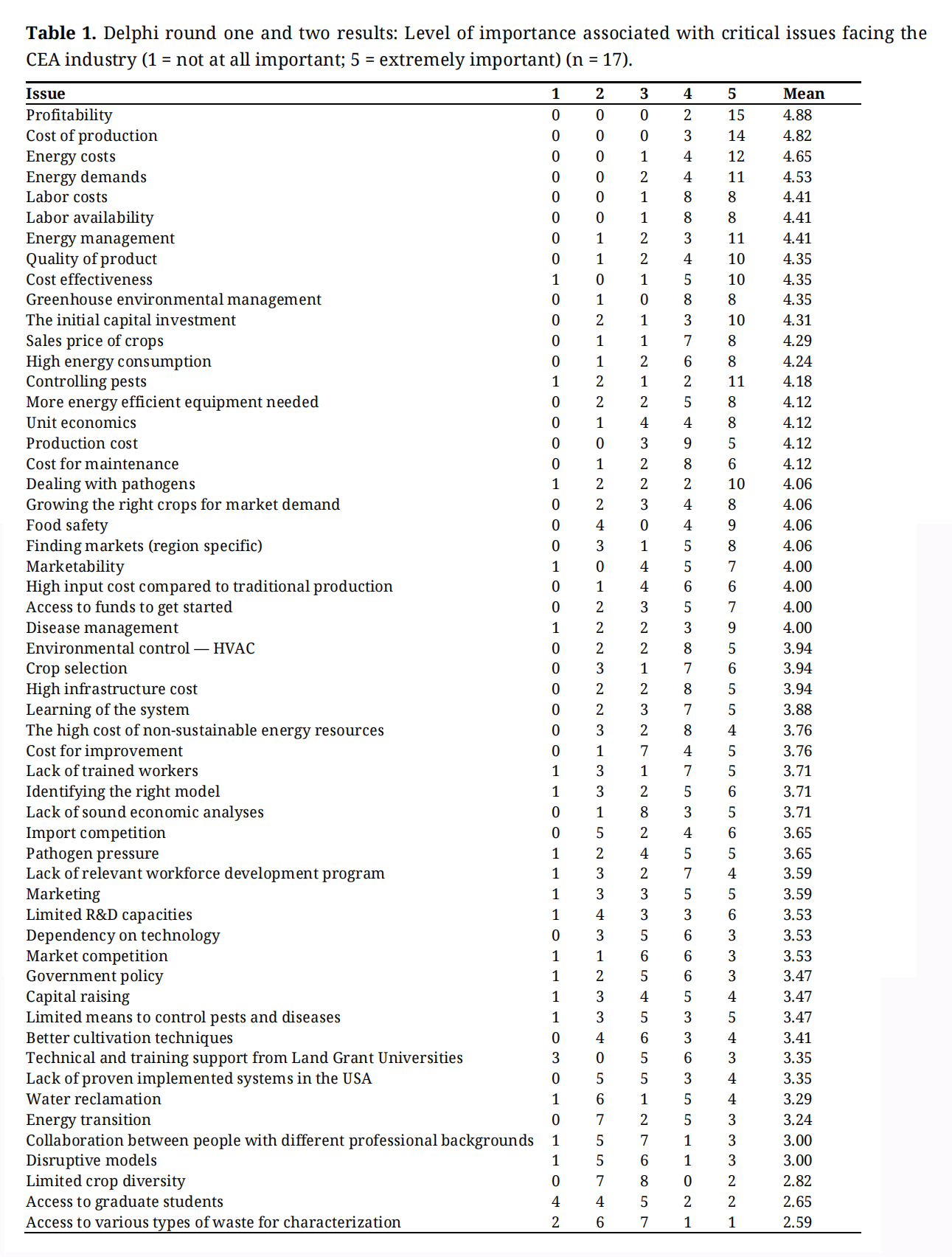 Table 1.
Delphi round one and two results: Level of importance associated with critical issues facing the CEA industry (1 = not at all important; 5 = extremely important) (n = 17).
Table 1.
Delphi round one and two results: Level of importance associated with critical issues facing the CEA industry (1 = not at all important; 5 = extremely important) (n = 17).
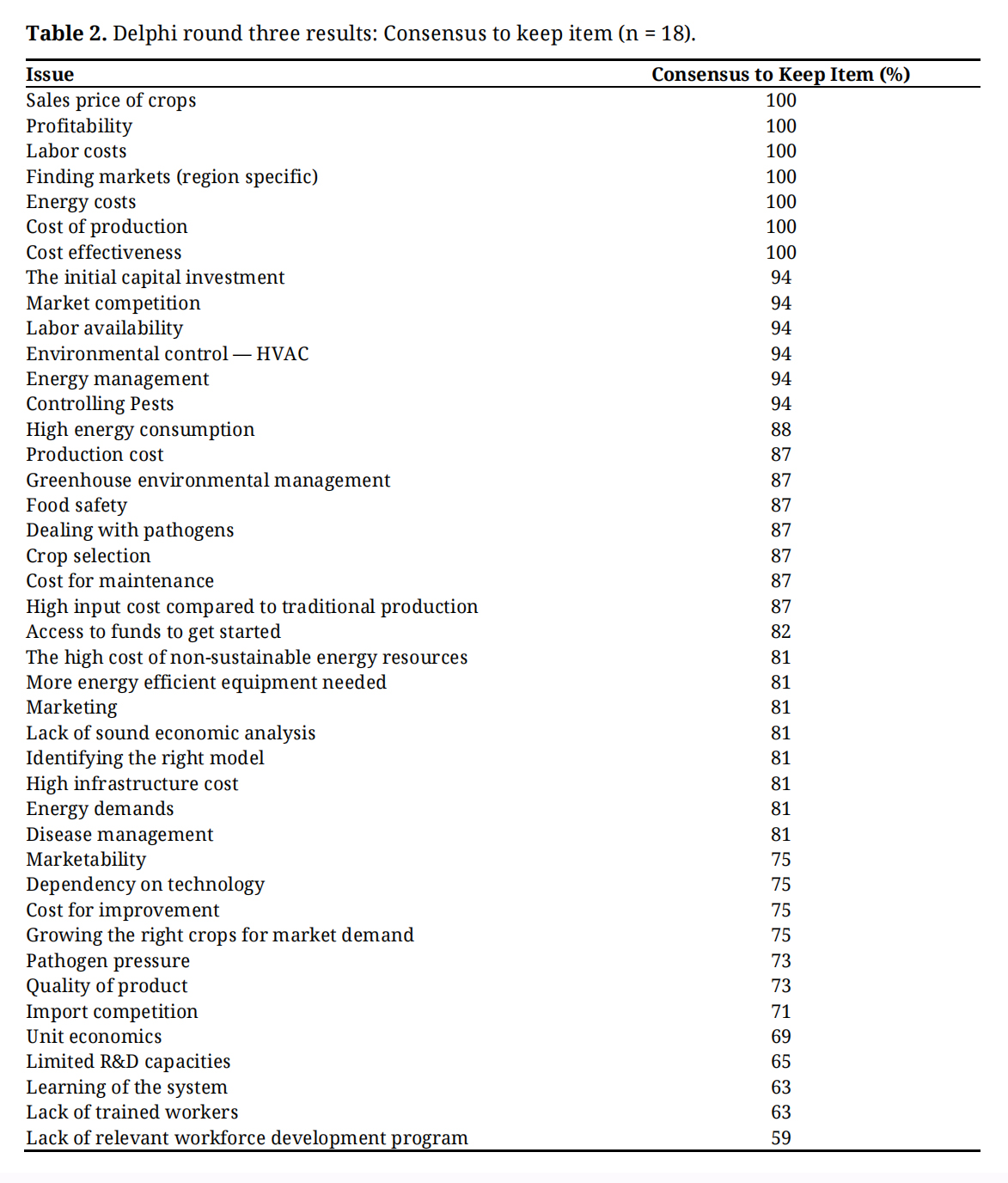 Table 2. Delphi round three results: Consensus to keep item (n = 18).
After completing the Delphi process, the remaining 30 items were organized into thematic categories. Eight overarching themes, each with one to ten issues, were identified. The emergent themes included (in alphabetical order) diseases and pests, energy, economic considerations, food Safety and quality, market dynamics, operation and infrastructure, startup capital, and workforce. The results of the thematic categorization are shown in Table 3 below.
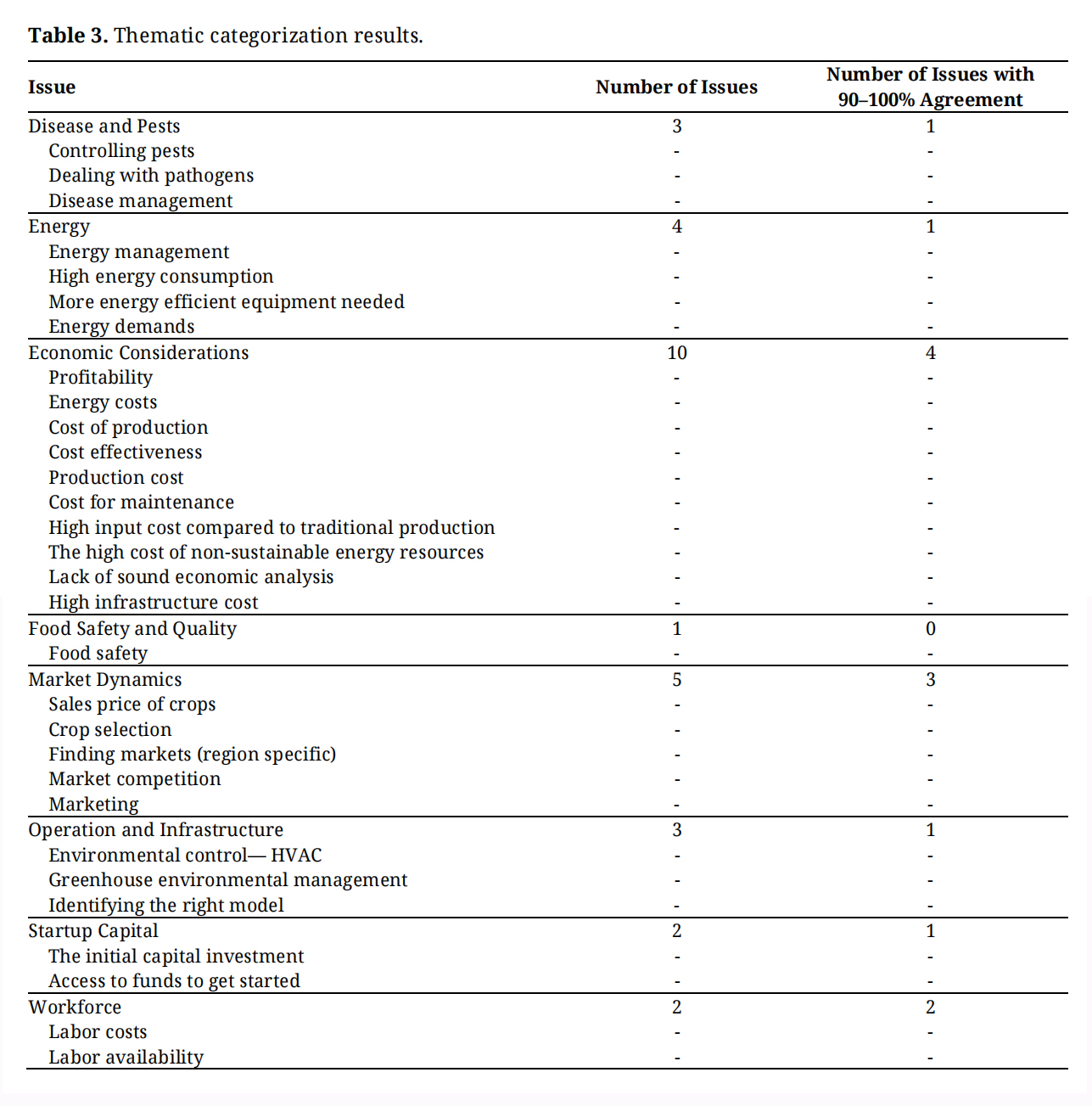 Table 3. Thematic categorization results.
The identification and thematic analysis of critical issues facing the CEA industry provides a systems level perspective on the barriers to sustainable CEA development. The current study’s results identified seven critical issues with a 100% consensus. The seven critical issues were subsumed across three primary themes identified through the thematic categorization: economic considerations, market dynamics, and workforce. Each of these core categories represents several issues across the consensus spectrum and is interrelated. These results indicate that finding markets’ regional specifics, sales price of crops, profitability, energy costs, labor costs, and cost of production significantly impact the sustainability of the CEA industry. Notably, the emergence of economic and market-related issues amongst the highest consensus items underscores the centrality of economic viability to the broader sustainability of CEA. Without financial and economic sustainability, the environmental and social benefits of CEA are at jeopardy when at scale [37].
The discussion situates the eight emergent themes within the context of the existing literature regarding CEA and provides a sustainability related set of implications and associated recommendations. The primary intent is not necessarily to provide an exhaustive summary and set of associated recommendations for each thematic grouping area. Rather, the intent is to orient the findings within the context of the existing literature and to provide research and practice related recommendations at the example, rather than comprehensive level.
The findings of this study are broadly consistent with, and extend, the existing literature on CEA sustainability challenges. Previous studies have identified many of the same issue areas, including energy consumption [7], economic viability [16,37], and workforce constraints [22]. However, a key distinction is that prior research has predominantly identified these challenges through retrospective analysis of the existing literature. For example, Coon et al. (2024) [7] conducted a scoping review of sustainability reporting in CEA and Dsouza et al. (2023) [23] mapped the CEA research landscape through a systematic scoping review. While valuable, these approaches are bounded by what has already been documented. The present study makes a unique contribution to the literature by employing a forward-facing, expert-driven consensus process in which practitioners and researchers identified critical issues based on professional experience and judgment, including concerns that may not yet be fully represented in the literature. Furthermore, the iterative Delphi structure allowed the panel to differentiate among issues by level of priority, a dimension that literature reviews are not well suited to capture.
Starting with the disease and pests’ theme, the critical issues were both anticipated and unanticipated. With the argument that there is less pesticide usage in CEA systems because they produce food indoors, which is separated from the environment [38], one might expect that CEA environments have fewer pests and diseases. Although controlled environments generally reduce external pest and disease pressure, infestations can still occur and may spread rapidly once established. Consequently, there are still concerns about whether these systems can remain pest-free [39]. Because these systems use recirculation of nutrient solutions, there is the possibility of pathogens contaminating solutions and spreading within the system [40]. An example recommendation would be to establish physical boundaries to prevent pathogen spread. Best practices might include nutrient-solution disinfection (UV, ozone, or slow-sand filtration) with clear physical separation of propagation, production, and packaging zones to minimize cross-contamination [41,42]. However, more research explicitly focused on establishing disease and pest barriers between CEA and external environments, as well as managing diseases and pests within CEA environments themselves is warranted. This is consistent with recommendations from Ataide et al. (2025) [43] who stated, “the effective management of T. parvispinus (an invasive greenhouse pest) requires integration of chemical, biological, and cultural control strategies. We must continue uncovering key interactions among these strategies to optimize their combined effectiveness against this pest” (p. 12). From a sustainability perspective, effective disease and pest management in CEA systems is important to reducing chemical inputs and maintaining the environmental advantages that CEA has the potential to provide relative to conventional production.
Several energy theme related items associated with CEA were anticipated and are well-established in the literature. For example, energy consumption has been identified as a concern associated with CEA production based on the use of artificial lighting in some environments [7,44]). Additionally, according to Vatistas et al. (2022) [44], energy consumed in greenhouse systems for heating, ventilation, and air conditioning (HVAC) is between 65-85% of the total energy required compared to the energy consumption of mechanical equipment (such as HVAC fans, chillers, dehumidifiers, pumps, and so forth), automation and sensing, and microclimate control systems (such as sensors, controllers, actuators, and so forth), which are relatively small. However, in a plant-factory environment, artificial lighting system energy consumption accounts for 77–93% of the energy requirement [45]. A recommendation would be to approach the challenge from multiple perspectives. For example, integrating on-site renewable energy (e.g., rooftop photovoltaic [PV] and battery systems) [46] with cultivar selections which are more heat/cold tolerant (e.g., [47]) may lower overall energy requirements. Additionally, physical coatings on CEA infrastructure may help reduce energy requirements within the production environment [48]. Coon et al. (2024) [7] identify local outdoor climate, technology choices and design, and electricity sources such as the power grid as the three factors that significantly affect the energy costs of CEA systems. They suggest the system’s infrastructure, materials, components, and climate management techniques can affect energy demand. A recommendation is to select building materials suitable for the CEA systems’ location and to consider high-efficiency light-emitting diode (LED) lighting modules [23] to reduce the energy demand. As Nwanojuo et al. (2025) [49] indicate, “strategies for energy diversification […] need to be integrated into CEA systems at the point of inception” (p. 21). The energy theme is potentially the most consequential for the environmental sustainability of CEA and the rationale for their adoption is diminished [7]. Developing new, and transitioning existing, CEA systems to align with environmentally sustainable best management practices is an important consideration related to the long-term viability and sustainability of CEA.
The economic considerations theme also identified several critical issues. For instance, CEA is frequently considered economically unviable due to its high startup and operational costs [37]. A recommendation would be to focus on strategies to reduce startup and operating costs and to promote the development of more economical CEA models in general [50]. To achieve this, growers can take advantage of well-documented energy-saving measures to reduce the operating costs of CEA systems and facilitate a cost-effective business model [51]. For example, it has been reported that electrical costs can be reduced by 75.6% using red and blue LED lighting [50,52] potentially improving operating costs and associated return on investment [53]. A recommendation is to look for opportunities to improve economic viability across a diverse range of areas. As Armas et al. (2023) [54] state in their analysis of the financial viability of vertical hydroponic onion production in the Philippines, “Overall, the optimization of the financial viability […] requires a holistic approach that takes into consideration the various factors that affect production costs, market prices, and income streams” (p. 871). Economic sustainability serves as a core consideration upon which other dimensions of CEA sustainability are grounded. Without viable business models, the environmental and social contributions of CEA systems will be limited or will fail to emerge [55].
In the food safety and quality theme, one item was identified. The results of the study indicate that even though CEA products are generally perceived to have fewer potential food safety issues compared to conventional food production due to the controlled environmental conditions [40], there are still concerns that should be acknowledged. Studies have shown that pathogens can be introduced through human contact, water, and substrates into production systems [56,57]. Additionally, microorganisms, chemicals, and external contaminants within food production systems can pose food safety threats [40]. A recommendation would be to ensure proper training of farm workers to uphold personal hygiene, sanitize facilities, tools, and equipment, and enforce strict visitor policies to reduce risks [40]. Food safety and quality are fundamental to the social sustainability of CEA, as consumer trust in the safety and nutritional value of CEA-grown products is important for market acceptance and long-term viability.
Regarding the theme of market dynamics, several critical issues were identified. Within the literature, one of the noted challenges with selling CEA grown fruits and vegetables is the higher costs generally associated with CEA products and the potential for smaller markets willing to pay higher prices [58]. A recommendation would be for CEA producers to continue to explore a wider range of products which might appeal to consumers within different consumption categories. For example, some consumers may be price sensitive as it relates to vegetables, but price insensitive as it relates to fruit. Trialing different types and varieties of CEA grown products may help to identify local preferences and opportunities. Additionally, a recommendation is for further research to focus on breeding and modifying fruit and vegetable crops that are more suitable for indoor cultivation to improve the range of CEA food production [59]. Even though the present study is consistent with previous research suggesting there are obstacles related to the marketing of CEA produce [60], understanding the market demand and the segments of society that drive the market will be very beneficial to growers in determining what to grow and how they can market their produce. As reported by Coyle and Ellison [61], consumers’ positive attitude toward CEA produce is generally associated with its potential to be environmentally friendly, improve year-round access to produce, and reduce food miles from source to consumer. A recommendation is to extend the current research to better illuminate consumer perceptions of critical issues facing the CEA industry. These insights will then help to inform science-based communication efforts with consumers and the general public [62]. The market dynamics theme highlights the importance of aligning CEA production with consumer values and preferences, many of which are increasingly informed by sustainability perceptions [61]. Developing communication strategies that effectively convey the sustainability benefits of CEA products may help align production costs and consumer willingness to pay.
The operation and infrastructure theme also had several associated critical issues. For example, the environmental control - HVAC item is a critical factor in the operational cost of CEA systems; “A prerequisite to greenhouse farming is keeping the indoor air velocity, air temperature, and relative humidity (RH) within desired ranges for good crop growth” [62] (p. 1). A recommendation would be to advance and refine the engineering processes utilized in CEA systems [55] to optimize plant growth and production. For example, examining the impact of substrates as growing media [63] under various HVAC (e.g., temperature, humidity, and so forth) conditions is an area with a direct impact on the operations of many CEA facilities [64]. Operational efficiency directly affects both the economic and environmental sustainability of CEA systems. Investments in infrastructure optimization and best management practices, including HVAC systems, building designs, and climate management systems all represent opportunities for improving overall CEA sustainability.
Related to the theme of startup capital, the critical issues identified were consistent with previous literature. Specifically, the high initial capital investment due to the system’s infrastructural need and the lack of access to funding to support growers in starting their CEA operations are well documented in the literature (see [49]). To address these issues, some researchers have proposed examining the potential to repurpose idle warehouse space to suit vertical farm environments; “Many cities already reuse abandoned properties as urban farms and cultivate their own fresh vegetables to feed their citizens” [15] (p. 2). Although capital intensive, proximity to urban consumers and the potential for funding support from local municipalities may help balance costs; “public-private partnerships will also be important in mobilizing the resources and expertise that will be required to upscale such innovations” [49] (p. 14). From a sustainability perspective, creative approaches to reducing startup capital requirements, such as reuse of existing structures and innovative funding mechanisms, may be helpful to make CEA accessible to a broader range of producers and communities.
Lastly, the workforce theme again identified several critical issues, specifically costs and availability. For example, the high-tech nature of CEA production can require highly technical and skilled workers, which may be challenging for industry growers to source [65,66]. This is consistent with previous research which found, “the existing workforce is required to upskill through formal, on-the-job, or short course training as part of their role, as more manual, repetitive, or physical tasks are replaced with technology” [22] (p. 1). Simultaneously, according to Artemis [67], labor cost was reported as the second largest contributor to CEA operations costs. Therefore, a recommendation would be to integrate an educational component into CEA systems, where growers provide job training and skill development for individuals who want to work with them [68]. Although retention is always a consideration following human capital investment, the potential to develop a skilled workforce may be more practical than attracting an existing pool of skilled personnel. Pairing training with retention incentives may help to reduce turnover and support ongoing workforce needs. The workforce dimension of CEA sustainability extends beyond labor costs and availability. From a social sustainability perspective, the role of employment, access, and local community human capital development are all relevant [22].
Interaction among Highest-Consensus ThemesThe concentration of all seven 100% consensus items within three themes: economic considerations, market dynamics, and workforce, was examined further from a systems perspective. Systems thinking emphasizes that the behavior of complex systems emerges from the interactions among components rather than from the components themselves [69]. Viewed from this perspective, these three themes are not independent categories but interconnected elements of a broader system. Economic outcomes such as profitability, cost of production, and cost effectiveness are directly influenced by market dynamics, specifically, sales price and regional market access. If producers cannot command prices needed to offset CEA production costs, profitability is compromised regardless of operational efficiency. Simultaneously, labor costs represent a significant component of overall production costs, creating a direct linkage between workforce and economic considerations. Labor availability further constrains the capacity of operations to scale, affecting both per-unit costs and market competitiveness.
These interrelationships suggest a reinforcing cycle: economic viability depends on competitive market positioning, which requires sufficient scale and operational capacity, which requires an available and affordable workforce, which in turn requires economic resources to attract, train, and retain workers. Disruption at any point of the process cascades through the system, while improvements in one area can create a virtuous cycle benefiting the others. This systems-level perspective represents a meaningful contribution of the Delphi process. The consensus-building approach reveals the collective judgment of experts regarding which issues are most critical, and the convergence of 100% consensus within three interconnected themes suggests that the expert panel recognized the systemic nature of these challenges. The implication is that interventions targeting only one dimension in isolation are unlikely to achieve sustained impact.
Integrating Findings within the Sustainability FrameworkThe eight themes from the study can be situated within the three classic dimensions of sustainability: environmental, economic, and social. Together these criteria represent a more inclusive and comprehensive sustainability framework. Figure 1 presents a diagram illustrating this alignment. The economic dimension is directly represented by economic considerations and startup capital. Three themes occupy the environmental-economic intersection: energy, disease and pests, and operation and infrastructure. Each theme has both ecological implications (carbon footprint, chemical inputs, resource efficiency) and cost implications. Two themes occupy the economic-social intersection: market dynamics (pricing and market access are economic; food affordability and food access are social) and workforce (labor costs are economic; employment quality and community development are social). Food safety and quality occupy the social-environmental intersection, linking consumer trust and public health with production practices and environmental conditions.
It is noteworthy that there were no themes situated exclusively within the social dimension. While social sustainability concerns are embedded within several themes, for example workforce and market dynamics, the panel did not generate items specifically focused on broader social issues such as community well-being, consumer trust as a standalone concern, or food access. This may reflect the composition and professional orientation of the panel. Future research should specifically target the social sustainability dimensions of CEA, potentially through Delphi panels that include community stakeholders, consumer advocates, and social scientists alongside technical and economic experts.
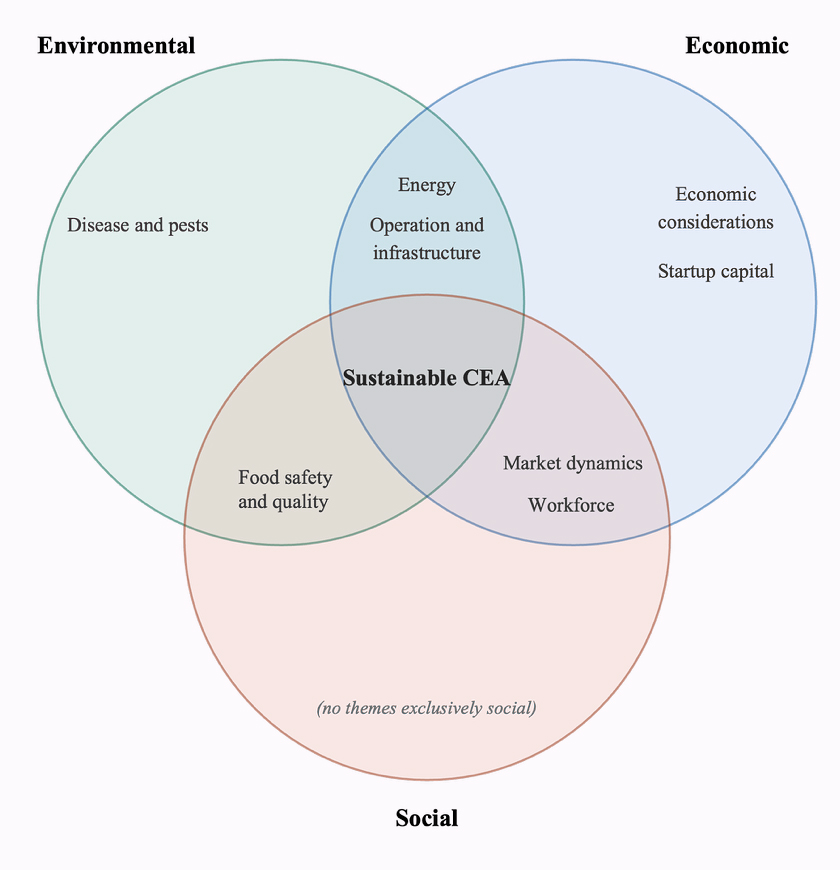 Figure 1. Alignment of eight CEA critical issue themes with the three dimensions of sustainability (environmental, economic, and social).
The current study results are intended to provide insights regarding the critical issues facing the CEA industry; however, several limitations should be acknowledged. First, the Delphi study’s results are restricted to the views and opinions of the expert panel members. The panel of 24 invited experts (with 15 participating in all three rounds) is not statistically representative of the broader CEA industry. The purposive selection of panelists from the GRACE project, while methodologically appropriate for Delphi studies [31], means that the findings reflect the consensus of a specific group of knowledgeable stakeholders rather than the industry at large. Furthermore, the panel was weighted toward academic experts, which may have emphasized research-oriented perspectives. Experts affiliated with different projects, working in different geographic regions, or representing perspectives not captured on this panel (e.g., small-scale producers, consumer advocates, or international practitioners) may identify different critical issues or assign different priority levels. Additionally, respondents may interpret items generated throughout the process differently, making it impossible to ensure that concepts are defined consistently. The thematic categorization was intended to be a heuristic grouping helpful to further consolidate the wide range of identified critical issues into a more conceptually manageable set of broader concepts. Different researchers may identify groupings and themes differently. Lastly, the experts associated with the study were primarily focused on CEA in the United States. Therefore, the results and associated recommendations should be considered from this lens. Global variability in climate, energy infrastructure, regulation, and market conditions should be considered in different geographies where different priorities may emerge [49]. Despite these limitations, the study’s results provide a foundation for further analysis and refinement.
Several additional methodological considerations should also be acknowledged. The a posteriori establishment of retention and consensus thresholds, while consistent with established Delphi practice [31] and informed by examination of data distributions, introduces the possibility that different threshold decisions could lead to different results and sensitivity analyses using alternative thresholds were not conducted. The 80% consensus threshold necessarily excluded items that may be important to CEA sustainability; most notably, government policy did not meet the Round 2 retention threshold and has no direct analog among the retained items, representing a potential gap in the framework. Other excluded items such as workforce training and quality of product are partially addressed through retained items within the same domain areas. The study did not capture relative ranking or weighting beyond consensus percentages, limiting differentiation within consensus tiers. Finally, the social sustainability dimension was comparatively underrepresented in the expert-generated items, which may reflect panel composition rather than the objective importance of social issues to CEA sustainability.
Study Implications for Research and PracticeThe findings of this study carry implications for both the research community and practitioners working to advance the sustainability of CEA systems. The research results provide a unique perspective in guiding policy and initiatives in the controlled environment agricultural industry. The eight primary themes from analyzing the data provide a working framework along with conclusions, implications, and recommendations for the CEA industry.
For researchers, the eight-theme framework offers a structure for prioritizing future research. The emergence of economic considerations among the highest-consensus items suggests that research aimed at improving the financial and economic sustainability of CEA should be prioritized. For example, further research on energy efficiency, optimized building designs, new crop cultivars, and CEA specific business models may have an asymmetrical impact on the overall sustainability of CEA systems. Additionally, the identification of disease and pest management, food safety, and workforce challenges highlight the need for interdisciplinary and multidisciplinary research that integrates engineering, biological sciences, economics, and social sciences.
For practitioners and policymakers, the results indicate the need for a comprehensive, systems-level approaches to supporting CEA development. Policies that address only one dimension of CEA sustainability, for example, energy subsidies without accompanying workforce development programs, may be insufficient. The interrelated nature of the identified themes suggests that coordinated strategies addressing multiple critical issues simultaneously are likely to be most effective in advancing sustainable CEA adoption.
To further support the application of these findings, the eight themes can be organized into a functional hierarchy based on their role in the viability and sustainability of the CEA industry. This hierarchy is informed by, but not strictly organized around, the consensus levels observed in the Delphi process. Once an item has met the threshold for retention, it was considered validated as critical by the expert panel; differences in consensus levels among retained items may reflect variation in panel familiarity or awareness rather than objective differences in importance. For example, the exclusion of government policy, which fell narrowly below the Round 2 threshold despite its recognized significance in the broader literature. The first tier encompasses economic considerations, market dynamics, and workforce which are being interpreted as the foundational conditions for the CEA industry existence. Without economic viability, market access, and workers, the industry cannot sustain itself and all other considerations become academic. The second tier encompasses disease and pests and food safety and quality, which have a direct bearing on the first tier because they affect the ability to produce marketable products and maintain consumer trust. The third tier encompasses energy and operation and infrastructure, representing operational refinement. This tier is focused on optimizing how CEA systems function rather than determining whether they can function. Startup capital occupies a distinct position as an input condition and entry barrier that precedes operational concerns, determining who can enter the industry and at what scale.
Future Research DirectionsBuilding on the findings and limitations of the current study, several future research directions are recommended. First, replication of the Delphi process with different expert populations, including international stakeholders, small-scale producers, consumer representatives, and policymakers, would help assess the generalizability of the findings and identify regionally specific priorities. Second, future research should explicitly target the social sustainability dimensions of CEA, including community well-being, consumer trust and perceptions of CEA, and food access. Third, systems analysis approaches could be applied to more clearly map the interrelations among the identified themes, building on the conceptual analysis presented in this study. Fourth, longitudinal monitoring of the critical issues would provide insight into how priorities evolve as the industry matures. Fifth, robust life cycle assessment (LCA) of CEA systems is strongly recommended. Developing a more comprehensive understanding of inputs and outputs in CEA are important next steps. Lastly, ongoing consideration of near-threshold excluded items (e.g., government policy, product quality, workforce development programs) may provide novel future insights, as these issues may achieve higher consensus with different panel compositions or geographic contexts.
While conventional open-field production achieves impressive resource-use efficiency in many regions, CEA provides a complementary option where land, water, or biosecurity constraints limit field-level agriculture. However, despite the potential for CEA within the broader food system, there have been numerous critical issues which have limited adoption. While previous literature has examined individual dimensions of CEA sustainability, the present study represents a novel application of a structured, multi-round Delphi consensus-building process to develop a comprehensive, expert-informed aggregation of critical issues across CEA. Specifically, the current study provides insight into the critical issues that have made CEA’s scalability a challenge and offers example recommendations to potentially address such challenges. The eight themes identified in the study are recommended therefore to serve as a framework for categorizing and addressing the critical issues facing the CEA industry more generally. The results also provide a benchmark and foundation for analyzing the critical issues facing the CEA industry in the future. Monitoring how issues are successfully addressed, and the emergence of new issues, will help to focus coordinated efforts across the CEA industry.
Ultimately, the sustainability of CEA depends on the coordinated efforts of researchers, practitioners, and policymakers to address these interrelated challenges at a systems level. The framework from this study is intended to support that effort by providing a comprehensive and expert informed foundation for future efforts. As the food system continues to adapt to climactic, demographic, and resource changes, CEA has the potential to serve an important role in sustainable food production.
No data were generated from the study.
Conceptualization, AI and KWL; methodology, AI and KL; software, KWL; validation, AI and KWL; formal analysis, KWL; investigation, AI and KWL; resources, AI, KWL, and BH; data curation, AI and KWL; writing—original draft preparation, AI, KWL, JH, AJL and MP; writing—review and editing, AI, KWL, JH, AJL, MP, and BH; visualization, AI and KWL; supervision, KWL; project administration, KWL; funding acquisition, KWL and BH. All authors have read and agreed to the published version of the manuscript.
This research is sponsored by the University of Georgia and may lead to the development of products that may be licensed to the University of Georgia Research Foundation, with which we have a professional relationship. We have disclosed these interests fully and have an approved plan for managing any potential conflicts arising from this arrangement.
This research was funded by USDA-NIFA SAS under grant number 2023-68012-38994, “Reimagining controlled environment agriculture in a low carbon world”.
1.
2.
3.
4.
5.
6.
7.
8.
9.
10.
11.
12.
13.
14.
15.
16.
17.
18.
19.
20.
21.
22.
23.
24.
25.
26.
27.
28.
29.
30.
31.
32.
33.
34.
35.
36.
37.
38.
39.
40.
41.
42.
43.
44.
45.
46.
47.
48.
49.
50.
51.
52.
53.
54.
55.
56.
57.
58.
59.
60.
61.
62.
63.
64.
65.
66.
67.
68.
69.
Idun A, Lamm KW, Holt J, Lamm AJ, Park M, Higgins B. Identifying Critical Issues Associated with the Sustainability of Controlled Environment Agriculture: A Delphi Analysis. J Sustain Res. 2026;8(2):e260049. https://doi.org/10.20900/jsr20260049.

Copyright © Hapres Co., Ltd. Privacy Policy | Terms and Conditions


