Location: Home >> Detail
J Sustain Res. 2026;8(3):e260079. https://doi.org/10.20900/jsr20260079
 ,
Alessandra Rodrigues 2 ,
Iván Daniel Filip 3,4 ,
Carla Rolo Antunes 1
,
Alessandra Rodrigues 2 ,
Iván Daniel Filip 3,4 ,
Carla Rolo Antunes 1
1
2
3
4
*
Climate change represents significant challenges to Mediterranean agricultural systems, particularly in dryland contexts, due to the increasing frequency of drought, water scarcity, and soil degradation risks. In this setting, conservation agriculture practices, particularly direct seeding systems, have received growing attention for their potential to influence both environmental performance and farm-level cost structures. This study develops and applies an integrated economic and environmental assessment framework for agricultural production systems implemented under the +Solo +Vida Territorial Program in the Guadiana Valley Natural Park (southern Portugal), based on TRACE methodology to incorporate environmental dimensions into conventional crop and investment accounts. The analysis evaluates implementation and operational costs, fuel consumption, partial greenhouse gas (GHG) emissions associated with agricultural operations, and potential biomass-based carbon retention and operational GHG emissions. Application of the proposed framework indicates that direct seeding systems are associated with lower operational intensity and reduced fuel consumption, which translates into differences in both cost structures and estimated GHG emissions. However, the relationship between economic and environmental performance is not uniform across all dimensions, and trade-offs may arise depending on production conditions and system configurations. Crops and pasture systems also show potential relevance as carbon sinks through biomass accumulation, although this contribution varies across systems. Rather than establishing statistically generalizable relationships, it is demonstrated how integrating crop accounts with environmental indicators can support farmers and decision-makers in jointly assessing economic and environmental performance while accounting for system-specific variability. This approach contributes to ongoing discussions on sustainability assessment, climate change adaptation, and the development of farm-level carbon accounting frameworks.
JEL Classification: Q15
Climate change is a global phenomenon affecting natural and human systems at multiple spatial scales. Primarily driven by anthropogenic greenhouse gas (GHG) emissions associated with fossil fuel combustion, deforestation and land-use change, its impacts are increasingly reflected in altered temperature patterns, precipitation regimes and atmospheric circulation. According to the Intergovernmental Panel on Climate Change, these changes are expected to intensify if GHG emissions continue to increase, leading to more frequent and severe extreme weather events [1].
Agriculture is particularly vulnerable to climate change because production depends directly on climatic conditions, including temperature, rainfall and solar radiation, while simultaneously relying on biological processes that are highly sensitive to environmental variability. Agricultural systems also face substantial economic challenges associated with high production costs, including machinery, labor, energy, fertilizers, and water, together with considerable uncertainty arising from yield variability and market fluctuations. These characteristics make agriculture especially susceptible to climate-induced disturbances, threatening both productivity and farm profitability.
The Mediterranean region is considered one of the areas most exposed to these challenges. Increasing drought frequency and intensity, declining precipitation, and growing pressure on water resources have intensified the risks of land degradation and reduced agricultural productivity. In Portugal, desertification has been identified as one of the country’s major environmental challenges, with the coming decade expected to be decisive for the sustainability of agricultural production systems [2]. Under Mediterranean climatic conditions, characterized by hot, dry summers and mild, wet winters, soil degradation processes—including erosion, biodiversity loss and declines in soil organic carbon (SOC)—further compromise the resilience of rainfed farming systems [3].
In response to these challenges, conservation and regenerative agriculture practices have received increasing attention as strategies for improving both environmental and economic sustainability. Reduced tillage and direct seeding systems minimize soil disturbance, decrease fuel consumption and may improve soil water retention, increase soil organic matter and reduce GHG emissions. These practices have also been associated with greater potential for carbon sequestration and improved resilience to drought and climate variability [4,5].
Although numerous studies have evaluated either the economic performance or the environmental impacts of conservation agriculture, these dimensions are frequently analyzed separately. Economic assessments typically focus on production costs and profitability, whereas environmental analyses emphasize GHG emissions, carbon sequestration or soil-related indicators. Consequently, farmers and decision-makers often lack practical tools which are capable of integrating economic and environmental information within a single operational framework to support farm-level decision-making.
Crop accounts are routinely used for farm management and economic planning by quantifying production costs, machinery requirements, labor use and expected returns. However, their potential as integrated sustainability assessment tools have received limited attention. Expanding crop accounts to incorporate environmental indicators offers the opportunity to evaluate both economic performance and environmental impacts using information that is already routinely collected for farm management, thereby avoiding the need for separate accounting systems.
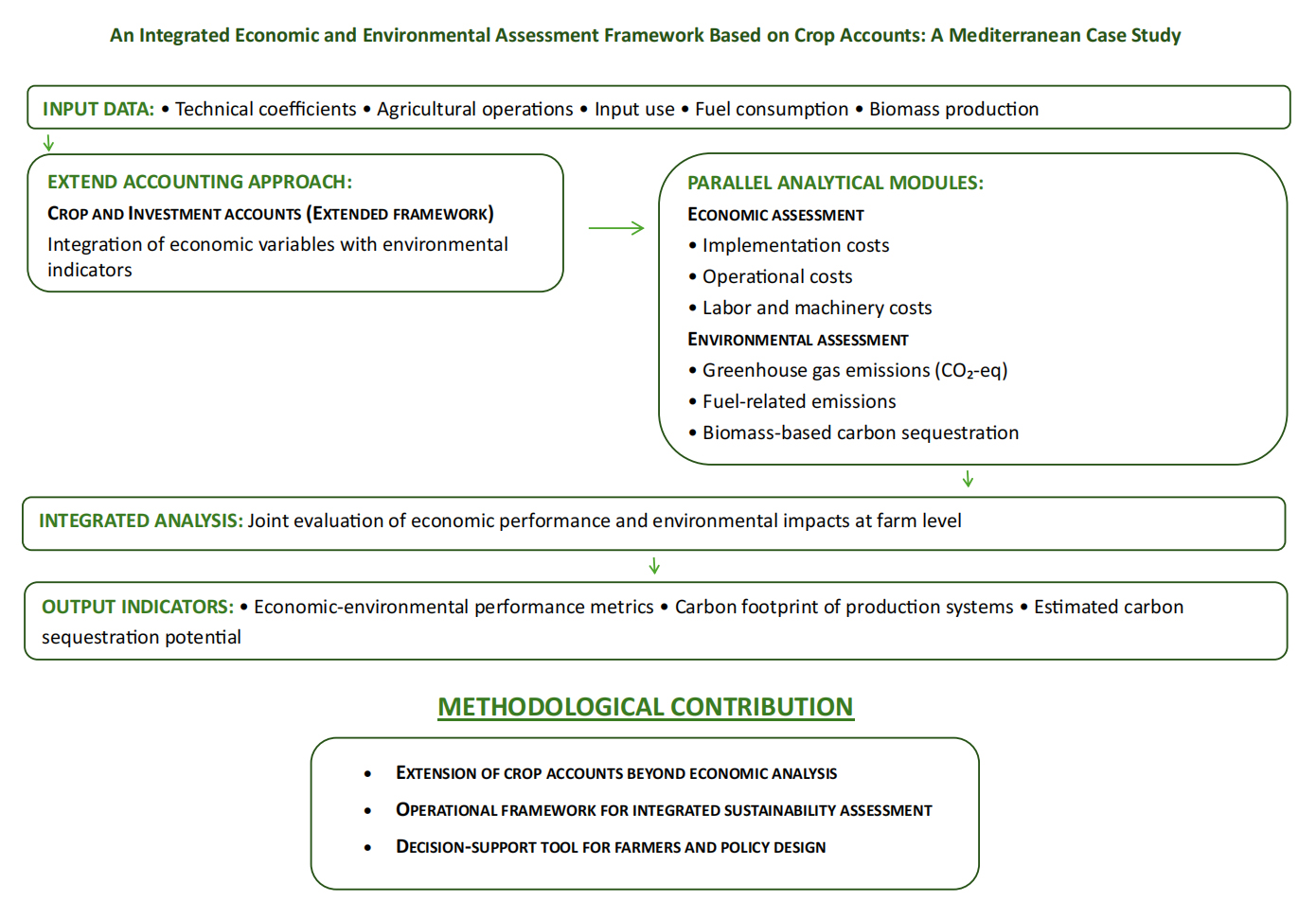
Within this context, the present study was developed as an applied methodological case study based on commercial farming systems established under the +Solo +Vida Program in the Guadiana Valley Natural Park (PNVG), southern Portugal. Rather than establishing statistically generalizable relationships between production technologies, the aim of the study is to demonstrate an integrated assessment framework combining conventional crop accounts with the TRACE—Integrated traceability and economic and environmental management system for the agro-industry (TRACE is a multicriteria methodology developed within an AGROGES project (2011) [6] to integrate economic competitiveness and environmental sustainability indicators into farm-level decision support. The original project report is no longer publicly available and is therefore cited as unpublished project documentation.) environmental accounting methodology (project report provided by the authors; no longer publicly available online). The framework is demonstrated through two complementary applications: (i) annual crop accounts (oat and yellow lupin), illustrating the integration of environmental indicators into conventional crop accounting; and (ii) investment accounts for permanent pasture, used to compare conventional and direct seeding systems. The analysis focuses on Mediterranean dryland conditions and evaluates implementation and operational costs, estimating partial GHG emissions and biomass-based carbon sequestration potential associated with crops and permanent pastures. Methodologically, the study demonstrates how crop accounts can be expanded beyond their traditional economic function to serve as an operational framework for assessing farm-level sustainability, integrating economic indicators with carbon footprint and carbon retention estimates within a single analytical approach.
Climate change is increasingly recognized as one of the principal drivers of agricultural vulnerability in Mediterranean regions, where rising temperatures, declining precipitation and greater climatic variability intensify drought, land degradation and desertification processes [1,7]. These environmental pressures are particularly critical in rainfed farming systems, where agricultural productivity depends directly on soil quality, water availability and the resilience of agroecosystems.
Agriculture occupies a dual position within the climate change debate: it is simultaneously affected by climatic variability and contributes to greenhouse gas (GHG) emissions through fuel consumption, soil disturbance, fertilizer use and land-use change. At the same time, agricultural soils constitute one of the largest terrestrial carbon reservoirs, storing considerably more carbon than the atmosphere and playing a fundamental role in climate regulation [8,9]. Consequently, relatively small changes in soil carbon dynamics may substantially influence the net carbon balance of agricultural landscapes.
The capacity of agricultural systems to function either as carbon sources or carbon sinks depends largely on management practices. Conservation agriculture, particularly reduced tillage and direct seeding, seeks to reduce operational emissions while increasing carbon inputs through biomass production and improved soil management [10]. Several studies have shown that appropriate soil management can partially reverse historical carbon depletion associated with agricultural intensification [11], while practices such as direct seeding, cover crops and residue management contribute to increasing soil organic carbon and improving ecosystem resilience [12,13]. Pasture systems deserve particular attention because land-use transitions strongly influence both carbon storage and GHG emissions [9,14].
Although life-cycle assessment and carbon accounting methodologies have substantially improved the quantification of environmental impacts, they are not always operational for routine farm management because they frequently require additional datasets and specialized analytical procedures. Conversely, crop and investment accounts are already widely used by farmers to quantify labor, machinery use, fuel consumption and production costs. This creates an opportunity to integrate environmental indicators directly into conventional agricultural accounting, generating a practical framework capable of simultaneously supporting economic evaluation, operational GHG assessment and biomass-based carbon accounting at farm level.
The case study was developed in an area covering 94 hectares of the PNVG (southern Portugal), involving the municipality of Mértola and part of the municipality of Serpa (Union of Parishes of Serpa—Salvador and Santa Maria).
According to the 2019 Agricultural Census, the PNVG is characterized by an ageing farming population, predominantly family-owned farms and relatively low educational attainment [15]. These socioeconomic characteristics are presented only to contextualize the regional setting in which conservation agriculture practices are implemented, since they may influence farmers’ capacity to adopt innovative management systems. They are not used as explanatory variables in the present assessment.
Furthermore, the site is characterized by poorly evolved, skeletal soils, originating from consolidated rocks, called lithosols. Such soils are morphologically simple and of low cultural suitability [16]. These soils are therefore susceptible to erosion and desertification processes, as organic matter is a fundamental requirement for maintaining soil quality [17]. According to the Köppen–Geiger classification (Created by Vladimir Köppen (a biologist) and later updated and modified by Rudolf Geiger (a climatologist and meteorologist), this classification characterizes climate based on the vegetation found in each geographical area, while also considering meteorological elements such as temperature and precipitation. Five main climate groups were defined, represented by uppercase letters (A, B, C, D, and E), while the remaining letters consecutively indicate the precipitation regime and air temperature typical of a given region [18]), the regional climate is Csa, corresponding to a temperate Mediterranean climate characterized by mild, wet winters (C) and dry (s), hot (a) summers. The average annual temperature ranges from 9.6 °C on average in the coldest month to 25.3 °C on average in the hottest month; the average annual rainfall is 447.4 mm and quite irregular throughout the year, with the highest rates concentrated in the autumn and winter periods, when temperatures are lower [19]. The vulnerability of these soils, already exacerbated by inadequate land-use practices and characteristics of the regional climate, is further aggravated by ongoing climate change.
The methodological approach adopted in this study comprises four complementary components. First, an analytical framework integrating conventional crop accounts with environmental indicators is presented. Second, the procedures used to estimate GHG emissions and carbon sequestration potential are described. Third, the economic and environmental indicators derived from these procedures are combined to compare the production technologies analyzed. Finally, the methodological limitations associated with the scope of the assessment are discussed. This structure reflects the sequential workflow followed throughout the study, from data collection and processing to the integrated interpretation of economic and environmental performance.
TRACE Methodology and Integrated Assessment FrameworkThe TRACE methodology was originally developed within the AGROGES project [6], funded under a sustainability-oriented agricultural program, as a multicriteria decision-support tool for evaluating the economic competitiveness and environmental sustainability of farming systems. Rather than replacing conventional farm accounting, TRACE was designed to complement existing crop and investment accounts by incorporating environmental indicators into the same analytical structure.
In the present study, TRACE was selected because its accounting logic is fully compatible with the technical information routinely collected for crop accounts, including machinery operations, labor requirements, fuel consumption, agricultural inputs and biomass production. This compatibility allows economic and environmental indicators to be generated from a common dataset without requiring an independent environmental accounting system.
Operationally, the integrated framework consists of five sequential stages: (1) collection of technical farm data; (2) preparation of crop and investment accounts; (3) conversion of technical coefficients into operational GHG emissions and biomass-based carbon retention indicators using TRACE procedures; (4) integration of economic and environmental indicators; and (5) comparative sustainability assessment at the farm level.
Analytical FrameworkThe methodological approach was designed to evaluate the potential of an integrated economic and environmental assessment framework, combining crop accounts and the TRACE methodology (project report provided by the authors; no longer publicly available online), capable of supporting farmers and decision-makers in the analysis of both economic performance and environmental impacts associated with different agricultural production technologies. The study should thus be understood primarily as an applied methodological and technical assessment rather than a controlled experimental comparison intended for statistical generalization.
Crop accounts constitute an analytical tool traditionally used to evaluate agricultural production systems from an economic perspective, allowing the calculation of technical and economic indicators associated with crop performance [20]. In the present study, this methodology was expanded beyond its traditional economic application by combining it with environmental indicators related to GHG emissions, by means of the TRACE methodology (project report provided by the authors; no longer publicly available online), and carbon sequestration potential. By integrating technical coefficients, machinery operations, fuel consumption, labor requirements, input use, and biomass production data, the proposed framework allows the simultaneous assessment of economic performance and environmental impacts at the plot level. The analysis included data collected from agricultural parcels managed by participating farmers during the agricultural period of 2023–2024 within the framework of the +Solo +Vida program. The program involved 12 participants for whom actions with economically analyzable data were effectively implemented; however, this study considers only the eight producers who carried out sowing activities (Table 1).
The methodological innovation of this study does not lie in developing new emission factors or new economic accounting procedures, but in integrating existing crop accounts with environmental indicators within a single operational framework that can be readily applied at the farm level. The analysis was structured around two complementary dimensions: economic and environmental. The economic dimension (crop and investment accounts) considers implementation and operational costs, machinery use and associated working hours, input requirements (seeds, fertilizers, and fuel), and investment needs. In turn, the environmental dimension considers GHG emissions associated with agricultural operations, as well as carbon sequestration potential related to biomass production and pasture establishment.
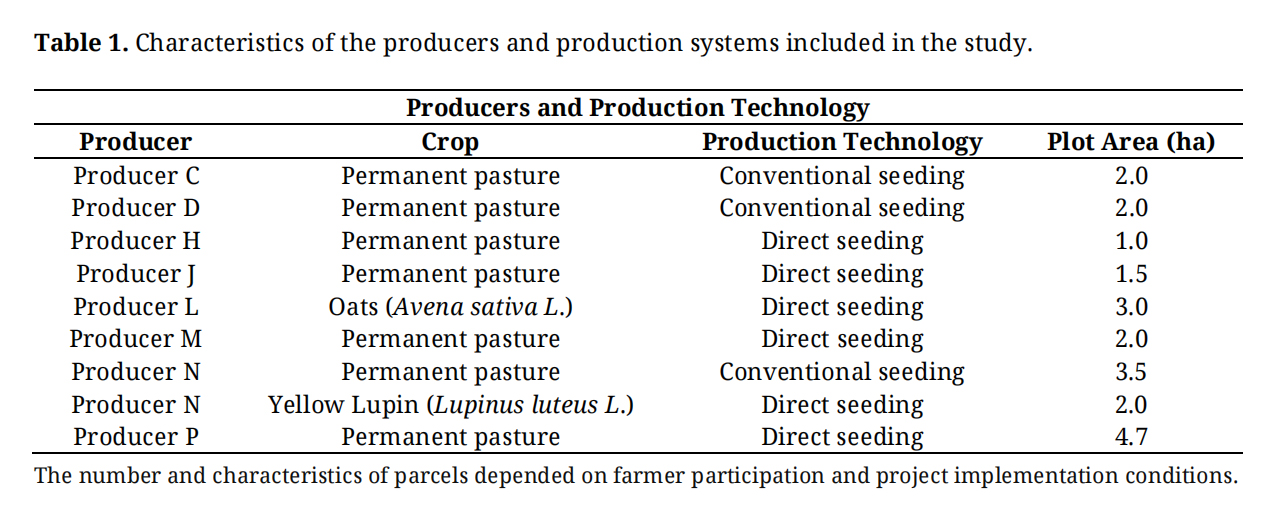 Table 1. Characteristics of the producers and production systems included in the study.
Following field data collection, agricultural operations associated with each production technology were identified, organized, and standardized according to their technical execution requirements, including machinery use, labor requirements, operational sequence and estimated execution time. The general technical protocol for agricultural operations was defined with the support of specialists (agricultural technicians and agronomists), taking each measure implemented into account. This procedure allowed the development of standardized crop and investment account matrices adapted to the production systems analyzed. The use of standardized technical coefficients aimed to ensure comparability among accounts rather than to represent the full variability of field operations under commercial conditions.
The practical framework for integrated economic and environmental assessment adopted in the study is presented in Figure 1.
Crop accounts were developed for oats and lupin production systems established under direct seeding conditions. In addition, investment accounts were developed for permanent pasture establishment under both direct and conventional seeding systems. A standard unit of 1 hectare was adopted, as this is the conventional basis for the preparation of crop accounts. Agricultural machinery costs were estimated following the methodology proposed by the Directorate-General for Agriculture and Rural Development [21].
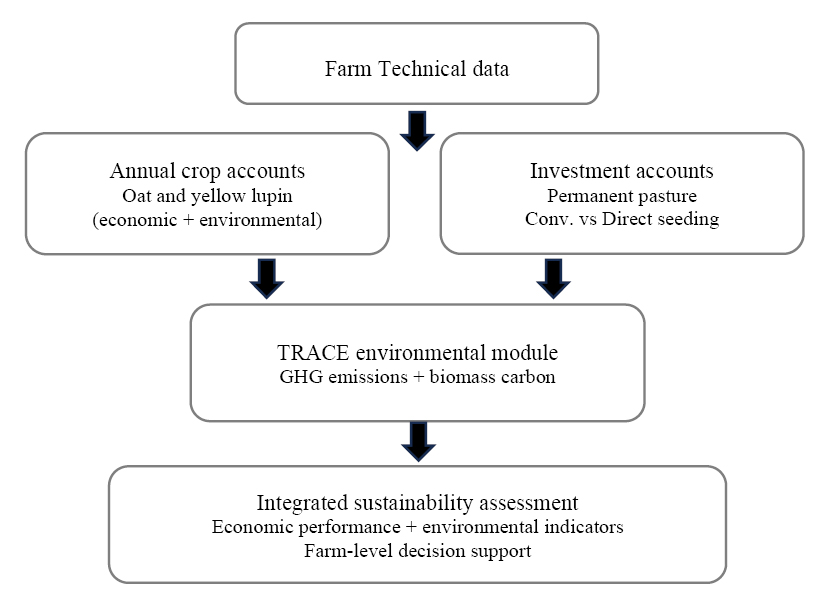 Figure 1.
Practical Framework integrating conventional crop and investment accounts with the TRACE environmental accounting methodology. NOTE: Annual crop accounts demonstrate the incorporation of environmental indicators, while investment accounts enable the comparison of conventional and direct seeding systems. Both applications generate integrated sustainability indicators for farm-level decision support.
Figure 1.
Practical Framework integrating conventional crop and investment accounts with the TRACE environmental accounting methodology. NOTE: Annual crop accounts demonstrate the incorporation of environmental indicators, while investment accounts enable the comparison of conventional and direct seeding systems. Both applications generate integrated sustainability indicators for farm-level decision support.
The technical assumptions and calculation coefficients defined in the document were maintained, while economic parameters were updated. Historical prices (machinery acquisition, fuels, lubricants, and labor costs) were replaced by those prevailing during the study period. The total hourly cost of machinery was therefore obtained as the sum of the following components: repairs and maintenance and fuels and lubricants; depreciation was calculated based on the per hour depreciation, multiplied by the hours in each activity. These accounts aimed to provide technical-economic information capable of supporting the calculation and interpretation of economic and environmental indicators associated with the production technologies analyzed. The matrices used for crop and investment accounts are presented in Figures 2–4.
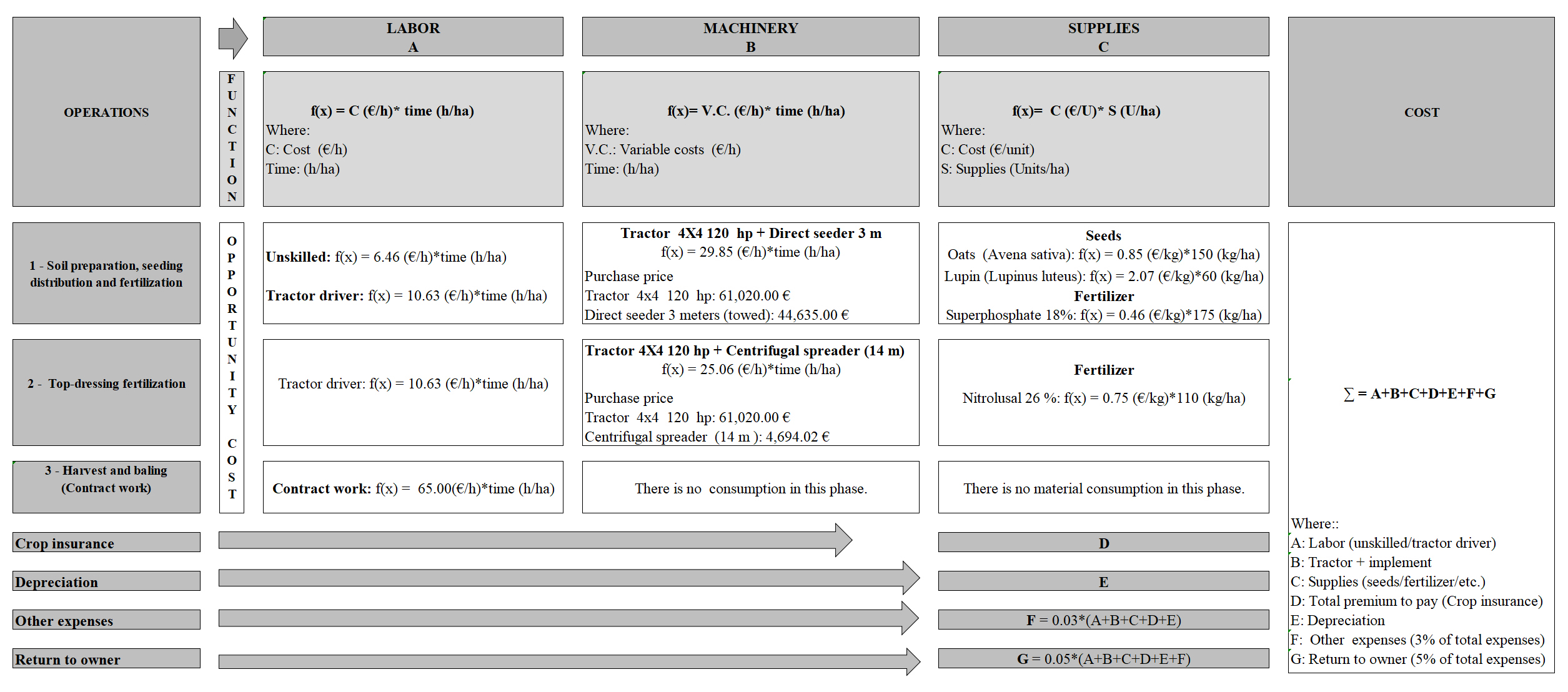 Figure 2. Matrix for the crop accounts (oats and lupin).
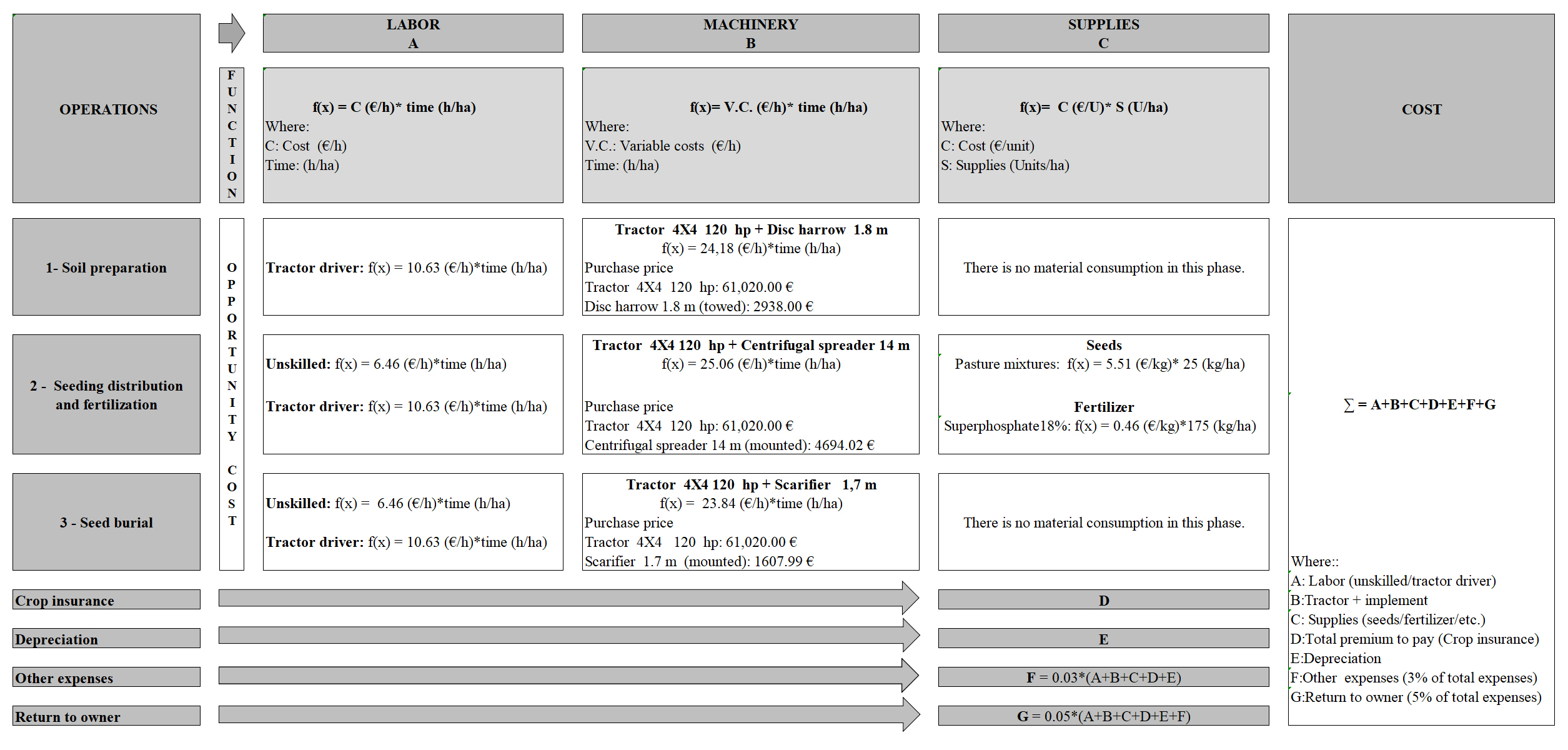 Figure 3. Matrix for the investment accounts—permanent pasture (conventional seeding).
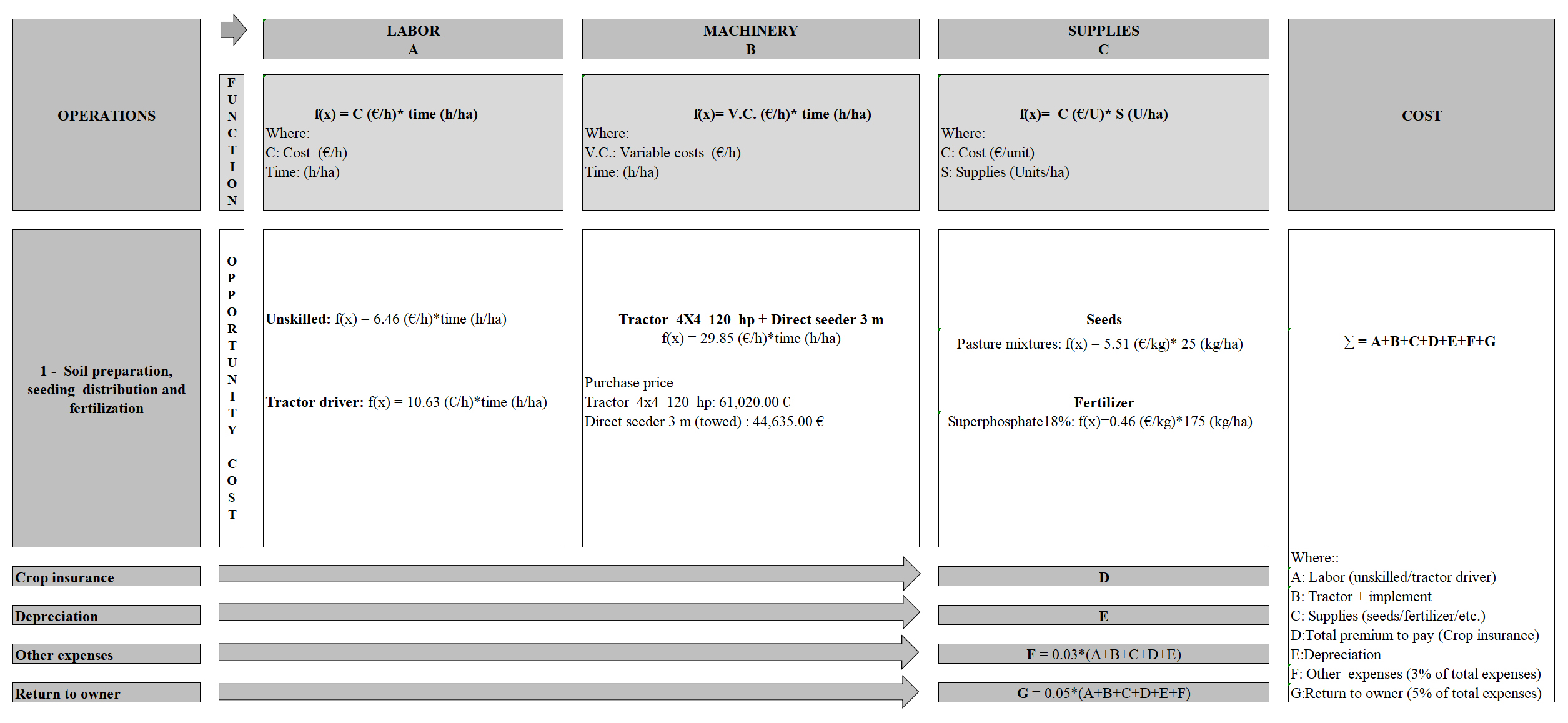 Figure 4. Matrix for the investment accounts—permanent pasture (direct seeding).
A carbon accounting approach was adopted to estimate operational GHG emissions. To calculate the GHG emissions associated with the life cycle of the technologies and crops analyzed, the methodology and assumptions established by the TRACE project (project report provided by the authors; no longer publicly available online) were adopted, together with technical coefficients and emission factors obtained from the literature and institutional databases, namely the coefficients made available by the European Association for Environment, Health and Safety in Refining and Distribution (CONCAWE). Initially, a system boundary was defined (Figure 5), and the input data (technical and economic) related to the operations performed at this stage of the life cycle were considered.
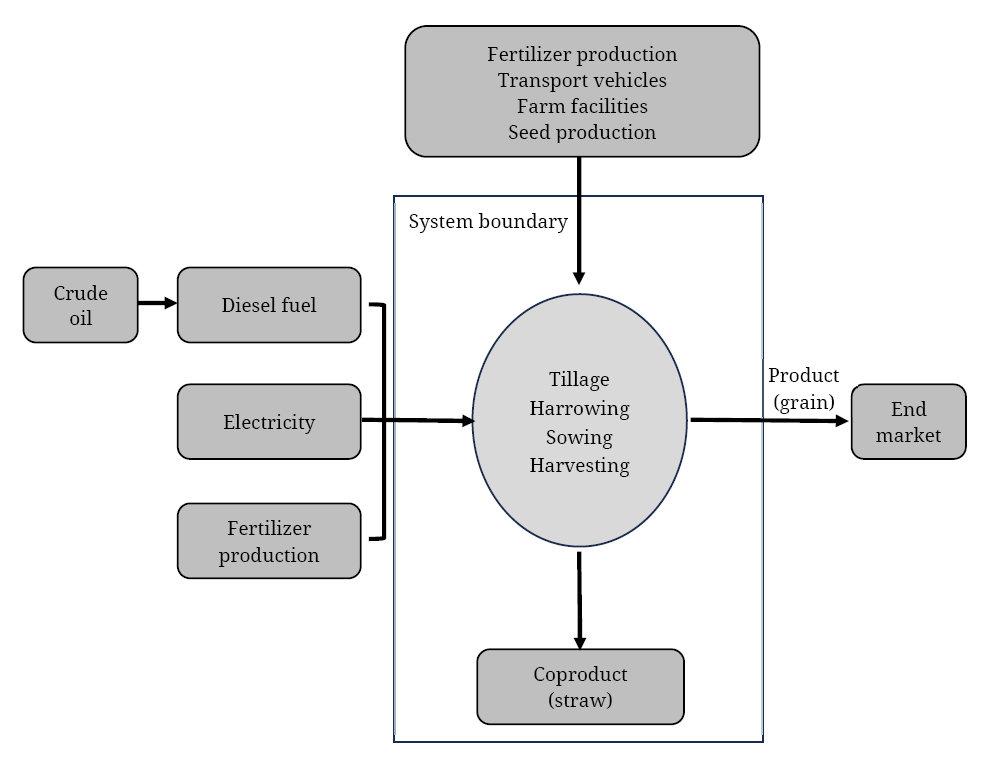 Figure 5. System boundary.
Operational GHG emissions were calculated from diesel consumption associated with each agricultural operation.
where GHG represents emissions (kg CO2eq/ha), FC is fuel consumption (L/ha), and EF is the diesel emission factor (kg CO2eq/L) obtained from CONCAWE. Fuel consumption was obtained from the technical coefficients used in the crop accounts.
Total operational emissions correspond to the sum of emissions from all field operations included within the defined system boundary:
Consequently, data previously used for the development of crop and investment accounts were also used to calculate GHG emissions. Technical coefficients related to traction, machinery, and materials were converted into an emission’s inventory. This way, the analysis does not constitute a full LCA, as indirect upstream and downstream emissions associated with machinery manufacturing, transport, industrial processing of inputs, and broader supply-chain processes were not included.
Carbon Sequestration Estimation
Carbon sequestration estimates were based on biomass productivity data and carbon conversion coefficients reported in the literature [22]. The assessment represents potential biomass-based carbon retention rather than direct measurements of long-term soil organic carbon storage.
Biomass production was first converted into dry matter (DM) using the moisture contents adopted for each crop and pasture system. The carbon stored in biomass was then estimated assuming that carbon represents 50% of dry biomass:
where C is the carbon stored in biomass (t C/ha) and DM is dry matter production (t/ha).
Finally, carbon was converted into carbon dioxide equivalent using the molecular weight ratio between CO2 and C:
The resulting values express the potential amount of atmospheric CO2 retained in plant biomass and are reported as carbon sequestration (t CO2/ha).
Comparative AnalysisThe assessment considered total implementation costs, operational costs, GHG emissions, estimated carbon sequestration potential and implications for climate adaptation and agricultural resilience.
The aim of the analysis was to identify the extent to which agriculture practices, specifically conventional seeding and direct seeding, using the crop account combined with the previously described TRACE methodology, may contribute simultaneously to reducing operational emissions, improving soil conservation, enhancing ecosystem resilience, and supporting sustainable agricultural production under increasing climatic pressure.
Because the study was based on heterogeneous real-world farming systems rather than replicated experimental plots, the results are interpreted primarily in analytical and exploratory terms. The objective is to identify relevant economic and environmental trends associated with different agricultural management approaches.
Limitations of the StudyThe study has some limitations that should be acknowledged. The GHG assessment was based on a partial carbon accounting approach and did not include complete life-cycle emissions associated with all stages of agricultural production, while carbon sequestration estimates were based on coefficients from the literature rather than direct long-term soil measurements. The analysis was also based on real farming systems, implemented under heterogeneous field conditions, and the economic results remain sensitive to climatic variability, market conditions, energy prices, and farm-specific management practices. Despite these constraints, the methodological approach still offers relevant insights into the economic and environmental performance of conventional and direct seeding practices under Mediterranean dryland conditions, the PNVG, and shows potential as an operational tool to support farmers and decision-makers in advancing agricultural sustainability and climate adaptation strategies at the farm level.
An additional limitation arises from the use of fixed technical coefficients to construct the crop and investment accounts. Standardized values were adopted for machinery working time, fuel consumption, labor requirements, biomass productivity and emission factors in order to ensure methodological consistency across production systems. However, these coefficients may vary according to soil texture, field slope, machinery condition, operator efficiency, weather conditions and farm management practices. Consequently, the absolute values reported for costs, GHG emissions and carbon retention should be interpreted as comparative estimates within the proposed framework rather than universally applicable values. The framework itself is transferable, whereas its numerical outputs should be recalibrated whenever local technical coefficients are available.
The application of the proposed framework demonstrates that conventional crop and investment accounts can generate both economic and environmental indicators from the same technical dataset. Rather than constituting an independent environmental accounting procedure, the TRACE methodology complements existing agricultural accounts by converting machinery operations, fuel consumption and biomass production into operational GHG emissions and biomass-based carbon retention indicators. The framework therefore produces three complementary outputs: (i) annual crop accounts, (ii) comparative investment accounts, and (iii) integrated environmental indicators derived from both accounting approaches.
Environmental Extension of Annual Crop AccountsThe oat and yellow lupin accounts (Tables 2 and 3) illustrate the methodological extension of conventional crop accounting. Their objective is not to compare production technologies, since only direct seeding was implemented for these crops, but to demonstrate that the technical information routinely recorded in annual crop accounts can also support environmental assessment. By incorporating operational GHG emissions and biomass-based carbon retention into the same accounting structure, the framework expands the traditional economic role of crop accounts without modifying their underlying logic.
This represents an important practical contribution because most farms already compile the information required to prepare crop accounts, including machinery use, labor, fuel consumption and input requirements. Consequently, environmental indicators can be generated from existing farm management data, avoiding the need for separate accounting systems and facilitating their use in routine decision-making.
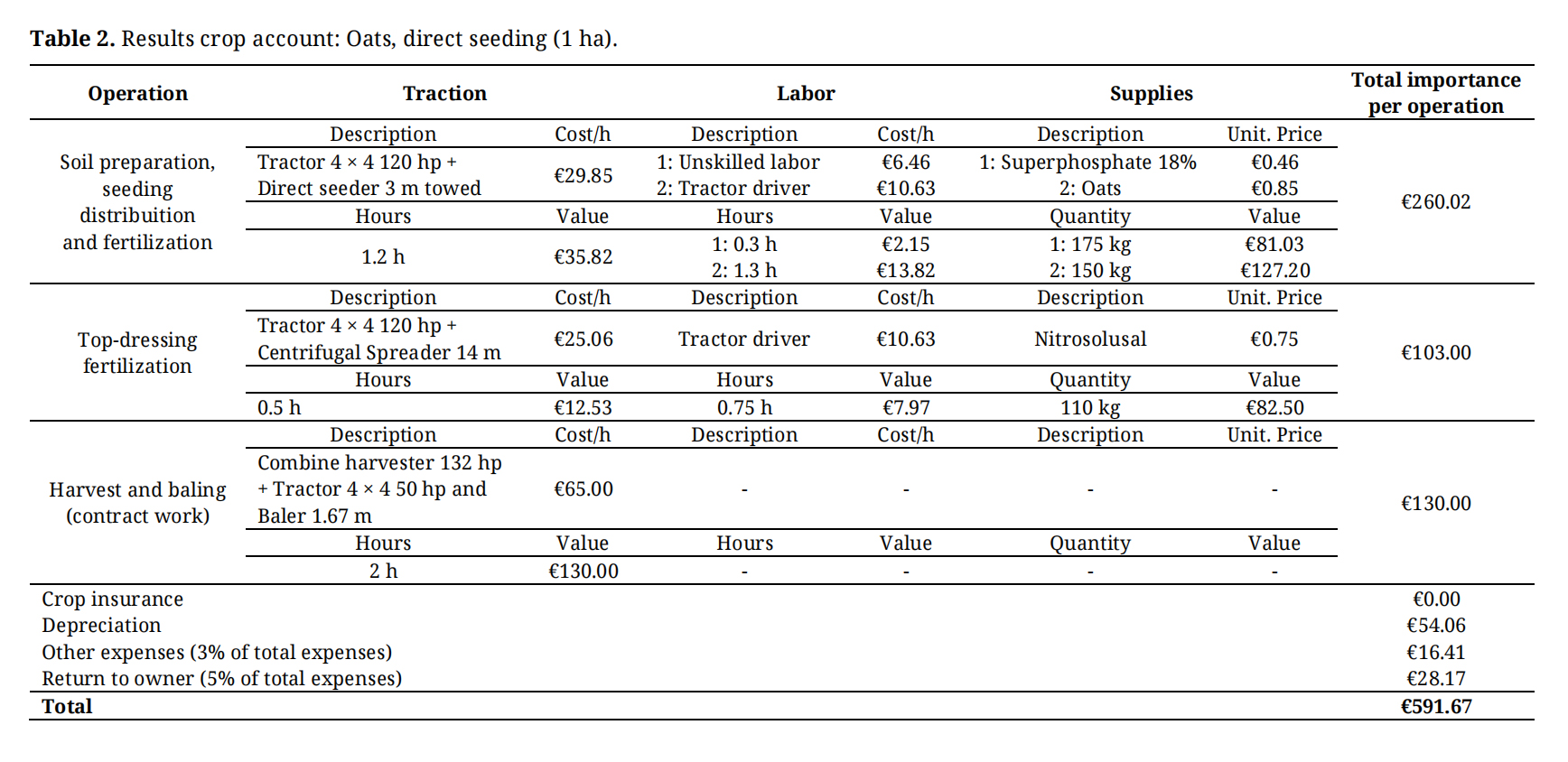 Table 2. Results crop account: Oats, direct seeding (1 ha).
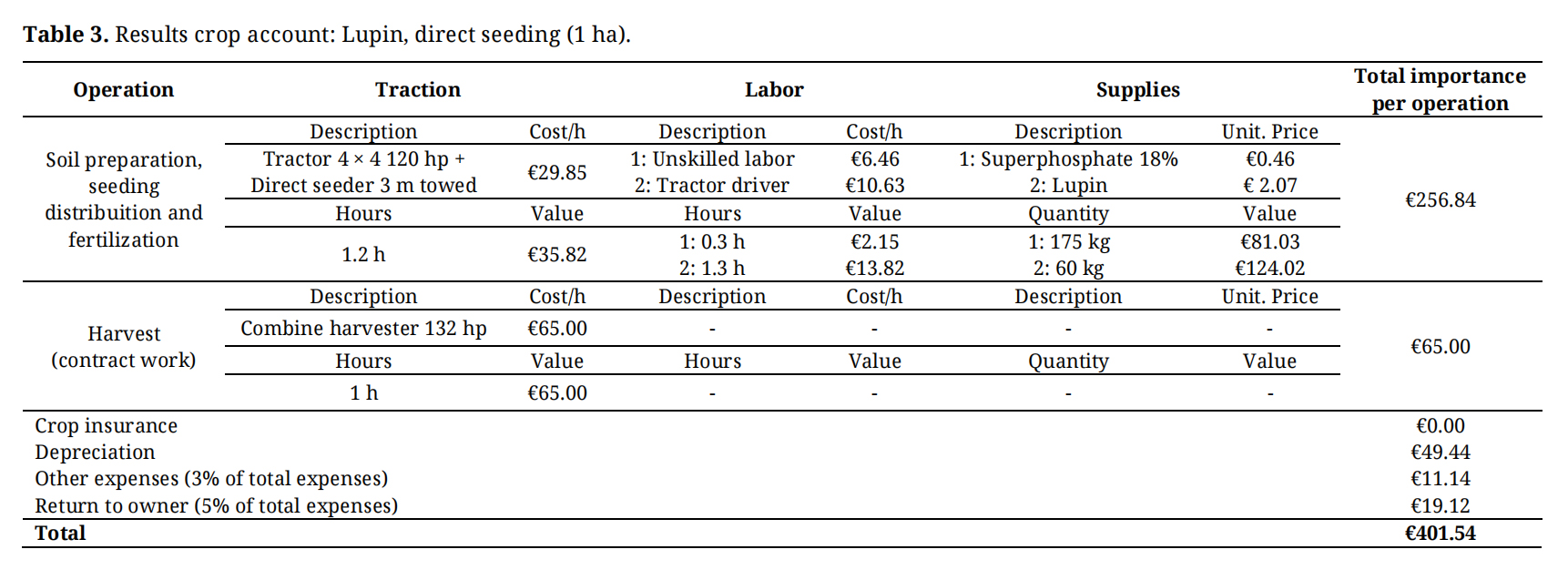 Table 3. Results crop account: Lupin, direct seeding (1 ha).
The permanent pasture investment accounts (Tables 4 and 5) provide the comparative component of the framework by evaluating conventional and direct seeding under the same accounting methodology. Unlike the annual crop accounts, these investment accounts enable the economic and environmental implications of alternative establishment technologies to be directly assessed.
Direct seeding required substantially fewer field operations than conventional establishment, eliminating soil preparation and seedbed formation while reducing machinery use, labor requirements and fuel consumption. These operational differences were directly reflected in lower implementation costs, demonstrating that reduced mechanization improves operational efficiency while simultaneously decreasing resource consumption.
These findings are consistent with previous studies reporting that conservation agriculture reduces operational intensity through lower fuel use and reduced soil disturbance, particularly under Mediterranean dryland conditions [4,12]. Beyond the immediate economic benefits, fewer mechanized operations also increase the likelihood of completing sowing within narrow periods of adequate soil moisture, thereby improving the operational resilience of farming systems exposed to irregular rainfall.
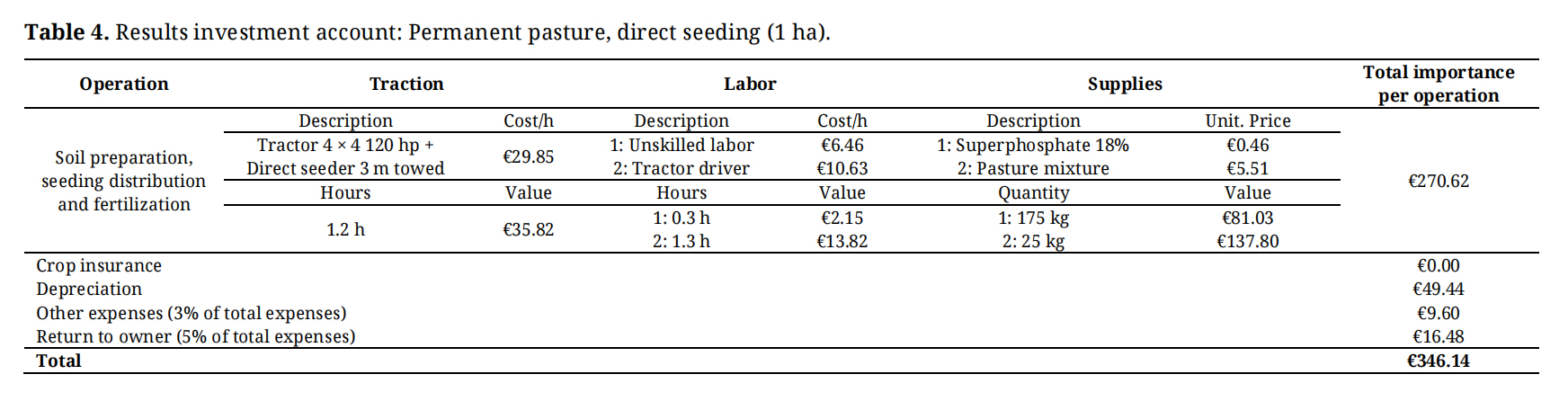 Table 4. Results investment account: Permanent pasture, direct seeding (1 ha).
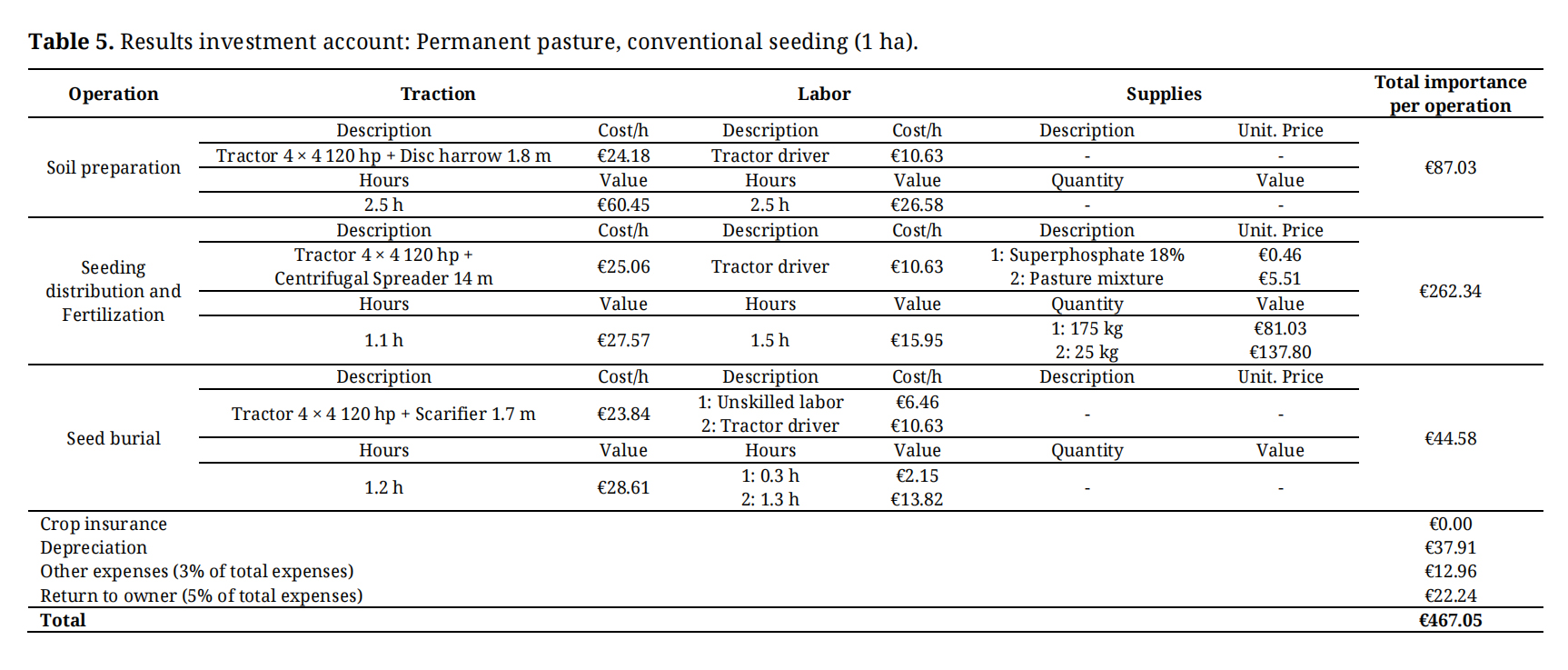 Table 5. Results investment account: Permanent pasture, conventional seeding (1 ha).
The final stage of the framework converts the technical coefficients contained in crop and investment accounts into environmental indicators. Table 6 summarizes operational GHG emissions, biomass production, estimated carbon retention and net carbon balance for the production systems analyzed. These indicators are not generated through a separate environmental inventory but are derived directly from the same technical information used to construct the economic accounts, illustrating the integration of environmental and economic assessment within a single methodological framework.
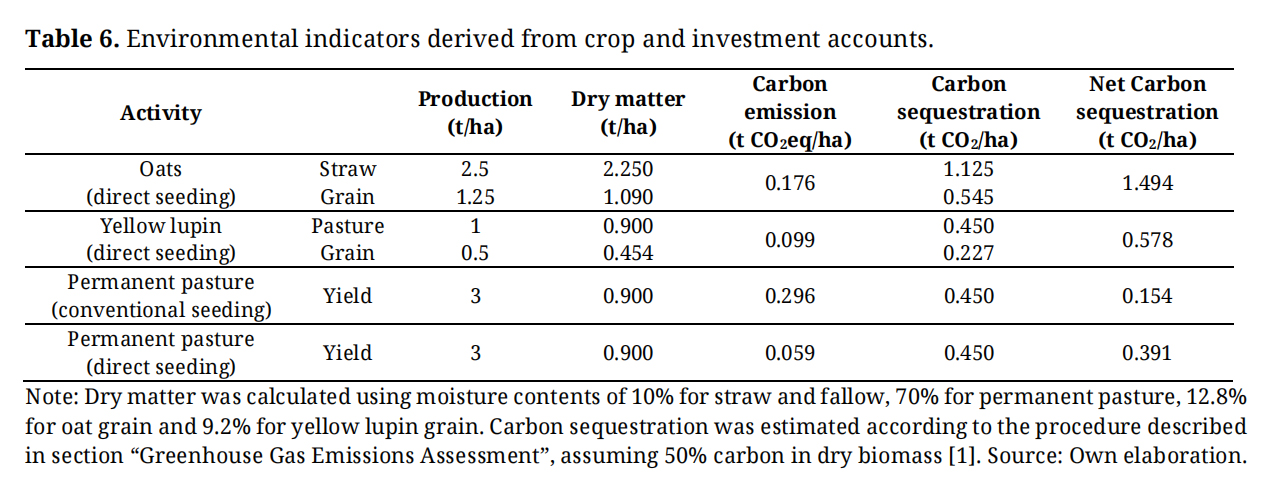 Table 6. Environmental indicators derived from crop and investment accounts.
For oats and yellow lupin, the carbon values demonstrate that biomass production can be incorporated into annual crop accounts as an additional environmental indicator. This application is methodological rather than comparative, since its purpose is to show how conventional agricultural accounting can include climate-related information while maintaining its practical structure.
For permanent pasture, however, the environmental indicators also support technological comparison. Operational GHG emissions decreased from 0.296 t CO2eq ha−1 under conventional seeding to 0.059 t CO2eq ha−1 under direct seeding, reflecting the substantially lower number of mechanized operations and reduced diesel consumption. These results reinforce the evidence that direct seeding contributes to climate mitigation primarily through reductions in operational emissions associated with agricultural activities rather than through changes in production output.
The carbon indicator adopted in this study should be interpreted within the distinction between emission reduction and carbon removal proposed by McDonald (2024) [10]. The reported values represent potential carbon retained in aboveground biomass, estimated using standardized IPCC conversion coefficients, rather than direct measurements of long-term soil organic carbon accumulation. This distinction improves methodological transparency and avoids attributing permanent soil carbon sequestration to short-term biomass production.
The inclusion of permanent pasture within the framework is also supported by previous research demonstrating that land-use transitions substantially influence regional carbon balances. Carvalho et al. (2010) [14] showed that converting pastureland into cropland may generate significant carbon losses, highlighting the importance of pasture establishment and management within climate mitigation strategies. Similarly, Guangdi et al. (2022) [9] emphasized that perennial pasture systems contribute differently to greenhouse gas balances than annual cropping systems, reinforcing the relevance of evaluating both production systems within an integrated accounting framework.
Implications for Integrated Sustainability AssessmentTaken together, the three groups of results demonstrate the complementary nature of the proposed framework. Annual crop accounts provide evidence that environmental indicators can be incorporated into conventional crop accounting; investment accounts enable the comparison of alternative establishment technologies; and the integrated environmental indicators create a common basis for jointly evaluating economic and environmental performance across both accounting approaches.
Unlike conventional sustainability assessment methods that frequently require independent environmental datasets, the proposed framework uses information already available in farm management systems to generate operational indicators relevant for both producers and decision-makers. This characteristic increases its practical applicability while maintaining compatibility with existing agricultural accounting procedures.
The results should nevertheless be interpreted within the methodological scope of this applied case study. The analyses were conducted under commercial farming conditions using standardized technical coefficients to ensure comparability among accounts, and therefore the numerical values represent comparative estimates rather than statistically generalizable relationships. Likewise, the carbon values should be understood as biomass-based carbon retention rather than measurements of permanent soil carbon storage. The transferability of the framework lies in its methodological structure, whereas its numerical outputs should be recalibrated whenever local technical coefficients and field-specific data are available.
The Territorial Program +Solo +Vida promoted agricultural practices aimed at improving environmental sustainability and strengthening the resilience of Mediterranean farming systems under climate change. Within this context, this study developed and applied an integrated assessment framework combining crop accounts with the TRACE methodology to jointly evaluate the economic and environmental performance of agricultural production systems. The proposed framework consists of five sequential stages: (i) collection of farm technical data; (ii) preparation of crop and investment accounts; (iii) estimation of operational GHG emissions and biomass-based carbon retention using TRACE; (iv) integration of economic and environmental indicators; and (v) sustainability assessment to support farm-level decision-making.
The methodological contribution of this study is to demonstrate that conventional crop accounts can be expanded by incorporating operational GHG emissions and biomass-based carbon retention as environmental indicators, thereby transforming a purely economic accounting tool into an integrated sustainability assessment framework.
By integrating technical coefficients, machinery operations, fuel consumption and biomass production within a single analytical framework, the methodology enables economic and environmental information to be assessed simultaneously using data which is already available in farm management systems.
The application of this framework to conventional and direct seeding systems showed that direct seeding reduced implementation costs through lower labor, machinery and fuel requirements while also generating substantially lower GHG emissions. The inclusion of biomass-based carbon sequestration estimates further illustrates how the combined approach provides a more comprehensive assessment of production systems than economic accounts alone.
The results should, however, be interpreted within the methodological scope of the study. The analyses were conducted under commercial farming conditions and are intended to illustrate the applicability of the proposed framework rather than establish statistically generalizable relationships. Likewise, carbon sequestration estimates represent potential carbon retention associated with biomass production and do not quantify long-term soil carbon accumulation.
Rather than proposing a new accounting system, this study demonstrates how an existing farm management tool can be expanded to incorporate environmental information, thereby providing a practical framework for integrated sustainability assessment.
As environmental accounting becomes increasingly relevant for agricultural policy and farm management, this type of integrated assessment may support more informed decision-making and contribute to the further development of farm-level sustainability assessment and carbon accounting approaches.
The dataset of the study is available from the authors upon reasonable request.
Conceptualization, MdBCF and CRA; methodology, MdBCF and CRA; validation, MdBCF; formal analysis, MdBCF and CRA investigation, MdBCF; CRA; AR and IDF; resources, AR and IDF; data curation, AR and IDF; writing—original draft preparation, AR; writing—review and editing, MdBCF; visualization, MdBCF and AR; supervision, MdBCF and CRA; project administration, MdBCF and CRA; funding acquisition, MdBCF and CRA All authors have read and agreed to the published version of the manuscript.
The authors declare that they have no conflicts of interest.
This research was funded by EEA Grants under the project grant number 10ID00195-12_CALL#5_ Programa territorial “+SOLO +VIDA”.
The authors acknowledge MED (https://doi.org/10.54499/UID/05183/2025) and CHANGE (https://doi.org/10.54499/LA/P/0121/2020). The authors are also grateful to the farmer producers who agreed to share their data.
1.
2.
3.
4.
5.
6.
7.
8.
9.
10.
11.
12.
13.
14.
15.
16.
17.
18.
19.
20.
21.
22.
Costa Freitas MdB, Rodrigues A, Filip ID, Antunes CR. An Integrated Economic and Environmental Assessment Framework Based on Crop Accounts: A Mediterranean Case Study. J Sustain Res. 2026;8(3):e260079. https://doi.org/10.20900/jsr20260079.

Copyright © Hapres Co., Ltd. Privacy Policy | Terms and Conditions


