Location: Home >> Detail
J Sustain Res. 2026;8(4):e260084. https://doi.org/10.20900/jsr20260084
 ,
Tatiana Yeraldin Galindo Cano 1 ,
Mercedes Gaitan Angulo 2,*
1
2
*
This article focuses on change management and technological transformation in Colombian public organizations, and develops context-specific change-management strategies based on a case study. This study draws on contemporary perspectives on change management and digital transformation, which constitutes key areas of learning for public organizations. The methodology used was primarily qualitative and comprised of two complementary phases. The first phase involved a systematic review of change management in public organizations undergoing technological transformation to analyze the trends and gaps in this field of knowledge. The second phase comprised a case study of a Colombian public organization currently undergoing technological transformation, in which semi-structured interviews were conducted to understand employees’ perceptions. The results highlighted the growth of academic research on this topic over the last decade, and the limited progress made in Latin America, revealing a conceptual gap in the literature. Similarly, the case study indicated that the public organization under study must address current tensions by implementing awareness-raising strategies, providing training, establishing new communication channels, and fostering participatory management to successfully advance the ongoing technological transformation. The principal contribution of this study is the development of a governance-based Change Management Capability framework that explains how governance mechanisms can enable sustainable technological transformation in public organizations. This is particularly relevant in the context of sustainability, as it prompts reflection on the appropriate use of technology and how such use aligns with respecting employees’ cultural identities within rapidly changing digital environments.
The global context has evolved in ways that make changes increasingly rapid and unpredictable. The perception of stability has diminished, as the emerging dynamic is based on the ability to learn, unlearn, and relearn, compelling human talent to develop survival skills based on creativity, willingness, and attitude toward complexity [1]. In this context, economic, cultural, environmental, social, and technological factors are increasingly changing; therefore, organizations must adapt to these evolving conditions.
This evolution in the external environment has generated a series of new paradigms that are transforming management into organizations, highlighting the adoption of new technologies as a challenge for any organization. In this scenario, the Fourth Industrial Revolution is defined as a conglomeration of technological advances that constitute a disruptive leap forward on a global scale, accelerating growth and productivity. These technologies have rapidly transformed organizational management via applications such as: (a) systems integration, (b) robotics, (c) the Internet of Things, (d) additive manufacturing, (e) big data, (f) cloud computing, (g) virtual environment simulation, (h) artificial intelligence, (i) cybersecurity, and (j) augmented reality [2].
In public management models, the primary objective is to prioritise societal interests by promoting efficiency, time savings, and modernization, as well as substantial improvements in public employee performance [3]. Consequently, State organizational structures must be transformed, recognizing that these new technologies can enhance capabilities, improve effectiveness, and enhance the capacity of public institutions to respond to user needs [4]. Nevertheless, a gap persists between the objectives of public management and the concrete outcomes achieved through these processes.
Organizational change management processes can address this gap by enabling technological evolution via mobilization of resources, capabilities, structures, and people toward new organizational configurations that enhance effectiveness and adaptability to environmental changes.
Organizational change refers to the process through which employees, organizations, or specific organizational areas are modified by replacing one set of behaviors with another. This process must consider the content, process, context, and success criteria across interacting dimensions that connect agents with change recipients [5].
Governance in public organizations can be understood as the set of structures, decision-making arrangements, accountability mechanisms, and coordination practices through which organizational actors establish priorities, allocate responsibilities, and guide collective action toward institutional objectives [4,6]. Governance constitutes an organizational and institutional condition that provides direction, coordination, accountability, and participation in technological transformation processes, particularly within public organizations. Technological transformation influences internal operations as well as accountability, professional roles, service delivery, and institutional relationships [7].
Digital governance refers to the application of governance principles within technology-enabled environments, integrating digital information, technological infrastructure, decision-making processes, transparency, participation, and coordination mechanisms to foster public value creation [4,7]. Therefore, digital governance encompasses the implementation of digital technologies as well as the organizational and institutional arrangements required to guide their coherent, accountable, and sustainable use. Conceptually, these constructs operate at different but interrelated levels. Governance represents a wider institutional and organizational condition that underpins direction, accountability, coordination, participation, and decisions [6]. Within this governance context, change management is the process through which an organization prepares, implements, coordinates, and consolidates technological and organizational change [8]. Organizational capabilities support this process and include transformational leadership, strategic communication, employee participation, organizational learning, and stakeholder engagement [9,10]. These capabilities translate governance arrangements into concrete change-management actions and influence whether technological transformation generates organizational learning, adaptation, and sustainable outcomes or, alternatively, resistance and implementation difficulties. Accordingly, the conceptual relationship proposed in this study can be expressed as follows: governance provides structural conditions; change management operationalizes the transformation process; organizational capabilities enable and mediate this process; and sustainable technological transformation represents the principal organizational outcome.
Change-management processes in public organizations tend to be more complex than those in private organizations. This complexity emerges because public officials traditionally maintain more formal relationships with their organizations, which operate via bureaucratical arrangements characterized by hierarchical structures, clearly defined roles, and established rules, while making limited progress in decentralizing decision-making power. Sánchez-Huamán et al. (2023) [11] explains that these processes face limitations, such as corruption, inequality, and a lack of citizen participation, requiring greater efforts to reduce resistance to change and foster the development of a shared vision that reflects the institutional context.
Similarly, changes in management practices related to technological transformation contribute to business success. In this context, technological transformation is closely associated with technological innovation and variables such as flexibility and the emergence of collaborative cultures. This synergy, accompanied by managerial leadership processes, training, establishment of communication channels, skill development, and active participation at all organizational levels, facilitates cultural change and adaptation to new organizational structures [12].
Although previous studies have independently examined organizational change, digital transformation, and public management, limited attention has been devoted to explaining how governance capabilities shape technological transformation in public organizations operating under institutional constraints. Governance encompasses the set of skills, norms, and resources that enable an organization to effectively manage people and resources. In this context, such capacity evolves through social learning, as individuals, communities, and organizations develop collective solutions to environmental challenges by drawing on prior experiences and aligning their effort with capacity building [13,14].
Digital transformation entails significant organizational advancement and extends beyond the mere use of software, technological tools, prototypes, processes, and specialized knowledge, as the simple transfer of knowledge and techniques between organizations remains insufficient [15]. Furthermore, digital transformation seeks to enhance process efficiency by transforming organizational culture and business models and aligning the organization’s vision to prioritize the digital environment over in-person interactions. From this perspective, the bulk of empirical evidence on technological transformation has been generated in highly digitized countries, leaving emerging economies underrepresented in literature. Consequently, the theoretical understanding of how governance structures, organizational culture, leadership, communication, and employee participation interact to facilitate or hinder technological transformation in the public sector remains insufficient.
The literature on change management is extensive but remains limited in the public sector, particularly in relation to technological transformation. Therefore, expanding knowledge of these types of organizations is necessary to identify practices that mitigate the effects of resistance to change and inform the design of public policies, adaptations in organizational culture, and future implementations that contribute to improved management. Similarly, Alvarenga et al. (2020) [7] note the limited body of research related to digital government and knowledge management, despite the relevance of these areas for promoting citizen participation.
Accordingly, this study addresses this theoretical gap by proposing that successful technological transformation should be understood as a governance-driven socio-organizational process rather than merely as a technological implementation process. Based on a systematic literature review and an empirical case study conducted in a Colombian public organization, this study develops an integrative explanation of how governance-based change management capabilities influence digital transformation outcomes in emerging public organizations. This perspective is crucial because the capacity for change management offers an opportunity to transform processes by fostering teamwork and the effective resolution of contextual problems. Strategic agility plays a fundamental role as a mediator in change management [16]; furthermore, in the context of technological transformations, digital competencies and change-management capabilities are positively associated with technology adoption [17].
The theoretical contribution of this study is the development of the Governance-Based Change Management Capability (GBCMC) framework, which integrates public governance, organizational change management, and technological transformation. The framework conceptualizes governance as the broader institutional and organizational conditions that provide direction, accountability, coordination, and participation; change management as the process through which technological transformation is implemented and consolidated; and organizational capabilities as the mechanisms that enable this process [9,10] This perspective extends previous discussions of governance mechanisms by explaining how governance-related systems and processes can impact the organizational conditions under which technological transformation occurs in public organizations. In addition, the empirical contribution derives from a case study of a Colombian public organization undergoing technological transformation.
Governance-based change management capacity acts as a mechanism that transforms sustainability practices and norms into tangible initiatives within an organization. Clearly, for sustainability to become a genuine practice within organizations, it must be integrated into strategic business management; this requires leadership that drives—through planning—the setting of objectives and allocation of resources, as well as the monitoring of their fulfillment. Such management ensures an organizational culture characterized by democratic values, thereby institutionalizing the change management process by embedding it within the regulatory framework and, consequently, into daily tasks. Finally, this approach engages the stakeholders within the organization’s social fabric, demonstrating that the focus extends beyond the pursuit of profitability, economic growth, or market positioning; it represents a genuine commitment to humanistic management rather than “greenwashing,” ensuring that change management aligns with the needs of the social actors present in the organization’s context [18].
The evidence identifies concrete organizational challenges in the implementation process, including resistance to change, limited communication, insufficient participation, inadequate training, work overload, and difficulties in adapting to the technological system. These findings provide contextual evidence from an emerging economy public organization and demonstrate how governance and change management mechanisms impact employees during technological transformation. These findings are consistent with previous studies showing that organizational barriers, managerial support, and organizational conditions influence digital transformation in public organizations [19]. Furthermore, the methodological contributions of this study derive from sequential integration of a systematic literature review and a qualitative case study. A literature review was used to identify theoretical patterns and research gaps, and the empirical case study provided evidence for refining the proposed explanatory framework. Therefore, the combination of documentary analysis and semi-structured interviews enabled the study to connect patterns identified in the literature with organizational experiences in a specific public sector context. This sequential logic is consistent with the broader value of combining different methodological approaches to studying organizational change in the public sector, particularly where contextual and experiential dimensions are relevant [20].
In this study, technological transformation refers to the wider organizational process through which new technologies change the structures, roles, processes, capabilities, and relationships among institutional actors. Digital transformation is a type of technological transformation based on digital technologies, data, connectivity, and digitally enabled processes. Therefore, we use the term technological transformation to describe the process and refer specifically to studies that employ this terminology.
Finally, the practical contribution of this study is the identification of organizational actions that may support technological transformation in public organizations, particularly through participatory leadership, transparent communication, employee training, continuous learning, feedback mechanisms, and cross-functional collaboration. These recommendations are intended to support managers and public organizations in addressing resistance and improving technological adaptation. These recommendations should be interpreted as context-sensitive measures derived from the analyzed case rather than universally applicable prescriptions.
The research primarily employed a qualitative approach to analyze change management and its connection to technological transformation in Colombian public companies. In this context, the scope of this study was descriptive and performed in two complementary stages. First, a systematic literature review was conducted, followed by a case study informed by the findings of this analysis.
The systematic review facilitated the critical interpretation of the main features of the literature on change management in public organizations, as well as its connection to technological transformation in these types of processes. These documentary findings were analyzed following the guidelines of the PRISMA 2020 protocol (Preferred Reporting Items for Systematic Reviews and Meta-Analyses), which provides a systematic procedure for searching, selecting, and synthesizing relevant information. The search was conducted in high-impact journals indexed in the Scopus and Web of Science databases. The following search equations were applied to titles and abstracts:
(“change management” OR “knowledge management” OR “information management” OR “knowledge transfer”) AND (“technological transformation” OR “digital transformation” OR “artificial intelligence” OR technology* OR “Industry 4.0” OR “big data”) AND (“public organization*” OR “government organization*” OR “public management” OR “public administration” OR government).
The systematic review also followed the PRISMA 2020 guidelines. Two researchers independently selected articles. Discrepancies were resolved through academic discussions. Interrater agreement was assessed using Cohen’s kappa coefficient, which yielded a value of 0.82, indicating a high level of agreement.
The selected studies were classified according to their methodology, country of origin, theoretical approach, and primary results. Appendix A provides a synthesis table of the reviewed studies. Articles published between 2020 and 2025 in Spanish and English were included. Other time periods were excluded because we wanted to analyze the most recent evolution of the topic, as advances in new technologies, particularly those of the Fourth Industrial Revolution, have become increasingly widespread over the past decade. In addition, different types of documents such as book chapters and conference papers were excluded because of their low scientific rigor. It should be noted that the search was not limited to academic publications within the country given the relatively limited output on this topic.
Documents were selected in three stages: (a) identification of records retrieved using the search equation, (b) projection, eliminating records that did not correspond to the topic of interest or were duplicates, and (c) inclusion and a complete review of the documents to confirm thematic relevance and alignment with the proposed objective (Figure 1). Notably, studies not directly related to the research topic were excluded.
Consequently, the PRISM flowchart presents the elimination of articles related to (a) technological adoption in the private sector, (b) research in teaching and pedagogy, (c) university-business-government relations, (d) studies related to technology that did not address the public sector, and (e) sustainability and green innovation without a connection to government. The selected documents were analyzed using content analysis techniques, facilitating the identification of categories, patterns, and trends related to knowledge management and its connection to technological transformation in public organizations. The results from this stage were processed using VOSViewer and subsequently used as the input for developing the instrument employed in the case study.
The clustering procedure in VOSviewer is based on the co-occurrence of keywords extracted from the selected publications. The software grouped the terms according to their frequency and relational strength, generating thematic clusters that enabled the identification of dominant research trends in the field.
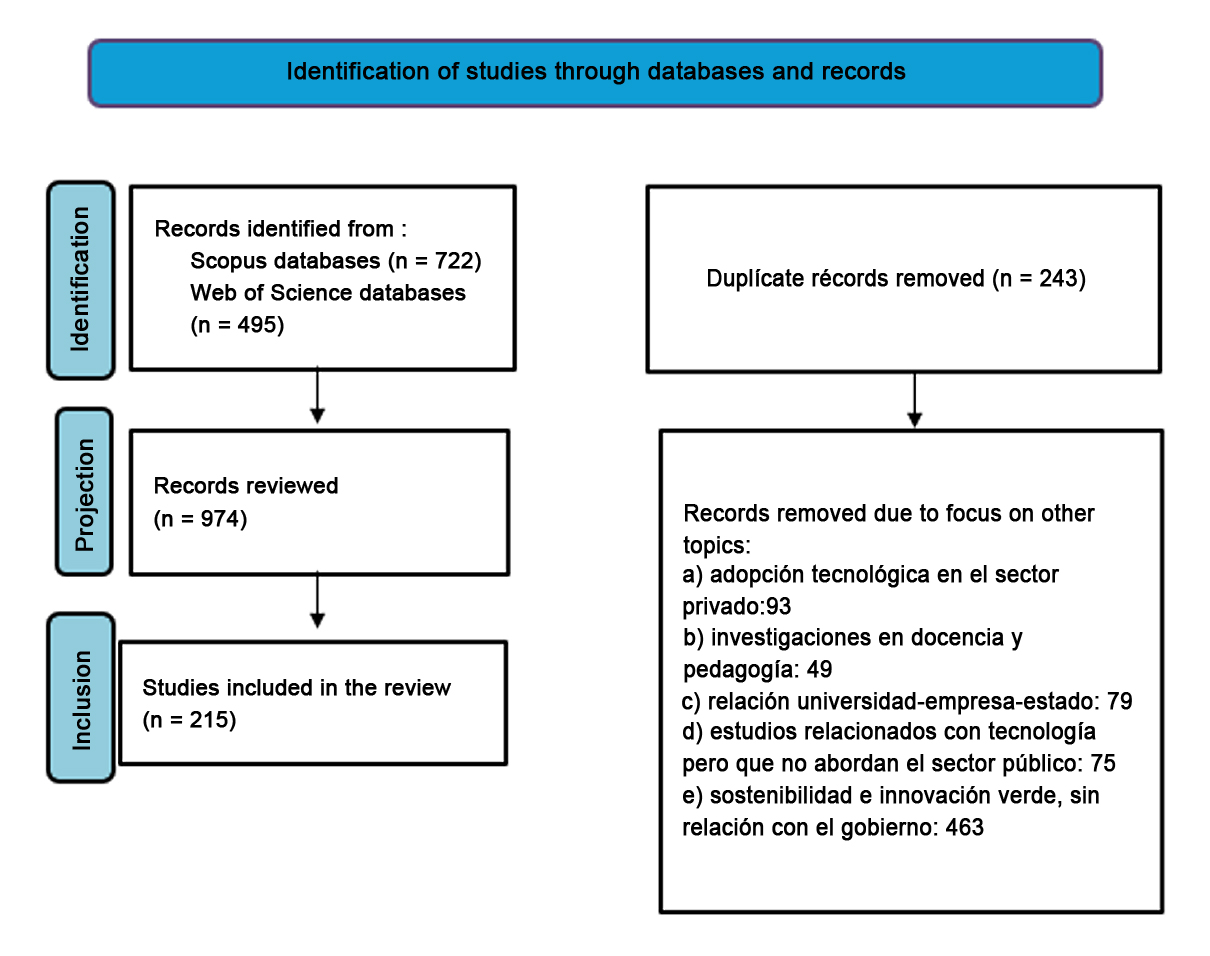 Figure 1. PRISMA Flowchart of the Systematic Literature Review.
Subsequently, a case study was conducted to compare the results of the systematic review. For this purpose, a public organization within the central government system of one of the country’s main cities was selected. This organization is currently undergoing a change management process associated with technological transformation and plays a strategic role in the economic performance of the city.
Semi-structured interviews were conducted in 2025 with customer service employees in the organization under study. The purpose of the interviews was to understand employees’ perceptions of the organization, particularly regarding mitigation strategies, training, and participation in decision-making related to the adoption of technological programs. A non-probability convenience sampling method was employed. The selection criteria included career civil servants with at least three years of experience in the organization and, therefore, familiarity with the current technological transformation process. Notably, this customer service area was selected because these officials possess in-depth knowledge of users’ concerns; therefore, their perspectives are relevant when analyzing the organization’s technological change and its effects on their daily work.
The interview format was reviewed in advance by academic peers. Following data collection, the interviews were transcribed and anonymized according to ethical criteria. The final data were processed using Atlas.ti software, which facilitated the coding, correlation, and interpretation of the most salient categories in the interviewees’ discourse, thereby identifying convergences and differences for subsequent critical analysis. The coding process was performed in three stages: (a) open coding, which divided the interviews into segments and facilitated the generation of codes; (b) axial coding, which facilitated the regrouping and organization of codes to minimize redundancy and establish clear boundaries between them; and (c) selective coding, which was conducted through a collaborative review of the codes supported by network mapping to define the final relationships among the categories presented in this study. Appendix B presents the results of the coding process. The coding process was performed individually by each researcher and subsequently reviewed by the team to ensure accuracy of the interpretation. Notably, for the data analysis, the categories were visualized as networks, and co-occurrence and code-document analyses were performed; these analyses subsequently informed the construction of Sankey diagrams.
Validity and Reliability StrategiesWe conducted semi-structured interviews. Data collection continued until theoretical saturation was reached, at which point no new analytical categories emerged.
The coding process was conducted in three stages: open, axial, and selective. An audit trail was maintained in ATLAS.ti to ensure analytical transparency. Furthermore, triangulation was performed between the findings of the systematic literature review and empirical evidence from the case study. Additionally, member checking was conducted with participants to verify the accuracy of their interpretations.
The sequential integration of a systematic literature review and qualitative case study was intentionally designed to move beyond descriptive analysis. Although the literature review identified theoretical patterns and research gaps, the empirical case enabled refinement of an explanatory framework capable of integrating governance, organizational change, and technological transformation into a single analytical perspective.
The findings of the literature review on academic production between 2020 and 2025 show a nonlinear but overall upward trend in research on knowledge management linked to technological transformation in the public sector, particularly from 2024 onwards (Figure 2). Notably, the COVID-19 pandemic appears to have increased academic publications on the topic, possibly owing to its relationship with the rapid digitization processes in this sector. However, a decline was observed between 2022 and 2023, potentially influenced by external political, technological, and governmental factors. Finally, since 2024, academic production has increased, coinciding with greater knowledge and dissemination of topics related to the Fourth Industrial Revolution applied to the public sector, such as artificial intelligence and big data.
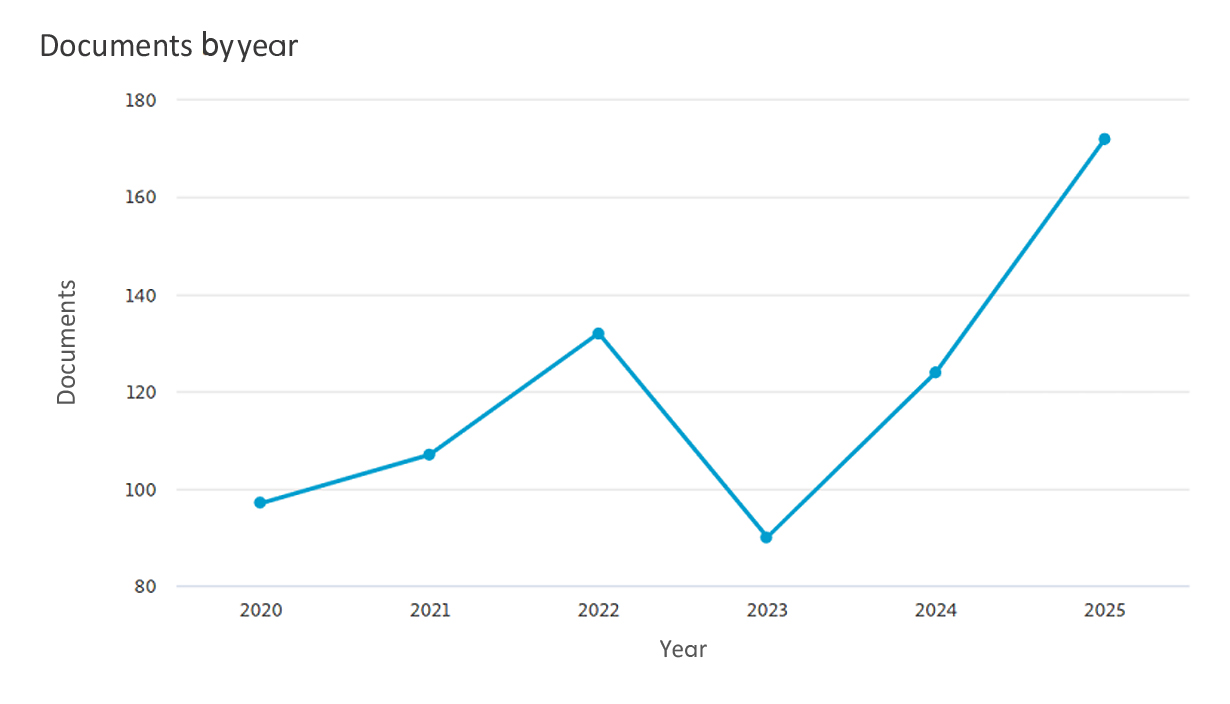 Figure 2.
Scientific production on change management and technological transformation in public organizations (2020–2025). Prepared by the authors using data extracted from the Scopus database, published by ELSEVIER (2025), based on the search equation: (Tourism OR “Tourism Development” OR “Tourism Management” OR “Tourist Destination” OR “Dark Tourism” OR “Sustainable Tourism”) AND (Peace OR “Peace Process” OR War OR Peacekeeping OR Peacebuilding OR Post-war).
A co-authorship network was identified using VOSviewer, in which the dominant authors were Surrender, Arvind, Nadiya, and Rani. Although no dominant nodes were identified, single publications were predominant. This pattern is consistent with the authors’ countries of origin, among which China, the United States, India, England, and Australia were the most prominent. Asian authors constitute the dominate group within this field of study. In this context, Latin America does not play a leading role in publications on this topic, reflecting the relatively limited integration of technology within the public sector.
In line with these findings, universities with the most active participation are those located in countries such as the Chinese Academy of Sciences, the University of Technology, Sydney, and the University of Johannesburg. However, no single institution represents a dominant share of this output. The co-authorship network is presented in Figure 3.
However, an analysis of co-occurrence revealed a more complex network that demonstrated the conceptual relationships resulting from academic production. Key terms such as information management, knowledge management, and governance were prominent in this context, acting as unifying elements and connecting multiple concepts. Notably, information management was particularly relevant in networks linked to variables such as e-government, risk management, climate change, smart cities, and the Internet of Things. These relationships indicate that academic production in this field is closely associated with new technologies and reflects a strong environmental concern that influences government management and planning.
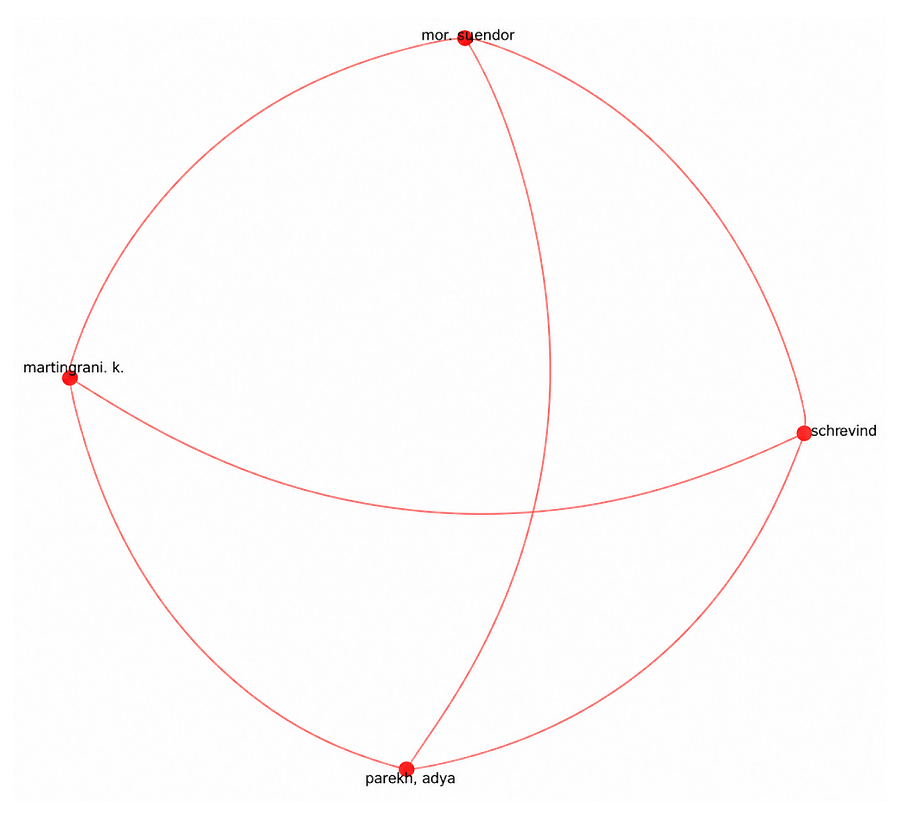 Figure 3.
Network of co-authorship of publications on knowledge management, linked to technological transformation in the public sector.
Notably, knowledge management is associated with variables, such as decision making, artificial intelligence, sustainable development, and digital transformation. These relationships indicate that in the current scenario, information does not stem from traditional sources; rather, technology plays a more prominent role. However, the objective of sustainability in the theoretical field has a certain preponderance, undoubtedly owing to concerns about the subject from academia and public institutions.
Finally, the concept of government is most closely associated with education, healthcare, technology, and communication. The first two areas relate to the mission of the State and its protective role, which was particularly impacted by the COVID-19 pandemic. Second, the integration of communication and technology demonstrates the growing potential of these technologies for public administration as they contribute to security, modernization, interoperability, ethical and effective management, and accountability to communities. However, limited progress in research on regional asymmetries and the barriers affecting the management of government institutions within this context remains a concern. The keyword co-occurrence network is presented in Figure 4.
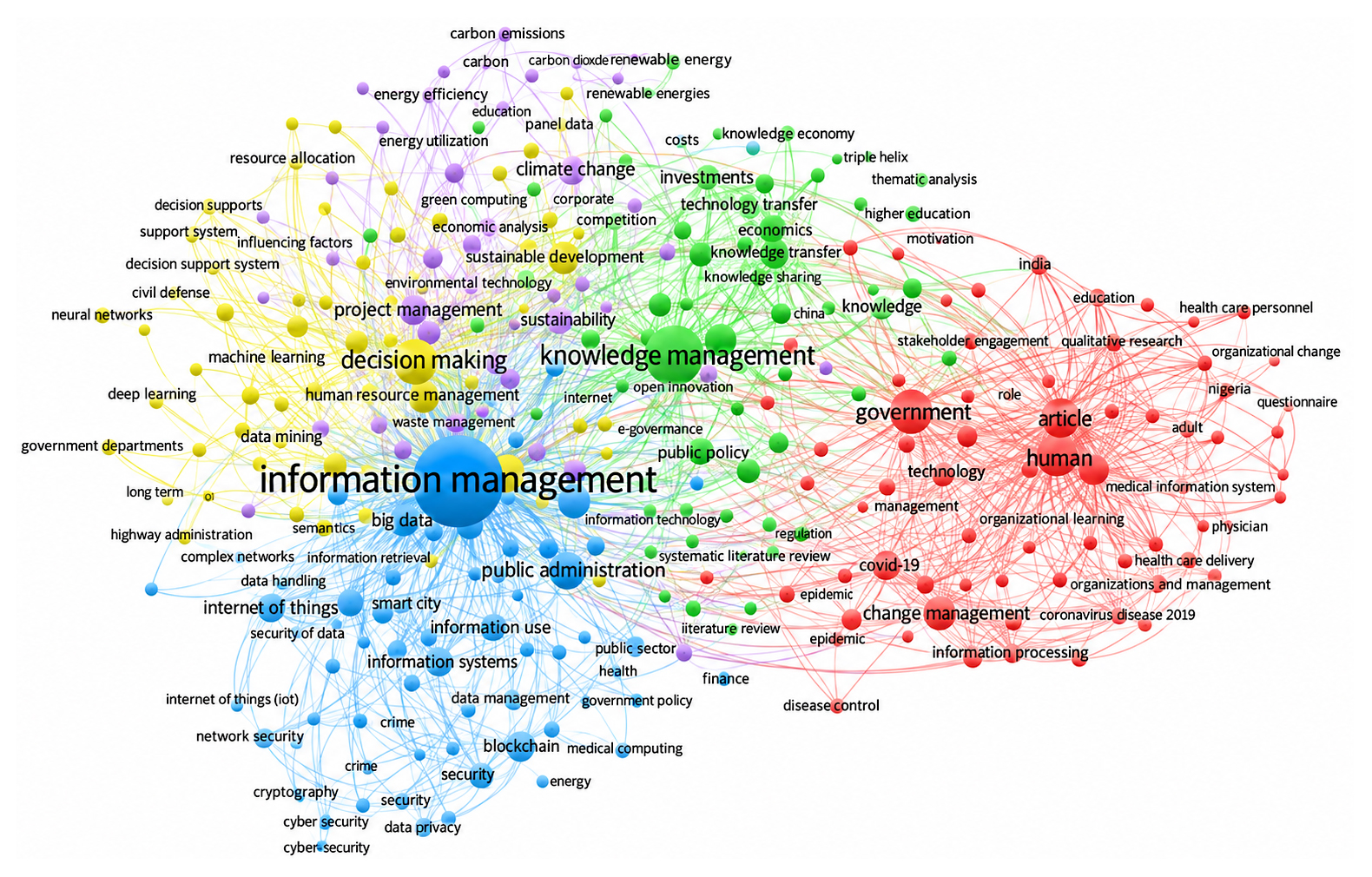 Figure 4.
Keyword co-occurrence network on knowledge management and technological transformation in the public sector.
Methodologically, most studies employ qualitative tools, such as interviews, document analysis (particularly those related to technological transformation), and case studies, thereby capturing elements that may remain inaccessible through more structured approaches. Survey results and structural equation models have been presented in only a few cases, which are generally cross-sectional and do not incorporate advances in organizational learning.
Overall, these findings provide a contextual analysis of knowledge management and highlight the greater relevance to private organisations as agents of social transformation. The literature also reveals public-sector scenarios characterised by institutional weaknesses. The review further highlights best practices and proposed models for structuring public policies, which can be strengthened by public-private partnerships and the inclusion of corporate norms and policies for growth and sustainability. Digital transformation is perceived as an enabler of knowledge management because it creates value through knowledge sharing, innovation, and facilitating cultural change within organisations. From this perspective, knowledge is viewed as an intangible resource that forms the basis of competitive advantage and drives innovation. Notably, the implementation of technologies is more effective when supported by change management and organizational learning aimed at improving performance. To a lesser extent, the review also highlights the use of technologies from the Fourth Industrial Revolution applied to the public sector and a range of studies on knowledge management that indirectly address technological transformation while emphasising the role of the government. Kassen (2022) [21] highlighted the utility of blockchain in the public sector as a platform for digital solutions with greater transparency and effectiveness. Khan et al. (2024) [22] referred to the impact of green knowledge management on technological innovation, highlighting the importance of artificial intelligence in partnerships with sustainability and innovation. Alvarenga et al. (2020) [7] show growth over the past decade of digital services in the government sector and its positive impact on citizen participation, highlighting the correlation between knowledge management and organizational learning. In line with these findings, other results from the review are discussed in greater detail below.
Across the board, the literature shows that the global context of rapid technological transformation has made change management an essential component of any organisation. Both private and public sectors must adapt their structures, models, procedures, and processes with specificities regarding their limitations, institutional dynamics, and motivations. Private companies driven by profitability and customer satisfaction tend to be more flexible in implementing changes [23]. However, they are under pressure from shareholders and financial markets, which can constrain their decision making. Conversely, public organisations, with the aim of serving the public interest, must contend with increasingly stricter regulations, contribute to the diversification and sophistication of the economy, while also promoting innovation [4]. Public administration in Latin America has also moved away from bureaucratic-style management systems to the current model based on performance assessment and continuous improvement of procedures [6]. This transition involves changes in structure as well as cultural and cognitive transformations that demand sophisticated knowledge management and technological appropriation, particularly in the context of the digital transformation of the state.
The literature conceptualizes change as a planned process that begins with the recognition of the gap between current and desired states [8]. Effective organizational change requires stakeholder preparation, participation, and rigorous monitoring. In technological transformation scenarios, these elements are related to digital governance mechanisms and integration of capabilities. Several challenges arise from these elements of change management in the technological transformation processes.
(a) Resistance to Change
Robbins and Judge (2023) [8] indicate that the greatest challenge lies in implicit or deferred resistance. Academic research indicates that its intensity is affected by the nature of radical or gradual change and can arise at any stage of the process, manifesting in different ways [1]. According to Banerjee and Lowalekar (2021) [24] based on a systems approach, there are six levels of resistance to change (Figure 5), which can be a limitation for continuous improvement in digital contexts, where resistance can be influenced by anxiety and perceived loss of control.
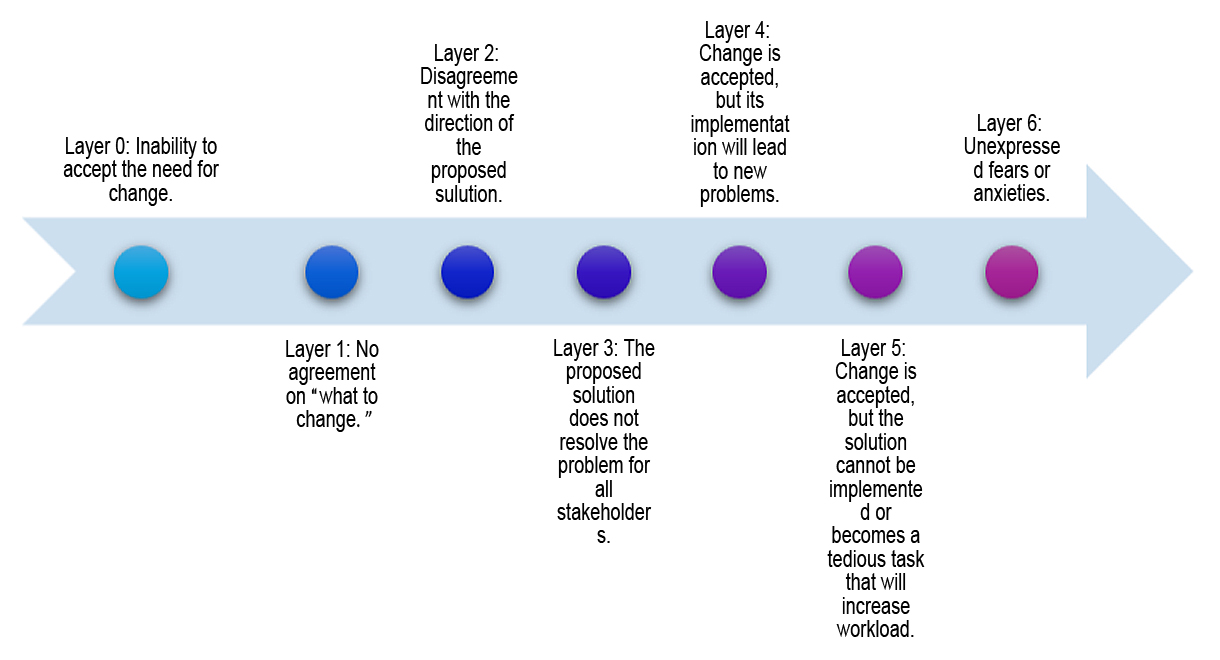 Figure 5.
Levels of resistance to change. Prepared by the authors based on information from (Banerjee & Lowalekar (2021) [24]).
(b) Lack of Effective Communication
Banerjee and Lowalekar (2021) [24] demonstrated that clear and effective communication is essential for successful change process management, making it essential to establish communication guidelines for this process. Effective communication requires stakeholders to understand how changes will influence their work and to have mechanisms that facilitate communication in all directions [10]. In scenarios involving technological implementation, communication must clarify its role in the process and its impact on roles and minimize uncertainty. Therefore, multiple communication channels should be established and implemented across various platforms [23].
(c) Organizational Culture
Organizational culture and organizational climate are present in the work environment and are not mutually exclusive [24]. These are the fundamental aspects of the change process that generate a sense of belonging, trust, support, growth, achievement, and stability among employees. However, they can also generate adverse effects such as stress. Therefore, understanding the factors that trigger these effects, including workload, perceived sense of urgency, bureaucratic processes, system failures, and turnover, is crucial. Therefore, in organizations undergoing technological transformations, learning- and innovation-oriented cultures play a fundamental role as they foster the improvement of products, processes, or services and ultimately facilitate the continuous capacity to adapt and change [8].
(d) Training and Development
In the context of changes related to technological transformation processes, training is essential for providing employees with the basic skills to perform their functions. Literature indicates that prior knowledge can be insufficient to support the change process; therefore, specific plans aligned with knowledge transfer and technological transformation projects are required. In Latin America, the technological and organizational learning gap is significant, representing a limitation for the integration of change processes and their adoption by organizational culture.
(e) Leadership and Commitment of Senior Management
In organizations, change agents play a fundamental role in motivating, inspiring, and managing change processes. Leadership plays a strategic role in managing resistance to change by using applicable elements of the organizational culture and motivating employee participation in the technological transformation process, linking these effects to human talent management [9]. Leaders in developing countries must understand and manage economic volatility, cultural diversity, financial constraints, and, within the public sector, the principles, frameworks, practices, and methods associated with governance [6,24]. Furthermore, in Latin America, technological infrastructure presents a challenge as it can be limited in some regions, hindering the adoption of new technologies. New paradigms lead to transformation stemming from changes in business models, making it essential to achieve close alignment between digital transformation strategies, IT strategies, and other organizational and functional strategies [10].
In conclusion, change management requires analysis of various challenges such as resistance to change, lack of effective communication, organizational culture, training and development, leadership, and senior management commitment. To overcome these obstacles and achieve successful transformation, organizations must adopt a comprehensive approach that incorporates strategic management. and participatory, as well as open and transparent communication. By doing so, organizations can successfully adapt to constant changes in the environment and consolidate their competitive position in the global market, generating improvements in society for the common good.
A systematic review revealed that existing studies have predominantly focused on technological implementation, organizational learning, and digital government as separate research domains. However, the review also revealed the absence of integrative frameworks capable of explaining how governance mechanisms influence technological transformations. Consequently, the subsequent case study was designed not only to validate previous findings, but also to identify the organizational capabilities that connect governance structures with successful technological transformation.
Case Study ResultsIn 2020, the public organization under study, located in the central sector of Colombia’s main cities, identified the strategic need to adopt an emerging technological solution that integrates data aligned with new governance models, standardizes processes, strengthens transparency, and generally impacts management. However, technological implementation is not accompanied by formal changes in management strategies, generating tension and resistance among employees.
Most interviewees perceived the implementation of technological programs in customer service as problematic. The semantic network indicates an initial negative perception, although in some cases, this view changed and its future application was perceived positively. This perception was accompanied by the possibility of creating teams to analyze the system’s functionalities and continue adapting to it, as well as greater interdependence between departments. Nevertheless, concern remains regarding the long working hours generated by this implementation and rework, which negatively impacts the organization’s management.
Therefore, the implementation of the technological change was incomplete and was described in most cases as “abrupt”. This approach to change and the impossibility of a planned phased process affected its perception. Furthermore, negative effects, such as employee turnover because of disagreements with the change process and the extension of working hours, have exerted a negative impact on employees who perceive technology as the cause and, in some cases, develop resentment toward the process and the organization. Figures 6 and 7 present the employee perception network regarding the software.
Although the organization structured a technology implementation plan, the interview results indicated that the proposed timelines did not allow adequate implementation of the classic phases proposed by Kurt Lewin—unfreezing the status quo, moving toward the desired state, and refreezing [8]. In other words, once the equilibrium of the previous technological system is disrupted, the organization should consider individual and group tensions. Accordingly, actions should have been implemented that positively drive movement and transition, motivating and raising awareness of the need for change so that resistance expressed by members of the organization could be reduced through a gradual and coordinated transition.
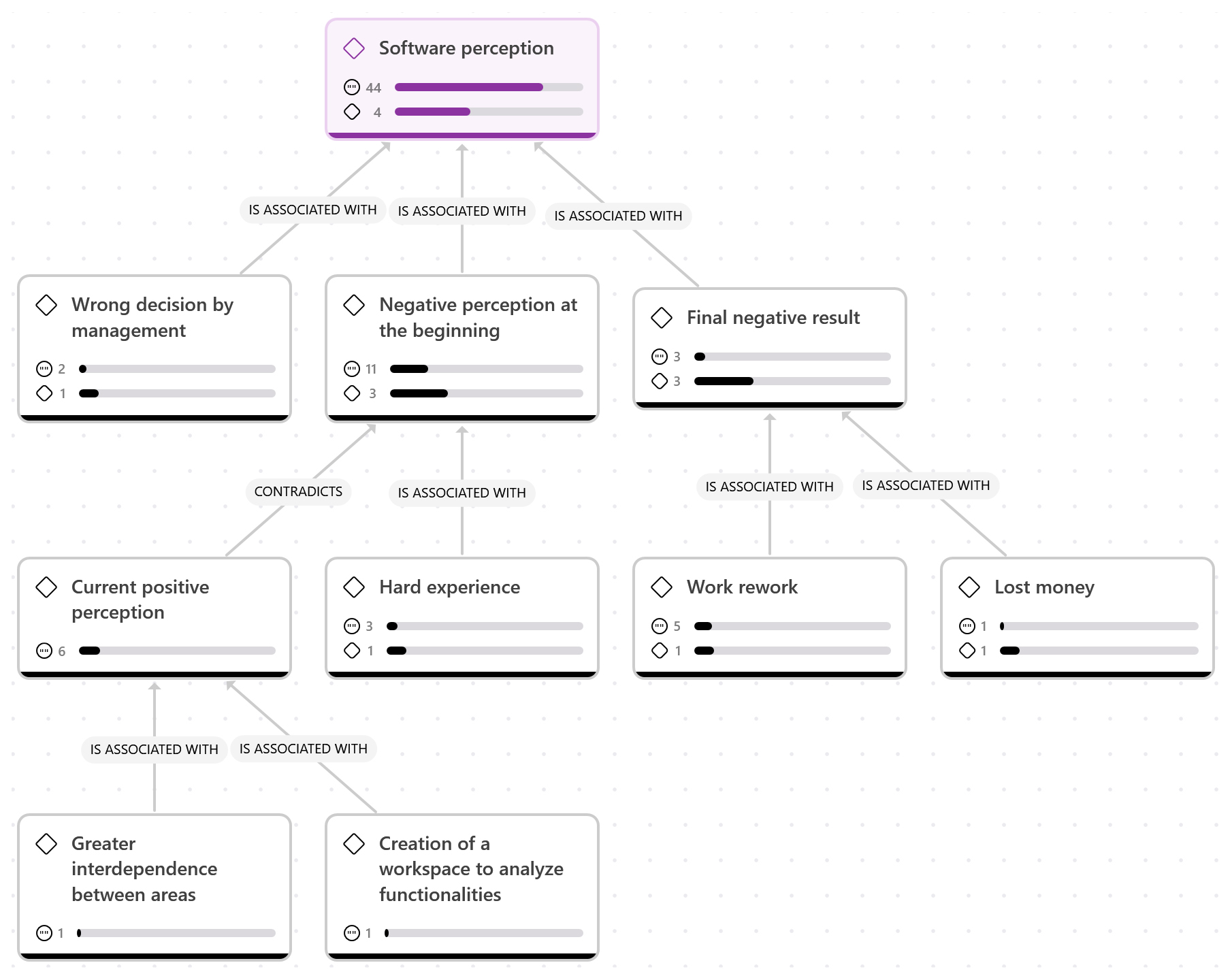 Figure 6. Employee Perception Network Regarding the Software.
In addition, employees increasingly perceived communication as ineffective and that information is presented in a closed, and in some cases, erroneous manner. Although bidirectional communication was absent in most processes at the beginning of the change management process, the organization could correct the shortcomings in its communication channels and modify the protocols, thereby reducing resistance and workload [25].
The results show that communication was not perceived as a tool in the change management process but was simply used reactively. The implementation of new technology has generated an increase in user complaints, as employees are required to operate both the new and old systems simultaneously, and in some cases, no concrete answers are provided. Furthermore, the only mechanism for participation has been meetings; however, it would be beneficial for the organization to promote mechanisms for direct participation and systematic feedback to address the shortcomings and impacts of this technological transition.
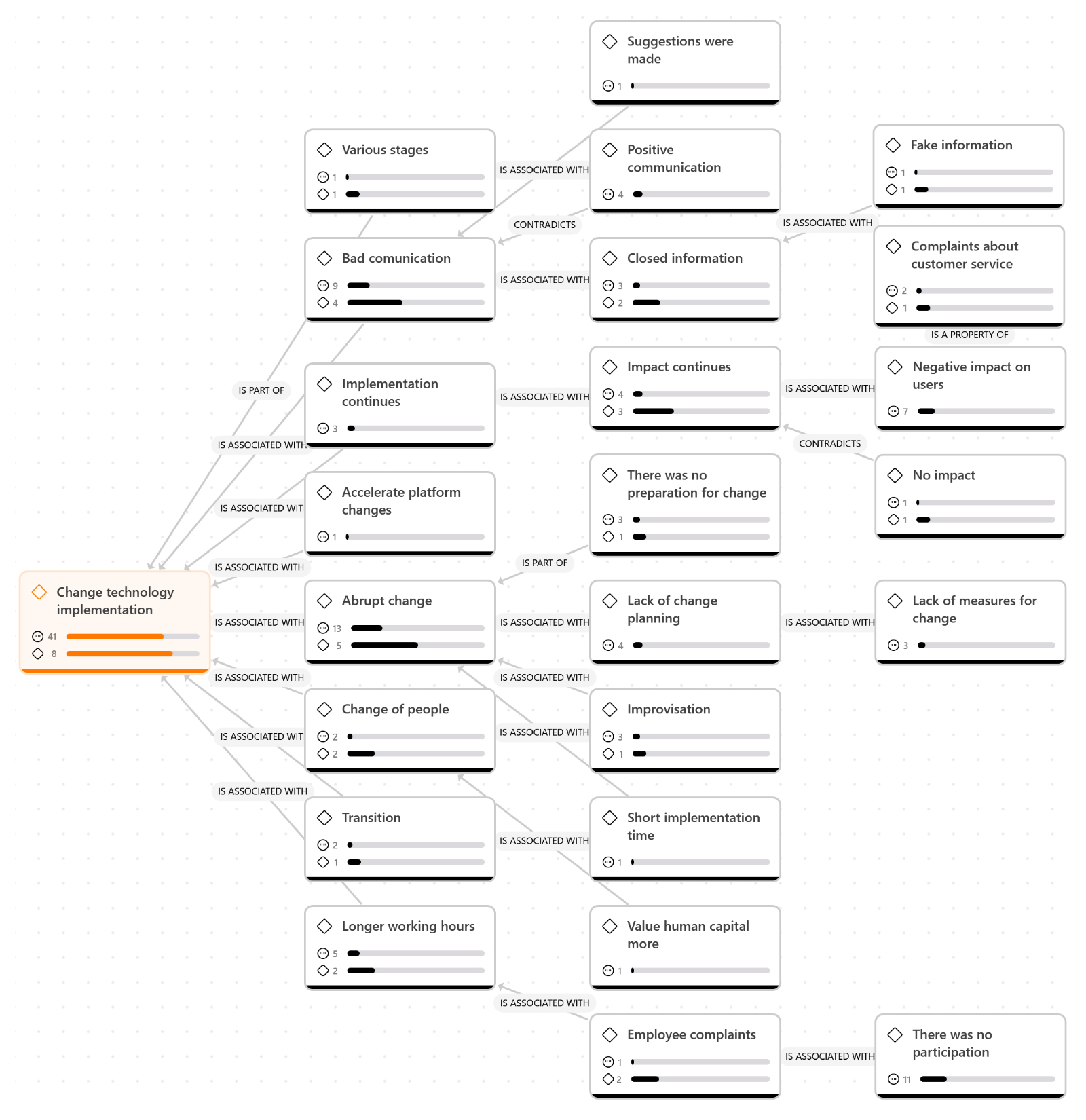 Figure 7. Employee Perception Network Regarding the Implementation of Technological Change.
Perceptions of the process’s limitations and benefits were mostly negative. In this context, the following stand out: problems adapting to system requirements, lack of user information, lack of defined roles, programming errors, and the absence of a user manual. Addressing these limitations could improve the application of this technology and mitigate the prevailing negative perceptions regarding the implementation of technological change.
Finally, one category repeatedly mentioned in the interviews was training. In this regard, although internal exercises have been conducted, the employees interviewed emphasize the importance of trainers with expertise not only in the technological system but also in the relevant work areas; otherwise, adaptation to the new system could be further delayed. Training is also perceived by employees as a significant weakness, particularly because of the lack of face-to-face instruction, practical exercises, and the limited knowledge of department leaders. Figure 8 presents the network of employee perceptions regarding limitations in the organizational change process.
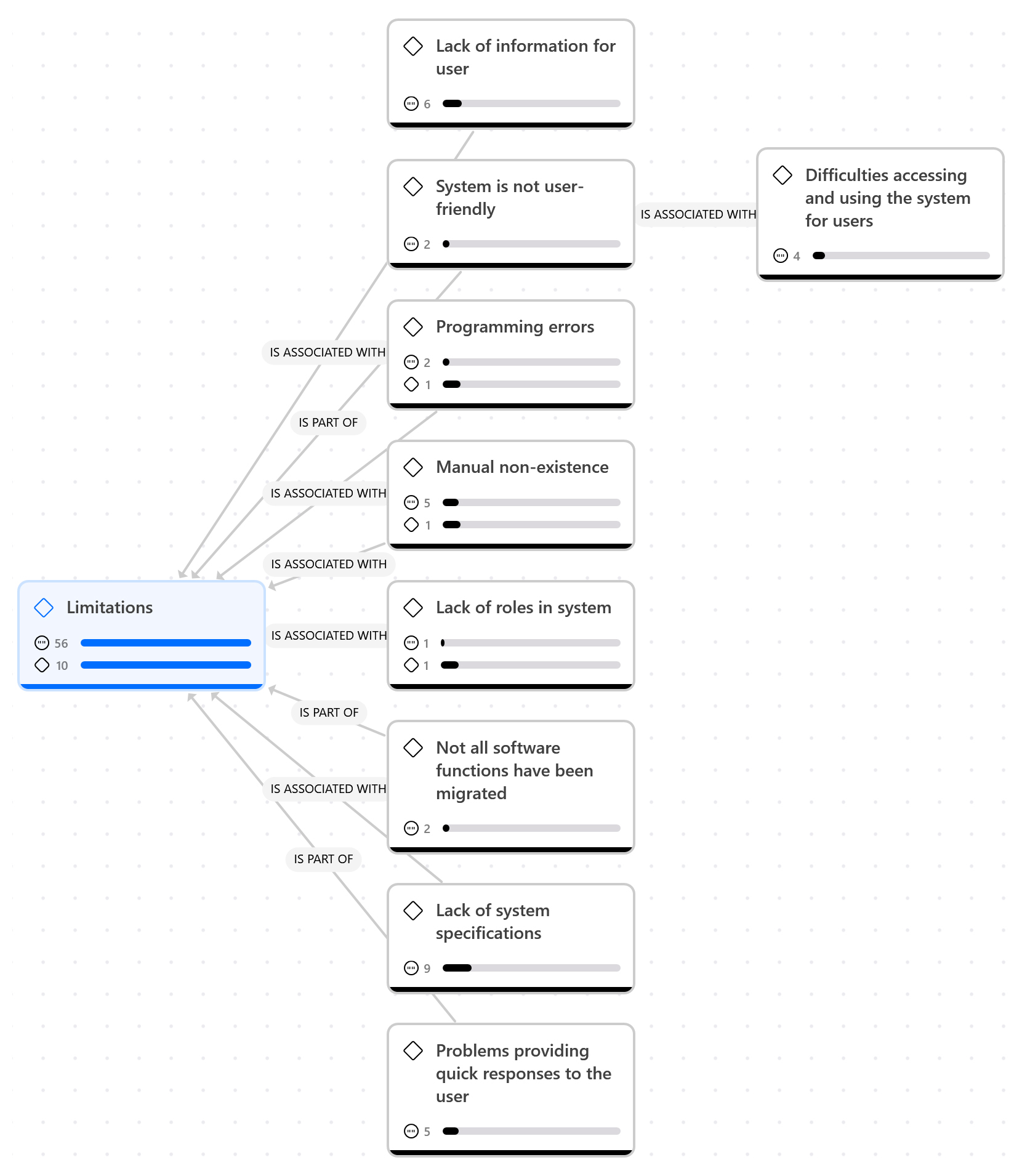 Figure 8. Employee Perception Network Regarding Limitations in the Organizational Change Process.
Furthermore, the network analysis revealed consistency between the perceived lack of training and limitations in software proficiency. Figure 9 presents the network of employee perceptions related to technology-linked training. Then, organizations urgently need to develop actions aimed at addressing this issue. Nonaka and Takeuchi (1995) [22] demonstrate how limited knowledge transfer and the absence of practical training become barriers to the transformation of tacit knowledge into explicit knowledge. Therefore, in this case study, there should be more internal initiatives that contribute not only to raising awareness and promoting understanding but also to consolidating organizational change.
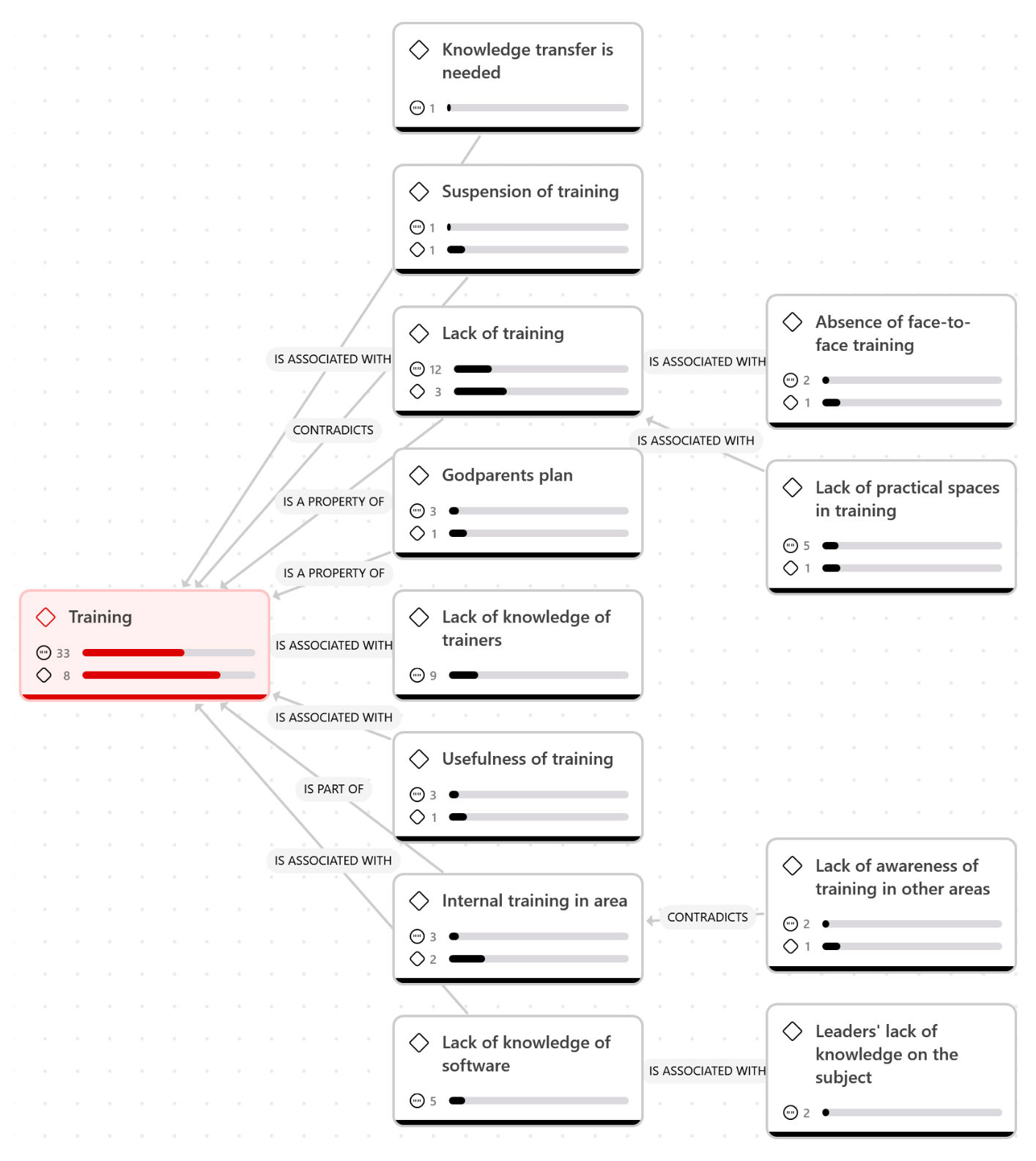 Figure 9. Network of employee perceptions related to technology-linked training.
The results of this study demonstrate that technological transformation in public organisations cannot be regarded as a technological implementation process alone. Rather, evidence shows that transformation is highly conditioned by governance arrangements and organizational change processes. The case study shows that without sufficient communication, the implementation of technology is not successful. Participation, training, and organizational preparation lead to resistance, work overload, and negative perceptions among employees. This finding aligns with the literature reviewed in this study, which identifies communication, organizational learning, leadership, and employee participation as relevant conditions for managing organizational change in technological contexts [10,26]. However, this study takes this perspective further by incorporating these aspects into a governance-based framework that focuses on public organisations.
The findings also support previous research showing that technological adoption is more effective when accompanied by organizational learning and change-management processes. The systematic review revealed that digital transformation is an important enabler of knowledge management, innovation, and cultural change and that public sector organisations have special institutional and organizational constraints. Alvarenga et al. (2020) [7] addressed the relationships among digital transformation, knowledge management, and citizen engagement in the public sector.
The Colombian case reinforces these observations, as employees’ problems were not associated with the technology itself but with the way that the transformation was introduced, communicated, and supported. Therefore, the evidence suggests that technological sophistication alone is not sufficient to guarantee a successful transformation. One of the most significant findings of this study is the role of governance. This literature review highlights governance as a relevant concept in the contexts of information management, e-government, risk management, sustainability, and digital transformation.
However, the literature review offers only a few mentions of how governance works in the public domain (organizational change processes) in terms of how governance mechanisms are implemented in public organisations facing institutional constraints. This case study addresses this gap by showing that governance is operational through leadership alignment, transparent communication, participation, training, organizational learning, and stakeholder engagement.
These mechanisms translate institutional objectives into coordinated action and influence employees’ abilities to adjust to technological change. Empirical evidence also indicates that the planned nature of technological implementation is divorced from employees’ experiences of change. Although the organisation had established a technological implementation plan, the interviews indicated that the process was perceived as abrupt and inadequately supported. This finding is consistent with the literature on organizational change, which emphasises preparation, transition, participation, and reinforcement in processes [5,8]. The absence of adequate communication and participation mechanisms seems to have increased the uncertainty and resistance in the case evaluated.
Therefore, the results suggest that change management should not be treated as a complementary activity after technological decision-making has been made but as an ongoing process accompanying the transformation from initial planning to consolidation. Training is another mechanism by which governance and change management are connected. The interviews revealed that employees perceived limitations in training, practical instruction, and knowledge of technological systems. This finding is consistent with those reported in the literature. Therefore, the results suggest that knowledge transfer and learning are key to organizational adaptation.
The findings suggest that training should be seen not only as the transfer of technical knowledge but also as a continuous organizational training method which develops a continuous organizational learning process, thereby allowing employees to learn, develop confidence, reduce uncertainty, and use new technologies. Organizational learning becomes a capability in this sense—organizational learning is a way that links technological implementation to sustainable organizational adaptation. These results contribute to a sustainability perspective. The evidence reviewed in this study links technological innovation and knowledge management to sustainable development and organizational performance, particularly through the use of green knowledge management and digital technologies [21].
This study extends this perspective by emphasising the organizational and governance dimensions of sustainability. Sustainable technological transformation requires more than the successful adoption of digital systems; it also requires the institutional capacity to sustain learning, participation, accountability, resilience, service quality, and public value over time. Therefore, governance provides a structural basis for sustainability, whereas change management and organizational capabilities provide the mechanisms through which these conditions are translated into organizational practice.
These findings further support the Governance-Based Change Management Capability framework by considering governance, change management, and organizational capabilities as interrelated rather than independent components. Governance provides direction and institutional conditions, change management organises the transition, and organizational capabilities (leadership, communication, participation, training, and organizational learning) enable the organisation to adapt. Therefore, the framework’s contribution is to explain how these elements relate to transforming technological implementation into long-term sustainable organizational transformation, particularly in public organisations operating under institutional complexity and in emerging economic contexts.
From a sustainability perspective, the findings indicate that governance and change management are complementary conditions for ensuring that technological transformation becomes institutionally sustainable rather than being limited to the implementation of a new technological system. Governance contributes by establishing transparency, accountability, participation, coordination, and long-term strategic alignment, whereas change management enables employees and organizational units to adapt progressively to new technologies and ways of working. The organizational capabilities identified in the case of leadership, communication, participation, training, and organizational learning connect these two dimensions by converting governance principles into practical mechanisms for adaptation. In this sense, sustainable technological transformation involves not only technological continuity but also an organization’s capacity to maintain legitimacy, efficiency, learning, resilience, service quality, and public value over time.
The model proposed in this study conceptualises governance as the broader institutional and organizational conditions under which change management operates. Change management constitutes the process through which technological transformation is prepared, implemented, coordinated, and consolidated, whereas organizational capabilities function as the mechanisms that enable this process. These capabilities include transformational leadership, strategic communication, employee participation, stakeholder engagement, training, and organizational learning. Their interaction influences whether technological transformation promotes adaptation, organizational learning, service improvement, and sustainable outcomes, or alternatively generates resistance, work overload, and implementation difficulties.
The principal theoretical contribution of this study is the Governance-Based Change Management Capability (GBCMC) framework. GBCMC is conceptualised as a higher-order organizational capability through which public organisations mobilise and integrate leadership, communication, participation, training, stakeholder engagement, and organizational learning within governance arrangements and change management processes. Accordingly, governance is not treated as an additional capability but as an institutional and organizational condition that provides direction, accountability, coordination, participation, and strategic alignment. The GBCMC framework explains how these structural conditions are translated into coordinated organizational actions that support technological adaptation. From this perspective, the study advances the literature on organizational sustainability by demonstrating that institutional resilience and the sustained creation of public value are constructed through governance capabilities that transform technological innovation into continuous organizational learning, adaptive capacity, and long-term institutional development. Consequently, the proposed framework extends the current theoretical approaches to technological transformation by establishing governance-based change management capabilities as the central organizational mechanism through which technological innovation translates into sustainable organizational transformation. This study offers a new theoretical lens for understanding how governance capabilities enable public organisations, particularly in emerging economies, to achieve sustainable technological transformation and strengthen long-term organizational sustainability.
From this perspective, sustainable technological transformation is an organizational outcome when governance conditions, change-management processes, and enabling organizational capabilities are coherently established. Therefore, this framework contributes to the literature by discussing how public organisations can transform technological implementation into continuous learning, adaptive capacity, institutional resilience, service quality, and sustained public value. However, the framework cannot be considered universal as it is based on a systematic literature review and a Colombian case study.
Theoretical ImplicationsThe case study was conceived as a technological modernization strategy, but its operationalization focused on technical aspects, highlighting the relevance of change-management processes. The reported events demonstrate an improvised change management approach, lacking internal communication strategies and omitting the affective, behavioral, and cognitive components [5] present in the testimonies of those affected by the change.
Managerial ImplicationsGiven the ongoing resistance and implementation difficulties, and that the transition has not yet been successfully completed, the following strategies are recommended.
(a)
(b)
(c)
(d)
(e)
(f)
For new organizational changes of this type, it is recommended to plan the change, conduct organizational diagnostics, identify technological variables, explore governance mechanisms that facilitate change, train and raise awareness among all stakeholders, and include change agents, particularly senior management throughout the process.
The strategies outlined above can reduce rework, implementation time, and user complaints by providing accurate information. Some organizations could use these technologies for change management, recognizing the need to implement gradual change management processes that include structured technological governance mechanisms and are linked to participatory management actions that facilitate the transition. In this context, technological transition needs to be considered a social process in which knowledge management is permeated by a series of effects and therefore requires approaches that understand the public organization as a social entity composed of a series of actors who impact the result.
LimitationsThe limitations of this study are that the empirical component is based on a single Colombian public institution and a specific organizational area; therefore, the findings should be considered in a context-sensitive manner and should not be generalized statistically to all public institutions or new economies. Second, convenience sampling may have led to employees with particular experiences or perceptions of technological implementation. Third, this study focused on employee perceptions at a particular stage of the ongoing transformation process and did not consider longitudinal evidence that could measure changes in acceptance, performance, service quality, or institutional outcomes over time. Fourth, although triangulation, member checking, collaborative coding, and an audit trail were used to establish analytical credibility and increase qualitative validity, qualitative interpretation was influenced by the researchers’ analytical judgment. Finally, the systematic review was limited to articles indexed in Scopus and Web of Science, published in English or Spanish from 2020 to 2025, which may have excluded publications that would have been relevant, gray literature, or evidence that may have been available in other languages or databases. These limitations limit the scope of the conclusions and provide a basis for further improvement and refinement of the GBCMC framework.
Future Research AgendaFinally, future research should include studies focused on characterizing the results, acceptance, and cultural impact of organizational change processes in Industry 4.0 technologies. In addition, comparative studies and longitudinal analyses that incorporate qualitative and quantitative aspects into the analysis of these types of problems are recommended. Future enquiries into organizational behavior, innovation, and change processes from a humanistic perspective are also advisable, prioritizing the analysis of employee perspectives.
The data from the systematic review, its synthesis, and the results of the interview coding are presented in the manuscript. The full interview transcripts are not publicly available to protect the confidentiality of the participants and the institution studied. Anonymized materials that can be shared may be requested from the corresponding author and will be provided upon reasonable request, subject to applicable confidentiality restrictions.
Proposed statement, subject to confirmation by all three authors: Conceptualization, CATB, TYGC, and MGA; methodology, CATB and TYGC; investigation, TYGC; formal analysis, CATB, TYGC and MGA; writing—original draft preparation, CATB and TYGC; writing—review and editing, CATB, TYGC, and MGA; supervision, MGA. All authors have read and approved the version of the manuscript intended for publication.
The authors declare that they have no conflicts of interest.
This research received no external funding.
The authors thank the interview participants for sharing their experiences and perspectives on the technological transformation process.
1.
2.
3.
4.
5.
6.
7.
8.
9.
10.
11.
12.
13.
14.
15.
16.
17.
18.
19.
20.
21.
22.
23.
24.
25.
26.
Tellez-Bedoya CA, Galindo Cano TY, Gaitan Angulo M. Governance-Based Change Management for Sustainable Technological Transformation in Public Organizations. J Sustain Res. 2026;8(4):e260084. https://doi.org/10.20900/jsr20260084.

Copyright © Hapres Co., Ltd. Privacy Policy | Terms and Conditions


