Location: Home >> Detail
J Sustain Res. 2026;8(4):e260089. https://doi.org/10.20900/jsr20260089
 ,
Luis Horacio Botero 2 ,
Luis Gutiérrez Cano 3 ,
María Larrondo Petrie 4 ,
José Texier 5
1
2
3
4
5
*
Transformative Technologies (TTs) and Anticipated Radical Technologies (ARTs) are frequently discussed as drivers of sustainability transitions, but their conceptual boundaries and the evidence supporting their systemic effects remain inconsistent. This review examines how engineering and foresight literature characterizes these technologies and relates them to sustainable value production networks. TTs refer to the capacity for substantial socio-technical change, whereas ARTs emphasize the anticipation of radical developments whose trajectories and consequences remain uncertain. Maturity is treated as a separate analytical dimension. Drawing on the Finnish and Peruvian foresight frameworks, the study organizes the literature through seven attributes and a three-level ontology linking technological enablers, application domains, and sustainability outcomes. The initial Scopus search returned 211 records. Descriptive attribute frequencies are reported against that initial set, separately from the selection of studies for qualitative synthesis. A reference-linked catalogue presents 114 entries from the reference-linked classification, without treating those references as an independently verified inventory of 145 distinct technologies. The synthesis identifies three recurring themes: smart digitalization, advanced manufacturing, and energy sustainability. Technical performance and enabling conditions receive more attention in the reported coding than genericity and socio-regulatory impacts. An interpretive matrix relates selected applications to the 20 value production networks while identifying limits in their evidential coverage. The findings support a framework for examining potential network reconfiguration; they do not establish causal sustainability effects or rank technologies by societal value. Policy recommendations therefore emphasize context-sensitive appraisal, transparent evidence, and governance that combines anticipation with learning during deployment.
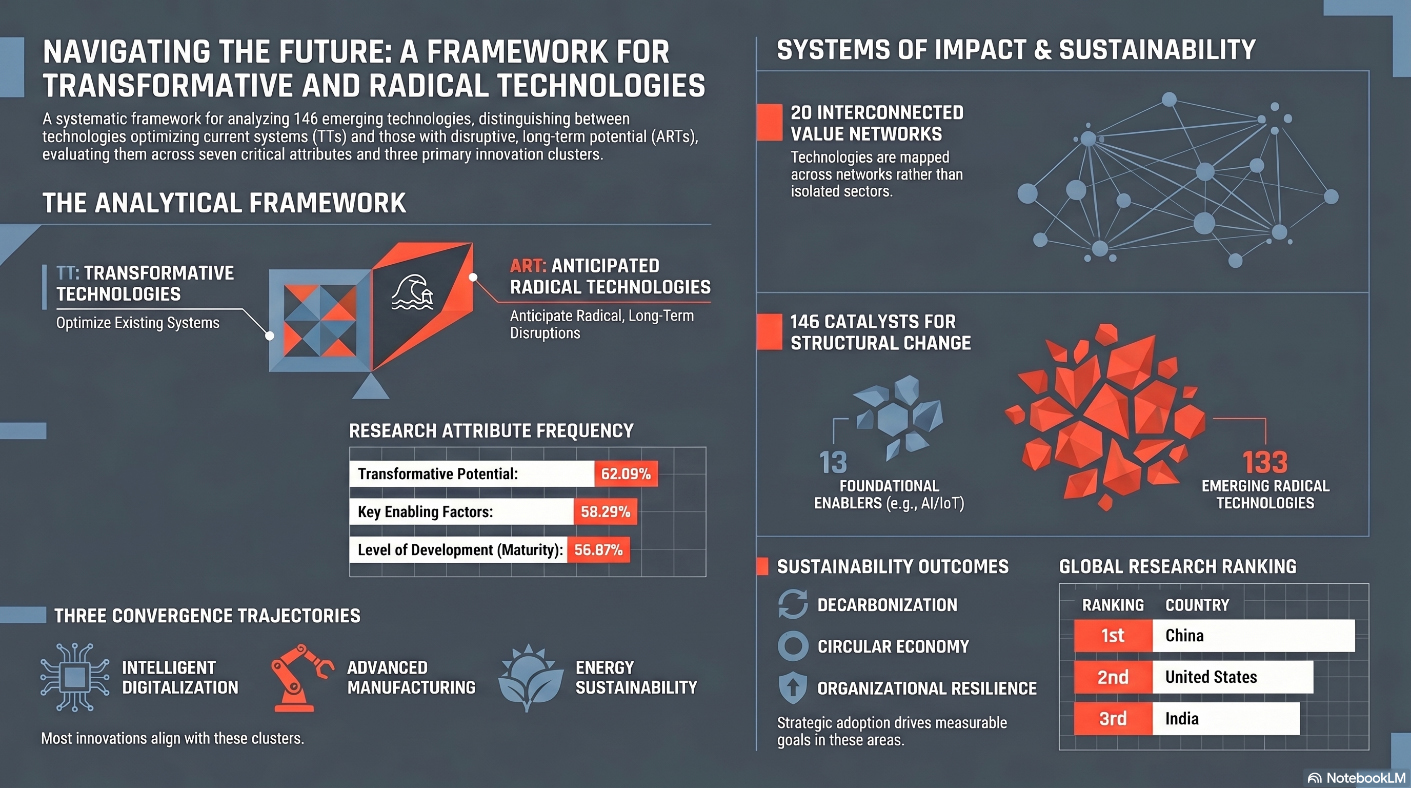
Transformative Technologies (TTs) and Anticipated Radical Technologies (ARTs) are increasingly recognized as critical drivers of industrial transformation, economic competitiveness, and broader societal change. Rapid technological advancements in domains such as digital infrastructure, advanced manufacturing, artificial intelligence, biotechnology, and energy systems are reshaping production processes, business models, and patterns of value creation across multiple sectors. Consequently, understanding the characteristics, dynamics, and impacts of these technologies has become a central concern in research on innovation management, technology forecasting, and strategic planning.
In recent years, a growing body of literature has sought to conceptualize technological trajectories and identify categories of emerging or radical innovations through systematic literature reviews and foresight analyses. These studies have contributed to refining definitions, identifying application domains, and mapping the evolution of technological fields over time.
An alternative analytical perspective is presented in the report Social Transformation 2018–2037, developed by the Committee for the Future of Finland [1]. Rather than analyzing the economy through conventional industrial sectors, the report conceptualizes economic activity as a system of twenty value-creation networks. These networks represent interconnected flows of specialization, knowledge exchange, and value generation across diverse domains of activity [1,2]. Within this framework, organizations and individuals may participate simultaneously in multiple networks, reflecting the increasingly interconnected and multidimensional nature of technological development and economic transformation [3].
From this perspective, technological change cannot be fully understood solely through sector-based classifications. Instead, technologies should be examined in terms of their capacity to influence multiple value-creation networks simultaneously. The report also identifies a range of rapidly evolving technologies expected to generate significant societal impacts, including innovations in consumer electronics such as organic light-emitting diode (OLED) displays, voice and motion interfaces, and increasingly accessible 3D printing technologies. Additional developments include cloud computing infrastructures, secure mobile devices, advanced data analytics capabilities, and emerging innovations in fields such as healthcare and energy systems [4].
Addressing this gap is relevant from both theoretical and practical perspectives. Theoretically, identifying and systematizing the attributes that characterize TTs and ARTs contributes to a more comprehensive understanding of technological evolution and its systemic effects. Practically, organizations and policymakers require robust analytical tools to anticipate technological change, evaluate emerging opportunities, and design effective innovation and competitiveness strategies. Based on the technological attributes identified in this review, the proposed framework offers strategic implications for innovation, policymaking, and future research. First, innovation strategies should be differentiated according to the degree of technological genericity, favoring ecosystem-based approaches for general-purpose technologies and sector-specific strategies for highly specialized technologies. Second, technology foresight and monitoring systems should incorporate attributes such as transformative potential, technological maturity, and systemic impact to improve the prioritization of emerging technologies. Third, innovation policies should be geared toward the governance of value production networks, promoting intersectoral coordination mechanisms and anticipatory governance frameworks for Anticipated Radical Technologies (ARTs). Furthermore, the framework provides guidance for human capital development, distinguishing between transversal digital skills and specialized technical capabilities according to the characteristics of each technology. There is a need to move toward empirical models that allow for the evaluation of the economic, organizational, and sustainability impact resulting from the interaction between technological attributes and adoption processes. These implications also offer practical applications for governments, regulators, businesses, and R&D leaders, facilitating policy design, strategic planning, and resource allocation. Given their relevance, these recommendations are further developed and discussed in the Recommendations section of this article.
The Societal Transformation 2018–2037 report [1] identified 100 anticipated radical technologies (ARTs) and examined their potential impacts across 20 value-producing networks. This framework subsequently served as the basis for the technological surveillance study conducted by the authors [5] in Peru, which adapted the evaluation criteria to the Peruvian context. ARTs can be conceptualized as an anticipatory category for identifying technologies with transformative potential, as their identification is based on early signals of radical technological developments capable of generating profound impacts on socioeconomic structures, behaviors, and sociotechnical systems [6]. In this regard, an ART may exhibit transformative characteristics; however, not every ART will necessarily produce transformative effects in practice. Transformative innovations and technologies drive desirable and feasible socio-ecological changes [7], although their assessment faces challenges associated with uncertainty and data availability [8]. Furthermore, they transform the ways people interact, learn, and work [9], contribute to addressing major societal challenges [10] and promote personal and collective change [11].
TTs are characterized by their capacity to generate radical and systemic impacts that extend beyond incremental improvements and may reshape social and economic structures [12]. They also exhibit cross-sectoral applicability, as they can affect multiple domains and value-creation networks [13]. Furthermore, TTs can create new economic opportunities, transform occupations and skill requirements, and require adaptations in educational and regulatory systems. Their development often emerges from the integration of technological and social innovations, facilitating their application across diverse sectors. Additionally, TTs tend to exhibit accelerated development and maturation trajectories, driven by R&D investment and their potential for market adoption. Their transformative nature is ultimately reflected in their capacity to alter established sociotechnical regimes, affecting governance structures, production systems, and institutional arrangements [13–17].
The distinction therefore lies in the fact that the concept of ARTs emphasizes the anticipation of a radical technology with potential for future development and impact, whereas the concept of transformative technology emphasizes its capacity to generate profound or systemic changes across sectors, behaviors, structures, and sociotechnical systems. Accordingly, for the purposes of this study, ARTs are considered relevant as anticipatory signals of technologies that may acquire or materialize transformative characteristics. Generative artificial intelligence, for example, can illustrate the transition from an anticipated radical technology to a transformative technology. During the early stages of its development and diffusion, its prospective applications could be regarded as a signal of radical and uncertain technological change, consistent with the concept of ART. Subsequently, as its applications expanded into areas such as education, research, software development, content production, and business processes, its potential to modify behaviors, economic activities, and sociotechnical systems supports its characterization as a technology with transformative capacity. Thus, the ART dimension is primarily associated with the anticipation of radical technological change, whereas the transformative dimension is associated with the magnitude and depth of the change generated or potentially generated.
In biotechnology, CRISPR-based gene-editing technology can illustrate the transition from an anticipated radical technology to a technology with transformative potential. During its early stages of development, CRISPR applications could be regarded as a radical technological development characterized by a broad horizon of potential applications and substantial uncertainty regarding its scope, features consistent with the concept of Anticipated Radical Technologies (ARTs). Subsequently, the expansion of its potential and experimental applications in fields such as medicine, agriculture, and biomanufacturing has demonstrated its capacity to modify fundamental biological processes and potentially transform production practices and healthcare systems. In this regard, the ART dimension of CRISPR is associated with the anticipation of its potential future developments and impacts, whereas its transformative dimension is related to its capacity to generate profound changes in biological, productive, and sociotechnical processes.
In the energy sector, green hydrogen can serve as an example of a technology exhibiting both ART characteristics and transformative potential. From a foresight perspective, its development and scale-up may be regarded as an anticipated radical technology because of the uncertainties surrounding its technological evolution, cost reductions, infrastructure, storage, distribution, and adoption across different sectors. Its transformative potential derives from its ability to reshape energy and industrial systems, particularly in hard-to-abate sectors that are difficult to electrify directly, such as steel production, certain chemical processes, and long-distance transportation. Thus, whereas the ART perspective emphasizes the anticipation of radical technological development and its potential future trajectories, the transformative perspective emphasizes the capacity of green hydrogen to contribute to structural changes in energy, industrial, and economic systems. Consequently, effective technology governance requires a bifurcated management logic that balances foresight-oriented exploration—focused on R&D, sustained funding mechanisms, collaborative ecosystems, and adaptive governance for ARTs—with adaptive efficiency based on cultural alignment, organizational leadership, and strategic appropriation.
To operationalize these dynamics, the study introduces an analytical framework comprising seven operational attributes—transformative potential, relationship with value networks, enabling factors, level of development, anticipated effectiveness, genericity, and socio-regulatory impact—grounded in institutional foresight frameworks and the literature on sociotechnical change. Based on this framework, the manuscript is structured into six integrated sections. Section Introduction delineates the research problem, knowledge gap, guiding research questions, and objectives. Section Theoretical Framework addresses the institutional backgrounds of Finland and CONCYTEC, conceptualizes the TT–ART evolutionary continuum, and defines the seven attributes. Section Materials and Methods details the systematic literature review (SLR) protocol in accordance with the PRISMA 2020 statement. Section Results synthesizes the bibliometric mining conducted using VantagePoint, presents the inventory of enabling factors, and maps their co-occurrence across the 20 value-production networks. Section Discussion triangulates the findings with international benchmarks, evaluates network reconfiguration, analyzes the socioecological trade-offs associated with AI, and proposes a dual-governance interpretive framework. Finally, Section Conclusions, Limitations, and Recommendations synthesizes the main contributions, addresses methodological limitations independently, and outlines future research directions.
The present study addresses the lack of frameworks capable of determining how technological attributes shape the reconfiguration of value-production networks. To this end, it poses two research questions: RQ1, what operational attributes does the engineering literature employ to characterize TTs and ARTs? and RQ2, how does the interaction among these attributes contribute to the reconfiguration of the 20 value-production networks toward sustainability goals? The proposed inventory links technological attributes to their potential for network-level reconfiguration and provides a methodological basis for their analysis.
This section presents the theoretical foundations of Transformative Technologies (TTs) and Anticipated Radical Technologies (ARTs), drawing on the studies by [1,5], which establish criteria for their identification, classification, and assessment of their transformative potential. The literature indicates that TTs and ARTs remain conceptually fragmented and subject to ambiguity [6], and are associated with innovations capable of driving socioecological transformations [7], generating large-scale impacts, and involving substantial uncertainties in their assessment [8]. Likewise, TTs have been associated with disruptive changes in the ways people live, work, communicate, and address problems [9], as well as with efforts to address major societal challenges and transform everyday practices [10,11].
TTs and ARTs are characterized by their capacity to generate radical and systemic transformations that extend beyond technological change and affect social structures, business models, occupations, and ways of life [12]. Their main attributes include transformative impact, cross-sectoral applicability, value creation, interdisciplinarity, maturation potential, and changes in operating models [13–17]. In addition, variables such as technological maturity, value potential, and impact on value-production networks enable comparative assessment of their transformative potential [1].
Background on Transformative Technologies and Anticipated Radical TechnologiesTechnological innovation has historically played a decisive role in shaping economic systems, social structures, and institutional arrangements. In recent decades, increasing attention has been directed toward a category of technologies capable of generating profound and systemic transformations across multiple sectors of society. These technologies are commonly referred to as TTs and in certain analytical frameworks, as ARTs.
One of the most comprehensive efforts to identify and analyze such technologies was undertaken by the Committee for the Future of the Parliament of Finland in the report Societal Transformation 2018–2037 [1]. This study examined one hundred emerging technologies and assessed their potential to generate large-scale societal transformations. The technologies were evaluated in relation to twenty value production networks, representing fundamental societal functions such as health, energy, mobility, food, and security.
Within this framework, the concept of ARTs was introduced to characterize technological developments with particularly high potential for systemic transformation. ARTs are not limited to individual technological artifacts; rather, they represent clusters of technological solutions that address similar societal needs. These clusters encompass multiple technical implementation pathways and potential applications, which may evolve as the technologies mature [1].
Building on this approach, the National Council for Science, Technology, and Technological Innovation of Peru (CONCYTEC) developed the Technology Watch Report: Transformative Technologies, which adapts the Finnish methodology to analyze emerging technologies with transformative potential in different contexts [5]. This report preserves the original analytical structure and evaluation criteria, particularly with regard to technological maturity, anticipated effectiveness, and the potential impact of technologies on value production networks.
While these institutional reports provide structured methodologies for identifying TTs, their primary emphasis lies in technological foresight and policy guidance rather than conceptual clarification. As a result, the academic literature continues to exhibit fragmented interpretations of what constitutes a Transformative Technology and how it differs from other forms of innovation.
Conceptual Approaches to Transformative TechnologiesThe concept of TTs overlaps with several related notions in the innovation literature, including transformative innovation, disruptive technologies, and socio-technical transitions. However, these concepts are not always applied consistently, contributing to a degree of conceptual ambiguity.
For instance, the concept of transformative innovation is inherently ambiguous and difficult to delimit, as it intersects with other forms of innovation, including incremental and disruptive innovations [6]. This ambiguity poses challenges for public policy design, since different types of innovation require distinct science and technology strategies.
From the perspective of sustainability transitions, transformative innovations are defined as those capable of enabling desirable and feasible socio-ecological transformations [7]. In this view, the transformative nature of a technology is determined not only by its technical novelty but also by its capacity to facilitate systemic transitions toward more sustainable socio-technical systems. Other contributions emphasize the methodological challenges associated with analyzing TTs. For instance, the limitations of applying Life Cycle Assessment (LCA) to emerging technologies have been highlighted [8]. Because these technologies are still evolving, their future applications, production systems, and environmental impacts remain uncertain. To address this issue, the authors propose a framework identifying ten factors that influence the evaluation of Transformative Technologies.
Additional studies focus on the broader societal implications of technological change. According to [9], technologies such as automobiles, smartphones, and digital communication platforms have fundamentally reshaped how individuals interact, work, learn, and conduct business. These examples illustrate the capacity of technological developments to redefine entire socio-economic systems.
Similarly, emphasize the role of technological innovation in addressing major societal challenges. Advances in artificial intelligence, big data, and digital technologies are rapidly transforming economic activities and decision-making processes across multiple sectors [10].
From a socio-cultural perspective, TTs also influence social awareness, collaboration, and creativity [11]. These technologies create new opportunities for innovation in areas such as agriculture, healthcare, manufacturing, and services, while simultaneously generating new social and institutional challenges. Taken together, these contributions suggest that TTs should not be understood merely as novel technological artifacts, but rather as drivers of systemic socio-technical change capable of reshaping economic structures, institutional arrangements, and everyday practices.
To ensure traceability, reproducibility, and analytical rigor, the methodology was structured into three stages.
Stage 1: Systematic literature review. A systematic literature review (SLR) was conducted following the guidelines of the PRISMA 2020 statement to ensure a transparent and reproducible document-selection process. Scopus was selected as the primary database for the identification, screening, and selection of the engineering literature corpus. The search strategy was based on the terms “transformative technology” and “anticipated radical technology” appearing in titles, abstracts, and keywords. The review focuses on examining how the engineering and foresight literature conceptualizes and operationally characterizes TTs and ARTs, rather than evaluating individual technologies in isolation. ScienceDirect, SciELO, and Google Scholar were used exclusively as complementary, non-systematic sources to support the theoretical framework and discussion. Consequently, documents retrieved from these sources were excluded from the quantitative PRISMA screening flow to preserve the statistical integrity and reproducibility of the primary Scopus corpus.
Stage 2: Bibliometric and attribute-based analysis. The study began with an SLR comprising 211 records, of which 145 studies constituted the final analytical corpus. Absolute and relative frequencies, as well as co-occurrence patterns, were analyzed for seven operational attributes used to characterize TTs and ARTs: transformative potential, enabling factors, level of development, relationship with value-production networks, anticipated effectiveness, socio-regulatory and labor impacts, and genericity. In addition, a three-level ontological architecture was proposed to link technological enablers, application domains or value-production networks, and sustainability outcomes. Subsequently, VantagePoint V15.2 was employed to analyze geographic, institutional, and collaboration dynamics. The analysis identified a concentration of scientific leadership in China, the United States, and India, as well as convergence trends among intelligent digitalization, advanced manufacturing, and energy sustainability, with sustainability emerging as a structuring axis. This methodology has previously been applied by the authors in other systematic literature reviews [18,19].
Stage 3: Interpretation and governance implications. The findings were interpreted in relation to the aforementioned theoretical frameworks, with particular attention to the role of the seven operational attributes and, especially, genericity. Based on this analysis, differentiated governance orientations for TTs and ARTs are proposed, emphasizing their capacity to systematically reconfigure value-production networks and contribute to sustainability.
The SLR process was structured in accordance with the PRISMA 2020 protocol to establish a reproducible analytical corpus for the identification, classification, and assessment of TTs and ARTs in the literature. The results of the publication identification and screening, eligibility assessment, data extraction, and ontological validation phases are presented below and summarized in Figure 1.
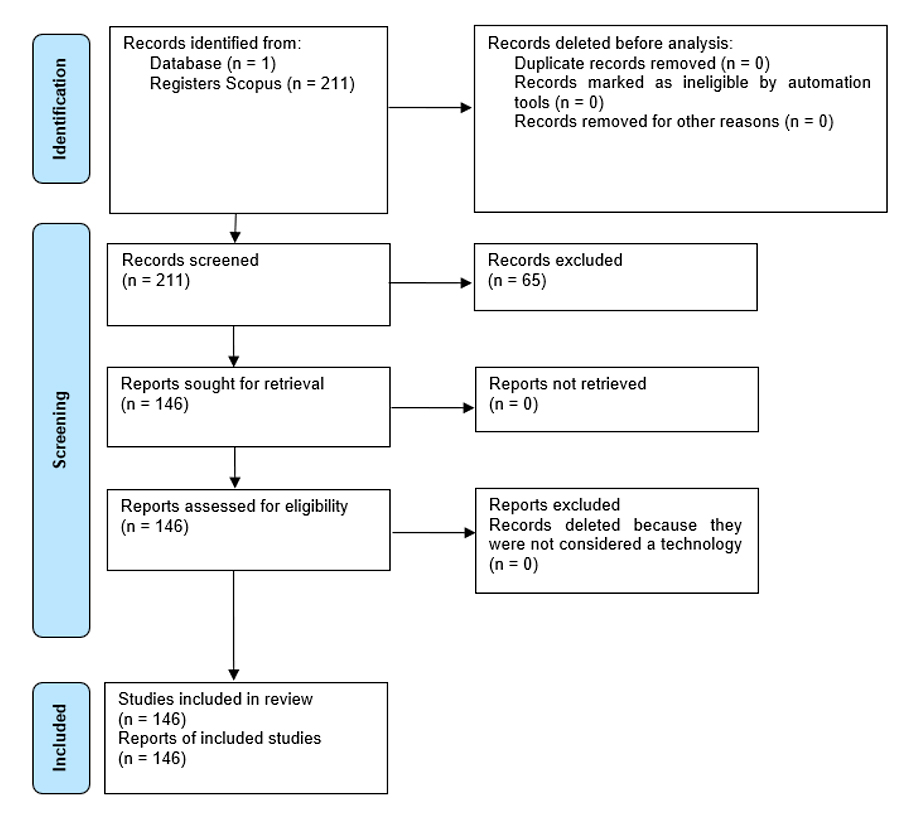 Figure 1. PRISMA phases.
Identification and screening of publications: The search equation applied to the Scopus database was TITLE-ABS-KEY (“transformative technolog*” OR “anticipated radical technolog*”) AND engi* AND (LIMIT-TO (DOCTYPE, “ar”)), which yielded a total of n = 211 records. During the screening phase, titles and abstracts were assessed according to the predefined inclusion and exclusion criteria. The inclusion criteria comprised research articles addressing engineering-related topics and published in English or Spanish. Exclusion criteria comprised book chapters, conference proceedings, and studies lacking a clear focus on sustainability or technical applications. This screening process resulted in the exclusion of n = 65 records.
Eligibility assessment and inclusion: The remaining n = 145 articles were subjected to full-text assessment. Since all retrieved documents provided sufficient technical information to map at least one of the seven operational analytical attributes, no additional studies were excluded at this stage (n = 0). Accordingly, the final analytical corpus comprised n = 145 included studies.
Data extraction and ontological validation: Based on the systematic analysis of the retrieved records (N = 211), absolute and relative frequencies and co-occurrence patterns of the seven operational analytical attributes were examined. Each technological development identified in the final corpus was subsequently validated and structured according to a three-level ontology comprising technological enabler, application domain, and sustainability outcome. These elements were then mapped onto the 20 value-production networks defined within the Finnish foresight framework.
Identification of Analytical Evaluation AttributesBased on the records retrieved through the SLR (n = 211), the absolute and relative frequencies and co-occurrence patterns of the seven operational analytical attributes were analyzed. Table 1 summarizes their presence in the engineering literature and enables technologies to be differentiated according to their level of development, maturity, and uncertainty, thereby avoiding the conflation of widely deployed technologies with emerging technological developments.
The results reveal a marked hierarchy in the engineering literature regarding the seven analytical attributes. The predominance of transformative potential (62.09%), enabling factors (58.29%), and technological development level (56.87%) indicates that research has focused primarily on understanding the capabilities that technologies can generate, the conditions that facilitate their development, and their degree of maturity. This pattern suggests a predominantly technological and operational orientation, in which transformation is interpreted in terms of technical capabilities, implementation conditions, and proximity to adoption. In contrast, the lower frequencies of socio-regulatory and labor impacts (35.07%) and genericity (30.33%) indicate comparatively limited attention to social and institutional implications and to the capacity of specific technologies to transcend individual sectors and application contexts.
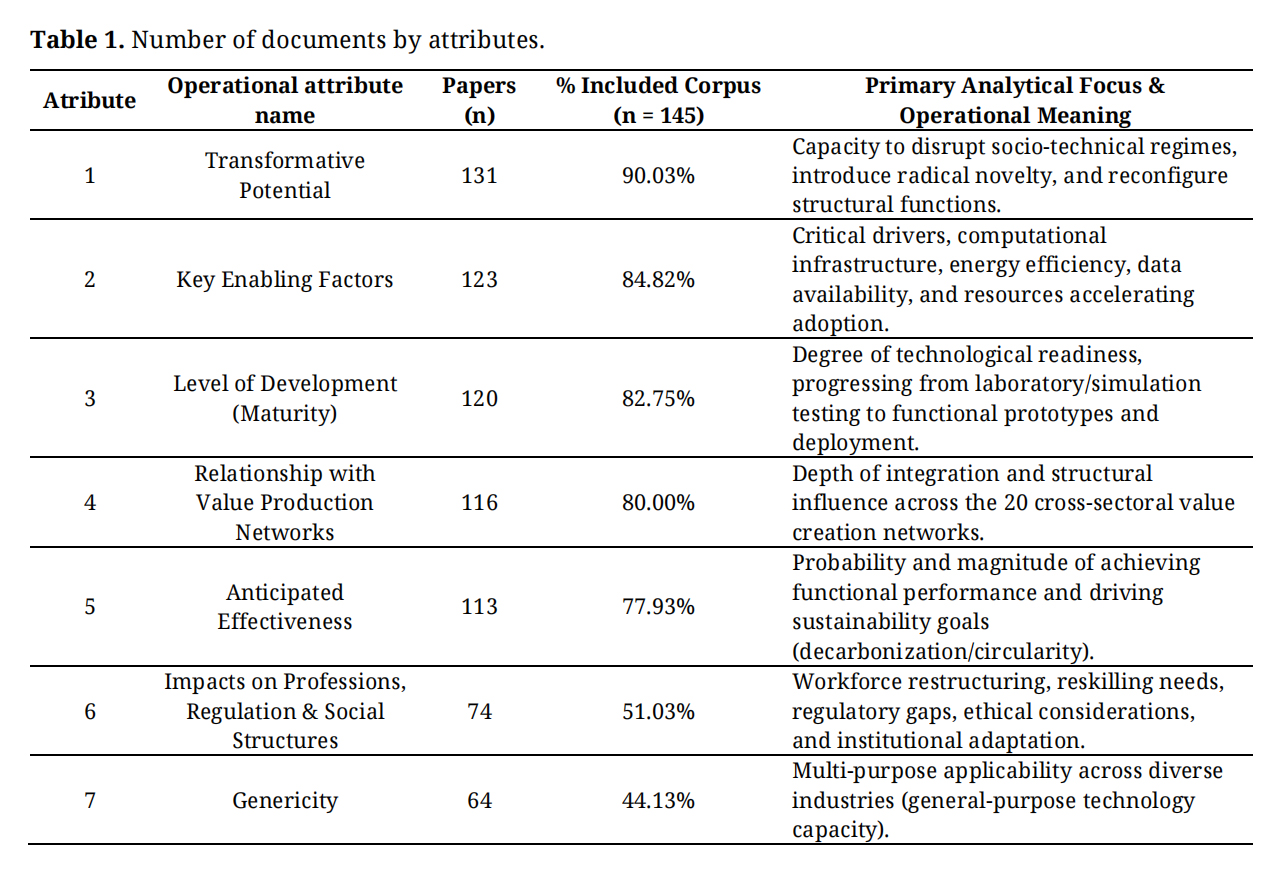 Table 1. Number of documents by attributes.
The relationship with value-production networks (54.98%) and anticipated effectiveness (53.55%) nevertheless indicates that a substantial proportion of studies moves beyond strictly technical assessment and considers the integration of technologies into productive systems. The joint presence of these attributes suggests that the literature recognizes functionality, scalability, and applicability as relevant dimensions for assessing transformative potential. However, the lower frequency of genericity indicates that the capacity of a technology to be integrated into and reused across multiple sectors remains comparatively underexamined, despite the cross-sectoral and integrative characteristics associated with technologies such as artificial intelligence (AI), machine learning, blockchain, and digital twins. Socio-regulatory and labor impacts likewise represent a less developed dimension within the corpus. Their lower frequency suggests that technology assessment continues to focus predominantly on technological capabilities and development conditions, whereas transformations affecting occupations, regulatory frameworks, and social structures receive comparatively less analytical attention. This difference is relevant because it points to a potential gap between the assessment of technological performance and the understanding of broader sociotechnical implications, particularly when technologies can extend across multiple domains of activity.
Finally, the fact that 80 of the 211 records (37.91%) did not present explicit coding for any of the seven attributes further supports this interpretation. These studies consisted primarily of case studies or technical applications that, although retrieved through the search strategy, did not explicitly operationalize the dimensions examined in this study. This finding also highlights the importance of distinguishing between the presence of a technology within the engineering literature and the explicit analytical characterization of its transformative attributes.
Corpus Operationalization: Classification by Analytical Attributes and Technological FocusOnce the values of the analytical attributes had been determined, Table 2 classifies the included studies according to the number of operational attributes addressed simultaneously, ranging from three to seven. This classification makes it possible to assess the analytical breadth of each study and to distinguish between multidimensional approaches, which integrate multiple attributes to characterize transformative technologies, and focused approaches, which concentrate on specific attributes or particular technological applications.
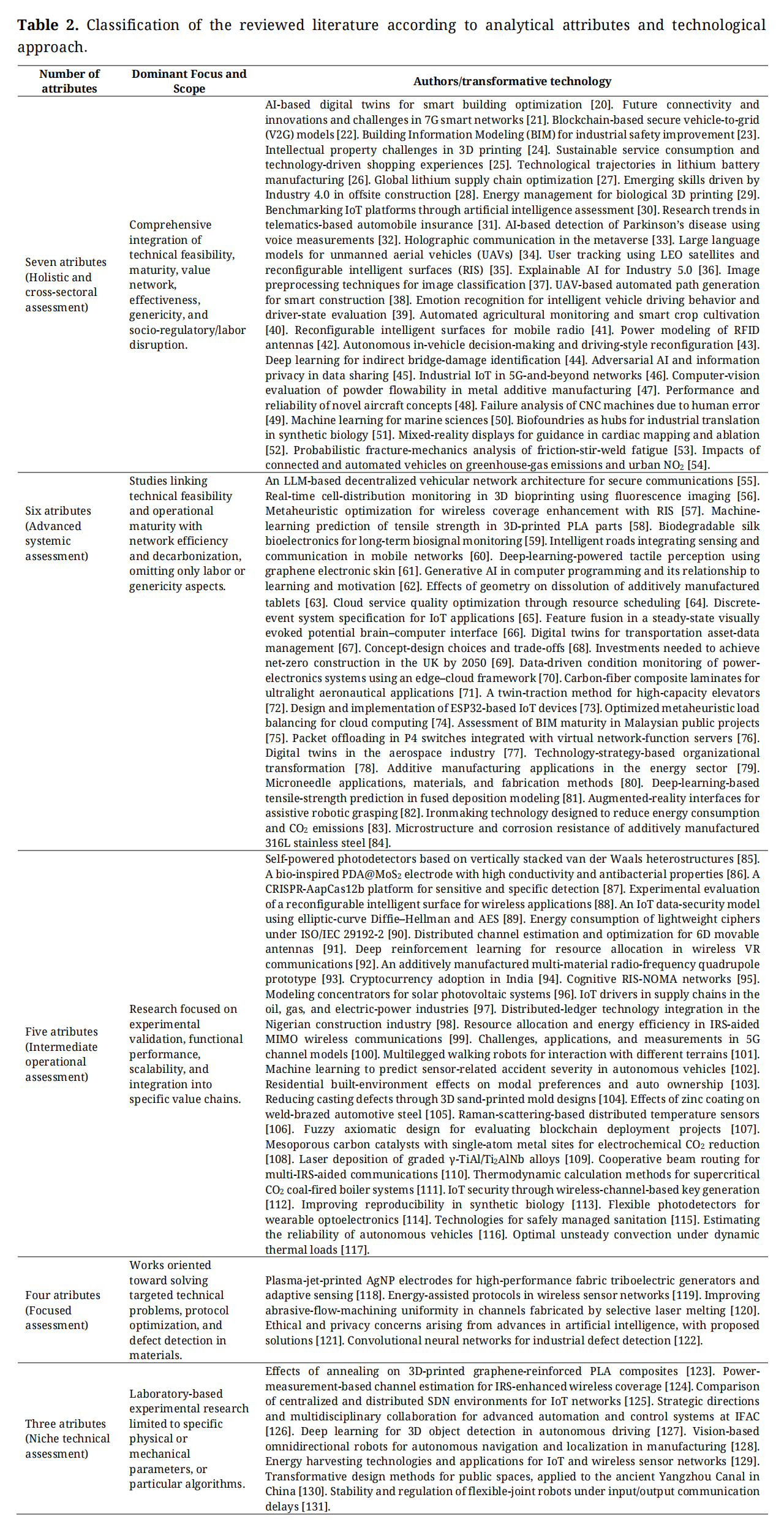 Table 2. Classification of the reviewed literature according to analytical attributes and technological approach.
TTs and ARTs share the potential to generate significant technological change, but differ in terms of maturity, temporal horizon, and degree of disruption. Whereas TTs tend to support the progressive improvement of processes and competitiveness, ARTs anticipate radical long-term transformations and are associated with greater technological, regulatory, and social uncertainties [132]. This distinction suggests a dual approach to innovation management that combines adaptive efficiency with foresight-oriented exploration, thereby addressing both current needs and emerging future challenges [133–137].
Regarding the technologies identified across the value-production networks, the literature provides evidence of their contribution to structural transformations associated with research, development, and innovation across diverse domains of activity. Within this corpus, 80 articles did not explicitly address the analytical attributes examined in this study but presented case studies or specific technological applications. The identified value-production networks include passenger transportation, logistics, goods manufacturing, energy supply, materials, the built environment, work automation, healthcare, security, and collaboration and trust, among others [138–147].
For example, studies addressing the passenger transportation value-production network indicate a transition toward more autonomous and sustainable mobility systems. Innovations in materials and intelligent driving, including brazing technologies applied to automotive steels and driver-emotion recognition, contribute to enhanced structural safety and human–machine interaction. Likewise, secure and decentralized vehicular communications enabled by technologies such as BlockLLM and vehicle-to-everything (V2X) systems support the development of autonomous mobility systems [148].
The authors agree that safety, efficiency, and public trust are central to the transition to smart transportation. Meanwhile, the logistics value chain is evolving toward autonomous systems and intelligent cargo robotics. The role of IoT, RFID, and blockchain optimizes traceability and communication in the supply chain. The common thread in these studies is their emphasis on data efficiency and security, which enables the consolidation of a more reliable logistics ecosystem.
In the goods manufacturing network, the transition to robotic and decentralized manufacturing relies on technologies such as bioprinting, multimaterial 3D printing, ultralight materials, and computer vision for quality control. Research agrees that these innovations reduce costs, improve quality, decentralize production, and promote sustainability.
The livelihood value production network integrates urban agriculture and robotic food production. Smart farming systems with sensors, IoT in beekeeping, and biofoundries for standardized biological processes strengthen productivity and traceability. These developments share a common focus on sustainability and the connection between technological innovation and food security.
In the energy supply network, the transition to renewable and decentralized energy is driven by distributed sensors, advanced storage, and blockchain. Catalysts for CO2 reduction, lithium batteries, and advanced solar technologies highlight the importance of efficiency and sustainability. These findings suggest that decentralization and innovation in energy storage are essential for a sustainable energy transition.
The materials production network incorporates circular economy approaches and renewable materials. Advances in topological photonics, materials computing, zinc coatings, and emissions reduction technologies are transforming energy-intensive industries [149]. These proposals share the common goal of promoting efficiency and sustainability, which is aligned with global decarbonization targets.
Across all value production networks, the studies reviewed highlight several common patterns. First, decentralization and digitalization are recurring enablers of transformation, allowing networks to operate more autonomously and resiliently. Second, sustainability and efficiency emerge as central objectives, linking technological innovation directly to environmental and social outcomes. Third, integration of emerging technologies—ranging from AI, IoT, blockchain, and digital twins to advanced materials and biofabrication—strengthens both operational performance and adaptability across networks.
Overall, these findings illustrate that technological transformation within value production networks is multidimensional, encompassing improvements in safety, efficiency, sustainability, and adaptability. They also indicate that successful innovation relies not only on the technology itself but on the ability to embed it within interconnected sociotechnical systems, creating value through enhanced coordination, automation, and responsiveness. The literature thus underscores the importance of viewing technological change as a systemic process that reshapes entire networks rather than isolated sectors.
This analysis reinforces the relevance of the Value Production Networks attribute as a lens for understanding how transformative technologies influence industrial, urban, and socio-environmental systems, highlighting both sector-specific effects and cross-cutting patterns of structural change.
Currently, TTs are driving the digitalization and automation of construction [150]. From BIM to digital twins and smart surfaces, the emphasis is on design optimization, real-time monitoring, and sustainability. These trends highlight the transition to smart infrastructure, which improves operational efficiency and urban quality.
The exchange network is moving toward schemes based on reputation, economics, and e-commerce. The consumption of green and digital services enhances consumer experience in P2P and C2B2C environments. The common emphasis is on the transformation of consumption models through sustainable technologies. Meanwhile, the remote impact network integrates virtual reality, augmented reality, and holographic communication to expand interactions beyond traditional media. Advanced connectivity through 5G, 6G networks, and artificial intelligence reinforces immersive experiences and telepresence. These convergences highlight the need to redefine communication and collaboration in hybrid environments.
Work automation networks are advancing from centralized processes to decentralized robotics based on AI and collective collaboration. The IoT, XAI, and digital twins stand out for their roles in productive efficiency and transparency. The convergence of studies highlights technical governance, sustainability, and industrial resilience.
In healthcare networks, systems are evolving toward self-diagnosis, gamification, and personalized nutrition. Advances in image preprocessing, microneedles, portable spectroscopy, mixed reality, and bioelectronics have optimized diagnoses and personalized care. These developments are transforming care into more accessible, accurate, and sustainable models.
The disability care network incorporates robotics, AI, and artificial organs to promote autonomy and mobility. From AR-enabled robotic grasping systems to multipod robots, the inclusion and quality of life are being enhanced. The findings highlight human-robot integration and inclusive design as key to sustainable solutions.
In the information acquisition network, technologies such as cloud load balancing, optical communication, and blockchain strengthen the efficiency and security of distributed systems [151]. The authors also emphasize the importance of resource optimization and quality of service in cloud and IoT.
Other relevant networks include the skills and validation network, which is evolving toward AI-supported flipped and independent learning. The metaverse and generative AI in programming personalize teaching and validate practical skills. The shared insights highlight the roles of autonomous learning and immersive interaction as transformative elements.
The experience production network integrates games, shared VR/AR, and digital tourism experiences. Advances in deep learning for resource allocation, metaverse adoption studies, and digital cultural tourism have strengthened this network [152]. These studies concur in emphasizing immersion and interaction as central factors in the creation of value.
Similarly, security networks are gaining relevance as they evolve toward decentralized and collaborative approaches. Key generation via wireless channels and SDN network security are driving new forms of digital protection [153]. The shared insights lie in decentralization and collaboration as the principles of trust and digital resilience.
Within the network of collaboration and trust, digital platforms foster transparency in data-sharing. The analysis of privacy versus AI highlights the risks and promotes governance practices oriented towards peer trust. These findings underscore the need to balance data utility and privacy protection.
Finally, models based on subsidiarity and redistribution emerge within the network of power structures. Strategy-oriented technology management strengthens institutional legitimacy and transparency. The authors concur that technology governance redefines contemporary global power dynamics.
Structuring a Technology OntologyOverall, the 145 technologies identified can be interpreted as potential catalysts for structural transformations across the economic, social, and environmental dimensions, highlighting the need for integrated technology governance strategies and interdisciplinary collaboration. From the perspective of the Radical Technology Inquirer (RTI), Anticipated Radical Technologies (ARTs) are characterized by their transformative potential, their relationship with value-production networks, and their potential impacts on occupations, regulatory frameworks, and social structures. These attributes are complemented by anticipated effectiveness, key enabling factors, level of development, and genericity, which together provide a basis for assessing the likelihood, scope, and conditions under which such transformative potential may materialize.
This conceptualization is grounded in studies that define ARTs as technological innovations whose transformative potential has not yet materialized but that may generate significant changes in socioeconomic structures [12]. Accordingly, Table 3 classifies the technologies analyzed according to their correspondence with the Transformative Technology (TT) and ART categories, considering their technological domains, applications, attributes, and potential impacts across value-production networks.
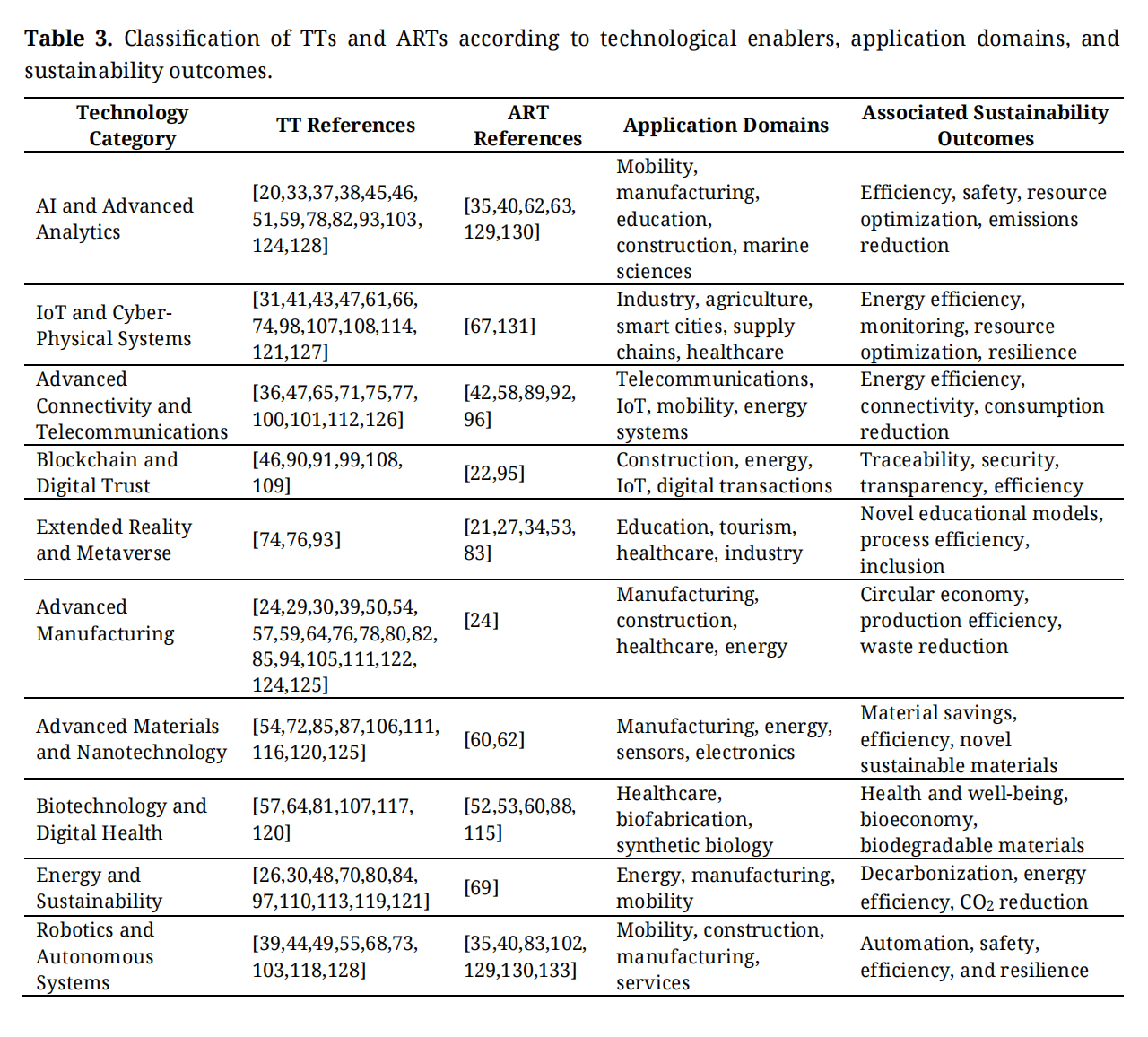 Table 3. Classification of TTs and ARTs according to technological enablers, application domains, and sustainability outcomes.
These technologies are structured within a three-level technical ontology, which facilitates the analysis of their interactions with socioeconomic systems and their potential impacts on sustainability. The proposed ontological model integrates three fundamental dimensions.
Hierarchical Three-Level Ontological Architecture: Enabler, Domain, and Sustainability OutcomeTechnological enabler (technology): Represents the technical or scientific component driving innovation. Examples include artificial intelligence, quantum computing, blockchain, and bioengineering. These enablers form the foundational capabilities that enable transformative or radical applications across sectors. When describing the technical ontology, it is emphasized that the Technological Enabler level does not correspond to a fixed technological category, but can represent an ARTs or a TTs, depending on its level of technological maturity (Attribute 4: Level of Development) and its anticipated effectiveness (Attribute 5: Anticipated Effectiveness). This distinction reinforces the evolutionary nature of the ontology and the dynamic nature of the transition from emerging technologies to technologies with transformative capacity.
Application domain (value network): Corresponds to the socioeconomic system in which the technology is implemented. The study identifies 20 distinct value production networks, including transport, health, energy, manufacturing, information, and logistics. This dimension emphasizes the cross-sectoral relevance and interconnectivity of emerging technologies.
Sustainability outcome (impact): Defines the anticipated ultimate effect of the technology in terms of economic, environmental, or social transformation. Examples include decarbonization, material circularity, and enhanced organizational resilience. This dimension links technological adoption to measurable contributions toward sustainability objectives.
This hierarchical ontology enables a structured mapping of technologies, from their scientific or technical foundation to the socioeconomic systems they influence and the sustainability outcomes they generate. By integrating these dimensions, the model provides a comprehensive framework for assessing the systemic implications of TTs and ARTs, supporting both technological foresight and policy formulation.
The proposed three-level ontological model comprises three systematically interconnected levels (Table 4). The Technological Enabler represents the core scientific and technical driver, such as Artificial Intelligence (AI), blockchain, or biochar. The Application Domain identifies the socioeconomic value-creation network in which the technology is implemented, such as healthcare, energy, or agriculture. Finally, the Sustainability Outcome specifies the expected socioecological impact, such as decarbonization, circularity, or soil regeneration. This structure establishes a direct link between technological adoption and measurable sustainability goals.
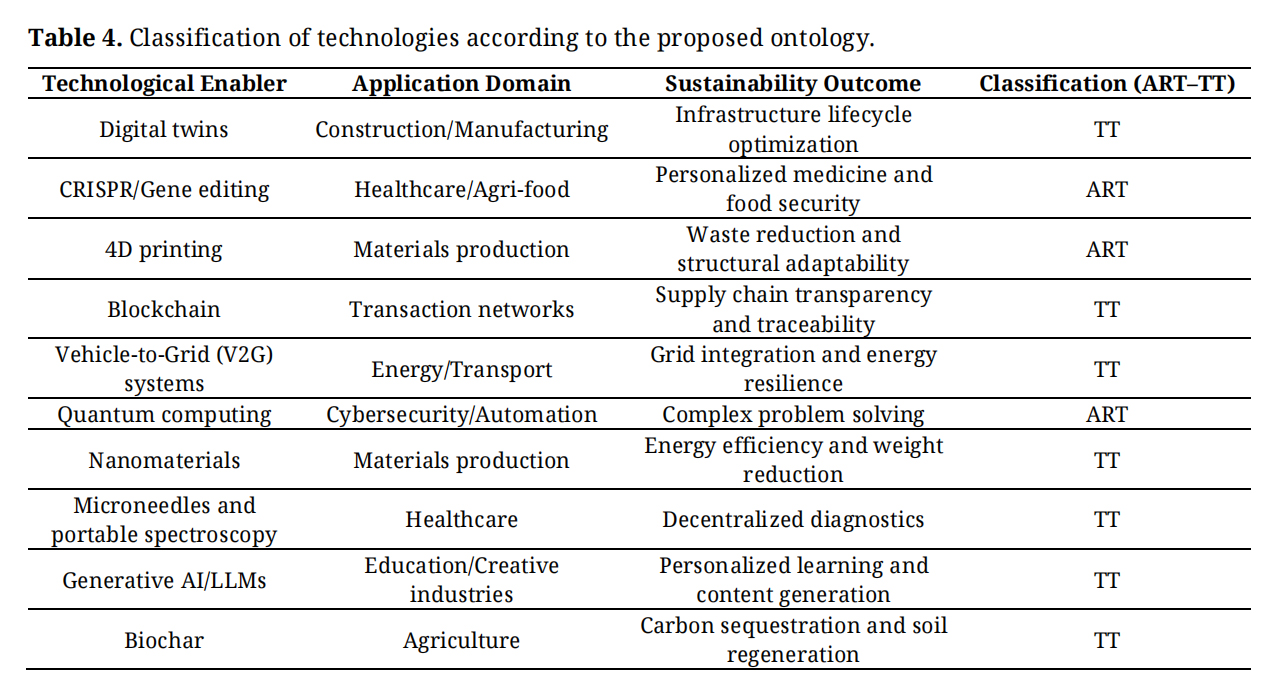 Table 4. Classification of technologies according to the proposed ontology.
A comparative analysis identified synonyms and conceptual convergences, which are essential for technology intelligence and terminological standardization. These convergences include natural language processing; the Internet of Things (IoT) with ubiquitous environments; BIM with digital construction; UAVs and drones with quadcopters; additive manufacturing with 3D printing and metamaterials; blockchain with smart contracts and P2P solutions; and nanotechnology with graphene and nanoparticles.
The sectoral analysis demonstrates that the convergence of digital, biological, and material technologies is reshaping multiple socioeconomic systems:
The transport sector is being transformed through the integration of artificial intelligence, advanced sensors, and V2X communication, enabling autonomous vehicles and mobility-as-a-service (MaaS). The logistics sector benefits from the convergence of IoT, RFID, and blockchain to improve traceability, transparency, and supply chain efficiency. The healthcare sector leverages technologies such as microneedles, bioelectronics, and portable spectroscopy to support self-diagnosis, preventive care, and personalized medicine. The energy sector is advancing through smart grids and vehicle-to-grid (V2G) systems, enabling consumers to become active energy prosumers and fostering decentralized energy management. Finally, the construction sector adopts Building Information Modeling (BIM) and digital twins to support the transition from static design to predictive infrastructure monitoring and maintenance. Overall, these sectoral transformations underscore the emergence of a convergent technological ecosystem in which digitalization, automation, and biotechnology are shaping new productive architectures oriented toward sustainability, resilience, and long-term global competitiveness. Unlike the institutional foresight approaches developed by the Committee for the Future of the Parliament of Finland [1] and adapted by CONCYTEC [5], this research proposes a three-level ontological architecture to organize and track Transformative Technologies (TT) and Anticipated Radical Technologies (ART). The model connects the technological enabler with its application domain and sustainability outcomes, making it possible to represent the innovation trajectory from its technical foundation to its potential systemic effects.
Application of the Conceptual Criteria and Attributes Derived from the RTI Framework ExplicitThis section clarifies that ARTs are primarily characterized by their transformative potential, their relationship with value-production networks, and their potential impacts on occupations, regulatory frameworks, and social structures. Anticipated effectiveness complements this characterization by considering the potential materialization of the identified transformative potential, whereas enabling factors, level of development, and genericity operate as supporting and descriptive attributes. This organization establishes a more transparent link between the conceptual distinction between ARTs and TTs and the analytical and classification procedures applied in the study.
The Table 5 was developed to differentiate technologies according to their anticipatory character, level of development, and transformative potential. This classification avoids treating technologies with different degrees of maturity and radicality as analytically equivalent. Accordingly, the revised framework establishes a clearer distinction between technologies that are already widely deployed, such as AI, IoT, 3D printing, and BIM, and emerging or higher-uncertainty developments, such as Hyperloop, fusion energy, and quantum computing. This revision improves the internal consistency of the classification and strengthens the alignment between the conceptual framework, the analytical attributes, and the empirical evidence presented in the manuscript.
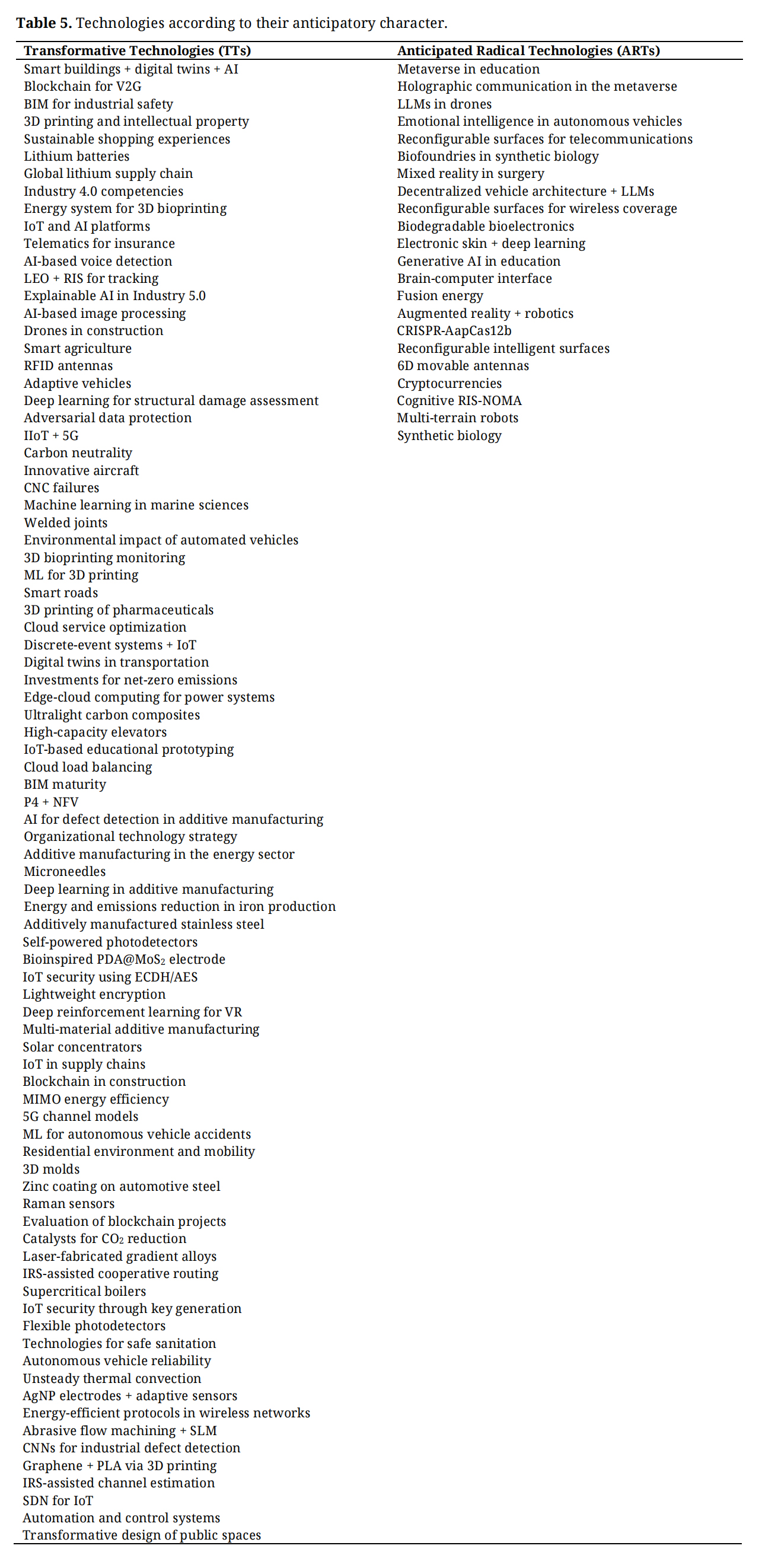 Table 5. Technologies according to their anticipatory character.
Computational analysis using VantagePoint (v.15.2) is instrumental in examining the evolutionary dynamics of Transformative Technologies (TTs) and Anticipated Radical Technologies (ARTs), as well as in assessing how their systemic potential is associated with the structure of the scientific and geopolitical ecosystem underlying their development. Based on the search equation applied to Scopus, co-occurrence density analysis and the identification of emerging topics enable the characterization of key actors involved in sociotechnical transitions, as well as the identification of gaps in interinstitutional collaboration that may warrant attention from a public policy perspective. Within this analytical framework, the syntactic normalization of institutional affiliations and the subsequent bibliometric analysis reveal a highly asymmetric geographical distribution of scientific output, with research on TTs and ARTs concentrated predominantly in global leaders such as China, the United States, and India (Figure 2).
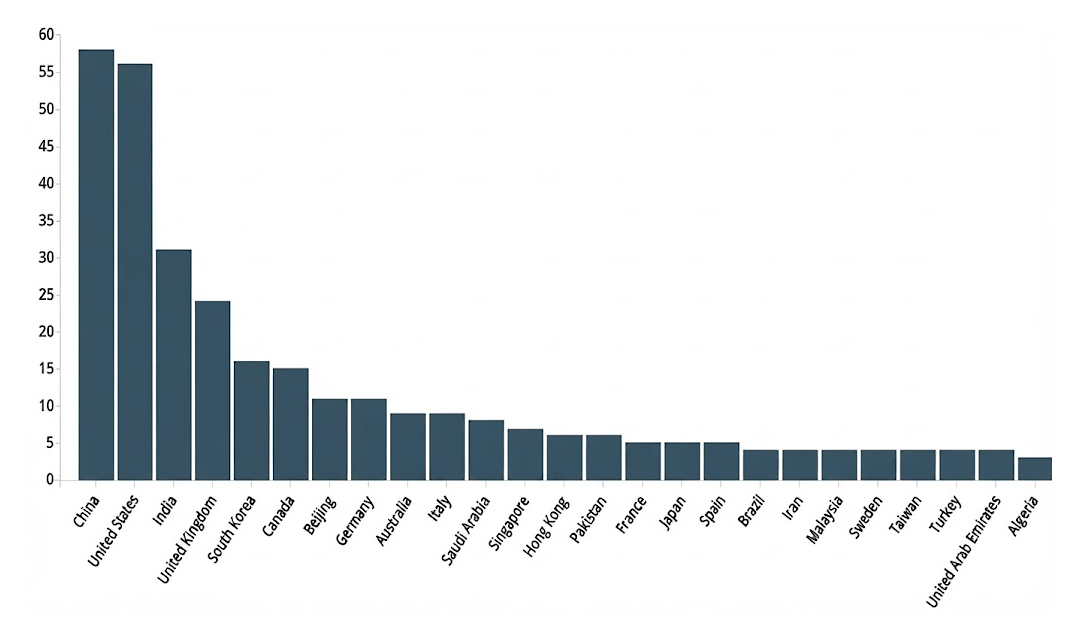 Figure 2. Data on countries that lead in the number of publications.
The concentration of scientific output in China, the United States, and India indicates a pronounced geographical specialization of technological knowledge, whereby each country directs part of its R&D capabilities toward strategic technological enablers. The co-occurrence patterns suggest that this specialization is associated with distinct domains of transformation: China exhibits a strong presence in artificial intelligence (AI) and the Internet of Things (IoT), whereas the United States shows greater representation in biotechnology and quantum computing. These findings suggest that national technological capabilities may contribute to shaping differentiated patterns of value-production network reconfiguration and sociotechnical transitions.
Figure 3. presents a frequency matrix linking technologies and countries. The bubble chart visualizes the intensity of these associations, facilitating the identification of technology areas with the highest representation within each country.
The previous figure reveals marked geographical heterogeneity and patterns of technological specialization. The United States exhibits the highest intensity of activity, particularly in Additive Manufacturing, whereas India stands out in Machine Learning and also shows activity in Additive Manufacturing, Deep Learning, and Blockchain. Germany, the United Kingdom, China, and South Korea display more diversified and specialized profiles, with China and India showing a notable concentration in 3D Printing and Digital Twin. Overall, the results indicate that global technological development is structured around specialized hubs associated with the distinctive scientific and industrial capabilities of each country.
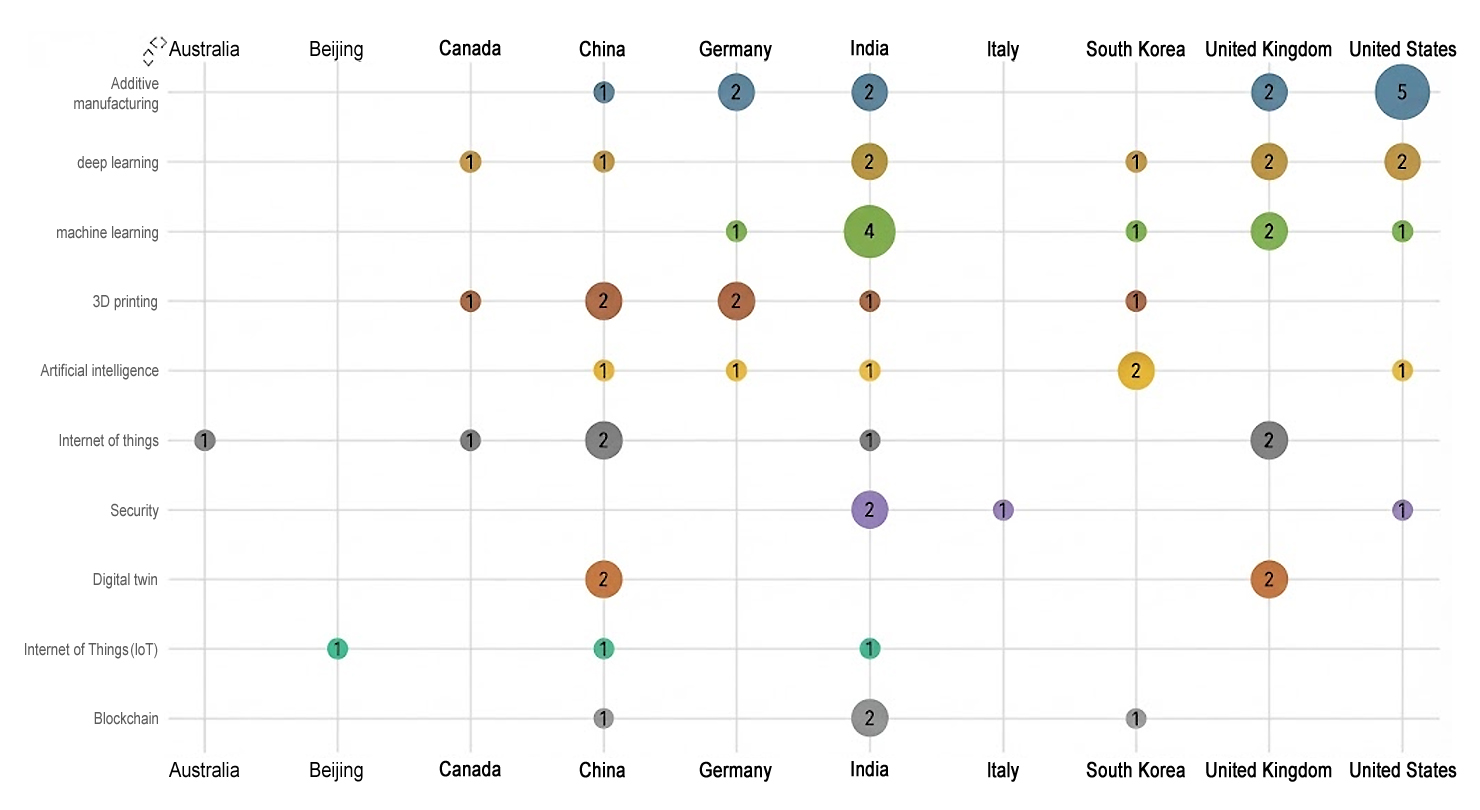 Figure 3. Technologies associated with each country.
Figure 4 presents a co-occurrence network linking authors and technological topics. The data were normalized and clustered to identify thematic and collaborative relationships, represented by nodes and links whose size and intensity reflect, respectively, the frequency and strength of these relationships.
The co-occurrence network reveals an interconnected research structure in which central authors articulate the clusters of intelligent digitalization, advanced manufacturing, and energy sustainability. The presence of IoT and digital twins as prominent technological enablers, together with AI and advanced materials, indicates convergence across different technological domains. This configuration suggests that the development of TTs and ARTs depends on interactions among technologies, authors, and fields of knowledge, while peripheral nodes extend the network toward specialized niches. In this regard, the core–periphery structure supports the interpretation of value-production network reconfiguration as a process of technological and interdisciplinary integration rather than as the isolated evolution of individual technologies.
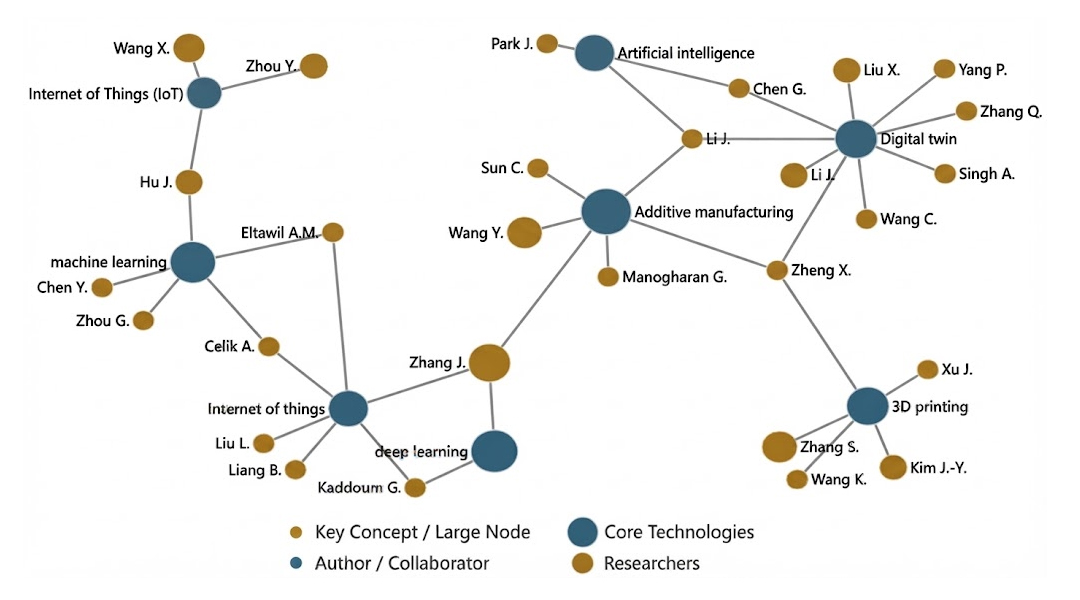 Figure 4. Co-occurrence networks.
Figure 5 presents a cluster map of authors generated using VantagePoint V15.2, showing co-occurrence patterns that highlight collaborative networks and thematic proximities within the field of transformative technologies. The analysis reveals a decentralized yet structured configuration, comprising multiple interconnected clusters that represent groups of authors working on related topics.
As shown in the previous figure, the cluster map reveals a decentralized yet interconnected scientific structure in which different groups develop complementary technological research lines. The coexistence of a core of authors with higher scientific output and a periphery oriented toward emerging applications suggests a dynamic of knowledge concentration and diversification. This configuration indicates that knowledge generation on TTs and ARTs is supported by interactions among specialized clusters, facilitating the integration of diverse technological perspectives and domains in the development of sustainable value-production networks.
As shown in Figure 6, the emergence report indicates that sustainability constitutes the principal thematic driver of the technological trajectories identified. Its high emergence intensity suggests that sustainability functions as an integrating axis linking technological convergence with different application domains, particularly energy, manufacturing, healthcare, and urban infrastructure. Likewise, the position of the Chinese Academy of Sciences highlights the institutional concentration of scientific output associated with these emerging trajectories. Overall, this pattern suggests that technological emergence is shaped by the interaction among sustainability, technological convergence, and institutional R&D capabilities, with implications for the evolution of value-production networks.
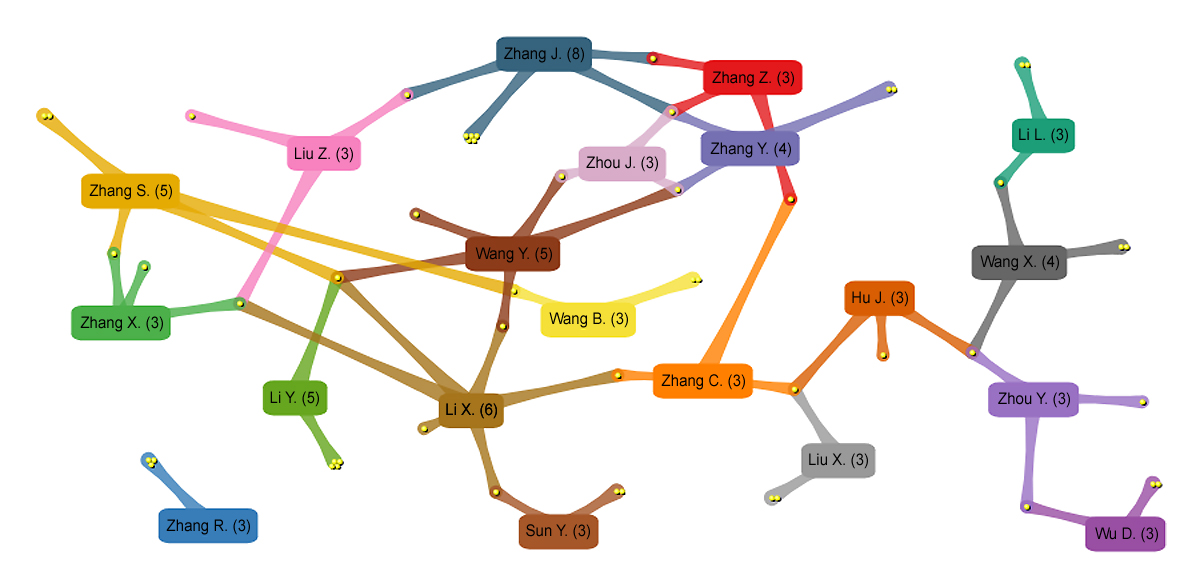 Figure 5. Cluster map of authors.
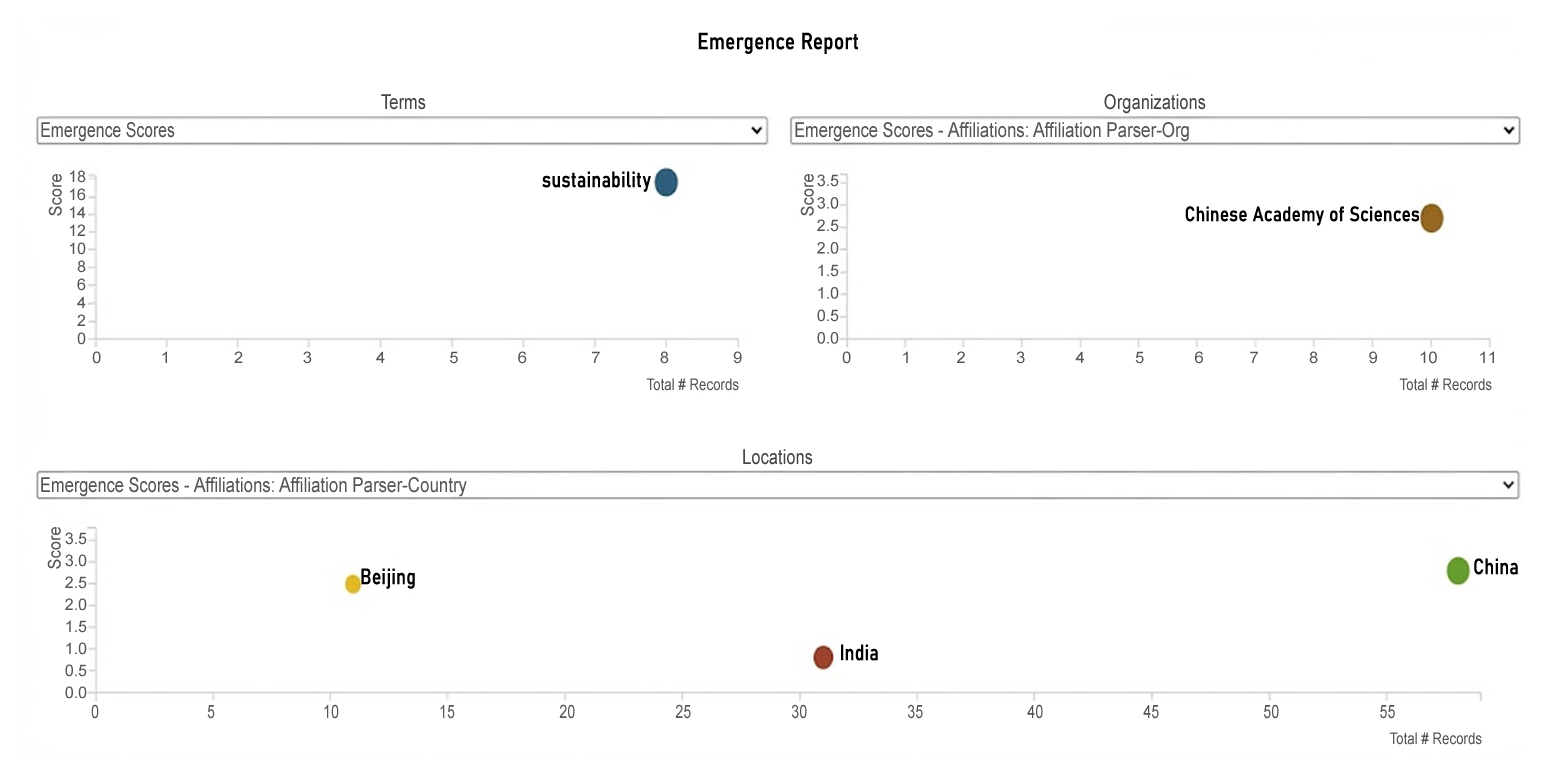 Figure 6. Emergence analysis report.
As illustrated by the word cloud (Figure 7) generated through natural language processing, text mining applied to titles, abstracts, and keywords provides a mapping of the frequencies of key terms within the corpus. However, moving beyond mere visual prominence requires qualitative contextualization of the studies to elucidate the underlying technological domains. This content analysis reveals that the literature converges around three main interrelated trajectories: (i) intelligent digitalization, centered on AI, IoT, digital twins, and cyber-physical integration; (ii) advanced manufacturing, driven by additive manufacturing, smart sensors, and process customization; and (iii) energy sustainability, focused on energy storage, decarbonization, and resource efficiency. Overall, these clusters demonstrate how cross-cutting technological enablers can function as systemic drivers that simultaneously reconfigure industrial architectures, digital infrastructures, and sustainable value-creation networks.
The qualitative content analysis demonstrates that the identified technologies converge around three sociotechnical trajectories: intelligent digitalization, advanced manufacturing, and energy sustainability. These trajectories encompass Artificial Intelligence (AI), digital twins, the metaverse (AR/VR), autonomous vehicles, 3D printing, energy storage, and environmental solutions, which function as systemic enablers of industrial production, digital connectivity, and sustainable development. They also exhibit conceptual overlaps with the framework reported in [1] and articulate cross-cutting concepts such as scalability and efficiency, with applications in healthcare, security, and smart cities. Their integration can support resource optimization, cost reduction, and the pursuit of economic, environmental, and social objectives. However, their adoption faces barriers associated with technological maturity, regulation, social acceptance, ethics, interoperability, infrastructure, costs, governance, and data privacy.
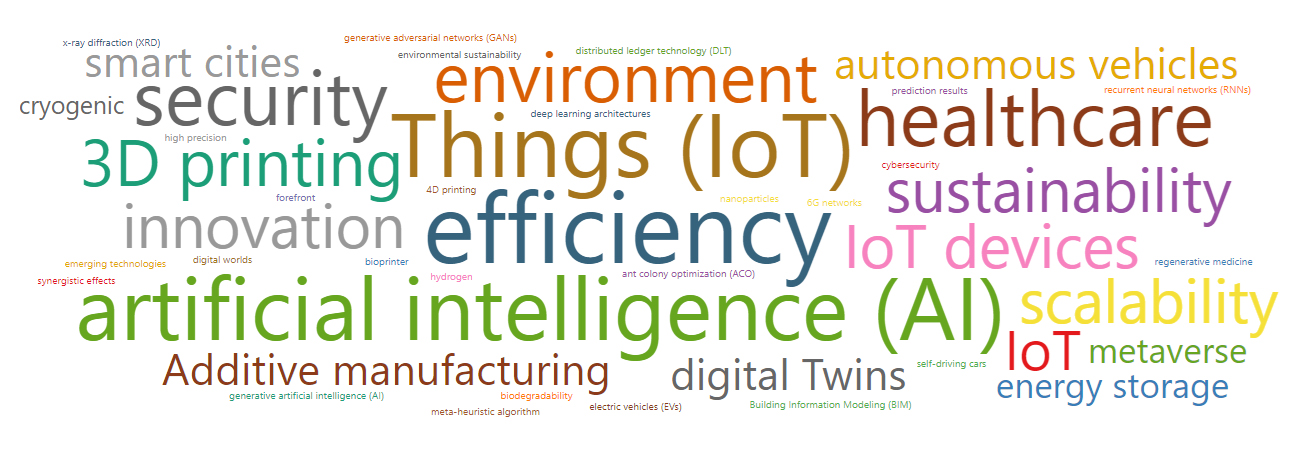 Figure 7. Word Cloud of Transformative Technologies.
The integration of these technologies expands their potential applications, including the combination of AI, IoT, and digital twins for smart cities; the integration of the metaverse/AR–VR with digital twins for urban simulations; and the combination of autonomous vehicles with IoT, AI, sensor networks, and energy-storage technologies. In this context, their management requires integrated strategies that address technological innovation, governance, regulation, social participation, ethical oversight, standardization, and sustainability.
Based on the identification of foundational technologies and the need to overcome interoperability, regulatory, and governance barriers through multitechnological integration—such as the synergies among AI, IoT, digital twins, and smart grids—it is essential to examine the bibliometric prominence with which these enablers emerge in the scientific literature. The analysis indicates that the successful management of TTs requires the integration of technological innovation with governance, public policies, social acceptance, standards, ethics, and sustainability, while also addressing challenges related to emerging environmental measurement objectives, automation, citizen participation, internationalization, and the transformation of measurement services.
In this context, Figure 8 synthesizes the frequency distribution of the most recurrent TTs and ARTs, illustrating how technical novelty, strategic alignment with sustainability, organizational leadership, and the geographical concentration of knowledge help delineate the emerging frontiers of innovation.
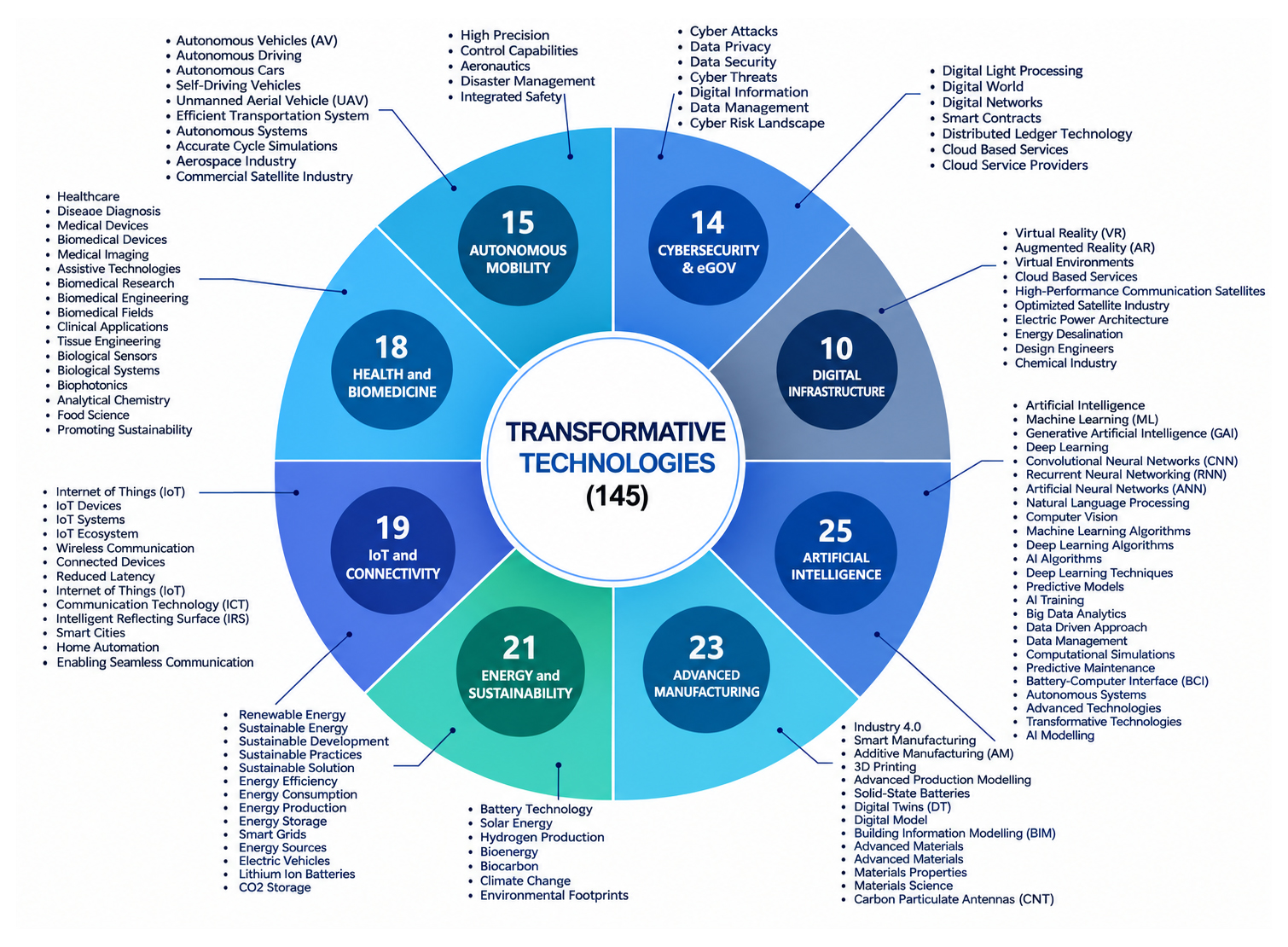 Figure 8. Most frequent TT and ARTs.
The figure above shows the 13 technologies that coincide with the Finland 2037 study. It also lists 132 new technologies identified in this literature review, including renewable energy, 4D printing, cyberattacks, and IoT ecosystems. The 145 technologies become inputs for scientific, technological, and commercial surveillance studies and for new prospective studies with more concrete applications at the level of value production networks. Furthermore, the table suggests that, in order to take advantage of these technologies, not only technical advances are needed, but also integrated governance strategies, proactive public policies, ethics, specialized training, public-private partnerships, and assessment of social, economic, and environmental impacts.
The Triangulation of the Seven Analytical AttributesThe triangulation of the seven analytical attributes alongside the observed technological patterns identified in the word cloud (Figure 3) reveals not only the presence of transformative technologies but also systematic differences in the way the literature conceptualizes technological change. Rather than appearing with similar intensity, the attributes exhibit a clear hierarchy in the reviewed studies, reflecting the analytical priorities of engineering-oriented research.
The most frequent attribute is Transformative Potential, which appears in 62.09% of the reviewed articles. This predominance suggests that the engineering literature tends to emphasize technological novelty and the disruptive capacity of emerging technologies such as artificial intelligence, the Internet of Things (IoT), blockchain, additive manufacturing, and digital twins. These technologies are often presented as drivers of structural change in production systems, healthcare services, urban infrastructures, and digital economies. However, the analysis also reveals that the notion of transformation varies depending on the sector analyzed. In some cases, the transformation is primarily technological, as occurs with advanced materials or additive manufacturing. In others, it involves broader socioeconomic changes, such as the emergence of digital platforms, decentralized governance models enabled by blockchain, or new immersive environments associated with the metaverse.
The second most frequent attribute is Key Factors (58.29%), which generally refers to enabling conditions such as data availability, energy efficiency, computational infrastructure, or cybersecurity. The prominence of this attribute indicates that engineering research often frames technological transformation as dependent on specific enabling infrastructures, including digital connectivity, high-performance computing, or advanced materials. In this sense, the literature highlights the importance of systemic technological ecosystems rather than isolated innovations.
Similarly, the attribute Level of Development (56.87%) reflects the strong emphasis that engineering publications place on technological maturity. Most studies assess transformative technologies through experimental validation, simulation environments, or prototype development. Technologies that demonstrate interoperability with existing systems or integration into value chains are typically considered to have greater transformative potential. This suggests that the literature implicitly links technological transformation to progress along the innovation maturity continuum, from laboratory experimentation to deployment in real-world environments.
The attribute Relationship with Value Production Networks (54.98%) confirms that many transformative technologies are analyzed within the context of sectoral value chains. The literature shows how technologies such as IoT, digital twins, and blockchain are increasingly integrated into production networks, logistics systems, energy infrastructures, and urban services. These findings reinforce the idea that technological transformation rarely occurs in isolation; rather, it emerges through the reconfiguration of interconnected sociotechnical networks.
The attribute Anticipated Effectiveness (53.55%) reflects the expectation that these technologies will generate measurable improvements in efficiency, sustainability, or service quality. In most cases, this effectiveness is associated with three convergent elements: functional validation, applicability to real-world problems, and the potential for scalability within existing value networks. Technologies such as smart grids, autonomous systems, and artificial intelligence–based diagnostic tools exemplify this pattern.
In contrast, two attributes appear with significantly lower frequency: Impacts on Professions, Regulation, and Social Structures (35.07%) and Genericity (30.33%). The relatively low presence of these attributes may reflect an important characteristic of the engineering literature. Many studies focus primarily on technical feasibility and performance, while social, institutional, or labor implications receive comparatively less attention. This imbalance suggests that the social consequences of transformative technologies—such as the transformation of work, regulatory adaptation, or ethical challenges—remain underexplored in engineering-oriented research. Consequently, future studies could benefit from greater interdisciplinary integration that incorporates perspectives from the social sciences, public policy studies, and innovation governance.
The relatively low frequency of the attribute Genericity indicates that many studies examine technologies within specific sectoral contexts rather than emphasizing their cross-sector applicability. Nevertheless, several digital technologies—particularly artificial intelligence, machine learning, blockchain, and the Internet of Things—clearly function as general-purpose technologies capable of simultaneously transforming multiple industries.
Overall, the distribution of attributes suggests that the literature on transformative technologies and anticipated radical technologies is strongly oriented toward technological capability, maturity, and operational performance, while broader social and institutional implications receive comparatively less attention. This pattern highlights the need for more integrative research approaches capable of connecting technological innovation with broader socioeconomic transformation.
The present discussion contrasts the empirical findings with the literature on sociotechnical transitions, technological foresight, and innovation governance. The analysis is structured around six triangulation axes that enable the findings to be interpreted in relation to existing theoretical and empirical references.
Triangulation with foresight and transformative innovation frameworks. The triangulation with foresight frameworks and transformative innovation literature indicates that the analysis of emerging technologies should move beyond sectoral classifications and focus on interactions among technologies, application domains, and value-production networks. Consistent with the approaches developed by CONCYTEC–Peru and Finland 2037, the proposed ontology—Technological Enabler–Application Domain–Sustainability Outcome—increases analytical resolution by disaggregating broad categories into specific enablers such as BIM, XAI, 4D printing, biochar, and advanced cybersecurity. This approach responds to Xu et al., who emphasize the need to operationally delimit transformative innovation, and is consistent with [7,8], which argue that transformative character depends not solely on technological novelty but also on the capacity to contribute to socioecological transitions and generate effects across the life cycle.
Distribution of analytical attributes. The distribution of the seven attributes reveals a clear orientation of the engineering literature toward technical capabilities and implementation conditions, reflected in the predominance of Transformative Potential (89.73%), Key Enabling Factors (84.25%), and Level of Development/Maturity (82.19%). In contrast, the lower representation of Genericity (43.84%) and Socio-regulatory and Labor Impacts (50.68%) indicates comparatively less attention to cross-sectoral diffusion and the institutional implications of technologies. Consistent with Gruetzemacher, Whittlestone, and Phillips, these results suggest a gap between technical characterization and the understanding of broader sociotechnical consequences, reinforcing the relevance of interdisciplinary approaches to technology assessment.
Differentiation between TTs and ARTs. The differentiation between TTs and ARTs indicates that technological enablers exhibit different levels of maturity, uncertainty, and adoption conditions; therefore, treating them as equivalent categories may introduce analytical bias. The use of Technology Readiness Levels (TRLs) provides a basis for distinguishing between TTs (TRL 7–9), associated with relatively mature technologies oriented toward the optimization and integration of existing processes, and ARTs (TRL 1–6), characterized by greater technical and regulatory uncertainty and by transformative potential that has not yet fully materialized. This differentiation is consistent with Linturi et al. and is also related to the approaches of Maine and Garnsey and Daim et al. Accordingly, the distinction between TT and ART depends not solely on the technological artifact itself, but also on its level of maturity and its coupling with processes of value transformation.
Reconfiguration of value-production networks. The reconfiguration of value-production networks indicates that technologies do not operate in isolation but are interconnected transversally through processes of technological convergence. The VantagePoint analysis identifies three sociotechnical trajectories: intelligent digitalization, advanced manufacturing, and energy sustainability. These trajectories are articulated, respectively, by AI, IoT, and digital twins; additive manufacturing, biomimetic sensors, and collaborative robotics; and advanced energy storage, decarbonization, and renewable-energy integration. This configuration suggests that systemic transformation is associated with interactions among technologies, as illustrated by combinations such as V2G and blockchain in energy networks and AI and sensors in precision agriculture. These findings are consistent with the propositions of Laakkonen et al. (2023) and Luhas et al. (2019) concerning transformations in sustainable value-creation logics [2,3].
Socioecological implications of AI. Recent empirical evidence further deepens the analysis of the role of Artificial Intelligence (AI) in sustainability, indicating that its effects on resilience and energy transition are neither linear nor homogeneous [154]. On the one hand, AI can strengthen energy security, intelligent management, and cyber-physical protection against geopolitical risks, while supporting decision-making and facilitating renewable-energy adoption under conditions influenced by financial development [155]. On the other hand, its deployment involves critical socioecological and distributive trade-offs: it may generate tensions with energy equity and has been associated with an Environmental Kuznets Curve (EKC)-type trajectory [156], in which early adoption may increase energy consumption and environmental pressures before technological maturation enables reductions in carbon intensity and improvements in efficiency [157]. Taken together, these findings indicate that the genericity of AI (Attribute 6) does not ensure homogeneous outcomes across application contexts, since its effectiveness is also conditioned by technological development and maturity (Attribute 4), cybersecurity risk mitigation, and institutional capacities for equitable access (Attribute 7).
Differentiated governance implications. Based on the theoretical and empirical triangulation, a differentiated governance approach is proposed according to technological maturity and uncertainty. For ARTs, anticipatory governance is supported by foresight, technology intelligence, and interdisciplinary assessment, with the objective of exploring alternative trajectories and potential implications before widespread adoption. For TTs, adaptive governance emphasizes controlled testing environments, including regulatory sandboxes, the updating of standards, and the development of workforce capabilities, given their closer interaction with existing infrastructures, institutions, and markets.
Recommendations: Strategic and Governance ConsiderationsBased on the technological attributes identified in the review, several differentiated strategic and research recommendations can be proposed.
First, innovation strategies should be differentiated according to the degree of technological genericity. For highly generic technologies—such as artificial intelligence, digital infrastructures, and data-driven platforms—innovation strategies should prioritize ecosystem-based innovation models. These include platform-based innovation architectures, open innovation systems, and modular technology integration strategies that enable complementary innovations across multiple sectors. Because such technologies function as enabling infrastructures, organizations should focus on interoperability standards, data governance frameworks, and scalable digital architectures that facilitate cross-sector diffusion.
Second, technologies characterized by lower genericity but high impact on professional structures require sector-specific capability development strategies. In these cases, the main challenge is not technological diffusion but the restructuring of specialized professional competencies and regulatory frameworks. Innovation models for these technologies should therefore emphasize sectoral technology integration programs, including professional reskilling initiatives, regulatory adaptation mechanisms, and industry-specific testing environments such as regulatory sandboxes or pilot infrastructures. Examples include medical robotics, advanced manufacturing systems, and specialized biotechnology platforms, where adoption depends strongly on professional accreditation systems and regulatory oversight.
Third, technology monitoring and foresight systems should incorporate attribute-based evaluation criteria. Rather than identifying emerging technologies solely through publication or patent trends, foresight systems should assess technologies according to attributes such as transformative potential, maturity level, genericity, and systemic impact. Integrating these dimensions into monitoring frameworks would allow organizations and policymakers to prioritize technologies with the highest capacity to restructure value production networks.
Fourth, innovation policy should focus on the governance of value production networks rather than individual industries. The review shows that transformative technologies often operate across interconnected sectors—such as mobility, logistics, manufacturing, energy systems, digital services, and healthcare. Policy instruments should therefore encourage cross-sector experimentation platforms, technology testbeds, and collaborative innovation infrastructures capable of coordinating technological development across multiple value networks.
Fifth, differentiated human capital strategies should be developed according to the technological attributes identified. For highly generic technologies, workforce strategies should prioritize digital literacy, data competencies, and interdisciplinary technological capabilities that allow professionals to operate within digitally integrated systems. In contrast, for specialized technologies with strong professional impact, training policies should focus on advanced technical specialization, certification mechanisms, and continuous professional updating programs linked to sector-specific technological standards.
Future research should advance toward quantitative evaluation models capable of measuring the economic, environmental, and organizational impacts of early ART adoption. In particular, empirical studies are needed to examine how the interaction between technological attributes—such as genericity, maturity, and systemic impact—affects adoption dynamics, productivity gains, and sustainability outcomes across different sectors.
By linking innovation strategies to the specific attributes that characterize transformative technologies, future research and policy design can move beyond generic innovation recommendations toward more precise frameworks for managing technological disruption and sustainability-oriented transformation.
The innovation policy should focus on the governance of value production networks rather than individual industries. The review shows that transformative technologies often operate across interconnected sectors such as mobility, logistics, manufacturing, energy systems, digital services, and healthcare. Policy instruments should therefore encourage cross-sector experimentation platforms, technology testbeds, and collaborative innovation infrastructures capable of coordinating technological development across multiple value networks. In this context, recent frameworks emphasize that adaptive governance and regulatory sandboxes must integrate real-time feedback loops to balance rapid technological deployment with institutional stability. Furthermore, strategic foresight models in 2026 highlight the necessity of cross-sectoral policy alignment to prevent regulatory fragmentation in complex value creation ecosystems.
This study presents several limitations that should be considered when interpreting its findings. First, the SLR used Scopus as the sole primary database and employed a search strategy centered on the labels “transformative technolog*” and “anticipated radical technolog*,” which may have excluded studies addressing disruptive or emerging technologies that do not explicitly use these categories. Second, no formal evidence-quality assessment or standardized classification based on Technology Readiness Levels (TRLs) was applied; therefore, the assessment of technological maturity relied on the characterization reported in the included studies. Third, although the coding of the seven attributes was conducted through independent review and discrepancy resolution, no formal inter-rater reliability coefficient was calculated. Finally, the concentration of evidence in particular regions and the linguistic restrictions of the corpus may limit the representativeness of the findings, particularly with respect to TT and ART dynamics in the Global South. These limitations delimit the scope of the findings and suggest the need for future reviews to incorporate multiple databases, formal quality-assessment procedures, inter-rater agreement metrics, and greater geographical and linguistic diversity.
This study contributes to the emerging literature on Anticipated Radical Technologies (ARTs) and Transformative Technologies (TTs) by identifying and systematizing 145 technologies extracted from 211 Scopus-indexed publications through a structured systematic literature review supported by bibliometric analysis using VantagePoint. The main conceptual contribution of the study lies in the identification of seven analytical attributes that characterize these technologies: transformative potential, integration within value production networks, critical enabling factors, level of technological maturity, anticipated effectiveness, degree of genericity, and impact on professions, regulation, and social structures.
The results indicate that ARTs should not be understood as isolated technological breakthroughs but as components of convergent technological ecosystems in which multiple domains—such as artificial intelligence, robotics, biotechnology, advanced materials, and digital infrastructures—interact to generate systemic change. Their transformative capacity emerges primarily from their ability to reconfigure value production networks, affecting several sectors simultaneously rather than producing isolated industry-specific disruptions.
Furthermore, the findings demonstrate that bridging the gap between Anticipated Radical Technologies (ARTs) and Transformative Technologies (TTs) requires a paradigm shift from traditional, sector-isolated policy approaches toward integrated network governance. Because ARTs operate under high technological uncertainty while TTs demand rapid organizational adaptation, institutional frameworks must pursue dual-track implementation strategies: employing anticipatory governance with continuous foresight for emerging ARTs, and flexible, adaptive regulatory sandboxes for deploying TTs across value production networks. Ultimately, the systemic transformation of these 20 value-creation networks relies not merely on the technical superiority of individual innovations, but on the strategic alignment of technological attributes—such as genericity, maturity, and cross-sectoral applicability—with overarching sustainability and decarbonization imperatives.
Another important finding concerns the role of ARTs in enabling sustainability-oriented transformations of value production systems. Several of the technologies identified in the review—particularly those related to smart energy systems, advanced materials, digital monitoring platforms, and precision agriculture—support improvements in resource efficiency, circular production systems, and environmental monitoring capabilities. In this sense, ARTs increasingly function as technological enablers of sustainability transitions, particularly when integrated into circular economy models and digitally coordinated production networks.
The original contributions presented in the study are included in the article. Further inquiries can be directed to the corresponding authors.
JZS: Conceptualization, Methodology, Formal analysis, Investigation, Writing—original draft, Project administration. LHB: Formal analysis, Methodology, Investigation, Validation, Data curation. LGC: Conceptualization, Formal analysis, Writing—review and editing, Validation. MLP: Project administration, Supervision, Validation, Visualization, Writing—review and editing. JT: Investigation, Data curation, Visualization, Software, Writing—review and editing, Supervision. All authors have read and agreed to the published version of the manuscript.
The authors declare no conflicts of interest.
This research received no external funding.
1.
2.
3.
4.
5.

Copyright © Hapres Co., Ltd. Privacy Policy | Terms and Conditions


