Location: Home >> Detail
J Sustain Res. 2026;8(2):e260030. https://doi.org/10.20900/jsr20260030
 ,
Abhishek Kumar Bhardwaj 1,* ,
Prem Tripathi 1 ,
Kuldip Dwivedi 1 ,
Dayalanand Roy 2 ,
Ram Prasad 3 ,
Sergei A. Kulinich 4,*
,
Abhishek Kumar Bhardwaj 1,* ,
Prem Tripathi 1 ,
Kuldip Dwivedi 1 ,
Dayalanand Roy 2 ,
Ram Prasad 3 ,
Sergei A. Kulinich 4,*
1 Department of Environmental Sciences, Amity School of Life Sciences, Amity University Madhya Pradesh, Gwalior 474005, MP, India
2 Department of Zoology, Shri Murli Manohar Town Degree P.G. College, Ballia 277001, Uttar Pradesh, India
3 Department of Botany, Mahatma Gandhi Central University, Motihari 845401, Bihar, India
4 Research Institute of Science and Technology, Tokai University, Hiratsuka, Kanagawa 259-1292, Japan
* Correspondence: Abhishek Kumar Bhardwaj, Sergei A. Kulinich
Metal or metal oxide nanoparticles (M/MONPs) have recently transformed into a wide range of sectors, including drug delivery, diagnostics, medicine, cosmetics, sensing, paints, textiles, and energy production, owing to their unique properties such as nanoscale size, large surface area, exceptional mobility, high reaction rates, and quantum effects. Silver, titanium dioxide, copper and copper oxides, iron oxides, aluminum, gold, zinc oxide, and silicon nanoparticles are currently employed across diverse applications. However, improper or unintentional disposal of M/MONPs can adversely affect aquatic organisms. Because these organisms are critical components of the food chain, the potential risks associated with M/MONPs exposure must be carefully evaluated and mitigated. Bioaccumulation, biotransformation, and biomagnification of nanoparticles in aquatic species have raised significant concerns regarding toxicity. This review compiles recent research on nanoparticle release, toxicity, stability, cellular interactions, genotoxicity, and comparative impacts in aquatic environments, with particular emphasis on fish species. It also outlines mechanisms of existing nanomaterial risk management for hazardous nanomaterials and explores future possibilities for safe and sustainable handling. Finally, the review underscores the urgent need for policies and further research aimed at minimizing and controlling nanoparticle toxicity in aquatic ecosystems.
Particles having sizes roughly between 1 and 100 nm in any dimension are classified as nanomaterial [1]. Over the past three decades, researchers have increasingly focused on commercializing nanomaterial-based products due to the exceptional physicochemical properties of various metal and metal oxide nanoparticles (M/MONPs) compared to their bulk counterparts. These properties have the potential to benefit a wide range of sectors, including energy, electronics, construction, food preservation, agriculture, cosmetics, biomedicine, and pharmaceuticals, thereby driving industrial growth and fostering start-up opportunities in the modern era [2].
At the same time, the indiscriminate use of such products may increase environmental concentrations of metal nanoparticles (MNPs), posing potential toxicity risks to living organisms. Toxic MNPs include titanium dioxide, iron oxides, aluminum oxide, copper oxide, silicon dioxide, cerium dioxide, silver, gold, zinc oxide, and carbon nanotubes [3]. Several MNPs, particularly gold, silver, copper, iron, and TiO2, have attracted significant attention within the scientific community due to their remarkable antibacterial, antiviral, antifungal, antioxidant, anticancer, biosensing, photocatalytic, thermal, and electrical conductivity properties, which enable wide-ranging applications across diverse fields [4,5]. Consequently, global production of MNPs is estimated to reach approximately 2 million metric tons per year [6].
Nanoparticle (NP) accumulation in aquatic ecosystems is higher than in terrestrial ones. It is estimated that approximately 0.4–7% of global NP production is released into water bodies [7]. Other reports indicate that millions of tons of Si, Ti, and Zn-containing nanomaterials ultimately end up in waterways [8]. As a result, aquatic organisms are more affected than terrestrial species due to their greater sensitivity to NP exposure[9]. Ions released from copper oxide, gold, and zinc oxide MNPs disperse readily in aquatic environments, leading to toxicity in biological systems. Numerous studies have highlighted the role of varying MNP concentrations in inducing severe toxic effects in aquatic organisms.
Despite ongoing research into the fate of MNPs in aquatic ecosystems, a substantial gap remains in understanding their effects and behavior in aquatic organisms, making it challenging to predict and mitigate potential risks [10]. The toxicity of MNPs has been shown to cause serious problems in aquatic environments [1,11]. For example, exposure to MNPs was shown to negatively impact early embryonic development, leading to organ malformations. In fish, NPs are known not only to impair development but also to induce genotoxic effects, leading to mutations, cancer, and other life-threatening conditions [12,13]. Water bodies serve as major reservoirs of MNPs, facilitating their transfer through different trophic levels within the ecosystem [14]. As a result, both flora and fauna in aquatic systems are affected, with reported impacts on embryonic growth, metabolic rates, and abnormal behavior and development. For instance, exposure to MNPs can increase mucus production in fish, leading to fin nipping and aggressive behavior, which may signal gill irritation and potential brain damage. Single-walled carbon nanotubes (SWCNTs) are known to elevate oxidative stress, thereby disrupting fish osmoregulatory and respiratory systems [15,16]. Furthermore, models suggest that the concentration of MNPs in sediments is several orders of magnitude higher than in the overlying water, resulting in greater exposure and risk to benthic organisms [17,18].
Moreover, the unusual and undesirable surface properties of MNPs, including their high surface area, reactivity, and distinctive sizes and shapes, can exert hazardous effects on benthic organisms. Studies have shown that MNPs impact various developmental stages of fish, with embryos being particularly vulnerable to severe and often fatal malfunctions upon exposure. The diverse morphologies and orientations of MNPs confer unique capabilities to interact with physical, biological, and chemical processes within organisms [19]. Additionally, MNPs can penetrate cellular organelles, alter metabolic activity, and trigger apoptosis. They disrupt ion signaling and transport by compromising cell membrane integrity. Cationic MNPs, in particular, destabilize the lipid bilayer, leading to structural changes within the cell [20]. Since aquatic organisms are integral to the food chain, their disruption inevitably affects the broader ecological balance [21,22]. Research has shown that exposure to ZnO NPs increases reactive oxygen species (ROS) production [21,22] and impairs developmental stages in zebrafish by penetrating the chorion layer [23,24].
The effects of various MNPs on animal models have been extensively studied. For example, experiments on zebrafish have shown that MNPs can severely disrupt embryonic development and reproductive processes [25,26]. Additional studies using both in vivo and in vitro cultures of animal tissues demonstrated that exposure to silver MNPs induces oxidative stress and triggers apoptosis [27]. Certain NPs, such as silver, zinc oxide, and copper oxide, also possess antibacterial properties that can accelerate wound healing [28]. However, despite their widespread use in industry, research, and consumer products, global regulatory frameworks governing MNP release remain limited. This regulatory gap has raised growing concern over the need for robust risk assessment strategies [29].
In light of the above, this review presents a critical examination of the formation methods, types, classification, properties, applications, and sources of metal and metal oxide NPs. It further explores the behavior and kinetics of such MNPs, their environmental release, and their fate within aquatic ecosystems. The review also synthesizes existing studies on the toxicity of various MNPs, including copper, silver, iron, selenium, zinc, gold, platinum, nickel, and aluminum, along with their oxides, across multiple developmental stages of fish, from embryos to adults.
To better understand their unique attributes, specific applications, interaction patterns, and risk assessments based on composition, nanomaterials are commonly categorized into four groups. The first group consists of pure metal-based NPs, such as Ag, Au, and Pt. The second group includes metal oxide NPs, which may exhibit magnetic properties (e.g., Fe3O4, Fe2O3) or semiconductor characteristics (e.g., TiO2, ZnO). The third group comprises chalcogenide NPs, including selenides, sulfides, and tellurides (e.g., ZnSe, ZnS, CdS, PbS, CdTe). Finally, the fourth group encompasses metal NPs, metal oxides, and doped metals, such as Pt–Ni and Zn–Ag alloys [30,31]. This classification of NPs is illustrated in Figure 1.
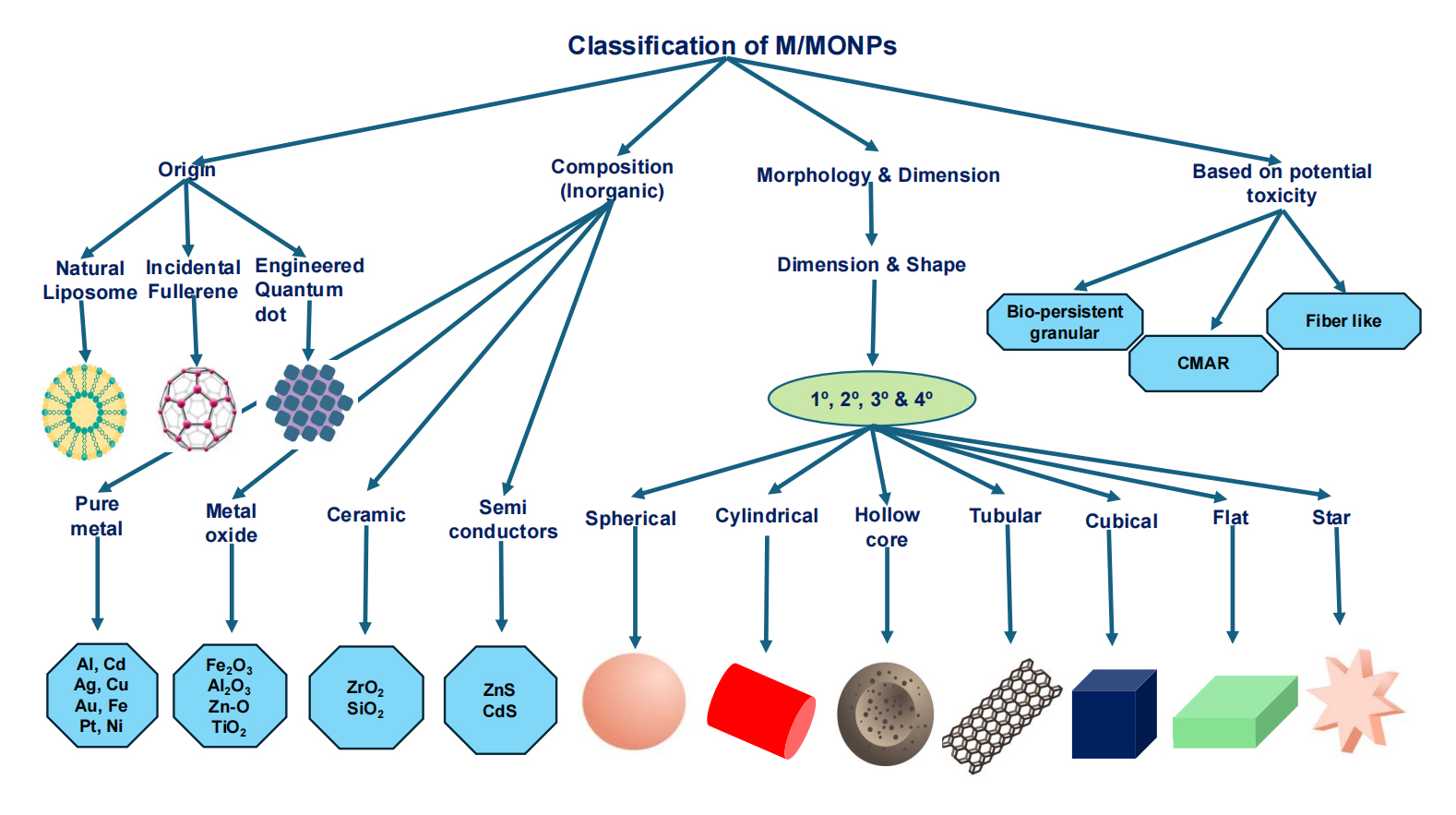 Figure 1. Classification of NPs based on origin, composition, morphology and dimension and potential toxicity.
Gold, silver, platinum, and other metals have been widely employed in the synthesis of NPs due to their broad availability and non-specific catalytic, antipathogenic, and antibacterial properties [32].
Metal Oxide NPsThese exhibit both magnetic and semiconductor properties. Their semiconductor characteristics have led to rapid growth in gas-sensor, hydrogen generation and photocatalysis applications, thanks to their efficiency and low cost [33–35].
Chalcogenide NPsSuch chalcogenide NPs include ZnSe, ZnS, CdS, PbS, CdTe etc. [11,36]. The unique properties of chalcogenide nanostructures, such as visible photon-capturing ability, defined energy gaps, and their distinct applications in solar energy, photocatalysis, gas conversion, solar-driven fuel generation, sensor technology, and hazardous pollutant removal, have attracted considerable research interest [37,38].
Alloyed Metallic and Doped Metal Oxide NPsDoped NPs, such as Pt–Ni and Zn–Ag, can be synthesized using methods including flame spray pyrolysis, modified sol–gel techniques, and homogeneous precipitation. Various doped metal oxide NPs are also widely used as doping has been shown to enhance their catalytic, photocatalytic activity, as well as sensitivity towards gases [39].
The precise number of MNPs present in the environment remains unknown, with only limited estimates available for specific nanoparticle concentrations. Current research is particularly focused on NPs used in fertilizers, pesticides, and soil and water remediation products, as these represent major sources of environmental contamination. Carbon-based NPs, metallic NPs, and metal oxides are among the most extensively studied [40,41]. Aquatic systems become contaminated through multiple pathways, including direct MNP entry during remediation activities, accidental leaks or product use, atmospheric deposition, effluents from wastewater treatment plants, and run off from polluted soils [16,42,43] (see Figure 2).
Landfills are known as significant sources of ecosystem contamination [16]. Wastewater treatment processes remove a substantial portion of NPs from polluted water; for instance, about 97% of Ag NPs were reported to be transferred from the water column into sewage sludge [44]. This sludge is sometimes applied to soil due to its high organic matter content and the presence of metal oxides such as ZnO. While certain MNPs in sewage sludge compost can enhance soil fertility, their broader environmental implications require careful evaluation [45], they also pose hazards because of their high predicted concentrations. These concentrations can range from tens of mg/kg/L for ZnO NPs, hundreds to thousands of mg/kg/L for TiO2 NPs, and dozens of μg/kg/L for Ag NPs [16,25,46]. Predictive models estimate that European surface waters contain tens to hundreds of ng/L of ZnO NPs, tens to thousands of ng/L of TiO2 NPs, and units to tens of ng/L of Ag NPs [14,23,44].
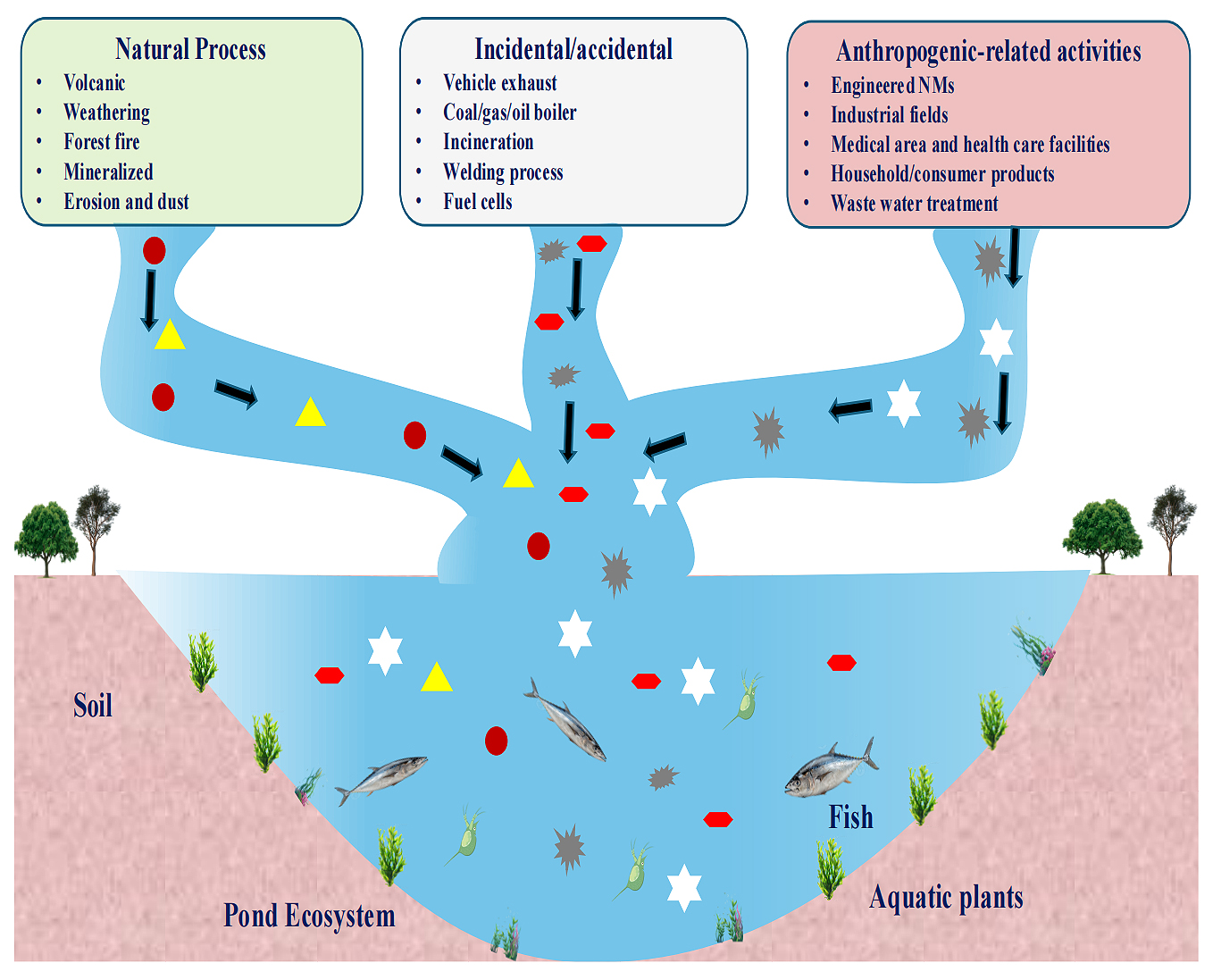 Figure 2. Various sources of nanoparticle release and contamination in aquatic ecosystems.
Metal-containing NPs are generally hydrophilic but demonstrate low solubility in water, which partly explains why metal ions like Ag+ are less toxic than silver NPs [47]. In natural waters, soluble Ag+ ions rapidly react to form insoluble, less toxic compounds such as chlorides and sulfides, which readily settle out of the water column [48]. Once NPs enter aquatic environments, they undergo a series of interactions, including the ones described below (see Figure 3).
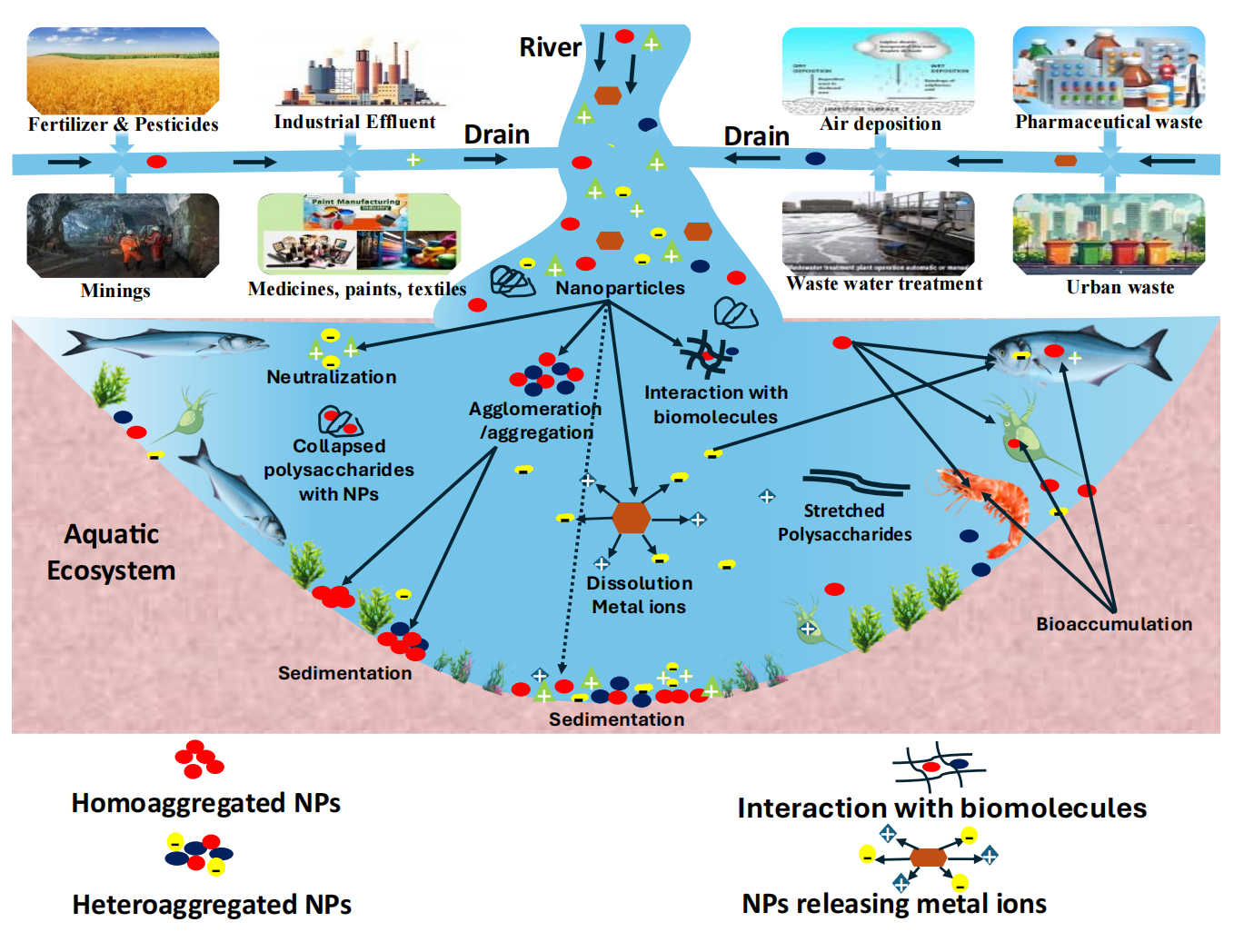 Figure 3. Sources of NP release and their interactions in aquatic ecosystem.
Aggregation and agglomeration are terms that are often used interchangeably in the NP field, but they refer to different processes. Aggregation involves permanent structural changes caused by irreversible chemical interactions, such as the formation of covalent bonds. In contrast, agglomeration refers to the reversible association of NPs through weak physical interactions, including electrostatic attraction, hydrogen bonding, or van der Waals forces [49]. Sedimentation is typically preceded by particle aggregation, which depends on factors such as pH, ionic strength, the presence of cations, and the size, shape, and charge of the particles [50–52] (see Figure 3). In marine and brackish water environments, the high ionic strength promotes rapid NP aggregation, resulting in lower NP concentrations in the water column [53,54]. Aggregation may occur as homoaggregation (among NPs) or heteroaggregation (between NPs and naturally occurring colloids). These colloids include inorganic substances (e.g., metal oxides, sulfides, and amorphous silica), organic compounds (e.g., polysaccharides, humic substances, and microbial proteins), and biological agents (e.g., bacteria and viruses). Fibrous materials tend to enhance NP aggregation, whereas humic substances can coat NP surfaces and neutralize their charges, thereby promoting dispersion [48,52].
Effects of NP shape and sizeIrregularly-shaped NPs, such as nanowires, nanotubes, and nanorods [55], along with their small size, which modifies surface reactivity, electronic structure and surface charge [56], are known to significantly influence their aggregation behavior in aqueous environments.
Impact of solution chemistry on NP aggregationSeveral studies have demonstrated that variations in aqueous media chemistry, such as ionic strength and pH, significantly influence the nature of NP aggregation [57,58]. These factors regulate the surface charge and charge density of metal-containing NPs, thereby affecting their stability. When the surface charge approaches zero, electrostatic repulsion diminishes, leading to enhanced Van der Waals attraction and increased aggregation. For instance, for TiO2 NPs, Guzman and coworkers observed an increase in the hydraulic diameter of aggregates as the solution pH reached the zero-point charge pHzpc [59,60].
Impact of surface coating and hydrophobicitySurface-coated MNPs can be stabilized through enhanced steric, electrostatic, or electrosteric repulsion between particles, which collectively influence their aggregation behavior [61,62]. Typically, three types of surface coating are employed: surfactants, polymers, and polyelectrolytes [63,64]. Surfactants, whether covalently bound or adsorbed, contribute to aggregation stability by increasing electrostatic repulsion and surface charge, or by lowering the interfacial energy between the solvent and particles [65,66]. Polymers such as polyvinylpyrrolidone (PVP) stabilize MNPs via steric repulsion. For instance, when compared to bare Ag NPs, PVP-coated Ag NPs were reported to exhibit a critical coagulation concentration value that was four times higher, indicating improved colloidal stability [67,68]. Cationic polyelectrolytes, such as polydiallyldimethylammonium chloride (PDDA), protect NPs from oxidation and agglomeration, thereby promoting aggregation under certain conditions [69].
Nanoparticle aggregation is also influenced by surface hydrophobicity, which alters the Hamaker constant (AH), a parameter that reflects the strength of mutual attraction between interacting particles [70].
Effect of natural organic matterNatural organic matter (NOM), primarily composed of humic and fulvic substances, can modify the physicochemical properties and interfacial interactions of MNPs by adsorbing onto their surfaces, thereby influencing aggregation behavior [71]. NOM has been shown to slow NP aggregation even under conditions of elevated ionic strength [6]. The impact of humic acid (HA) on NP aggregation depends on both ionic strength and the nature of the electrolytes present. For gold NPs, HA promotes aggregation in the presence of monovalent cations at low ionic strength; however, high concentrations of divalent ions significantly enhance aggregation [72].
Impact of solution dissolved oxygen and temperatureTemperature modulates the kinetics of metal-containing NP aggregation by influencing the Brownian motion of particles [73]. As temperature increases, the kinetic energy of such NPs rises, leading to higher collision frequencies and enhanced aggregation rates [74]. In aquatic systems, dissolved oxygen (DO) contributes to the oxidation of metallic NPs. For silver NPs, DO has been shown not only to promote aggregation but also to facilitate the formation of silver ions (Ag+) [75,76]. Under these conditions, hydrodynamic diameters exhibit random distributions and periodic fluctuations. The aggregation rate of Ag NPs has been reported to be three to eight times faster in the presence of dissolved oxygen [77].
AgglomerationPrimary particles form loosely packed clusters through readily reversible weak van der Waals interactions. Strongly fused clusters lead to the formation of undesirable aggregates, as they reduce surface area and alter reactivity, catalytic behavior, optical properties, and biological interactions (e.g., antimicrobial activity). Aggregation can be prevented through strategies such as surface coating, electrostatic and steric stabilization, optimized synthesis conditions, sonication, dispersing agents, solvent selection, increasing zeta potential, mechanical dispersion, and proper storage conditions [78].
NeutralizationNeutralization of NPs occurs through changes in pH, the addition of electrolytes, and interactions with oppositely charged molecules. These processes influence NP stability, leading to agglomeration or aggregation, sedimentation, reduced mobility, and altered reactivity. However, neutralization plays a significant role in applications such as wastewater treatment, material synthesis, drug delivery, sensor development, and catalyst fabrication [79]
Nanoparticles affect aquatic organisms through multiple mechanisms that often result in similar biological outcomes. The most prominent mechanism is the elevation of ROS production, which induces oxidative stress. This stress destabilizes cellular membranes through lipid peroxidation, ultimately leading to genotoxic effects and cell death [80,81]. In addition, metal-containing NPs significantly increase cytotoxicity by releasing metal cations that form complex with thiol groups of enzymes and proteins, thereby inhibiting their functions [82,83]. Thiol containing enzymes, such as lactate dehydrogenase and glutathione, play critical roles in mitigating oxidative stress [84].
Silver ions inhibit Na+/K+ ATPase activity, blocking the active uptake of Na+ and Cl⁻ ions in the basolateral cells of fish gills, thereby disrupting osmoregulation and leading to mortality [85–87]. Yue and colleagues demonstrated that this inhibition was caused by both AgNO3 and Ag NPs, with a 2.3% dissolution rate of Ag⁺ accounting for approximately 16% of the observed effect [88]. Mechanical effects are closely linked to the aggregation rates of metal-containing NPs. Adsorption of such NPs onto fish gills can obstruct the exchange of respiratory gases, as reported in previous studies [89,90]. In fish embryos, NP aggregation on the chorion surface can block pore canals, leading to hypoxia and a subsequent reduction in hatching rates [91,92].
NPs can also act as ‘Trojan horses’ due to their small size, large surface area, and strong sorption capacity, enabling them to bind environmental contaminants and facilitate their transport into organisms [93]. This phenomenon was observed by Zhu et al. [94] in danio sp. embryos co exposed to TiO2 NPs and tributyltin. While TiO2 NPs alone at 2 mg/L exhibited no developmental toxicity, their presence increased tributyltin toxicity 20-fold, significantly reducing hatching rates. For metal-based NPs with antimicrobial properties, such as ZnO, TiO2, and Ag NPs, their effects on the diversity and composition of fish microbiomes warrant careful consideration [95,96].
Aquatic organisms can internalize NPs, which can adversely impact biological systems across diverse taxa, including algae, invertebrates, and fish [97,98]. In fish, NPs may be absorbed via multiple epithelial pathways: the gastrointestinal tract (through feeding and drinking), the skin, and the gills [99,100] (see Figure 4). Among these pathways, transdermal uptake is relatively limited due to protective mucus secretion, which chelates NPs, and the absence of metal transporters, unlike the epithelium of fish gills [100,101]. Nevertheless, endocytic uptake of silver NPs has been documented, with subsequent localization in endosomes and lysosomes of RTgill-W1 gill cells [88] (see Figure 5). Importantly, the intracellular distribution of Ag NPs differs from that of silver ions (Ag+), which are predominantly found in the cytosol and associated with metallothionein-like protein fractions.
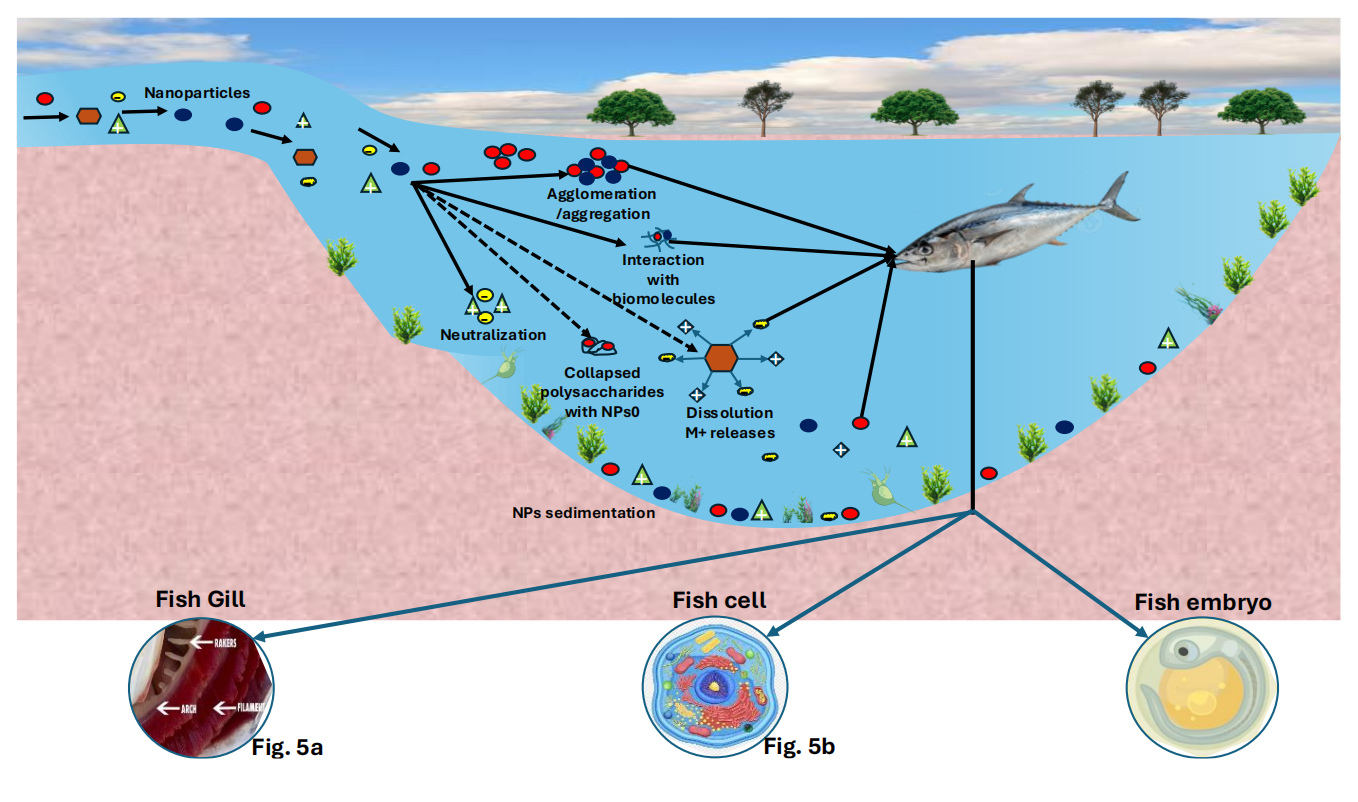 Figure 4. Toxicodynamics of MNPs in aquatic ecosystem.
Gastrointestinal uptake of metal-containing MNPs is supported by findings from Gaiser et al. [98], who exposed Cyprinus carpio (common carp) to nano- and micro-sized Ag particles for 21 days. They observed silver accumulation in several vital organs, including the intestine, gills, blood, kidney, liver, gallbladder, and brain [98,102]. Chronic dietary exposure to ZnO NPs in Cyprinus carpio was shown to adversely affect immune function and homeostasis, inducing nephrotoxicity and hepatotoxicity despite limited tissue accumulation [103]. Ag NPs have also been found to partially compromise cellular and lysosomal membrane integrity and metabolic activity [104]. Structural damage such as epithelial inflammation or erosion may weaken natural barriers, thereby facilitating NP translocation to internal organs via the circulatory system (see Figure 5a,b). Notably, Chupani et al. [105] documented increased apoptosis in the intestinal epithelium and elevated expression of proteins linked to cancer cell survival of the intestinal mucosal layer following ZnO NP exposure in Cyprinus carpio.
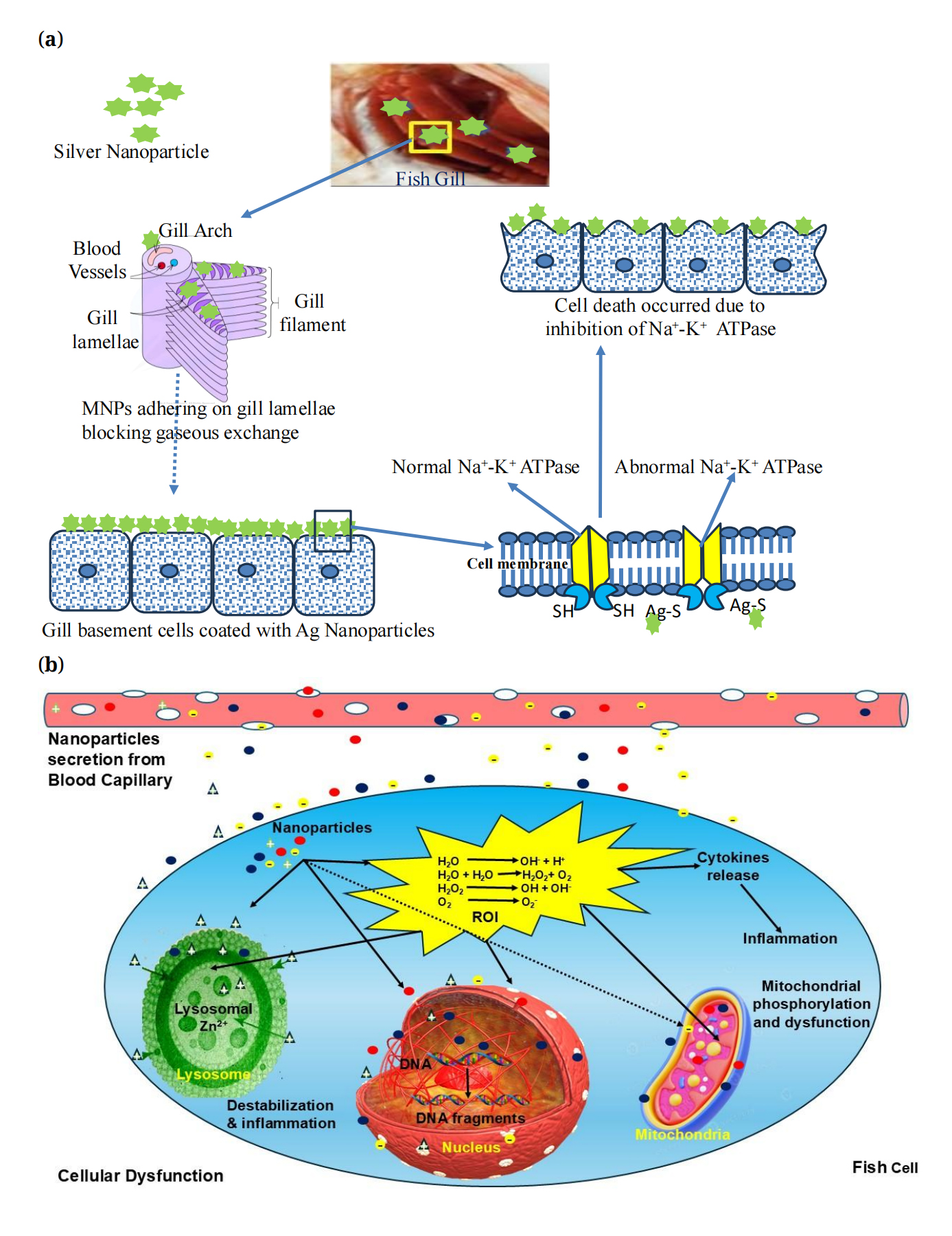 Figure 5. Toxicodynamics of MNPs at organ, cellular and embryonic levels. (a) Cellular necrosis of fish gills caused by AgNPs. (b) Toxicity of metal/metal oxide NPs in fish cells.
Bioaccumulation and transfer of metal-containing NPs through the food chain across different trophic levels can lead to biomagnification within aquatic ecosystems (see Figure 6) [99,106]. Ates et al. [107] demonstrated the accumulation of CuO and ZnO NPs in the gills, intestine, and liver of both goldfish (Carassius auratus) and Crustaceans (Artemia salina). Similarly, Ates et al. and Chen et al. [107,108] reported the trophic transfer of TiO2 NPs from algae (Scenedesmus obliquus) to aquatic fleas (Daphnia magna), resulting in biomagnification. A comparative study by Yoo et al. [109] evaluated the bioaccumulation and biomagnification of Ag NPs across multiple trophic levels, including green algae (Chlorella spp.), bloodworms (Chironomus spp.), aquatic fleas (Moina macrocopa), and silver barb (Barbonymus gonionotus), and found substantial accumulation in algae but relatively low levels in fish. The trophic transfer of M/MONPs from aquatic ecosystems to terrestrial food webs has serious implications for human health, contributing to disorders such as neurodegenerative diseases and cancer [110]. It has been reported that prolonged consumption of mercury-contaminated fish can lead to neurological disorders in humans, characterized by symptoms including muscle weakness, ataxia, limb numbness, and impairments in speech and swallowing [110].
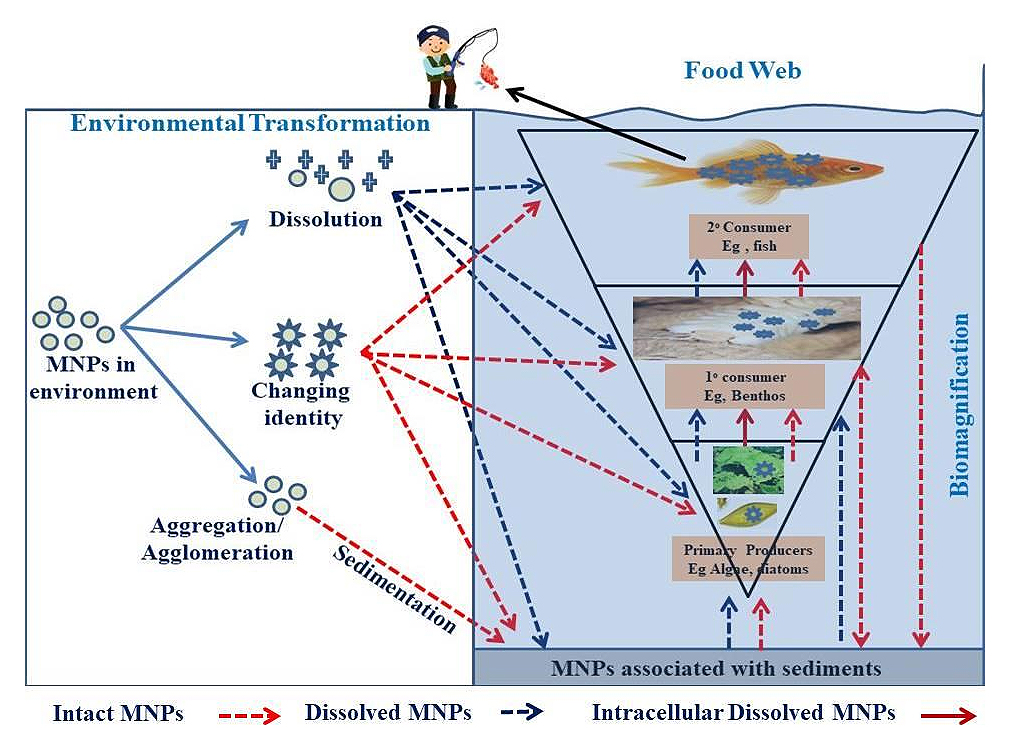 Figure 6. Effects and dynamics of metal-containing NPs across different trophic levels.
Large NP accumulations in aquatic environments have harmful effects on multiple stages of fish development. For example, increased concentrations of silver NPs were found to elevate stress-related molecule levels in young salmon, which inhibited the activity of Na+/K+-ATPase enzymes, leading to osmoregulation failure [111]. Exposure to approximately 100 μg/L of silver nanoparticles induced necrosis in gill lamellae and resulted in a 73% mortality rate among the fish [111]. Similarly, studies on juvenile zebrafish reported a lethal concentration (LC50) of about 1.78 mg/L for dissolved copper and 0.71 mg/L for copper NPs, demonstrating that MNPs are more toxic than their dissolved counterparts.
Extensive evidence indicates that MNPs can induce adverse effects, including inhibition of Na+/K+-ATPase activity, increased oxidative stress, and tissue degradation [112]. In fish, NPs are rarely excreted through the kidneys but can be eliminated via bile secretion [24].
Silver NPsThese days, silver NPs are widely utilized across various industries worldwide, including in textiles, medical imaging, and as antimicrobial agents. Despite their beneficial applications, numerous studies have reported undesirable impacts on aquatic lives (see Table 1). For example, in Salvelinus alpinus and S. fontinalis, a 24-h intravenous exposure to 5 nm polyvinylpyrrolidone-coated silver NPs (nAg-PVP) resulted in severe pacemaker dysfunction and disrupted cardiomyocyte iono-regulation [113]. Similarly, exposure to 5.54 ± 2.2 nm spheroidal Ag NPs coated with polyvinyl alcohol (Ag NP–PVA) caused elevated hematological parameters, including hematocrit, hemoglobin, glucose, total plasma protein, red blood cell count (RBC), mean hemoglobin concentration (MHC), mean corpuscular volume (MCV), and white blood cell count (WBC), as well as respiratory disorders in adult Colossoma macropomum [114].
In Nile tilapia, silver NPs were reported to produce oxidative stress, hepatotoxicity, genotoxicity, and epithelial cell hyperplasia [115]. In embryos of Danio rerio (zebrafish), silver NPs stabilized by polyvinylpyrrolidone, maltose, and gelatin decreased hatching and heart rates, while causing yolk sac edema and spine deformities [92]. Additional studies found sterility and growth rate reduction linked to Ag NP exposure [116]. At the molecular level, Ag NPs were shown to upregulate pro-inflammatory and pro-apoptotic genes such as IL-1β, TNF-α, and caspases while downregulating key embryonic development genes (sox17, gsc, ntl, otx2) [117].
Moreover, 22–26 nm spherical polyvinylpyrrolidone-coated Ag NPs were found to elevate liver oxidative stress, altered detoxifying enzymes, and reduced acetylcholinesterase (AChE) activity in the brains of zebrafish [118]. Neural development-related genes were negatively regulated, whereas metallothionein genes were positively upregulated following exposure [119] In adult Pimephales promelas, mucous secretion triggered by citrate- and polyvinylpyrrolidone-coated Ag NPs exposure led to renal and cardiac necrosis [120].
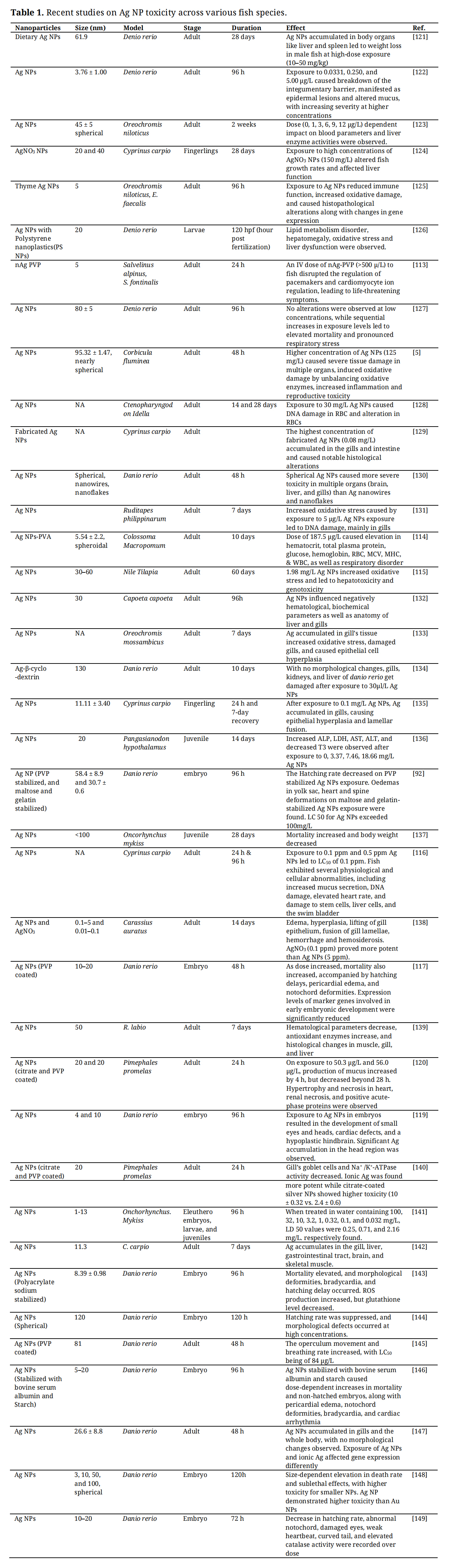 Table 1. Recent studies on Ag NP toxicity across various fish species.
Gold NPs have gained widespread popularity due to their relatively simple preparation, catalytic activity, stability, optoelectronic properties, high biocompatibility, and low toxicity. These characteristics enable their application across diverse technical fields, including photovoltaics, probes, electronics, catalysis, and sensing. In medicine, Au NPs play a pivotal role in both diagnostics, such as tumor detection and imaging, and therapeutic approaches, including drug delivery and photothermal therapy [150–152]. Their extensive global use has resulted in an annual production volume estimated at 1–3 tons [3,153].
Despite their benefits, Au NPs have demonstrated various adverse effects on aquatic organisms (see Table 2). In Danio rerio (zebrafish), citrate- and polyvinylpyrrolidone-coated Au NPs were found to cause cardiac edema and behavioral changes [92]. In juvenile Sparus aurata, exposure to Au NPs was reported to lead to red blood cell destruction and DNA damage [154]. Citrate-capped Au NPs also elevated the genetic expression of catalase, superoxide dismutase, and metallothionein in embryos, and altered brain acetylcholinesterase (AChE) activity along with oxidative stress and mitochondrial metabolism gene expression in adult zebrafish [155]. Furthermore, such NPs were reported to influence the expression of pro-apoptotic and DNA repair genes, contributing to mitochondrial dysfunction and DNA mutations [156] (see Table 2).
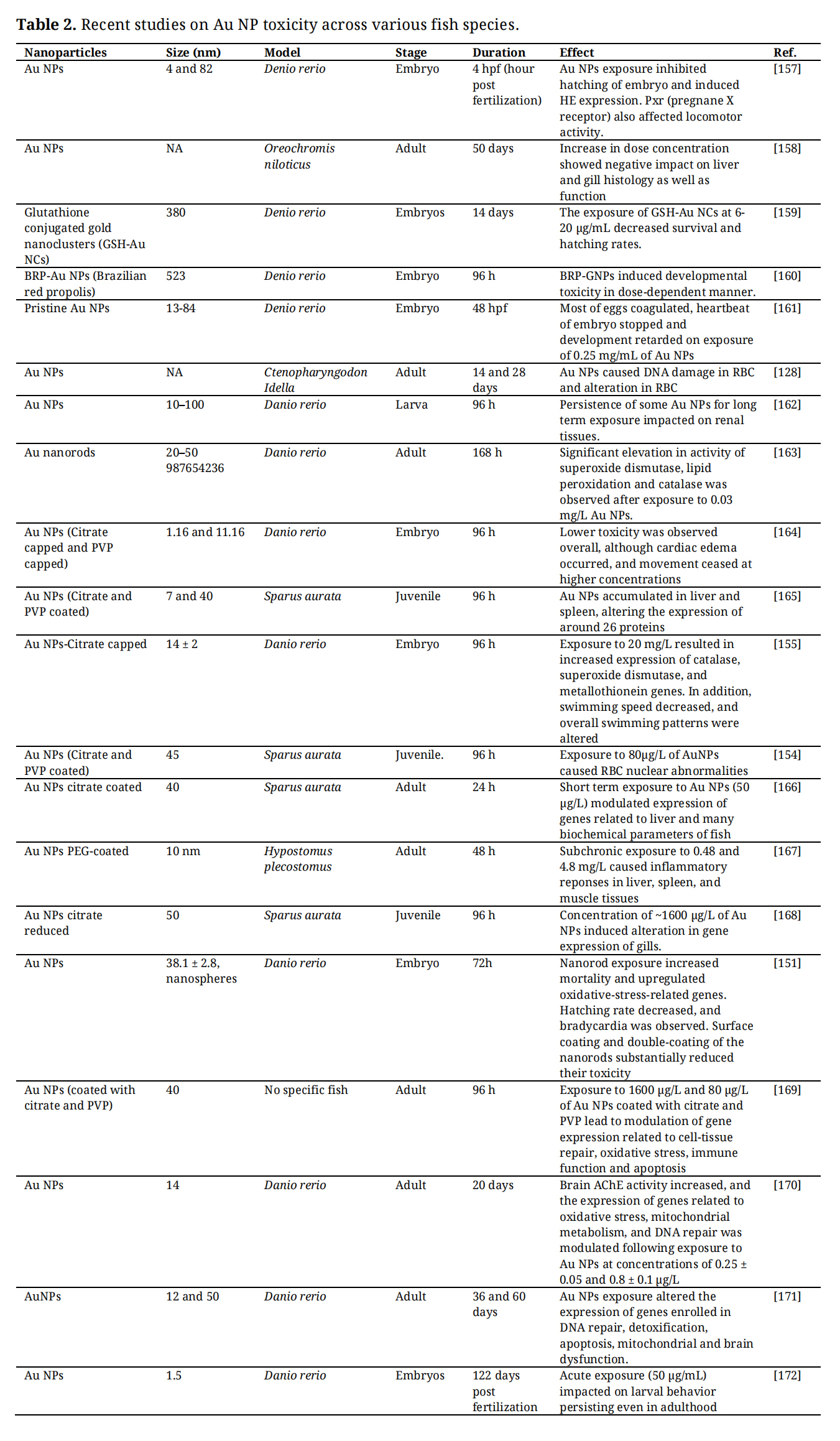 Table 2. Recent studies on Au NP toxicity across various fish species.
Titanium dioxide (TiO2) NPs are widely used as photocatalysts in solar panels, paints, plastics, pharmaceuticals, and even as food coloring agents. Owing to their transparency and UV protective properties, they are also commonly incorporated into cosmetics, particularly sunscreens [173,174]. Global production of TiO2 NPs is estimated at approximately 3000 tons per year [175]. Titanium dioxide is valued for its catalytic activity, electrical conductivity, high light reflectance, and high refractive index, and it is both chemically stable and insoluble in water [176].
Although generally considered safe and non-toxic, TiO2 NPs, especially those smaller than 25 nm, have demonstrated adverse biological effects at different level (see Table 3). In juvenile Acipenser schrenkii, 25-nm-sized TiO2 NPs were reported to disrupt lipid metabolism and altered the KEGG pathway related to immune response [177]. Exposure in adult Oreochromis niloticus resulted in liver and intestinal damage, erythrocytic DNA impairment, and downregulation of antioxidant and apoptosis-related genes. In juvenile hybrid groupers, it also triggered the upregulation of inflammatory genes such as TNF-α [15]. Chronic exposure in adult Oncorhynchus mykiss resulted in a 24% increase in brain acetylcholinesterase (AChE) activity [178]. Histopathological alterations have also been reported, including epithelial cell separation, fusion and thickening of the secondary gill lamellae, edema, and hemorrhage in fingerlings of fish [179]. Accumulation of TiO2 NPs increased the risk of pathomorphological alterations in the liver and spleen and reduced bacterial resistance in Pimephales promelas [180].
Titanium dioxide exists mainly in three crystalline forms, anatase, brookite, and rutile, with anatase being the most chemically reactive form [181]. TiO2 particles smaller than 25 nm have been shown to cause early hatching and titanium accumulation in the liver, heart and brain of Danio rerio embryos [182]. Chronic and sub-chronic exposure to anatase TiO2 also led to reproductive toxicity in zebrafish, including a 29.5% reduction in egg production [183].
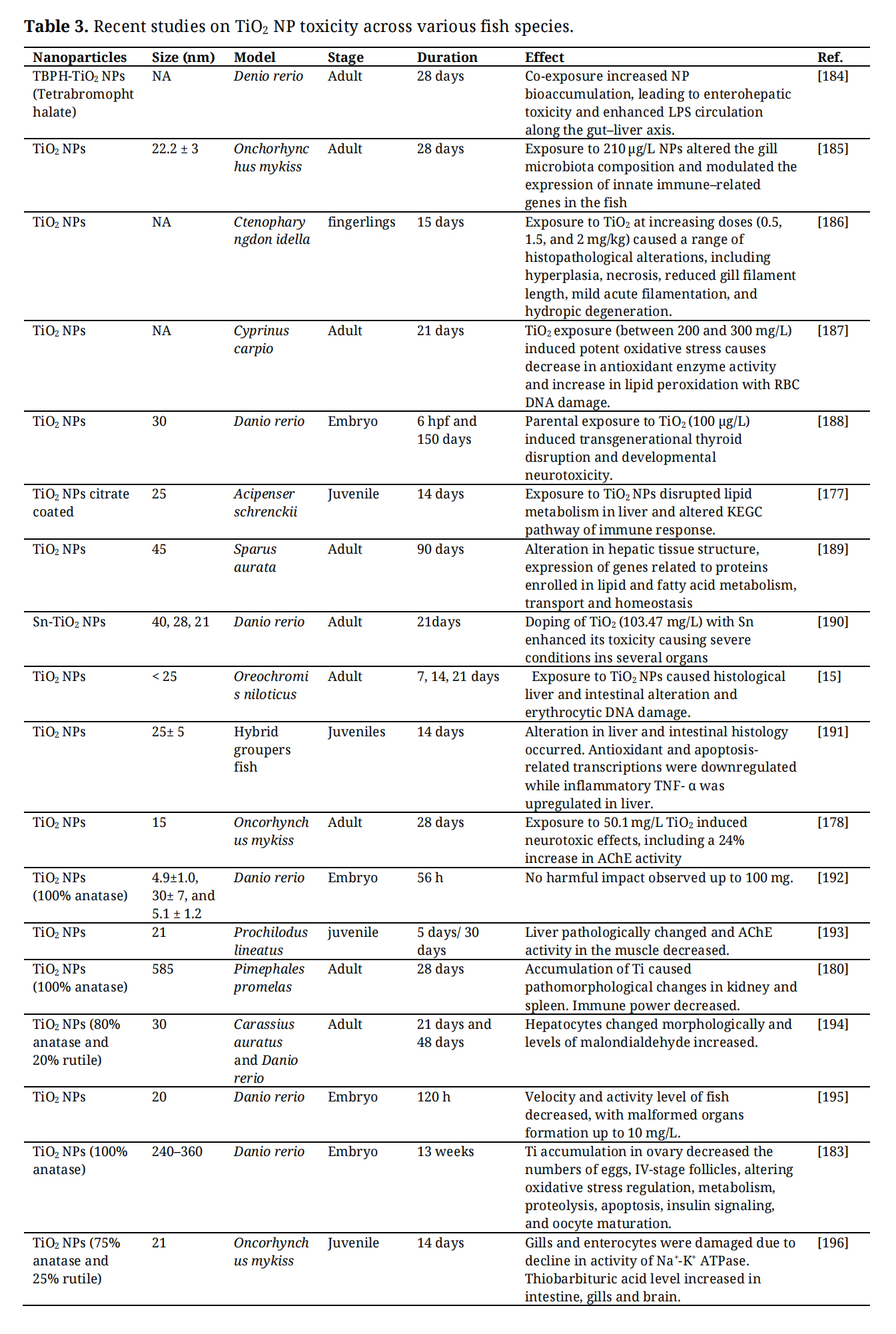 Table 3. Recent studies on TiO2 NP toxicity across various fish species.
Iron-containing NPs are broadly utilized in medical field like drug delivery, magnetic detection, hyperthermia treatment, and magnetic resonance imaging (MRI), owing to their unique magnetic and physicochemical properties [107]. Several iron-based oxides are commonly encountered, such as magnetite (Fe3O4), hematite (Fe2O3), wüstite (FeO), and iron oxyhydroxides like goethite (FeOOH). Although their biomedical advantages are well documented, the potential toxicological impacts of these materials on aquatic organisms should not be overlooked. Several studies reporting toxicity of above-mentioned respective NPs to aquatic ecosystem are listed in Table 4.
In adult Oncorhynchus mykiss, exposure to iron oxide NPs reduced swimming speed and decreased the activities of key antioxidant enzymes, including superoxide dismutase, glutathione, and malondialdehyde [197]. Similarly, Gonoproktopterus kolus fingerlings exposed to ferric chloride NPs for 96 h exhibited remarkable reductions in tissue protein, glycogen, and lipid content [198]. In Labeo rohita, exposure to Fe3O4 NPs at concentrations of 100, 1500, and 3000 ppm affected behavioral parameters such as bottom resting, respiration, and jerk movements, with mortality rates increasing significantly at 3000 ppm [199]. A 25-day exposure in adult Labeo rohita further resulted in elevated levels of hemoglobin (Hb), hematocrit, erythrocytes, mean corpuscular volume (MCV), and mean corpuscular hemoglobin concentration (MCHC), accompanied by a decrease in white blood cell (WBC) counts [200]. Iron oxide NPs have also been reported to bioaccumulate in fish tissues [201]. In Danio rerio, exposure to iron-containing NPs was reported to cause delayed hatching, increased mortality, and organ deformities [202,203].
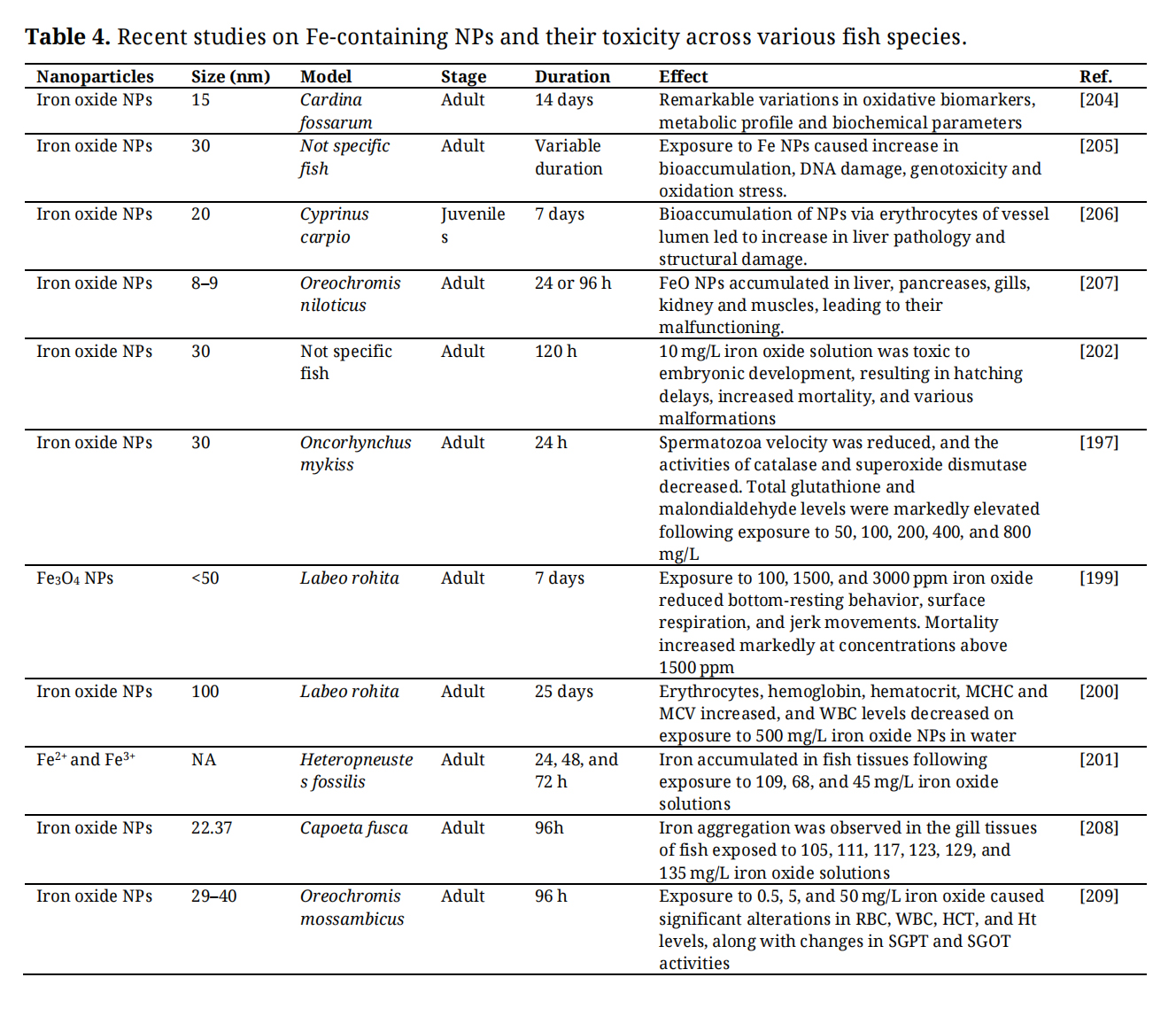 Table 4. Recent studies on Fe-containing NPs and their toxicity across various fish species.
Aluminum NPs and aluminum oxide (Al2O3) NPs are widely used in optoelectronics, electronics, medical applications, and drug-delivery systems. Despite their technological advantages, numerous studies have reported their toxicological impacts on aquatic organisms (See Table 5). For example, Al NPs were shown to promote lipogenesis and induce steatohepatitis shortly after the larval-to-juvenile transition in Danio rerio [210]. In adult Oreochromis niloticus, exposure to Al NPs significantly impacted liver function by altering antioxidant enzyme activity [211]. Long-term exposure in Oreochromis mossambicus resulted irreversible damage in the liver, gills, and brain [212]. Similarly, in Carassius auratus, Al NPs induced gill hyperplasia and liver degeneration, accompanied by increased activities of glutathione S-transferase, catalase, and superoxide dismutase [213].
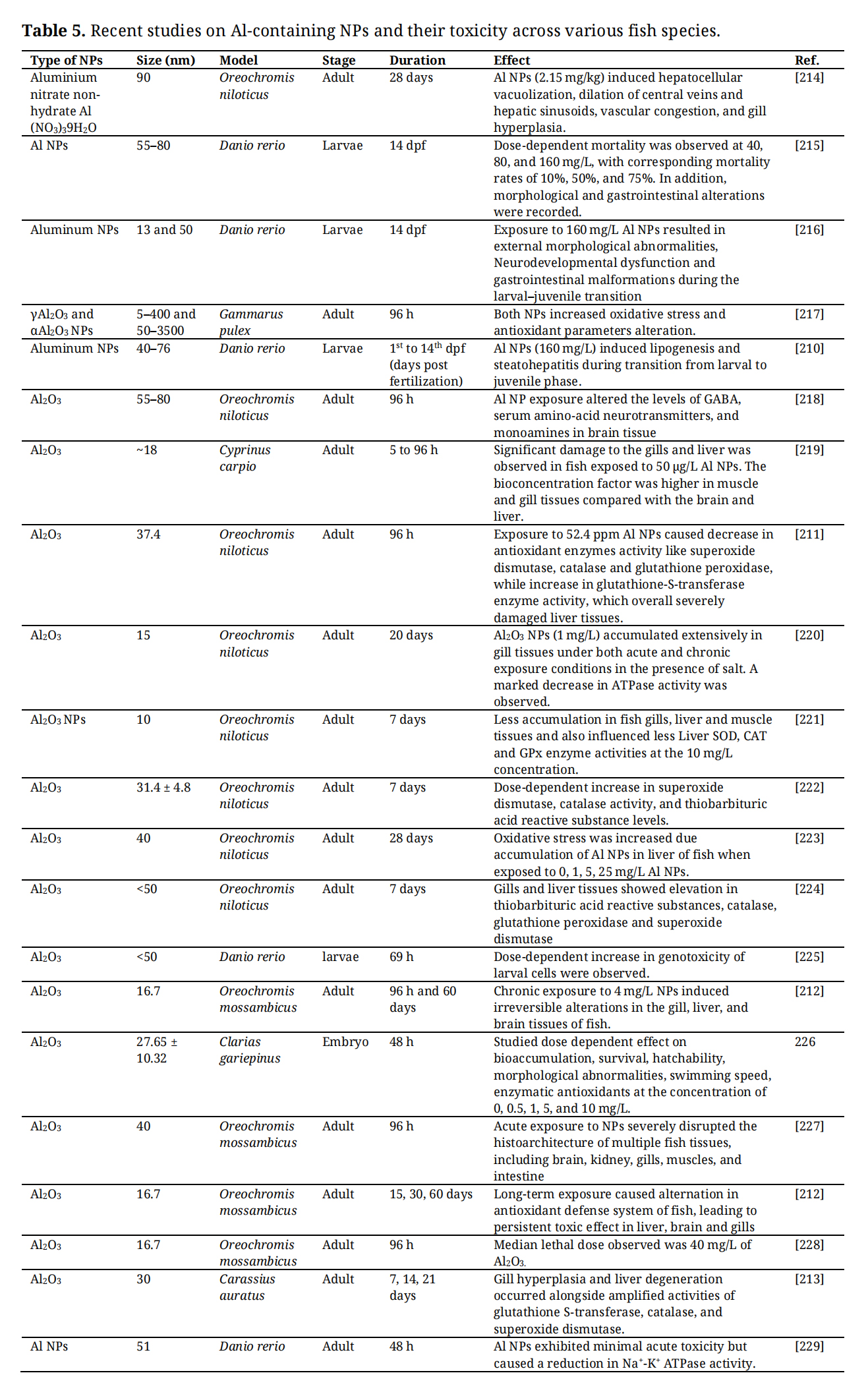 Table 5. Recent studies on Al-containing NPs and their toxicity across various fish species.
Platinum NPs, which are widely used in automobile catalytic converters, can enter aquatic ecosystems through runoff from rainwater. In a study on adult Cirrhinus mrigala, exposure to Pt NPs resulted in behavioral abnormalities such as loss of balance, erratic swimming, and restlessness [230]. Cellular studies have also demonstrated platinum uptake, disaggregation, and stability in fish cell lines, including Epithelioma, Papulosum, Cyprini (EPC) and Bluegill Fry (BF) cells [231].
In Danio rerio (zebrafish) embryos, Pt NP exposure was observed to lead to a dose-dependent reduction in heart rate, axial curvature deformities, and delayed hatching. Interestingly, Pt NP accumulation in embryos was lower compared to silver and gold NPs, most likely due to their smaller size, which limited retention within embryonic tissues [232]. Like above there are several reports regarding Pt NPs toxicity to aquatic organism which are listed as below in Table 6.
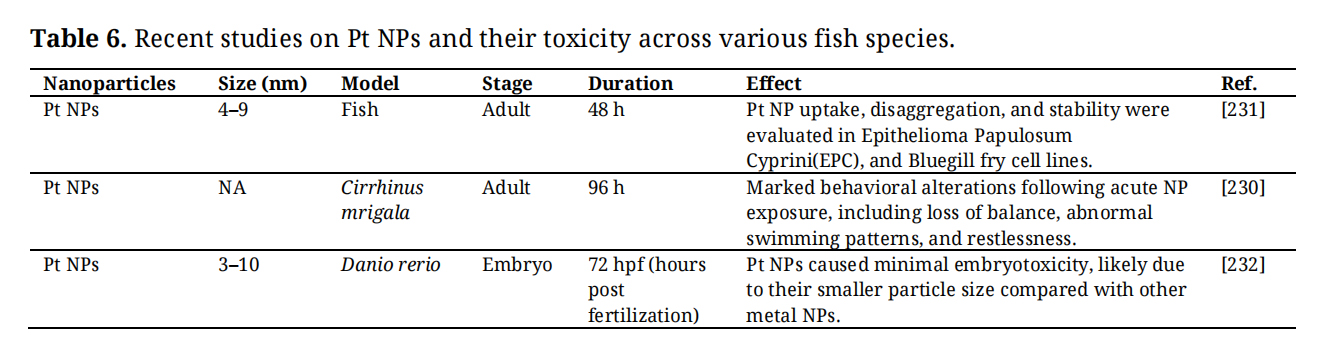 Table 6. Recent studies on Pt NPs and their toxicity across various fish species.
The widespread extraction and industrial use of nickel and its alloys, found in jewelry, medical implants, cadmium batteries, stainless steel production, and nickel plating, have increased the risk of human exposure through environmental contamination and occupational contact. Nickel oxide (NiO) NPs accumulate in fish tissues and induce marked pathological genotoxicol response [233]. In Heteropneustes fossilis, exposure to NiO NPs significantly altered hematological and biochemical parameters, as well as key enzyme activities [234]. Similarly, in Labeo rohita, depletion of antioxidant enzyme activity following exposure resulted in pronounced pathological lesions in the kidney and liver [235].
In zebrafish embryos, exposure to nickel NPs of varying sizes (30, 60, and 100 nm) caused mortality and developmental abnormalities, including reduced intestinal thickness and skeletal muscle damage. Notably, the toxic effects of these NPs were comparable to those of soluble nickel, indicating that NP form does not substantially reduce toxicity [236]. For additional details, see Table 7.
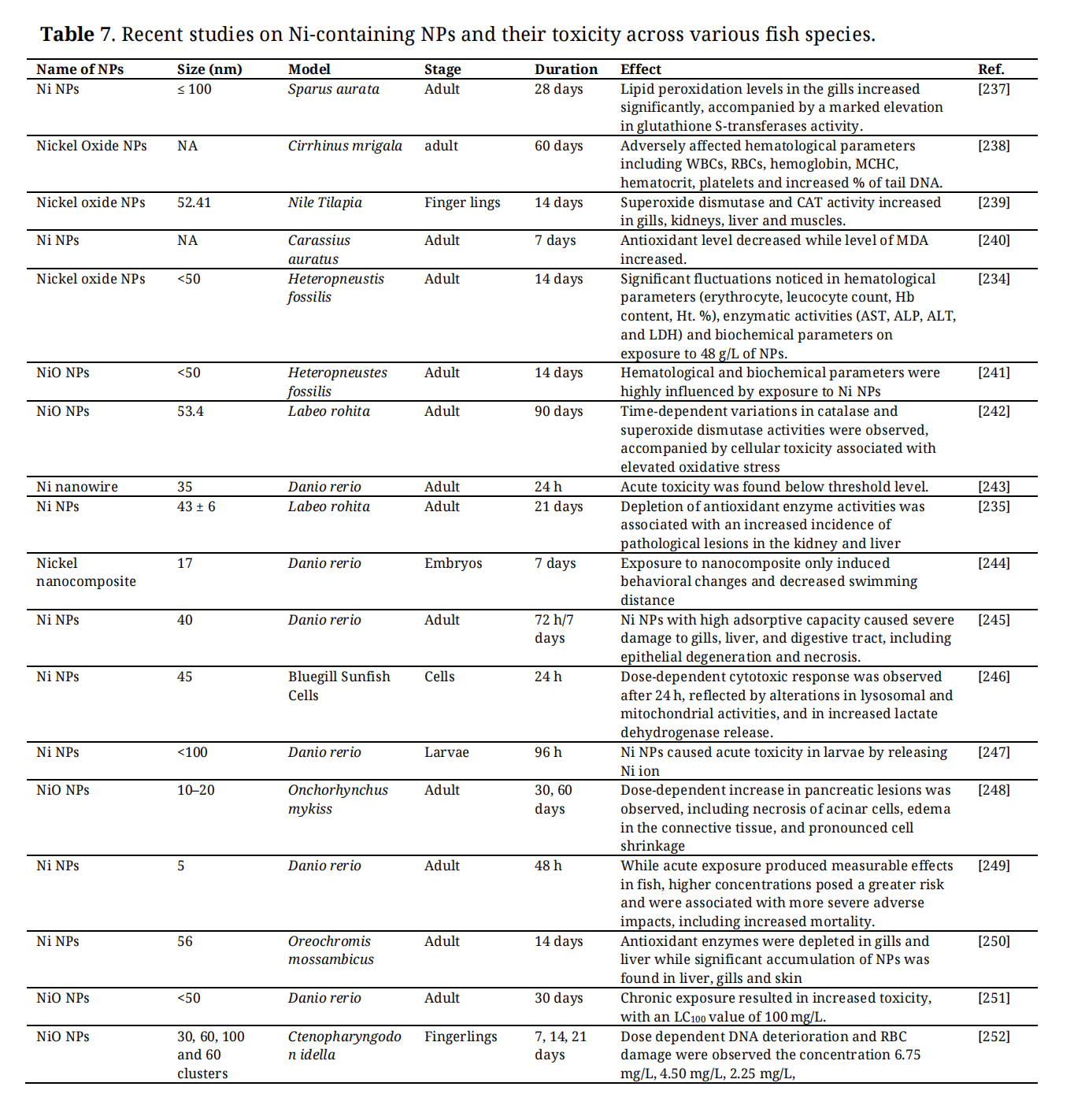 Table 7. Recent studies on Ni-containing NPs and their toxicity across various fish species.
Copper oxide (CuO) NPs possess unique physicochemical properties, including small size, high surface area, and pronounced reactivity, that support their widespread use in biomedical, industrial, electrical, and environmental applications. These same attributes, however, increase the likelihood of human and ecological exposure. In aquatic organisms, chronic CuO NP exposure has been linked to cytotoxicity, oxidative stress, genotoxicity, neurotoxicity, immunotoxicity, and inflammation [253]. In Danio rerio (zebrafish), engineered CuO NPs delayed embryo hatching by coating the chorion and inducing foaming within the perivitelline fluid [254]. Sub-lethal, long-term exposure to rod-shaped CuO NPs (32.84 nm) for 45 days in Labeo rohita (rohu) triggered oxidative stress, metal accumulation, and genotoxic effects [96]. Comparative studies further indicate that CuO and ZnO NPs exert greater toxicity in embryos and juvenile fish than their corresponding metal salts, with concentration-dependent reactive oxygen species (ROS) generation emerging as a key mechanism underlying CuO NP-induced toxicity [255].
Exposure to CuO NPs has also produced abnormal phenotypes in zebrafish embryos, including delayed epiboly and reduced eye and head size [256]. Acute exposure to high concentrations caused hepatotoxicity and neurotoxicity in zebrafish larvae and embryos. A comparative toxicity assessment across rainbow trout, fathead minnow, and zebrafish reported lowest-observed-effect concentrations (LOECs) of 0.17, 0.023, and <0.023 mg/L, respectively, values below the predicted environmental concentrations of copper NPs [257]. In human cell studies, Karlsson et al. demonstrated that CuO NPs caused substantial damage to human lung epithelial cell lines, whereas iron oxides (Fe2O3 and Fe3O4) exhibited comparatively lower toxicity [258].
Zinc Oxide NPsZinc oxide NPs, which are widely used across industrial and biomedical sectors, pose significant risks to aquatic organisms under chronic exposure. In Clarias gariepinus, prolonged exposure to ZnO NPs inhibited growth, increased oxidative stress, and induced hematotoxicity through disruption of gene expression [259]. In Takifugu obscurus, exposure to 50-nm ZnO NPs across multiple developmental stages, including fertilized eggs, hatched embryos, and two-month-old juveniles, resulted in reduced hatching rates, organ malformations, and decreased survival [260].
Zn2+ ions released from ZnO NPs have been associated with genotoxic effects and impaired locomotor activity [261]. In Danio rerio embryos, exposure to 100-nm ZnO NPs increased oxidative stress, reduced antioxidant levels, and inhibited key enzymes such as Na+/K+-ATPase and acetylcholinesterase (AChE) [262]. Sub-lethal exposure in Scarus coeruleus (Blue Parrotfish) over 15 days triggered oxidative stress, antioxidant responses, decrease hepatoenzymes activity, disrupt tissue level of cations (Na+,K+, Ca+ )and histological alterations [263].
In rare minnows, a 60-day exposure to ZnO NPs (30 ± 10 nm) induced hepatotoxicity, characterized by vacuolization, irregular or absent nuclei, reduced body weight, and a decreased hepato-somatic index (HSI) [264]. In Danio rerio, ZnO NPs were shown to interact with zebrafish hatching enzymes (ZHE1) and superoxide dismutase (SOD1), further implicating their involvement in developmental toxicity [265]. In goldfish, Zn2+ ions accumulated in the liver, gills, and kidneys after 14 days of exposure, leading to significant alterations in serum biochemical markers, hepatic enzyme activity, immune responses, and antioxidant levels [266].
ZnO NPs are widely used in cosmetics, sunscreens, photonics, electrical appliances, and ceramics due to their antimicrobial properties, strong photocatalytic activity, transparency, and biocompatibility associated with their high isoelectric point [267]. Although Zn2+ ions released from ZnO NPs have been implicated in toxicity, some researchers argue that the nanoparticles themselves are primarily responsible for the observed adverse effects [268].
Surface modifications of ZnO NPs can significantly influence their biological interactions. For example, chitosan-coated (ZnO-CTS) and polyethylene glycol-coated (ZnO-PEG) ZnO NPs exhibit reduced deposition on zebrafish embryo surfaces, with ZnO-CTS in particular improving embryo survival rates [269]. Nevertheless, exposure to ZnO NPs has been shown to exert toxic effects on fish embryos and larvae, including delayed hatching, tail deformities, tissue damage, reduced larval body size at lower concentrations, and increased embryo mortality at higher doses [269].
Additionally, Zn2+ ions may contribute to overall toxicity, as evidenced by delayed hatching, skin ulceration, and elevated mortality in zebrafish exposed to ZnO NPs [270]. These findings underscore the complex interplay between NP composition, surface chemistry, and biological impact.
Nanomaterials have contributed significantly to advancements across multiple sectors worldwide because of their unique properties described above. However, our findings indicate that once released into aquatic environments, they can pose substantial ecological and health risks. These risks depend largely on nanomaterial characteristics, such as shape, size, surface chemistry, and concentration, as well as environmental factors including pH, organic matter content, and salinity. Major categories of risk in aquatic systems include bioaccumulation, toxicity to aquatic organisms, sediment contamination, alterations in water chemistry, synergistic interactions with other pollutants, trophic transfer, and genetic or molecular effects [271]. Nevertheless, the adverse impacts of metal and metal oxide NPs can be mitigated through polymer‑based delivery systems, metal–organic frameworks, responsive surface modifications, and artificial‑intelligence‑based computational approaches [272].
Here we critically evaluate existing regulatory frameworks governing NP risks in aquatic environments, identifying region‑specific regulatory gaps, particularly in developing regions such as South Asia and Sub‑Saharan Africa, and propose policy measures to strengthen the protection of freshwater, estuarine, and marine ecosystems.
Due to the relatively new and rapidly evolving nature of NPs, global regulatory standards remain fragmented, although most developed countries incorporate NP‑related disposal requirements into existing hazardous waste, chemical, and environmental regulations. In the United States, for example, two key regulatory bodies, the Environmental Protection Agency (EPA) and the Occupational Safety and Health Administration (OSHA), oversee NP management through frameworks such as the Toxic Substances Control Act (TSCA) and the Resource Conservation and Recovery Act (RCRA). Under these regulations, manufactured NPs are evaluated for their environmental fate and toxicity before disposal guidelines are approved [273,274].
The European Union currently implements some of the most advanced and specific regulations for nanomaterial waste management, primarily through the REACH Regulation (Registration, Evaluation, Authorization and Restriction of Chemicals) and the Waste Framework Directive (2008/98/EC). Manufacturers are required to register nanomaterials and provide comprehensive safety data, including information on disposal pathways. In industrial sectors, the labeling and tracking of nanomaterials within waste streams are mandatory. The European Chemicals Agency (ECHA) has also issued detailed technical guidance for the treatment and management of nano‑waste [275].
The United Kingdom, which has adopted many REACH‑aligned restrictions, regulates ecotoxic nanomaterial waste as hazardous substances. Its regulatory framework emphasizes risk‑based disposal, controlled‑condition incineration, and preventing NP entry into landfills and sewage systems [276]. Several other countries have also established regulatory mechanisms to ensure proper nano‑waste management and environmental protection. These include China’s Measures on the Environmental Management of New Chemical Substances, Japan’s Chemical Substances Control Law (CSCL) and Industrial Safety and Health Law, Australia’s National Industrial Chemicals Notification and Assessment Scheme (NICNAS), and Canada’s Canadian Environmental Protection Act (CEPA) [271].
However, despite the measures implemented by many developed countries, several challenges persist. These include limited data on long‑term toxicity, difficulties in detecting NPs within waste streams, the absence of standardized nano‑specific testing methods and globally harmonized disposal protocols, insufficient environmental monitoring systems, and the rapid pace of technological innovation that continues to outpace policy development [277].
In this chapter, we highlight the regulatory gaps in developing regions such as South Asia and Sub‑Saharan Africa, where formal risk‑assessment protocols for nanomaterials are largely absent. Accordingly, we recommend that both developed and developing countries adopt the following actions [278]:
(i)
(ii)
(iii)
(iv)
(v)
(vi)
(vii)
(viii)
(ix)
Several studies have developed various matrices, such as functionalized polymeric materials, activated carbon, graphene oxide, chitosan composites, and biochar, for the immobilization of hazardous nanomaterials [277,278]. Therefore, it is recommended to design advanced, compact, and functionalized matrices optimized for key conditions such as pH and temperature to effectively immobilize nanomaterials released from industrial effluents and laboratory discharges.
Future research aimed at supporting clean and sustainable aquatic environments should focus on developing advanced matrices, including AI- and ML-based models, capable of effectively immobilizing nanomaterial‑based pollutants. Such innovations are essential for achieving zero discharge of NPs into aquatic ecosystems.
The rapid advancement of global technology has driven increasing demand for nanoparticle-based materials across a wide range of sectors, including electronics and optoelectronics, sunscreens, paints, cosmetics, textiles, and medicine. However, the extensive use of nanomaterials also introduces ecological risks, particularly when they enter aquatic environments, where they can disrupt food webs and destabilize ecosystem functioning. The toxicity of metal ion–containing nanoparticles (NPs) largely stems from their unique physicochemical properties, including their chemical composition, small size, large surface area, high mobility, and surface modifications. This review highlights that common industrial nanomaterials, including NPs of TiO2, CuO, ZnO, Al2O3, FeO, Pt, SiO2, CeO2, gold, and silver, adversely affect tissue development, sperm function, embryonic growth, hematological parameters, physiological processes, and metabolic functions in various fish species. Notably, these nanomaterials often exhibit greater toxicity than their soluble ionic forms, with titanium dioxide and silver NPs showing particularly pronounced effects in aquatic organisms. Given these findings, there is an urgent need to develop technologies capable of trapping or adsorbing engineered and hazardous nanomaterials within polymeric matrices before effluents are discharged into aquatic ecosystems. There is also a pressing need for globally standardized protocols for the safe handling and disposal of nanomaterials, regardless of a country’s economic status. Implementing scientifically updated standard operating procedures, along with the responsible and ethical use of nanomaterials, is essential for mitigating environmental risks and protecting aquatic ecosystems.
No data were generated from the study.
The authors declare that they have no known competing financial interests or personal relationships that could have appeared to influence the work reported in this paper.
The authors declare that no funding was received for this research.
1.
2.
3.
4.
5.
6.
7.
8.
9.
10.
11.
12.
13.
14.
15.
16.
17.
18.
19.
20.
21.
22.
23.
24.
25.
26.
27.
28.
29.
30.
31.
32.
33.
34.
35.
36.
37.
38.
39.
40.
41.
42.
43.
44.
45.
46.
47.
48.
49.
50.
51.
52.
53.
54.
55.
56.
57.
58.
59.
60.
61.
62.
63.
64.
65.
66.
67.
68.
69.
70.
71.
72.
73.
74.
75.
76.
77.
78.
79.
80.
81.
82.
83.
84.
85.
86.
87.
88.
89.
90.
91.
92.
93.
94.
95.
96.
97.
98.
99.
100.
101.
102.
103.
104.
105.
106.
107.
108.
109.
110.
111.
112.
113.
114.
115.
116.
117.
118.
119.
120.
121.
122.
123.
124.
125.
126.
127.
128.
129.
130.
131.
132.
133.
134.
135.
136.
137.
138.
139.
140.
141.
142.
143.
144.
145.
146.
147.
148.
149.
150.
151.
152.
153.
154.
155.
156.
157.
158.
159.
160.
161.
162.
163.
164.
165.
166.
167.
168.
169.
170.
171.
172.
173.
174.
175.
176.
177.
178.
179.
180.
181.
182.
183.
184.
185.
186.
187.
188.
189.
190.
191.
192.
193.
194.
195.
196.
197.
198.
199.
200.
201.
202.
203.
204.
205.
206.
207.
208.
209.
210.
211.
212.
213.
214.
215.
216.
217.
218.
219.
220.
221.
222.
223.
224.
225.
226.
227.
228.
229.
230.
231.
232.
233.
234.
235.
236.
237.
238.
239.
240.
241.
242.
243.
244.
245.
246.
247.
248.
249.
250.
251.
252.
253.
254.
255.
256.
257.
258.
259.
260.
261.
262.
263.
264.
265.
266.
267.
268.
269.
270.
271.
272.
273.
274.
275.
276.
277.
278.
Thakur BK, Bhardwaj AK, Tripathi P, Dwivedi K, Roy D, Prasad R, Kulinich SA. A Comprehensive Assessment of the Impacts of Metal and Metal Oxide Nanoparticles on Fish. J Sustain Res. 2026;8(2):e260030. https://doi.org/10.20900/jsr20260030.

Copyright © Hapres Co., Ltd. Privacy Policy | Terms and Conditions


